
Best Coronary Guidewires for PCI
A difficult lesion rarely announces itself at the requisition stage. It shows up later - when support is marginal, torque response is inconsistent, or the wire that works well in one vessel underperforms in another. That is why the discussion around the best coronary guidewires for PCI is less about naming one universal product and more about matching wire class, tip behavior, coating, and brand platform to the cases your cath lab handles most.
For procurement teams, that distinction matters. Coronary guidewires are not interchangeable line items. Buying decisions affect physician preference, procedure efficiency, backup inventory strategy, and the ability to cover routine PCI, bifurcation work, calcified anatomy, and CTO-supportive cases without gaps.
What defines the best coronary guidewires for PCI
In practice, the best wire is the one that fits the lesion set, operator technique, and support strategy already used in the lab. A high-volume center focused on standard PCI may prioritize balanced workhorse wires with predictable steering and broad familiarity. A lab managing more complex disease may need deeper stock in polymer-jacketed wires, specialty support wires, and penetration-focused options.
The main performance variables are well understood by interventional teams, but they are equally relevant for buyers. Tip load influences crossing power and lesion entry, but higher tip loads can reduce forgiveness. Torque transmission affects steering precision, especially in tortuous vessels. Support matters for device delivery after the lesion is crossed. Hydrophilic coatings can improve trackability in challenging anatomy, though some operators prefer more tactile feedback from non-polymer or hybrid constructions.
This is why a single "best" list can be misleading. The better approach is to source guidewires by procedural role.
The core wire categories cath labs usually stock
Workhorse coronary guidewires
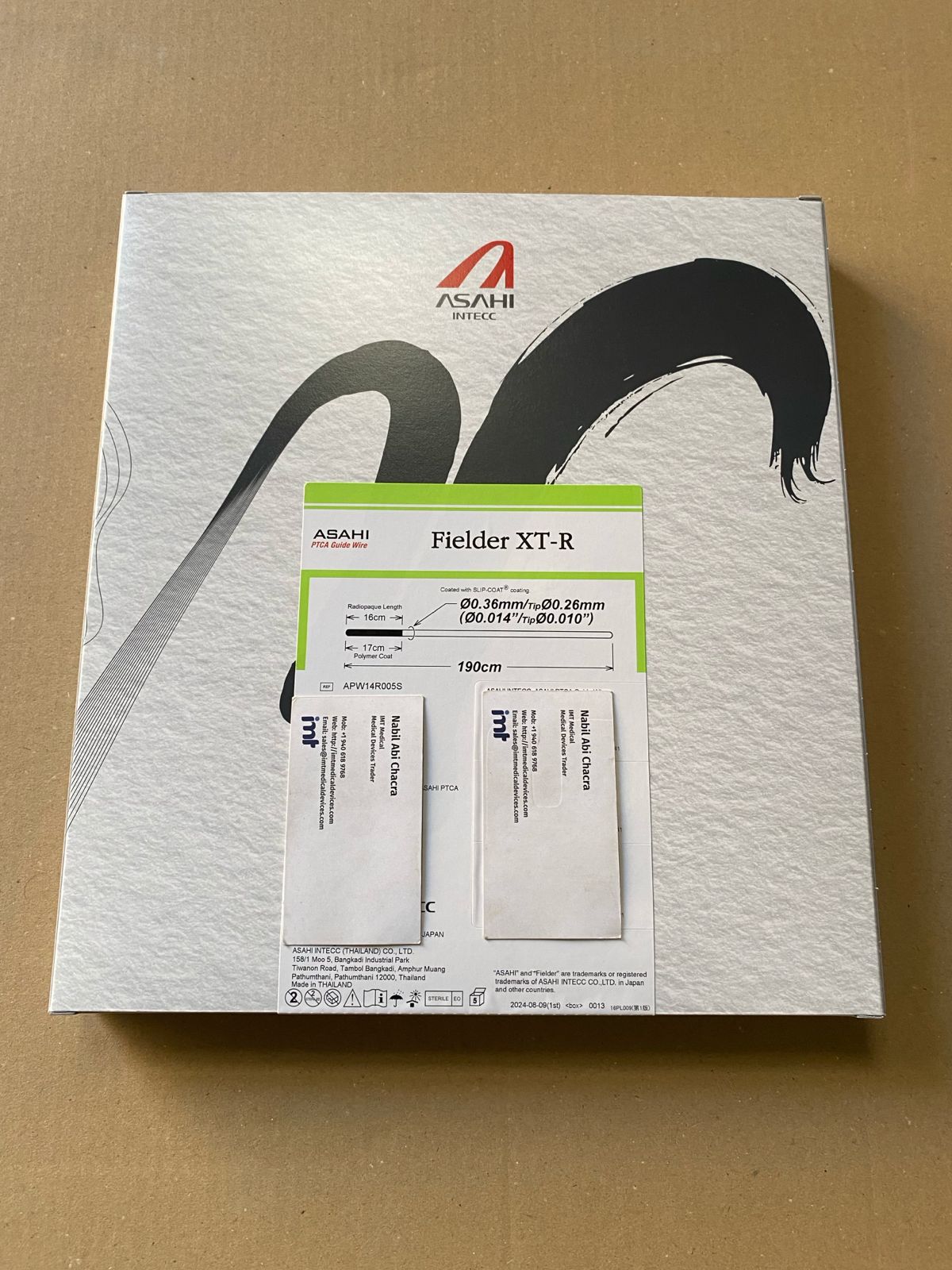
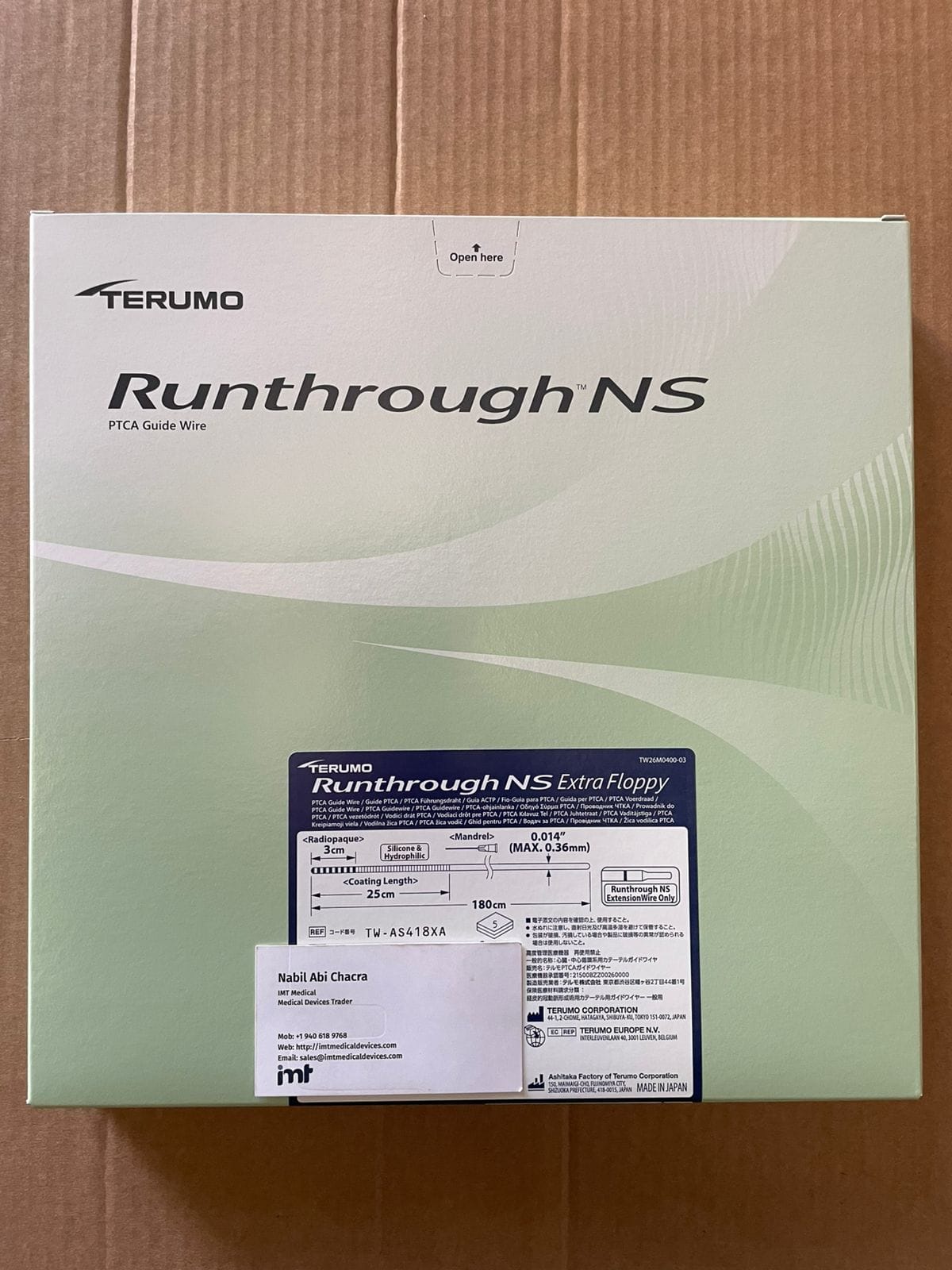
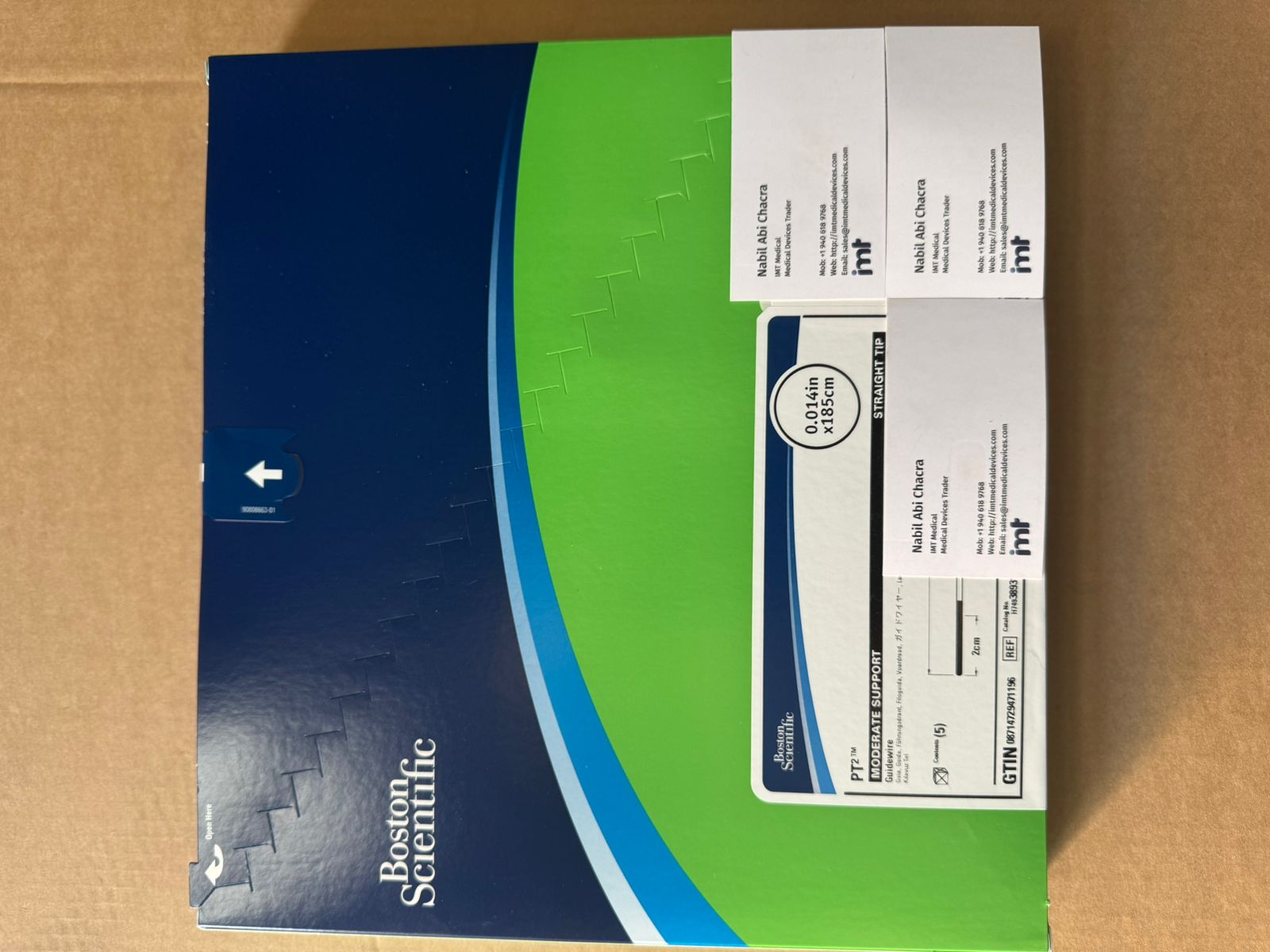
Workhorse wires are the foundation of routine PCI inventory. These are the wires operators reach for first in a large share of standard coronary cases because they balance steerability, support, and safety. In branded portfolios, this category often includes widely recognized lines from Asahi, Terumo, Abbott, and Boston Scientific.
For buyers, the key issue is breadth within the workhorse class. Some operators prefer a wire with slightly more support, while others value softer tip behavior and smoother vessel tracking. A purchasing plan built around only one workhorse SKU may look efficient on paper but can create avoidable substitution pressure in the lab.
Hydrophilic and polymer-jacketed wires
When anatomy becomes more tortuous or lesion crossing becomes less straightforward, polymer-jacketed and hydrophilic wires often become more relevant. These wires can offer lower friction and better advancement through challenging segments. They are useful in selected complex PCI settings, but they also require operator familiarity because tactile feedback can differ from more traditional constructions.
From a procurement standpoint, these are not always the highest-volume line items, but they are high-importance SKUs. If a facility handles difficult anatomy regularly, understocking this segment can delay cases or force brand substitutions that physicians may not accept.
Support and specialty wires
Some wires are selected less for initial lesion crossing and more for the support they provide once access is obtained. These can be valuable when device delivery is difficult, especially with stents, balloons, or microcatheter-based strategies in complex lesions.
The trade-off is straightforward. More support can improve deliverability, but it may come with different handling characteristics. Buyers should treat these wires as essential complementary inventory rather than occasional extras.
CTO-oriented coronary guidewires
Not every center performs dedicated CTO work, but centers that do require a much more deliberate inventory strategy. Tip load progression, penetration capability, and escalation options matter here far more than in routine PCI. Branded CTO wire families, particularly from manufacturers with established coronary platforms, are often chosen because operators want consistency across escalation steps.
This is one area where procurement standardization can be helpful, provided the chosen portfolio reflects physician technique. A center that relies on a specific CTO algorithm typically needs that algorithm supported by the corresponding wire family, not a patchwork of unrelated substitutes.
Brand platforms commonly considered for PCI guidewire procurement
Asahi remains one of the most recognized names in coronary guidewires, particularly in workhorse, specialty, and CTO segments. Many interventional teams are familiar with Asahi platforms because of their long-standing presence in complex coronary work.
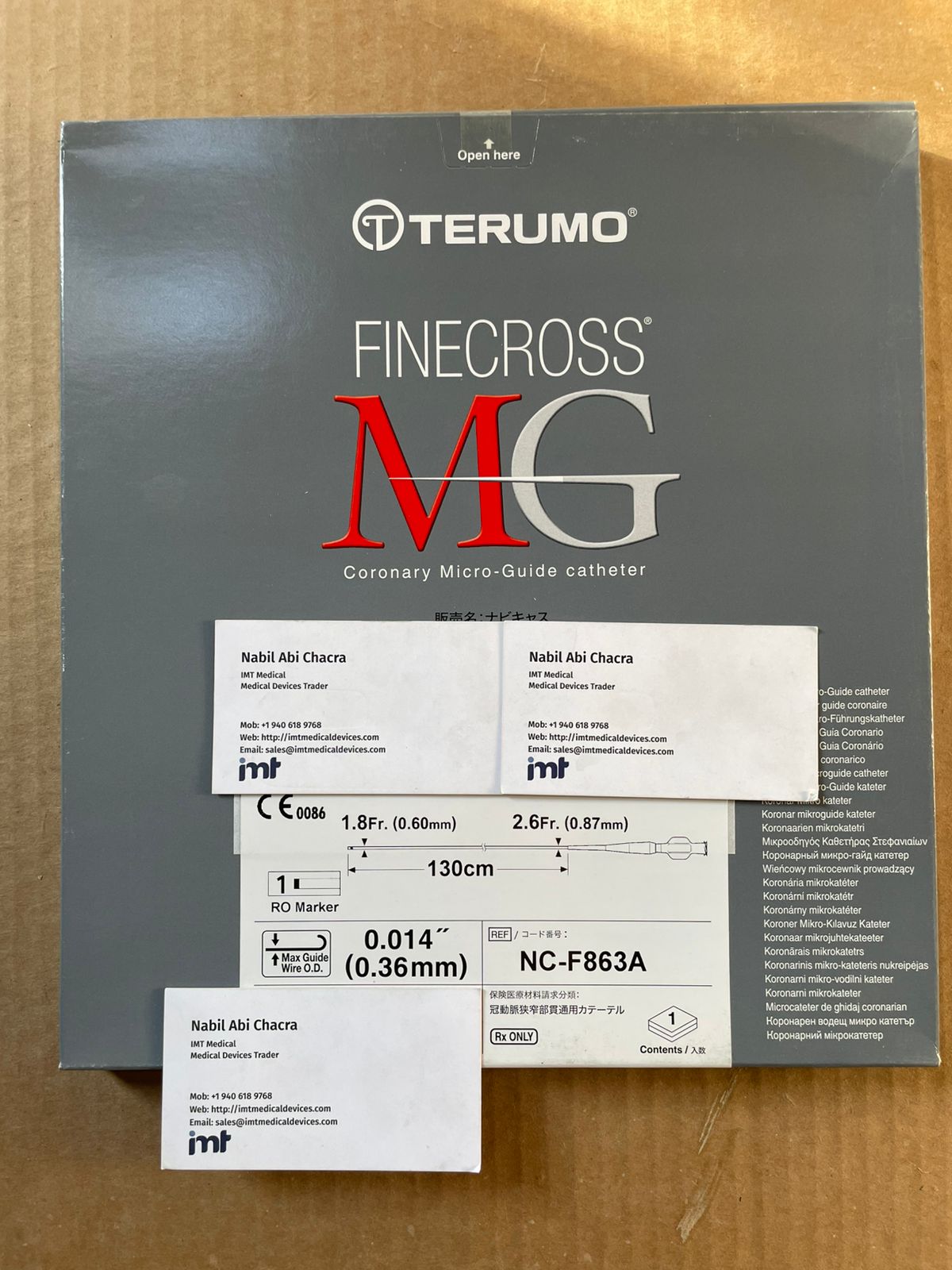
Terumo is also a major consideration, especially where buyers want established coronary access and guidewire brands with broad physician acceptance. Boston Scientific, Abbott, and Medtronic may also be relevant depending on existing lab standardization, physician preference, and the broader purchasing agreements already in place.
For procurement teams, brand selection is rarely just about product performance in isolation. It also depends on whether the same sourcing channel can support related PCI devices such as balloons, stents, microcatheters, guiding catheters, and adjunctive interventional products. Consolidated sourcing reduces administrative friction, especially for international buyers managing multiple branded categories across facilities or distribution networks.
How buyers should evaluate the best coronary guidewires for PCI
The most useful starting point is not the catalog. It is the case mix. A center doing mostly routine PCI with moderate lesion complexity needs a different purchasing profile than a referral center managing calcified disease, tortuous anatomy, bifurcations, and CTOs.
After case mix, physician preference should be mapped carefully. Guidewires are highly operator-dependent products. Even when two wires occupy the same general category, physicians may not view them as equivalent. A procurement strategy that ignores this usually creates more exceptions, more urgent requests, and less predictability in restocking.
The next question is whether the requirement is for broad formulary coverage or focused standardization. Broad coverage supports diverse operator styles and complex cases but increases SKU count. Focused standardization simplifies inventory management but can create performance gaps if the selected range is too narrow. Most labs need a middle path - a dependable workhorse base, a defined set of complex-case wires, and backup options from recognized manufacturers.
Supply continuity is another deciding factor. A guidewire may be clinically accepted, but if availability is inconsistent across regions or export lanes, that becomes a purchasing problem quickly. For international buyers in particular, sourcing from a wholesale partner with established access to branded manufacturers can be as important as the wire selection itself.
Common procurement mistakes in coronary guidewire sourcing
One frequent mistake is overbuying around price alone. In this category, lower acquisition cost does not automatically mean lower procedural cost. If substitutions increase procedure time, reduce physician satisfaction, or require carrying extra fallback inventory, the apparent savings narrow fast.
Another mistake is treating all workhorse wires as equivalent. They are not. Differences in tip feel, torque response, coating, and support can materially affect lab acceptance. The same applies to specialty and CTO wires, where performance distinctions are even more consequential.
A third mistake is separating guidewire procurement from the rest of the PCI device basket. Buyers often get better operational results when guidewires are sourced alongside, stents, and related interventional SKUs. That approach improves compatibility planning and may simplify quote management, forecasting, and export coordination.
Inventory planning for hospitals and distributors
Hospitals usually need formulary discipline with enough flexibility to satisfy multiple operators. Distributors and resellers, by contrast, often need wider branded coverage because their customer base spans different physician preferences and clinical profiles. The inventory logic is different even when the product category is the same.
For hospitals, the practical approach is to maintain depth in core workhorse wires and controlled width in specialty segments. For distributors, availability across several recognized brands may be more important than deep stock in one line alone, especially if they are servicing tenders or mixed-market demand.
This is also where exact nomenclature matters. Buyers in this segment are not looking for generic approximations. They need branded products, correct specifications, and quote support that reflects actual cath lab requirements. If a sourcing partner can provide recognized manufacturers, accurate product identification, and export capability across markets, the procurement process becomes faster and more dependable.
A practical standard for choosing PCI guidewires
If the goal is to identify the best coronary guidewires for PCI, the most reliable standard is fit for purpose. Start with routine case coverage, then build out for complexity, operator preference, and continuity of supply. Favor recognized brands with established clinical acceptance and maintain enough range to support both first-line and escalation strategies.
For many buyers, that means sourcing a balanced portfolio rather than chasing a single winner. A strong PCI guidewire program is built on dependable workhorse options, selected specialty wires for lesion-specific demands, and a supply partner that can support branded procurement at volume. For professional buyers, that is usually the difference between a wire list that looks complete and one that actually performs when the case gets difficult.