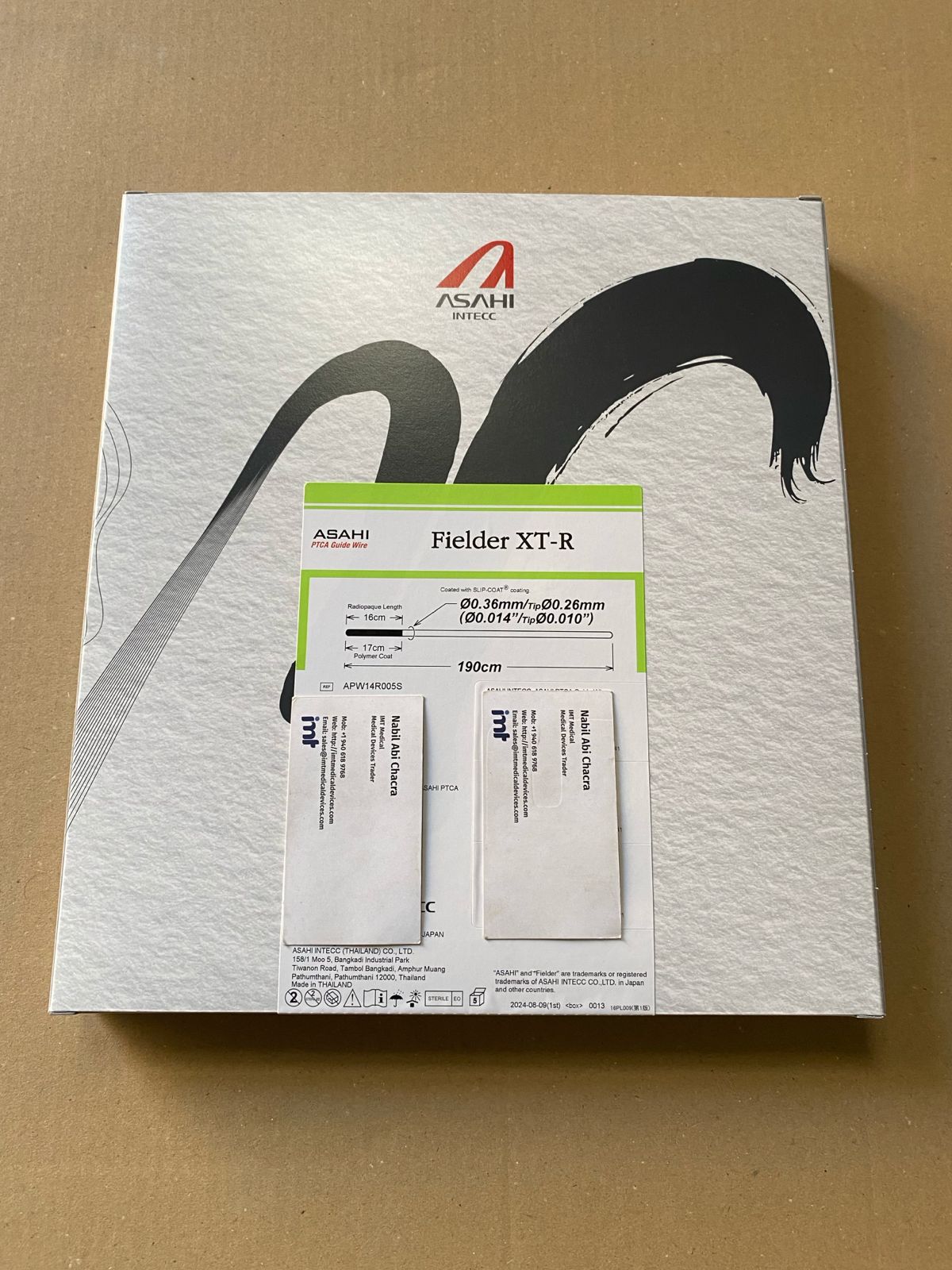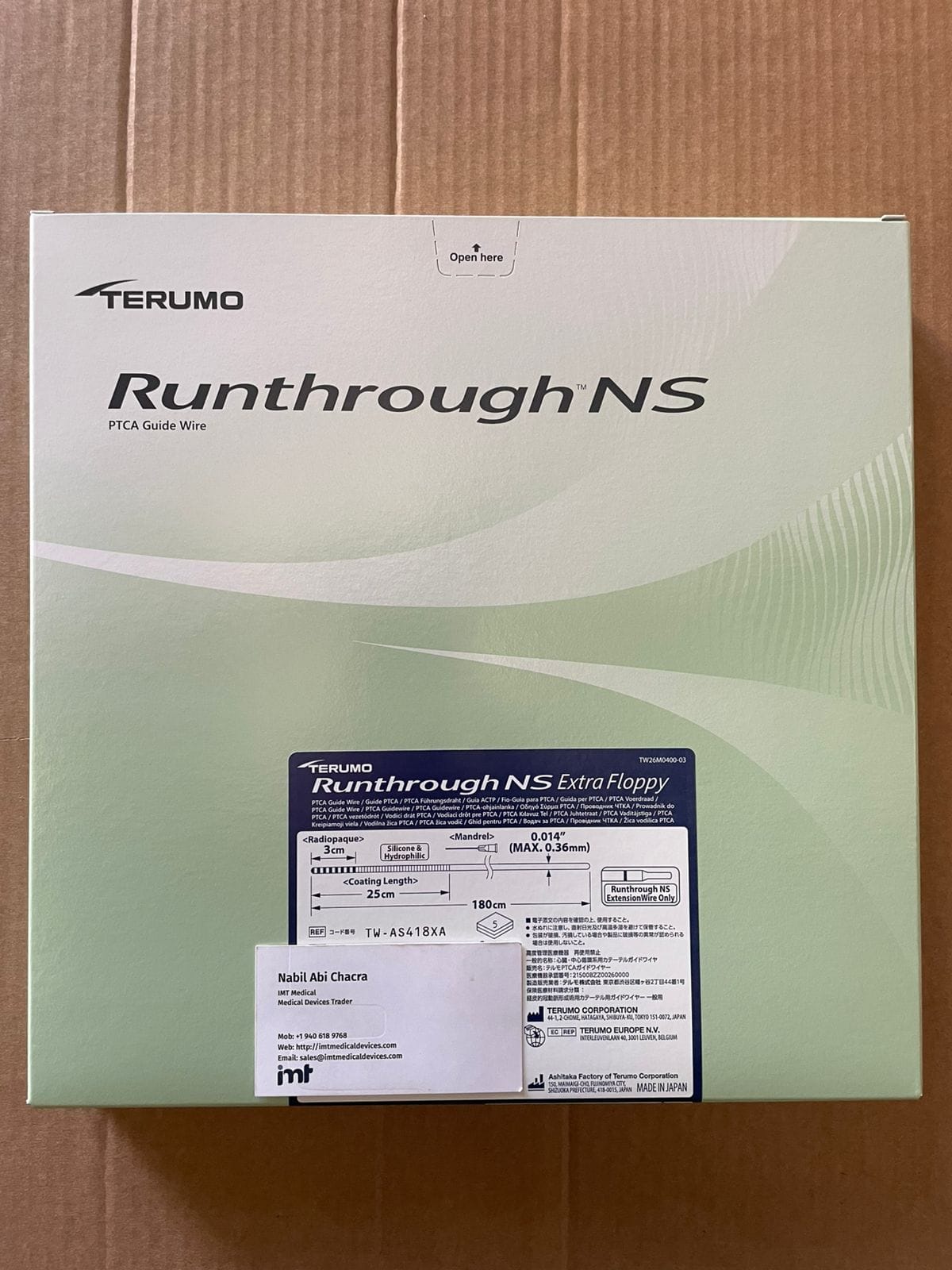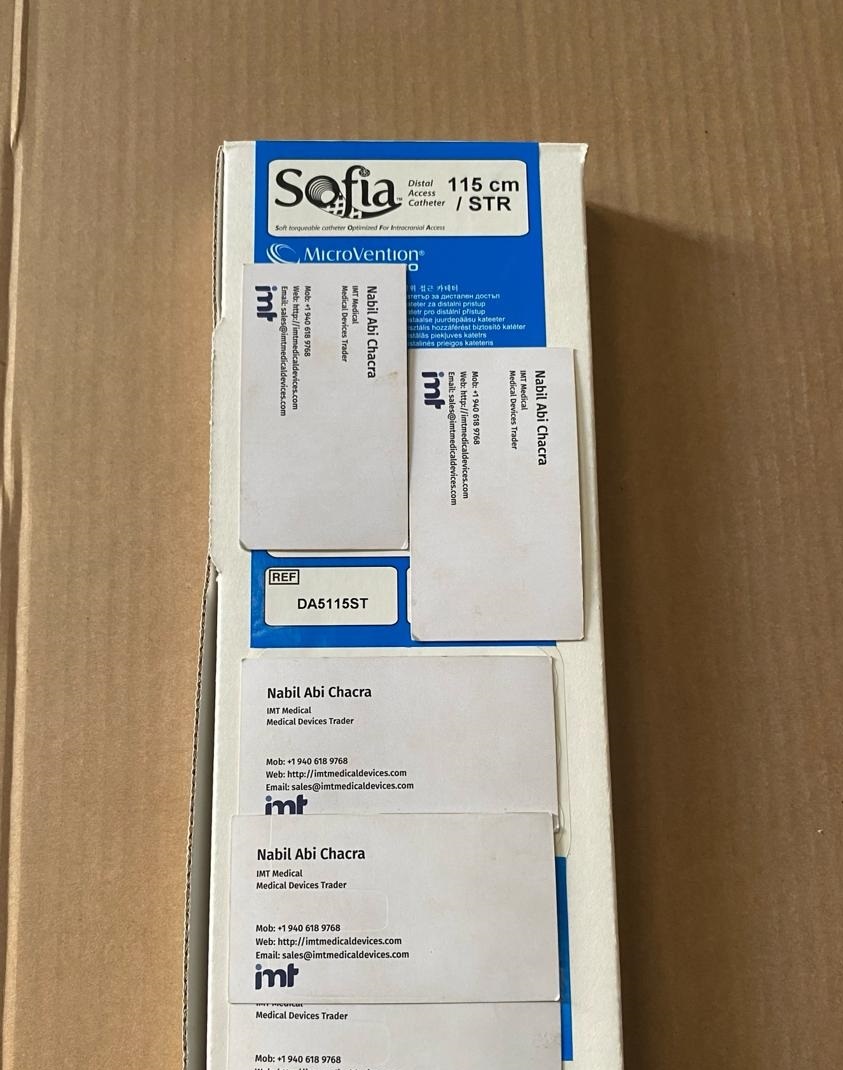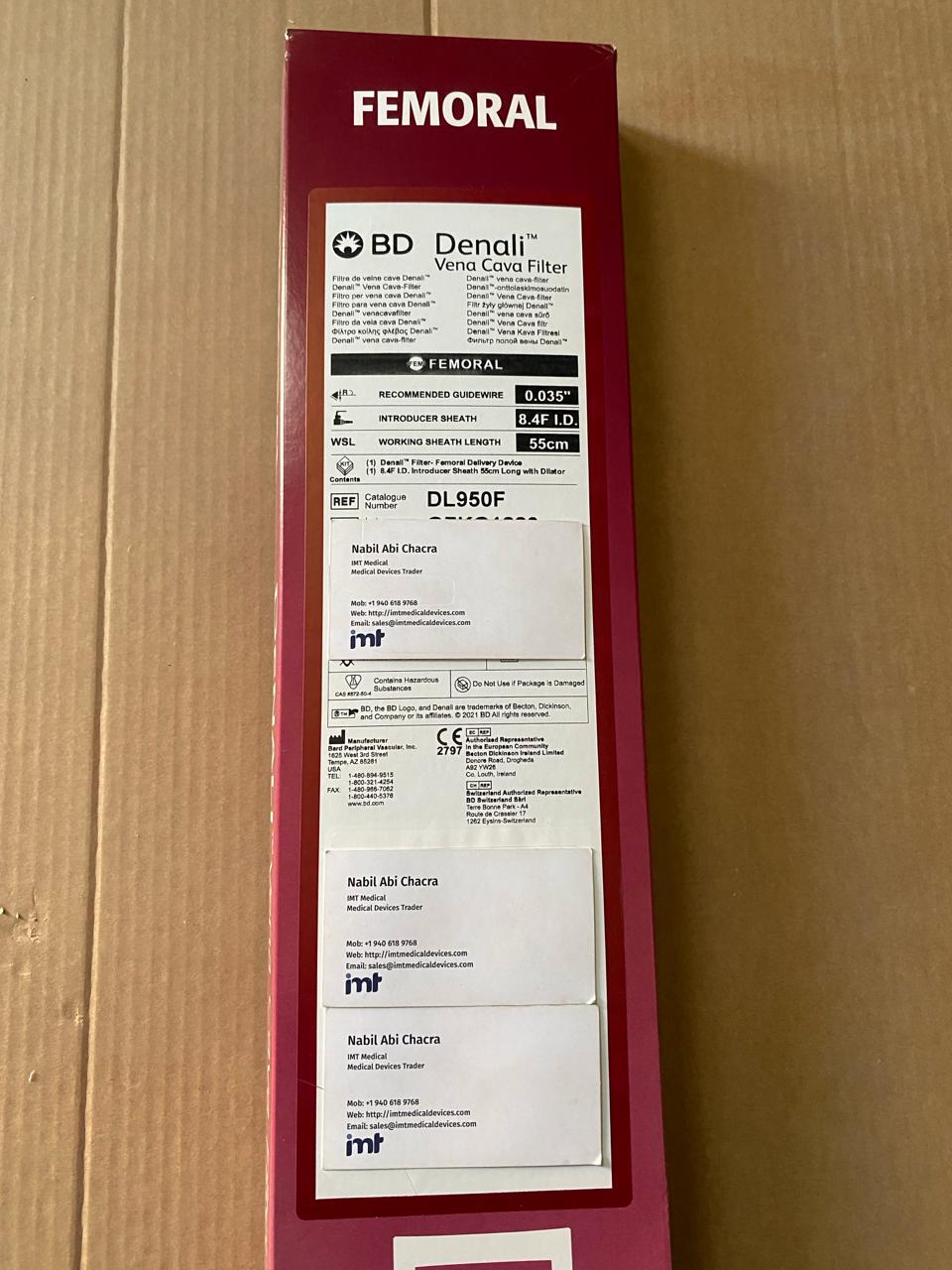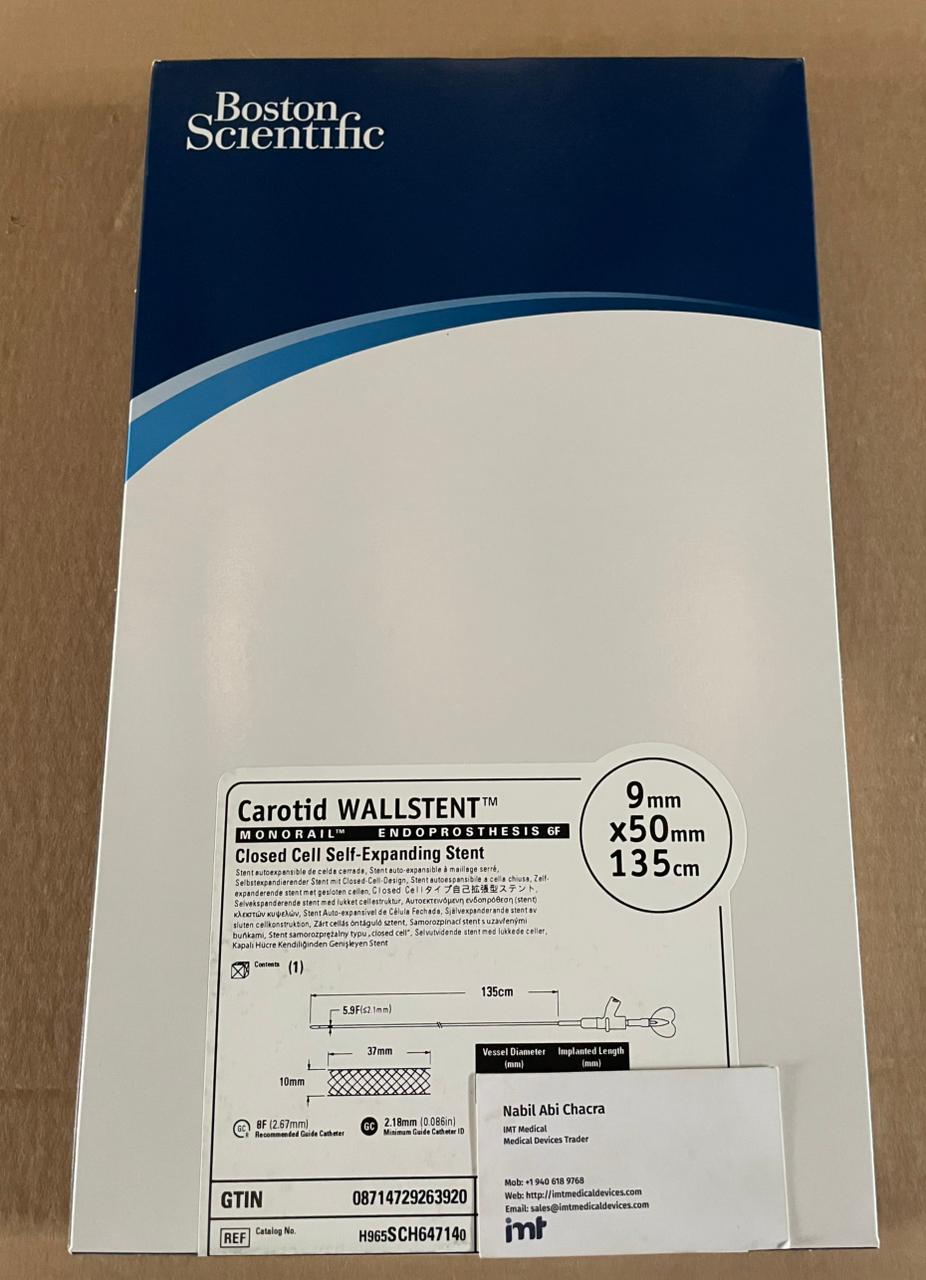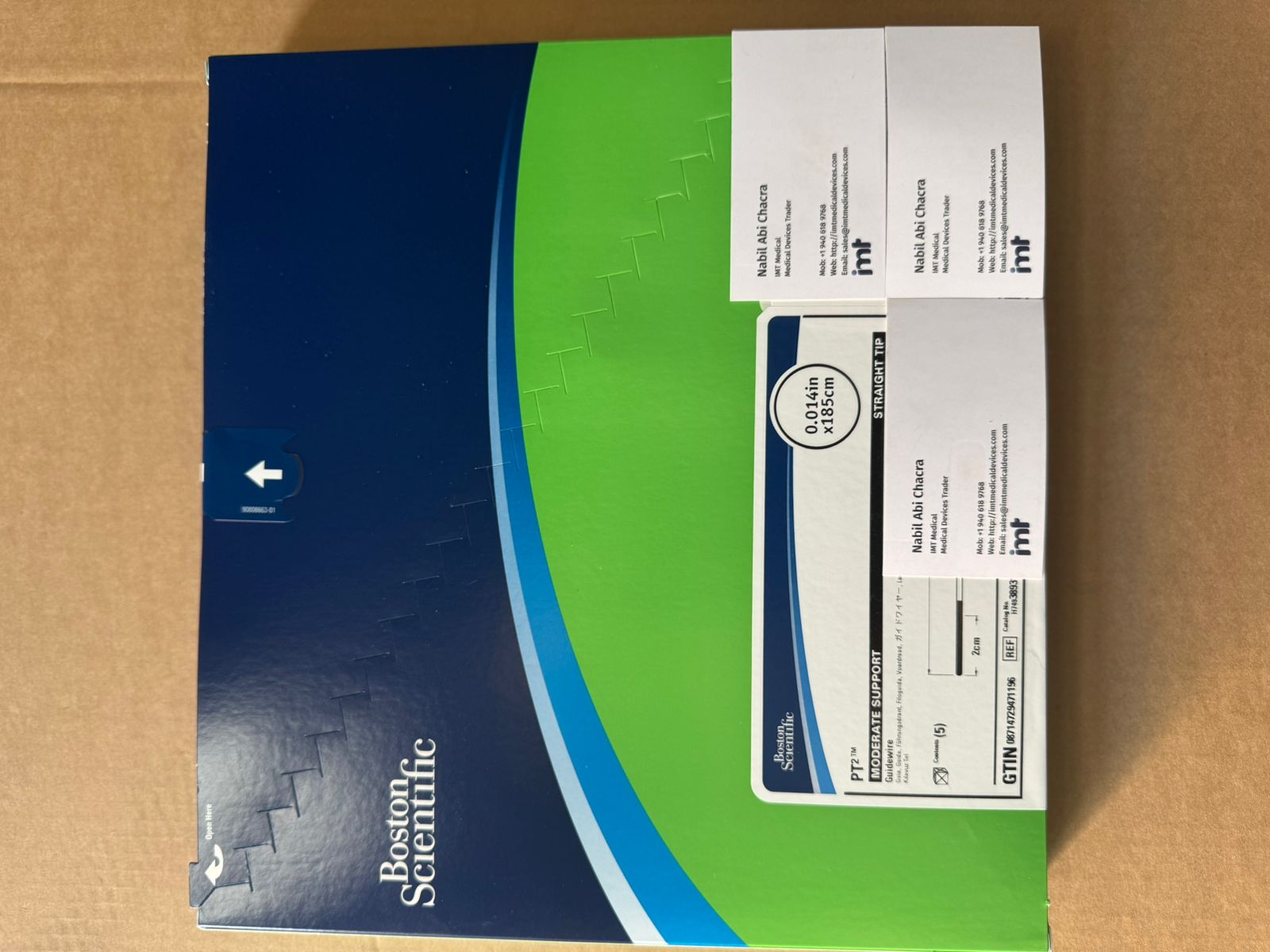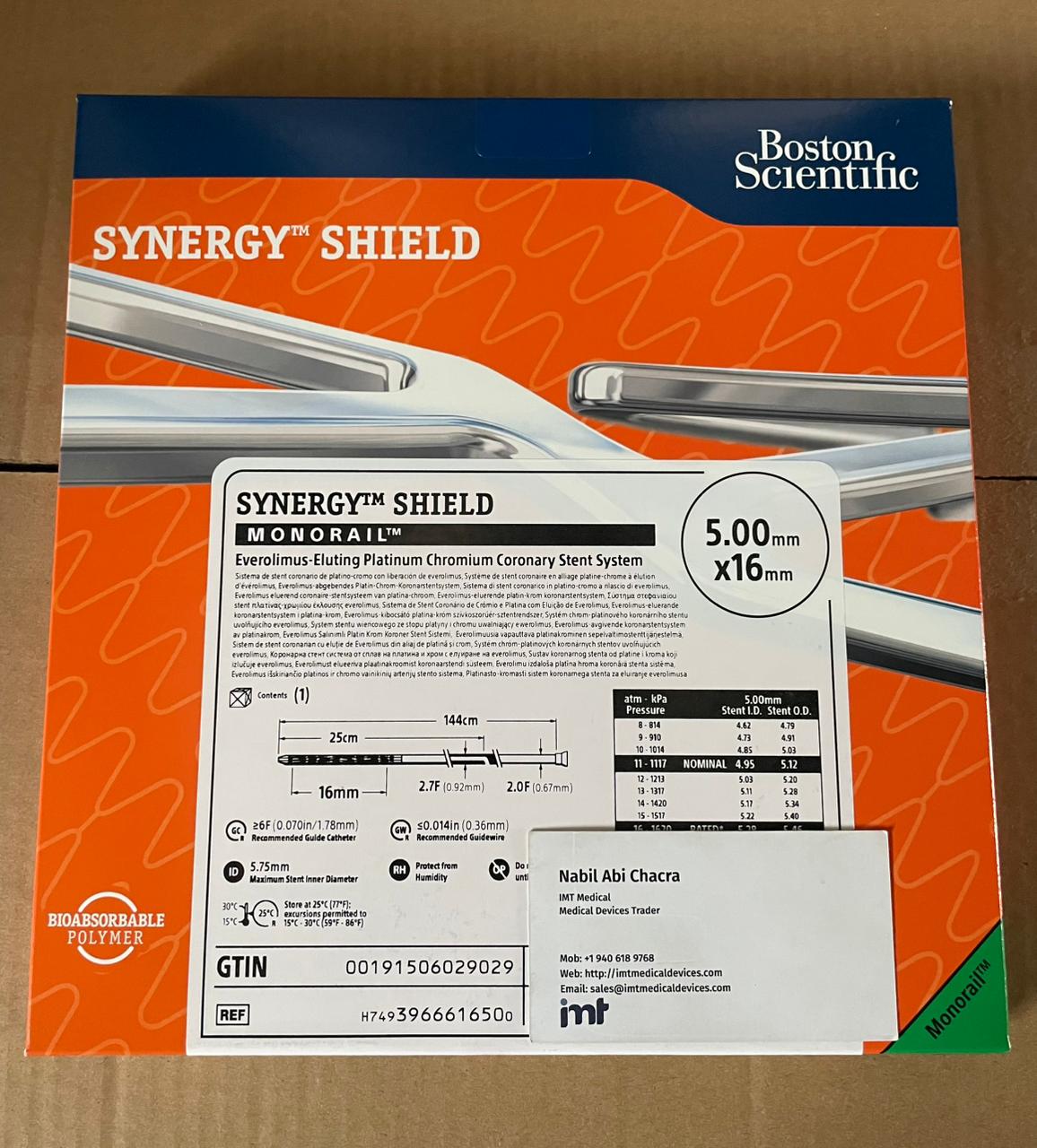

Bulk Interventional Radiology Devices
A delayed case schedule rarely starts in the procedure room. More often, the problem begins weeks earlier with incomplete sourcing, mismatched specifications, or fragmented purchasing across too many vendors. For buyers managing bulk interventional radiology devices, the real priority is not simply finding stock. It is securing the right branded products, in the right quantities, with traceable sourcing and dependable export coordination.
Interventional radiology purchasing is less forgiving than general med-surg replenishment. Product selection is procedure-driven, physician-specific, and frequently tied to established brand preferences. A substitution that looks acceptable on paper may not be acceptable to the operator, the facility, or the clinical protocol. That is why bulk buying in this category requires more than price comparison. It requires product accuracy, manufacturer familiarity, and a supplier that understands the operational consequences of getting a line item wrong.
What buyers mean by bulk interventional radiology devices
In practice, bulk interventional radiology devices can refer to several purchasing models. For one hospital group, it may mean repeat volume orders of guidewires, introducers, microcatheters, drainage products, or embolization-related devices. For an international distributor, it may mean mixed-container or multi-SKU sourcing across several brands. For a specialized center, it may involve securing enough inventory depth to support a specific service line without interruption.
The category itself is broad. Buyers may be sourcing access products, catheters, guidewires, sheaths, embolization coils, aspiration devices, balloons, stents, drainage components, or adjunctive procedural supplies. In many cases, procurement extends beyond one intervention type and overlaps with peripheral intervention, neurovascular, and cath lab requirements. That overlap is exactly why consolidated sourcing can make a measurable difference.
A wholesale partner with a broad branded portfolio helps reduce the time spent splitting orders among multiple contacts. It also improves consistency when procurement teams need aligned documentation, export handling, and quote management across product families.
Why branded sourcing matters in high-volume IR procurement
Interventional radiology buyers are typically not looking for generic equivalence if the clinical team has already standardized around specific manufacturers. Brand matters because product feel, trackability, compatibility, and physician confidence matter. A guidewire or microcatheter is not interchangeable simply because the category name matches.
This is especially relevant in bulk purchasing. As volumes increase, so does the cost of inconsistency. If one shipment contains the correct branded SKU and the next contains an alternate item that requires review or rejection, procurement efficiency disappears quickly. The issue is not only administrative. It can affect scheduling, clinician acceptance, and inventory planning.
Recognized manufacturers such as Terumo, Asahi, Boston Scientific, Medtronic, Abbott, Cordis, BD, and Stryker remain central to many hospital and distributor purchasing decisions for this reason. Buyers want known specifications, established clinical familiarity, and confidence that the goods entering inventory are aligned with the intended use case.
There is also a regulatory and documentation dimension. In international procurement, buyers often need clear manufacturer identification, product labeling consistency, and export-ready commercial paperwork. Branded sourcing simplifies verification when compared with loosely defined alternatives.
The procurement issues that show up most often
Most delays in IR device purchasing are predictable. The first is incomplete item identification. A buyer may request a product family or common product name when the requirement actually depends on a precise size, length, French profile, tip configuration, or compatibility standard. In bulk orders, that gap becomes expensive.
The second is supplier fragmentation. One vendor may carry sheaths, another may handle guidewires, and a third may quote embolization products. That structure can work for small replenishment cycles, but it becomes inefficient when procurement teams are trying to maintain stock across multiple service lines or fulfill export orders on deadline.
The third issue is supply continuity. High-demand branded SKUs are not always easy to secure in volume, especially when buyers wait until inventory pressure is already visible. A capable wholesale source should be able to support forward planning, not just last-minute spot buying.
The fourth is export complexity. International buyers often need more than product availability. They need a supplier that can support shipment preparation, documentation accuracy, and communication that is fast enough to keep internal approvals moving.
How to evaluate a supplier for bulk interventional radiology devices
A capable IR wholesale partner should be assessed on operational fit, not just catalog size. Breadth matters, but breadth without SKU discipline creates risk.
Start with product specificity. Can the supplier quote exact branded references instead of broad category matches? For professional buyers, this is the baseline requirement. Product nomenclature should be clear, manufacturer names should be explicit, and any substitution discussion should happen before order confirmation, not after.
Next, evaluate portfolio range. Many procurement teams benefit from sourcing IR, peripheral intervention, neurovascular, and related cath lab devices through a single channel. That does not mean every order should be consolidated at all costs. It does mean there is value in reducing the number of supplier relationships required to cover high-priority brands and categories.
Responsiveness also matters more than many buyers admit. In a quote-based environment, delays in confirming stock position, lead time, or export feasibility can stall internal approvals. A commercial supplier serving hospitals, clinics, and distributors should be able to move quickly from inquiry to actionable quotation.
Finally, assess international supply capability if cross-border fulfillment is part of the requirement. Export experience is not a marketing detail. It affects packing, paperwork, transit coordination, and communication quality throughout the order cycle.
Balancing price, brand, and continuity
Bulk purchasing naturally raises pricing pressure, but IR procurement is rarely a lowest-cost exercise. The better question is what total purchasing risk looks like over time.
A lower quote may not be the better option if it introduces uncertainty around authenticity, documentation, or repeat availability. This is particularly true for branded procedure-critical devices where physician preference and case planning are already established. If a supplier can provide consistent access to recognized manufacturers and maintain procurement continuity, that reliability has direct commercial value.
That said, not every product line requires the same strategy. Some categories justify strict brand continuity because operator preference is non-negotiable. Others may allow more flexibility depending on facility protocol, regional registration requirements, and stock urgency. Experienced buyers usually separate these categories early so the quote process stays efficient.
When consolidated sourcing makes the most sense
Consolidated procurement is especially useful when buyers are managing several intervention categories at once. A distributor may need neurovascular and peripheral intervention products alongside core interventional radiology items. A hospital network may want to simplify purchasing across multiple departments while keeping branded consistency intact.
In these cases, one wholesale source with access to multiple major manufacturers can reduce administrative friction. Instead of coordinating separate inquiries, shipment schedules, and export conversations across several vendors, the buyer works through a more centralized process. That does not remove the need for due diligence. It simply makes execution easier when the supplier has the right product depth.
This is where a business such as IMTMedicalDevices.com fits the market well. For buyers seeking branded IR, peripheral, neurovascular, cardiology, laboratory, and surgical products through one procurement channel, the advantage is practical rather than theoretical. Fewer sourcing gaps, clearer product matching, and faster movement from inquiry to quote can save time across the entire purchasing cycle.
What to prepare before requesting a quote
The fastest quotes usually come from the best-prepared inquiries. Buyers should provide exact branded product references where possible, along with required quantities, preferred lead time, destination country, and any documentation requirements known at the time of request.
It also helps to clarify whether the order is a one-time fill, a recurring procurement need, or part of a broader stocking plan. Those scenarios may be priced and managed differently. If the requirement spans multiple categories, grouping them into one inquiry often improves speed and visibility.
When exact SKUs are not yet confirmed, buyers should at least define the clinical application, dimensions, and brand preference as precisely as possible. In IR procurement, small specification errors can create large downstream problems.
A practical buying approach for bulk IR supply
The strongest procurement results usually come from standardization where possible and flexibility where appropriate. Lock down the branded devices that are clinically fixed. Consolidate categories that can be sourced efficiently through one supplier. Build enough inventory depth to protect case continuity, but avoid overbuying items with uncertain turnover or evolving physician preference.
For hospitals, clinics, and distributors purchasing in volume, bulk interventional radiology devices are not just another inventory line. They are procedure-enabling products tied directly to scheduling, physician confidence, and service continuity. A supplier that understands that reality is more useful than one that simply sends a price sheet.
When the requirement is specific, branded, and time-sensitive, the best purchasing decisions usually start with precise product identification and a supplier built for professional medical procurement.