
Import and Export of Medical Devices
A cath lab does not delay a case because a product category is hard to source. It delays because the exact branded device, size, configuration, or compatible accessory is not available when needed. That is why the import and export of medical devices is not a routine freight exercise for professional buyers. It is a procurement function tied directly to procedural continuity, regulatory acceptance, and confidence in product authenticity.
For hospitals, distributors, laboratories, and interventional specialists, the challenge is rarely just finding a manufacturer name. The challenge is securing the right branded SKU, in export-ready quantities, with documentation that aligns to the destination market and with a supplier that understands how medical products move across borders. In categories such as interventional cardiology, peripheral intervention, neurovascular, surgical, and diagnostics, small procurement errors create large operational consequences.
What makes import and export of medical devices different
Medical devices move under a different level of scrutiny than general commercial goods. Buyers are not simply evaluating landed cost. They are assessing whether the products are correctly identified, appropriately documented, commercially traceable, and acceptable for use or resale in the receiving market.
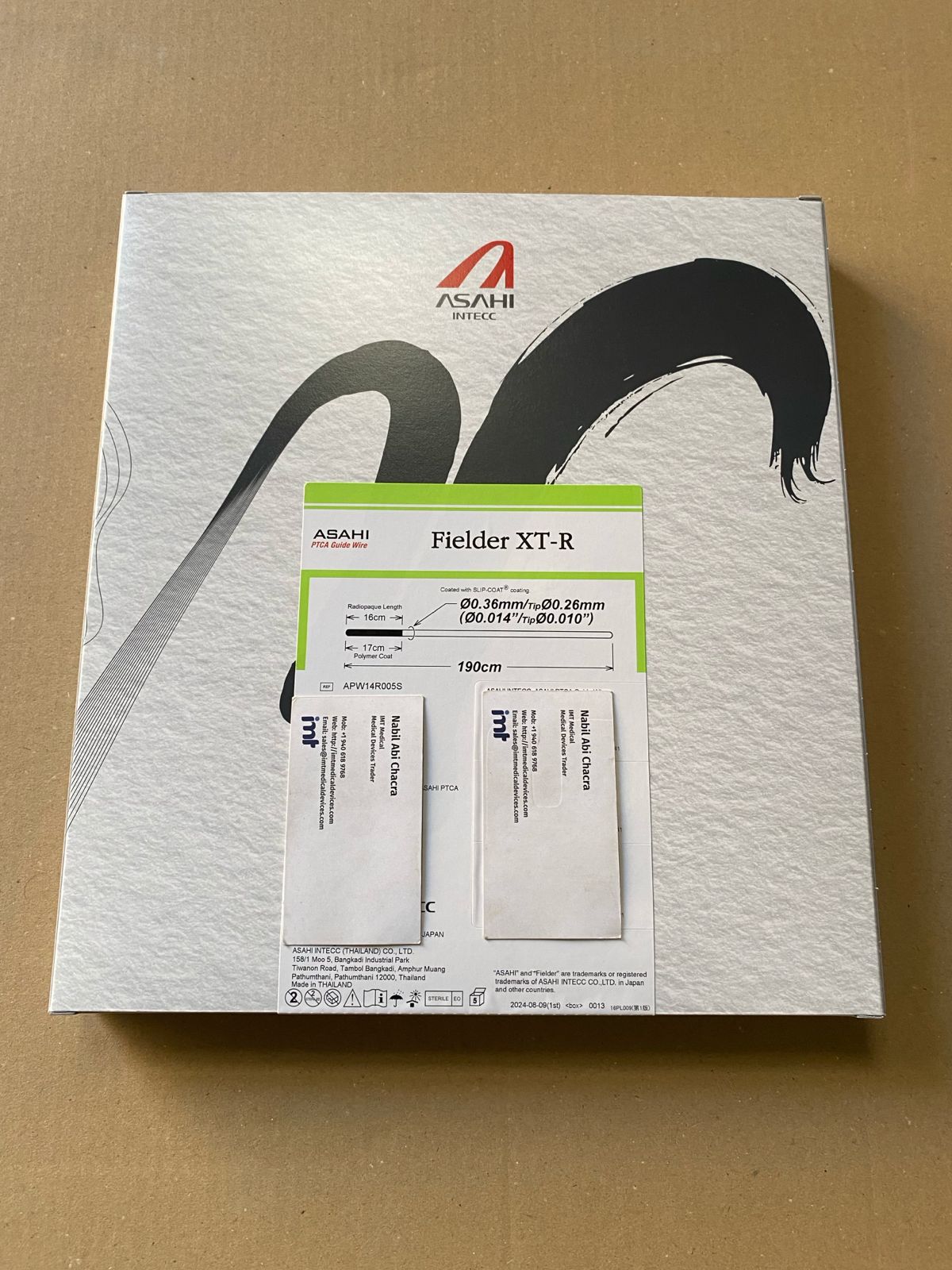
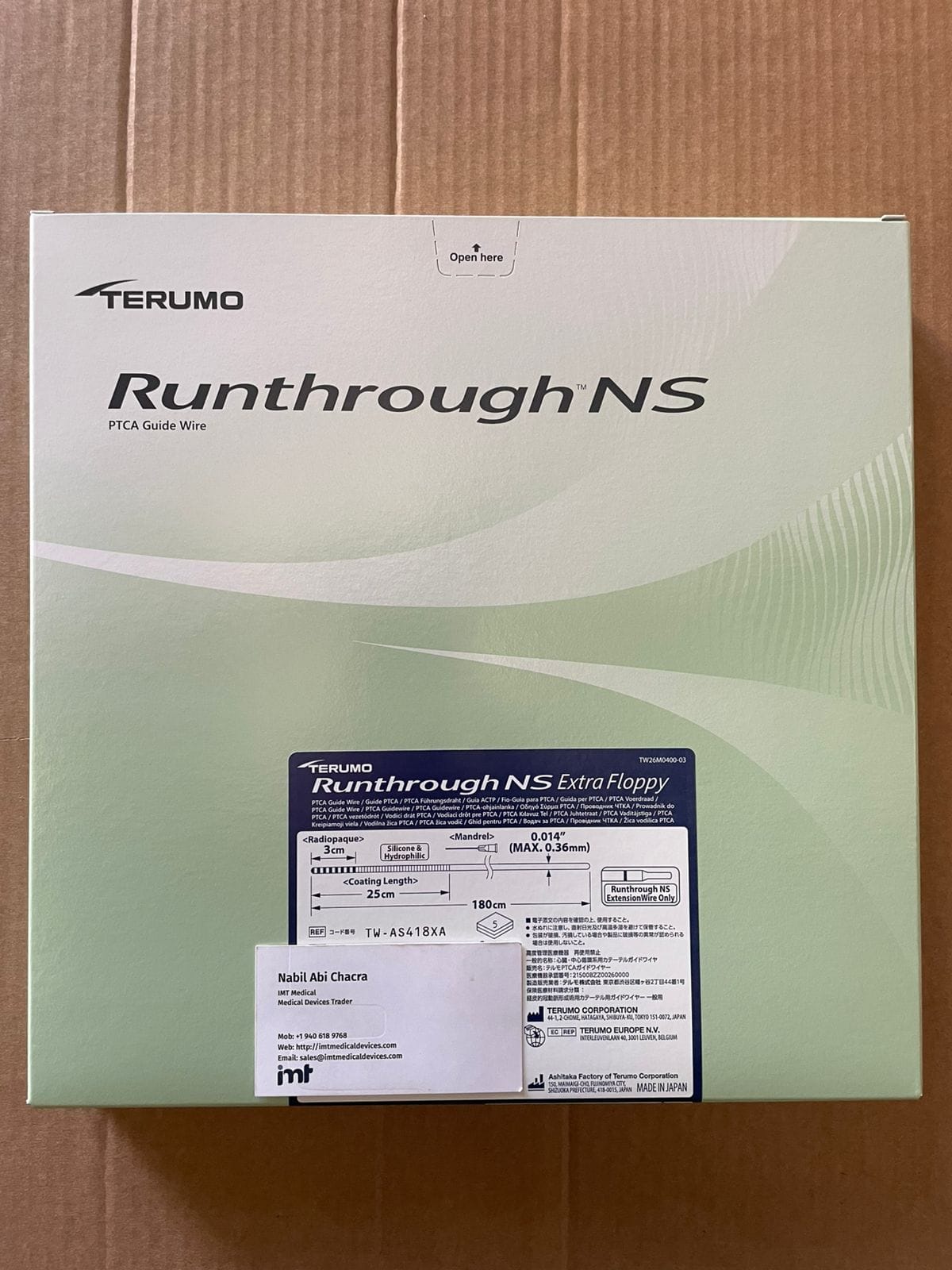
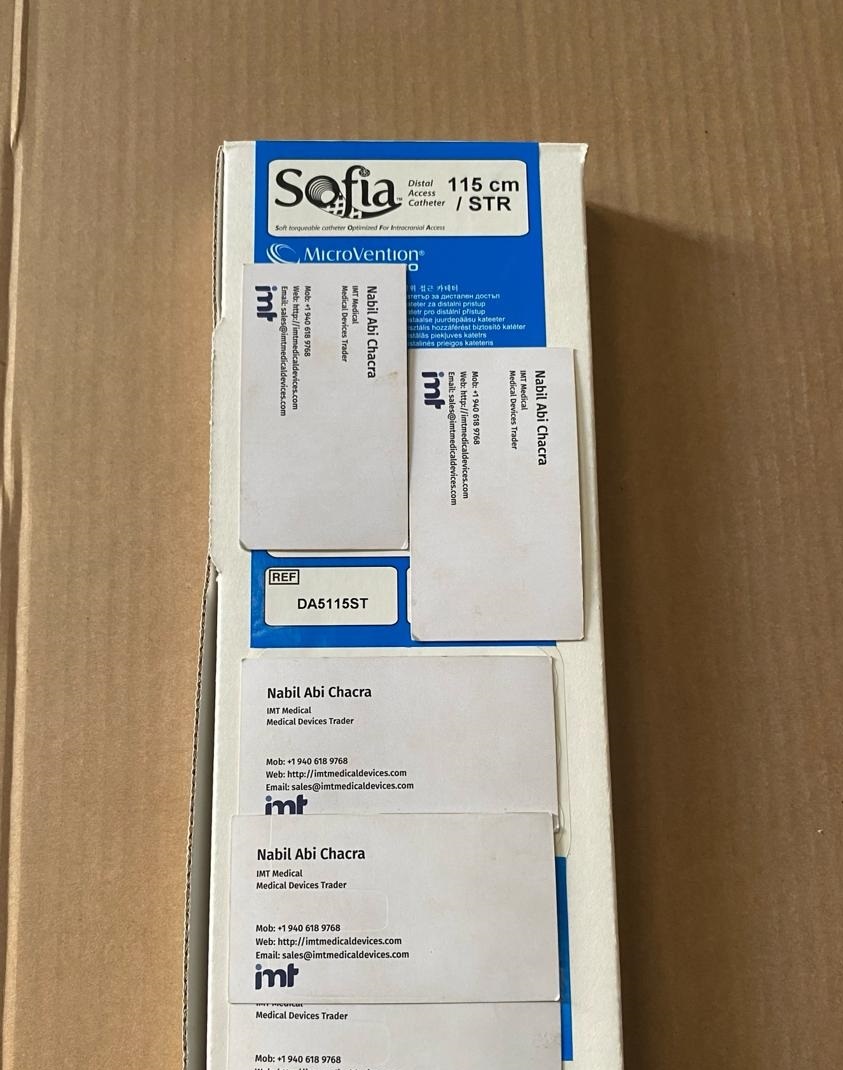
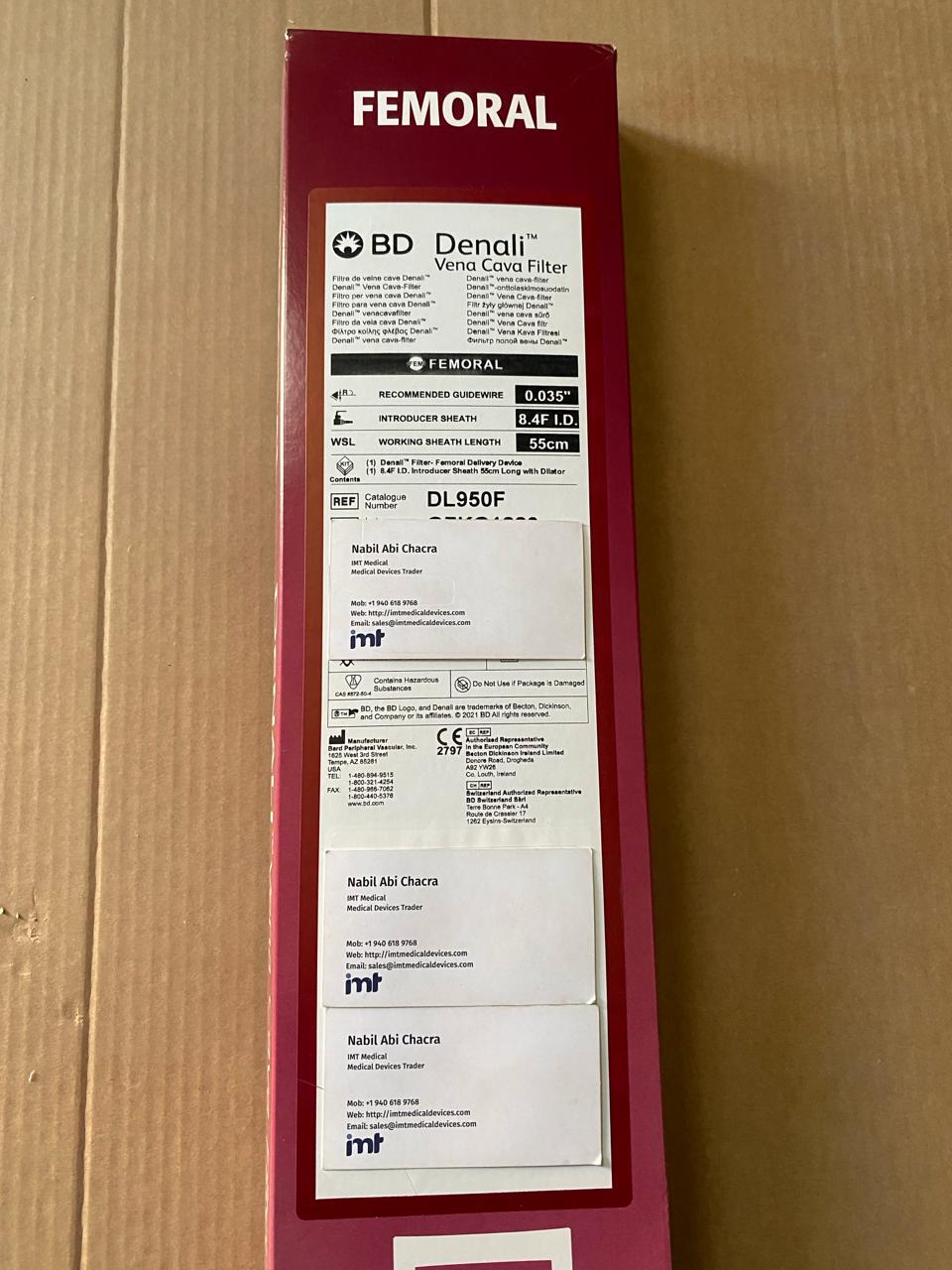
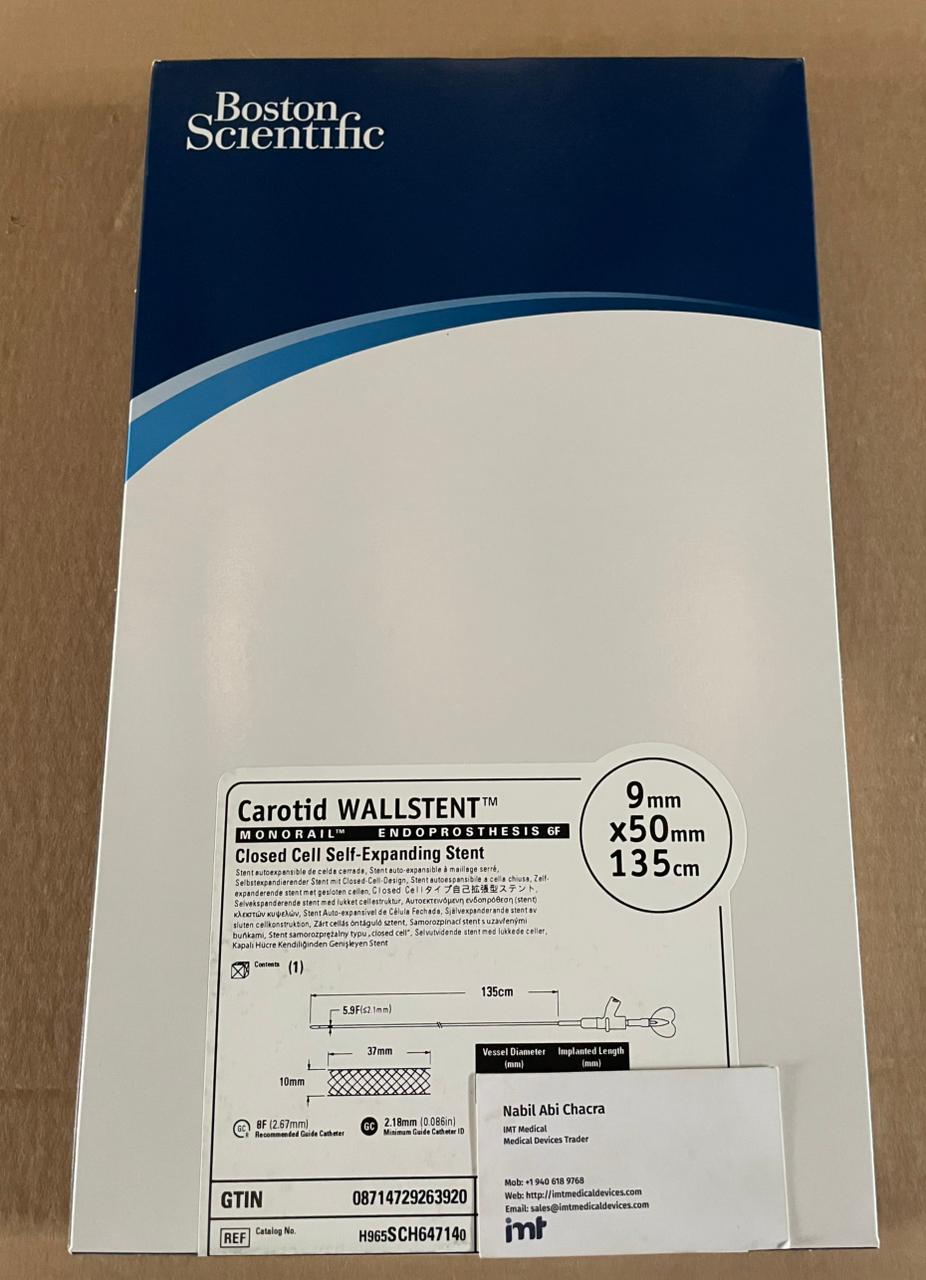
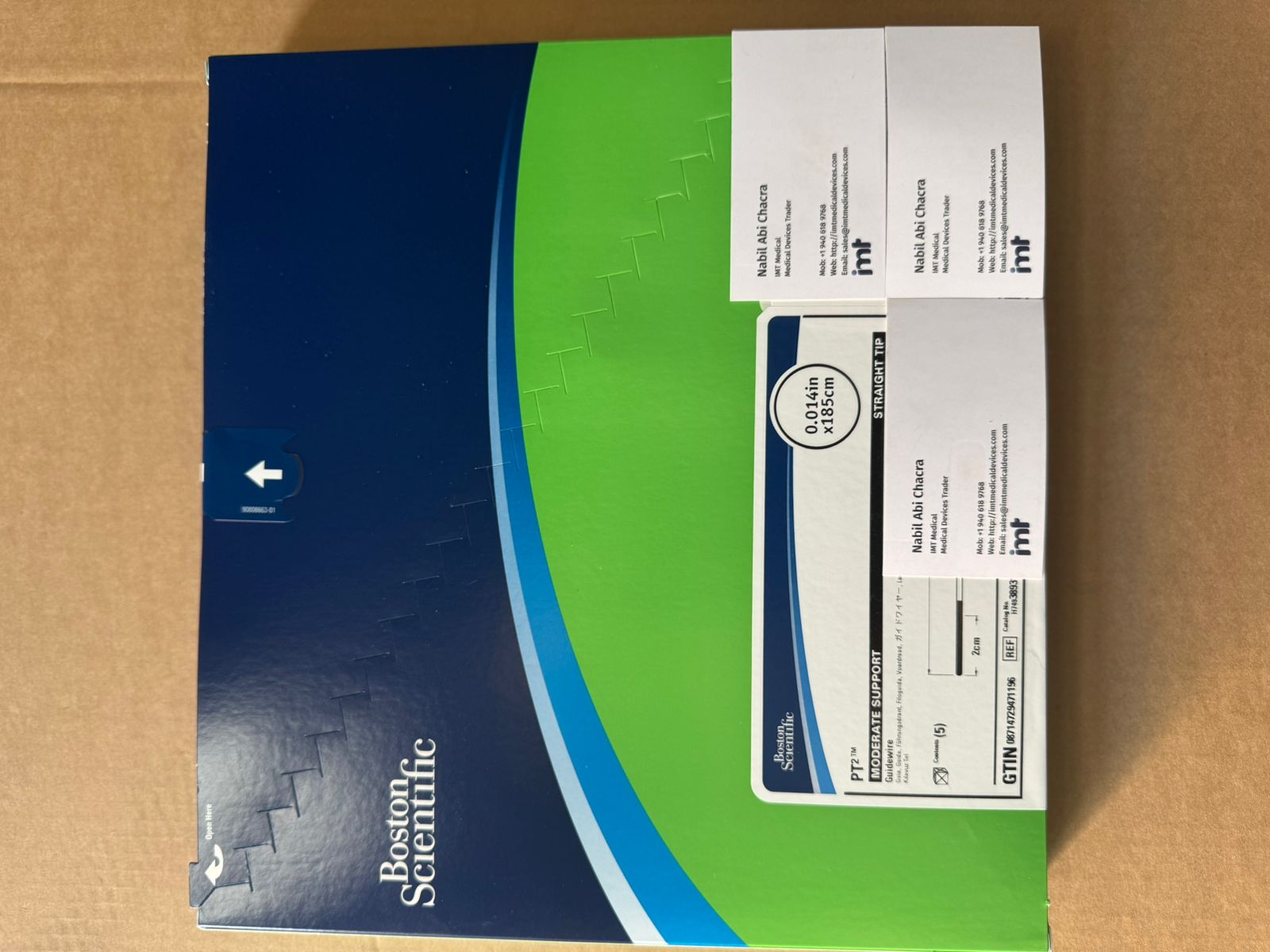
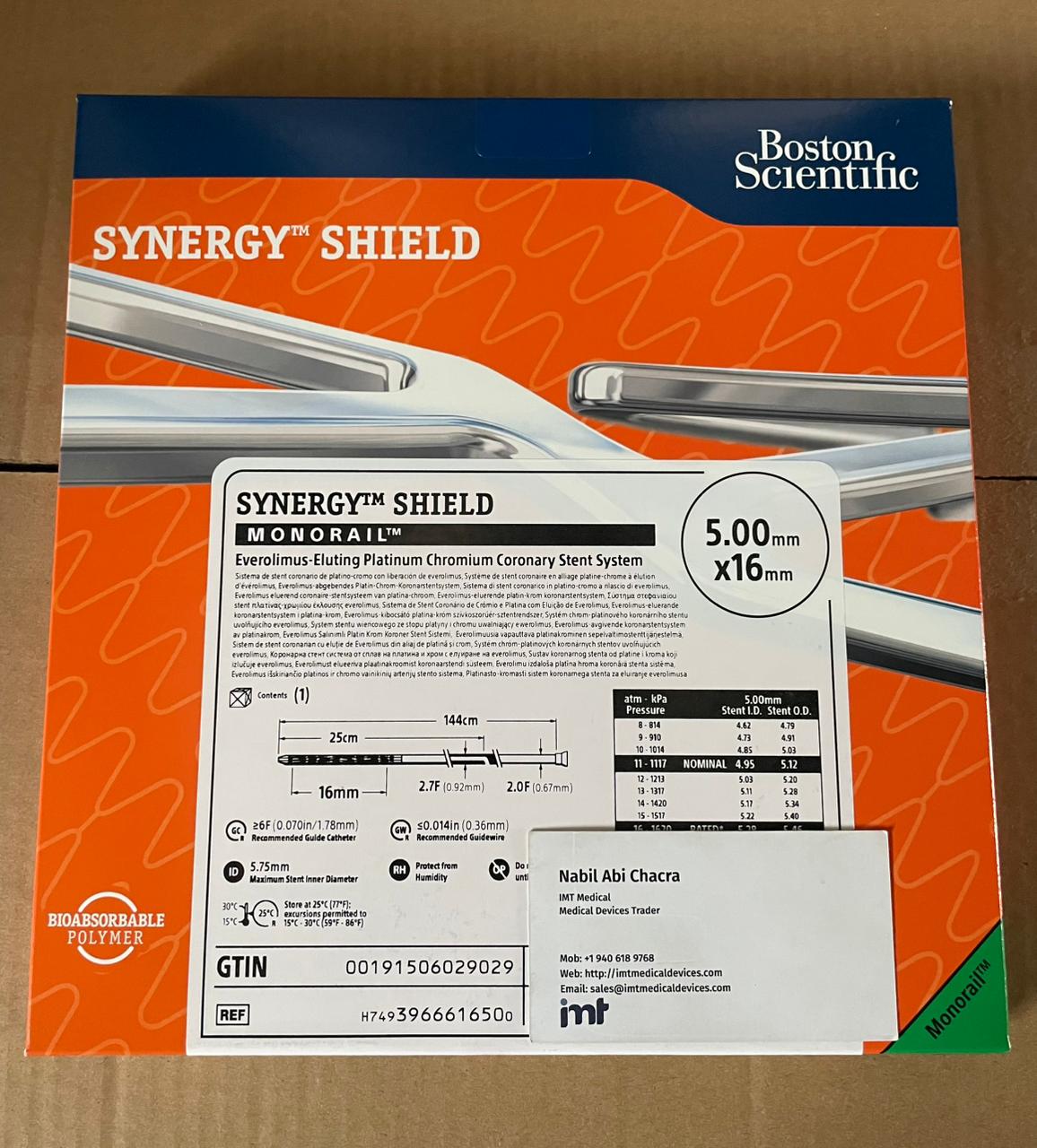
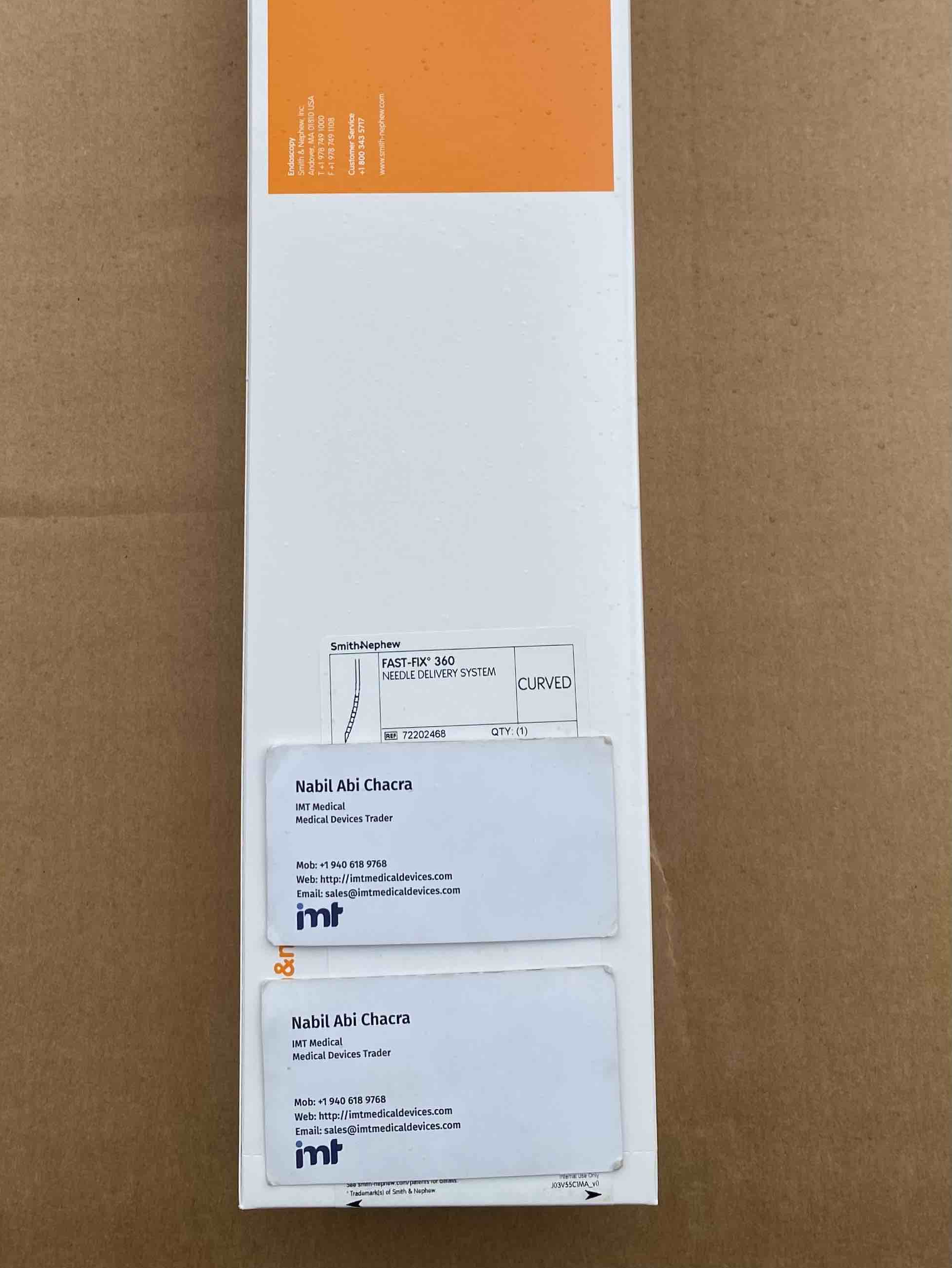
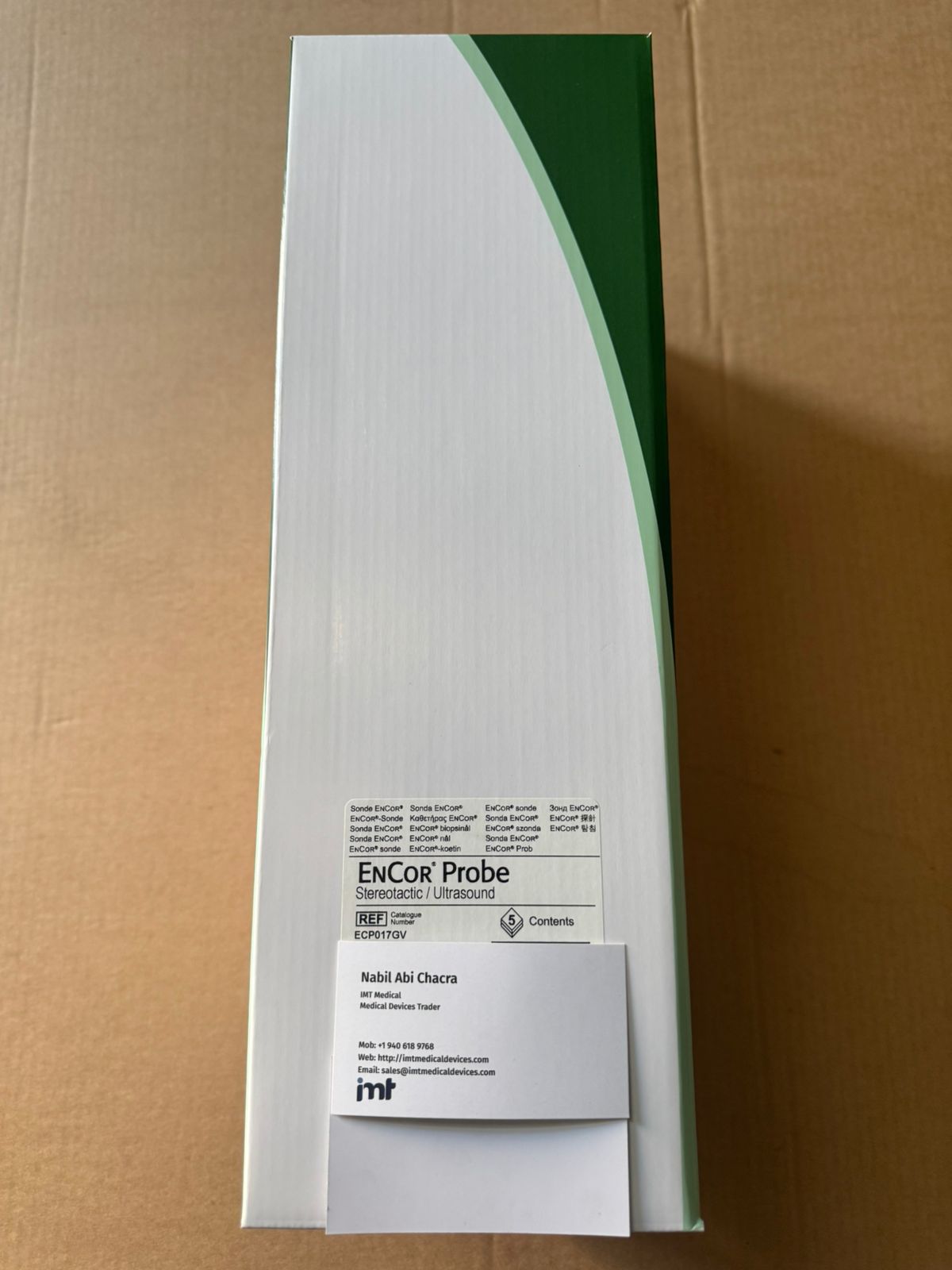
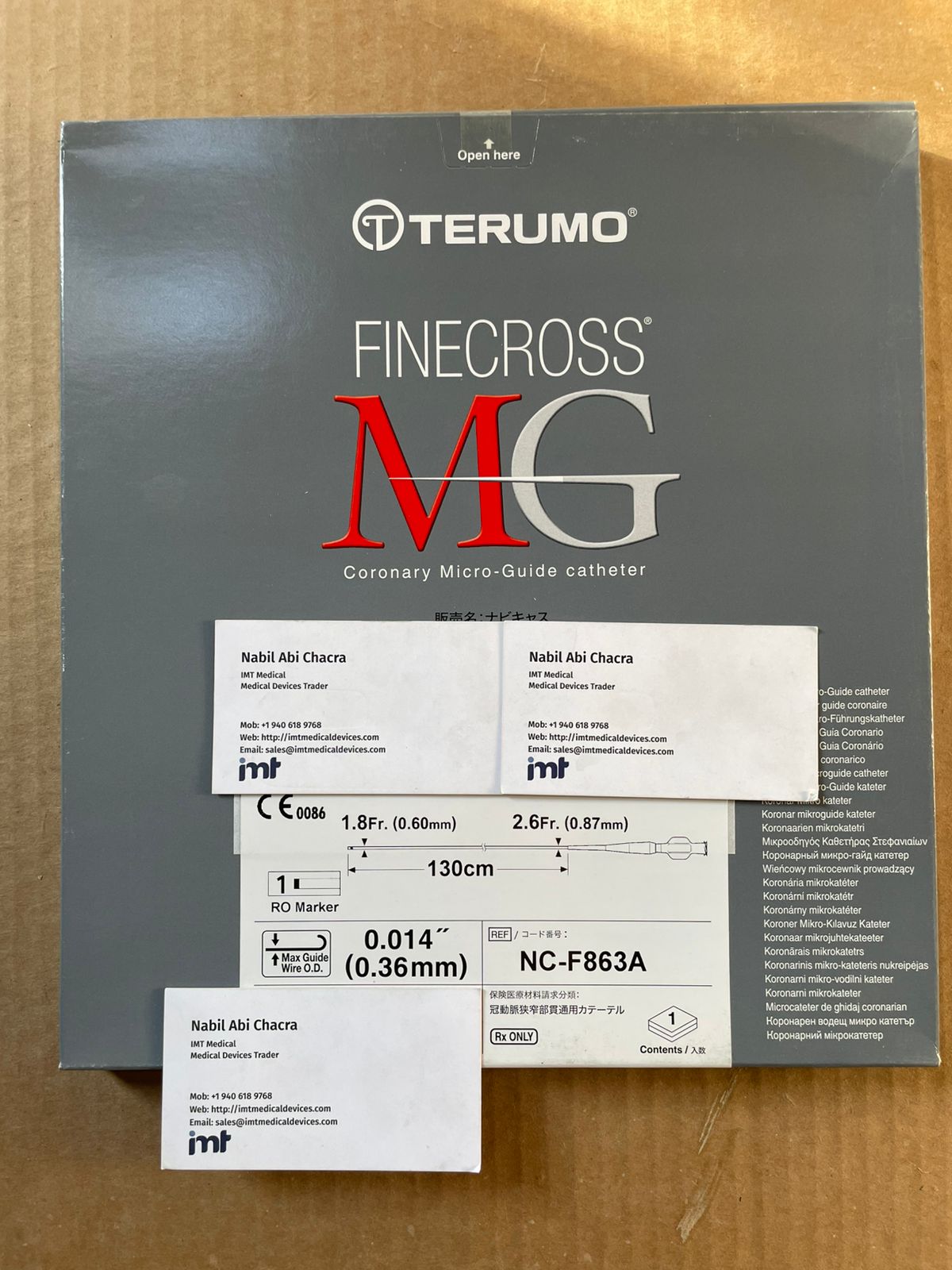
That distinction matters even more for high-specification products such as coronary stents, PTCA balloons, guidewires, guiding catheters, micro catheters, aspiration catheters, vascular closure devices, neurovascular coils, sutures, and diagnostic laboratory systems or consumables. Product families may appear similar at category level, but procurement decisions are often made at the brand, model, and SKU level. A request for an Abbott, Medtronic, Boston Scientific, Terumo, Asahi, Cordis, BD, Ethicon, Siemens, Roche, Beckman Coulter, or Stryker item is usually exact, not approximate.
For that reason, a qualified supplier in international trade must operate with specification discipline. Product naming, packaging configuration, quantity, batch-related documentation, and shipping readiness all affect whether a transaction moves efficiently or stalls in review.
Regulatory alignment comes before shipment
In practice, many import delays start long before freight is booked. They begin when a buyer and supplier assume that a branded device accepted in one market will move without issue into another. Sometimes that is true. Often it depends on the country, the product type, the intended use, and the documentation required by customs, the health authority, or the receiving institution.
Some buyers already have local regulatory pathways in place and need a wholesale export partner that can supply recognized products against those requirements. Others need support confirming whether the device description, labeling format, manufacturer details, or commercial documents are sufficient for import review. The correct answer is rarely generic.
This is where experienced export handling matters. Commercial invoice accuracy, packing list consistency, product identification, and any required certificates or declarations need to align. If the paperwork describes a broad category while the buyer needs a precise interventional SKU, the shipment can face questions that could have been avoided at quotation stage.
The practical point is simple: regulatory familiarity should shape the transaction before goods leave origin, not after they arrive.
Why branded SKU accuracy matters in international procurement
Professional buyers do not purchase “a guidewire” or “a balloon” in the abstract. They purchase a defined product from a recognized manufacturer because procedural familiarity, physician preference, and inventory planning are all tied to exact references.
This is especially true in intervention-driven specialties. Coronary, peripheral, and neurovascular procedures depend on compatibility across multiple components. A sourcing partner handling import and export of medical devices should understand that a substitution can create more than a commercial inconvenience. It can disrupt standardization, affect physician acceptance, and complicate stock management across sites.
SKU accuracy also protects distributors and resellers. When products are purchased for onward supply, internal customers expect consistency in manufacturer, packaging, and specification. A supplier that treats branded device sourcing as interchangeable with generic wholesale trading is not built for this segment.
For many buyers, the value of a multi-brand sourcing partner is not only access. It is consolidation without losing precision. One supplier can support demand across cardiology, radiology, surgery, neurovascular, and laboratory categories while still quoting the exact products requested.
Supply continuity is often the deciding factor
In international procurement, price matters. But for many healthcare buyers, continuity matters more once a product is approved for regular use. A lower quote has limited value if the supplier cannot maintain availability, cannot support repeat orders, or cannot coordinate exports consistently.
That is one reason buyers often prefer wholesale partners with broad branded portfolios rather than fragmented single-line sourcing. If demand shifts from coronary products to peripheral devices, or from intervention to diagnostic laboratory brands, procurement teams benefit from a partner that can absorb category breadth without forcing them to open multiple new vendor relationships.
There is also a timing issue. Some purchases are planned tenders or routine restocking. Others are driven by immediate procedure demand, site expansion, or back-order exposure from an existing source. The supplier handling the transaction should be structured for quote-based response, not consumer-style checkout logic. Professional buyers need confirmation on availability, lead time, export readiness, and commercial terms in one conversation.
The operational side of export support
The import and export of medical devices works best when operational communication is as exact as the product list. Buyers should be able to send a request with manufacturer names, product references, quantities, and destination details, then receive a commercially usable response.
That response should address what procurement teams actually need: product confirmation, minimum order logic where applicable, shipping approach, documentation scope, and realistic lead time. Vague assurances create delays later. Clear export coordination reduces preventable friction.
There are trade-offs, and sophisticated buyers already know this. A broad order across multiple manufacturers may improve sourcing efficiency but can require more coordination on readiness. Urgent shipments may move faster by air but at a higher landed cost. Some markets may accept a straightforward import structure, while others demand tighter review and longer planning. A credible supplier does not hide those variables. It manages them early.
For this reason, international buyers often favor partners that understand both commercial and technical language. It is not enough to know freight terms. The supplier should recognize the difference between a coronary guidewire request and a neurovascular micro catheter program, and should communicate accordingly.
Choosing a supplier for medical device import and export
The right supplier profile is usually clear to experienced procurement teams. First, the company should be oriented to B2B healthcare supply, not consumer medical sales. Second, it should work comfortably with branded manufacturers and exact product nomenclature. Third, it should support export transactions as a normal operating model rather than as an exception.
Portfolio breadth is also a practical advantage. A supplier that can support interventional cardiology, interventional radiology, peripheral intervention, neurovascular, surgery, and laboratory procurement reduces sourcing fragmentation. That does not mean every request will have the same availability profile. It means the buyer can manage more categories through one informed commercial channel.
It also helps when the supplier understands buyer intent. Hospitals may prioritize procedural continuity and contract efficiency. Distributors may focus on repeatable volume and market-fit documentation. Laboratories may care about brand consistency, analyzer compatibility, and replenishment rhythm. These are different procurement patterns, even when all fall under medical device trade.
At https://imtmedicaldevices.com, the operating model is built around this type of wholesale, inquiry-driven sourcing for professional buyers seeking recognized brands across specialized categories.
A practical way to reduce delays before ordering
Most international procurement issues can be reduced before quotation is finalized. Buyers who provide the exact manufacturer, product name or reference, required quantity, and destination country tend to get faster and more usable responses. If there are internal requirements related to shelf life, packaging, consignee format, or import documents, raising them early is far more efficient than correcting them after dispatch planning begins.
On the supplier side, discipline matters just as much. Confirm what is available, what is equivalent only by category but not by SKU, what lead time is realistic, and what export documents can be provided. In medical trade, clarity is not a courtesy. It is part of execution.
The buyers who manage import and export well usually treat the supplier relationship as an extension of procurement control, not just a source of quotations. That approach is especially effective when sourcing high-demand branded devices across multiple specialties and countries.
The practical test is simple: when demand is specific and time-sensitive, can your supplier identify, quote, document, and ship the exact products your team needs with the level of accuracy your market requires? If the answer is yes, international sourcing becomes far more predictable.