
Medical Device Consignment Inventory Models: A B2B Procurement Guide for 2026
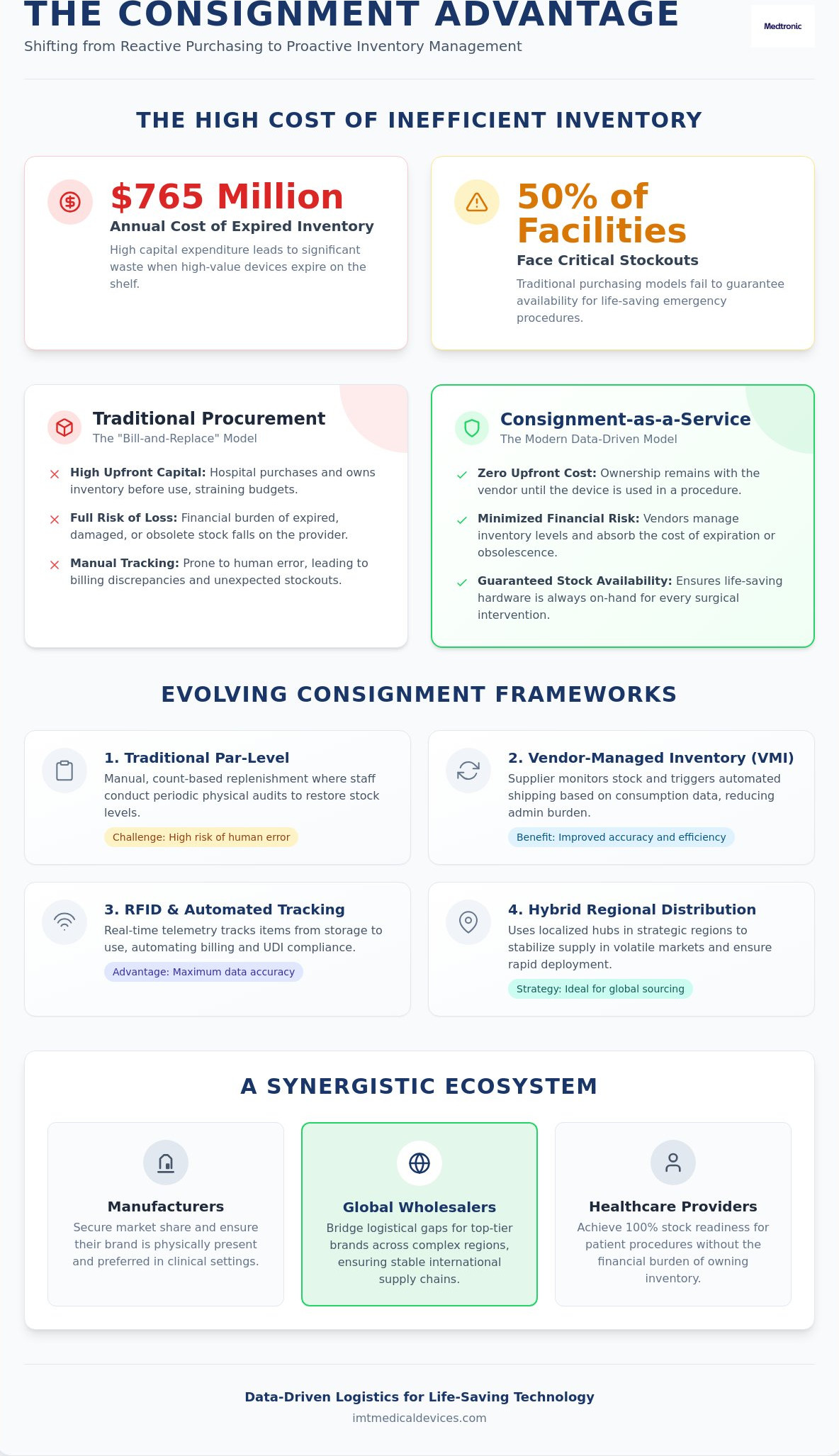
Expired inventory costs hospitals $765 million annually, yet 50% of facilities still face critical stockouts for life-saving hardware. High capital expenditure for Drug-Eluting Stents and Permanent Pacemakers often creates a bottleneck in international medical device sourcing. You need 100% stock availability for emergency procedures without the burden of upfront ownership costs or the risk of inventory shrinkage. Managing complex tracking for implanted devices requires more than traditional spreadsheets; it demands a functional, high-capacity logistics framework.
Efficient procurement professionals now prioritize Hybrid Consignment-as-a-Service to stabilize global supply chains. This guide provides a technical analysis of the 2026 consignment frameworks designed to reduce working capital requirements and automate replenishment cycles. We examine the impact of mandatory 2026 UDI tracking and the FDA's QMSR alignment on inventory availability for high-value items like ICDs and PTCA Balloon Catheters. You'll learn how to transition from reactive purchasing to a data-driven logistics model that guarantees 100% stock readiness for every surgical intervention. The focus remains on industrial competence and the precise movement of premium technology across international borders.
Key Takeaways
- Distinguish between vendor-retained consignment ownership and traditional bill-and-replace workflows to maximize liquidity.
- Evaluate tech-enabled Vendor-Managed Inventory (VMI) models to eliminate manual tracking errors and ensure 100% stock availability.
- Optimize international medical device sourcing by leveraging global wholesalers to consolidate high-value cardiac and peripheral intervention hardware.
- Implement standardized consignment agreements with precise billing triggers to reduce inventory shrinkage and expiry waste.
- Analyze the financial impact of consignment frameworks on Total Cost of Ownership (TCO) and Days Sales Outstanding (DSO).
Understanding Medical Device Consignment in Global Healthcare Supply Chains
Medical device consignment represents a fundamental shift in inventory management. Ownership remains with the vendor until the moment of clinical consumption. This model contrasts with traditional procurement where title transfers upon delivery. For high-value coronary intervention hardware, this arrangement mitigates the financial risk of holding expensive stock. Utilizing a framework for Understanding Medical Device Consignment allows hospitals to maintain clinical readiness without immediate capital expenditure.
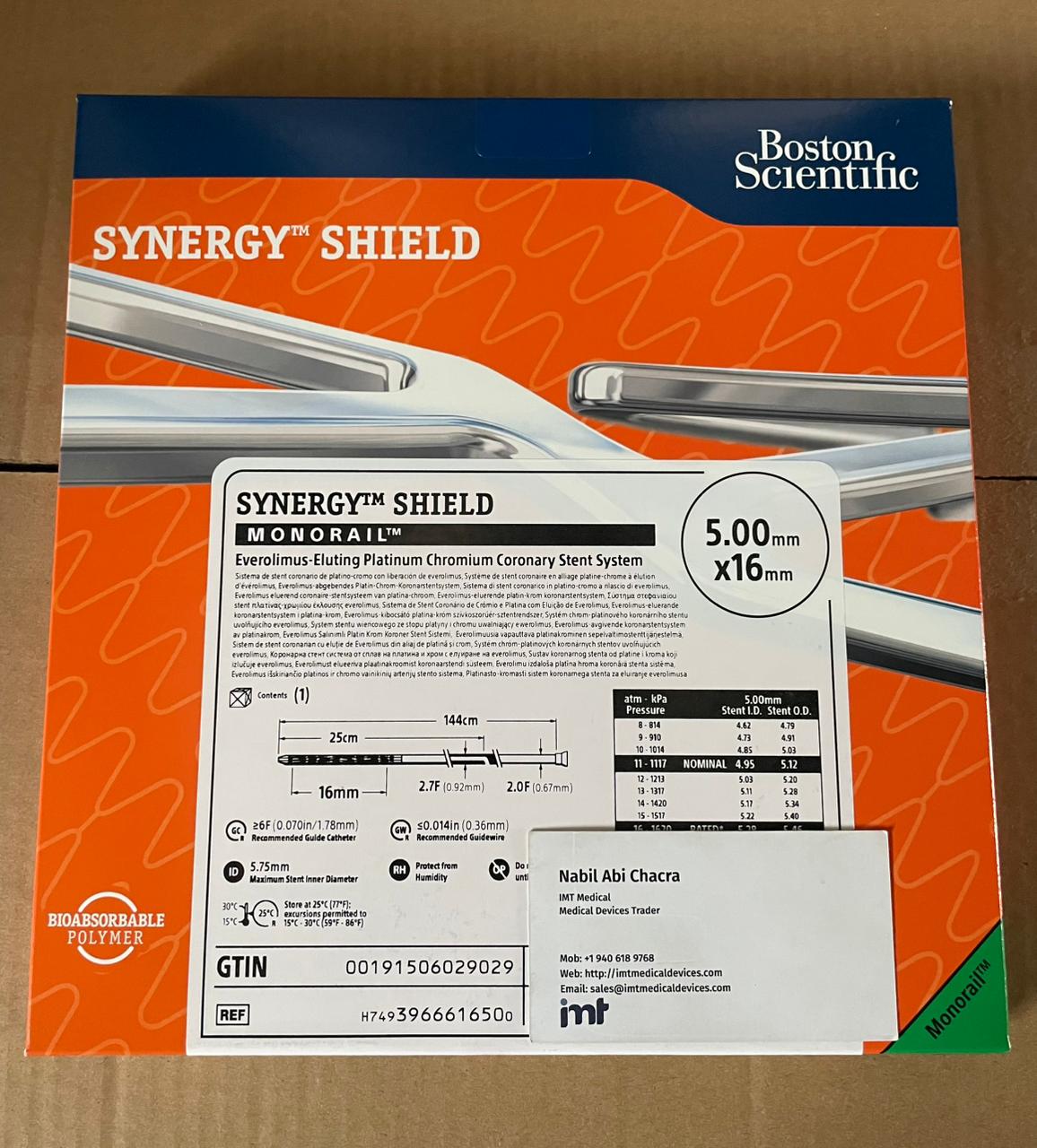
Bill-and-replace workflows involve purchasing a device after use to replenish a stock level the hospital already owns. In a pure consignment model, the hospital never owns the stock until it's implanted. This asset-light approach is critical for specialized items like coronary stents and cardiac implantable pacemakers. Transitioning to this model addresses the 2023 reality where 50% of hospitals reported supply stockouts, ensuring that life-saving devices are physically present without straining budgets.
Title Transfer and Financial Responsibility
Legal transfer of title occurs at the "trigger event." This is usually the scanning of a barcode during a procedure. Before this point, the vendor carries the inventory on their balance sheet. Hospitals reduce their working capital requirements, which is essential given the $765 million annual cost of expired inventory in U.S. facilities. Liability for damage or loss on-site remains a key contractual point. Providers must ensure insurance coverage for these high-value assets located within their sterile storage environments.
Key Stakeholders: Manufacturers, Wholesalers, and Providers
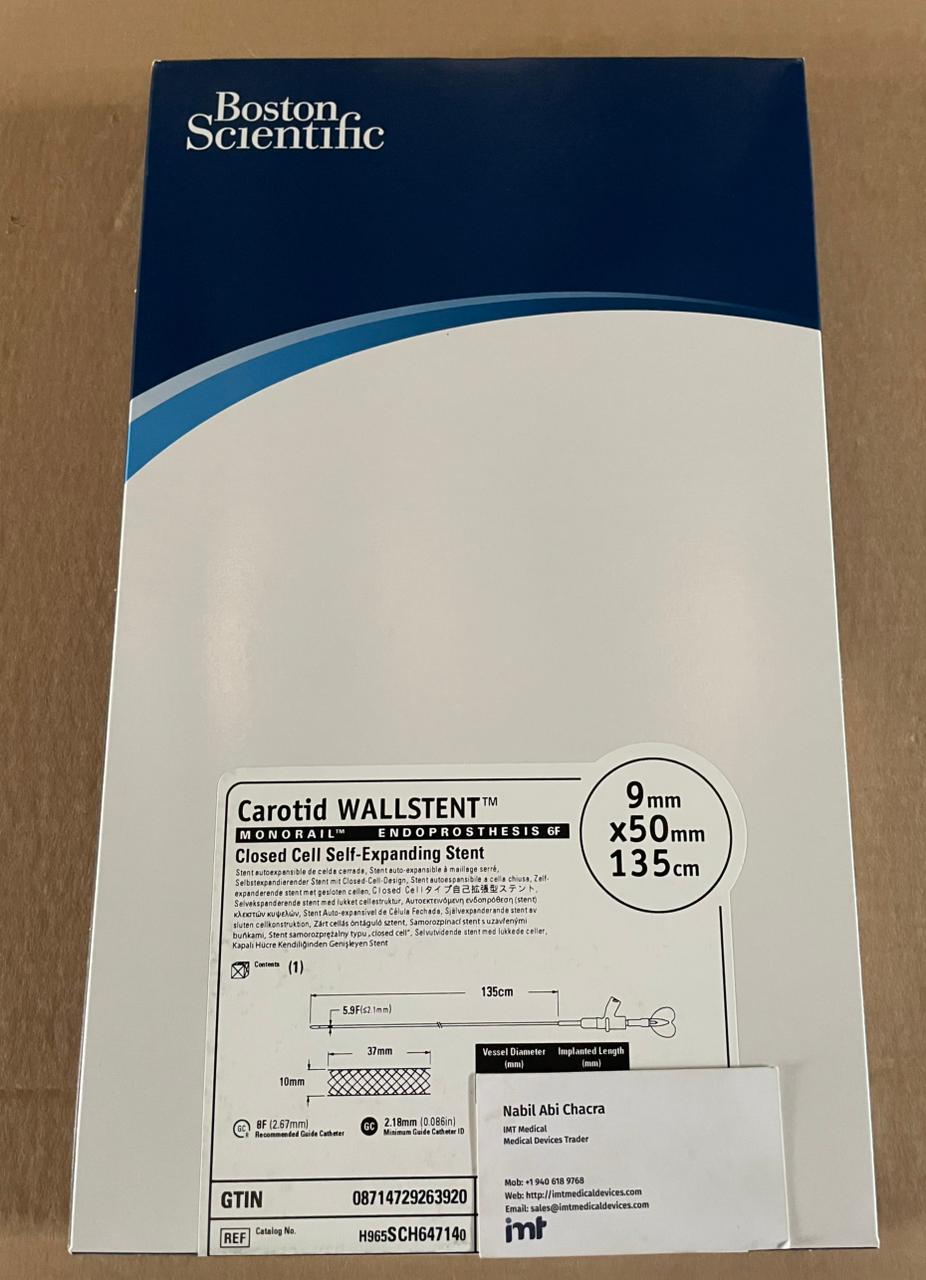
Manufacturers use consignment to secure market share by ensuring their specific brands are physically present in the cath lab. Wholesalers like IMT Medical Devices bridge the gap in international medical device sourcing. They facilitate stock availability for Tier 1 brands like Medtronic, Boston Scientific, and Abbott across 50 countries. Wholesalers provide the logistical infrastructure for complex regions where direct manufacturer representation is limited. Providers achieve their objective: 100% clinical readiness for emergency procedures without financial overextension. This relationship ensures that critical hardware, such as peripheral intervention devices, is available when patient outcomes depend on immediate access.
Primary Consignment Inventory Models: From Traditional to Tech-Enabled
Modern procurement professionals categorize consignment into four distinct operational frameworks. Each model addresses specific logistical constraints inherent in international medical device sourcing. Selecting the correct model depends on facility volume, technical infrastructure, and regional stability. The four primary models for 2026 include:
- Model 1: Traditional Par-Level Consignment. Manual tracking and count-based replenishment.
- Model 2: Vendor-Managed Inventory (VMI). Supplier-led monitoring and automated shipping triggers.
- Model 3: RFID and Automated Tracking. Real-time telemetry for high-value SKU movement.
- Model 4: Hybrid Regional Distribution. Utilization of localized hubs in strategic regions like Georgia or Dubai to stabilize supply in volatile markets.
Traditional Par-Level Models for High-Value Implants
Clinical teams often utilize manual par-level systems for Drug-Eluting Stents and Permanent Pacemakers. This process involves periodic inventory audits and manual replenishment orders based on physical shelf counts. Human error remains the primary failure point. Inaccurate usage reporting leads to billing discrepancies and critical stockouts. These manual workflows lack the agility required for 2026 regulatory compliance, particularly regarding UDI traceability for Medtronic Products and Boston Scientific Products. Facilities often experience "phantom inventory" where items are present on the shelf but expired or already billed.
Tech-Enabled Consignment and Real-Time Visibility
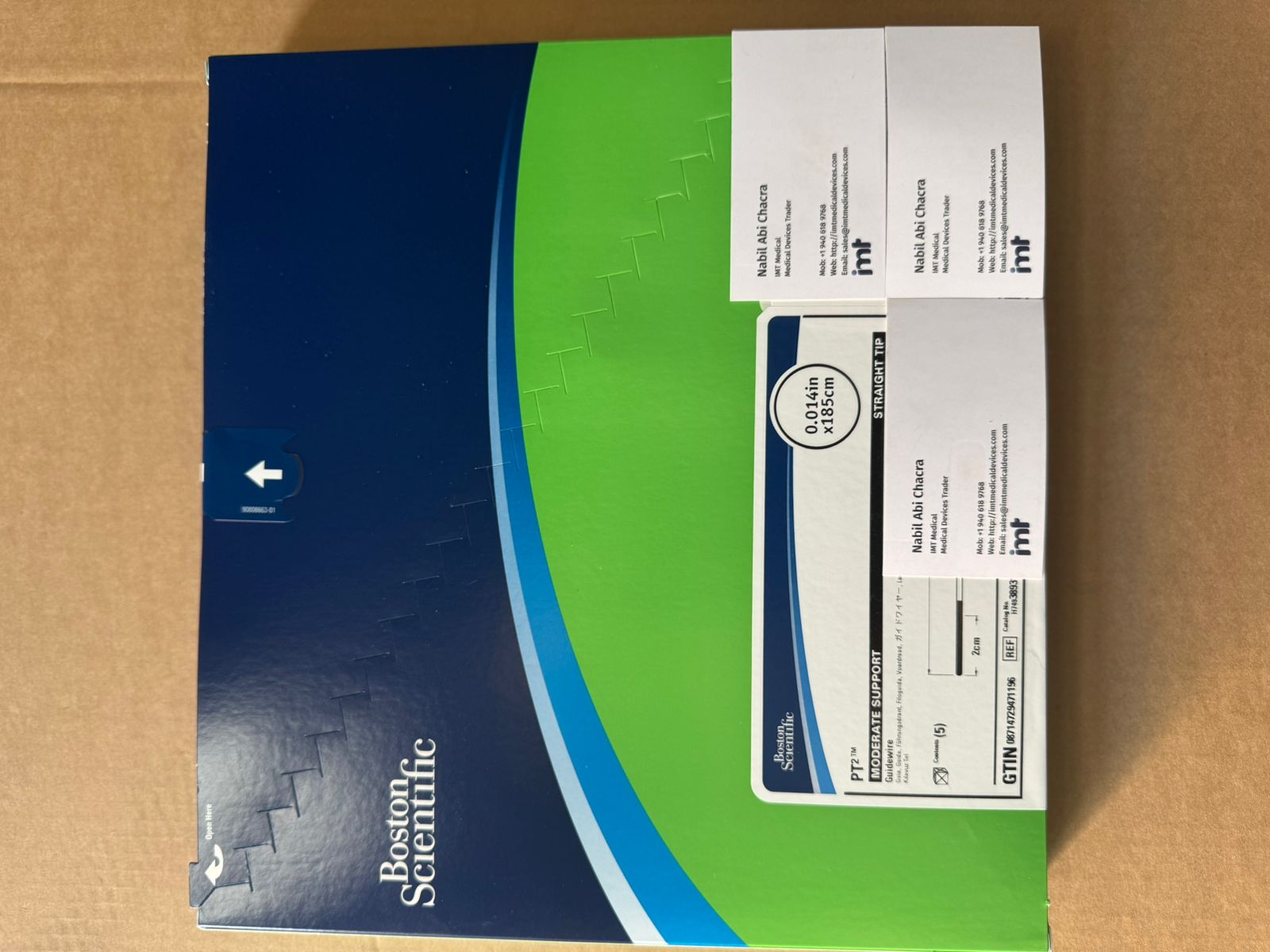
Cloud-based inventory feeds provide a direct link between hospital storage and the wholesaler's warehouse. Integration with Hospital Information Systems (HIS) enables automated billing at the point of care. This connectivity is a core component of a modern Financial Analysis: Consignment vs. Traditional Stocking Models. RFID technology reduces inventory shrinkage by an average of 20% in surgical suites by providing granular visibility into item movement. Automated systems ensure that PTCA Balloon Catheters and Diagnostic Guide Wires are replenished before stock levels reach critical lows. Procurement teams can view our global distribution capabilities to determine which automated model fits their facility's infrastructure. These tech-enabled frameworks prioritize data accuracy and logistical speed, allowing providers to focus on clinical outcomes rather than manual stock counts.
Financial Analysis: Consignment vs. Traditional Stocking Models
A technical Total Cost of Ownership (TCO) comparison reveals sharp divergence between consigned and traditional stocking. Traditional procurement requires immediate capital outlay, impacting the facility balance sheet upon delivery. Consignment shifts the financial burden to the vendor. For high-volume cardiology labs, this reduces the initial investment for complex hardware. However, it increases Days Sales Outstanding (DSO) for distributors, as billing cycles only trigger post-consumption. Efficient international medical device sourcing requires balancing these liquidity needs against stock availability.
Inventory turnover ratios often appear higher in consignment models. Providers maintain larger safety buffers because the carrying cost is internalized by the wholesaler. Strategic partners like IMT Medical Devices manage these buffers across 50 countries. Hidden costs remain a factor. These include administrative overhead for usage tracking, insurance premiums for on-site vendor assets, and the labor required for monthly physical audits. Without automated tracking, these costs can erode the savings gained from reduced working capital.
Working Capital and Cash Flow Optimization
Consignment allows healthcare providers to redirect funds toward facility upgrades and advanced imaging technology. Tying up capital in thousands of PTCA Balloon Catheters and Diagnostic Guide Wires is no longer viable in high-inflation markets. This model acts as a hedge against supply chain volatility. By securing stock through international medical device sourcing channels without upfront payment, providers maintain clinical readiness despite local currency fluctuations or logistical delays. This asset-light strategy is essential for hospitals operating in economically volatile regions like Venezuela.
Waste Mitigation: Expiry and Obsolescence
Managing the First-In, First-Out (FIFO) principle is critical for high-value surgical implants. Wholesaler-led stock rotation ensures that slow-moving items are moved to higher-volume facilities before reaching expiry. In a non-consigned model, the hospital assumes the total loss of an expired stent, whereas a consignment agreement typically allows for vendor-managed returns or swaps. Expired inventory costs U.S. hospitals an estimated $765 million annually; a single expired drug-eluting stent represents a total loss of the purchase price with zero clinical utility. Automated tracking of Medtronic Products and Terumo Products ensures that the oldest units are utilized first, protecting the financial integrity of the supply chain.
Operational Challenges and Implementation Best Practices
Execution of a consignment strategy requires a structured, four-step implementation process to ensure logistical reliability. Procurement professionals must move beyond surface-level agreements to establish industrial-grade frameworks. These steps include:
- Step 1: Establishing a clear Consignment Agreement. Contracts must define liability limits, insurance obligations for on-site stock, and the specific frequency of physical audits to prevent disputes.
- Step 2: Defining the trigger event. Precise billing relies on identifying the exact point of consumption; this is typically the opening of sterile packaging or the scanning of a UDI barcode in the procedural suite.
- Step 3: Implementing a robust cycle counting schedule. Regular physical audits identify inventory shrinkage and prevent the accumulation of expired hardware.
- Step 4: Setting up international logistics pipelines. Successful international medical device sourcing depends on secure transport routes that connect strategic hubs in Georgia or Dubai to local clinical storage units.
Navigating International Logistics and Customs
Effective medical device distribution in 2026 requires strict adherence to evolving regional mandates. In markets like Venezuela, specific 2026 regulatory updates demand verified import documentation and specialized handling for high-value cardiac hardware. Cold chain requirements for sensitive implants and biologics necessitate continuous temperature monitoring during transit to maintain product integrity. Global partners must manage export documentation and specialized handling fees to prevent delays at customs checkpoints. This expertise ensures that critical stock arrives in sterile condition and ready for immediate clinical use.
Standardizing Data for Global Interoperability
The 2026 UDI mandate requires all exported devices to carry a Unique Device Identification for full supply chain traceability. Adopting GS1 standards ensures SKU consistency across multi-national distribution networks, which is essential for accurate usage reporting. Wholesalers provide the critical technical data and manufacturer specifications for brands like Medtronic and Boston Scientific. This data synchronization prevents billing errors and improves the speed of automated replenishment cycles. Procurement teams should partner with an experienced global distributor to manage these complex data requirements and ensure 100% compliance with international standards.
Strategic Sourcing: Leveraging Global Wholesalers for Consignment Success
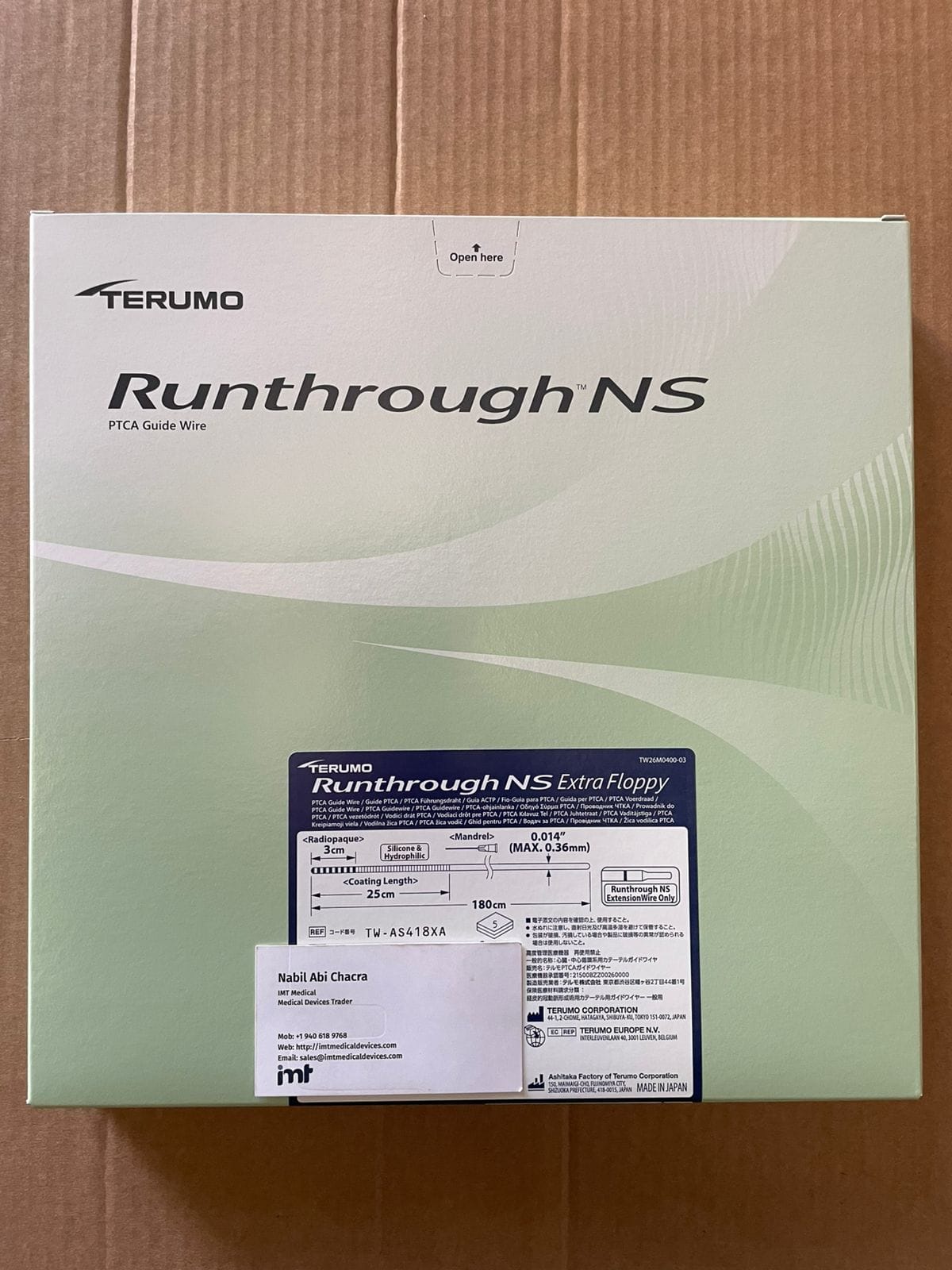
Wholesalers serve as the functional bridge for multi-brand consignment programs in the 2026 landscape. Managing individual relationships with every Tier 1 manufacturer creates administrative complexity and fragmented data streams. A centralized wholesaler model simplifies international medical device sourcing by consolidating diverse inventories into a single logistical stream. This approach is particularly effective for high-volume categories like Coronary Intervention and Peripheral Intervention. By utilizing a single source for brands like Abbott, Terumo, and Cordis, providers mitigate the risk of supply chain fragmentation and ensure consistent product availability.
Wholesalers like IMT Medical Devices provide the capacity to fill consignment shelves in regions where direct manufacturer support is inconsistent or limited. This reliability is vital for distributors in Venezuela, where 2026 regulatory updates require precise documentation and verified supply origins for high-value implants. Consolidating the procurement of specialized hardware ensures that clinical teams have 100% stock availability for emergency procedures without the burden of multi-vendor contract management. The wholesaler acts as a stabilizer, absorbing the logistical shocks of international trade to maintain a steady flow of authentic technology.
Multi-Brand Sourcing Efficiency
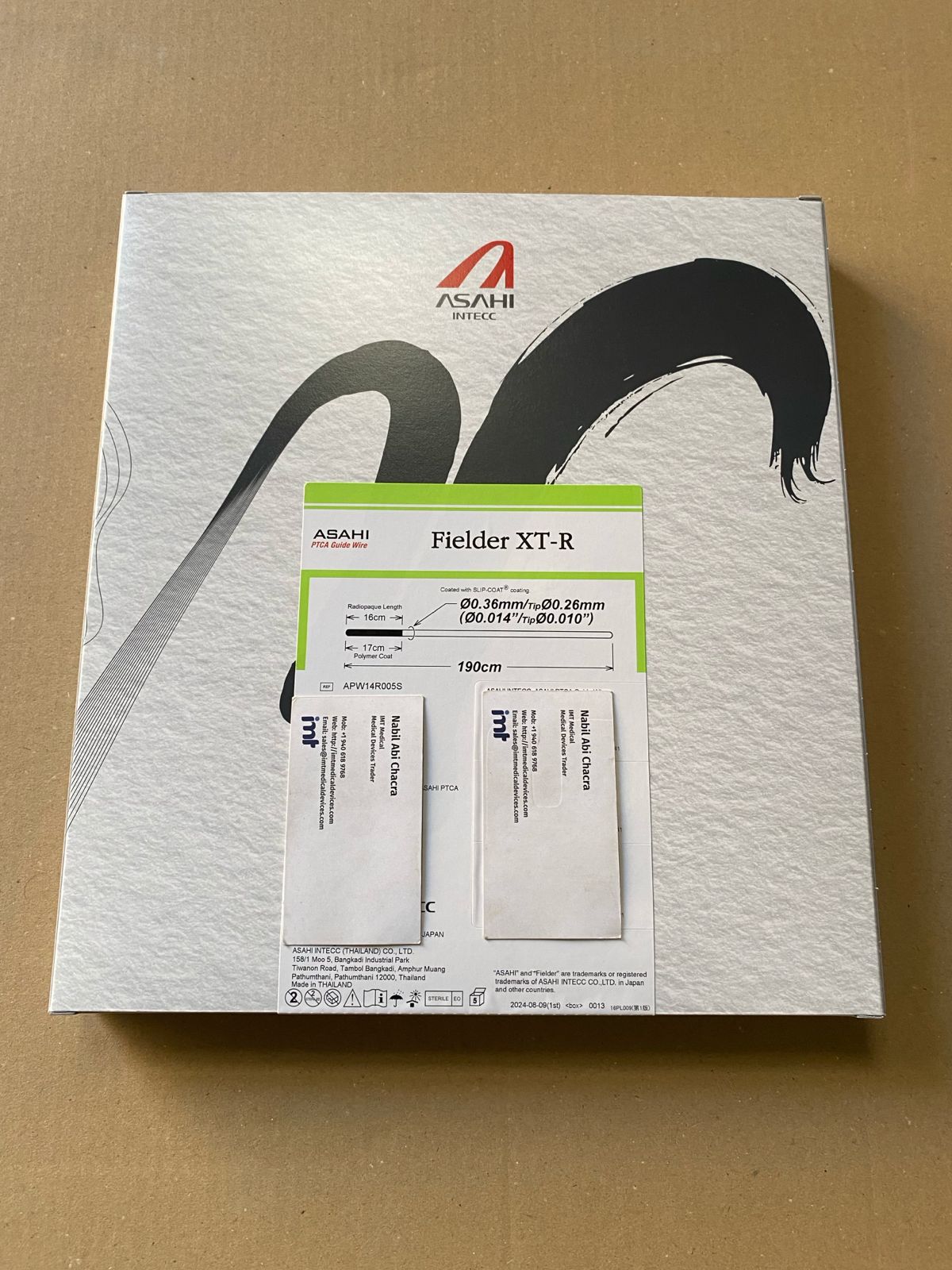
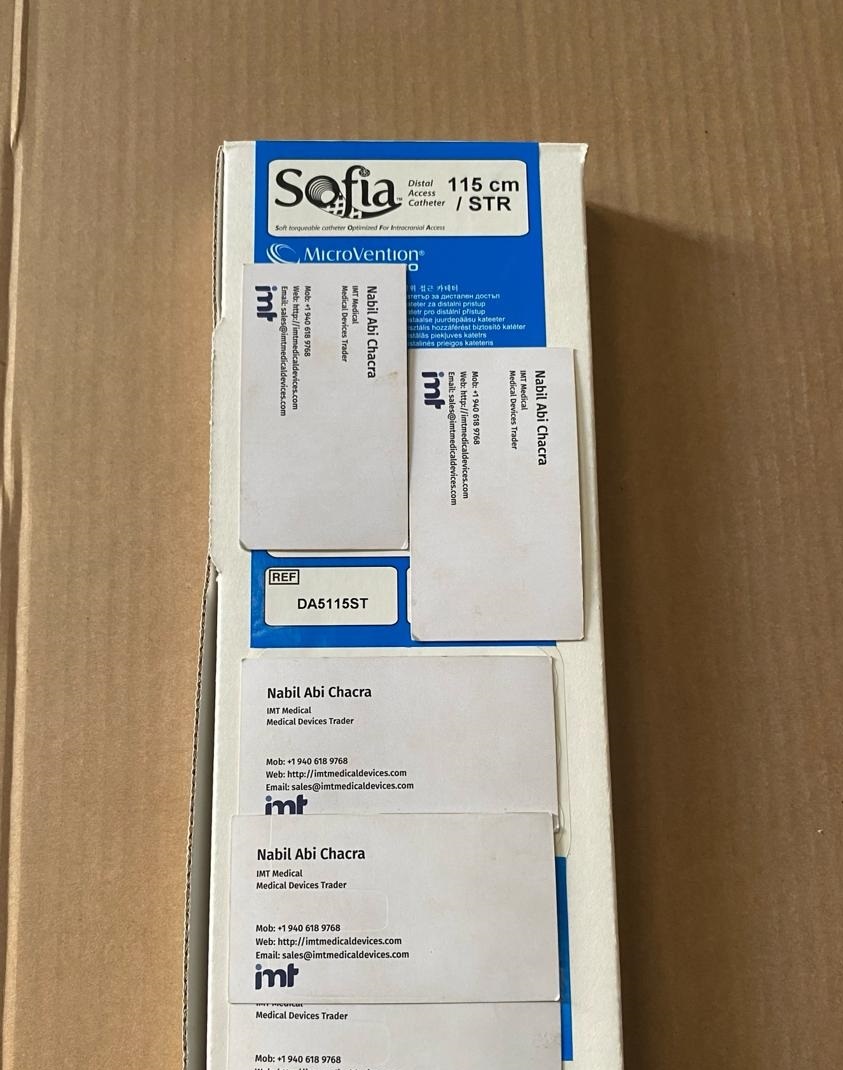
Administrative overhead decreases when procurement professionals use a single wholesaler for multiple high-end manufacturers. This model provides access to a comprehensive range of procedural hardware, from Guiding Catheters to specialized Guidewires. Volume-based pricing across different manufacturer lines becomes achievable through wholesaler consolidation. This efficiency allows hospitals to maintain clinical readiness across diverse medical interventions without the financial strain of fragmented purchasing. It ensures that the right technical codes from Medtronic, Boston Scientific, and Asahi Intec are always in stock, regardless of the original producer. Rapid information retrieval and simplified billing cycles become the standard when sourcing is unified.
The IMT Advantage in Emerging Markets
Strategic hub locations in Dubai, Poland, Georgia, and Turkey enable rapid response times for global distribution. IMT Medical Devices navigates the complex import and export landscapes of Latin America, providing a reliable bridge between global innovation and local clinical needs. Our expertise in international medical device sourcing solves the last-mile consignment problem in volatile markets. We provide direct access to authentic technology from prestigious manufacturers, ensuring that high-capacity distributors can meet the urgent demands of their local healthcare systems. This logistical competence transforms consignment from a theoretical model into a functional reality for providers worldwide. We prioritize product availability and industrial reliability to support the global medical supply chain.
Advancing Clinical Readiness through High-Capacity Consignment
The 2026 procurement landscape requires a shift from reactive purchasing to proactive, high-capacity consignment frameworks. These models effectively mitigate the financial risk of high-value implants by shifting ownership burdens and automating replenishment cycles. Successful international medical device sourcing now depends on the integration of tech-enabled tracking and strategic wholesaler partnerships. Prioritizing these frameworks eliminates the $765 million annual cost associated with hospital expiry waste while ensuring 100% stock availability for emergency procedures.
IMT Medical Devices serves as the vital bridge between prestigious global manufacturers and international markets. As an authorized wholesaler for Medtronic, Boston Scientific, and Abbott, we provide direct access to authentic technology. Our infrastructure includes strategic offices in Dubai, Georgia, and Poland to support global export to 50+ countries. We provide expert logistics and documentation support to navigate complex regulatory environments in Latin America and beyond. Establish a resilient supply chain that values scale, speed, and logistical precision.
Optimize your medical device supply chain with IMT Medical Devices and secure your facility's operational future.
Frequently Asked Questions
What is the difference between consignment and traditional inventory models?
Consignment inventory maintains vendor ownership until the moment of clinical consumption. Traditional procurement models transfer the title of the device to the hospital immediately upon delivery. This distinction allows healthcare providers to avoid immediate capital expenditure while ensuring critical hardware is physically present on-site. Consignment focuses on usage-based billing rather than upfront asset acquisition.
Which medical devices are most suitable for a consignment model?
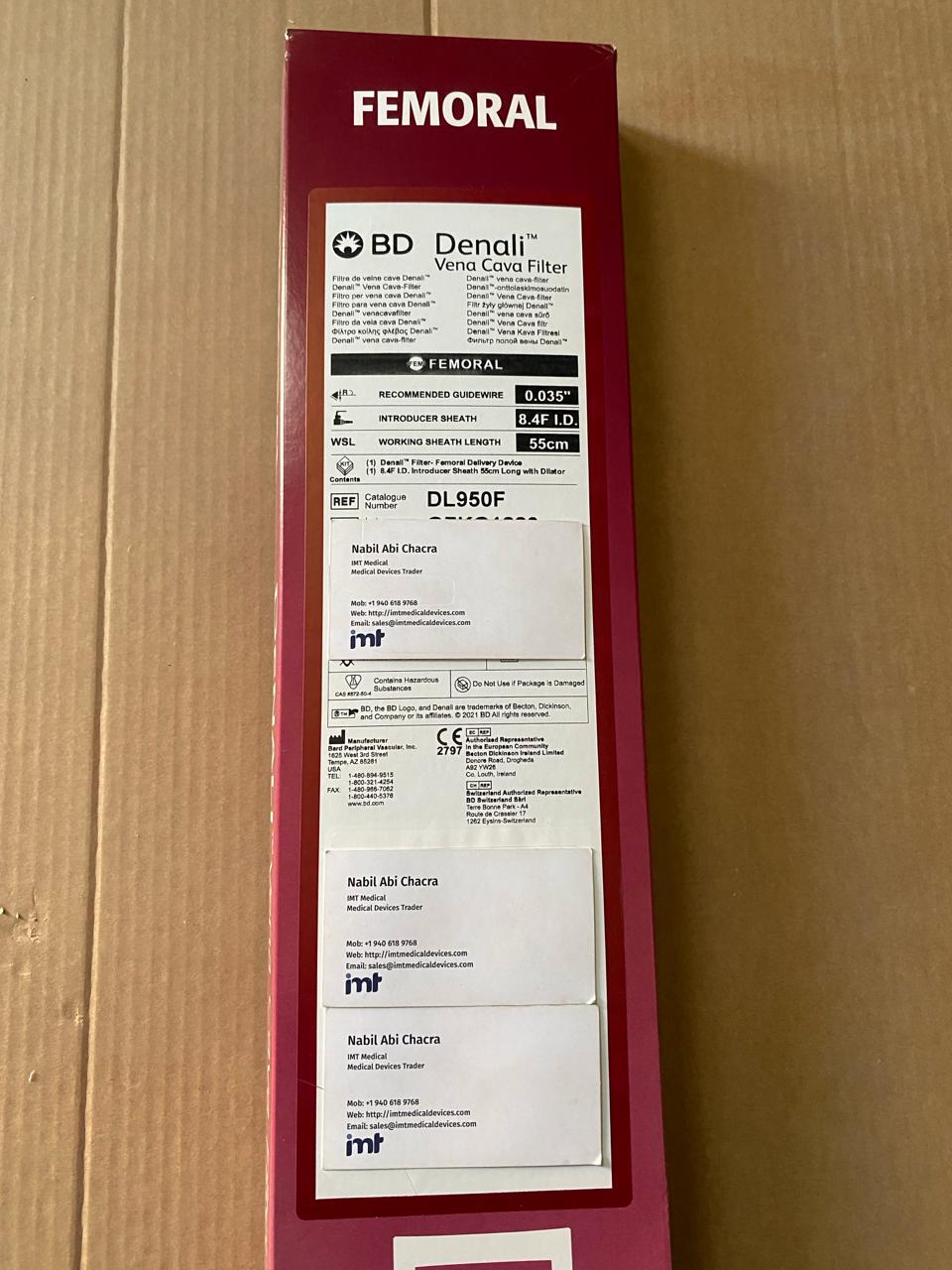
High-value, specialized implants with unpredictable demand are the primary candidates for consignment. This includes Drug-Eluting Stents, Permanent Pacemakers, and Implantable Cardioverter Defibrillators (ICDs). Surgical Staplers and Electrophysiology Catheters are also frequently consigned. These items represent significant financial investment and require 100% availability for emergency procedures without the burden of hospital-owned stock risks.
How does a consignment model affect hospital cash flow?
Hospital cash flow improves through the significant reduction of working capital requirements. Funds that would otherwise be tied up in expensive inventory like PTCA Balloon Catheters are preserved for other operational needs. This model shifts the carrying cost of the inventory to the vendor. It allows facilities to maintain clinical readiness for complex interventions without straining their monthly liquidity or balance sheets.
What are the common risks of consignment inventory for medical device distributors?
Distributors face risks related to inventory shrinkage and slow Days Sales Outstanding (DSO). Ownership retention means the distributor carries the financial burden of the stock until it is used. Inaccurate usage reporting by clinical staff can lead to billing delays or lost revenue. Precise tracking and regular auditing are essential components of successful international medical device sourcing to mitigate these operational exposures.
Can a wholesaler manage a consignment program for multiple brands?
Wholesalers like IMT Medical Devices specialize in multi-brand consolidation for international markets. We manage inventory from Medtronic, Boston Scientific, and Abbott within a single logistical framework. This consolidation simplifies international medical device sourcing by reducing the number of vendor contracts a hospital must manage. It provides a unified data stream for replenishment and billing across diverse product categories.
What happens if a consigned medical device expires before use?
Responsibility for expired stock depends on the specific terms of the Consignment Agreement. Many frameworks include stock rotation clauses where wholesalers move slow-moving items to higher-volume facilities before they reach expiry. If a device expires on the shelf, the financial loss typically remains with the vendor. Effective programs use First-In, First-Out (FIFO) principles to minimize waste and protect clinical integrity.
How do RFID and cloud technology improve consignment management?
RFID technology provides real-time telemetry of device movement within surgical suites, reducing shrinkage by an average of 20%. Cloud-based inventory feeds bridge the visibility gap between the hospital storage and the wholesaler’s warehouse. These technologies automate the trigger events for billing and replenishment. This eliminates manual counting errors and ensures that critical hardware like Guidewires and Guiding Catheters are always available.
Is consignment inventory a viable model for hospitals in Venezuela?
Consignment is a viable and strategic model for Venezuela when supported by expert logistics and documentation. Strategic hubs in Georgia and Dubai facilitate the reliable movement of hardware despite regional economic volatility. Specialized handling and export expertise ensure that high-value implants meet 2026 regulatory standards. This allows local facilities to access Tier 1 technology from manufacturers like Terumo and Medtronic without immediate financial overextension.