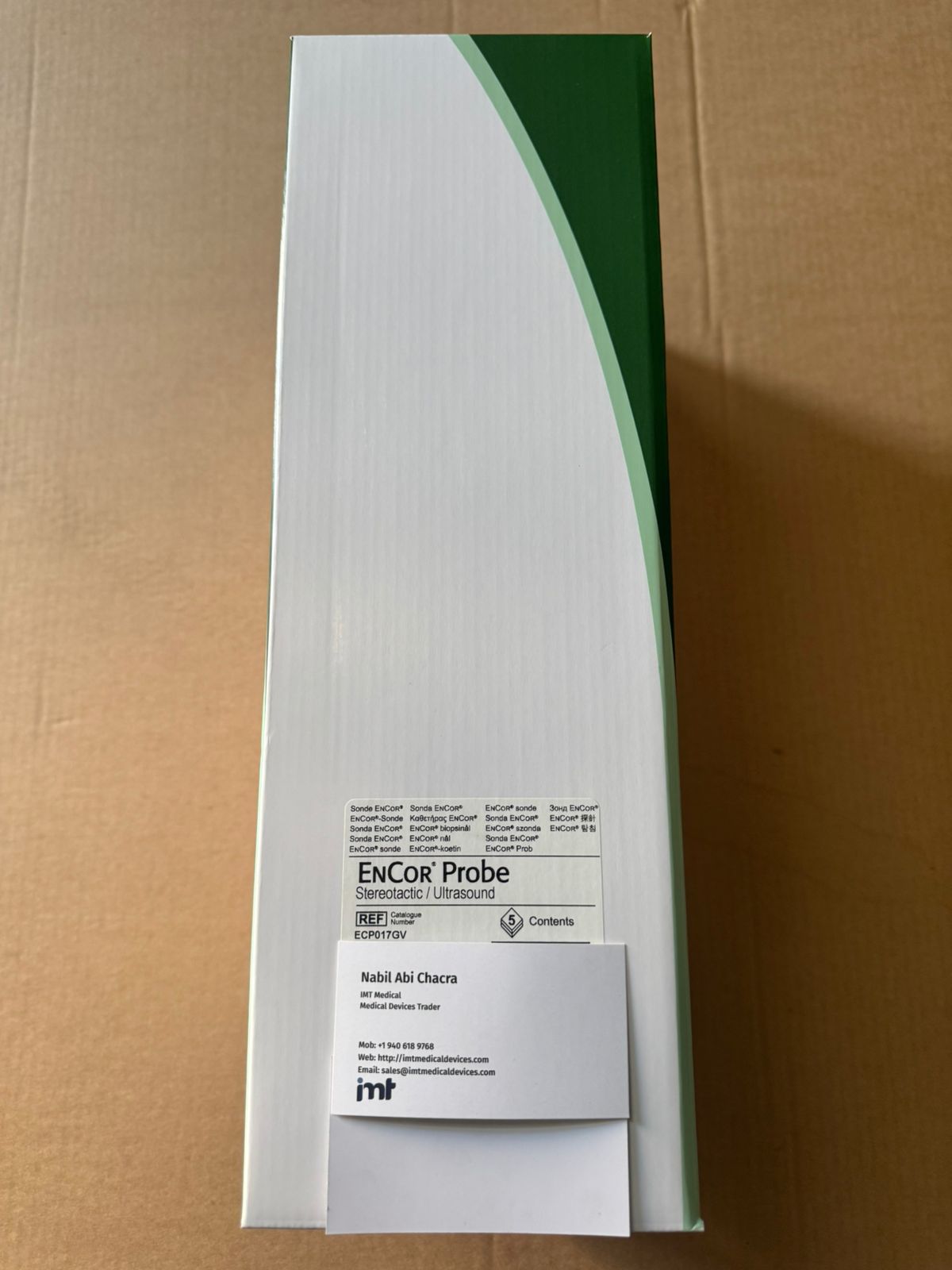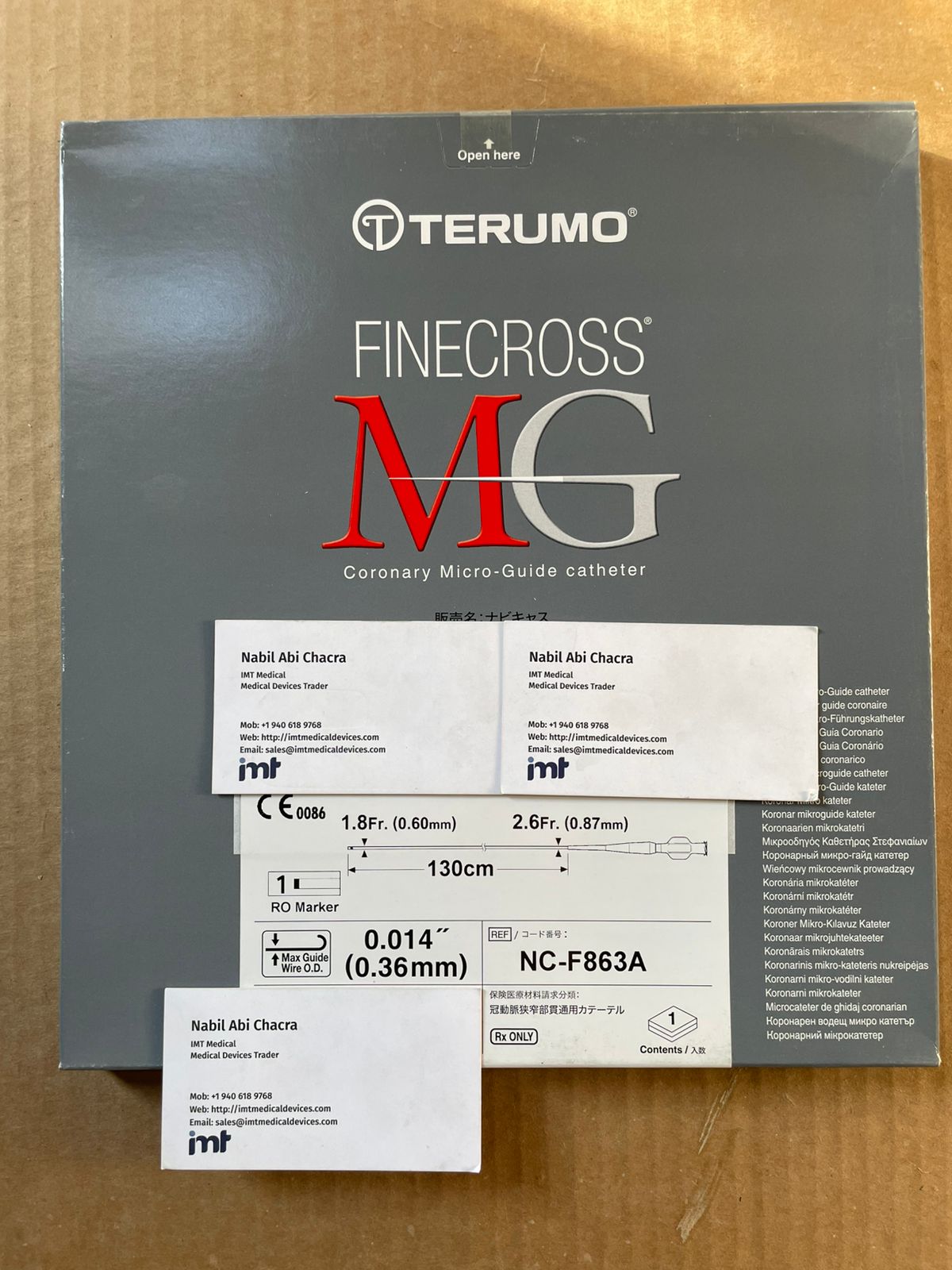

Bulk Medical Device Procurement: A Strategic Guide for Global Healthcare Providers
Securing a consistent inventory of Medtronic stents or Boston Scientific catheters in 2026 requires more than a purchase order; it demands a sophisticated logistical infrastructure. Procurement officers face a volatile landscape where supply chain disruptions for critical implants and the risk of counterfeit products in international markets threaten clinical outcomes. Optimized bulk medical device procurement is the primary mechanism to stabilize clinical operations and ensure a reliable pipeline of authentic technology.
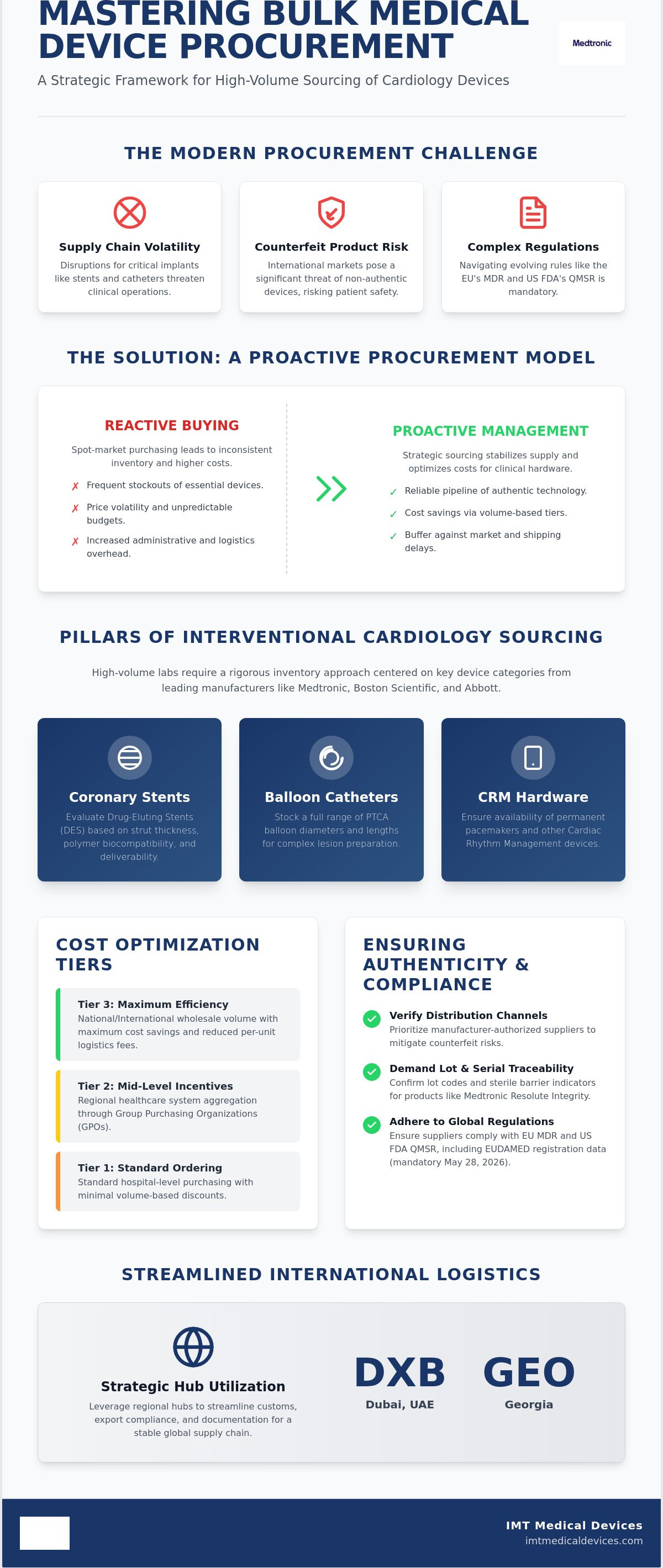
Navigating this market is no longer just about securing volume. It's about the intersection of technical cardiology specifications and shifting global regulations like the EU's MDR and the US FDA's QMSR. This guide provides the strategic framework to master high-volume sourcing, from verifying technical identifiers to managing complex customs and export documentation. We will examine how to establish a stable supply of authentic cardiology devices, optimize costs through volume-based tiers, and leverage regional hubs in Georgia and Dubai to streamline international logistics.
Key Takeaways
- Implement proactive inventory management to stabilize supply chains for high-stakes clinical hardware.
- Optimize bulk medical device procurement by leveraging manufacturer-centric technical benchmarks and volume-based tiers.
- Analyze technical specifications for Medtronic, Boston Scientific, and Abbott cardiology inventory to ensure clinical efficacy.
- Utilize strategic logistics hubs in Dubai and Georgia for streamlined export compliance and documentation.
- Verify authentic inventory for drug-eluting stents and CRM devices to mitigate global market risks.
Strategic Framework for Bulk Medical Device Procurement
Bulk medical device procurement defines the high-volume acquisition of specialized clinical hardware. It's a transition from reactive, spot-market purchasing to proactive inventory management. This strategy stabilizes the supply of critical items like drug-eluting stents and permanent pacemakers. Reliability depends on balancing manufacturer reputation with technical performance metrics. Reactive buying often leads to stockouts of essential devices like the Abbott Endurity Core pacemaker. Proactive models use historical usage data to buffer against shipping delays and market volatility.
In 2026, risk mitigation strategies must account for the EU's Medical Device Regulation (MDR) and the US FDA's Quality Management System Regulation (QMSR). These regulations mandate stricter data transparency and quality standards for all bulk imports. Since February 2, 2026, the FDA has utilized a new inspection process that harmonizes with ISO 13485:2016. Procurement professionals must verify that their international suppliers adhere to these updated quality management systems to avoid border delays or regulatory rejection.
The Role of Volume-Based Tiers in Cost Optimization
Cost optimization for cardiology consumables relies on volume-based pricing tiers. Organizations often engage with Group Purchasing Organizations (GPOs) to aggregate demand and negotiate lower unit costs. Multi-year supply agreements for PTCA balloon catheters and diagnostic guide wires provide financial predictability. Bulk ordering reduces administrative overhead and minimizes the per-unit logistics fees associated with international shipping. Pricing structures typically follow these patterns:
- Tier 1: Standard hospital-level ordering with minimal discounts.
- Tier 2: Regional healthcare system aggregation with mid-level volume incentives.
- Tier 3: National or international wholesale volume with maximum cost efficiency.
Ensuring Authenticity in International Wholesale
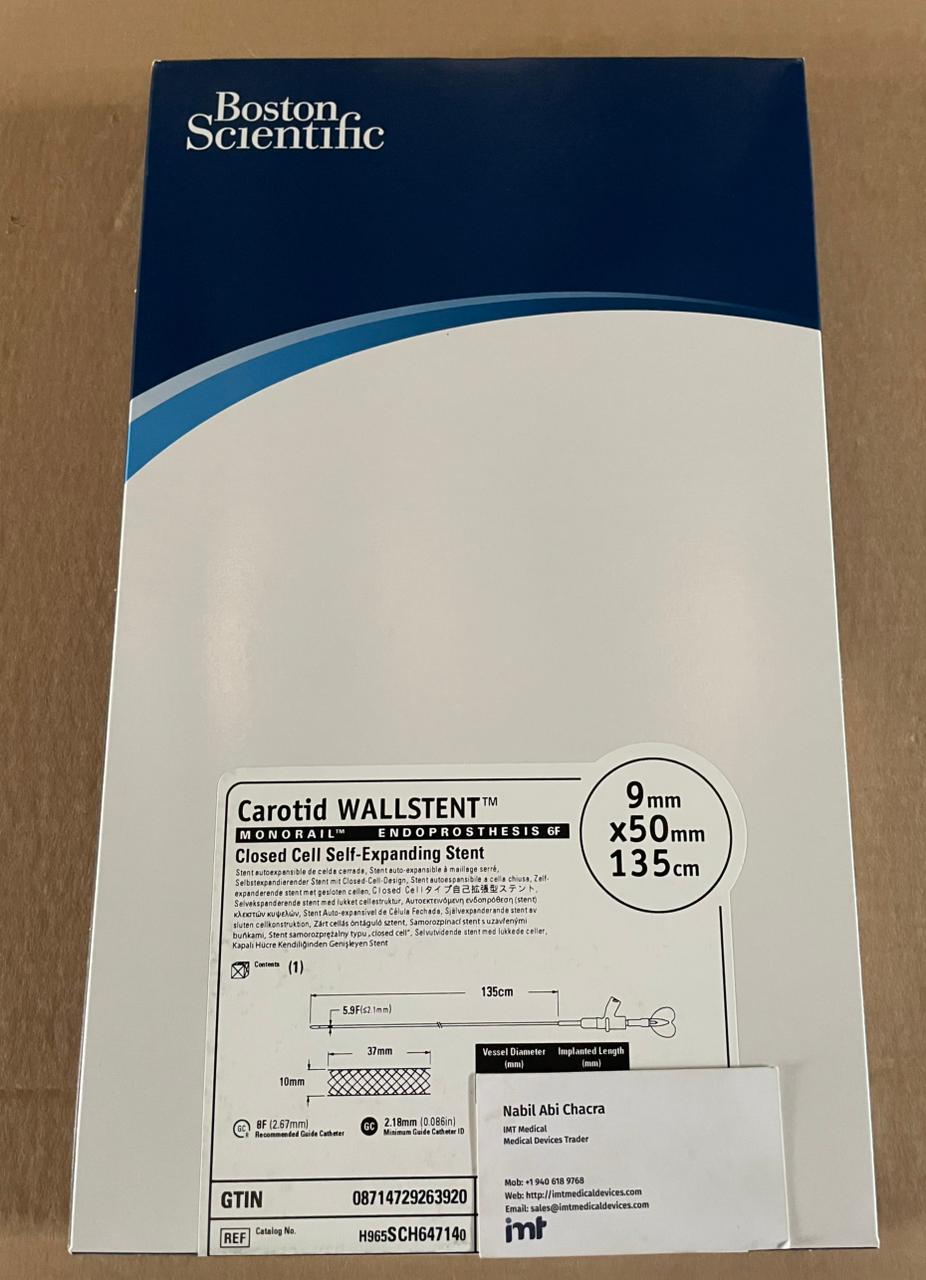
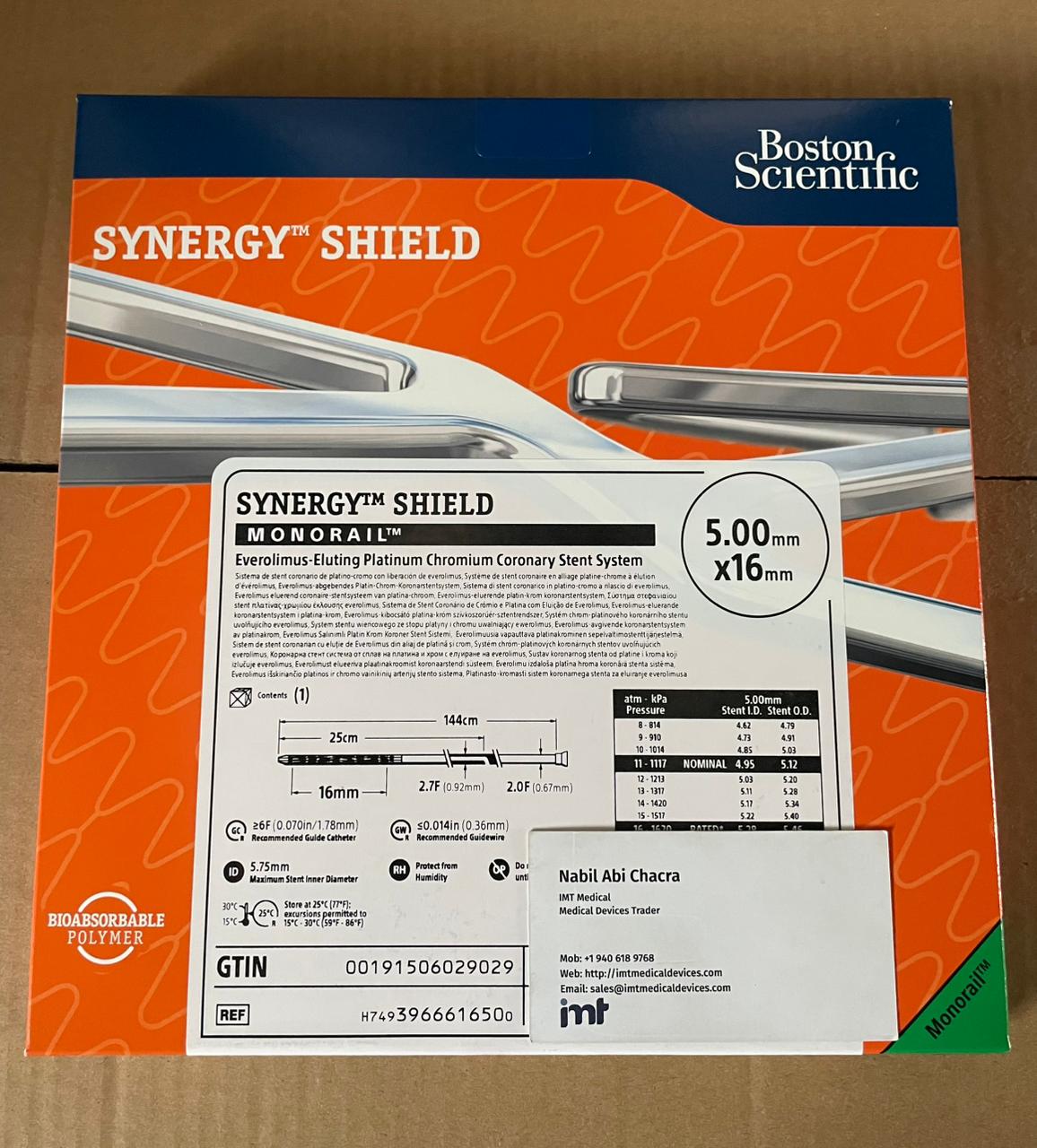
Verifying manufacturer-authorized distribution channels is essential for international wholesale. Technical markers for authenticating inventory like the Medtronic Resolute Integrity or Boston Scientific Synergy include specific lot codes and sterile barrier indicators. Lot tracking and serial number transparency are required for all peripheral stents and surgical hardware. Every bulk shipment must have clear documentation to ensure traceability. This transparency protects healthcare providers from counterfeit product risks in global markets. Procurement teams should prioritize suppliers who provide EUDAMED registration data, which became mandatory for new devices on May 28, 2026.
Sourcing Interventional Cardiology Inventory at Scale
High-volume cardiac catheterization labs require a rigorous approach to inventory management. Bulk medical device procurement for these facilities centers on three primary pillars: coronary stents, balloon catheters, and Cardiac Rhythm Management (CRM) hardware. Efficiency in these high-stakes environments depends on the immediate availability of specific technical codes. According to the Global Atlas of Medical Devices, standardized procurement frameworks are essential for maintaining healthcare quality in international markets. Organizations must evaluate Drug-Eluting Stents (DES) based on strut thickness, polymer biocompatibility, and deliverability. Sourcing PTCA Balloon Catheters in bulk ensures that clinicians have the necessary range of diameters and lengths for complex lesion preparation.
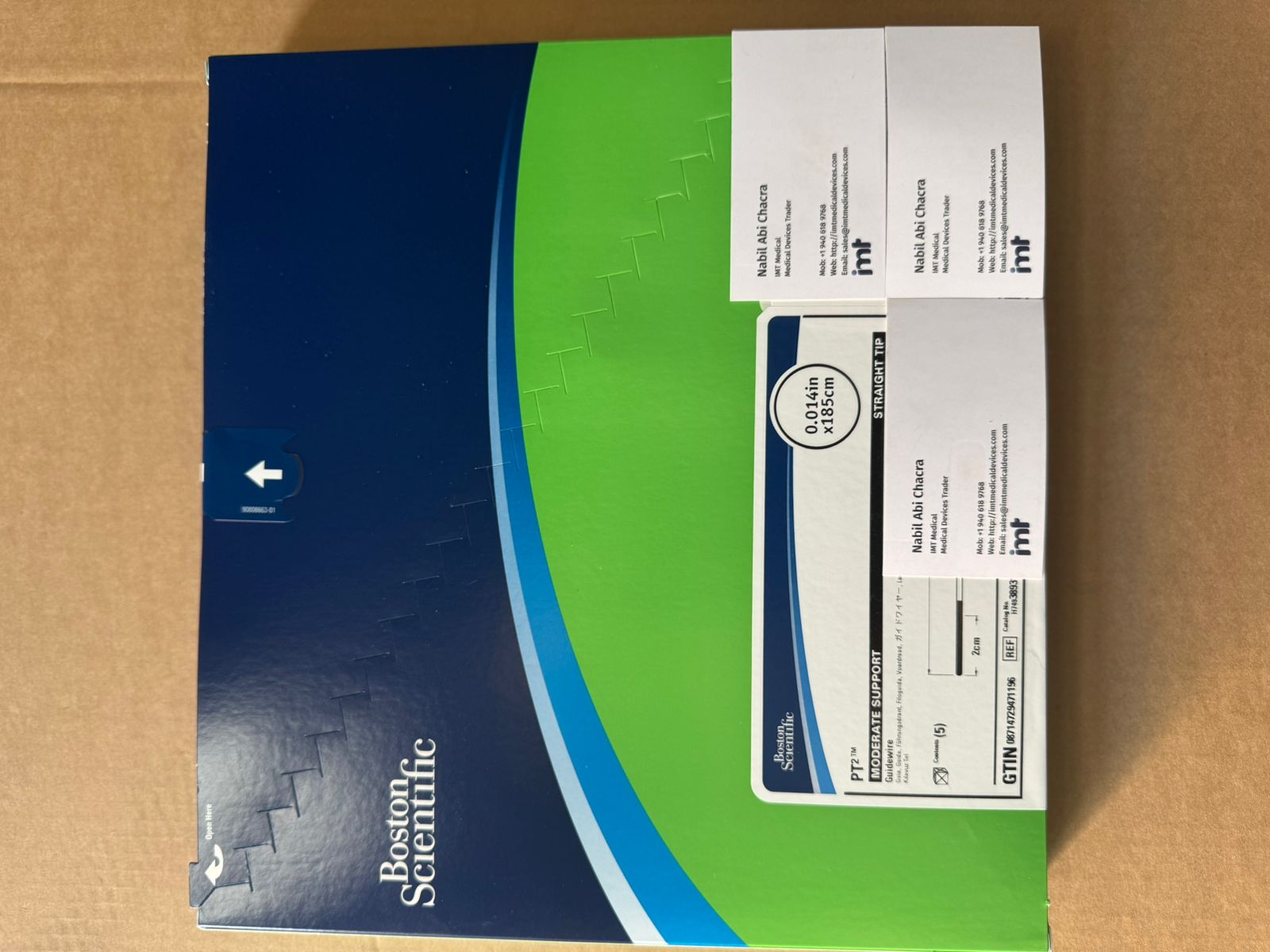
Precision is mandatory when stocking diagnostic tools. Inventory requirements for Diagnostic Guide Wires and Guiding Catheters focus on torque response and support levels. Procurement teams shouldn't overlook the necessity of maintaining diverse tip configurations. This technical variety allows operators to navigate tortuous anatomy without procedural delays. Maintaining a centralized supply of these consumables reduces the per-procedure cost and prevents stockouts during emergency interventions.
Managing Supply for Coronary and Peripheral Interventions
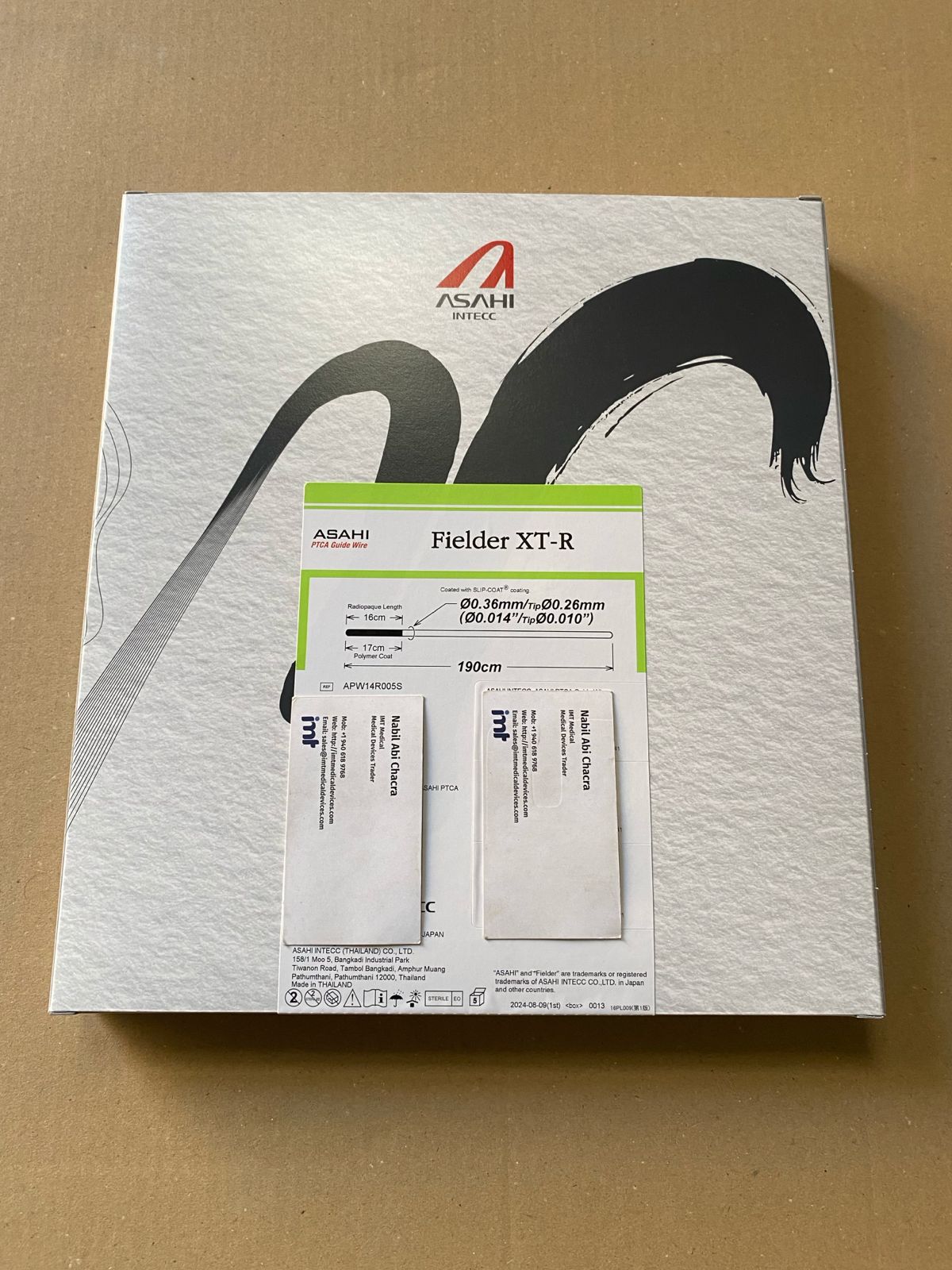
Differentiating between coronary intervention and peripheral intervention is a logistical necessity. Coronary procedures utilize high-flexibility stents like the Boston Scientific Synergy Megatron. Peripheral cases require larger diameters and longer lengths for iliac or femoral applications. Stocking the Abbott Graftmaster RX coronary stent graft system provides a vital safety net for managing rare but critical coronary perforations. Bulk acquisition of precision guidewires from Asahi Intec and Terumo ensures consistent lesion-crossing performance across all interventional departments. Procurement professionals can view our Boston Scientific inventory to compare technical specifications for current bulk requirements.
Cardiac Rhythm Management (CRM) Device Procurement
Bulk sourcing for Permanent Pacemakers and ICDs involves significant capital expenditure and long-term clinical commitment. Technical benchmarks for the Abbott Endurity Core PM1152 (single chamber) and PM2152 (dual chamber) models prioritize battery longevity and MRI conditional safety. Lead performance and sensing algorithms remain primary procurement criteria. Reliable CRM sourcing requires a partner capable of managing the specialized storage and serial number tracking these high-value implants demand. High-capacity distributors provide the logistical bridge between major manufacturers and global hospitals, ensuring that the latest pacing technology is always in stock.
Evaluating Global Manufacturers and Technical Specifications
Brand recognition serves as the primary trust signal in interventional cardiology. High-stakes clinical environments can't rely on generic alternatives or private label products that lack extensive clinical trial data. Effective bulk medical device procurement focuses on established portfolios from Medtronic, Boston Scientific, and Abbott. These manufacturers provide the technical consistency required for standardized procedural outcomes. Evaluating newest generation DES platforms requires an analysis of strut thickness, polymer bio-absorbability, and drug elution profiles. For instance, the Terumo Ultimaster Nagomi utilizes a bio-resorbable polymer to minimize long-term inflammatory responses. These technical benchmarks are the baseline for any large-scale acquisition strategy.
Technical performance metrics like balloon compliance and pushability are critical when ordering PTCA consumables in volume. Non-compliant balloons must maintain rated burst pressures while providing the force necessary for calcified lesions. Procurement teams must verify regulatory standards across all bulk orders. Global distribution in 2026 demands strict adherence to the EU's Medical Device Regulation (MDR) and US FDA approval. As of May 28, 2026, mandatory EUDAMED registration for new devices has streamlined the verification process for international buyers. This transparency ensures that every item in a bulk shipment meets current safety and efficacy requirements.
Manufacturer Profiles: Medtronic and Boston Scientific
The Medtronic products portfolio offers expansive options for both cardiology and surgical departments. The Resolute Integrity stent platform is a staple for inventory consistency due to its continuous sinusoid technology. Similarly, the Boston Scientific portfolio provides specialized advantages, particularly with the Synergy Megatron platform designed for large vessel stenting. Bulk acquisition of these premium platforms reduces the need for multiple vendor contracts and ensures that clinicians have access to the same high-performance hardware across all cath lab locations.
Precision Vascular Access: Terumo and Asahi Intec
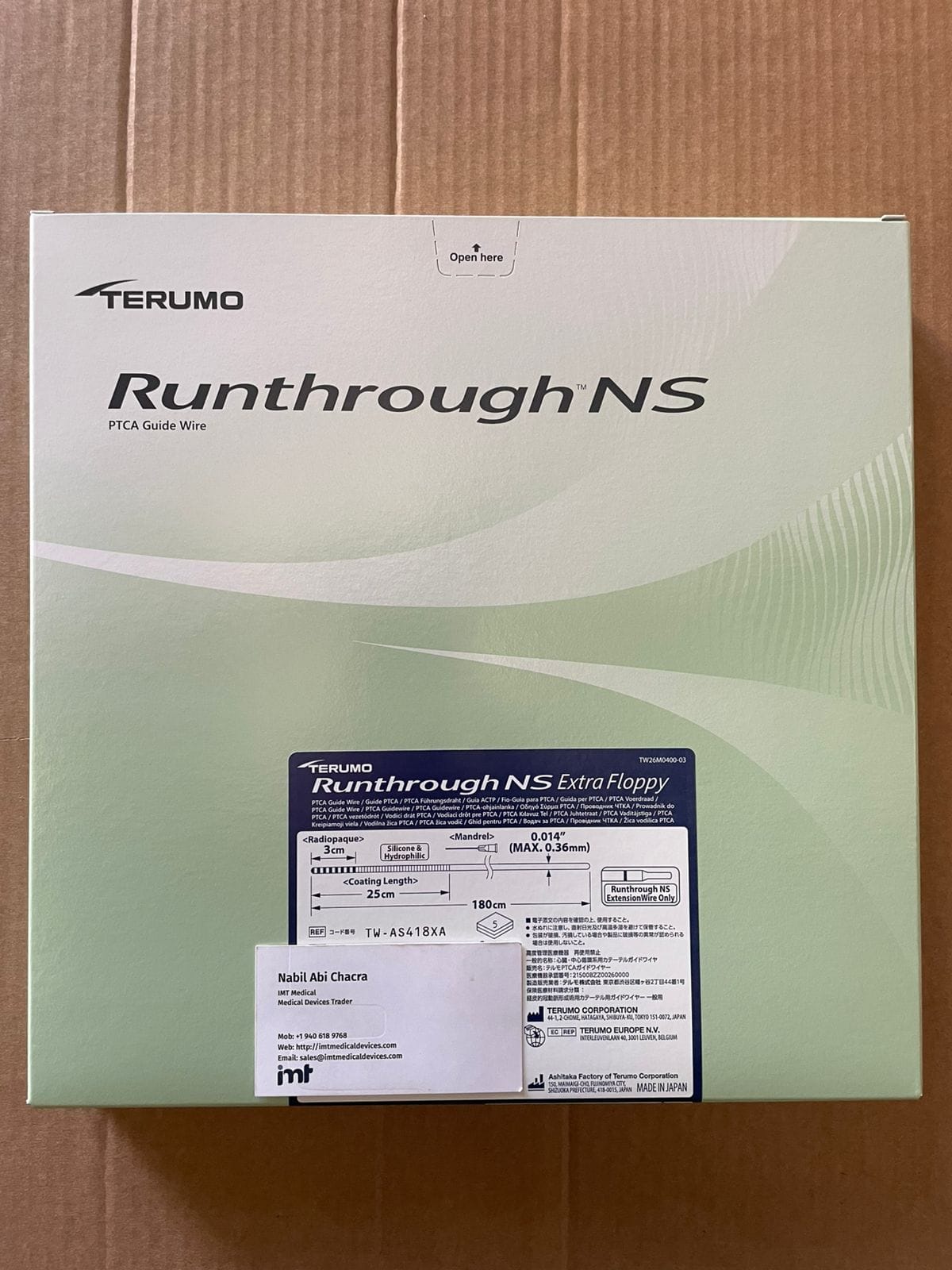
Vascular access efficiency is defined by the quality of diagnostic consumables. Bulk supply of Terumo products is essential for radial and femoral access procedures. The TR Band compression device remains the industry standard for maintaining radial artery patency post-procedure. For complex lesion crossing, Asahi Intec provides precision engineering in coronary guidewires. Sourcing Runthrough NS wires in bulk minimizes procedural variability and ensures that operators have the torque response needed for successful outcomes. These manufacturers prioritize hardware reliability, which is the cornerstone of successful bulk medical device procurement.
Navigating International Logistics and Export Compliance
Logistical efficiency is the final hurdle in bulk medical device procurement. Selecting a supplier with established regional hubs minimizes lead times and reduces the risk of transit damage. Strategic locations like Dubai and Georgia provide the infrastructure necessary for rapid deployment of drug-eluting stents and surgical hardware. These hubs act as critical staging areas where inventory is consolidated and prepared for final export. Effective logistics management requires a five-step process to ensure technical integrity and regulatory compliance.
- Step 1: Identify hubs with tax-efficient zones like Dubai or Georgia.
- Step 2: Compile manufacturer declarations and certificates of origin.
- Step 3: Implement shock-resistant packaging for delicate cardiac implants.
- Step 4: Monitor ambient conditions for bio-resorbable polymer platforms.
- Step 5: Pre-clear documentation for complex markets like Venezuela to avoid port delays.
Regional Hub Advantages: Georgia and UAE
Georgia serves as a primary gateway for Eastern European and Central Asian distribution. Its geographical position facilitates land and sea transport, bypassing congested Western European routes. Dubai streamlines medical exports to the MENA region through its specialized free zones and advanced air-cargo capabilities. Turkey provides a cross-continental bridge, connecting manufacturing centers with emerging markets. These regional presences ensure that Terumo products and Medtronic inventory remain available for urgent clinical needs. Learn more about our international distribution capabilities to optimize your supply chain.
Documentation and Regulatory Fees in Medical Exports
Successful bulk medical device procurement depends on the precise management of export documentation. Certificates of origin and manufacturer declarations must align with the specific requirements of the destination country. Export logistics fees for high-value cardiology hardware often include insurance and specialized handling surcharges. Compliance with import regulations is mandatory. For instance, EUDAMED registration for new devices became mandatory on May 28, 2026. Suppliers must verify these identifiers before cargo departure to ensure seamless customs clearance in emerging markets like Venezuela. Pre-clearing these documents is the most effective way to optimize transit times for critical PTCA balloon catheters and stents. Organizations that ignore these administrative benchmarks face significant storage costs and procedural delays.
IMT Medical Devices: Your Partner in Global Procurement
IMT Medical Devices operates as a high-capacity logistical bridge between premium manufacturers and global healthcare systems. Our infrastructure is designed for industrial competence and rapid data transmission. We currently export to over 50 countries, leveraging strategic hubs in Georgia, Dubai, Turkey, and Poland. Our hubs in Dubai and Georgia serve as rhythmic anchors for our global distribution efforts. Dubai's status as a premier logistics center allows for rapid air-cargo dispatch to the MENA region. Georgia provides a strategic gateway for Eastern European and Central Asian markets. These centers of export excellence ensure that manufacturer-certified hardware is always ready for international transit. This network provides the reach required for successful bulk medical device procurement in volatile international markets. Our manufacturer-centric approach eliminates technical ambiguity by providing authentic technology from Medtronic, Abbott, Boston Scientific, and Terumo. Reliability is our primary commercial claim.
Comprehensive Inventory for Cardiology and Surgery
Our digital warehouse provides immediate access to specialized clinical hardware. We maintain extensive stock levels for Drug-Eluting Stents, ensuring that cath labs have consistent access to the latest platform generations. High-volume facilities can source PTCA balloons and pacemakers with technical precision. Inventory categories include:
- Surgical staplers for thoracic and abdominal procedures.
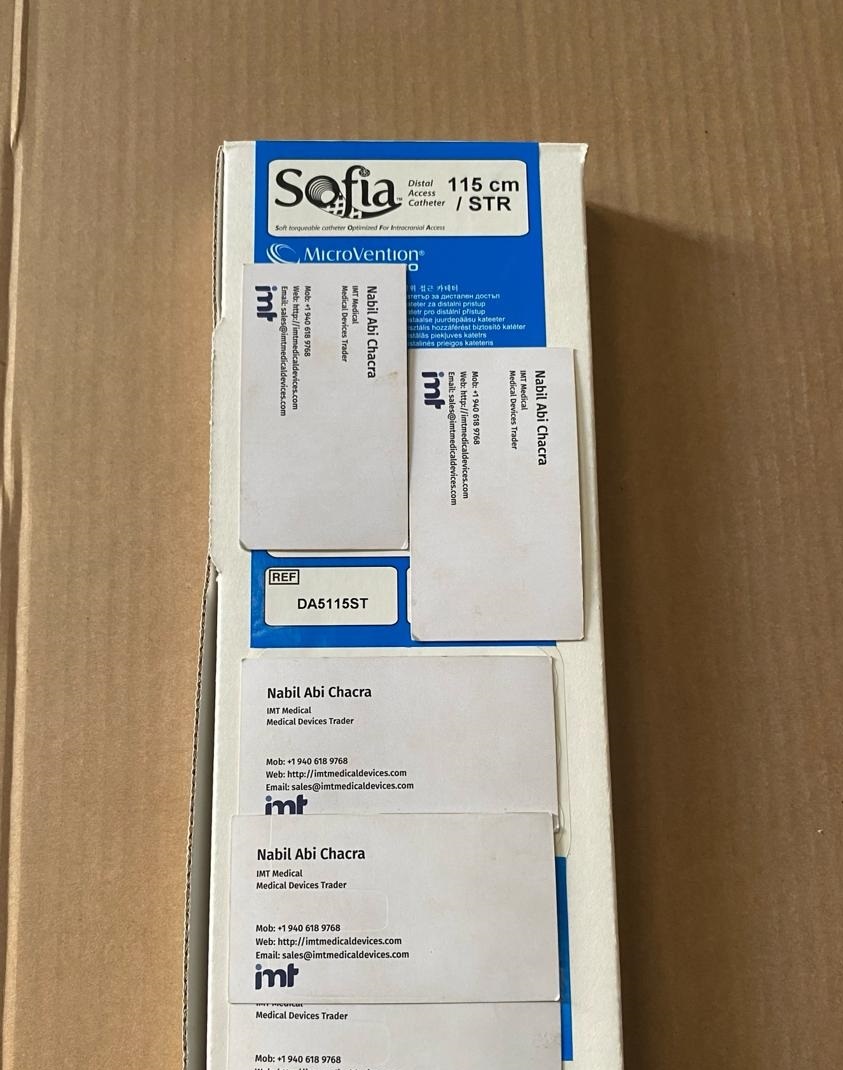
- Neurovascular coils and micro-catheters for complex interventions.
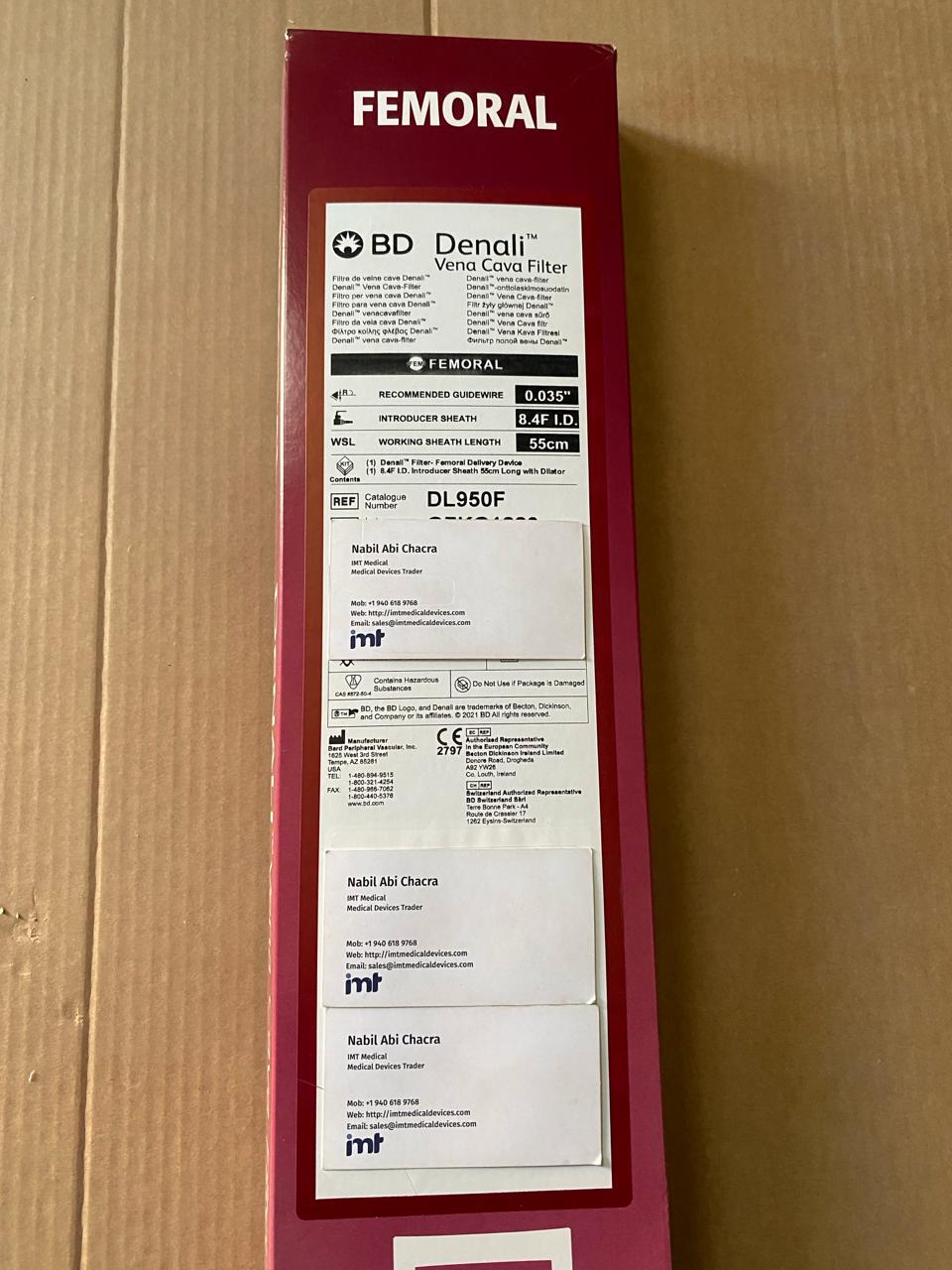
- Peripheral intervention hardware including stents and balloons.
- Electrophysiology catheters and diagnostic wires.
Access to these premium manufacturers through a single distributor optimizes the procurement cycle. It reduces the administrative overhead associated with multi-vendor management and ensures that all items meet the same rigorous quality standards. We provide the technical identifiers and manufacturer reputations that speak for themselves.
Streamlined Procurement for Global Healthcare Providers
Transactional efficiency is the cornerstone of our partnership model. We prioritize clarity in all transactions. Every quote includes detailed manufacturer names, technical specifications, and identifying codes. This transparency allows procurement officers to make data-driven decisions. Procurement professionals can contact IMT Medical Devices to review volume-based pricing and current inventory availability. We specialize in customized logistics solutions tailored to the regulatory requirements of specific regions. Our team manages the complexity of export documentation for markets like Venezuela, where customs clearance requires specialized expertise. This proactive management prevents port delays and ensures that critical implants reach their destination without compromising sterile barrier integrity. Our voice is that of a no-nonsense global partner that values scale and reach.
Reliable supply chains depend on a partner that values logistical stability. We offer the industrial competence needed to maintain clinical operations in 2026 and beyond. Request a Quote for Bulk Medical Device Procurement to identify technical specifications and secure your inventory pipeline.
Optimizing Global Inventory for 2026 and Beyond
Mastering bulk medical device procurement requires a manufacturer-centric strategy and a sophisticated logistical network. Transitioning from reactive buying to proactive inventory management stabilizes clinical pipelines. Access to premium technology from Medtronic, Boston Scientific, and Abbott ensures procedural consistency across all departments. Reliable distribution through regional hubs in Dubai, Georgia, Turkey, and Poland minimizes lead times for critical hardware. These strategic locations facilitate complex export documentation and customs clearance for emerging markets. IMT Medical Devices currently exports to over 50 countries; it provides a vital bridge between major manufacturers and international hospitals. Specialized expertise in interventional cardiology and surgical supplies ensures that every shipment meets exact technical specifications. Establishing a stable supply of authentic hardware is the primary mechanism for mitigating global supply chain risks. We're ready to support your high-volume requirements with industrial competence and logistical precision.
Access the Full Inventory and Request Bulk Pricing
Frequently Asked Questions
What are the benefits of bulk medical device procurement for hospitals?
Bulk medical device procurement optimizes unit cost efficiency through volume-based pricing tiers. It establishes a stable inventory of high-stakes consumables like drug-eluting stents and pacemakers, preventing stockouts during emergency interventions. Consolidating orders with a high-capacity distributor reduces administrative overhead and minimizes per-unit logistics fees associated with international shipping.
How does IMT Medical Devices ensure the authenticity of branded products?
Authenticity is guaranteed through manufacturer-authorized distribution channels and rigorous lot tracking. Every bulk shipment includes serial number transparency and verifiable technical identifiers for premium platforms. As of May 28, 2026, we utilize mandatory EUDAMED registration data to provide secondary verification for all new medical devices entering the global supply chain.
Which international manufacturers are available for bulk sourcing?
Our portfolio includes specialized clinical hardware from prestigious global producers. Primary manufacturers available for bulk acquisition include Medtronic, Abbott, Boston Scientific, Terumo, and Asahi Intec. We prioritize brands with extensive clinical trial data and established reputations for hardware reliability in interventional cardiology and surgical applications.
What regions does IMT Medical Devices serve for medical exports?
We currently export to over 50 countries across diverse global markets. Our logistical network serves the MENA region, Eastern Europe, Central Asia, and South America. Strategic offices in Dubai, Georgia, Turkey, and Poland act as regional anchors to facilitate rapid deployment and cross-border distribution.
How is cold chain integrity maintained during international shipping?
Cold chain integrity is maintained through ambient condition monitoring and specialized thermal packaging. We utilize temperature-controlled logistics for sensitive medical technology, including bio-resorbable polymer platforms. These protocols ensure that sterile barrier integrity and technical specifications remain uncompromised during long-haul transit to international ports.
Are there specific regulatory requirements for importing stents into Venezuela?
Importation into Venezuela requires precise management of manufacturer declarations and specific certificates of origin. Regulatory compliance involves pre-clearing documentation to meet local health authority standards and import permit mandates. Our team manages these administrative requirements to prevent port delays and ensure seamless customs clearance for critical cardiology inventory.
What is the typical lead time for bulk cardiology orders from the Dubai hub?
Lead times from the Dubai hub are optimized through proximity to major air-cargo routes and tax-efficient free zones. While specific transit times vary by destination country, the centralized location minimizes staging delays for the MENA region and South American markets. We prioritize rapid information retrieval and order processing to ensure high-speed inventory feeds.
Does IMT Medical Devices provide documentation for customs clearance?
We provide a comprehensive documentation package for every international export. This includes manufacturer declarations, certificates of origin, and technical identifiers required by global customs authorities. Managing these administrative benchmarks is a core component of our streamlined procurement services, ensuring compliance with diverse regulatory environments.