
Choosing a Medical Distributor for Hospitals
A delayed guidewire, an unverified stent lot, or a missing micro catheter does not create a minor purchasing issue. It disrupts procedure scheduling, ties up staff, and puts pressure on physicians who need exact devices on time. That is why choosing a medical distributor for hospitals is less about general vendor selection and more about procurement control.
Hospitals and specialty centers do not buy on marketing language. They buy on product specificity, manufacturer confidence, documentation, and the ability to source across categories without creating unnecessary complexity. For interventional cardiology, peripheral intervention, neurovascular procedures, surgical use, and laboratory operations, the right distributor reduces friction where it matters most - product identification, quote speed, shipment coordination, and supply continuity.
What a medical distributor for hospitals should actually provide
At a basic level, a distributor supplies products. In practice, that definition is too broad to be useful. A hospital-grade distributor should function as a sourcing partner that understands branded device procurement, not as a general reseller moving mixed inventory.
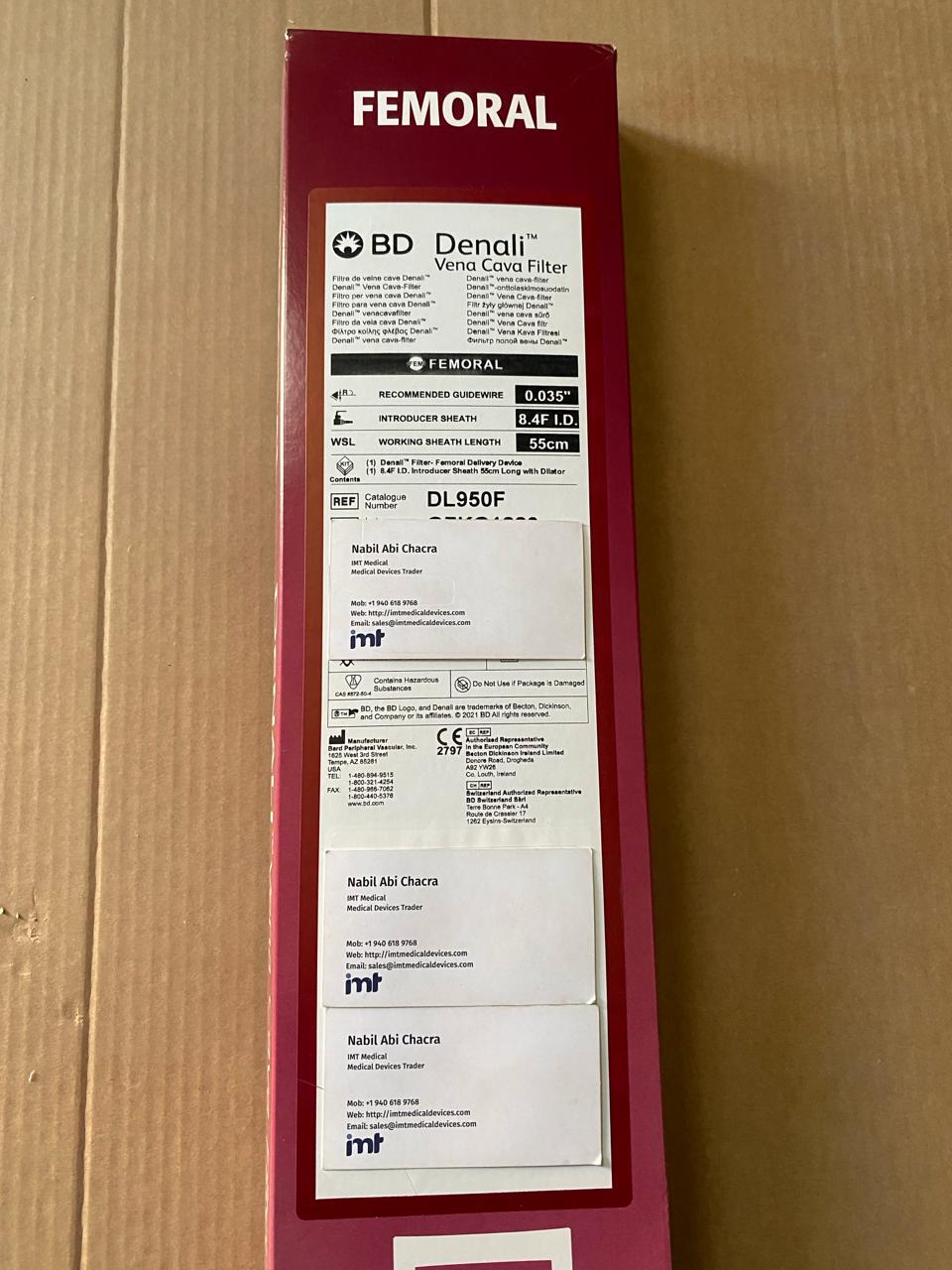
That distinction matters because professional buyers are not looking for substitutes unless they ask for them. They are usually sourcing known manufacturers, exact references, and clinically accepted product families. A distributor serving hospitals should be able to work from precise requests, whether the requirement is a coronary balloon, a guiding catheter, a vascular closure device, a neurovascular coil, a cava filter, or a diagnostic laboratory brand.
The strongest distributors also help consolidate purchasing across multiple manufacturers. That has direct operational value. Instead of managing separate channels for interventional cardiology, peripheral products, neurovascular devices, surgical consumables, and lab brands, buyers can centralize sourcing through one wholesale contact point.
Brand access matters more than broad claims
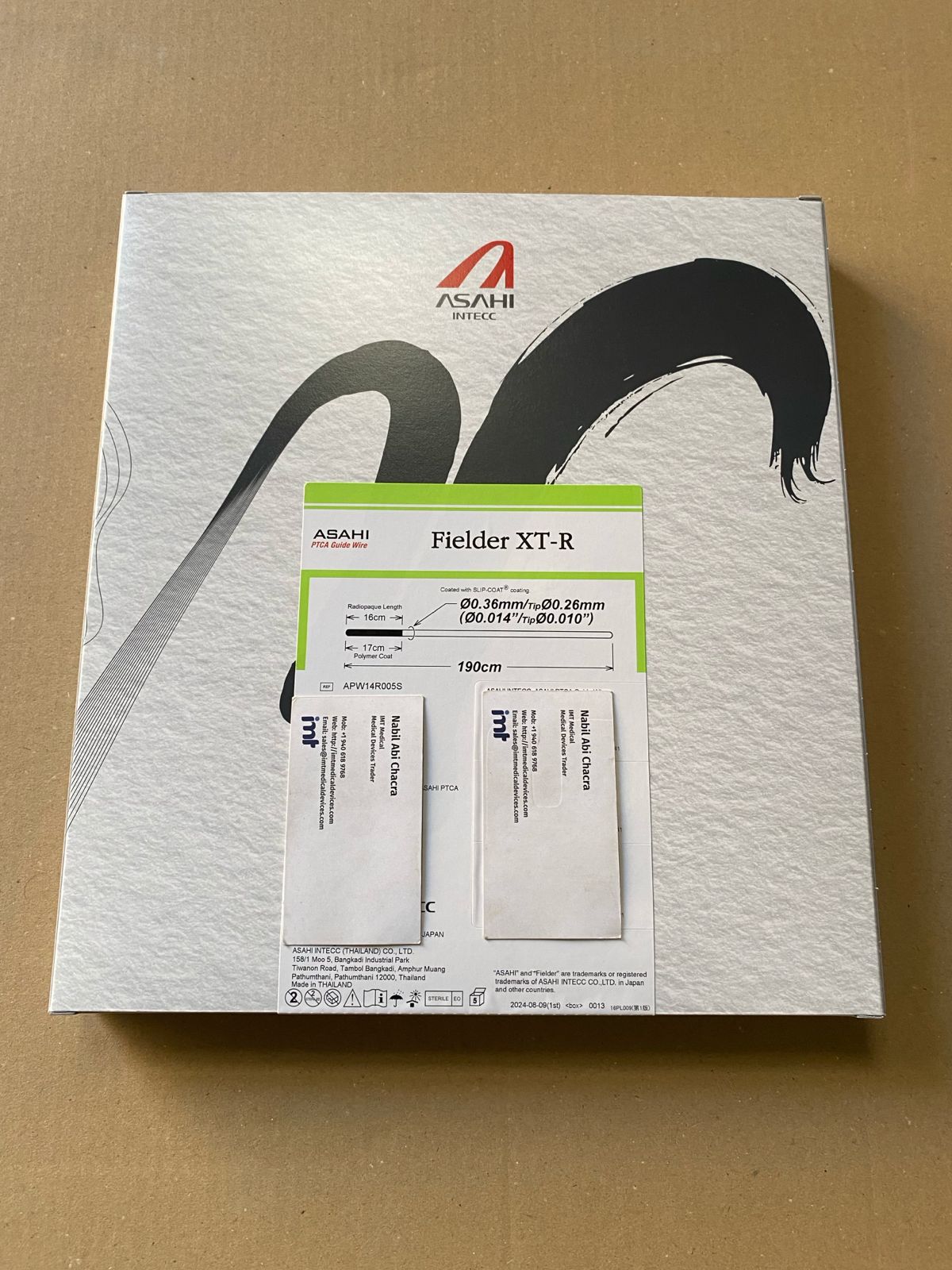
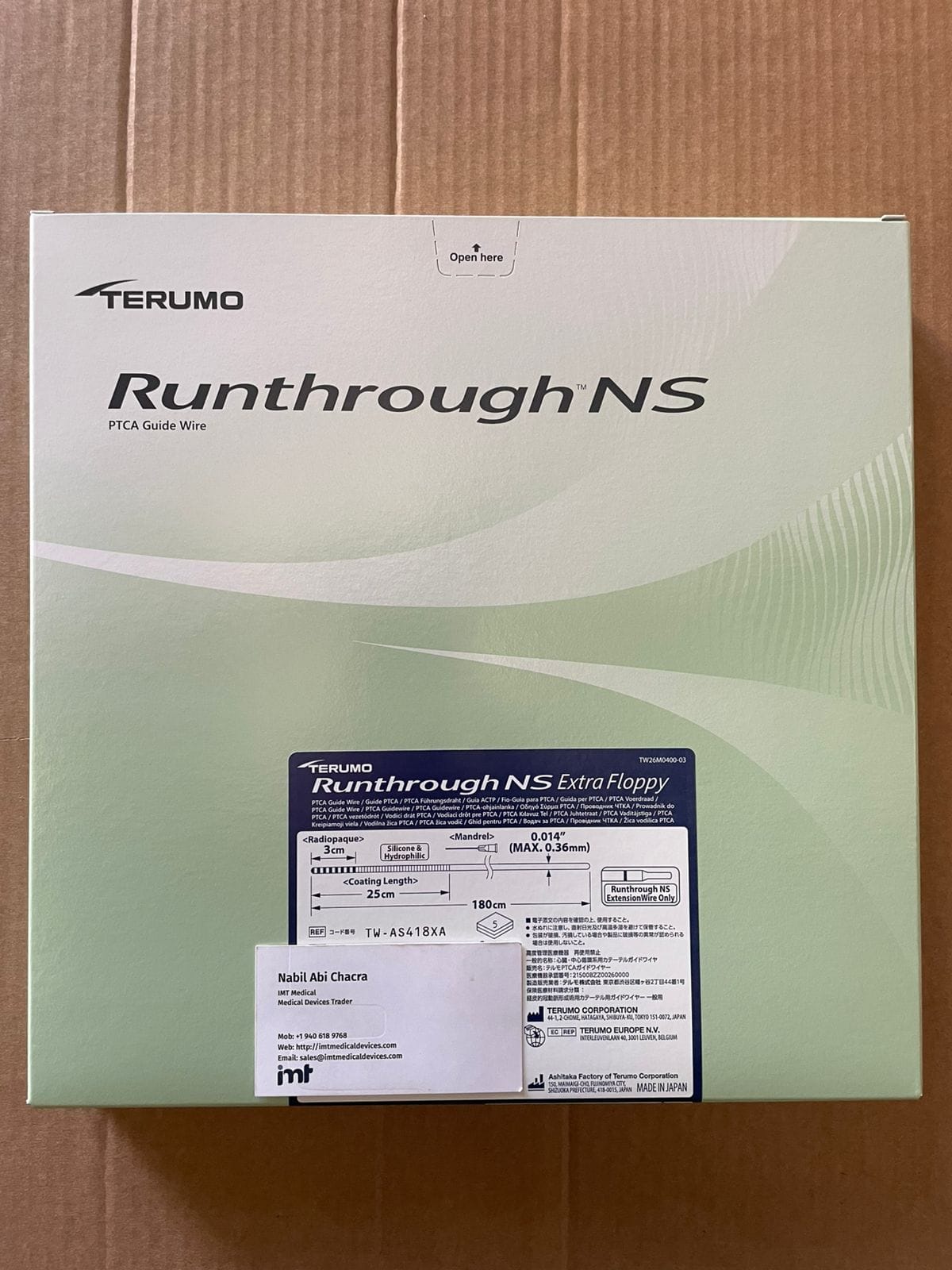
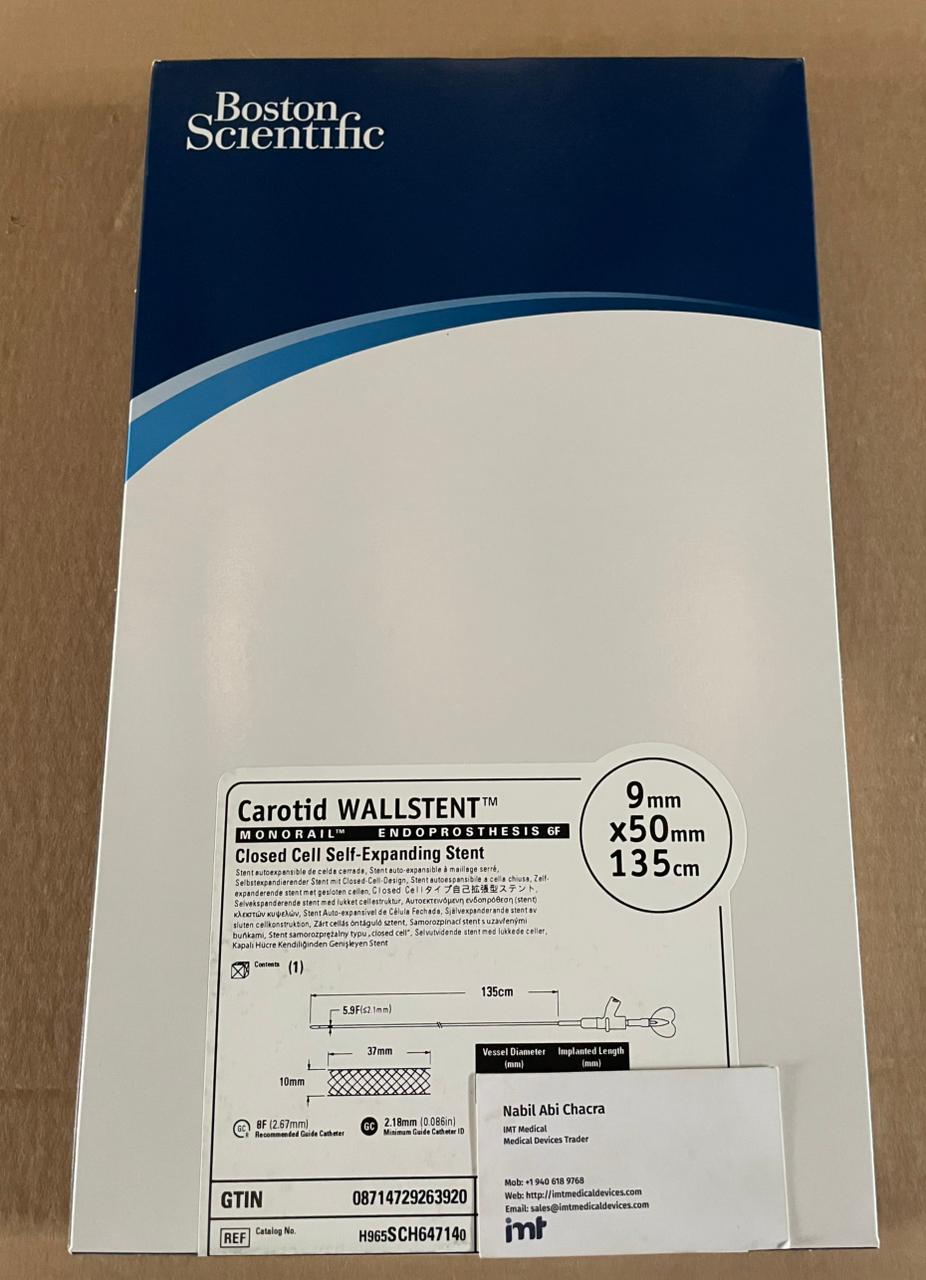
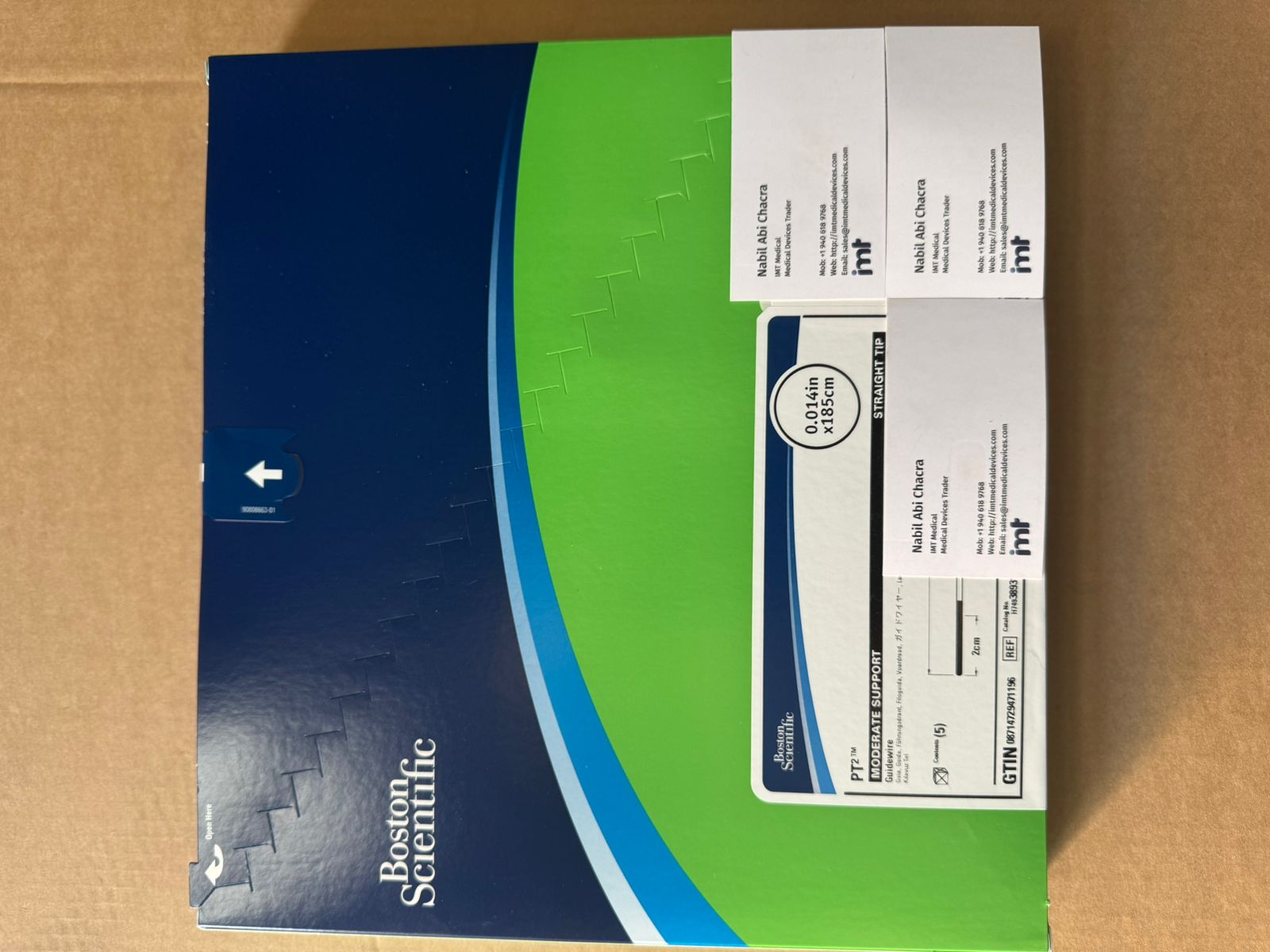
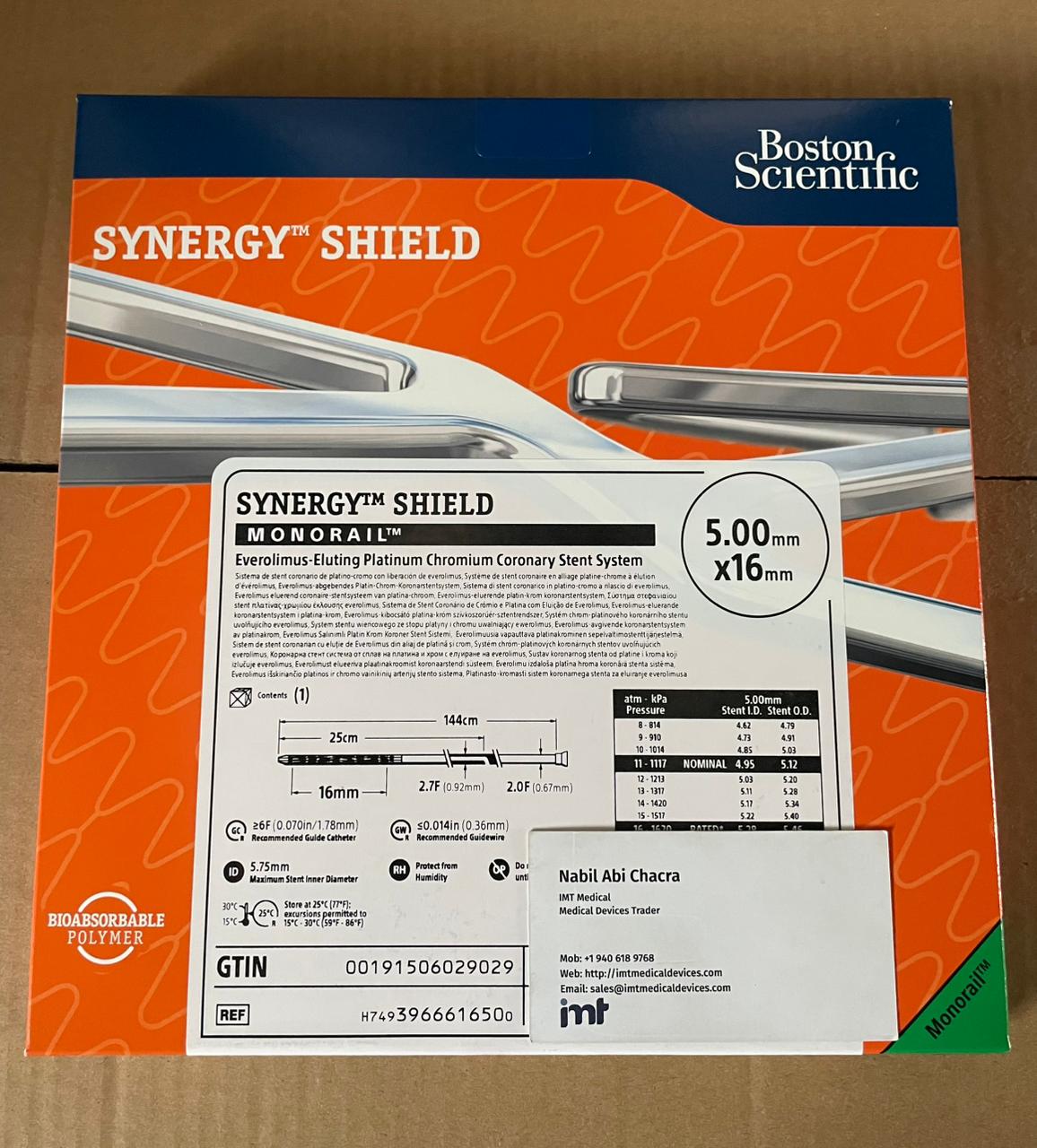
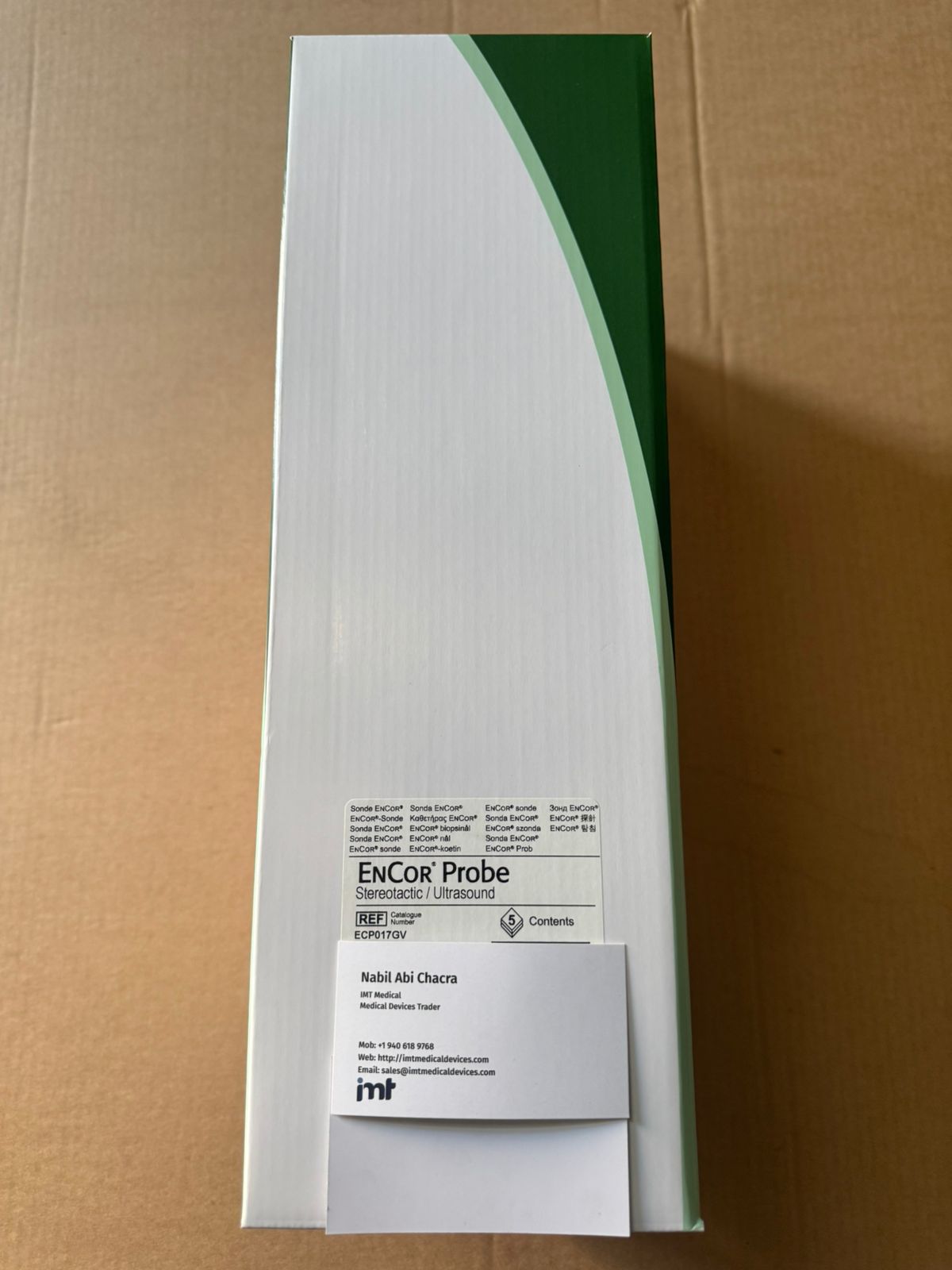
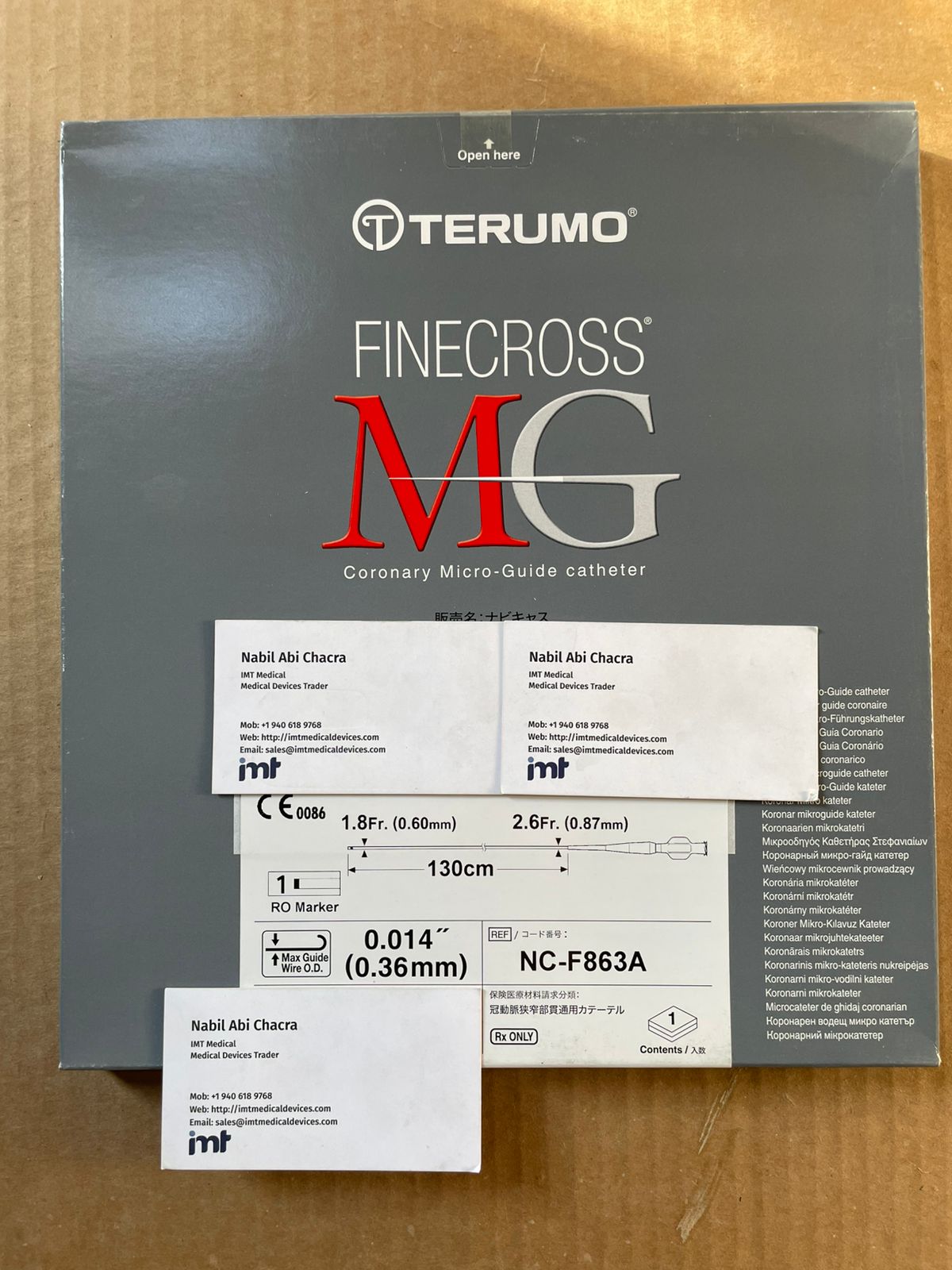
A large catalog is only useful if it contains the brands your clinicians already trust. In hospital procurement, brand access is often more important than an abstract promise of variety. If a distributor can source from recognized manufacturers such as Terumo, Asahi, Boston Scientific, Medtronic, Abbott, Cordis, Siemens, Roche, Beckman Coulter, BD, Ethicon, and Stryker, that immediately changes the quality of the conversation.
These names carry weight because they reduce uncertainty. Buyers know the product lines, physicians know the performance profile, and internal approval tends to move faster when the request aligns with established clinical usage. A distributor that specializes in branded medical devices is usually better positioned than a mixed supplier offering limited depth in each category.
There is a trade-off, though. Branded sourcing can mean tighter allocation, longer lead times on certain SKUs, or more dependence on global availability. That is not a reason to avoid branded channels. It is a reason to work with a distributor that communicates clearly on stock position, alternatives when appropriate, and shipment timing.
SKU accuracy is not a small detail
In specialized device procurement, errors rarely happen at the category level. They happen at the SKU level. A buyer may receive the right product family but the wrong size, shaft length, French size, coating, or packaging format. For hospitals, those mistakes cost time and create avoidable administrative work.
A reliable medical distributor for hospitals should be detail-oriented in quotation and order handling. That includes confirming manufacturer references, pack configurations, and any specification points that affect clinical use or inventory compatibility. Precision is especially important in interventional settings, where product selection is tightly linked to physician preference and procedural planning.
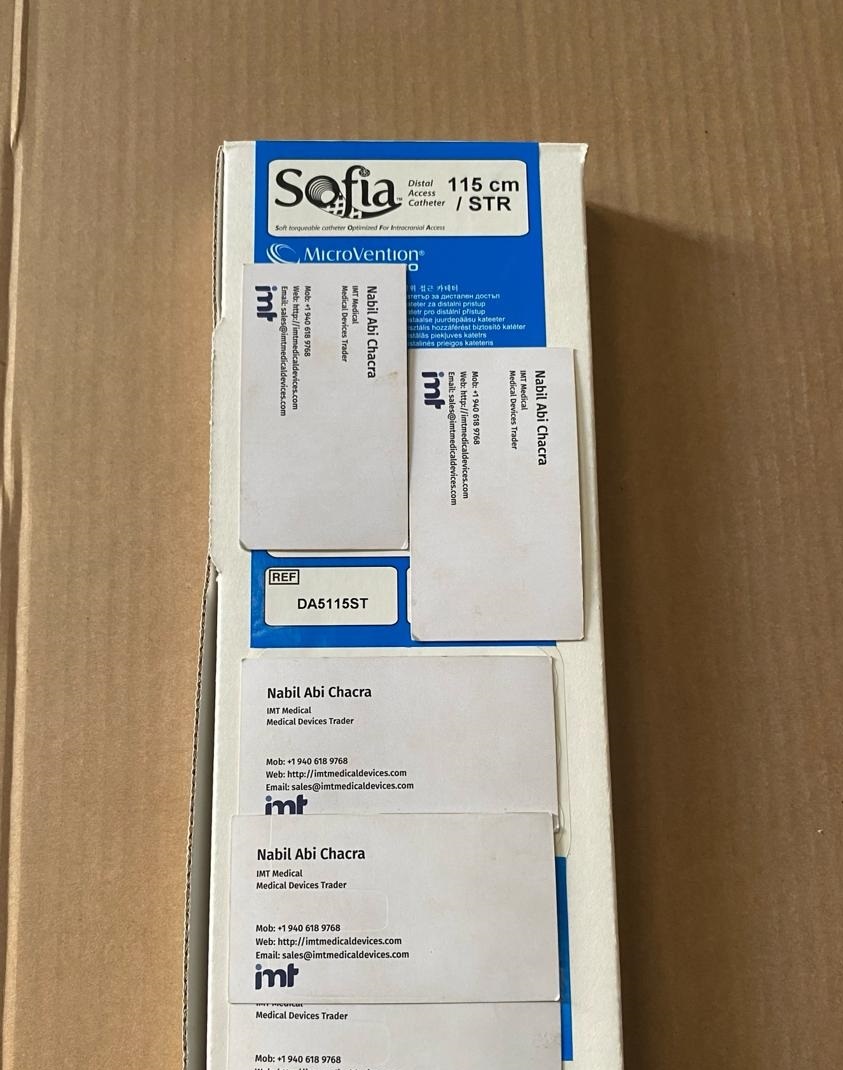
This is one area where specialist distributors usually outperform broader medical suppliers. If a company routinely handles guidewires, aspiration catheters, micro catheters, sutures, closure devices, and branded lab systems, its team is more likely to understand how buyers communicate requests and where confusion tends to appear.
Export support is a major differentiator
For international hospitals, regional distributors are not always enough. Some local channels have gaps in branded availability, limited access to high-demand products, or slower procurement cycles for specialty devices. In those cases, export capability becomes a practical advantage rather than a secondary feature.
An export-oriented distributor can help buyers source across borders with more consistency, particularly when the requirement involves premium branded devices or mixed-category orders. This is not only about shipping. It is about managing the documentation, commercial process, and coordination required to move professional medical products to the destination market.
That said, international sourcing is not identical across all countries. Import procedures, product registration expectations, and documentation requirements vary. Buyers should expect that some orders move quickly while others require more pre-shipment review. A credible distributor should acknowledge that complexity rather than pretend every international order follows the same path.
Product breadth can reduce procurement friction
One of the most practical advantages of working with a well-positioned distributor is portfolio breadth. Hospitals often need more than one narrow category at a time. A procurement team may be managing coronary products for the cath lab, peripheral intervention inventory, neurovascular devices for specialist procedures, surgical consumables, and laboratory items under parallel purchasing pressures.
When those needs are fragmented across too many vendors, buyers lose time in quotation requests, follow-up, approvals, and logistics. A distributor with coverage across interventional cardiology, interventional radiology, peripheral intervention, neurovascular, laboratory, and surgical lines can simplify that process.
The value is not just administrative. Broader sourcing can improve order planning, shipment consolidation, and supplier accountability. If a distributor can support high-demand branded SKUs across multiple departments, procurement gains more control over timing and communication.
How to evaluate a distributor before placing larger orders
Hospitals do not need a perfect vendor. They need a dependable one. The evaluation process should focus on operational fit, not just price.
Start with how the distributor handles product identification. Do they respond in exact manufacturer terms? Can they quote based on SKU-level requests without vague substitutions? Do they understand the difference between related but non-interchangeable product types?
Then assess brand depth. It is one thing to mention major manufacturers. It is another to source relevant lines consistently across coronary, peripheral, neurovascular, surgical, and laboratory categories. Buyers should also look at response quality. Fast replies matter, but accurate replies matter more.
Finally, test supply communication. A strong distributor will be direct about lead times, availability, and any shipment constraints. If a product is constrained, the buyer should hear that early. Hidden delays are more damaging than difficult timelines stated upfront.
Why hospital buyers often shift away from general suppliers
General medical suppliers can work well for commodity items. The problem appears when procurement moves into specialized branded devices. In those cases, broad but shallow distributors often struggle with exact sourcing, technical product handling, and consistent access to recognized manufacturers.
Hospitals and procedure-driven centers usually need more than a basic order desk. They need a commercial partner that understands that a request for a specific coronary stent, balloon, guidewire, or micro catheter is not interchangeable with a generic category match. The same applies to vascular closure devices, aspiration systems, sutures, and diagnostic laboratory brands.
This is where a focused B2B wholesale model becomes more useful. Quote-based sourcing is often better suited to professional buyers than a simplified retail-style checkout approach because it allows specification review, quantity alignment, and export coordination before the order is finalized.
A practical standard for a medical distributor for hospitals
The right distributor should make hospital procurement more predictable. That means recognized brand access, accurate quoting, clear communication, support for specialized categories, and the ability to handle international supply when needed. If one of those pieces is weak, buyers often feel it quickly through delays, mismatches, or repeated follow-up.
For organizations sourcing branded devices in volume, especially across interventional and laboratory categories, the best distributor is rarely the one with the loudest claims. It is the one that can identify the requested product correctly, confirm availability honestly, and execute the order with fewer surprises. That is the standard professional buyers should expect.
If your team is reviewing suppliers, ask the question that matters most: not who sells medical products, but who can support the exact products your clinicians already use with the speed and accuracy your operation requires. That answer usually tells you more than any catalog ever will.