
Choosing a Medtronic Interventional Supplier
A cath lab rarely gets delayed because a category is missing - it gets delayed because the exact part number isn’t on the shelf. If your physicians standardize on a specific Medtronic balloon catheter, a specific diameter and length stent, or a particular closure platform, “equivalent” is not a workable substitute. That is why selecting the right Medtronic interventional products supplier is a purchasing decision with direct procedure impact, not a generic sourcing task.
This practical guide is written for procurement teams, cath lab managers, and clinical stakeholders who buy by SKU, track lot numbers, and need continuity across coronary, peripheral, and neurovascular programs.
What “Medtronic interventional products supplier” should mean in practice
A supplier can claim coverage of interventional products, but for Medtronic-focused purchasing the operational definition is tighter. You’re looking for a distributor that can consistently do three things: identify the exact Medtronic reference you need, confirm it can ship in your required timeframe, and support the documentation that your facility and regulators require.
If any one of those fails, you feel it immediately: physician pushback on substitutions, delays in replenishment, or wasted time reconciling incomplete paperwork. The right supplier reduces touches - fewer emails clarifying configurations, fewer backorders, fewer surprises at receiving.
Start with SKU-level precision, not category labels
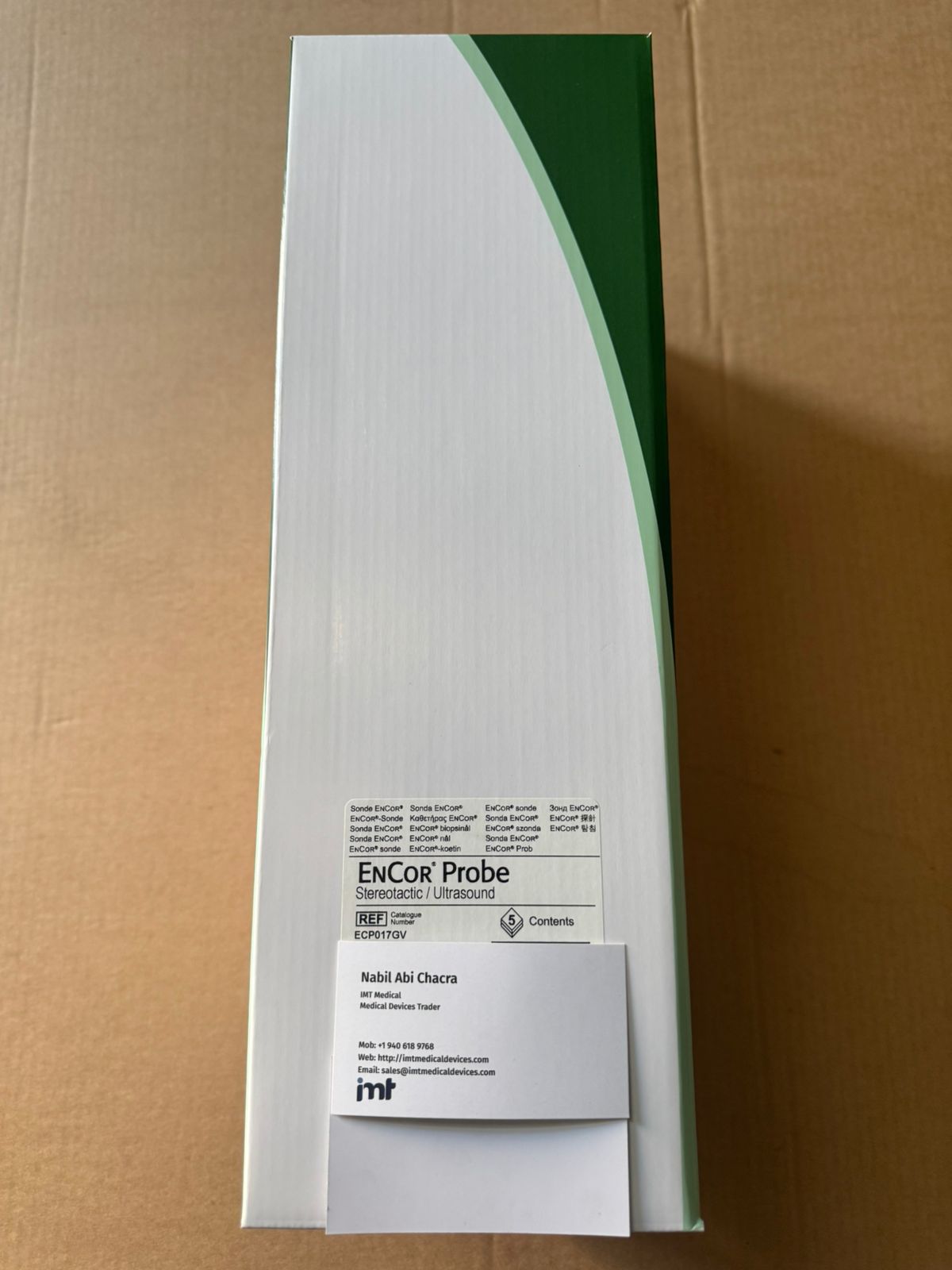
Interventional catalogs often look similar at the top level: “PTCA balloons,” “guidewires,” “stents,” “closure.” That’s useful for navigation, but it’s not how you actually buy. You buy by exact identifiers - reference numbers, sizes, compatibilities, and sometimes packaging formats that matter to your inventory system.
When you’re assessing a Medtronic interventional products supplier, request confirmation that they can transact at the same level of precision you run internally. That means they should be comfortable with:
- Matching your requested Medtronic reference number to the full configuration (diameter, length, shaft length, compatibility)
- Confirming whether the item is sterile, single-use, and in the packaging configuration your receiving team expects
- Supporting multi-SKU pulls that mirror a case cart build (not just single-item shipments)
If you have to translate your need from a part number into a description and then back into a part number, you’ve introduced avoidable risk.
Verify authenticity and traceability the way your QA team expects
Procurement is not just buying - it’s controlling risk. With branded disposables and accessories, authenticity and traceability are non-negotiable. Your supplier should be able to support the documentation flow that typically includes: manufacturer identity, lot/serial where applicable, and shipment documentation that aligns with your receiving and quality processes.
The trade-off is speed versus certainty. Some channels can move product fast but cannot consistently provide the traceability your facility requires. Others are documentation-heavy but slow to respond. The supplier you want can do both: confirm stock and provide the paperwork without turning every order into a special project.
A practical checkpoint is to ask how they handle lot-controlled inventory and whether they can accommodate “no substitution” instructions at the line-item level. If your clinicians have standardization requirements, you want that constraint honored in the pick/pack process, not negotiated after the order is placed.
Availability is more than “in stock” - it’s fill rate and continuity
“In stock” is a moment in time. Your lab needs continuity across weeks and months, especially for high-volume procedure types. When you evaluate a supplier, the question is not only whether they have a unit today, but whether they can support replenishment without forcing you to re-validate products or rewrite preference cards.
Ask supplier-side questions that map to your operational reality: Do they carry depth in the SKUs you actually use, or only a thin assortment? Can they support repeat ordering of the same references? Can they stage or batch shipments if your receiving capacity is constrained?
It depends on your environment. A large system may prioritize predictable fill rates and consolidated invoicing. A specialty clinic may prioritize rapid response on a narrower set of SKUs. The right supplier understands which SKUs are “must never stock out” for your service line and treats them accordingly.
Don’t evaluate Medtronic in isolation - you buy procedures, not brands
Even when Medtronic is central to your program, a single case typically spans multiple manufacturers. A typical coronary or peripheral workflow can involve guidewires, guiding catheters, diagnostic catheters, balloons, stents, microcatheters, aspiration components, and closure devices - not all from the same manufacturer.
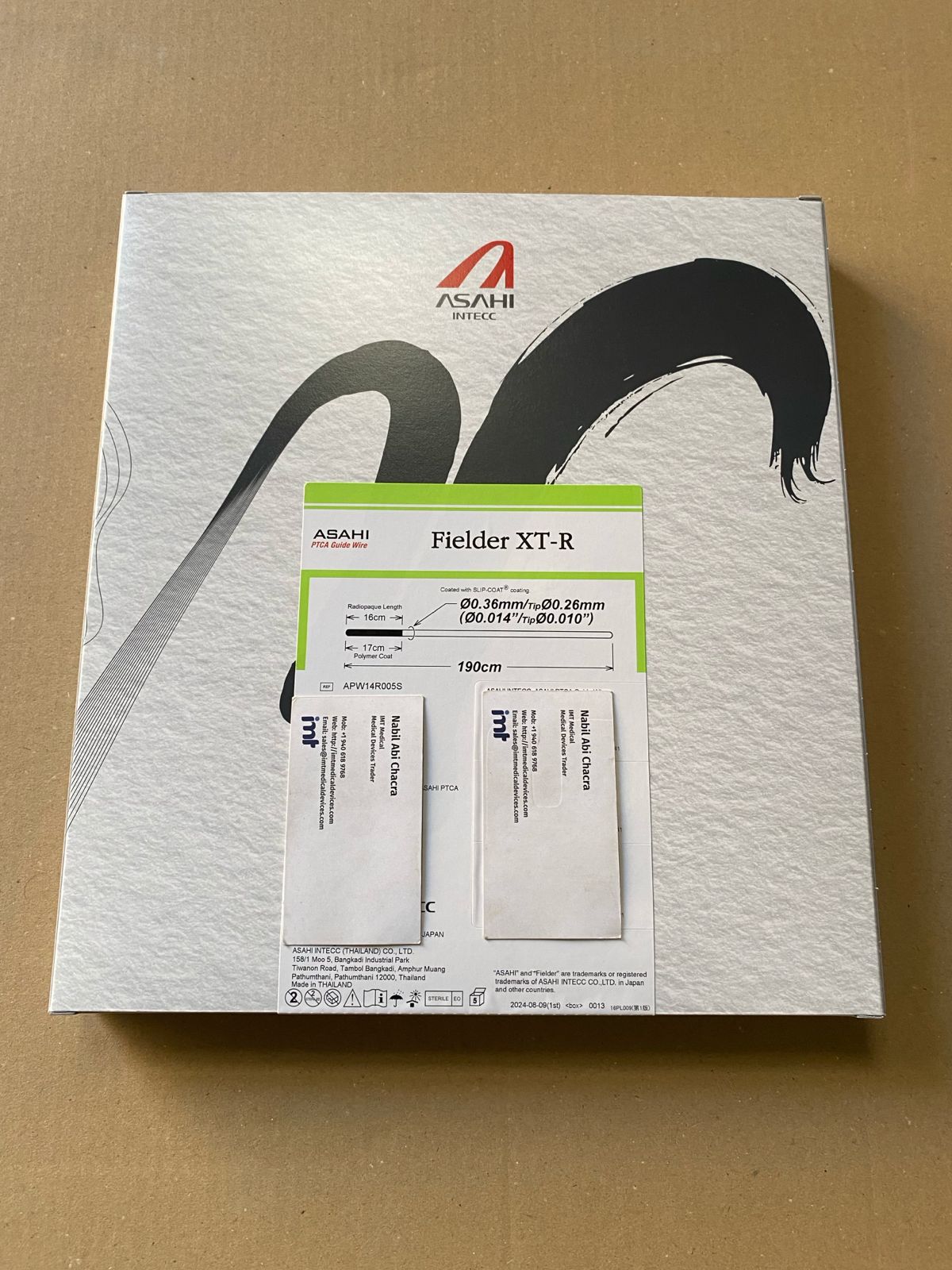
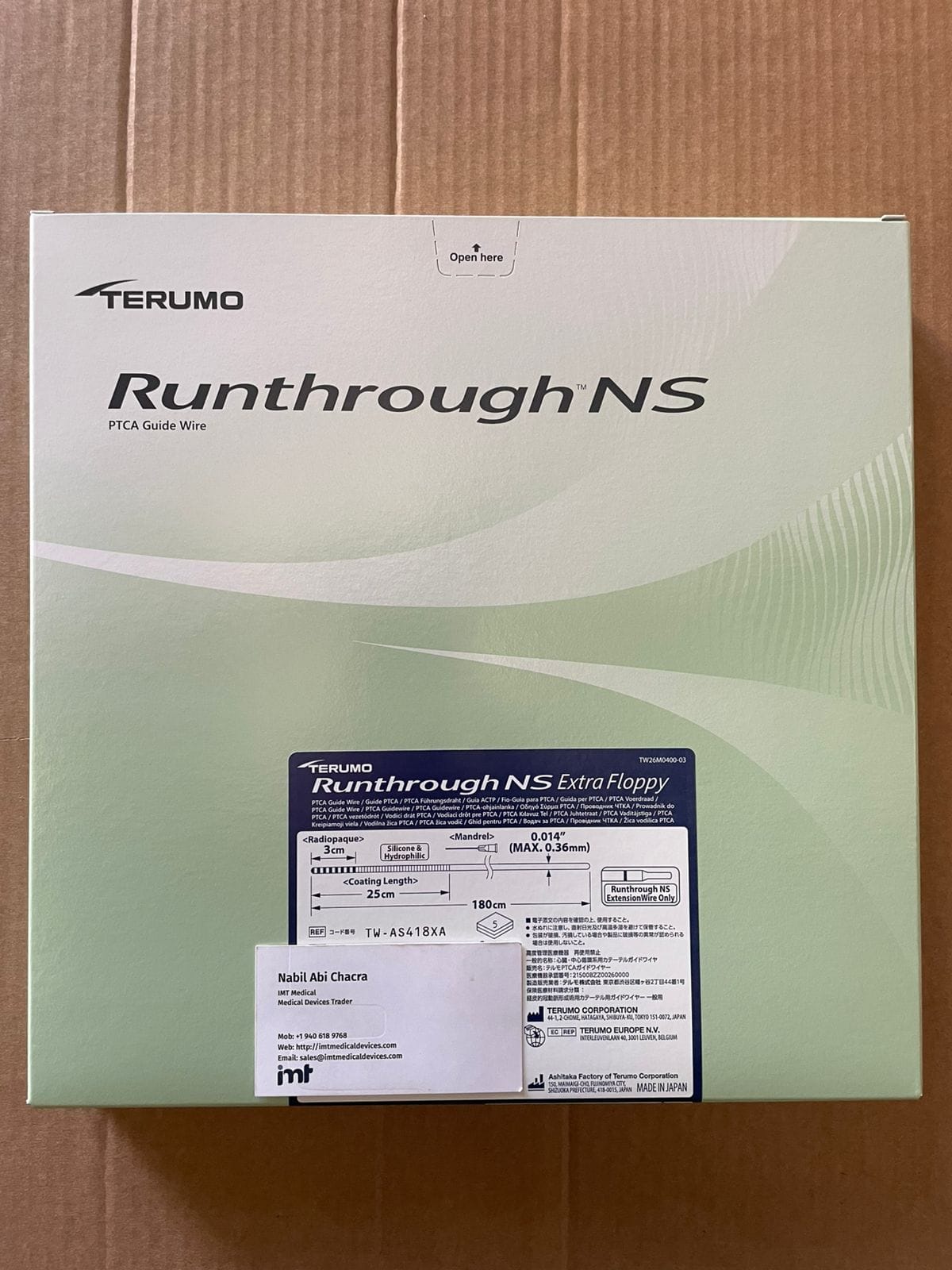
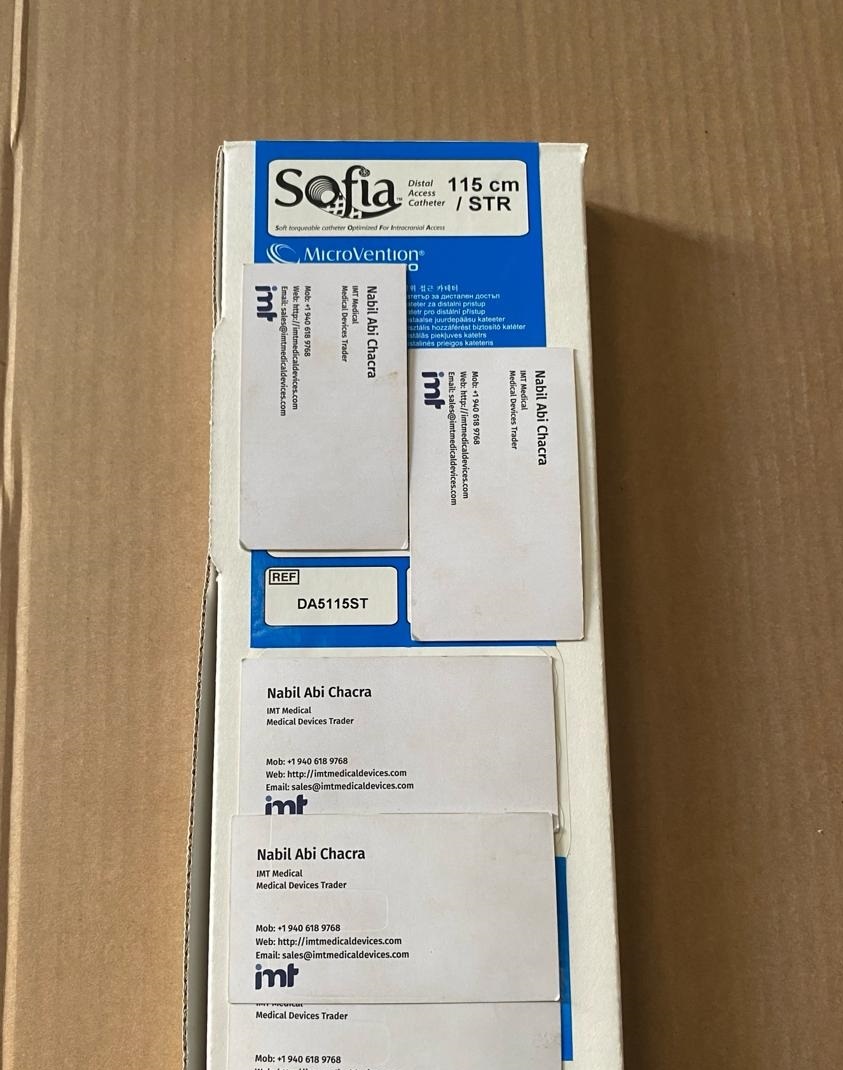
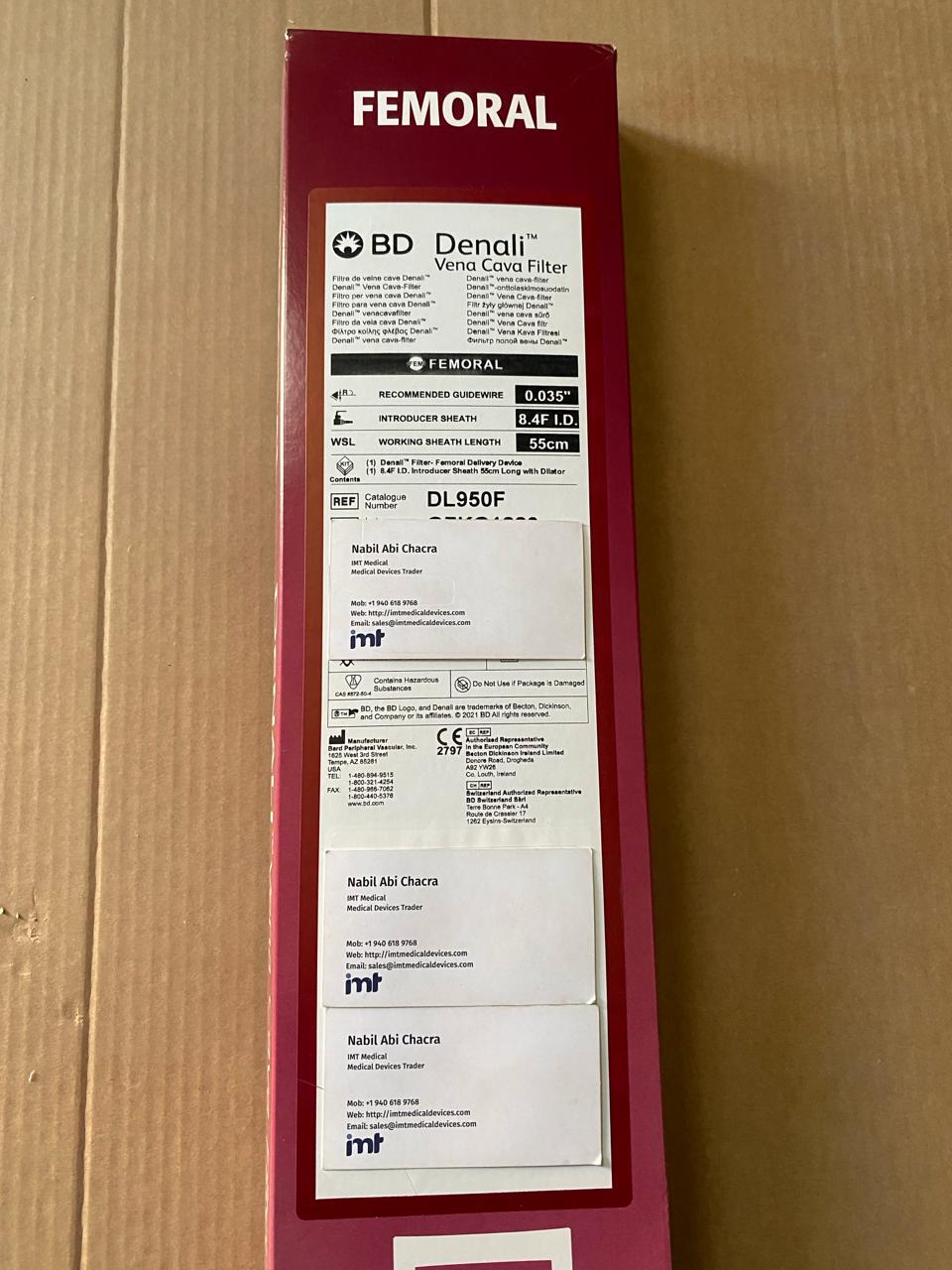
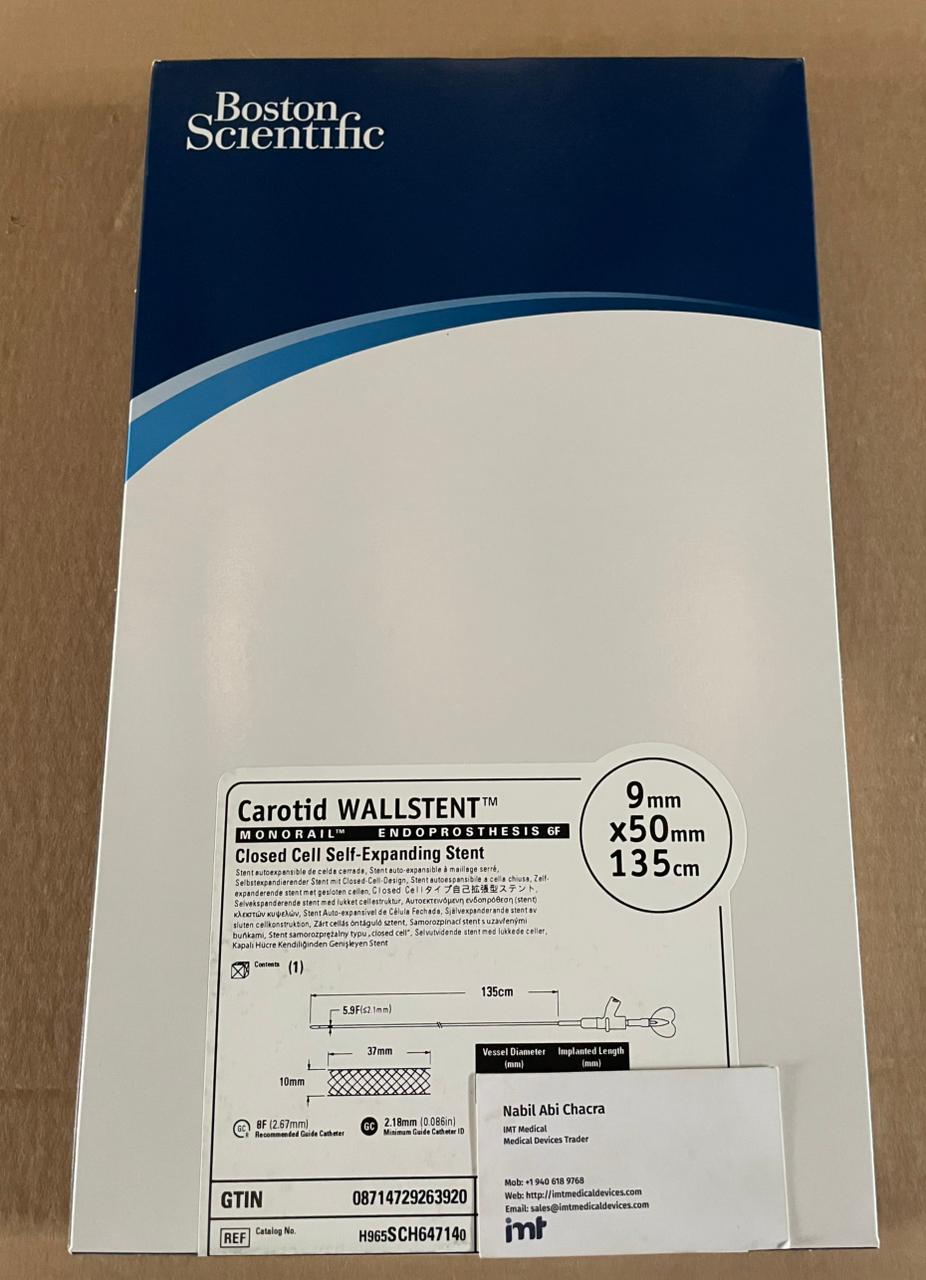
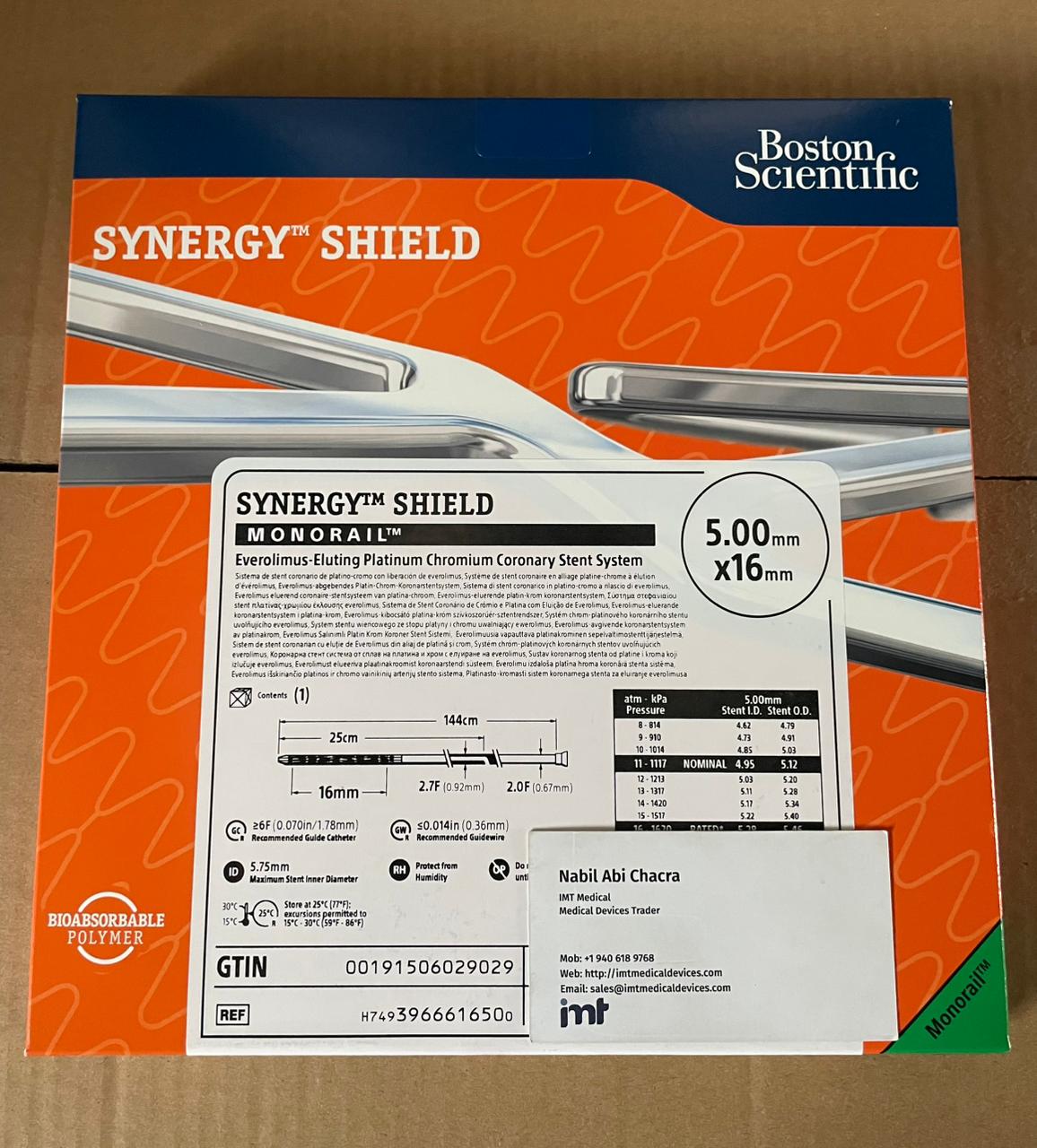
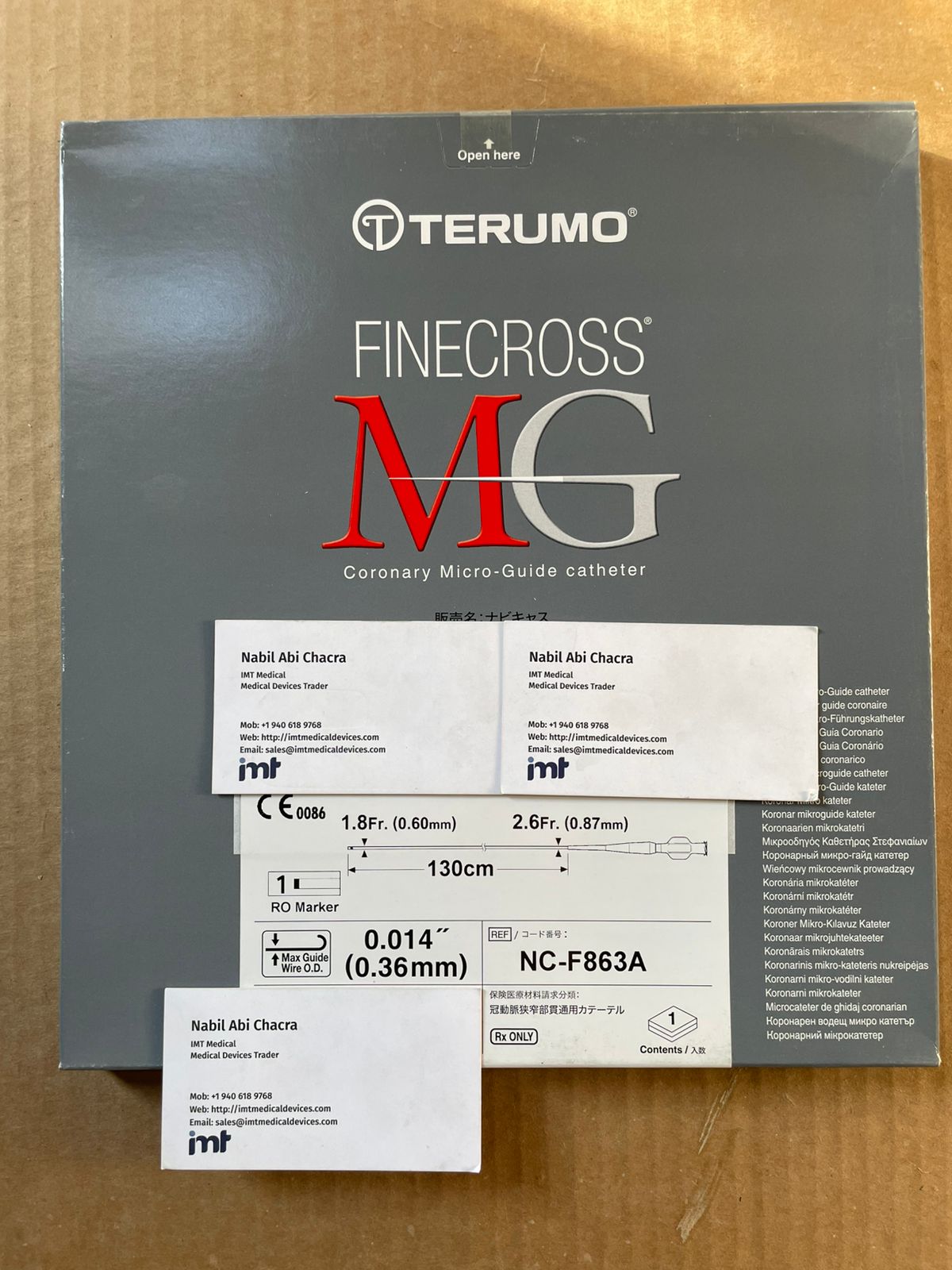
That’s where supplier breadth matters. If your sourcing strategy is to reduce vendor count and simplify ordering, you need a distributor that can supply Medtronic items while also covering complementary components from brands your physicians already use. For many labs, that includes portfolios from Boston Scientific, Terumo, Asahi, MicroVention, Cordis, Abbott, BD, B. Braun, Ethicon, and others used across cath, vascular, and neuro.
The benefit is operational: fewer POs, fewer freight charges, fewer receiving events, and less time reconciling substitutions. The trade-off is that you should be explicit about brand and SKU constraints per line item. Consolidation works best when your supplier treats your build list as a controlled bill of materials, not a loose shopping list.
Export capability changes the entire qualification checklist
Cross-border purchasing introduces different points of failure than domestic procurement. If you operate in a market where access to certain branded interventional consumables is inconsistent, export support can be the difference between stable service and recurring disruption.
For export transactions, verify the supplier can manage the basics without repeated back-and-forth: shipping methods appropriate for medical devices, invoice and packing list accuracy, and the documentation required by your import process. Also confirm how they handle country-specific restrictions and whether they can align to your internal compliance requirements.
Lead times also behave differently in export workflows. Even with product available, transit and clearance can be variable. A supplier that understands export will set expectations clearly and help you plan replenishment so you are not ordering reactively at the last minute.
Quote-based purchasing should reduce friction, not create it
Many interventional distributors use a quote workflow because it matches how professional buyers purchase: confirm SKU, confirm price and availability, then place the order through an approved channel. Done well, this is efficient. Done poorly, it adds a delay between “I know exactly what I need” and “I can buy it.”
A quote process should be optimized for speed and precision. The supplier should make it easy to submit a list of part numbers, quantities, and any constraints (no substitutions, required ship date, export requirements). The response should map line-by-line to your request so you can approve quickly.
If your team is spending time rewriting product descriptions or clarifying basic configuration details, the workflow is not aligned to cath lab purchasing reality.
Category alignment: coronary, peripheral, neurovascular
A capable Medtronic interventional products supplier should be organized the way your clinical programs are organized. That typically means clear category groupings that support fast product discovery: coronary interventions (stents, balloons, coronary guidewires, guiding catheters), peripheral vascular (peripheral stents, PTA balloons, support catheters, closure), and neurovascular (microcatheters, coils, aspiration and access components).
The point is not education - your team already knows the categories. The point is speed. When inventory is tight or a physician requests a specific configuration, you need to locate the right item fast, verify the reference, and initiate a quote without jumping between unrelated product trees.
How to run a supplier check using your next replenishment order
The easiest way to evaluate a supplier is to use a real order, not a hypothetical. Pick a replenishment that includes repeat-use Medtronic SKUs and a few complementary items from other manufacturers. Treat it as a controlled test of responsiveness and accuracy.
Measure what matters to you operationally: how quickly you receive a quote, whether availability is confirmed at the reference level, whether the shipment matches the quote exactly, and whether receiving documentation is complete. If you have a “no substitution” policy, enforce it during the test.
This approach avoids vendor theater. A supplier can say the right things in a capabilities call. The replenishment order shows whether they can execute under the same constraints you live with every week.
Where IMTmedicaldevices.com fits
If your goal is to source Medtronic items while also consolidating complementary interventional components across major manufacturers, a catalog-first distributor model can reduce purchasing touches. IMTmedicaldevices.com supports quote-based procurement by category and SKU, with export capability for cross-border sourcing and branded inventory spanning coronary, peripheral, and neurovascular interventions.
The decision criteria that actually holds up in a cath lab
When you strip away sales language, the supplier decision comes down to repeatable performance: Can they match exact Medtronic references, ship what they confirm, and support your documentation and compliance needs - every time?
If you want a simple internal rule, use this: choose the supplier that makes it easiest for your team to buy the right SKU the first time, with the least follow-up. When that’s true, the lab feels it immediately - not as a marketing win, but as fewer interruptions to the work that matters.