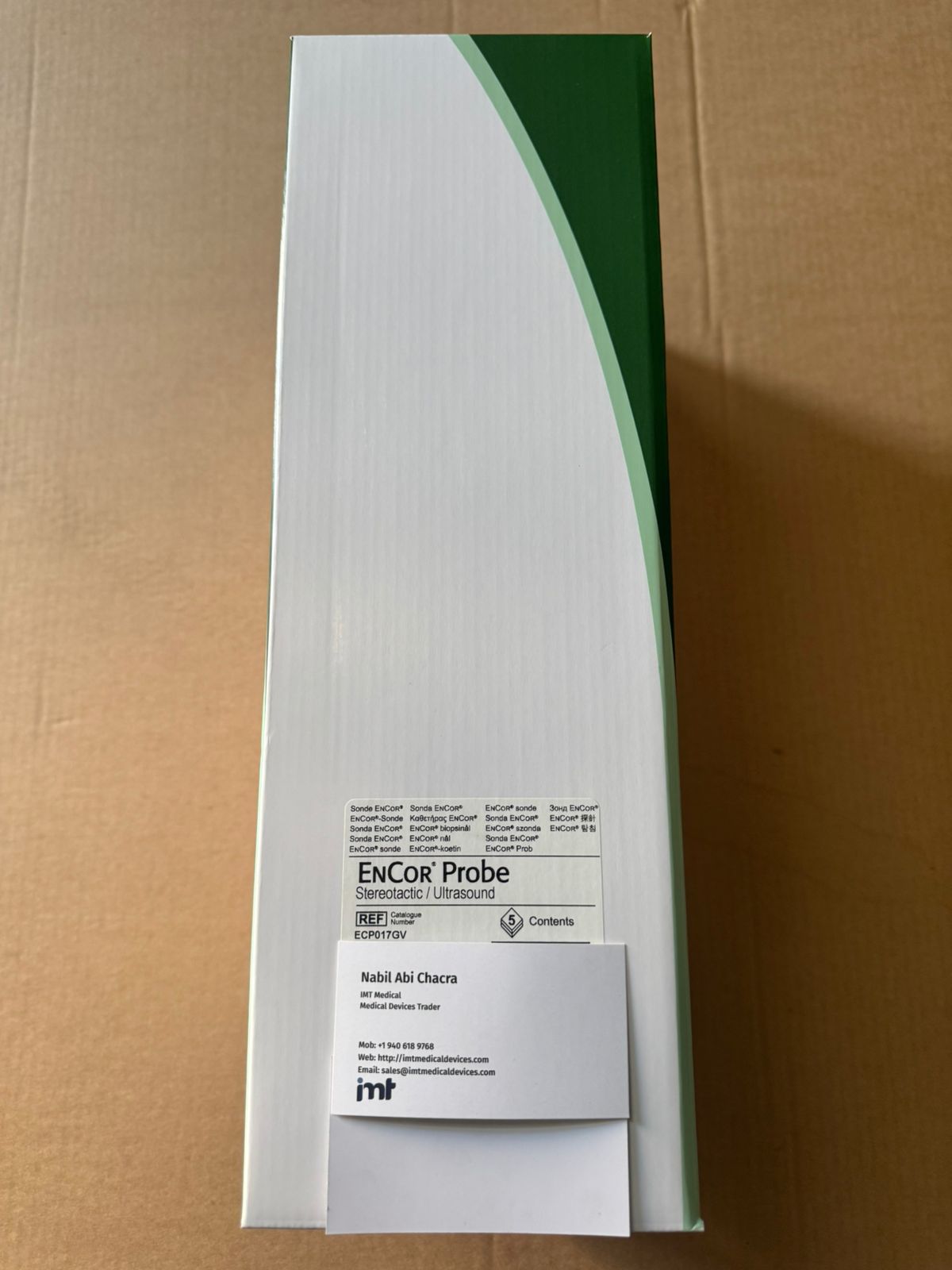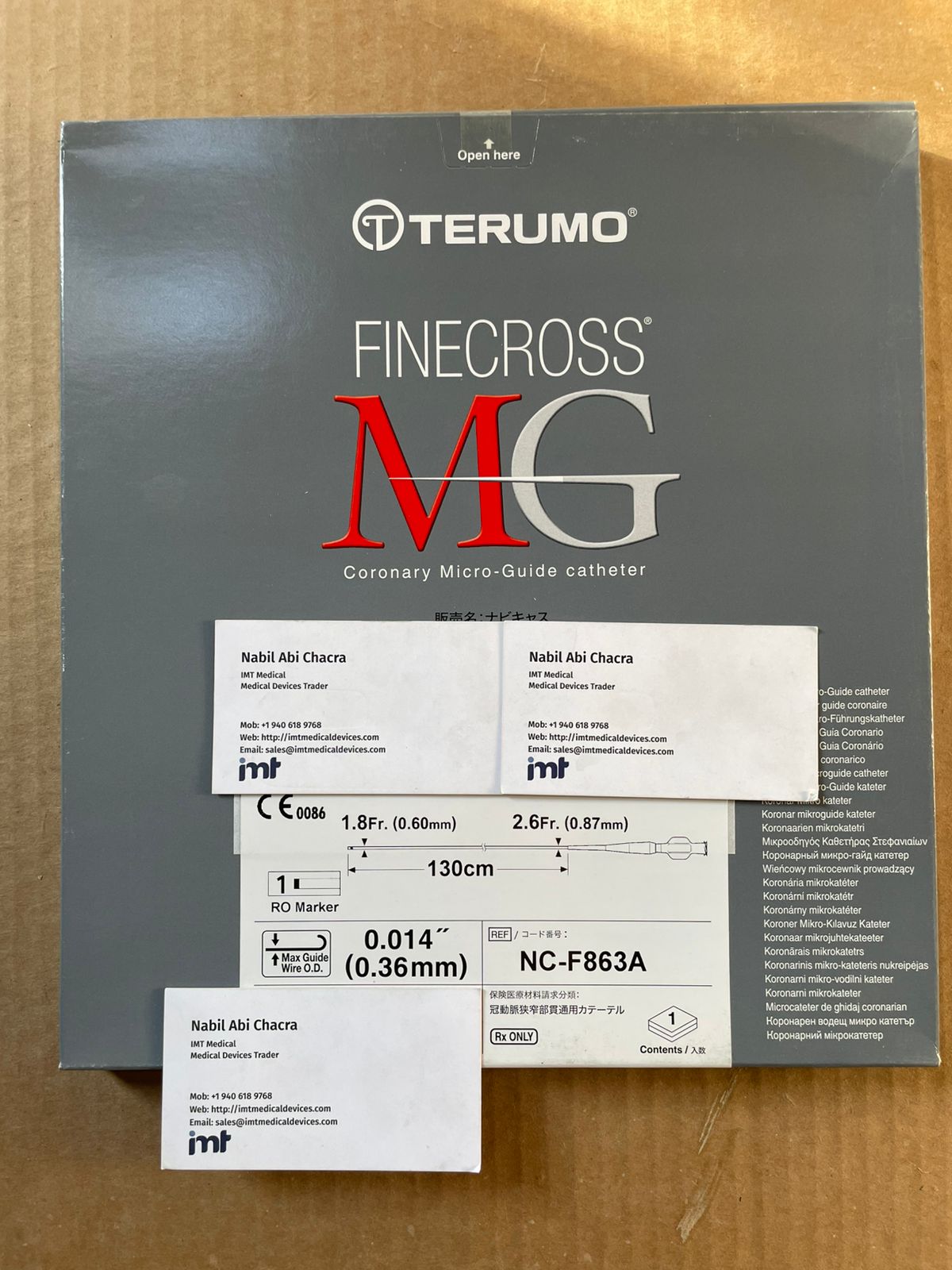

Choosing a Neurovascular Coils Distributor
A delayed coil case rarely fails because the clinical team lacks expertise. More often, the issue starts upstream with product availability, incomplete SKU matching, or a distributor that treats neurovascular sourcing like a generic catalog request. For buyers handling aneurysm embolization and related neurovascular procedures, selecting the right neurovascular coils distributor is a supply decision with direct procedural consequences.
This category demands more than basic order fulfillment. Neurovascular coils sit inside a tightly specified procedural ecosystem that includes micro catheters, access tools, adjunctive devices, and physician brand preferences shaped by familiarity and case complexity. A distributor serving this space needs to understand that procurement is not just about finding a coil. It is about securing the correct branded product family, compatible supporting devices, and reliable delivery against a real procedural timeline.
What buyers should expect from a neurovascular coils distributor
A qualified neurovascular coils distributor should be able to support branded sourcing with precision, not approximation. In practice, that means recognizing exact product nomenclature, verifying configurations, and responding to quote requests in a way that reflects procedural use rather than broad product category matching.
For neurovascular buyers, small specification errors create outsized problems. Diameter, length, detachment system compatibility, softness profile, and packaging status all matter. If a distributor substitutes loosely or confirms availability without SKU-level clarity, the procurement process becomes slower and riskier. The most useful partners reduce this friction by working from exact references and confirming what is actually available for shipment.
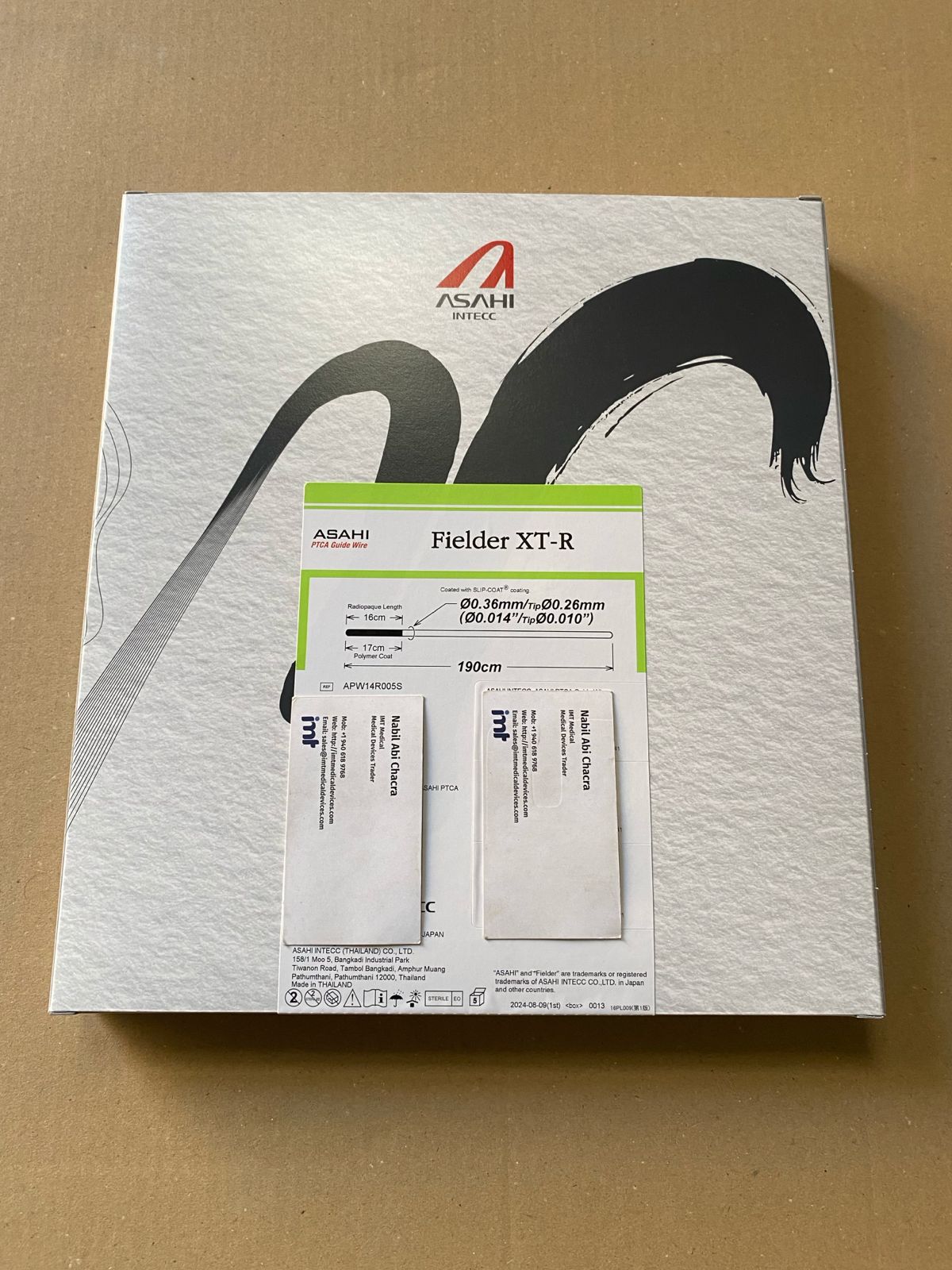
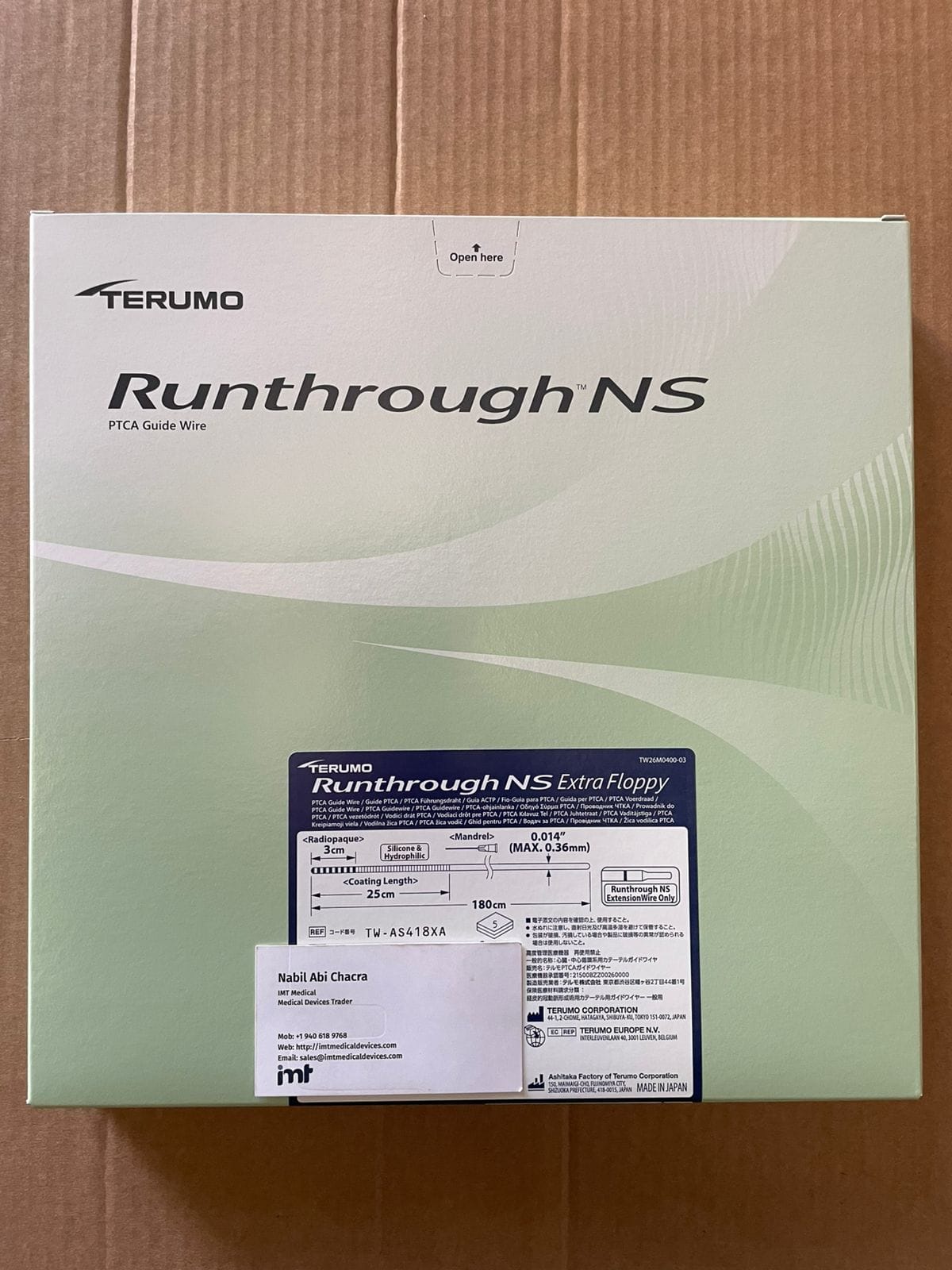
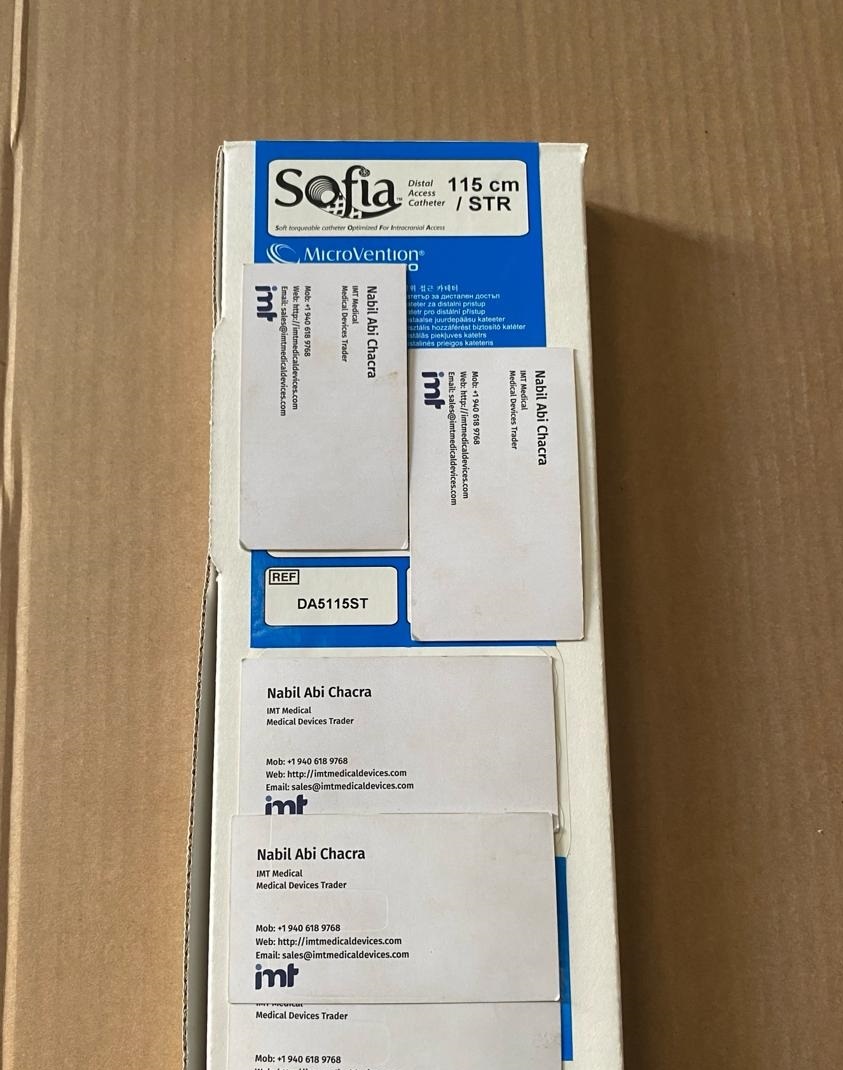
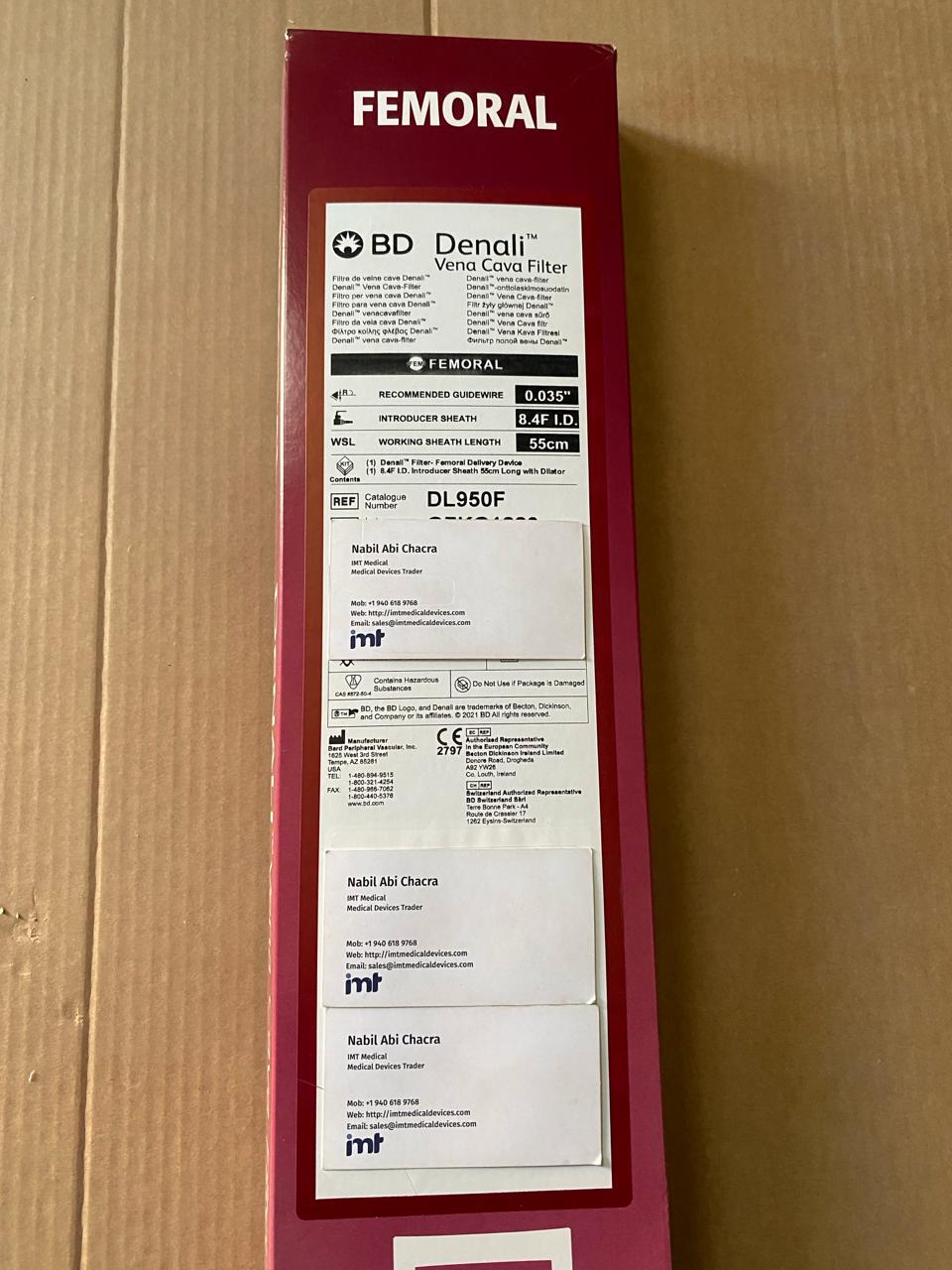
That matters even more for organizations consolidating purchases across service lines. A hospital or distributor may be sourcing neurovascular coils alongside micro catheters, guidewires, aspiration catheters, vascular closure devices, or laboratory products. In that context, distributor capability is not only about one item category. It is about whether a single source can support multi-brand, multi-department purchasing without losing product accuracy.
Branded access matters more than broad claims
In neurovascular procurement, brand recognition is not a marketing detail. It is often tied to physician familiarity, institutional preference, regulatory comfort, and existing procedural workflows. Buyers usually are not looking for a distributor with the widest possible list of unverified alternatives. They are looking for access to known manufacturers and high-demand branded SKUs.
That is why distributor evaluation should start with actual portfolio quality. Can the supplier source recognized neurovascular product lines? Can they support related categories from established manufacturers used elsewhere in interventional practice? A distributor with real branded depth is usually better positioned to support continuity when a facility needs to align neurovascular purchasing with broader cath lab or interventional radiology demand.
There is also a practical trade-off here. A very broad supplier is not automatically a good one if product knowledge is shallow. On the other hand, a narrowly specialized source may understand coils well but fail to support adjacent product needs. For many professional buyers, the best fit is a distributor that combines branded neurovascular access with enough interventional breadth to reduce the number of separate procurement channels.
SKU accuracy is where distributor quality becomes visible
Most suppliers can say they carry coils. Fewer can handle neurovascular quote requests with the level of detail buyers actually need.
Strong distributors work from exact SKU references whenever possible. If the inquiry starts at a category level, they ask the right follow-up questions: brand preference, product family, dimensions, detachment mechanism, and required quantities. They also distinguish between what is available now, what is backordered, and what may require alternate sourcing.
This sounds basic, but it is often where procurement delays begin. Buyers lose time when they receive partial confirmations, vague substitutions, or offers that list product names without enough specification detail. In neurovascular applications, the distributor should be able to mirror the buyer's precision. That reduces clarification cycles and helps internal stakeholders move faster on approvals.
For international buyers, SKU accuracy also supports cleaner export documentation and fewer shipment disputes. A distributor that confirms exact branded references before dispatch is easier to work with than one that resolves mismatches after the goods are already in transit.
Export capability is not optional for many buyers
A neurovascular coils distributor serving international healthcare markets needs more than product access. Export capability is part of the service itself.
Many hospitals, clinics, and resellers outside the domestic manufacturer footprint face a recurring problem: they know exactly which branded devices they need, but local availability is inconsistent. In those situations, a distributor with cross-border supply experience becomes operationally useful in a different way. The value is not only in product access, but in understanding quote-based international procurement, shipment coordination, and the practical demands of supplying regulated medical products across markets.
This does not mean every buyer needs the same export structure. Some organizations prioritize speed. Others prioritize consolidated shipments, document control, or multi-line sourcing from one vendor. The right distributor should be able to support those differences without turning every inquiry into a custom learning exercise.
For global buyers, that reliability can outweigh a slightly lower unit price from an inconsistent source. When the product is specialized and time-sensitive, continuity often matters more than chasing the cheapest one-off quote.
Inventory realism beats optimistic quoting
One of the fastest ways to lose buyer confidence is quoting neurovascular products that are not realistically available. In this category, procurement teams need transparency.
A dependable distributor should communicate inventory position clearly. If product is in stock, that should be stated plainly. If lead times apply, they should be communicated early. If an equivalent branded option exists within the same manufacturer ecosystem or procedural requirement, that discussion should happen before the buyer commits internal resources.
There is an important distinction between product range and supply continuity. A supplier may list many neurovascular items but fulfill inconsistently. Another may present a tighter offering while delivering better quote accuracy and faster execution. For experienced procurement teams, the second model is often more valuable.
That is especially true when coils are only one part of a broader intervention order. Buyers frequently benefit from working with a distributor that can support neurovascular coils, micro catheters, and related interventional devices through one procurement process. This reduces vendor fragmentation and can simplify forecasting, invoicing, and shipment planning.
How procurement teams can assess fit quickly
When evaluating a neurovascular coils distributor, buyers should look beyond general sales language and focus on operating signals. The first is how the distributor handles product identification. If they can engage at the SKU level and communicate clearly on branded availability, that is a strong indicator.
The second is responsiveness tied to commercial reality. Fast replies matter, but only if the information is usable. A slower, accurate quote is usually more valuable than an immediate but incomplete response that creates rework.
The third is category adjacency. Neurovascular sourcing does not always happen in isolation. A distributor that also supports interventional cardiology, peripheral intervention, laboratory, and surgical product categories may fit better for organizations trying to centralize procurement through fewer wholesale partners.
The fourth is export maturity. For international buyers, this can be decisive. A supplier that already operates with global fulfillment in mind is easier to integrate into routine purchasing than one built mainly for local transactions.
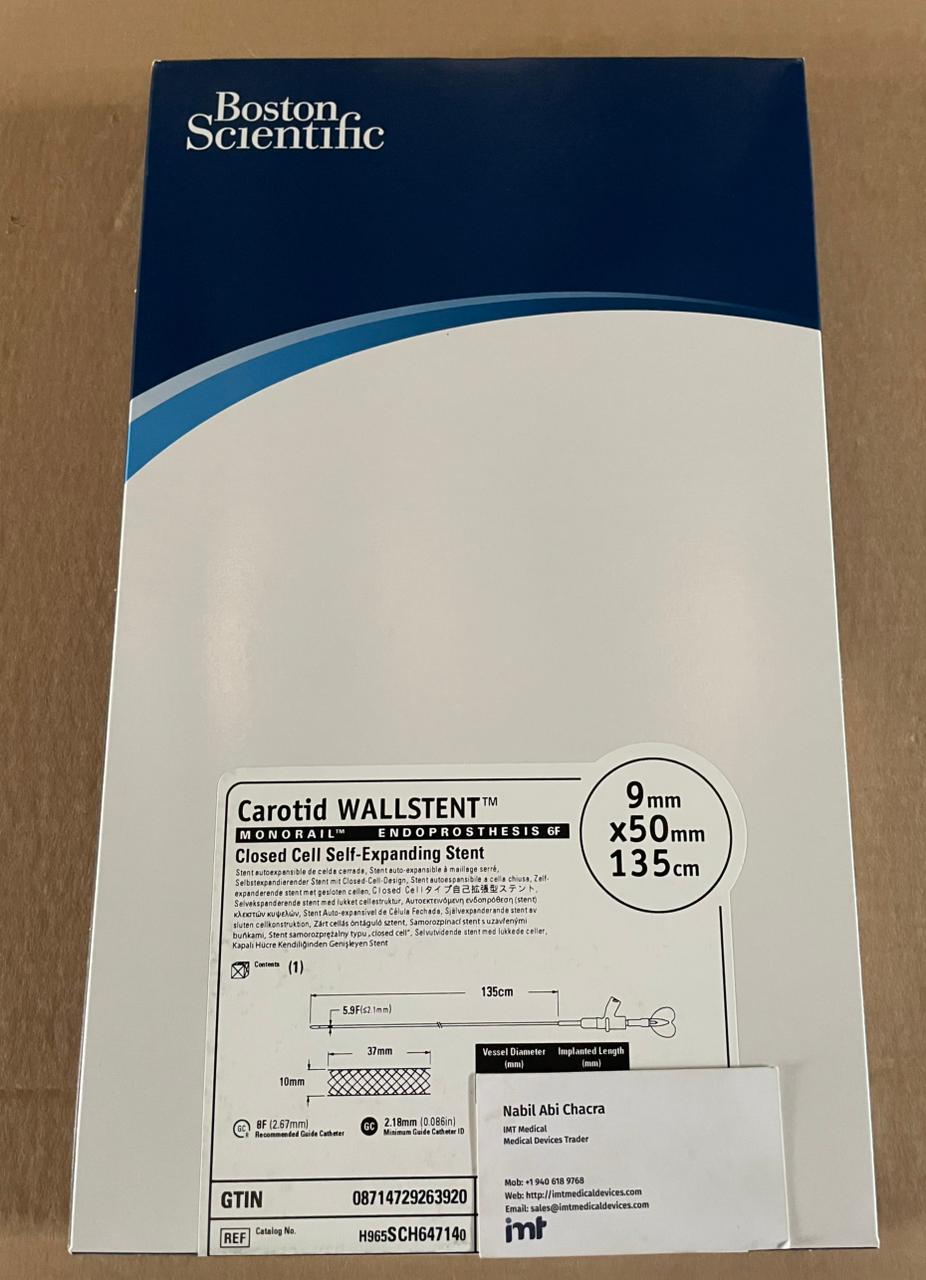
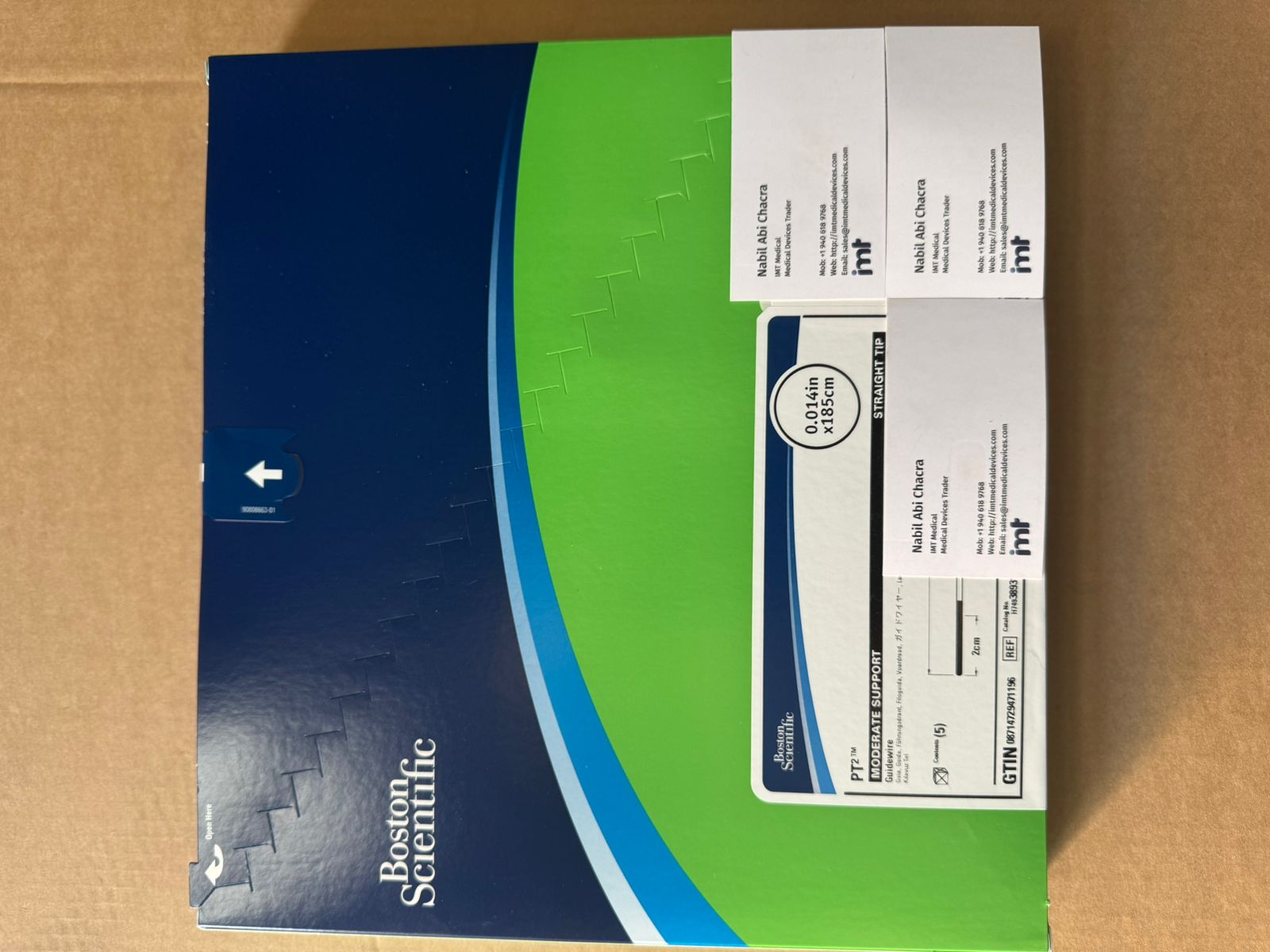
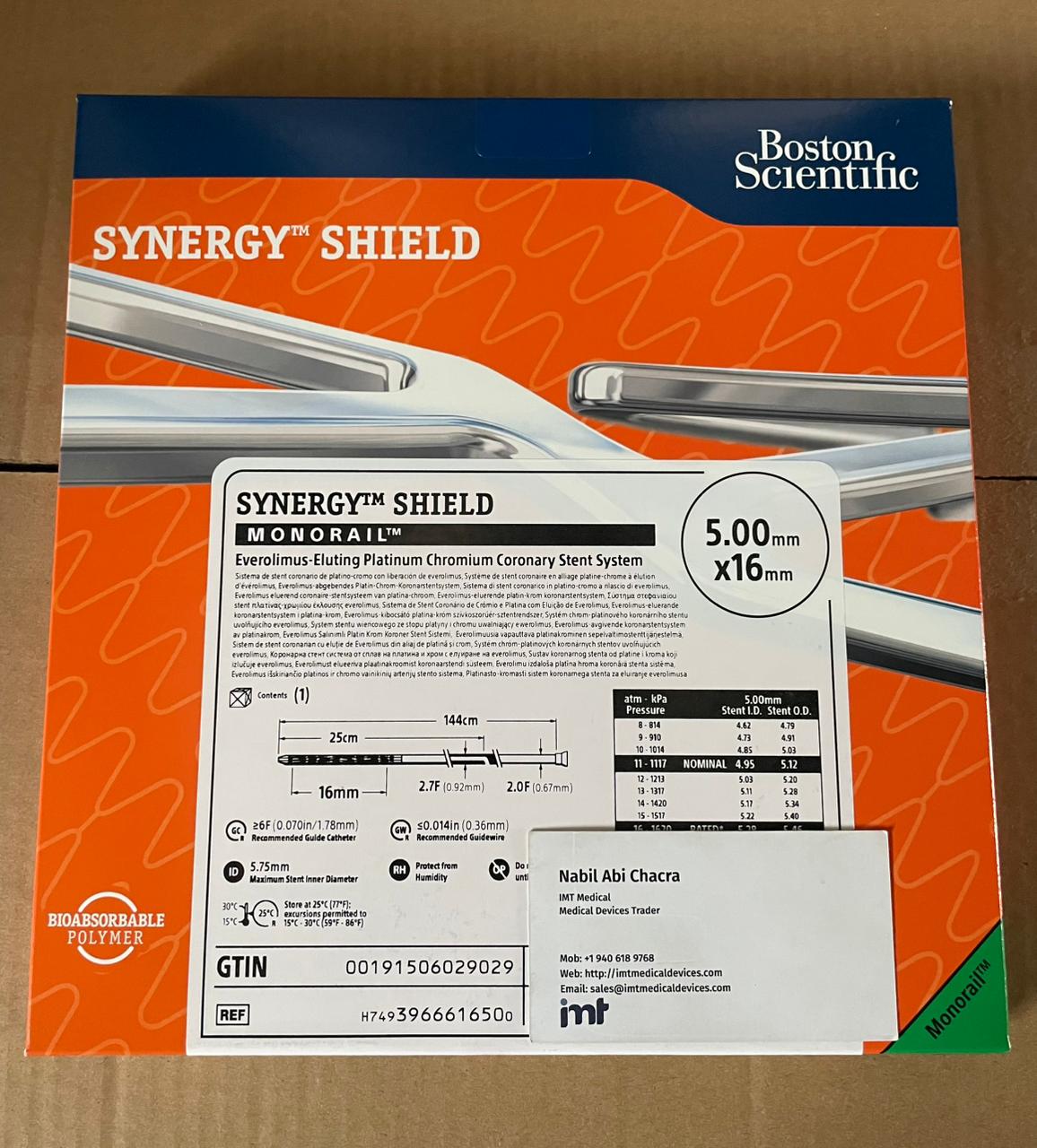
IMT Medical Devices fits this model by combining branded interventional product access with wholesale and export support across neurovascular, cardiology, peripheral, laboratory, and surgical categories.
The right distributor supports continuity, not just a single order
The best neurovascular coils distributor is not simply the one that can locate a requested product once. It is the one that becomes easier to buy from over time because they understand recurring demand, maintain specification discipline, and support branded sourcing across related categories.
That long-term value shows up in practical ways. Repeat quoting gets faster. Product matching improves. Procurement teams spend less time correcting nomenclature or chasing updates. Clinical stakeholders gain confidence that requested brands and configurations will be handled correctly.
There are cases where a local source may still be the better option, especially for urgent same-market fulfillment or where contractual arrangements dictate approved channels. But when buyers need broader branded access, consolidated sourcing, or international supply support, distributor capability becomes a strategic factor rather than a simple vendor choice.
For neurovascular procurement, the useful question is not whether a supplier can sell coils. It is whether they can support the exact products, related devices, and operational reliability your team needs case after case. That is the standard worth buying against.