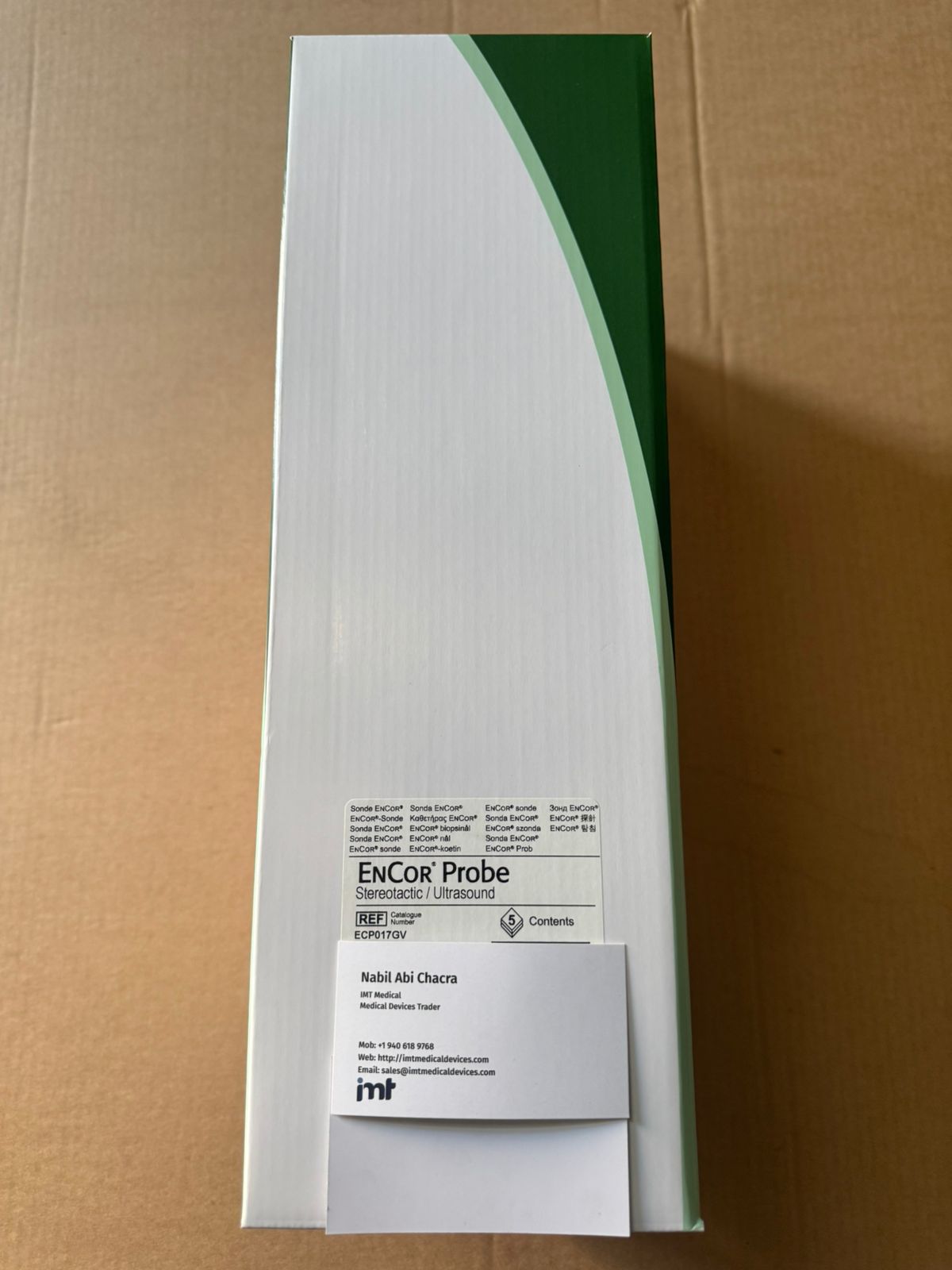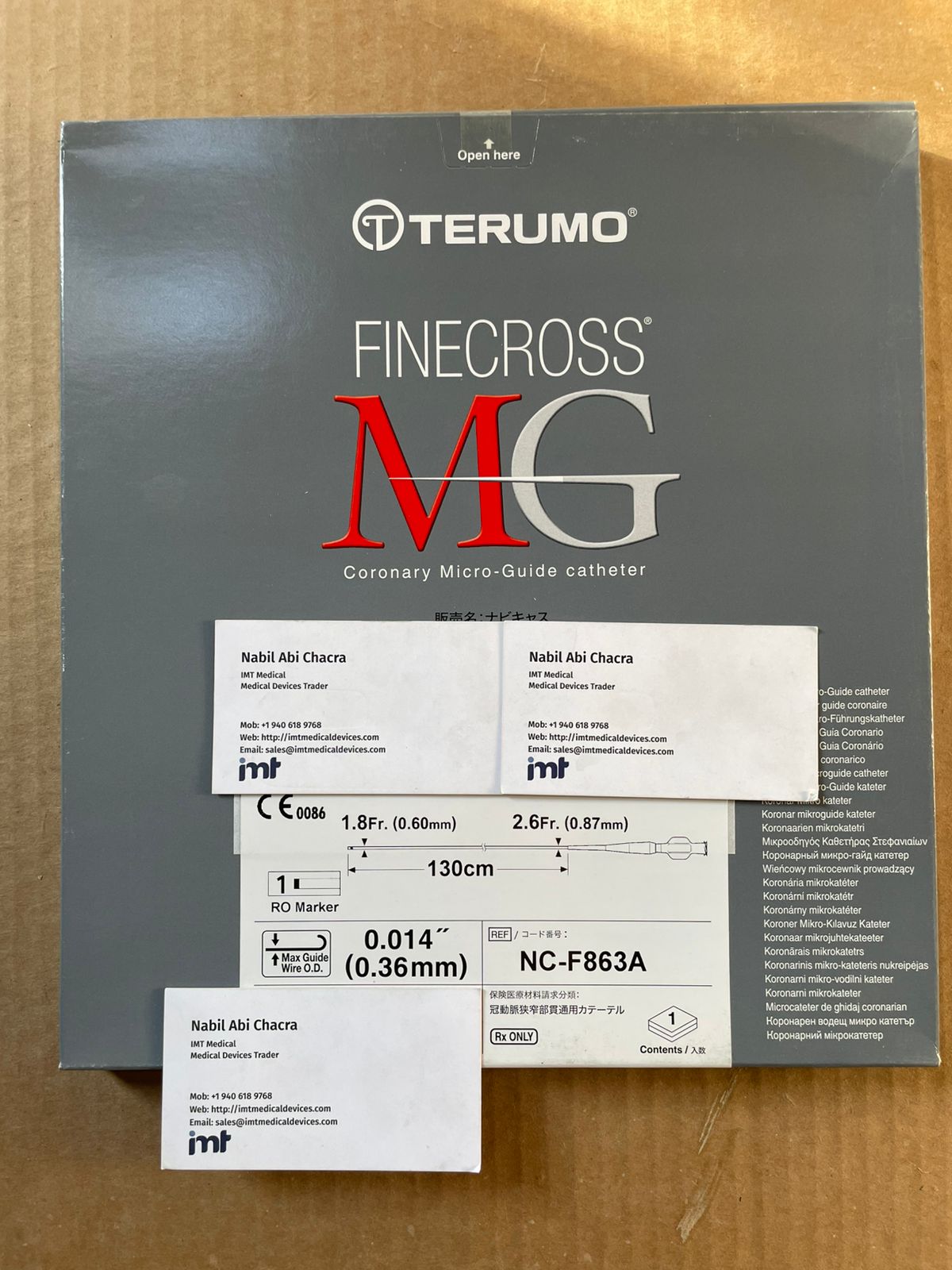

Choosing a Peripheral Intervention Devices Supplier
What a peripheral intervention devices supplier should actually provide
At a basic level, a supplier should offer access to the core categories used in peripheral interventions, including PTA balloons, peripheral stents, guidewires, diagnostic and guiding catheters, introducers, inflation devices, and related accessory products. In practice, that baseline is not enough. Professional buyers usually need exact branded references, consistent nomenclature, and quote support that reflects real procedural demand rather than generic category-level availability.
That distinction matters. A catalog may show peripheral products, but if the supplier cannot confirm manufacturer, model, size configuration, packaging unit, and availability window, the sourcing process becomes slower and more error-prone. For hospitals, cath labs, and distributors, the real value is in accurate product identification and dependable fulfillment.
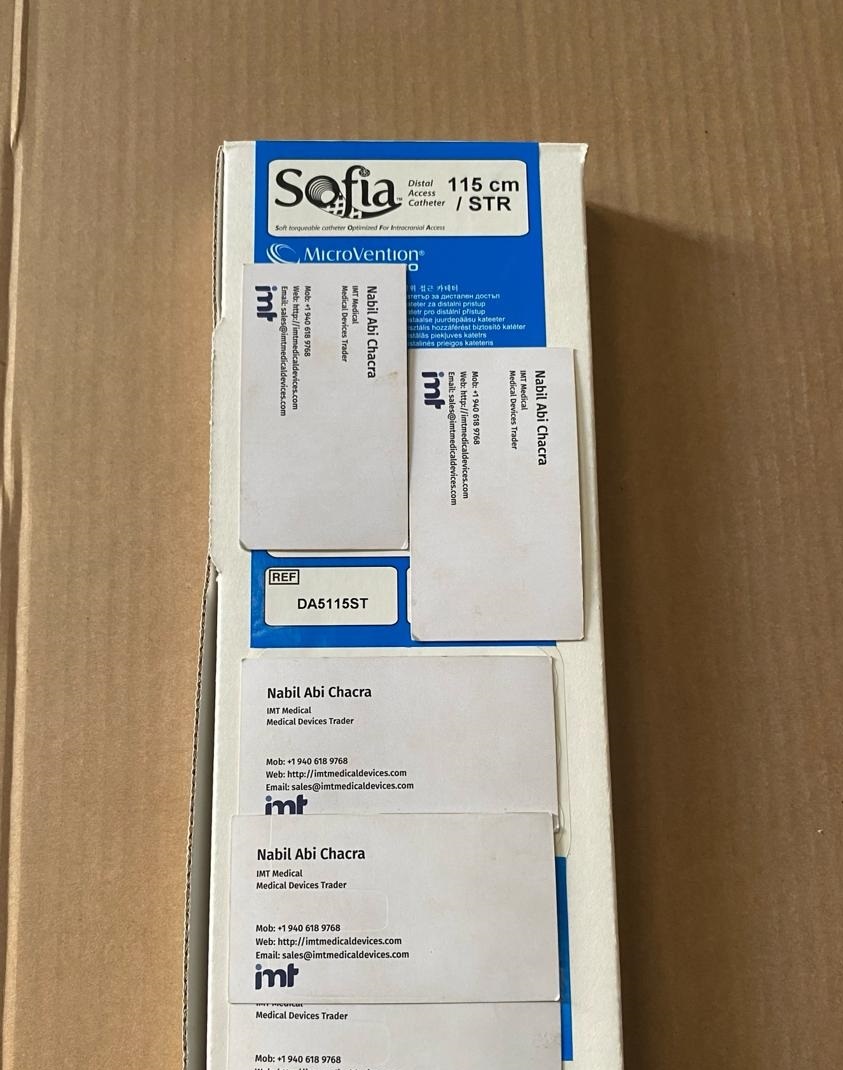
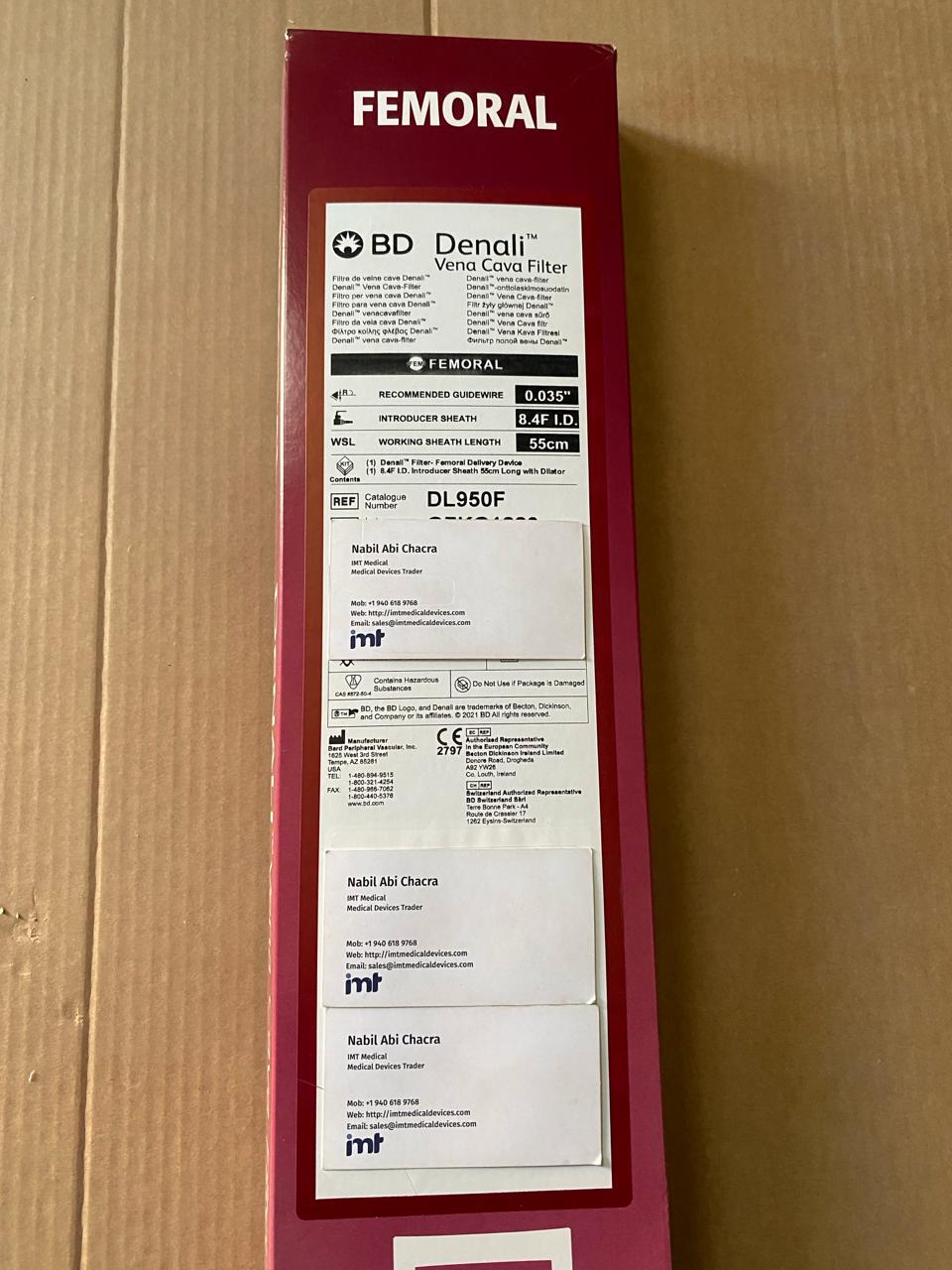
A capable supplier should also understand adjacency across intervention lines. Peripheral procurement often overlaps with interventional cardiology, interventional radiology, and vascular access requirements. If a supplier can support several related categories through one commercial relationship, buyers spend less time managing fragmented vendor communication.
Branded access matters more than broad claims
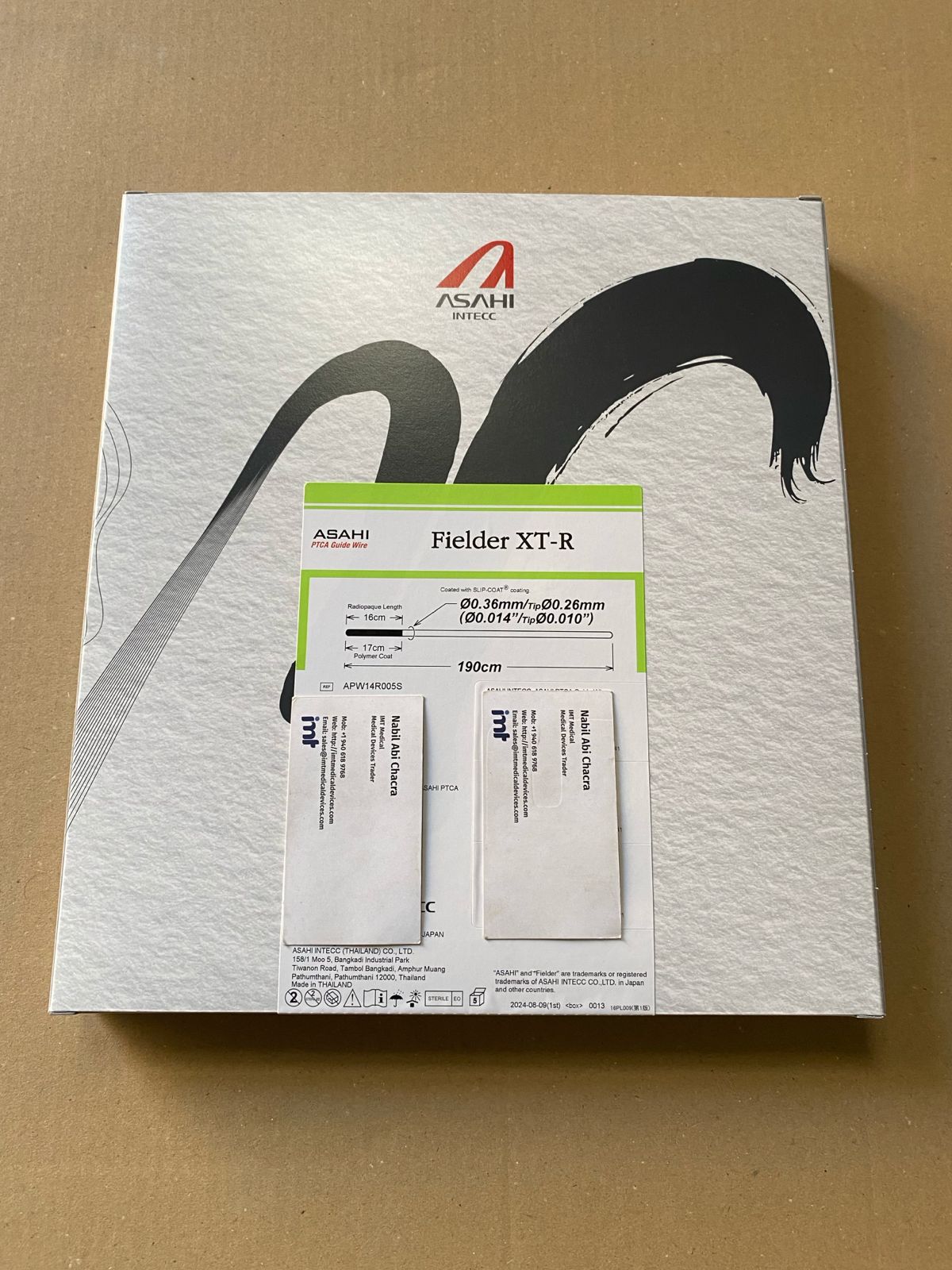
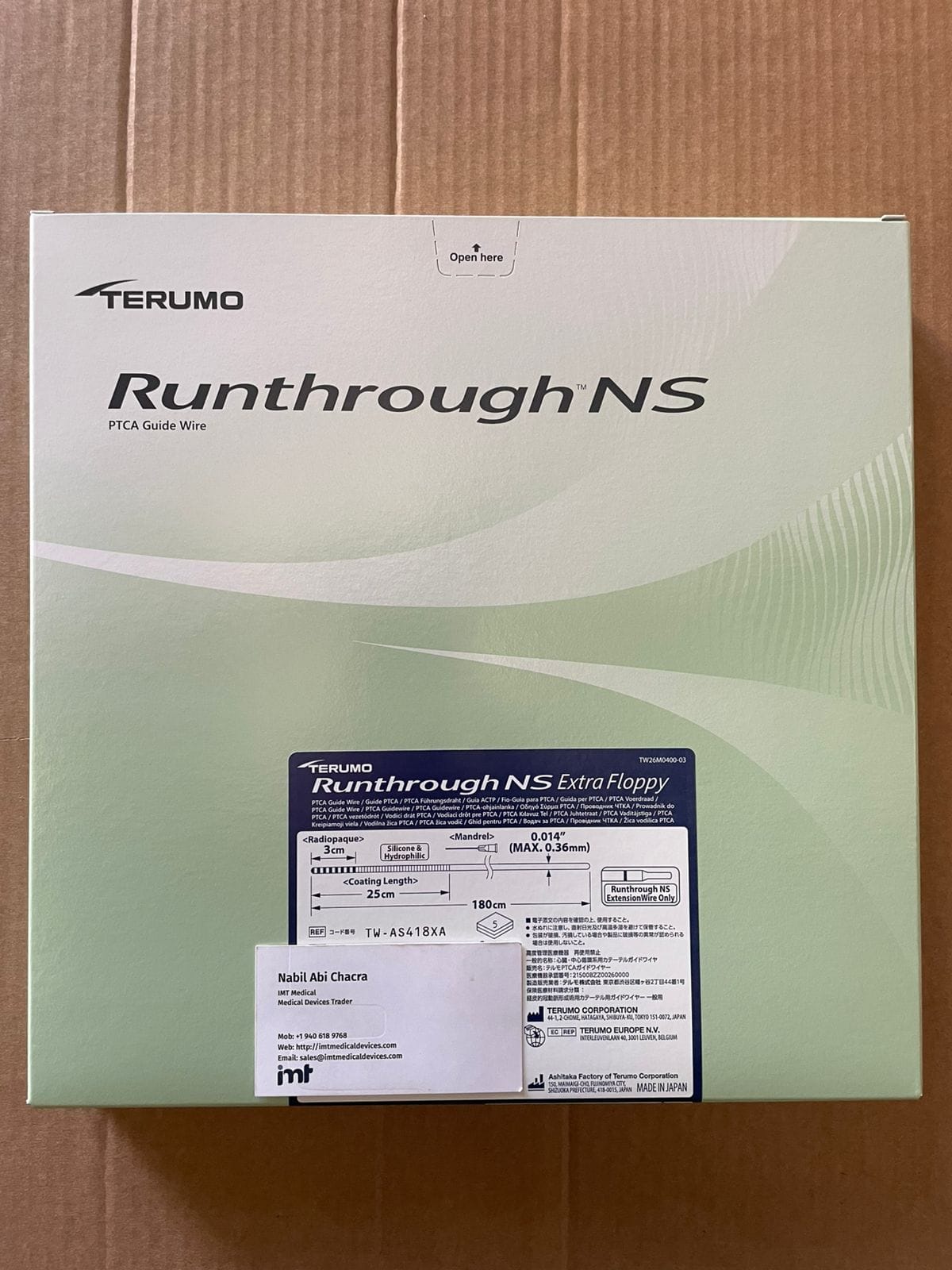
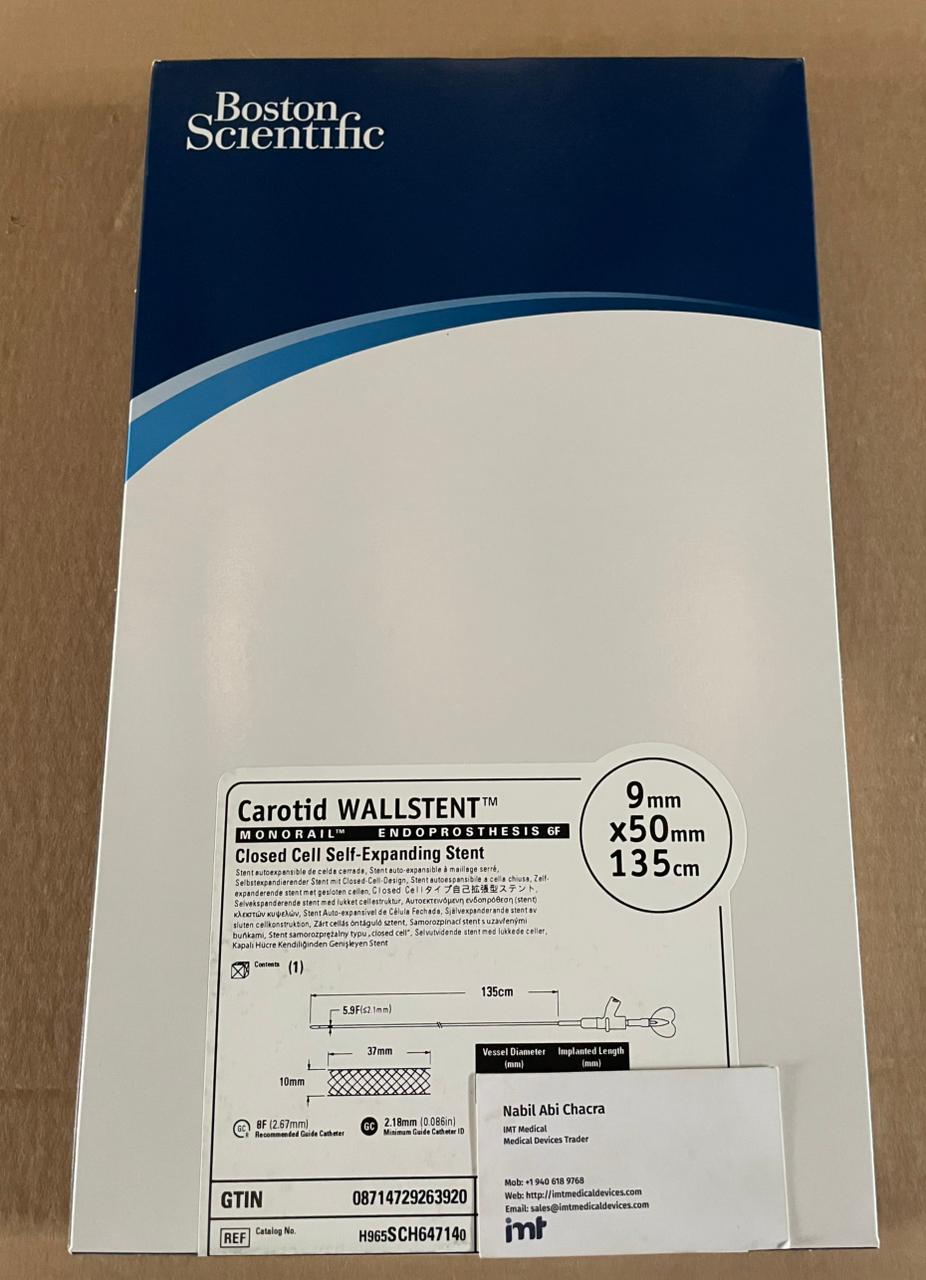
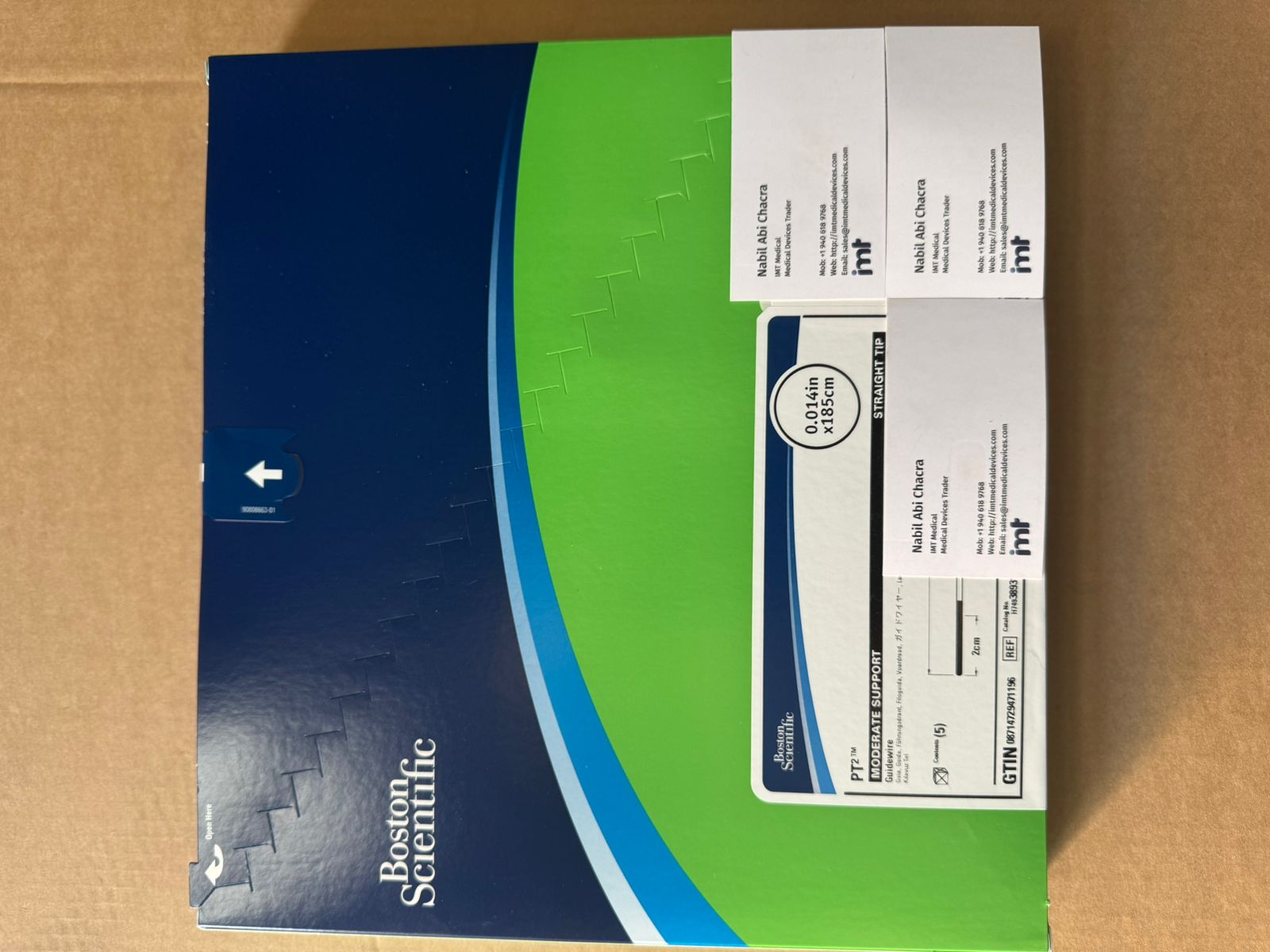
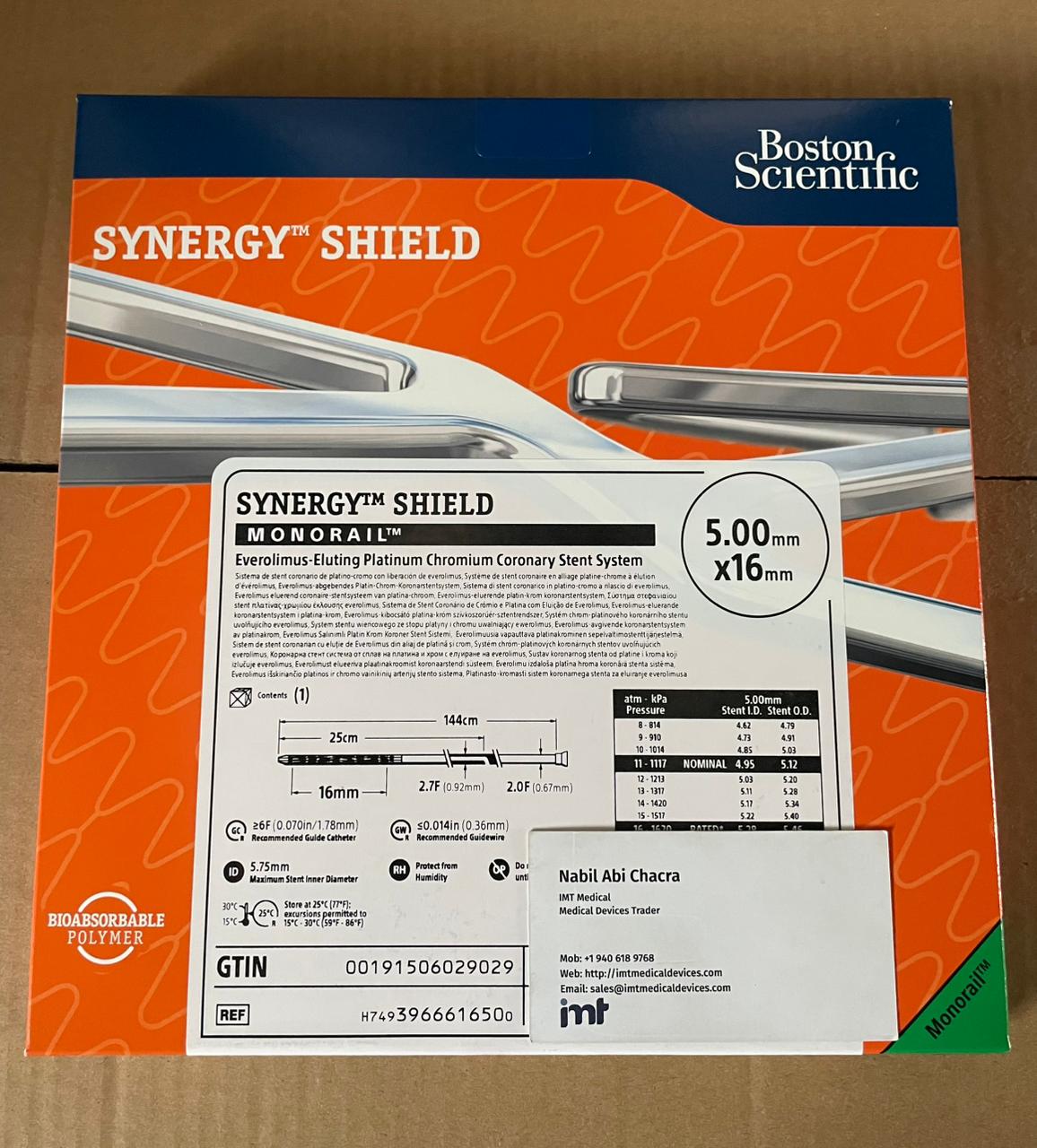
In peripheral intervention, recognized manufacturers carry weight for good reason. Clinical familiarity, documented performance, and internal approval pathways are often tied to established brands such as Terumo, Boston Scientific, Medtronic, Abbott, Cordis, and Asahi. For many procurement teams, sourcing from a supplier with access to these brands is more useful than working with a source that advertises a large but inconsistent assortment.
A strong branded portfolio also simplifies conversations with physicians and department heads. When operators request a known balloon platform, a specific wire family, or a preferred catheter configuration, procurement needs a supplier that can respond with exact options rather than near-equivalents. There are situations where substitution is acceptable, but in many labs it depends on existing clinical preference, approval status, and procedural planning.
This is one of the most practical ways to assess a peripheral intervention devices supplier. Ask whether the supplier works at the SKU level. If the conversation stays vague, the risk of mismatch goes up.
SKU accuracy is not administrative detail
In medical device wholesale, SKU accuracy is operational control. Small specification differences can materially affect suitability for use, internal receiving processes, and downstream inventory management. Diameter, length, shaft compatibility, coating, tip load, French size, and packaging format all matter.
For procurement buyers, SKU accuracy reduces three common problems. First, it lowers the chance of ordering products that are technically similar but not clinically preferred. Second, it minimizes back-and-forth during quotation and approval. Third, it supports cleaner replenishment planning because repeat orders can be tied to exact references instead of broad product descriptions.
This is especially relevant for peripheral intervention where case mix can shift quickly. A supplier that records prior purchase patterns and responds with precise item confirmation is easier to work with than one that requires product re-identification every time.
The best supplier is often the one that reduces procurement complexity
Price always matters, but it is rarely the only decision variable. Buyers often need to consolidate sourcing across branded lines, intervention categories, and shipment destinations. A supplier with breadth can save time even if the procurement process remains quote-based rather than fully transactional.
That breadth becomes more valuable when peripheral needs intersect with other departments. A healthcare organization may source coronary products, neurovascular devices, laboratory brands, and surgical consumables through separate internal stakeholders. Consolidating those requirements through a single wholesale partner can reduce administrative load, improve communication, and create a clearer purchasing rhythm.
There is a trade-off here. Some highly specialized vendors may offer deeper focus in one niche category, while broader wholesalers offer better portfolio coverage. Which model works better depends on your internal buying structure. If your team values fewer vendor relationships and centralized sourcing, breadth usually has an advantage. If a department requires unusual product depth in a narrow segment, a niche source may still be appropriate for part of the spend.
Evaluating export capability and international fulfillment
For buyers outside domestic manufacturer channels, export support is often as important as product access. Not every supplier that can quote branded devices can also manage international documentation, shipment coordination, and destination-specific fulfillment requirements. This is where many sourcing relationships break down.
A supplier serving international healthcare buyers should be prepared to discuss packaging details, lead times, commercial documentation, shipment methods, and product availability by destination. The goal is not simply to move products across borders. The goal is to reduce uncertainty for procurement teams that need predictable purchasing cycles.
International buyers should also evaluate responsiveness. When orders involve multiple brands or high-demand product lines, delays in quote clarification can slow internal approvals. A commercially capable export supplier should be able to handle product lists efficiently, confirm specifications, and provide a clear path from inquiry to shipment.
For organizations sourcing across regions, this is where a company such as IMTMedicalDevices.com fits the market need well. The value is not consumer-style convenience. It is concentrated access to branded interventional and laboratory product categories through one inquiry-driven wholesale channel with export capability.
Signs that a supplier will support continuity, not just one order
The first order tests speed. The second and third orders test the relationship. A dependable supplier should show signs of continuity early in the process.
One sign is consistency in how products are quoted and described. Another is whether the supplier can support recurring demand for common items instead of treating every request as an exception. Buyers should also look at how well the supplier handles partial availability, alternatives within approved brand frameworks, and mixed-category requirements.
Supply continuity does not mean every product is always available. In branded medical devices, availability can shift due to demand patterns, manufacturer allocation, and regional channel constraints. What matters is whether the supplier communicates clearly and can propose workable procurement paths. A supplier who understands the category will usually present options that respect brand expectations and technical requirements.
Questions worth asking before you commit
When evaluating a peripheral intervention devices supplier, the most useful questions are practical. Can they provide exact branded SKUs? Can they support bulk purchasing? Do they understand the difference between broad category sourcing and procedure-relevant product matching? Can they quote across related intervention lines when needed? Can they support export documentation and international shipment coordination where applicable?
It also helps to ask how they manage repeat business. Buyers with regular demand should not have to rebuild the same order structure each cycle. A supplier with strong internal organization can streamline reorders and reduce administrative effort over time.
Why procurement teams benefit from supplier specialization
Peripheral intervention is not a general medical supply category. It sits inside a highly specified purchasing environment where brand recognition, procedural familiarity, and technical matching drive decisions. That is why buyers typically get better results from suppliers that already operate in interventional categories rather than broad, non-specialist wholesalers.
Specialization shows up in the details. Product naming is correct. Cross-category relevance is understood. Brand requests do not need translation. Quote conversations move faster because the supplier already recognizes how peripheral devices are purchased and used within a professional setting.
For procurement teams, that translates into less friction and better control. The right supplier helps maintain access to trusted brands, supports accurate ordering, and shortens the path from request to receipt. In a category where delays can affect procedure planning and inventory confidence, that is a commercial advantage worth protecting.
The best next step is usually straightforward: work with a supplier that can speak in exact product terms, support branded sourcing at volume, and stay reliable when your needs become more complex than a single line item.