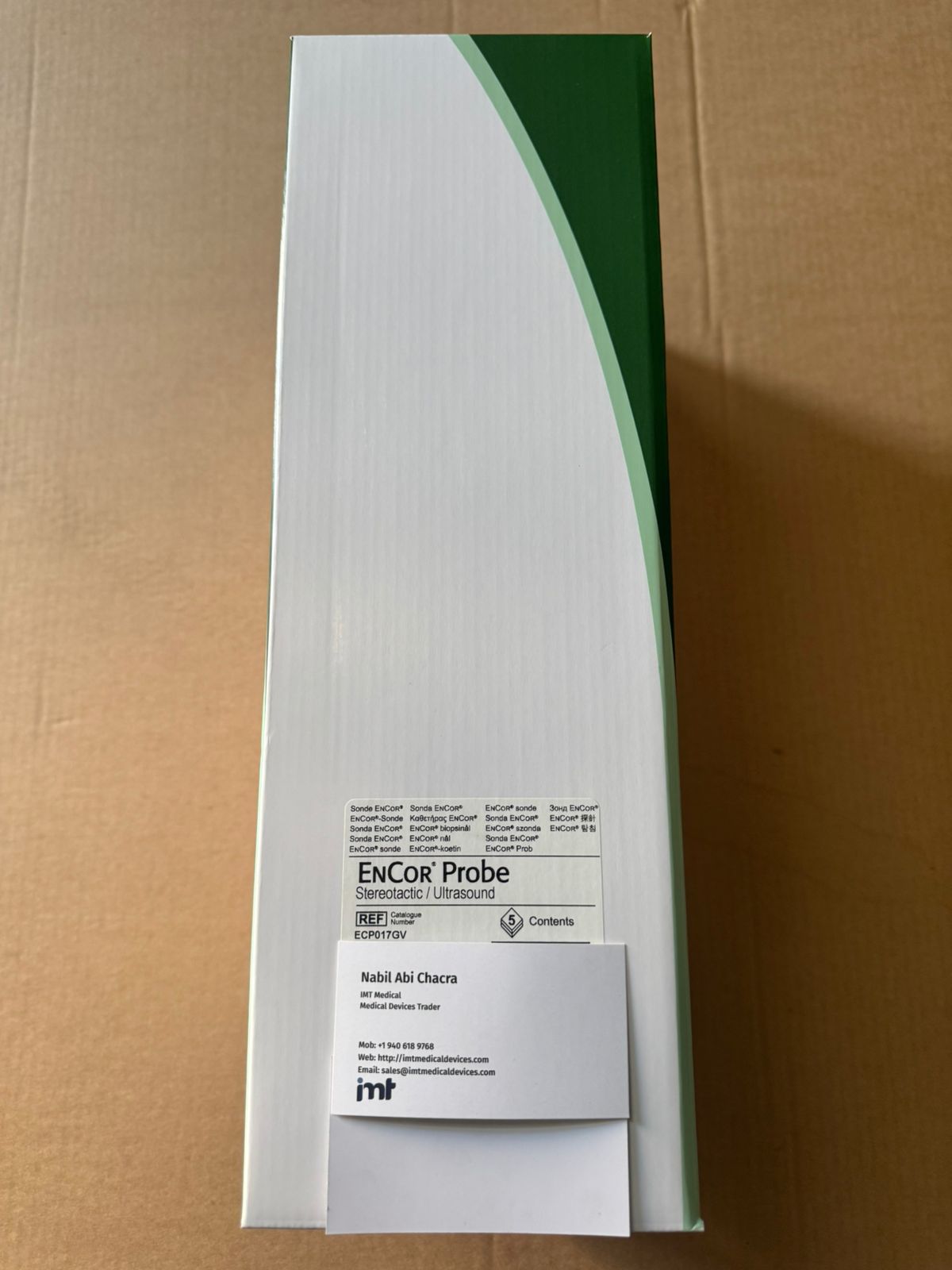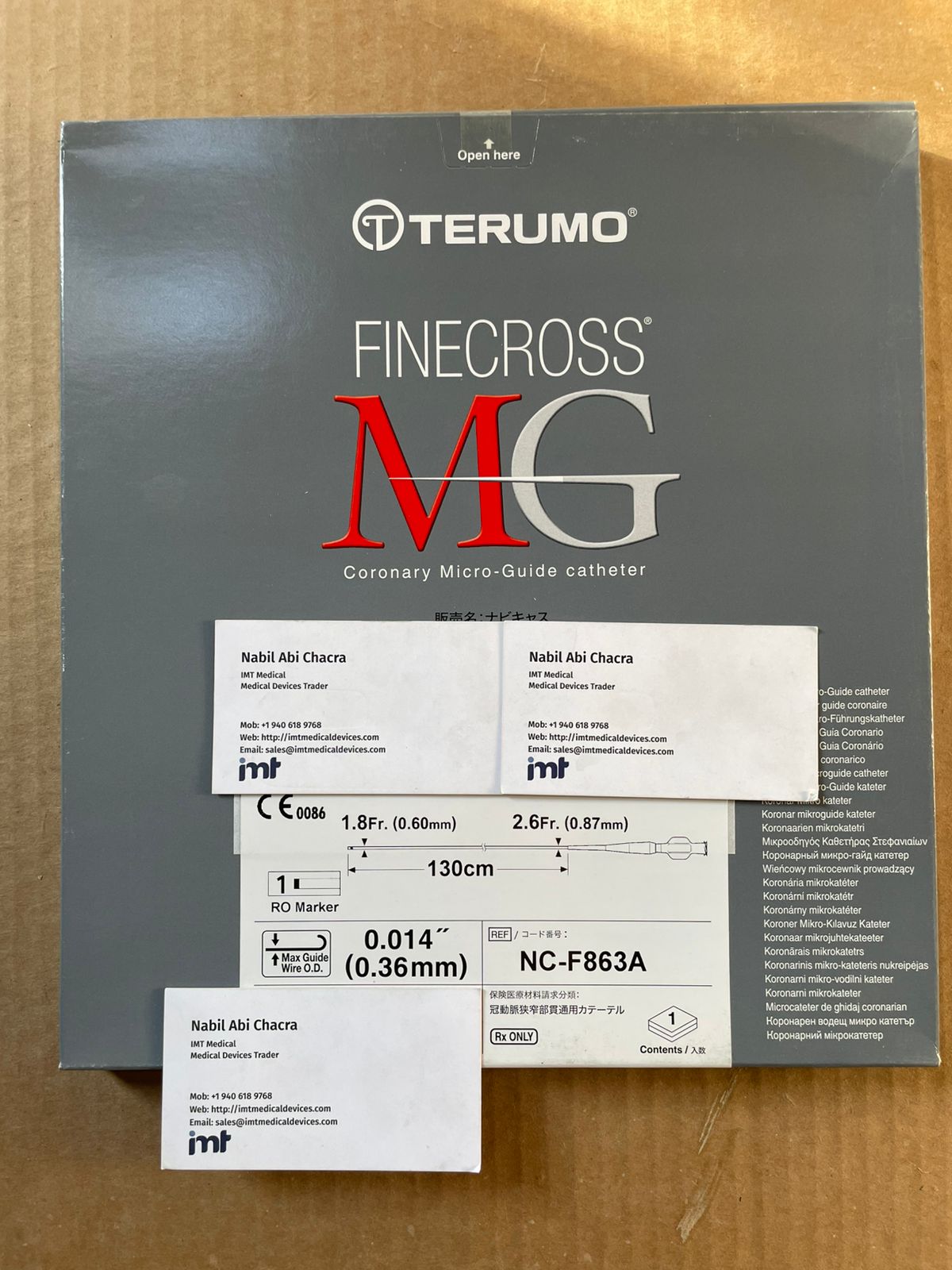

Choosing a Peripheral Stent Supplier
A peripheral stent order usually becomes urgent for one reason: your service line has standardized a specific platform and part number, and the next case is already on the board. In that moment, the question is less about product education and more about procurement certainty - can your supplier deliver the exact SKU your physicians expect, with documentation you can file, and with lead times you can defend.
For hospitals, cath labs, and specialty clinics, choosing a peripheral stent supplier is a supply-chain decision with clinical consequences. Peripheral work is not forgiving of last-minute substitutions. Lengths, diameters, delivery systems, and compatibility with sheaths, guidewires, and balloons are often tightly coupled to physician preference and lab inventory. The supplier you choose either preserves that continuity or creates noise across scheduling, case prep, and post-case documentation.
What a peripheral stent supplier is actually responsible for
On paper, the supplier provides peripheral stents. In practice, the supplier is supporting procedure standardization and inventory continuity across peripheral vascular interventions, including SFA, iliac, tibial, and other lower-extremity applications depending on your program.
That responsibility has a few non-negotiables. First is authenticity: branded devices, traceable lots, and clean documentation. Second is accuracy: exact part numbers, correct configurations, and no ambiguous descriptions that force your team to guess. Third is availability: a realistic view of stock and lead time. If a quote turns into a backorder surprise, the supplier has failed the most basic requirement.
It also includes the adjacent items that make the stent usable in your lab: compatible guidewires, balloons (predilatation and postdilatation), guiding catheters or sheaths, and closure options. Even if you place the stent PO with one vendor and source accessories elsewhere, the best procurement experience comes from a supplier that understands the full pick list and can consolidate SKUs when you want to reduce vendor friction.
The procurement criteria that matter most
Peripheral stents are high-acuity disposables with SKU-level specificity. That means your evaluation should start with how the supplier handles identification, quoting, and fulfillment.
SKU precision and catalog clarity
If the catalog view does not map cleanly to how your team orders - manufacturer, product line, size matrix, and part number - you will spend time clarifying basics that should be self-evident. A usable supplier catalog makes it easy to match physician request to a discrete identifier. In peripheral stents, “equivalent” is rarely acceptable language for ordering. You want the exact branded SKU.
Look for descriptions that keep to procurement facts: manufacturer, product family, diameter, length, shaft compatibility, and any meaningful delivery attributes that distinguish one code from another. When details are vague, your team ends up emailing back and forth to confirm what should have been explicit.
Availability that is operationally honest
A peripheral stent supplier should not force you to reverse-engineer availability from marketing language. You need to know whether the specific size you use is on hand, constrained, or subject to lead time. The most reliable suppliers can quote with realistic ship windows and update you quickly when allocation shifts.
This matters because peripheral interventions are often scheduled in blocks. If your standard 6.0 x 150 mm configuration is unavailable, you are not just short one item - you are potentially changing how physicians plan lesions, which balloons they open, and whether the case stays on schedule.
Documentation and traceability
Your supply chain and quality processes depend on traceability: lot numbers, expiration dates, and packaging integrity. A supplier should be ready to support your receiving team with the paperwork that closes the loop for audit and inventory control.
For export scenarios, documentation becomes even more central. Customs, import permits, and local compliance checks can delay a shipment that is otherwise ready. A supplier with regular export workflows is typically more consistent in preparing the right documents without repeated prompting.
Quote workflow that fits how hospitals actually buy
Most facilities do not buy peripheral stents like consumer goods. They buy against quotes, contracts, and internal approvals. A supplier’s workflow should respect that reality: you identify the SKU, request a quote, receive a clean offer, and move into purchasing with minimal friction.
Pay attention to how quickly the supplier can turn around a quote and how readable that quote is. The quote should mirror your internal language: manufacturer, part number, description, quantity, unit pricing, and shipping terms. If the quote requires translation, it will slow approvals.
Vendor consolidation vs single-brand specialization
Some programs prefer a single-brand approach for peripheral work, especially when physicians are aligned on a platform and the lab has built inventory around it. Other programs deliberately mix brands based on lesion type, anatomy, and delivery preferences. Your supplier choice should match that reality.
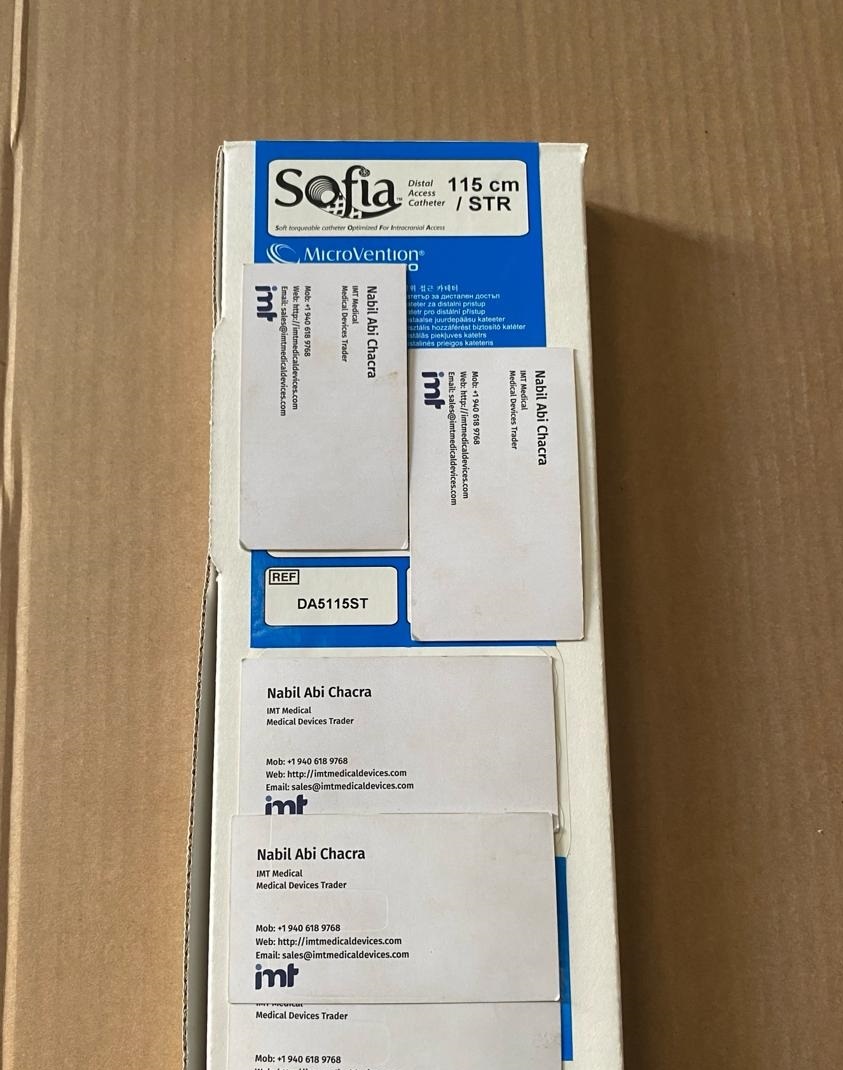
If you run mixed inventory, consolidation becomes valuable. A peripheral stent supplier that also stocks major complementary lines - guidewires, balloon catheters, microcatheters, aspiration catheters, and closure devices - reduces the number of POs your team must manage. It also reduces the risk of being “in stock” on the stent but short on the specific accessory that makes the case run smoothly.
The trade-off is that broad-line suppliers must maintain accurate data across many manufacturers. You are evaluating their process discipline as much as their brand list.
Manufacturer breadth and standardization pressure
Peripheral stent purchasing is influenced by physician preference, but it is executed through standardization. When a service line standardizes, it often standardizes around manufacturer families.
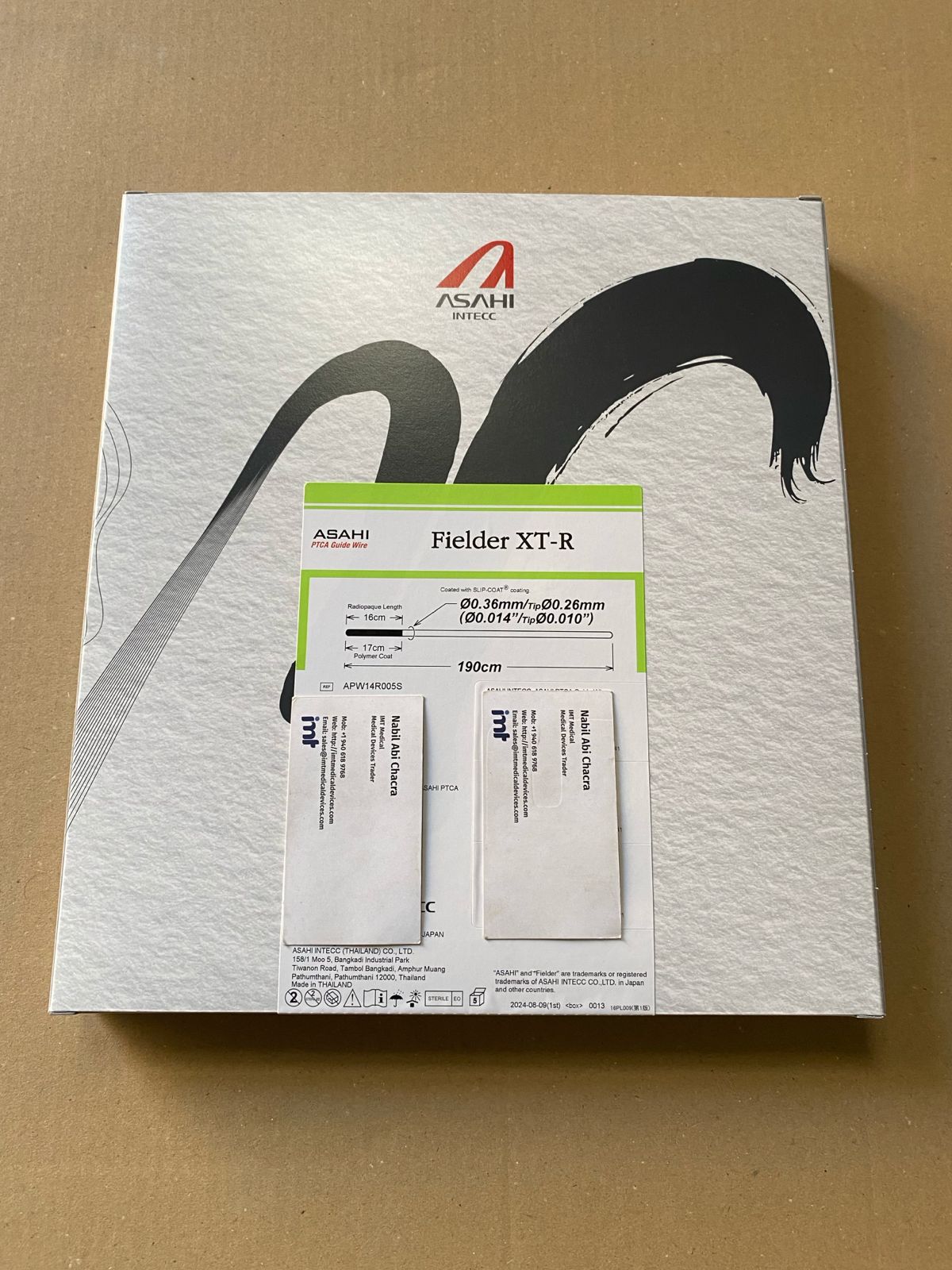
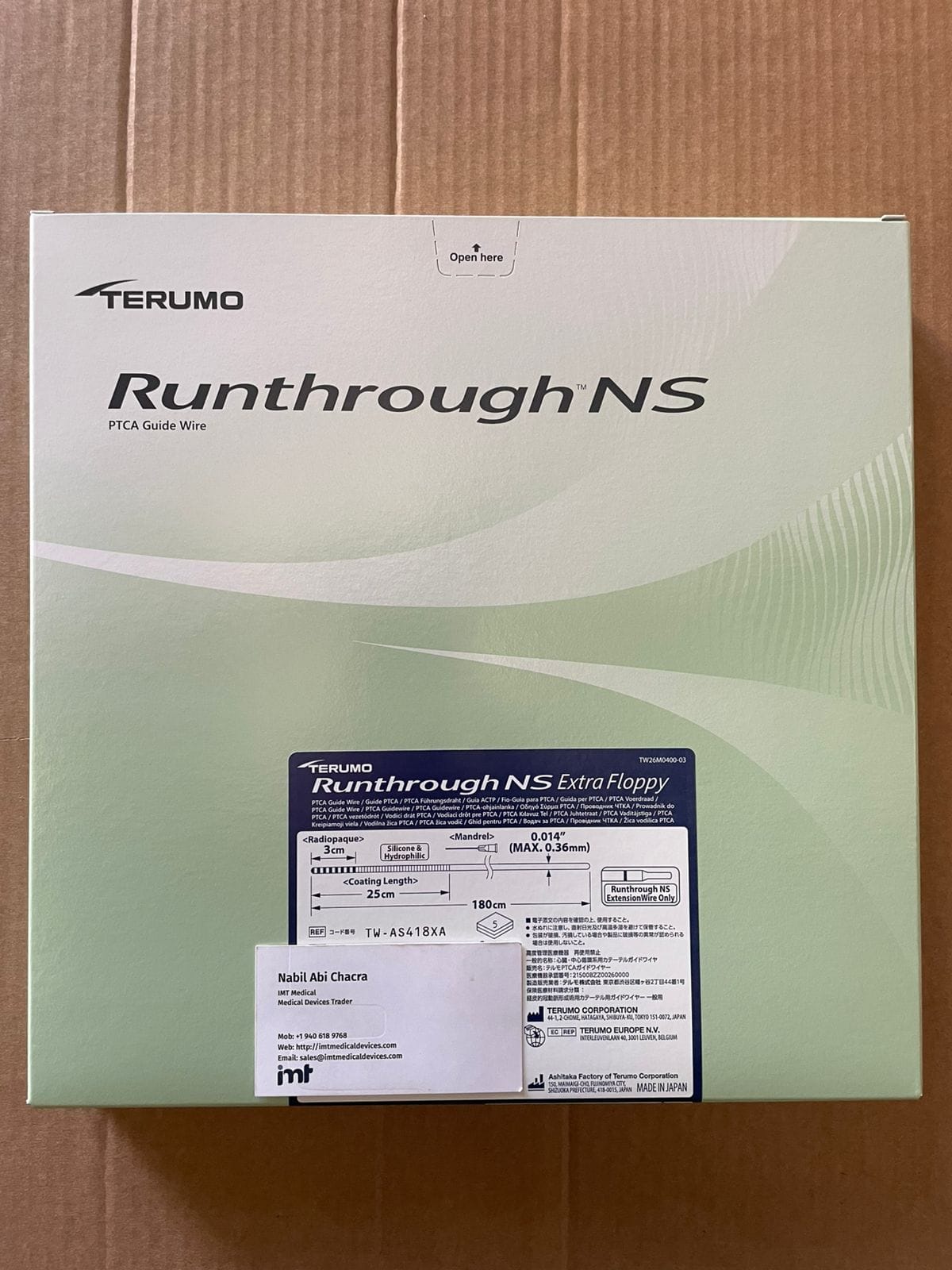
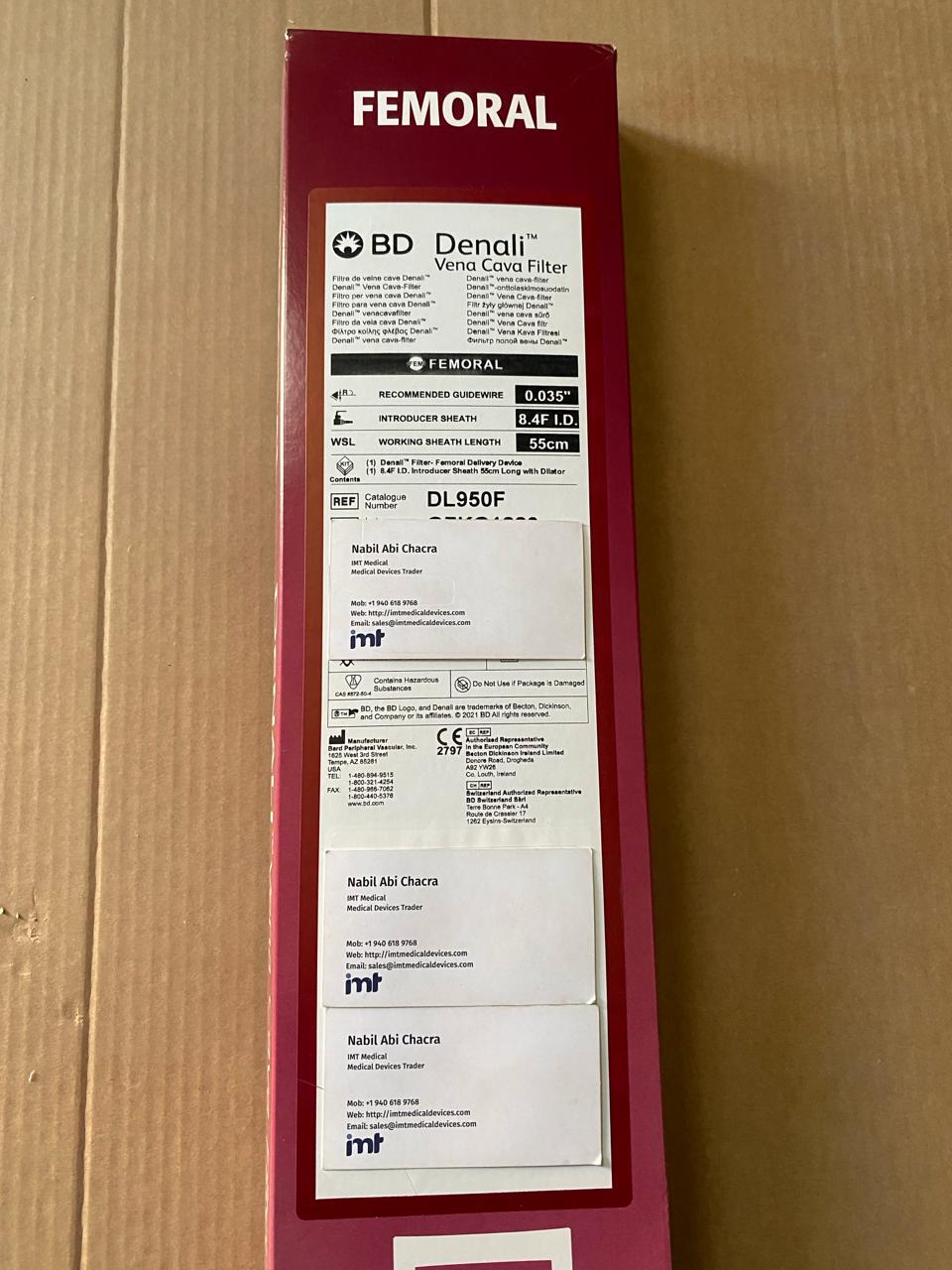
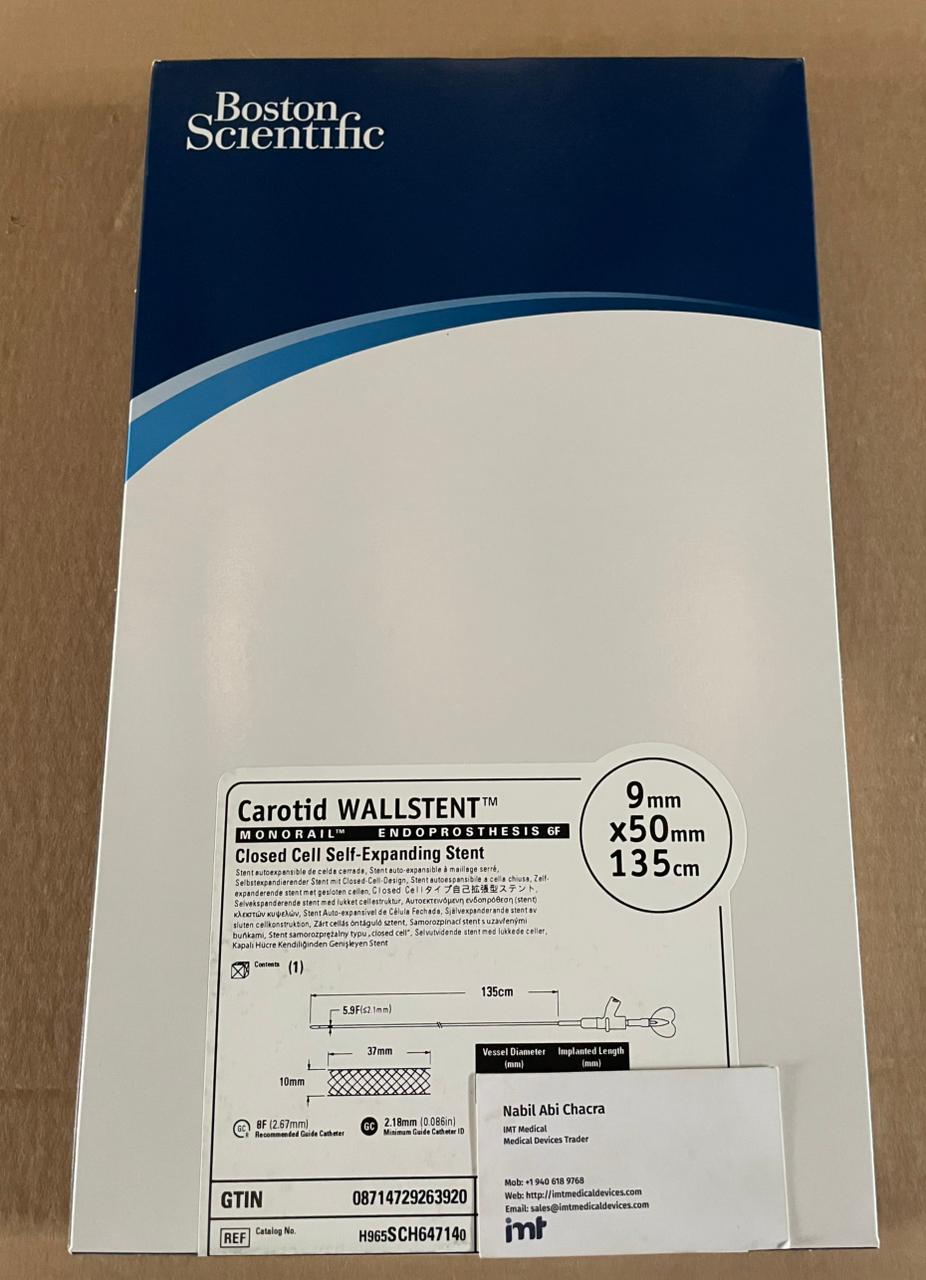
A supplier that carries major manufacturers - for example Medtronic, Boston Scientific, Terumo, Cordis, Abbott, BD, and B. Braun - can support those standardization decisions without forcing you to add vendors each time your team adds a complementary device to the shelf. The benefit is operational: fewer vendor setups, fewer payment workflows, and fewer exceptions.
But breadth only helps if the supplier can keep the details clean. Procurement teams should still require exact part numbers and avoid catalog entries that blur product families together.
Export support: where good suppliers separate themselves
Export is not just shipping internationally. It is a repeatable process that accounts for timelines, documentation, and predictable communication.
If your facility operates across borders, or you are sourcing on behalf of a regional network, you need a supplier that expects export requirements rather than treating them as edge cases. That includes clear packaging practices, support for customs documentation, and realistic transit expectations.
The “it depends” scenario here is regulatory and local import rules. A capable supplier can prepare standard documents and coordinate shipment details, but your local requirements may still dictate what can be imported and how quickly it clears. The supplier’s value is reducing avoidable delays and errors - wrong paperwork, mismatched descriptions, or incomplete shipping information.
How to evaluate a supplier in one purchasing cycle
Most procurement teams do not have time for lengthy vendor evaluations. You can learn a lot by placing a controlled order or requesting a quote set for your most common sizes.
Start by sending a short list of the exact peripheral stent SKUs you use most frequently - typically your top diameters and lengths. Ask for availability and lead time per SKU, not just a general statement. The response quality will show whether the supplier is operating from real inventory data or guesswork.
Next, assess how the supplier handles adjacent items. If you need compatible balloon catheters, guidewires, or sheaths, ask whether they can quote those in the same workflow. Consolidation only works when the quoting process stays accurate across categories.
Finally, evaluate fulfillment communication. A good supplier confirms what will ship, when it will ship, and how it will be labeled. If there are substitutions or constraints, you should hear it before the shipment moves, not after your team is already planning cases.
Where IMTmedicaldevices.com fits in a peripheral stent sourcing model
For teams that want to reduce vendor sprawl while staying on branded interventional devices, IMTmedicaldevices.com operates as a product-led supplier model: you browse by category, identify the exact manufacturer and SKU, and request a personalized offer to move into purchasing. The catalog approach is aligned with how cath labs and supply chain teams actually work - part numbers first, procurement workflow second - and the company’s export orientation supports cross-border sourcing when local supply is inconsistent.
A closing thought for procurement teams
If you want fewer surprises in peripheral cases, treat supplier selection like you treat product selection: specific, documented, and repeatable. The best peripheral stent supplier is the one that can repeatedly deliver the exact branded part numbers your physicians standardize on, with clean quotes and predictable export or domestic fulfillment - because consistency is what keeps your schedule intact.