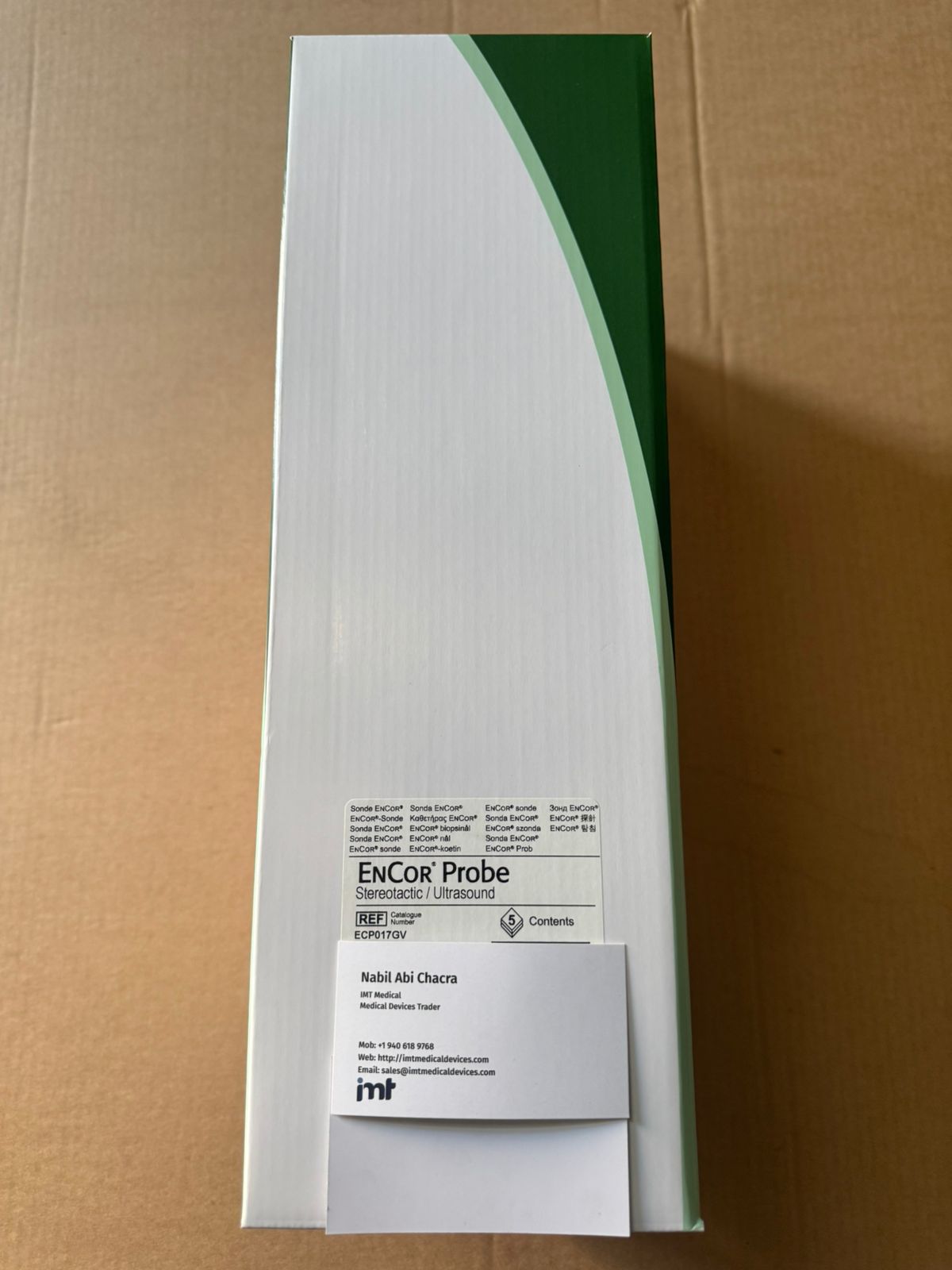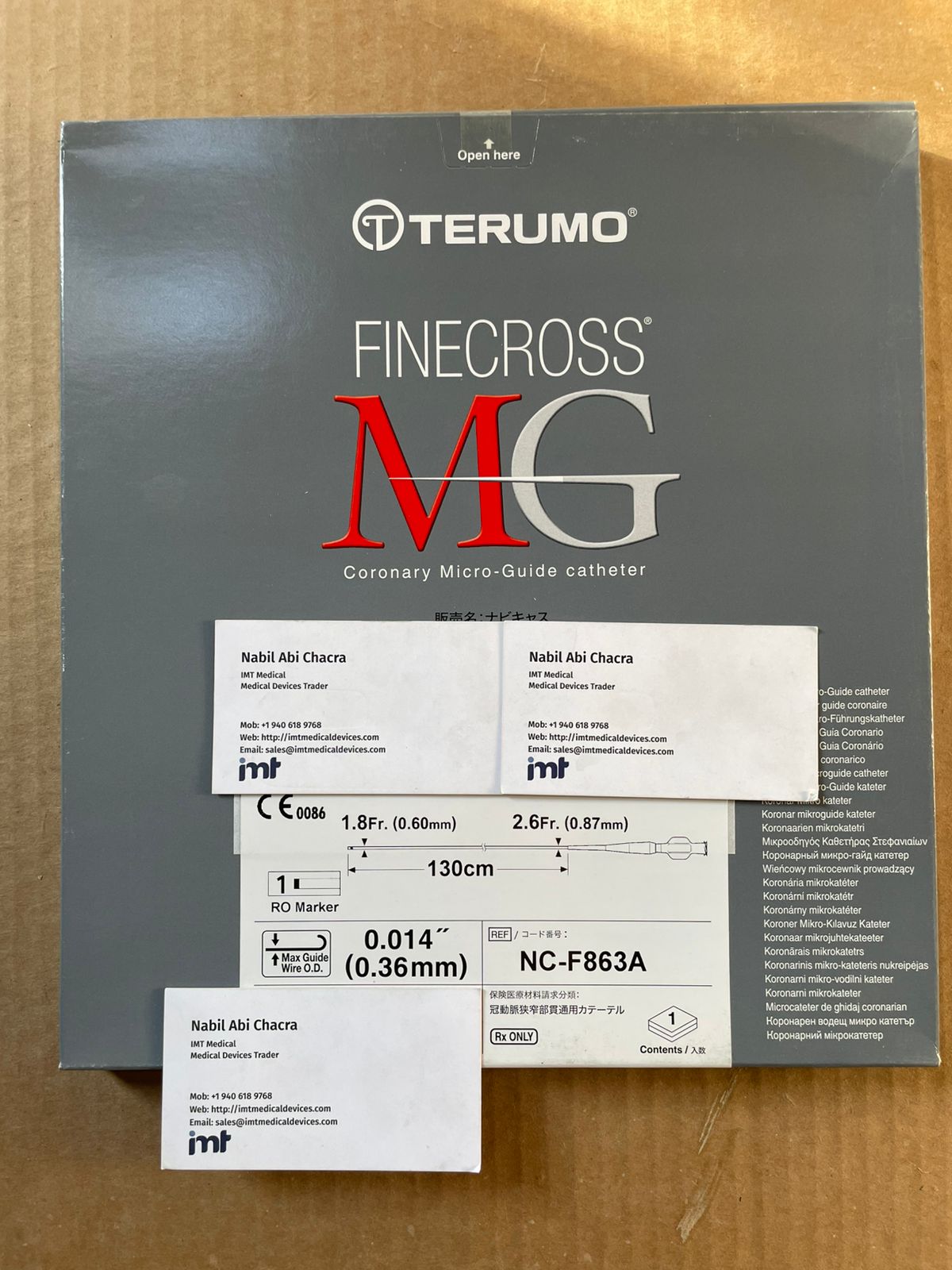


Choosing an Aspiration Catheter Distributor
A delayed thrombectomy case rarely fails because buyers do not know the product category. It fails because the required branded SKU is unavailable, substituted without approval, or slowed by cross-border paperwork. That is why selecting an aspiration catheter distributor is not a routine vendor decision for professional buyers. It is a supply continuity decision tied directly to procedural readiness, clinician preference, and inventory control.
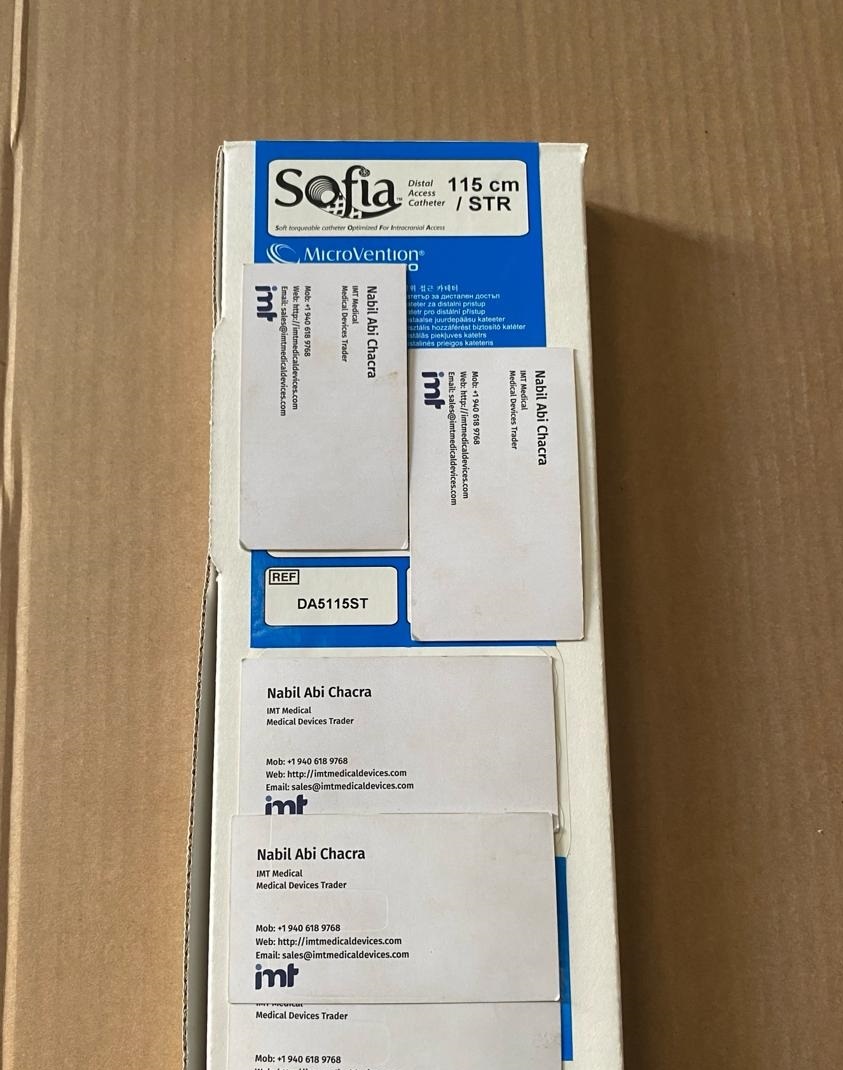
For hospitals, cath labs, neurovascular teams, and medical distributors, aspiration catheter procurement usually sits inside a wider sourcing problem. The issue is not simply finding any supplier with aspiration catheters on a line card. The issue is finding a distributor that can consistently support branded devices, confirm exact product identification, handle export requirements when needed, and reduce the number of separate sourcing conversations across related intervention categories.
What buyers should expect from an aspiration catheter distributor
A credible aspiration catheter distributor should function as a procurement partner, not just a quote inbox. In practice, that means the distributor understands that brand matters, model matters, and procedure context matters. Buyers in coronary, peripheral, and neurovascular settings are often managing physician-specific preferences, approved vendor lists, internal traceability requirements, and time-sensitive replenishment cycles. A generic response is not enough.
The first expectation is specification accuracy. An aspiration catheter is not interchangeable simply because the category label matches. Buyers need confidence that the quoted product aligns with the requested manufacturer, product family, size profile, compatibility requirements, and packaging configuration. When a distributor is loose with nomenclature, procurement risk rises immediately.
The second expectation is authenticity and source confidence. Professional buyers are not looking for bargain-bin substitutions. They are looking for recognized brands with dependable supply channels. This matters even more in export transactions, where documentation, batch traceability, and product identity may be reviewed by multiple parties before the goods reach the end user.
The third expectation is responsiveness tied to action. In B2B medical procurement, speed is useful only when it leads to a precise quote, a realistic lead time, and a clear statement of availability. Fast but vague communication creates more internal work for the buyer.
Why branded supply changes the distributor evaluation
In aspiration devices, brand recognition is often a proxy for procedural confidence. Interventional teams may be trained on certain product platforms and may build case planning around familiar performance characteristics. Procurement teams therefore need distributors that understand why a branded request cannot always be converted to a near equivalent.
This is where many general suppliers fall short. They may carry broad medical inventory, but they do not always operate with the discipline required for interventional product sourcing. A distributor serving this segment should be comfortable working with exact product names, manufacturer references, and related accessory categories without turning every inquiry into an education process.
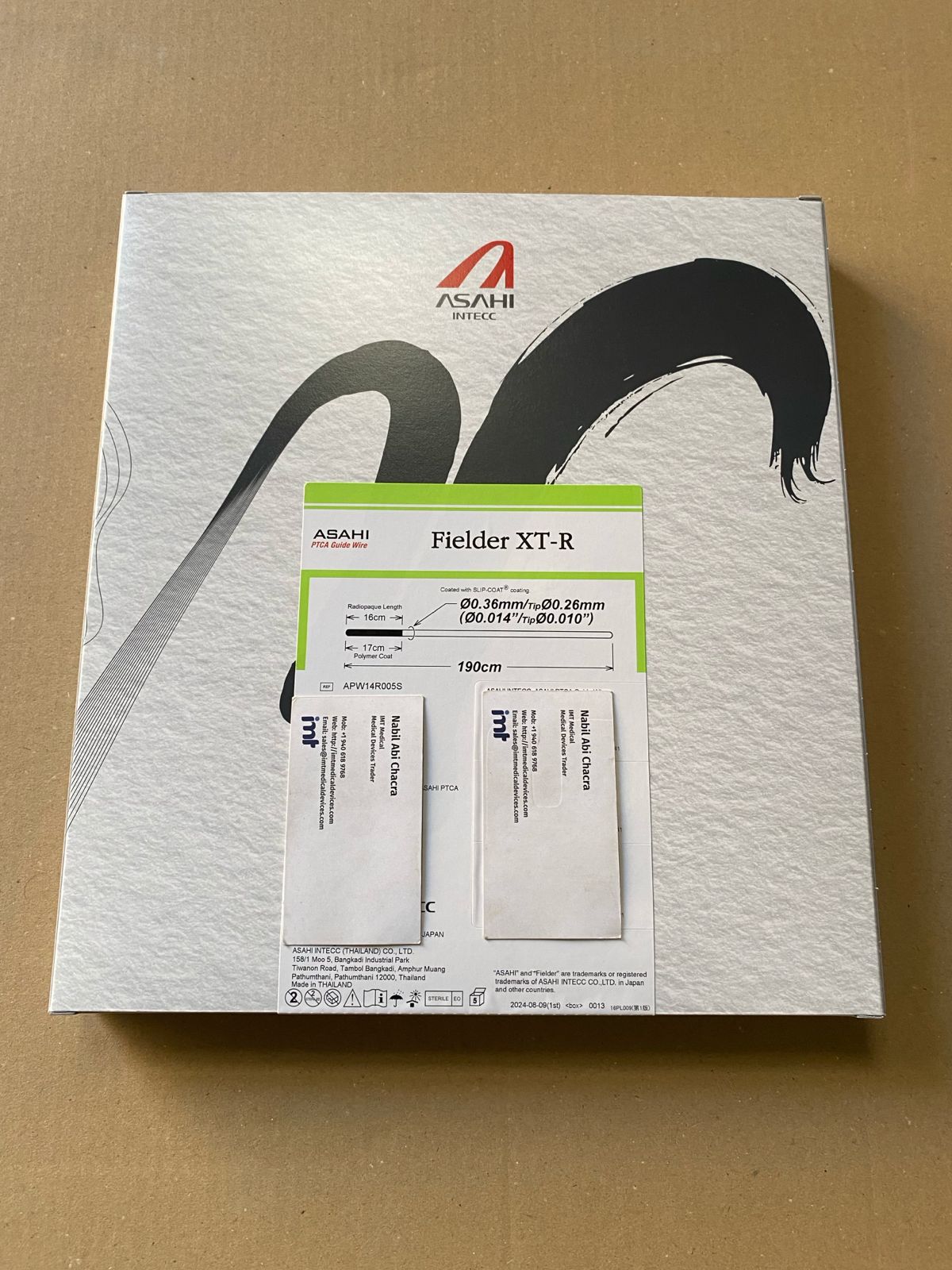
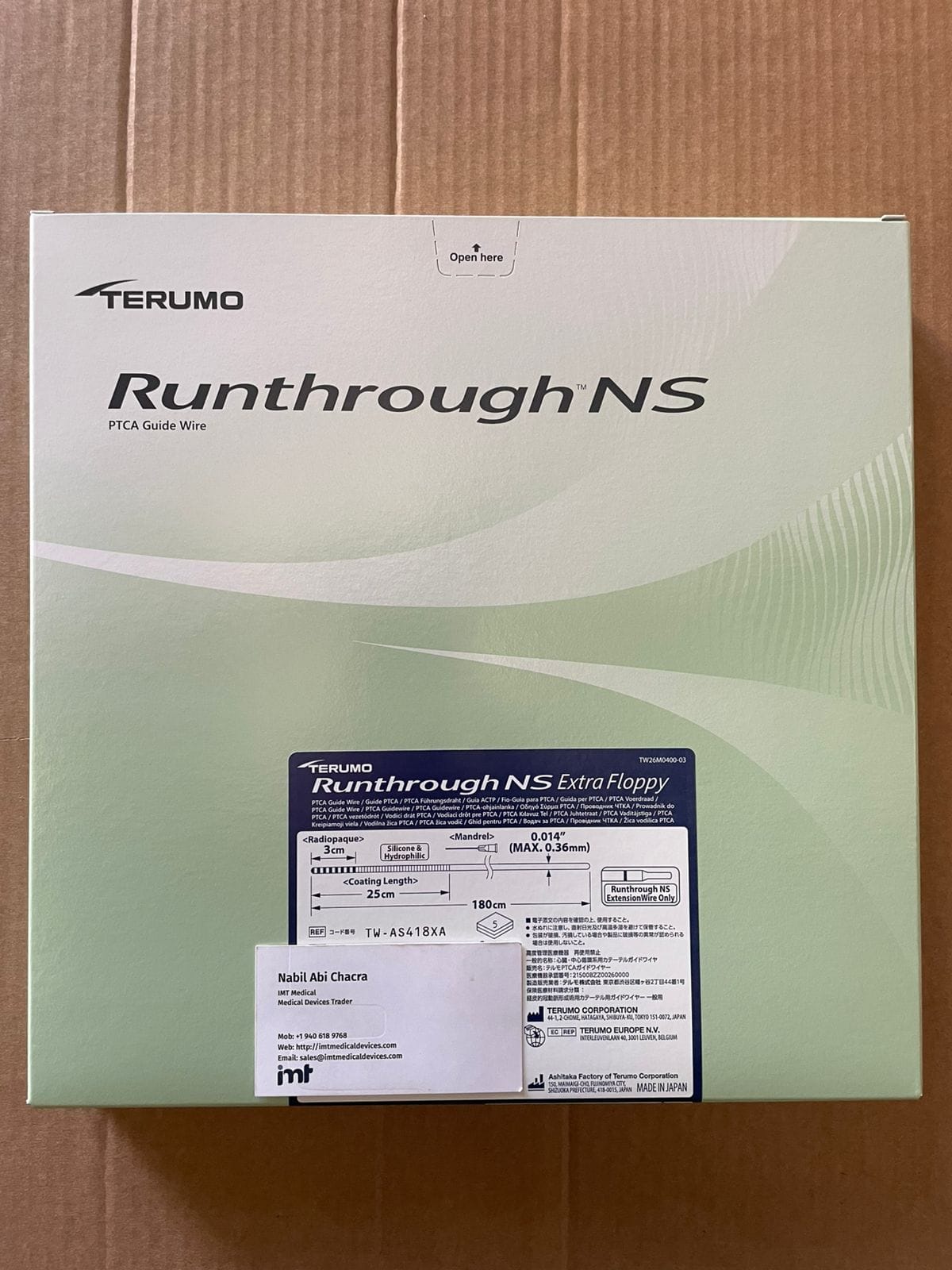
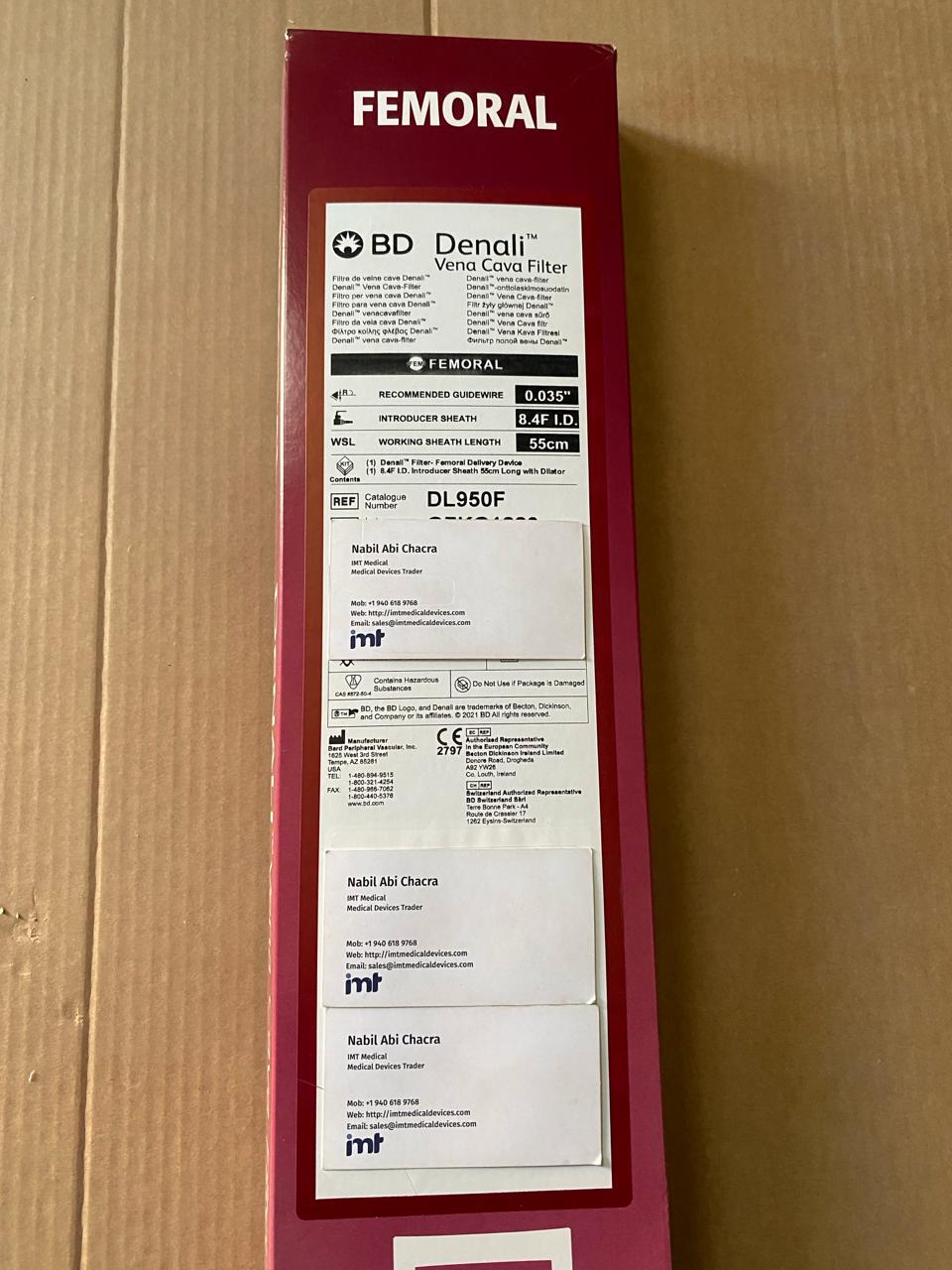
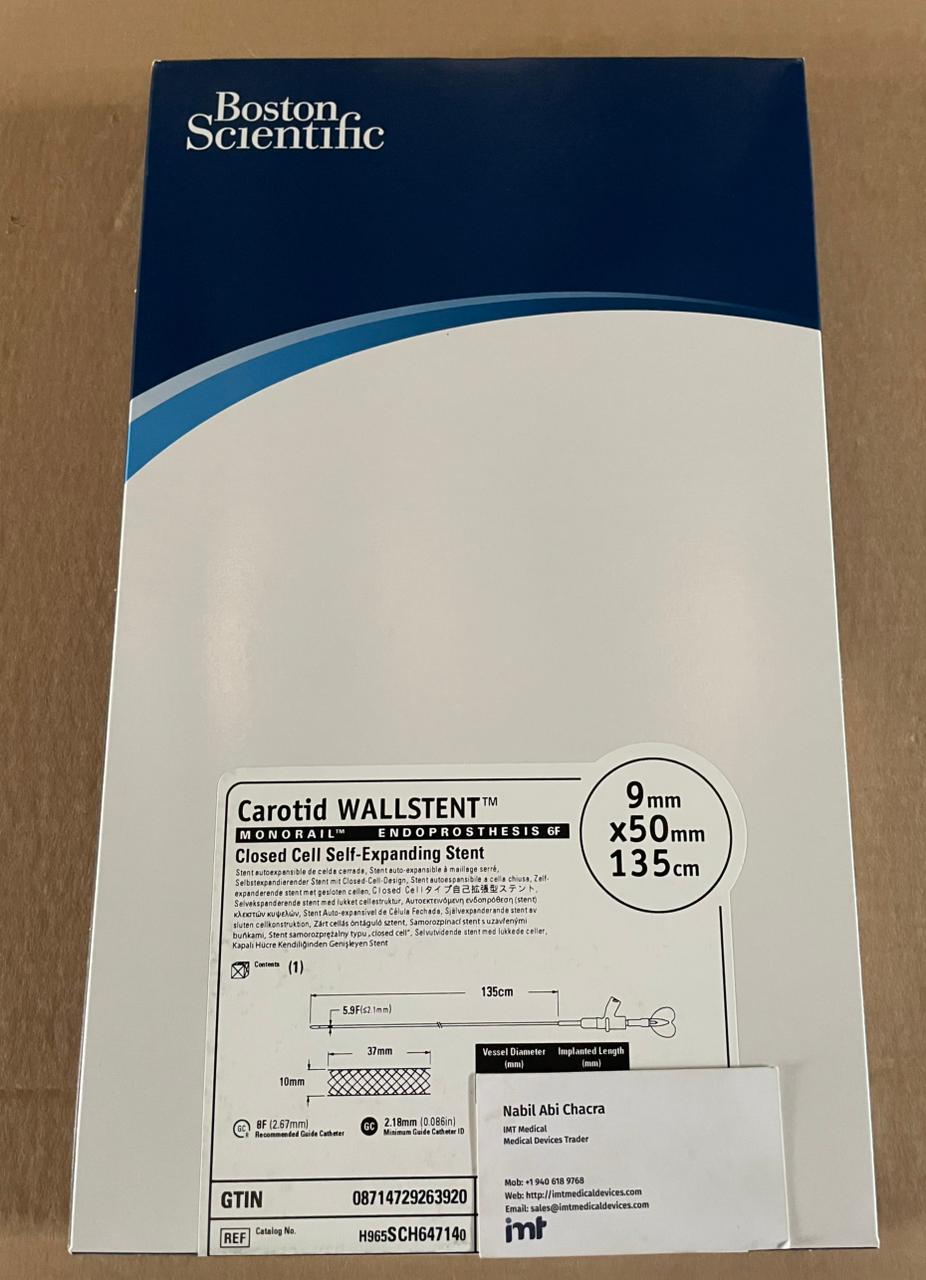
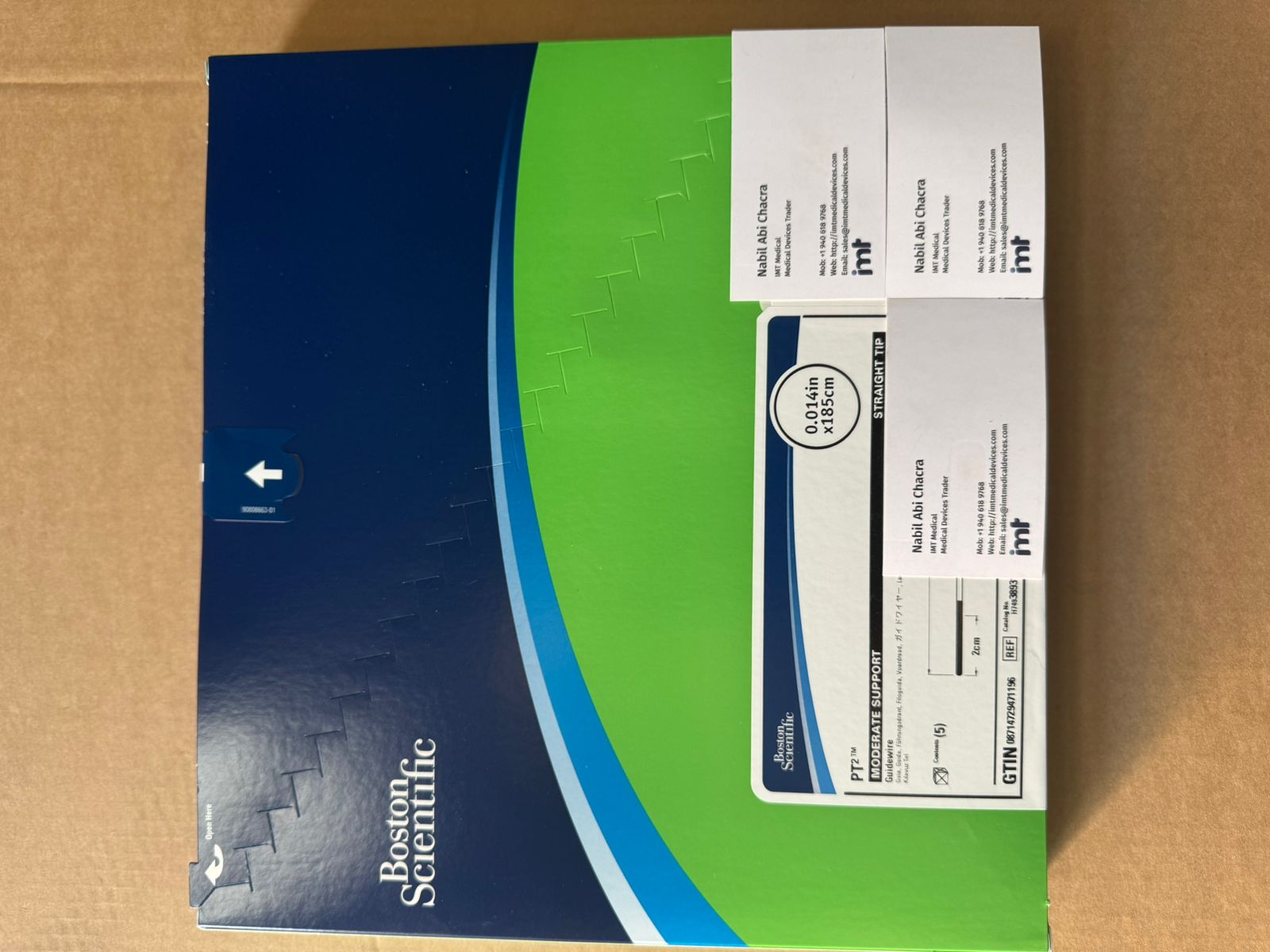
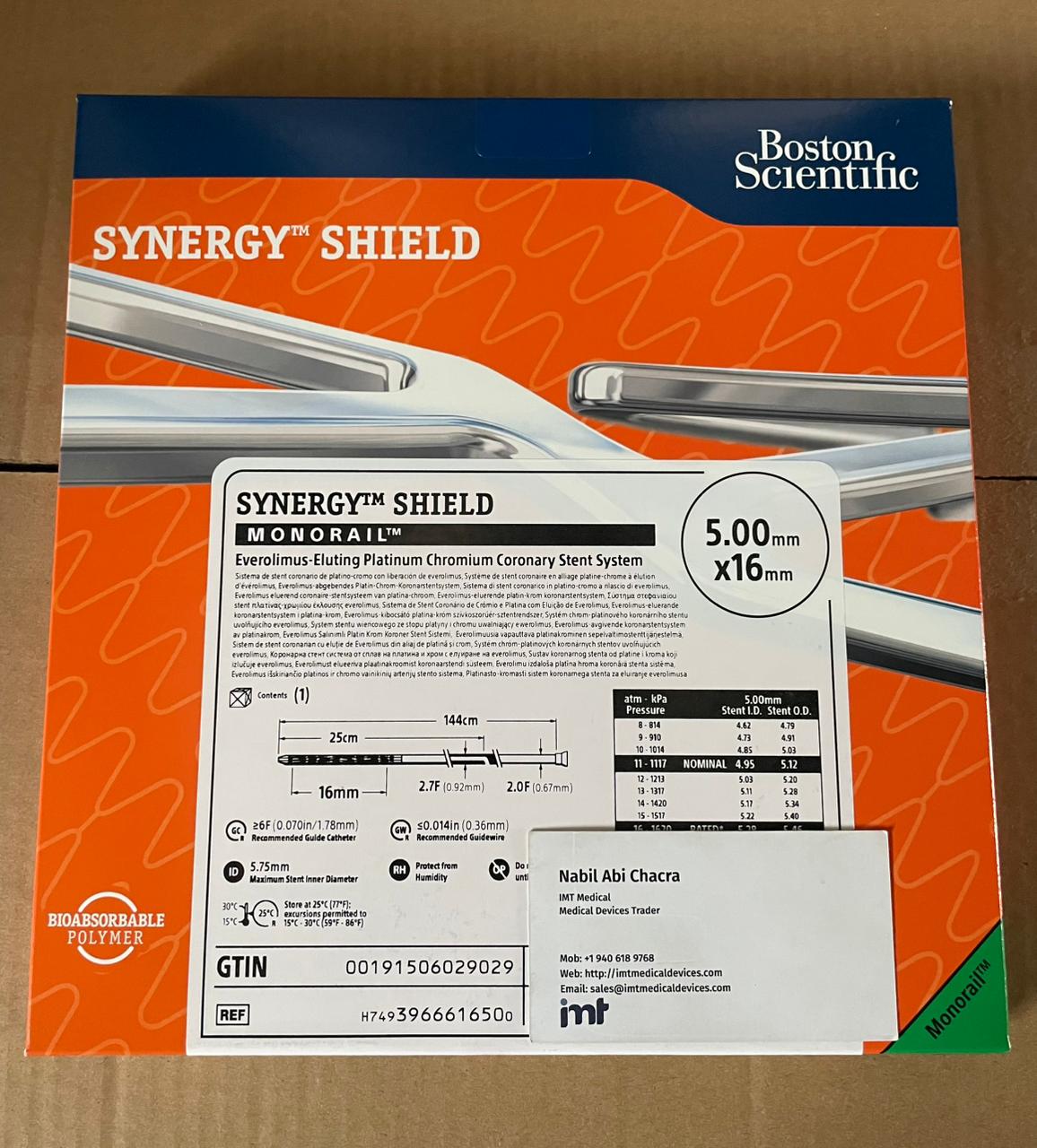
For buyers consolidating across multiple specialties, there is also a practical advantage in working with a distributor that handles more than one intervention line. If your team is sourcing aspiration catheters alongside guidewires, balloons, guiding catheters, micro catheters, coils, closure devices, or laboratory brands, procurement becomes more efficient when those requests can be managed through one wholesale channel. The benefit is not just convenience. It can improve quote consistency, shipping coordination, and vendor management.
The operational checks that matter most
When evaluating an aspiration catheter distributor, buyers should look beyond the product list. Catalog breadth has value, but operational reliability is what protects the purchasing cycle.
Inventory visibility is one of the first practical checks. Some distributors advertise wide availability but rely heavily on back-to-back sourcing without clear disclosure. That model can work in certain cases, but it should be transparent. If a product is sourced on demand rather than held or regularly moved, the buyer needs to know that upfront so case planning and safety stock decisions are based on reality.
Lead time discipline matters just as much. Reliable distributors do not simply state that a product is available. They clarify whether the item is in current stock, subject to allocation, or dependent on manufacturer replenishment. For procedure-driven categories, these distinctions affect purchasing behavior.
Documentation support is another major factor, especially for international buyers. Export shipments may require commercial documentation, packing details, product references, and country-specific handling awareness. A distributor with true export capability reduces friction by understanding those requirements before shipment, not after a delay occurs.
Communication quality is often overlooked until problems appear. A strong distributor answers with exactness. If the inquiry includes manufacturer, reference number, and quantity, the reply should reflect that same precision. Buyers should be cautious when responses come back with broad alternatives before the requested item has been addressed.
Aspiration catheter distributor selection in international procurement
International sourcing adds complexity that domestic-only vendors may not handle well. For buyers outside a manufacturer's primary local channel, the right aspiration catheter distributor can provide access to branded products that are otherwise difficult to consolidate through a single source.
That said, global supply is not automatically better. It depends on the distributor's process maturity. Cross-border medical procurement requires disciplined handling of quotations, packing, transit planning, and product identification. Buyers need assurance that the distributor understands international fulfillment as a core function, not as an occasional exception.
This is particularly relevant for organizations that procure across multiple departments or facilities. A hospital group, regional distributor, or specialized intervention center may want a single source for branded interventional cardiology, peripheral intervention, neurovascular, surgical, and laboratory products. In those cases, the distributor's export competency becomes part of procurement efficiency. It reduces the need to split orders among several local vendors with uneven capabilities.
For professional buyers, the trade-off is straightforward. Global sourcing may expand access to recognized brands and hard-to-source SKUs, but only if the distributor can support the administrative and logistical side with the same precision as the product side.
How to qualify a distributor before sending larger volume inquiries
Early qualification should be practical. Start with how the distributor handles a specific request. If you send a branded aspiration catheter inquiry with exact references, evaluate whether the response is aligned, complete, and commercially usable. A serious supplier should be able to speak in concrete terms about manufacturer, quantity, lead time, and quote structure.
Next, assess category alignment. If the distributor also supports adjacent interventional lines, that usually signals stronger market familiarity. It suggests the business is built around professional device procurement rather than opportunistic sourcing. For many buyers, this matters because aspiration catheter needs rarely occur in isolation.
It is also useful to test consistency over more than one inquiry. Some suppliers perform well on first contact but become less precise as order complexity increases. If your purchasing model includes repeat orders, batch procurement, or multisite supply, consistency matters more than a polished first reply.
Where relevant, ask about export handling, shipping documentation, and commercial terms early. This is not administrative detail. It is part of the supplier qualification itself. A distributor that can supply globally but cannot support the transaction cleanly may still create operational risk.
When a broader wholesale partner makes more sense
A specialized local source may be the right fit if your requirement is narrow, domestic, and tied to a single approved brand with predictable replenishment. But many institutional buyers operate in a different environment. They need access to multiple recognized manufacturers, support for varied intervention categories, and the ability to source branded devices in volume with fewer procurement touchpoints.
That is where a broader wholesale model becomes attractive. A supplier such as IMTMedicalDevices.com is positioned around that requirement - branded medical device sourcing across interventional cardiology, interventional radiology, peripheral intervention, neurovascular, laboratory, and surgical categories, with export support for buyers in multiple markets. For procurement teams, the value is practical: fewer vendors to manage, better category consolidation, and a sourcing structure built for professional inquiries rather than consumer transactions.
The right distributor is not just the one that says yes to the quote request. It is the one that helps your team buy the exact product with less friction, fewer corrections, and a clearer path from inquiry to delivery. In aspiration catheter procurement, that difference is usually visible long before the first shipment arrives.