
Choosing Coronary Stent Distributors
A cath lab schedule does not slip because a team forgot what to order. It slips because the exact stent SKU the physician uses is not available, the alternate is not approved on the shelf, or the paperwork to move product across borders is slower than the case volume.
That is the operational reality behind coronary stent distributors. For procurement teams, the distributor is not a “vendor.” It is a continuity layer between clinical preference cards, inventory policy, and the next patient on the table.
What coronary stent distributors actually control
The stent itself gets most of the attention, but distribution decisions usually determine whether the right device is in the building at the right time. A coronary stent distributor influences four practical outcomes: whether the product is authentic and traceable, whether the part number ordered is the part number delivered, whether the shipment arrives within the window your inventory policy assumes, and whether you can consolidate related coronary components through the same sourcing channel.
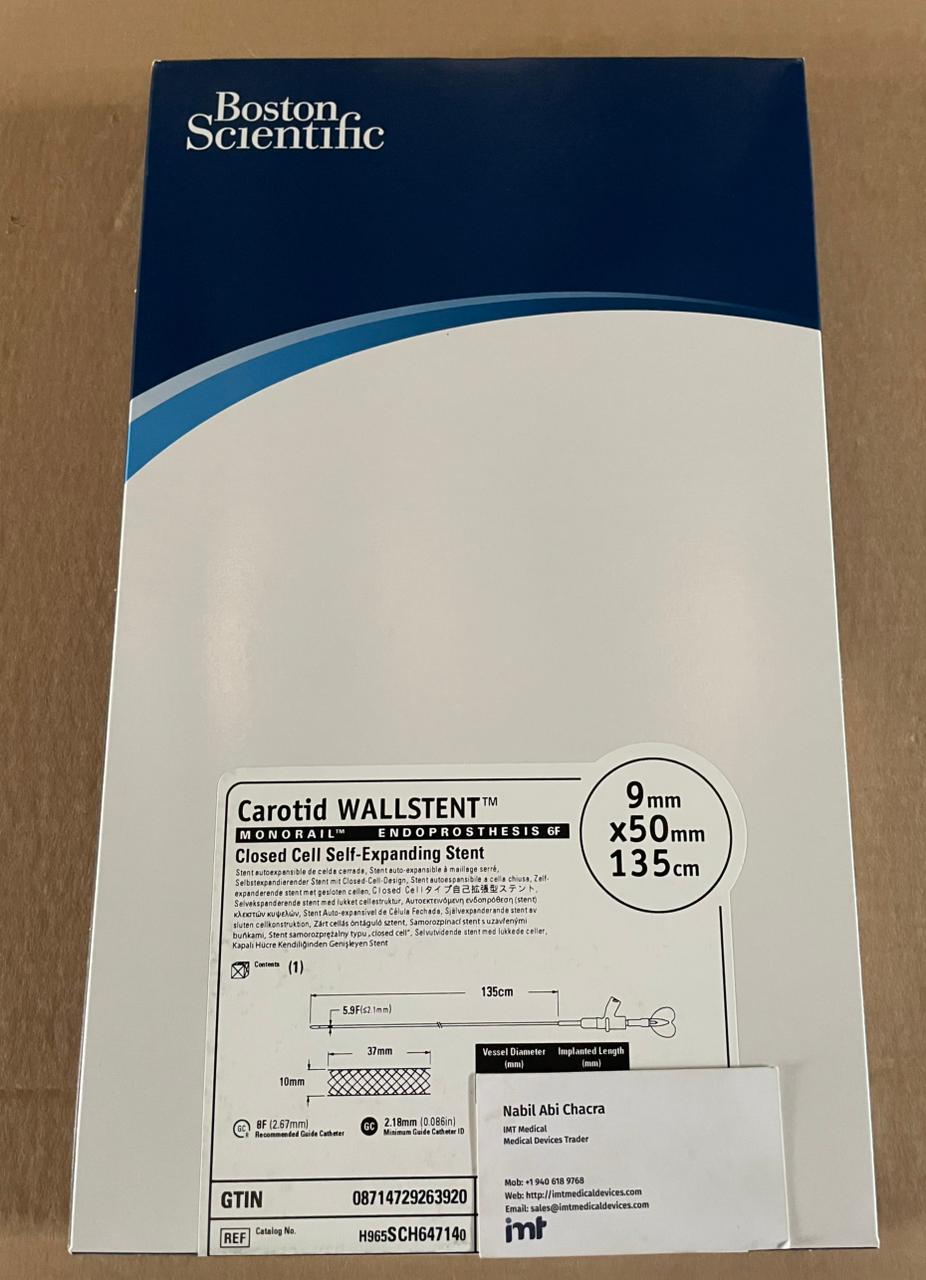
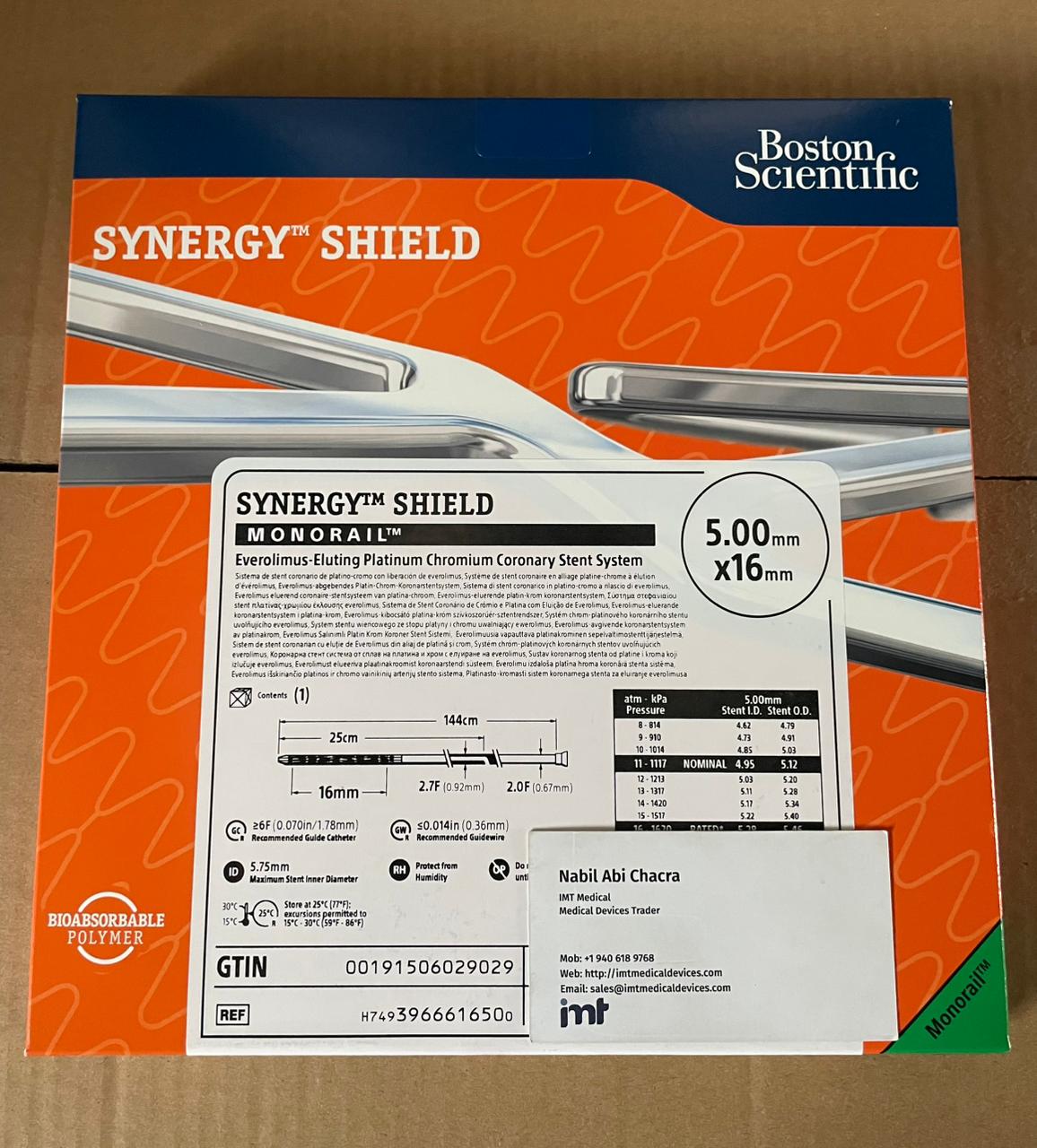
Most cath labs are not buying “a stent.” They are buying a specific branded platform in a specific diameter and length, with a specific delivery system configuration. That specificity is why distributor performance shows up quickly in procedure flow, not just in monthly spend.
How to evaluate coronary stent distributors (procurement criteria)
Start with SKU-level precision, not category claims
A distributor can list “coronary stents” and still be difficult to buy from. What matters is whether the catalog supports fast, unambiguous ordering: exact product names, clear brand attribution, and part numbers that match what your team uses on preference cards.
If your internal request reads like “DES 3.0 x 18,” you are already one step away from delays. Better distributors push buyers back toward the exact identifier so the quote, pick, pack, and receiving steps all reference the same SKU. That reduces substitutions, return authorizations, and the quiet waste of opening product that cannot be used.
Traceability and authenticity are non-negotiable
For coronary implants, you need documentation discipline. At minimum, your distributor should support traceability that aligns with your hospital’s receiving and implant logging process: lot/batch information, expiration visibility, and packaging integrity on arrival.
This is also where “it depends” shows up. Some facilities prioritize longest-dated inventory for standard stock, while others accept shorter dating for urgent replenishment. A distributor worth keeping can communicate what is available before the PO is finalized, not after the box arrives.
Availability is more than “in stock”
Availability has layers: what is physically on hand, what is committed to other orders, what can be allocated to you under an existing agreement, and what can ship under your required lane (domestic versus export). When a distributor is vague about any of these, your inventory plan becomes a guess.
Ask direct questions that match how you run the lab: can they support repeat ordering of the same coronary stent family, in the same common sizes, without gaps? Can they supply long-tail sizes that are rarely used but clinically necessary? The right distributor answers with specific lead times and clear constraints.
Export capability changes the evaluation
If you are buying across borders, the distributor is doing more than fulfillment. They are managing the operational friction that can turn a standard reorder into a weeks-long interruption.
Export-ready coronary stent distributors typically have tighter process control around documentation, packing, and shipment coordination. That includes invoice accuracy (matching your import requirements), consistent labeling, and predictable handoff to carriers. If export is part of your reality, treat it as a primary selection criterion, not a “nice to have.”
Breadth matters because procedures are systems
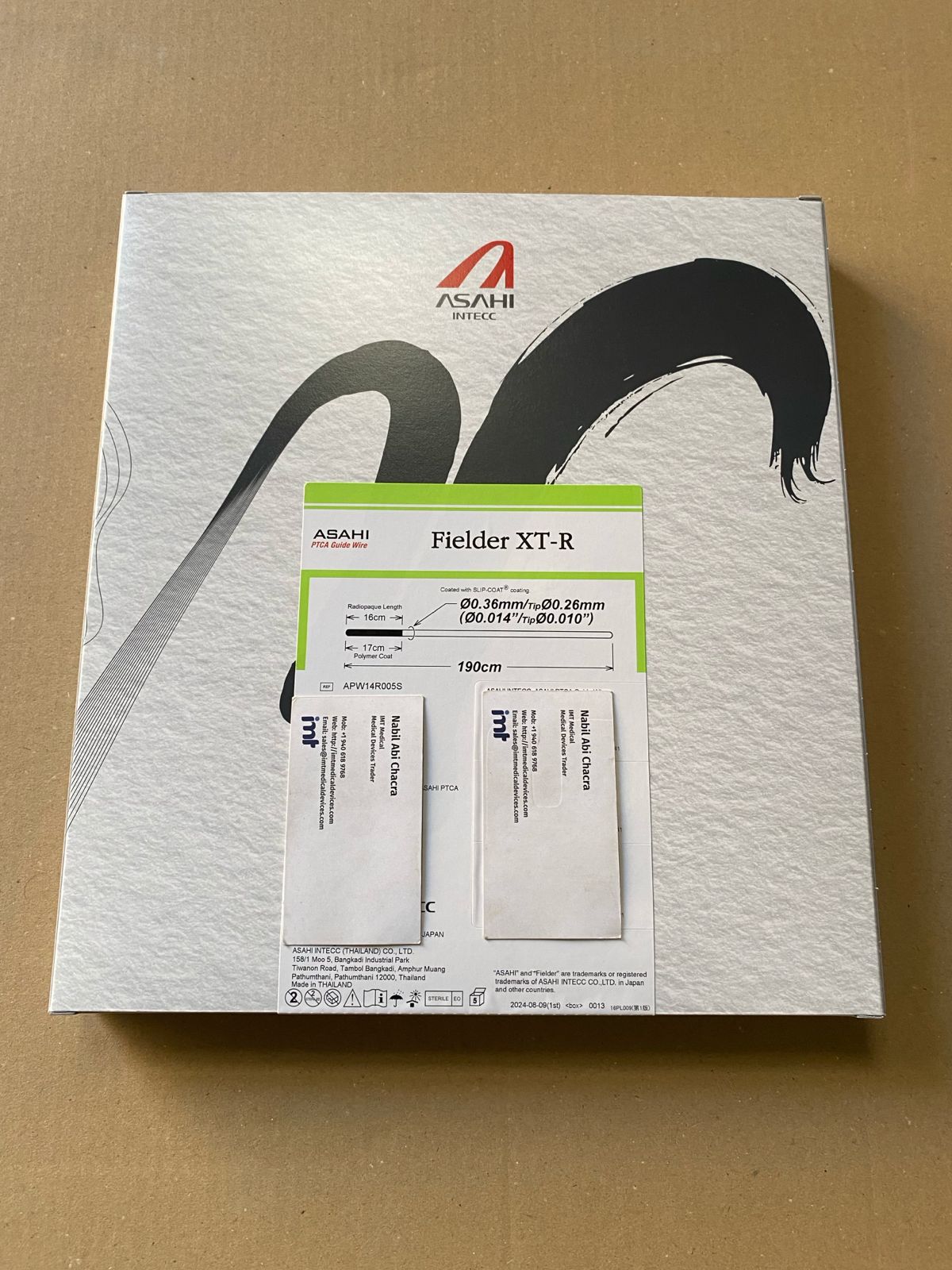
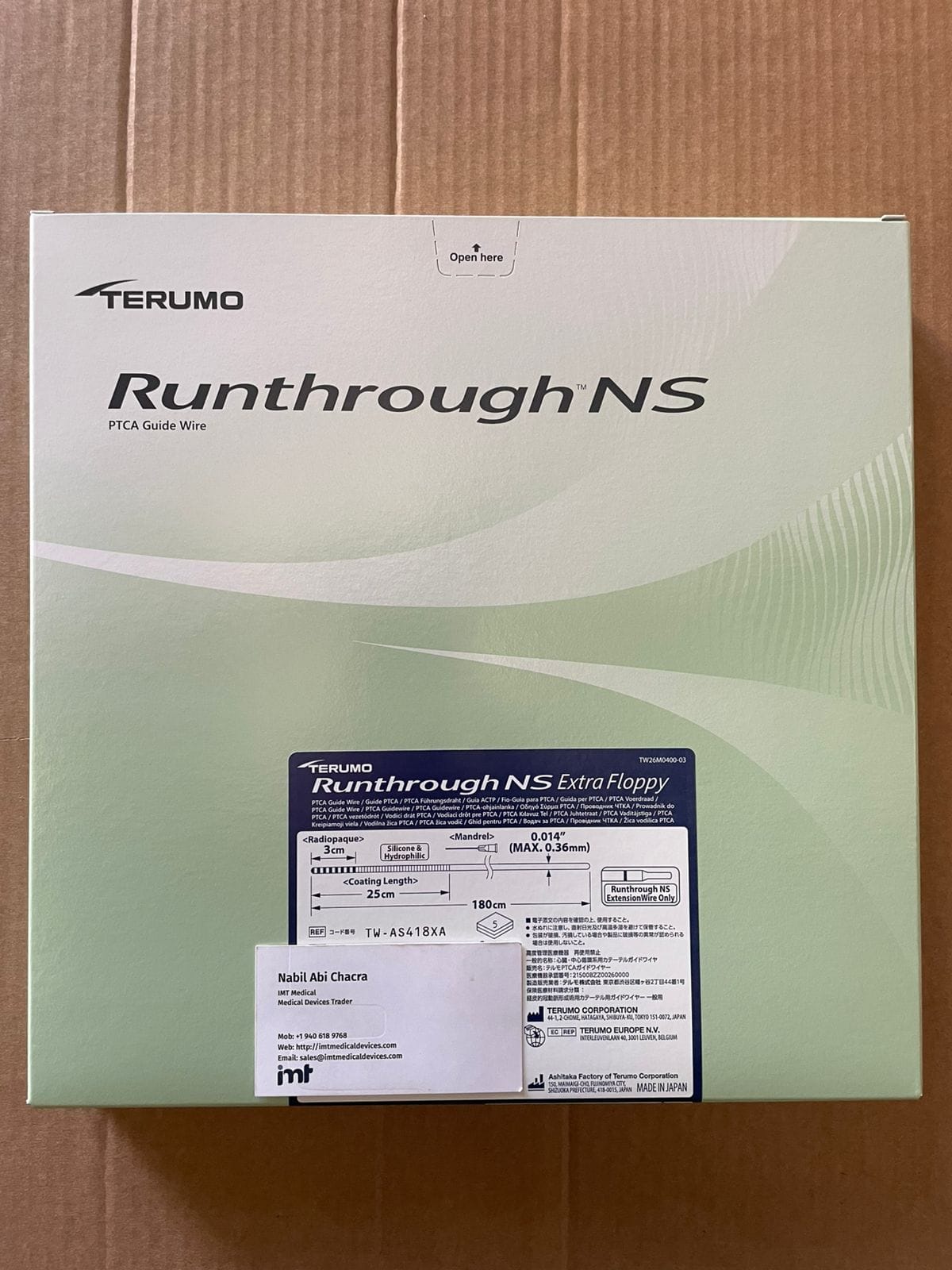
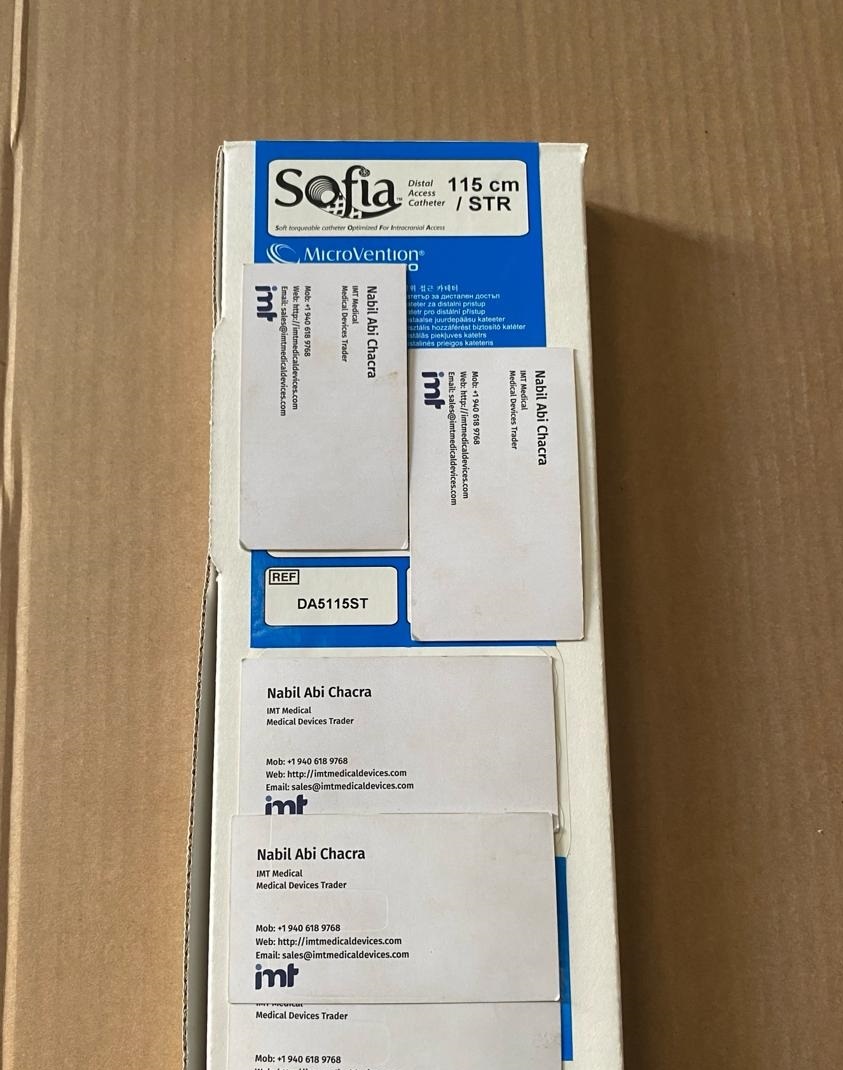
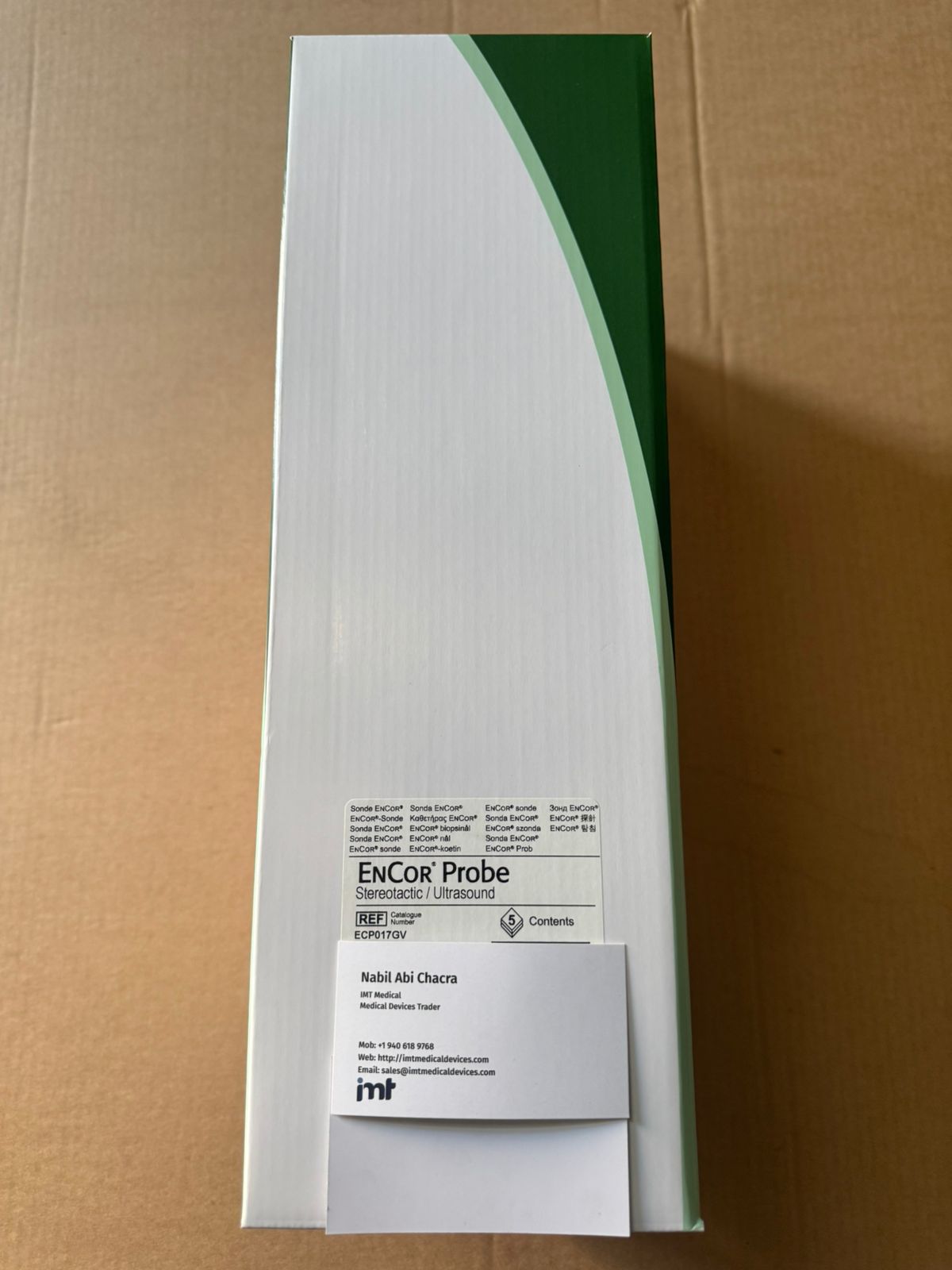
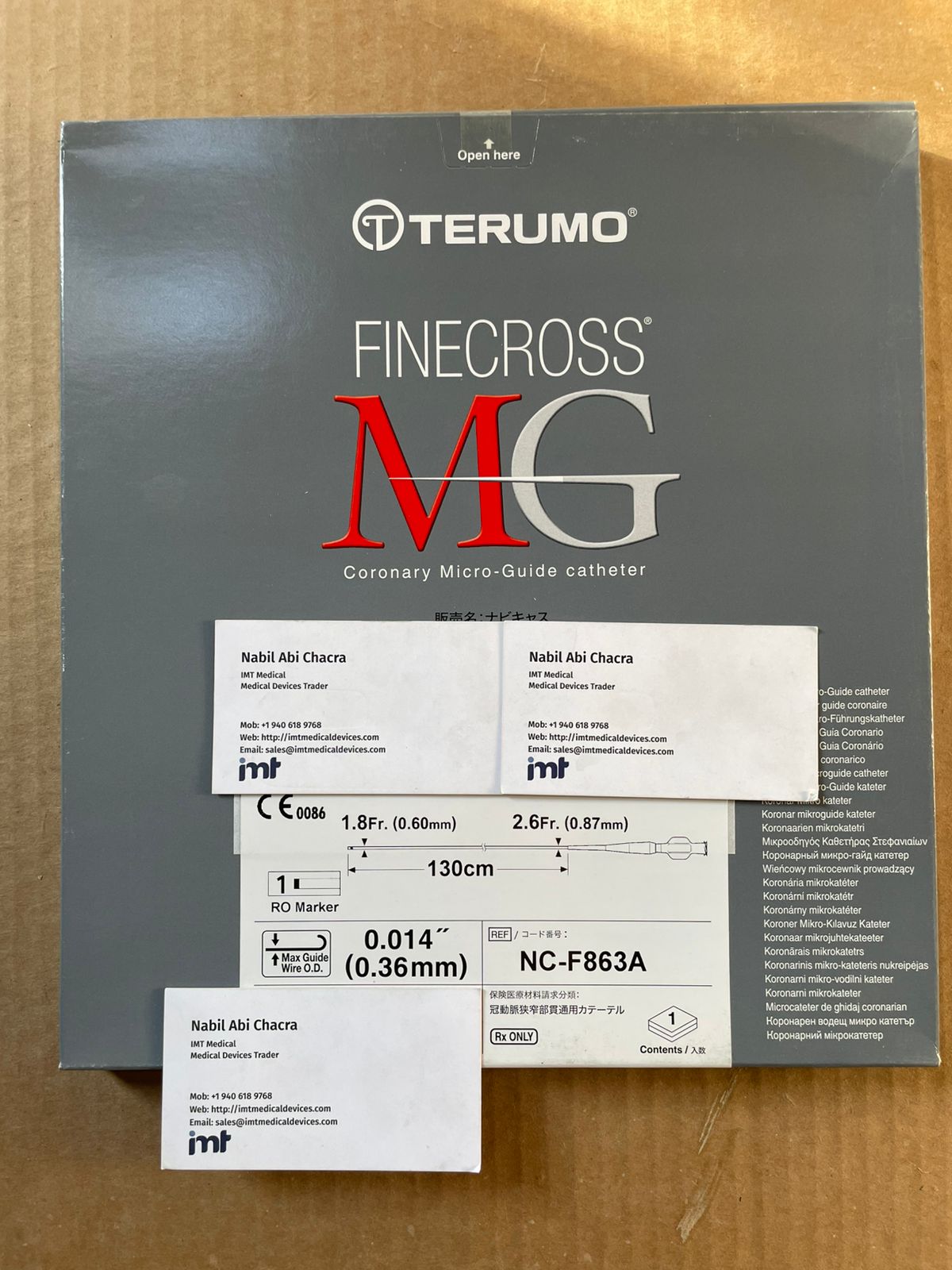
A coronary case is not only the stent. Procurement teams often need compatible components that match physician technique and existing inventory standards: coronary guidewires, balloon catheters (pre-dilatation and post-dilatation), guiding catheters, hemostasis valves, and closure devices.
Distributor breadth matters because it reduces vendor sprawl and quote chasing. Consolidation is not only about price. It is about fewer touchpoints when a case cart has to be rebuilt after an unexpected run of high-volume days.
What to look for in a distributor’s catalog strategy
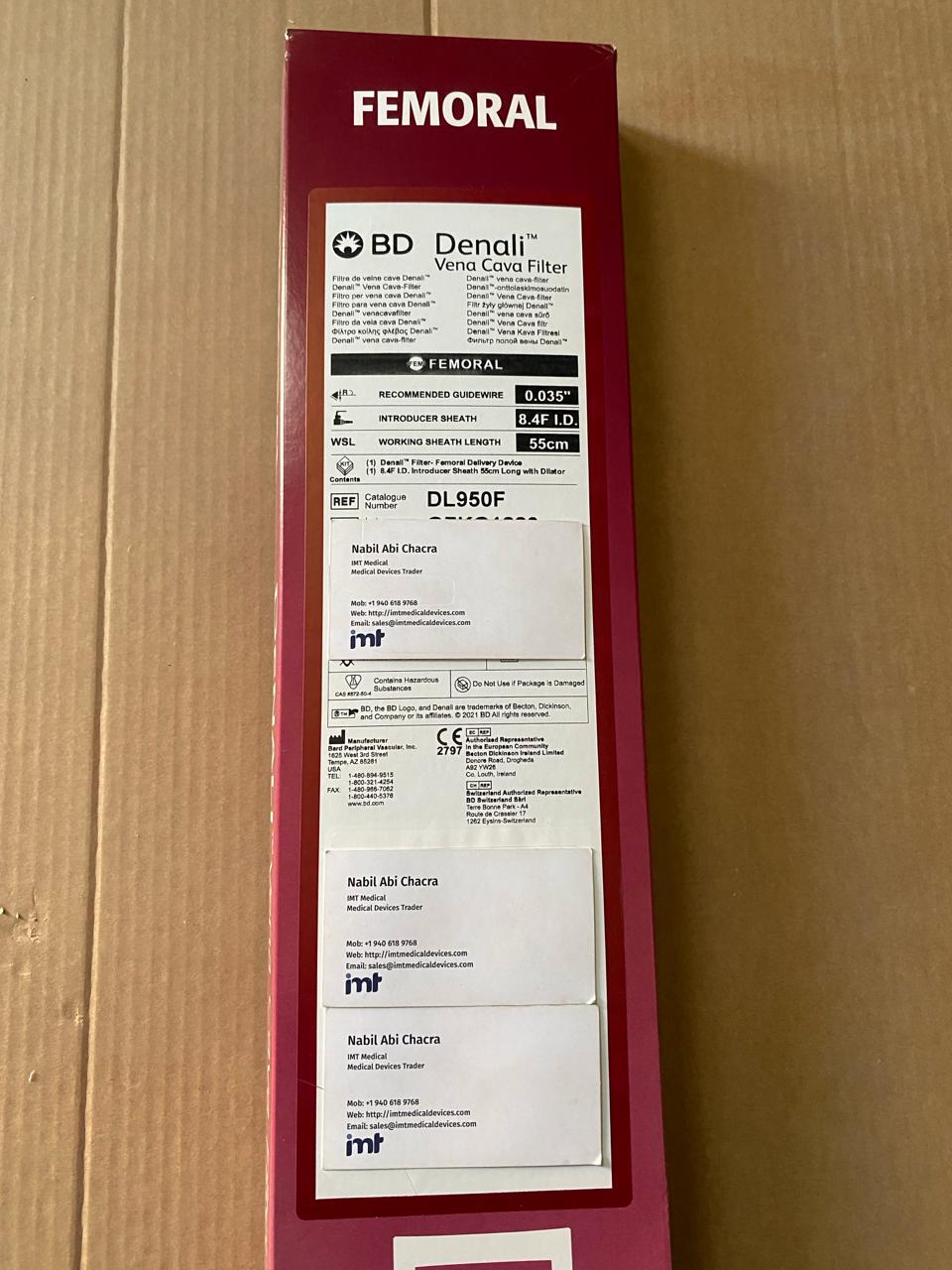
A distribution model that works for cath lab buyers looks more like a product index than a brochure. You should be able to navigate by procedure type (coronary, peripheral, neurovascular), then by device class, then by brand, and finally down to the exact part number.
That structure supports how orders are actually initiated. Many procurement teams already know the manufacturer and stent platform required. They need a clean path to the SKU and a fast quote workflow, not educational content.
When the catalog is organized this way, it also becomes easier to standardize internal ordering. A cath lab manager can reference a consistent naming convention, and supply chain can validate the same identifiers during receiving.
Major brand coverage and why it affects risk
Coronary stent distributors are often evaluated on whether they can source from the brands your physicians and value analysis committees have approved. That is straightforward on paper, but it becomes operationally meaningful when you are trying to reduce substitutions.
If your lab standardizes around specific manufacturers, a distributor that routinely supplies those branded SKUs reduces clinical variation and prevents last-minute cross-platform decisions. Distributors that export and carry broad branded inventory commonly support purchasing across major manufacturers used in interventional programs, including Medtronic, Boston Scientific, Terumo, Cordis, and Abbott, alongside adjacent procedural categories where brand preference is equally rigid.
This is not an argument for buying everything from every brand. It is a practical way to avoid the situation where you can get the stent but not the matching accessories your team routinely uses to deliver it efficiently.
The trade-offs: single-source vs multi-source purchasing
Single-source distribution can simplify ordering and reduce administrative time. The trade-off is dependency. If the distributor has a temporary supply constraint, your lab feels it immediately.
Multi-source purchasing reduces dependency, but it adds friction: multiple quotes, multiple shipping schedules, multiple invoice formats, and more receiving complexity. Some facilities split the difference by standardizing primary sourcing through one distributor and maintaining a small secondary channel for urgent gaps or uncommon sizes.
The right answer depends on your procedure volume, the volatility of your demand curve, and how strict your internal controls are around substitutions.
Quote workflows: where delays typically start
In cath lab procurement, the quote is often the real transaction. If a distributor’s quote workflow is slow or ambiguous, everything downstream slows with it.
A functional quote process should make it easy to submit part numbers, quantities, and required delivery windows, then receive a response that clearly states availability, dating, and shipping terms. The best workflows also reduce back-and-forth by letting you attach a list, map it to SKUs, and confirm what will be shipped before you commit.
A product-led distributor model that supports browsing by category and requesting a “personalized offer” is usually closer to how procurement teams actually buy, especially when the order spans multiple interventional disposables.
Operational checks that prevent receiving headaches
Distributors either reduce receiving work or create it. Small errors compound quickly when you are managing implants.
At minimum, align on how items will be labeled on documentation, how backorders are communicated, and whether partial shipments will occur. Also clarify whether the distributor can hold product for consolidation into one shipment if your receiving team prefers fewer deliveries.
If you are managing par levels for coronary stents, ask for consistency: repeated fills of the same SKUs, not a different interpretation of “equivalent” each time. Equivalence is a clinical discussion, not a warehouse decision.
Where IMT Medical Devices fits for buyers who need branded breadth
For teams that want a catalog-first approach with branded interventional inventory across coronary, peripheral, and neurovascular categories - and a quote workflow designed for SKU-level purchasing - IMT Medical Devices operates as a specialized supplier with export support and broad coverage across major manufacturers.
A closing thought for cath lab procurement
If you want fewer urgent emails and fewer “can we use something else” conversations five minutes before a case, treat coronary stent distributors as part of your clinical continuity plan. The best relationships are built on exact part numbers, predictable availability, and a quote process that respects how fast your lab has to move.