
Coronary Guidewire Buying Essentials
A coronary guidewire order usually becomes urgent at the worst possible moment - when a cath lab needs continuity, a distributor needs a fill-in source, or a physician is trying to avoid a preventable delay. In those situations, the discussion is rarely about theory. It is about exact product identification, coating type, tip load, shaft support, brand preference, and whether the required item can ship without unnecessary back-and-forth.
For procurement teams and distributors, buying a coronary guidewire is less about broad category knowledge and more about matching a known procedural need to a specific branded device. The practical issue is straightforward: the wrong wire profile can create handling compromises, while the wrong sourcing partner can create operational risk. Both matter.
What buyers need to confirm on a coronary guidewire
A coronary guidewire may look like a narrow product category from a distance, but in purchasing terms it is a specification-driven segment with meaningful variation. Buyers typically start with the physician's requested brand and reference, then verify whether substitutions are acceptable. In many labs, they are not.
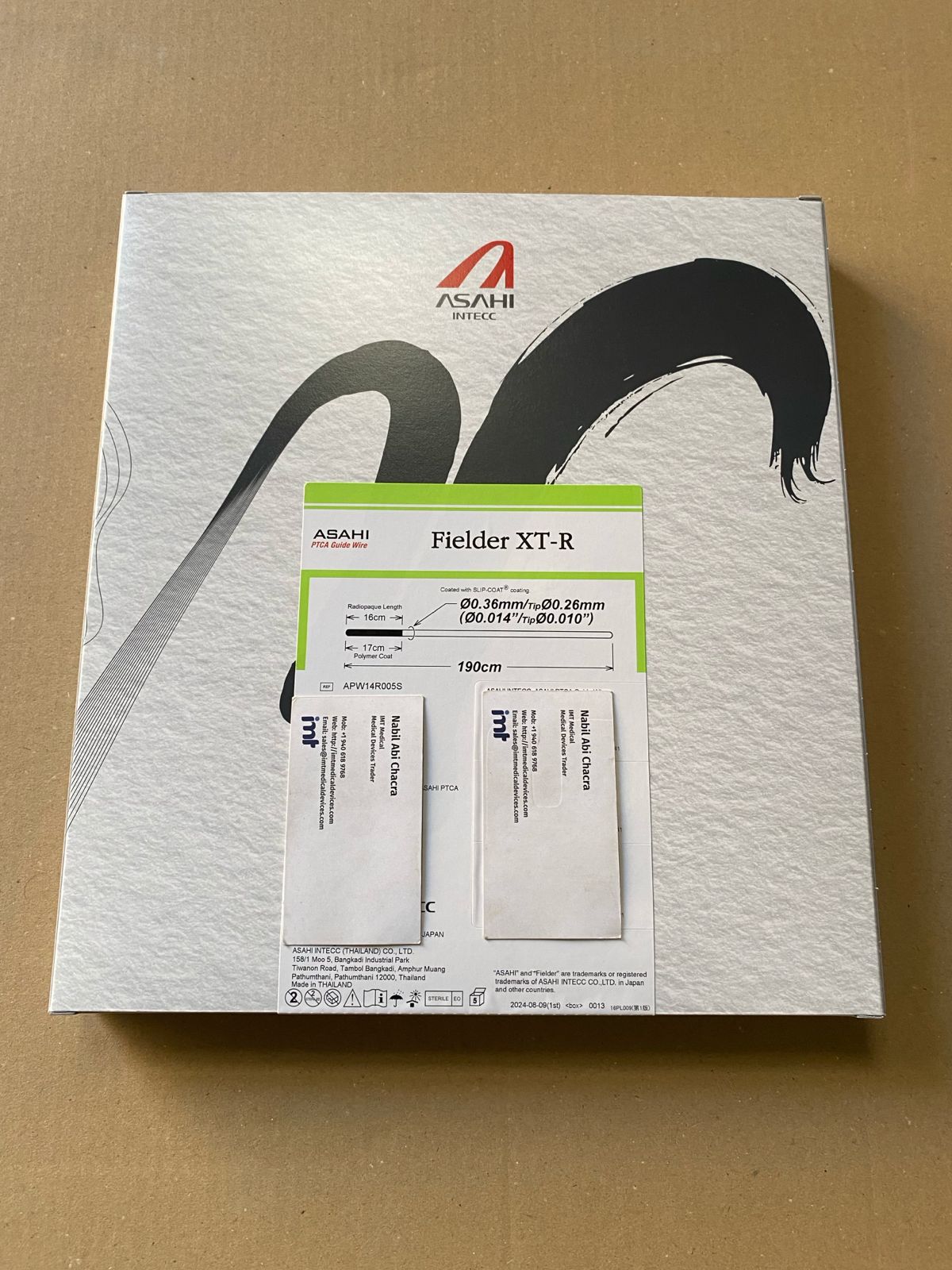
The first checkpoint is core wire identity. That means brand, family, and exact part number. A request for an Asahi SION, Asahi Fielder, Abbott BMW, Boston Scientific Choice, or a specialty CTO-oriented wire is not interchangeable just because the outer dimensions appear similar. The operator is usually asking for a specific tactile response and lesion-crossing behavior developed through experience.
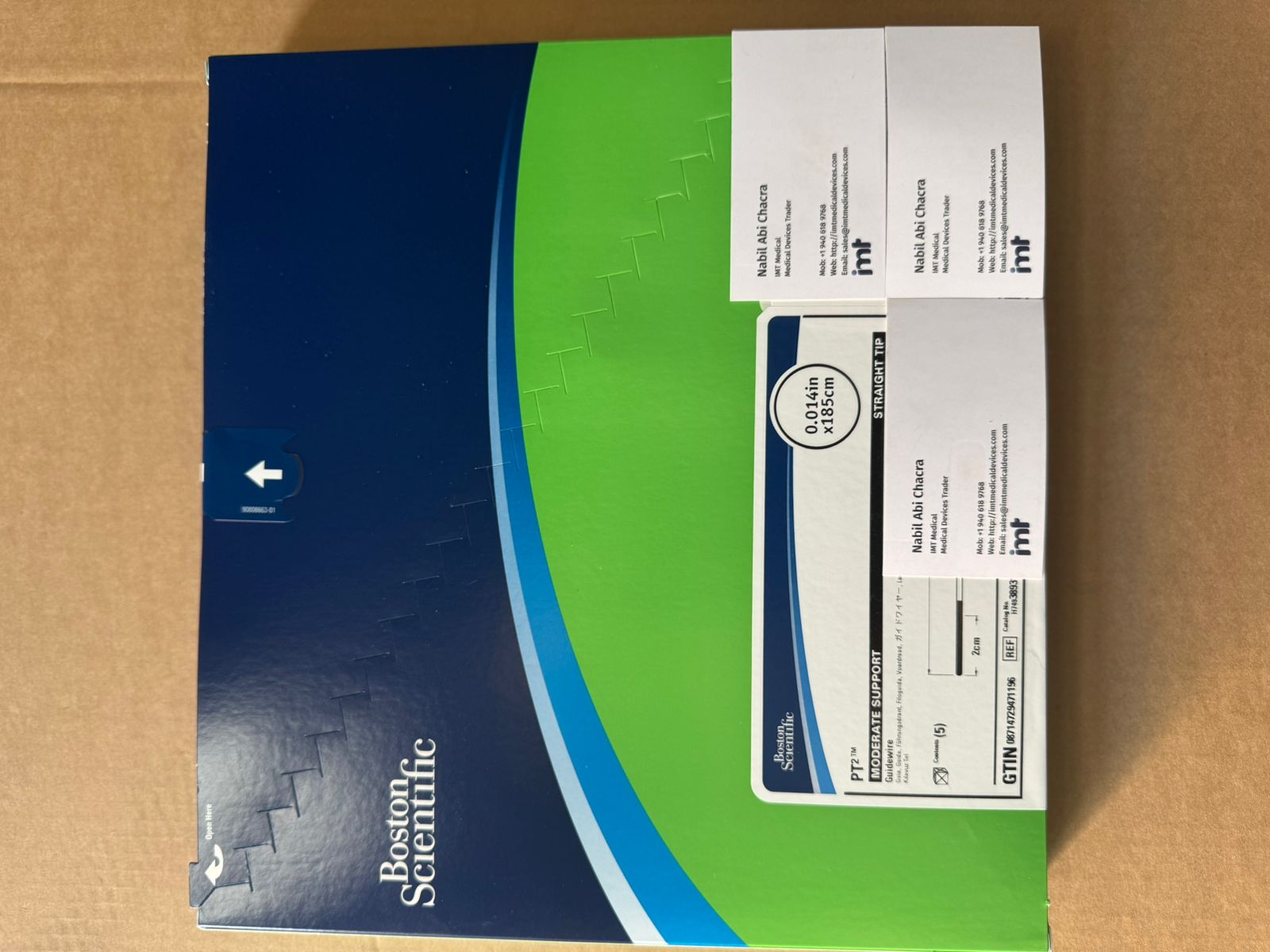
The second checkpoint is construction profile. Procurement teams should confirm diameter, usually 0.014 for routine coronary work, along with wire length, tip configuration, coating, and support level. Hydrophilic and polymer-jacketed options may be preferred for trackability and lesion crossing, while workhorse wires often remain the default for broad everyday use. More supportive wires can help device delivery, but they may change feel and handling. That trade-off should not be treated lightly when confirming alternatives.
The third checkpoint is packaging and shelf-life control. A coronary guidewire is a high-acuity interventional device, so lot traceability, labeling clarity, and expiration visibility are part of the procurement decision. This matters even more when hospitals are sourcing outside their incumbent local distributor and want to reduce receiving friction.
Coronary guidewire categories that affect purchasing
Not every buyer needs a clinical tutorial, but category clarity speeds quoting. In most RFQs, the request falls into one of a few functional groups.
Workhorse wires
These are the standard-volume products in many coronary procedures. They balance steerability, support, and general deliverability. Buyers often keep these as recurring stock lines because demand is predictable and physician familiarity is high. If the request is for daily-use inventory, the quote should prioritize exact brand matching and stable replenishment.
High-support and specialty support wires
These are usually requested when device delivery is a concern. Extra support can help in tortuous anatomy or when advancing balloons and stents becomes difficult. The trade-off is that higher support characteristics may alter wire feel and may not be preferred as a default line item for every operator.
Hydrophilic and polymer-jacketed wires
These wires are commonly selected for their lubricity and crossing characteristics. For purchasing teams, the key point is that coating type is not a minor detail. It directly affects what the physician expects from the device. If a request specifies hydrophilic performance, a dry-coated or conventional workhorse substitute may not be acceptable.
CTO and advanced lesion wires
This is where procurement errors become expensive. Chronic total occlusion cases and other complex lesion sets often require very specific wire families with known tip loads and penetration profiles. In this segment, exact part numbers matter even more than usual. A broad category match is often not enough.
Brand and part number matter more than category labels
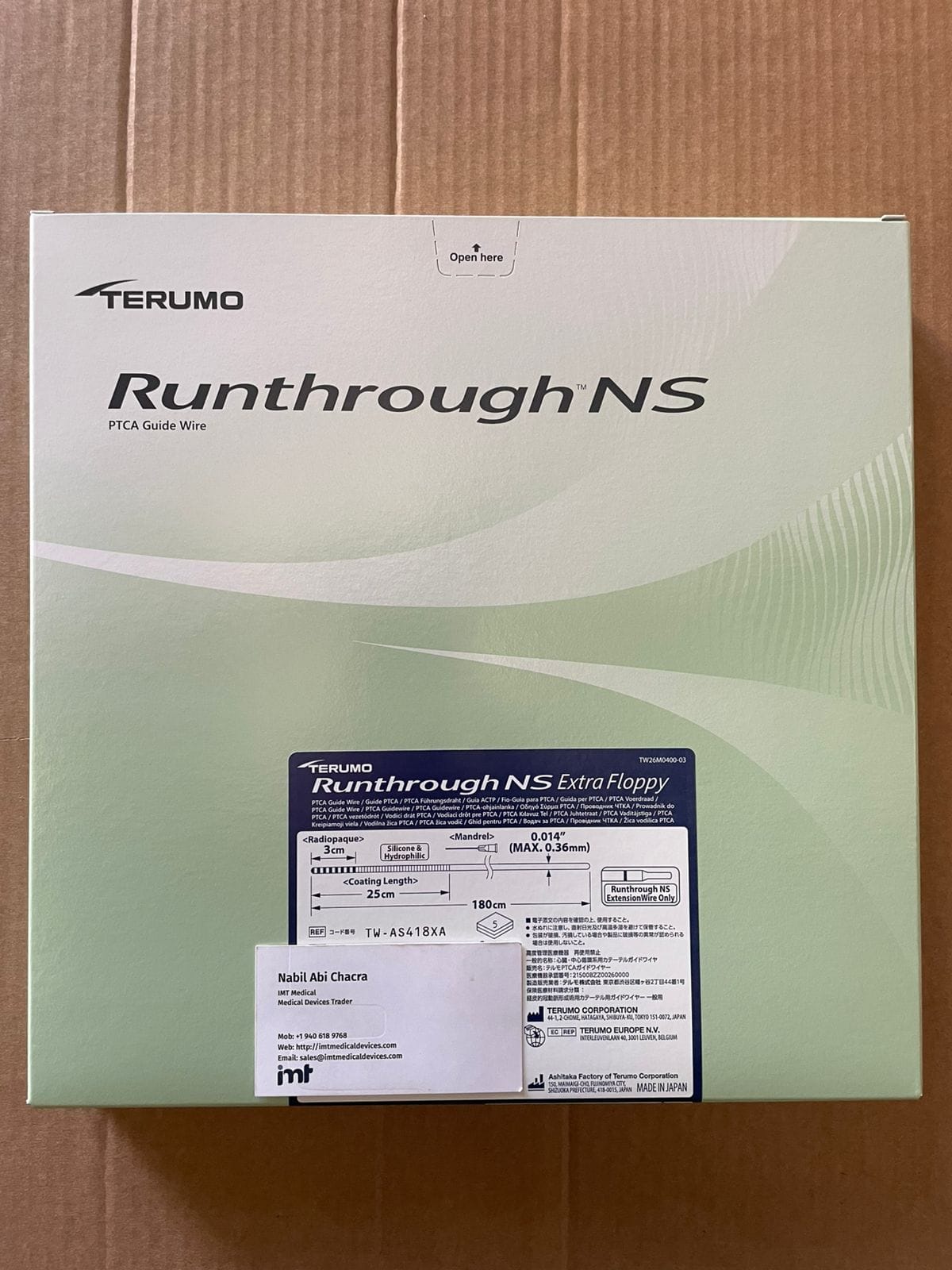
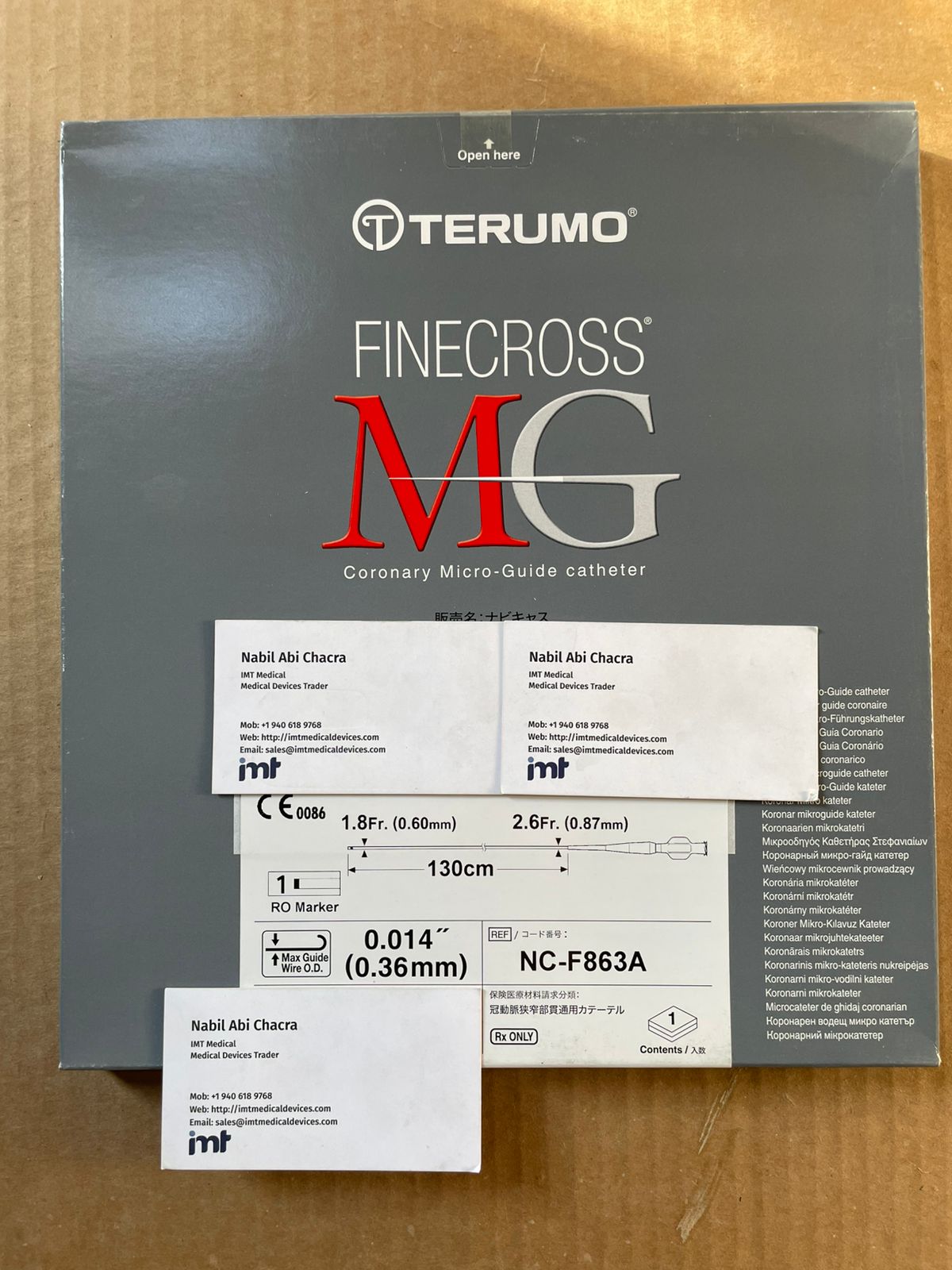
Cath labs do not purchase by generic description alone. They purchase by established operator preference, formulary history, and precise product performance. That is why recognized manufacturers remain central in this category, including Asahi, Boston Scientific, Abbott, Medtronic, Terumo, and Cordis where applicable to the requested inventory profile.
A buyer may receive a request that seems simple, such as a coronary guidewire in 0.014-inch format, but that description is incomplete without the exact branded model. Even within a single manufacturer's portfolio, similar-looking wires can differ substantially in tip behavior, torque response, and support. Those differences affect acceptance.
For that reason, quote workflows should start with the original reference whenever possible. If an alternative is needed because of availability, the discussion should move through measurable characteristics, not assumptions. Support level, coating, wire length, shaft construction, and intended use category should all be confirmed before any substitution is proposed.
Sourcing risk is often the real problem
In practice, many purchasing issues around guidewires are not caused by product complexity alone. They are caused by constrained local distribution, incomplete stock visibility, or slow quote response. Hospitals and competing distributors often start looking for secondary supply channels only after those issues become recurring.
That is where a distributor's operating model matters. Buyers need fast confirmation on branded availability, manufacturer origin, labeling, and commercial terms. They also need confidence that the source understands cath lab ordering behavior. A generic medical wholesaler may be able to identify a wire category. That is not the same as being able to process a precise request for a specific coronary line without delay.
For international buyers in Gulf countries, Latin America, Asia, China, or Russia, this becomes even more practical. Lead time, export handling, and document accuracy can determine whether a quote is actually useful. If a supplier cannot confirm product identity cleanly and quickly, the transaction slows down before it starts.
What a faster RFQ looks like
A clean RFQ for coronary guidewire procurement usually contains the exact manufacturer name, product family, part number, required quantity, and target delivery destination. If the requested item is flexible on length or package configuration, that should be stated upfront. If not, the quote process should assume no substitution.
It also helps to indicate whether the request is for immediate case support, regular replenishment, or distributor resale. Those are different buying situations. Immediate case support prioritizes speed and available stock. Replenishment may prioritize repeatability and pricing consistency. Distributor resale usually requires clearer packaging details and commercial documentation.
When buyers omit the part number, quote accuracy drops. The result is avoidable clarification cycles. In a category as specification-sensitive as coronary guidewires, that delay has no value.
Why procurement teams should resist over-standardizing
There is understandable pressure to simplify inventory. Standardization can reduce SKU count and make replenishment easier. But with coronary guidewire purchasing, over-standardization can create friction if it removes the products physicians actually rely on.
A lean formulary works best when it reflects real procedural demand rather than procurement convenience alone. Workhorse lines can often be consolidated. Specialty wires usually cannot. Keeping a narrower stock profile may improve efficiency, but only if the remaining products still cover routine PCI, difficult anatomy, and advanced lesion needs without forcing last-minute exceptions.
That balance depends on the lab. A center handling straightforward volume may need fewer specialty references. A high-complexity site will often require broader wire coverage and tighter availability control.
How branded inventory supports better decisions
For professional buyers, confidence comes from specificity. Recognizable manufacturer names, exact references, and clear product matching reduce the risk of receiving an item that is technically similar but operationally wrong. In interventional purchasing, that distinction matters.
At IMTmedicaldevices.com, the most useful conversations usually begin with product identity, not marketing language. If a hospital, physician, or distributor already knows the coronary guidewire required, the sourcing process should move directly to availability, quote turnaround, and shipping feasibility. That is the shortest path to a workable order.
A practical closing point: when the next guidewire request reaches your desk, treat the part number as the starting point and the supply path as the second decision. Getting both right is what keeps the procedure schedule moving.