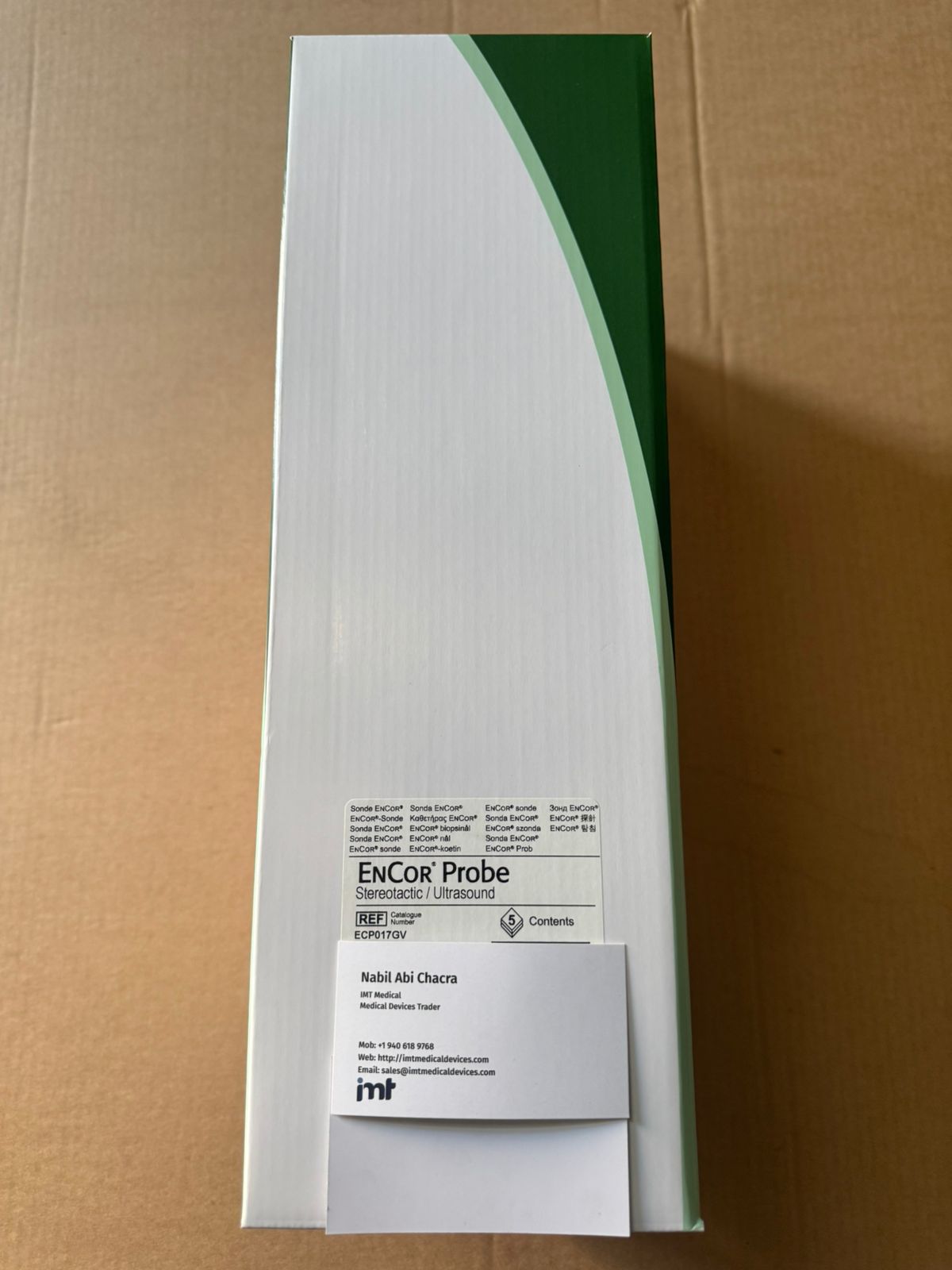

Coronary Stent Export Case Study
A cath lab does not usually call because it wants options. It calls because a scheduled PCI is approaching, local allocation is tight, and the exact coronary stent platform on the physician preference card is not available.
That is where a case study exporting coronary stent supply becomes useful. Not as marketing. As an operational model. Buyers in hospitals, independent distributors, and physician-led procurement channels need to know what actually happens between quote request and delivered product when branded inventory must move across borders under time pressure.
This article outlines a representative export scenario for coronary stent supply, with the procurement details that matter most: exact product matching, regulatory checks, batch traceability, packing discipline, and lead-time control.
Case study exporting coronary stent supply: the procurement problem
In this case, the buyer was a cardiovascular hospital managing intermittent shortages of branded coronary stents. The clinical team had an established preference for specific platforms and sizes, and switching to an unfamiliar product was not the first choice. The local distributor could not confirm near-term availability for all required references.
The order requirement was not broad. It was precise. The hospital needed coronary stents from recognized manufacturers, with exact size combinations and packaging integrity confirmed before dispatch. The request also included related interventional items to support continuity in the cath lab workflow, not just the stents themselves.
That distinction matters. Exporting coronary stent supply is rarely about moving a single SKU in isolation. It is usually tied to physician preference, current stock on hand, upcoming case mix, and the risk of partial fulfillment. A quote that covers only the headline item but misses compatible balloons, guidewires, or backup sizes can create a second shortage a few days later.
What the buyer needed to control
The buyer's first priority was not price alone. It was procurement certainty. For coronary stents, that means validating the exact branded product, manufacturer, size matrix, and unit condition before payment and shipment.
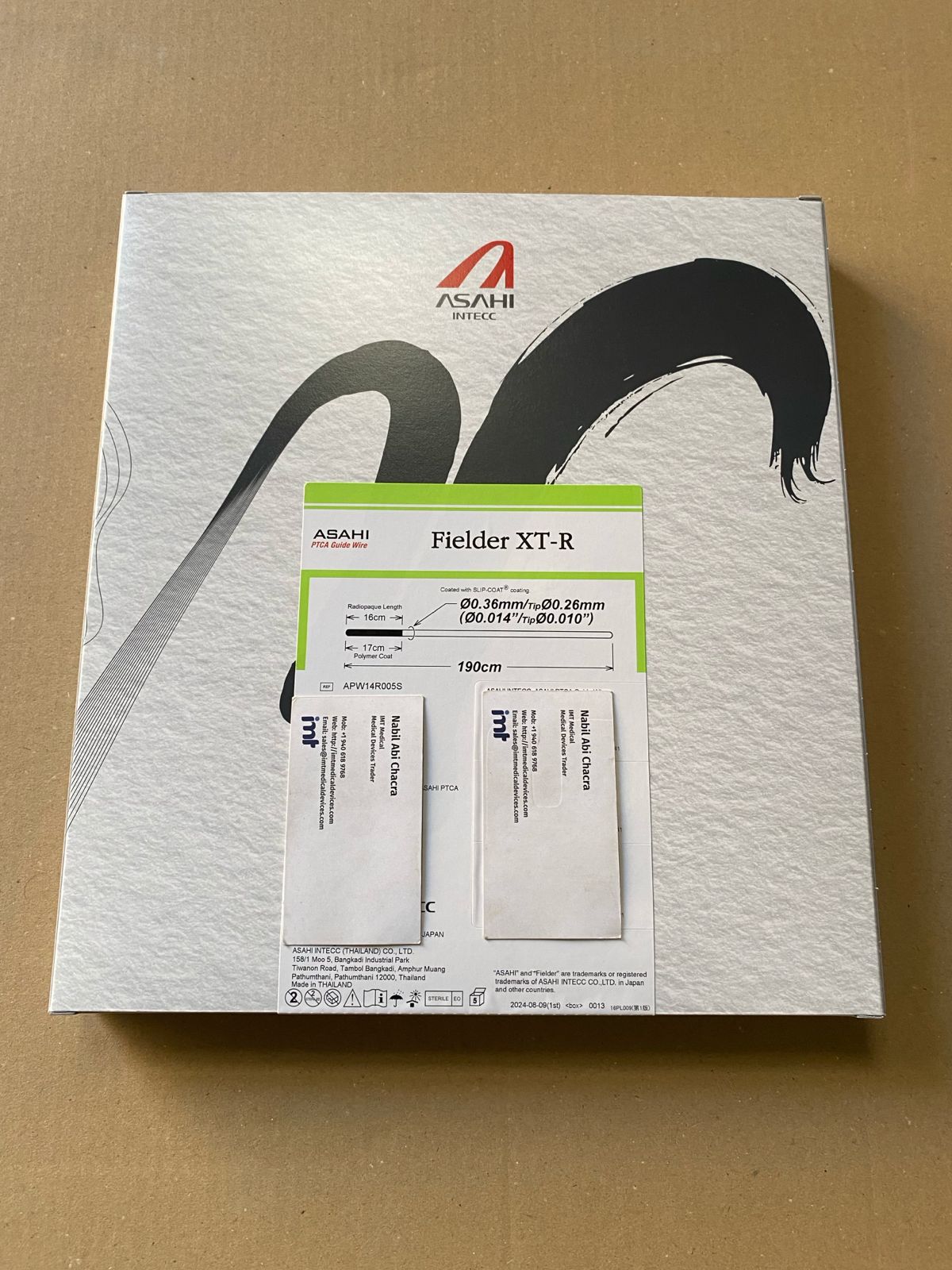
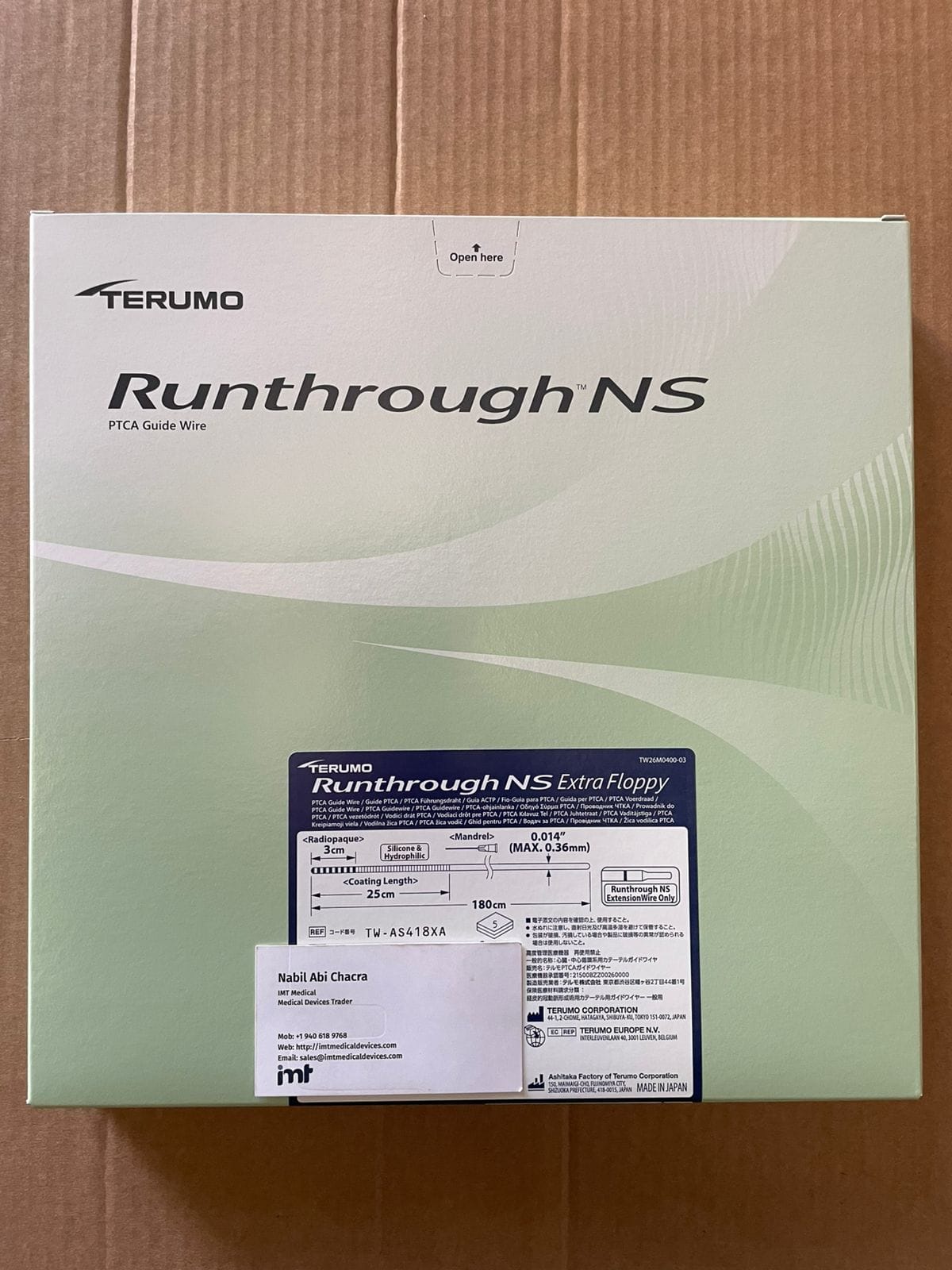
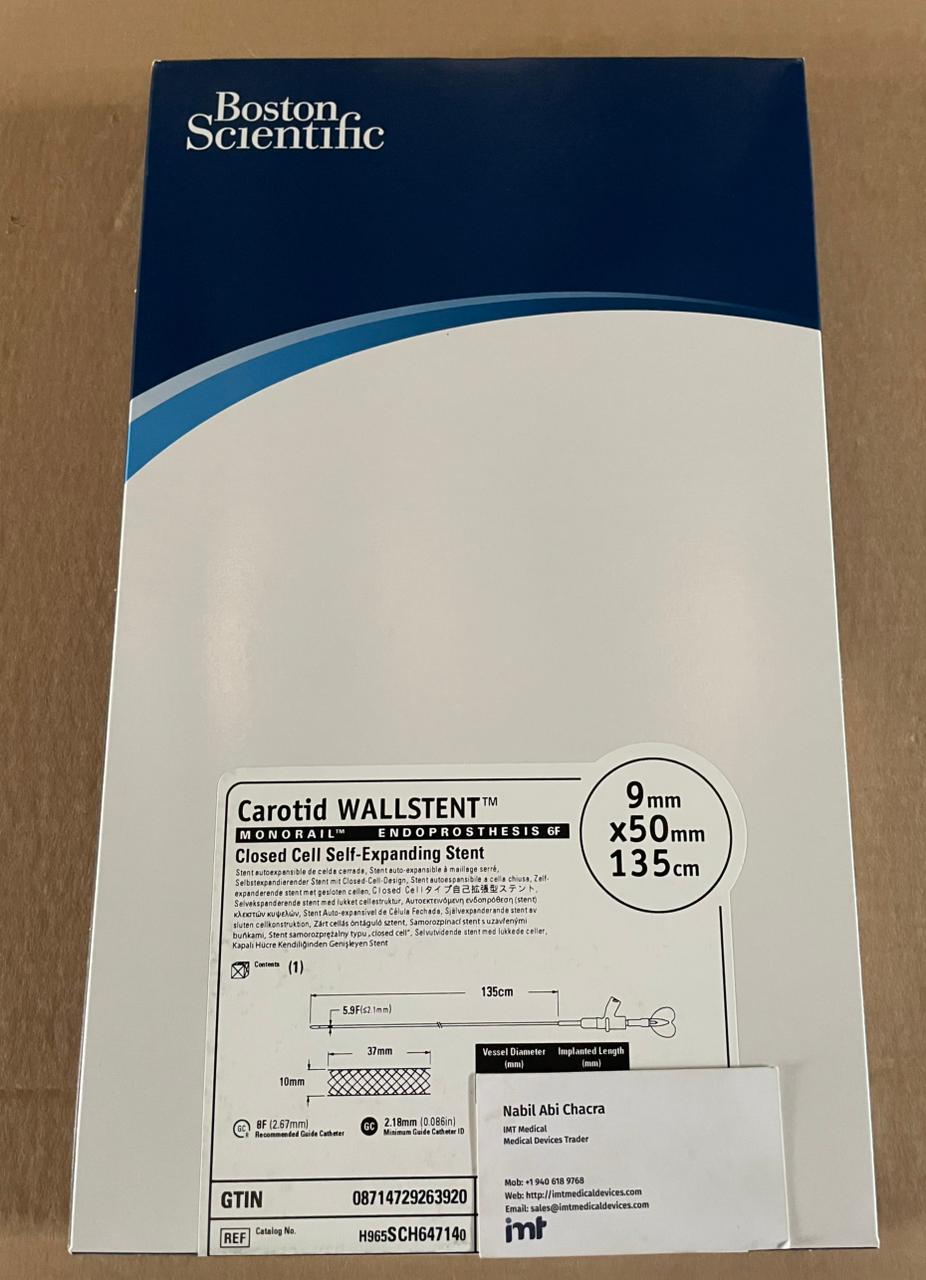
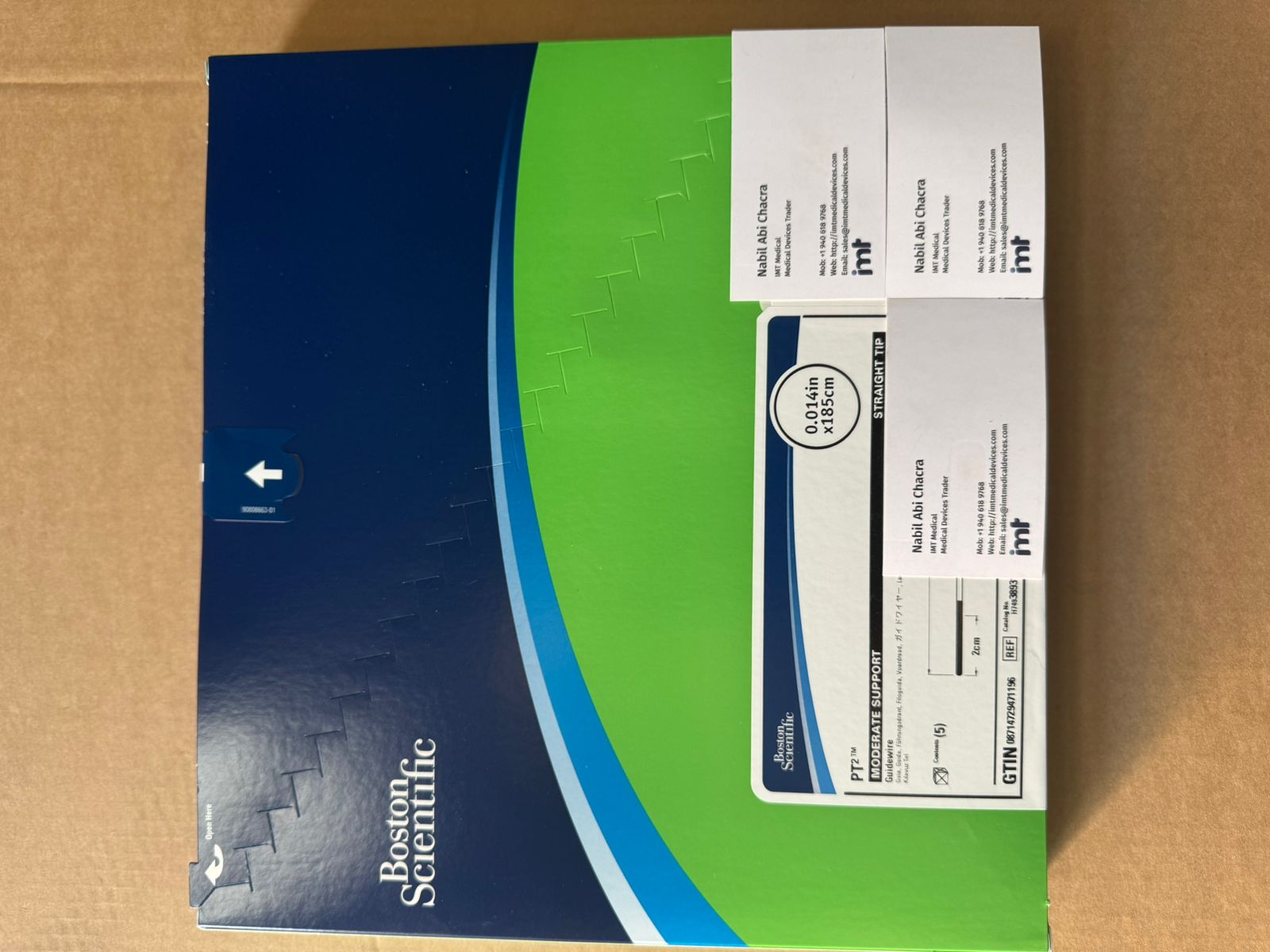
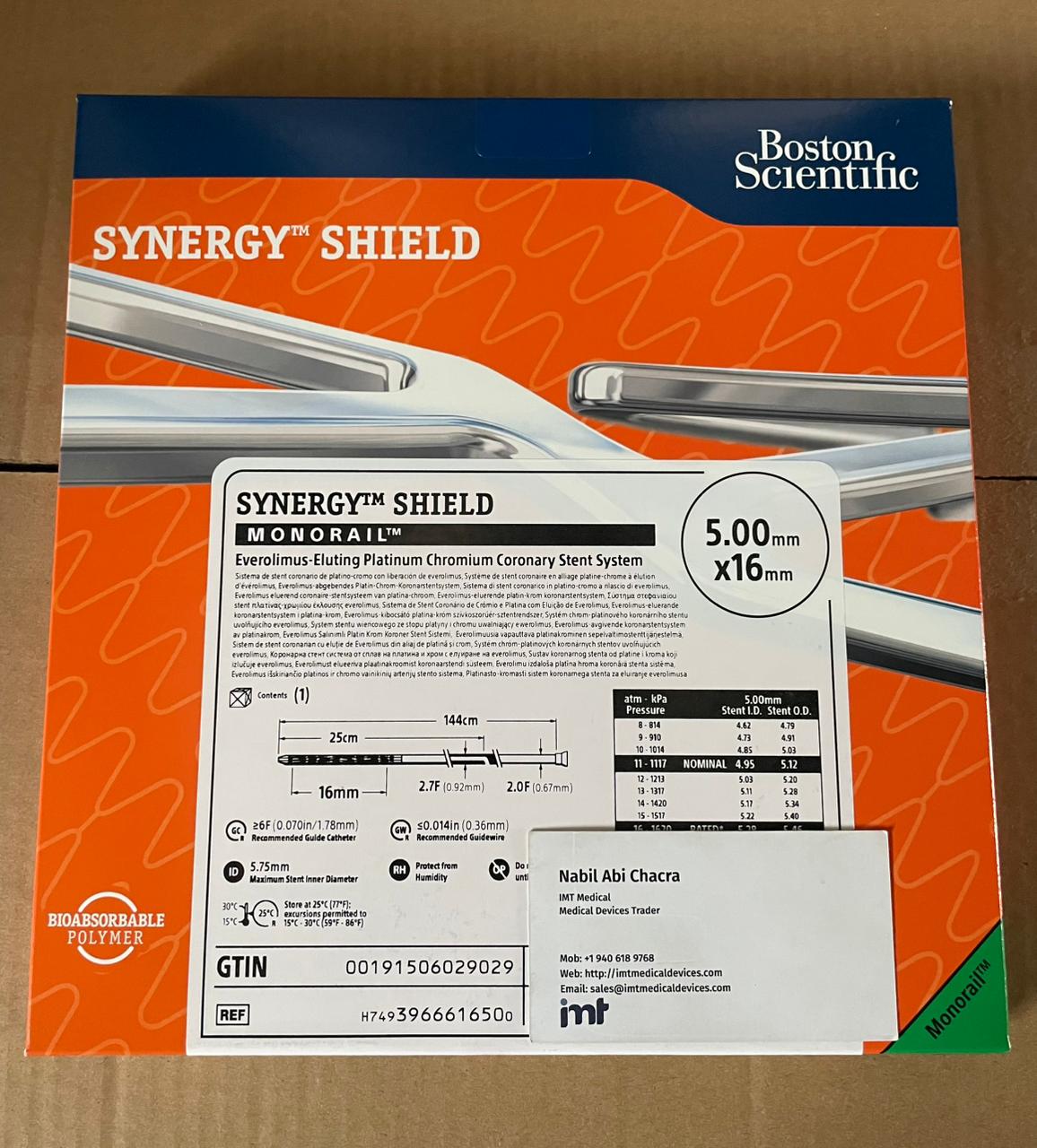
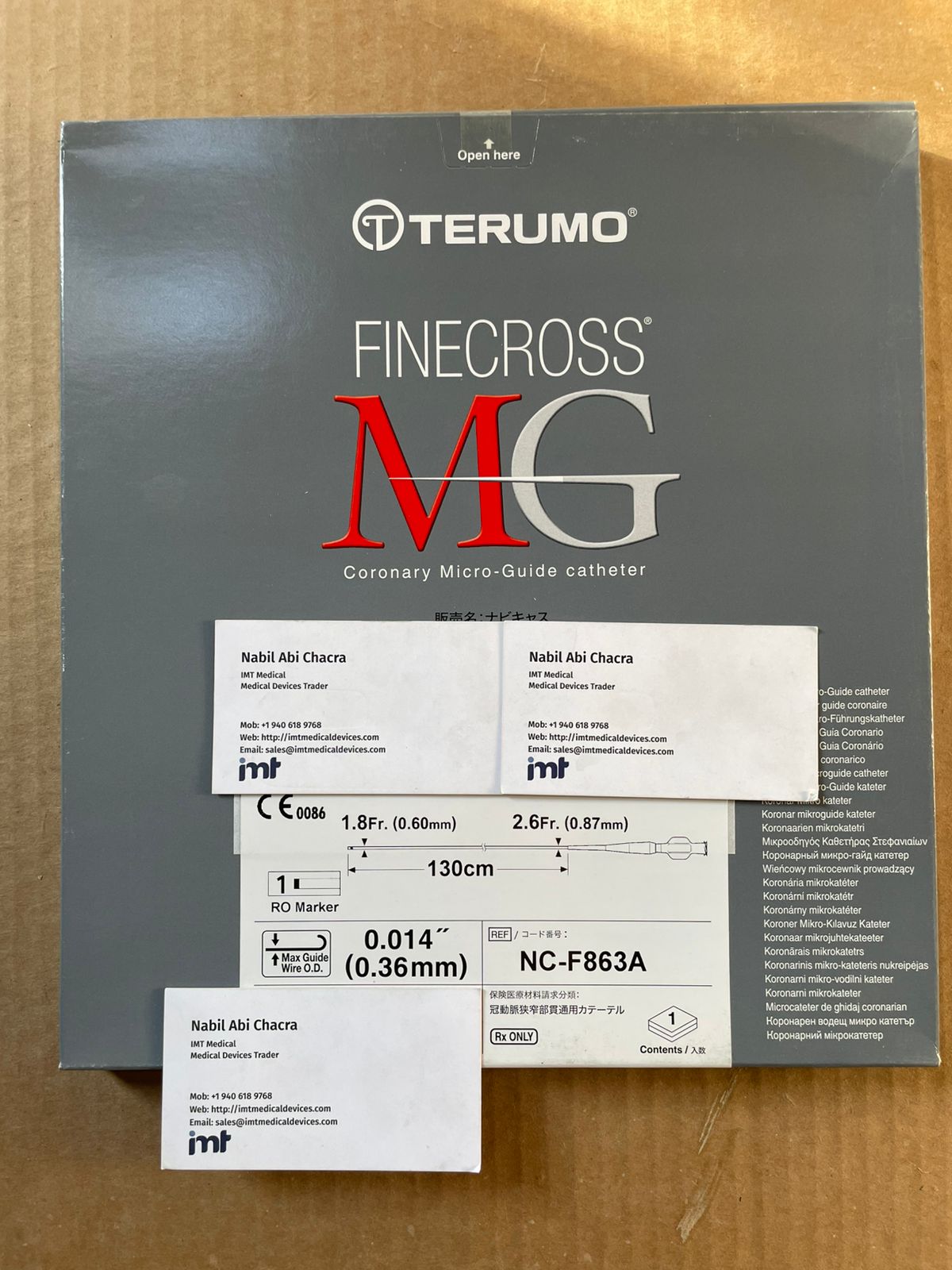
In this case, the requested mix included branded interventional cardiology inventory from manufacturers commonly specified in cath labs, such as Medtronic, Abbott, Boston Scientific, and Terumo. The hospital procurement contact also asked for lot-level and expiration visibility because internal compliance required traceable receiving documentation.
There were four working constraints. First, the hospital wanted to avoid forced substitution. Second, the order had to clear import and receiving procedures without documentation gaps. Third, shelf life had to be commercially acceptable on arrival. Fourth, the shipment needed to be consolidated enough to reduce delay, but not packed in a way that increased damage or verification risk.
How the export quote was structured
A workable quote for coronary stent export starts with exact identifiers. Product family alone is not enough. Buyers typically ask by product name, size, and manufacturer reference, and serious suppliers answer at the same level.
In this case, the quote process began with line-by-line verification against the hospital request. If a buyer requested a specific coronary stent reference from Abbott or Medtronic, the response had to confirm whether that exact item was available, what quantity could ship, and what shelf life range was in stock. If the exact line was unavailable, the gap needed to be stated clearly rather than hidden behind a generic "similar product" offer.
That directness saves time. Procurement teams and physicians do not benefit from vague availability language. A clean quote states what is available now, what is available with lead time, and what requires separate confirmation.
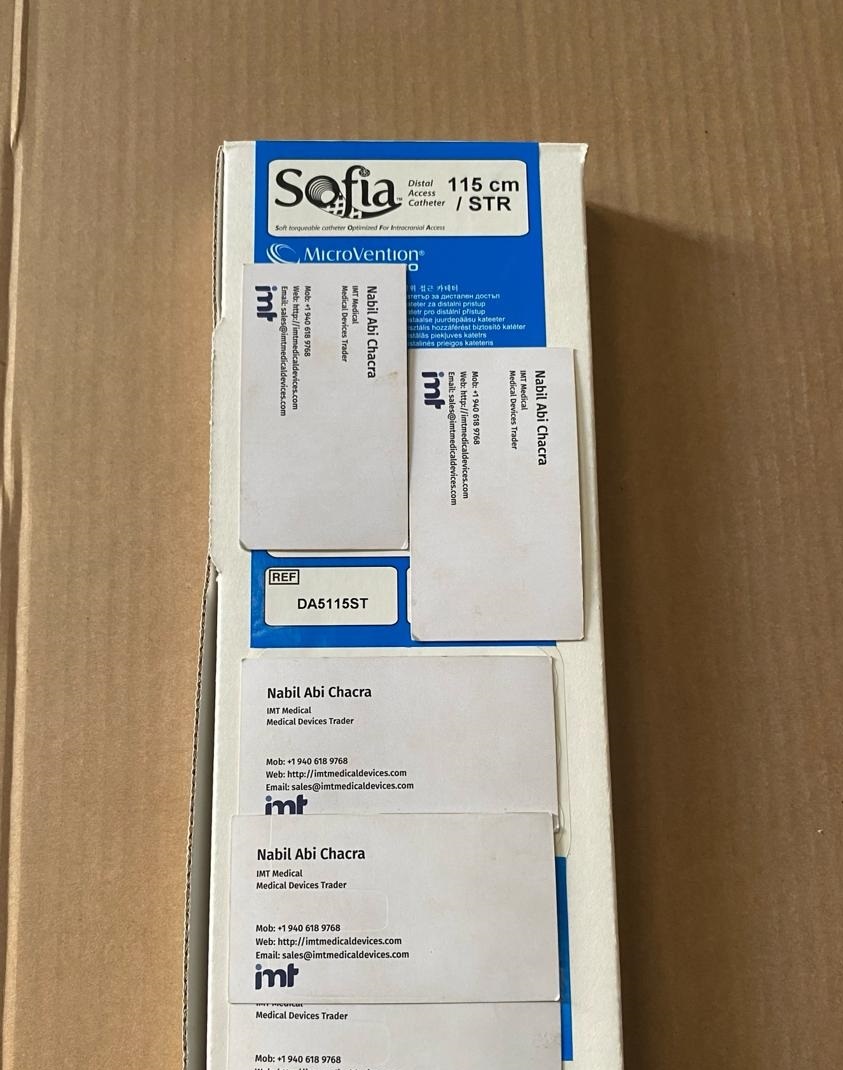
The same approach applied to ancillary products. If the coronary stent order was linked to balloons, guidewires, guiding catheters, or microcatheters, those references were checked in the same cycle so the buyer could make one purchasing decision instead of reopening the process later.
Documentation was the real bottleneck
In many exports, product availability is only half the job. Documentation is what determines whether a shipment moves cleanly.
For this case study exporting coronary stent supply, the critical paperwork included commercial invoice accuracy, packing list alignment, product description consistency, manufacturer identification, lot and expiration details where required, and any destination-specific compliance support the importer needed for customs or facility receiving. Small mismatches in product naming can slow clearance even when the goods are correct.
This is one reason branded medical device exports require tighter administration than general trading. A coronary stent is not just "medical equipment." Buyers, customs brokers, and hospital receiving teams often expect a description that matches the commercial reality of the item. The invoice, packing list, and outer carton logic all need to agree.
The practical lesson from this case was simple: the faster quote was not the winning quote by itself. The usable quote was the one that could ship with documents prepared to the buyer's import pathway.
Packaging and transit decisions affected risk
Coronary stent supply does not usually require the same logistics model as temperature-critical biologics, but that does not mean shipping is routine. Packaging integrity, carton labeling, and transit time still affect product acceptance.
In this case, the shipment was packed to preserve manufacturer labeling visibility and simplify receiving inspection. Over-consolidation was avoided. If cartons are packed too tightly or repacked without discipline, hospital receiving teams may spend extra time verifying each line, and any damage concern can delay release to inventory.
Transit choice also involved a trade-off. The cheapest route extended lead time and increased handoffs. The fastest route increased landed cost. For a hospital facing imminent cath lab demand, the faster method was justified because the operational cost of a delayed stent can exceed the freight savings. For replenishment stock with wider planning windows, the answer may be different.
That is the recurring theme in coronary stent export: the correct logistics plan depends on whether the shipment is protecting scheduled procedures, rebuilding safety stock, or supporting a distributor's resale inventory.
Where export orders often fail
This case did not become difficult because coronary stents were impossible to source. It became difficult because every avoidable error had a downstream cost.
One common failure point is loose product matching. A buyer asks for a specific branded coronary stent and receives a quote for a nearby alternative without a clear explanation. Another is shelf-life ambiguity. If expiration is not discussed early, the shipment can become a compliance problem after it lands.
A third failure point is partial communication between procurement and clinical users. Hospitals may request a stent line but forget to confirm the supporting devices needed for the same cases. Distributors can face the same issue when they secure the main item but not the complete basket expected by their end user.
The last failure point is unrealistic lead-time language. If stock is not on hand, saying "available soon" is not useful. Procurement planning needs either confirmed stock or a stated uncertainty. Anything in between creates purchasing risk.
Results from the case
The order was completed because the process stayed narrow and exact. The buyer received confirmation by line item, acceptable shelf-life visibility, documentation prepared for import review, and a shipment plan aligned to urgency rather than to lowest freight cost.
More importantly, the hospital avoided the larger hidden cost of shortage management. It did not have to keep rechecking local supply, renegotiate physician substitutions, or split procurement across multiple vendors for the same case mix. The export transaction worked because it reduced operational friction, not because it looked broad on paper.
For distributors, the lesson is similar. Competitive advantage in coronary stent export does not come from listing many brands alone. It comes from being able to confirm exact references, move paperwork without errors, and ship inventory that arrives commercially usable.
What buyers should ask before placing an export order
Any hospital, distributor, or physician procurement contact evaluating a coronary stent export partner should ask a short set of practical questions. Can the supplier confirm exact branded references and quantities now? Can it disclose lot and expiration details when needed? Can the documents be prepared to match import and receiving requirements? Can related interventional products be consolidated in the same process? And can the stated lead time be defended with real stock status rather than assumption?
If those answers are unclear, the transaction is already weak.
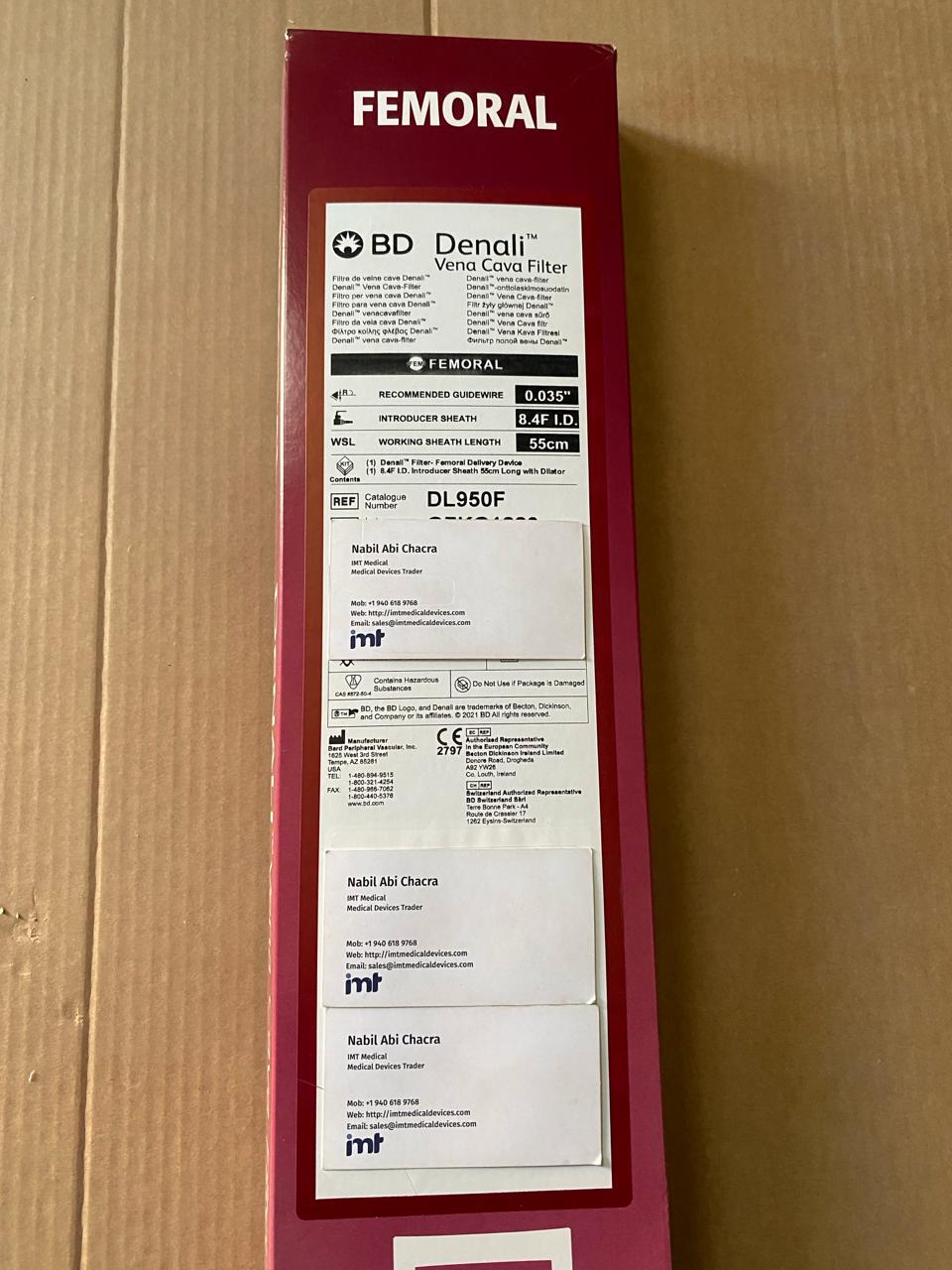
For buyers managing coronary, peripheral, or neurovascular demand across multiple manufacturers, this is where a focused export supplier becomes useful. A source such as IMTmedicaldevices.com is not replacing clinical decision-making. It is reducing procurement delay by matching recognized brands, exact product requests, and shipment control in one workflow.
The practical value of exporting coronary stent supply is not that it creates more choices. It is that it preserves the physician's intended product plan when local channels cannot support it, and it does so with enough precision that the receiving team can put stock into use without another round of clarification.