
Fix the Medical Device Quote Workflow
A quote request for a coronary balloon or neurovascular microcatheter should not take three days of back-and-forth just to confirm the exact part number.
But that is where many hospitals lose time. A physician names a product informally, procurement sends a partial description, the vendor replies with questions, and the case schedule keeps moving. By the time pricing is clarified, the hospital is no longer comparing suppliers - it is reacting to urgency.
For hospitals buying interventional inventory, the medical device quote workflow for hospitals matters because quote speed is not only a purchasing issue. It affects case planning, margin control, stock availability, and the ability to source branded devices outside the local distributor channel when needed.
Where the quote workflow usually breaks
Most quote delays are not caused by price negotiation. They start earlier, at product identification.
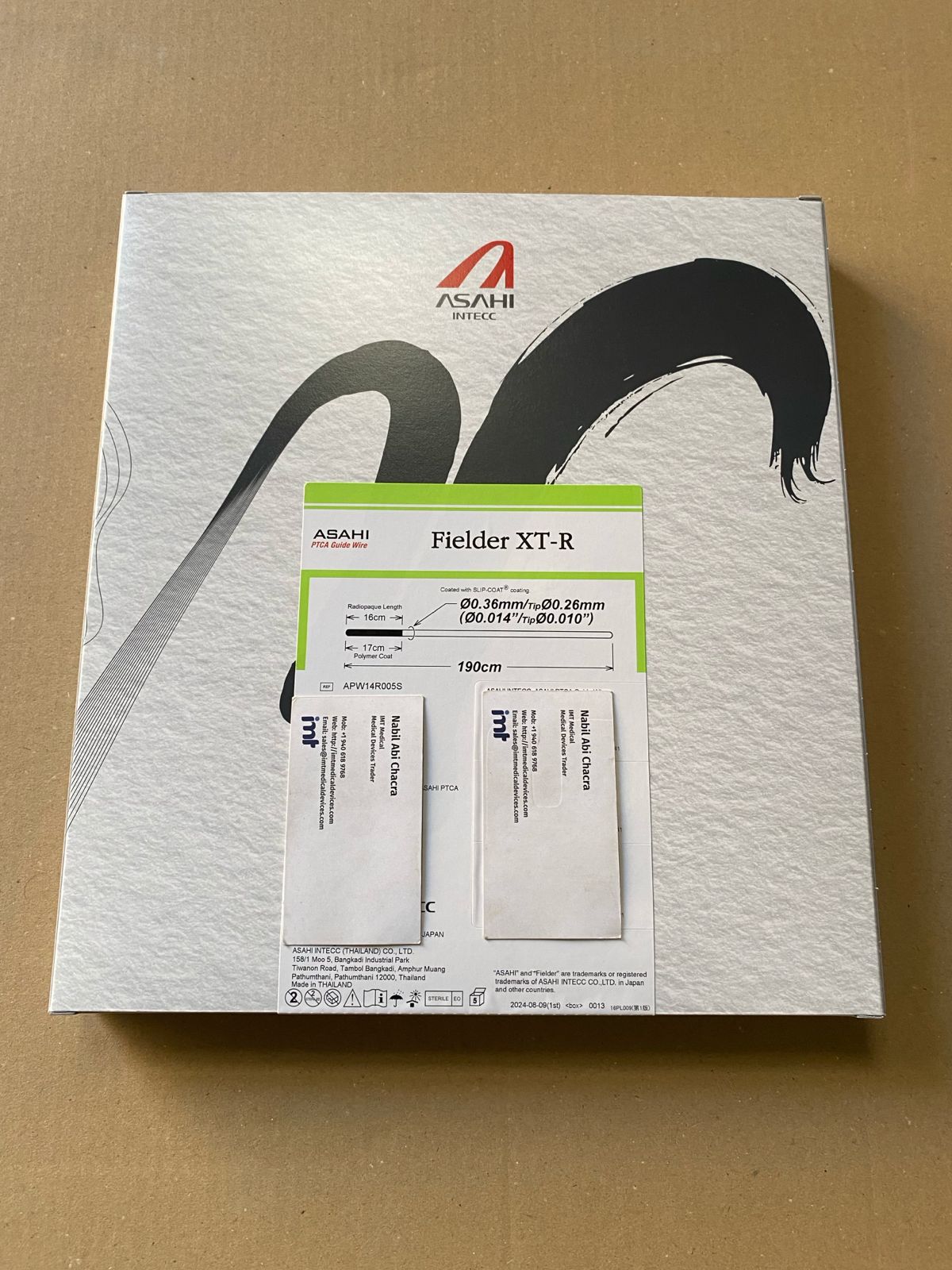
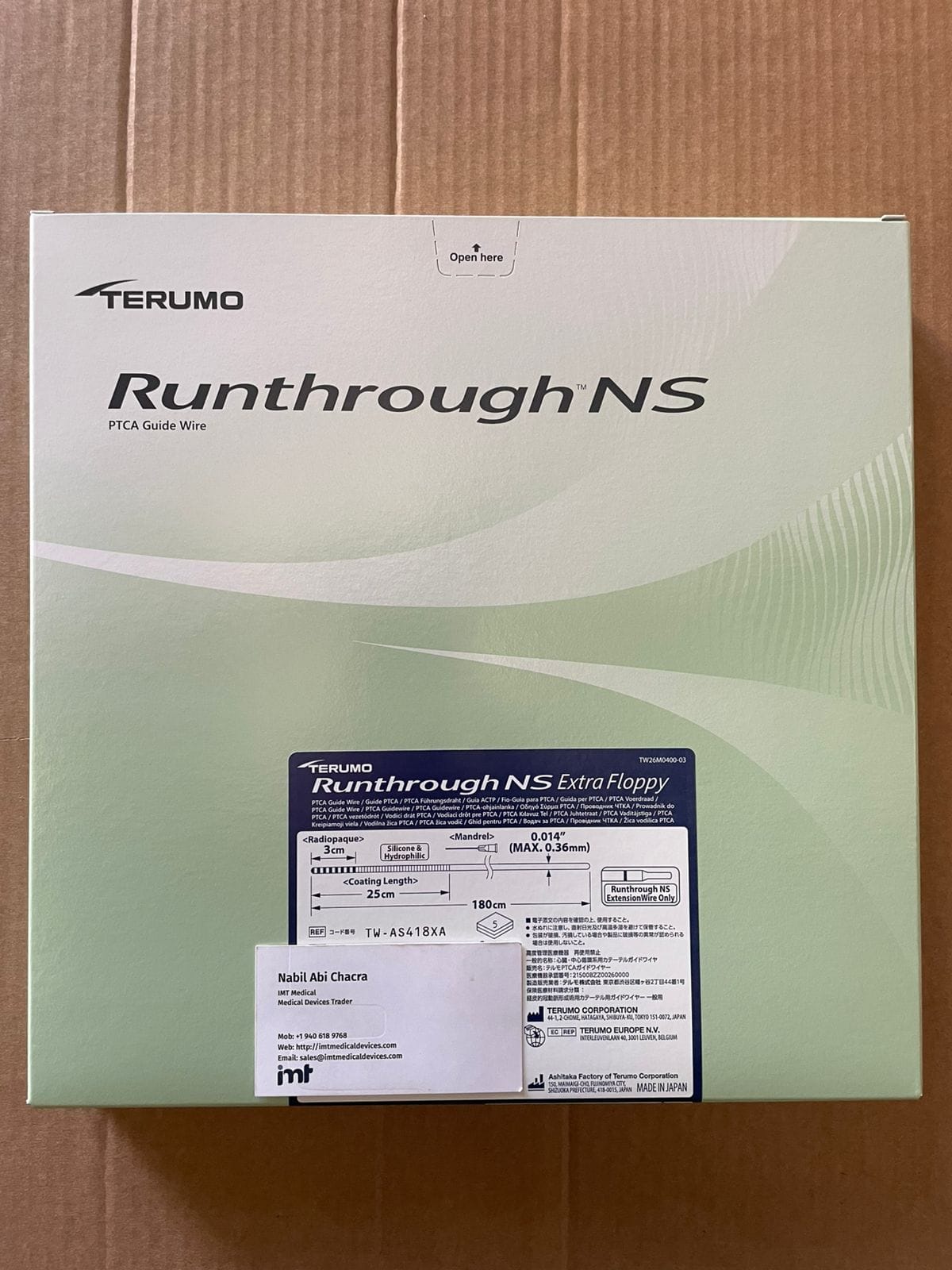
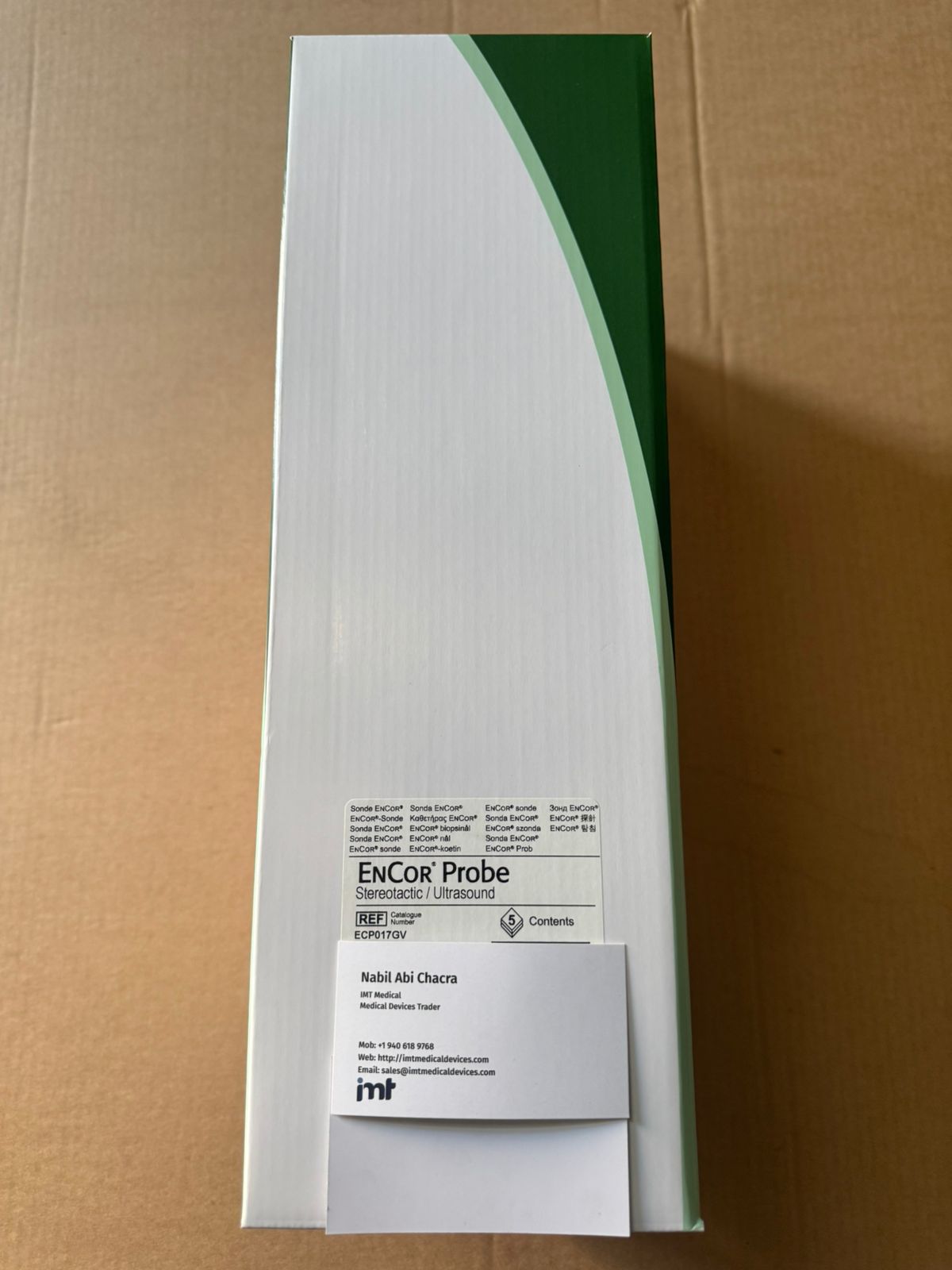
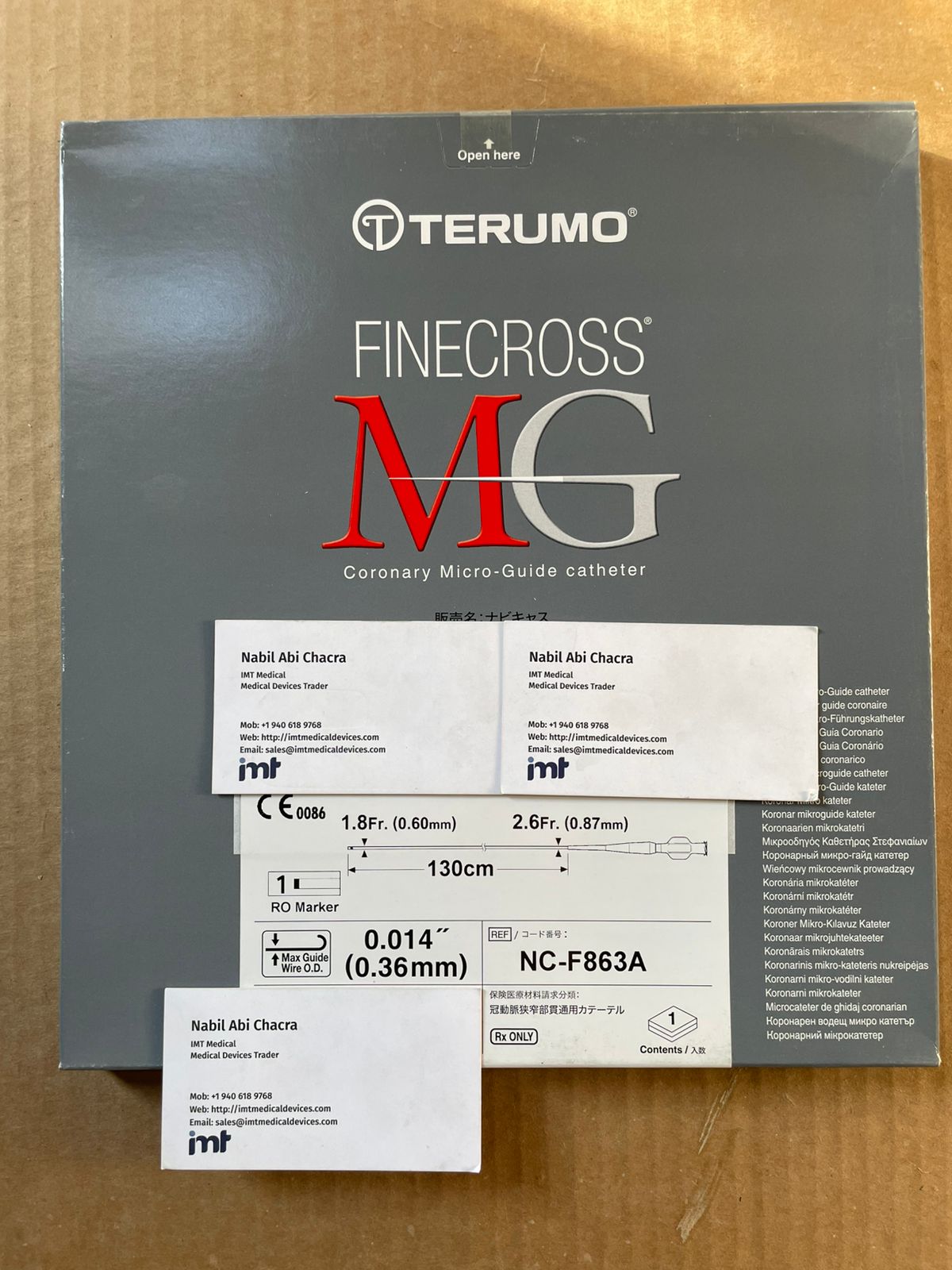
In cath lab, peripheral, and neurovascular purchasing, a request is only as good as the information attached to it. "Asahi wire," "Terumo microcatheter," or "Medtronic stent" is not enough for a usable quote. A distributor needs brand, exact product name, size, and ideally the manufacturer part number. Without that, the request turns into a clarification exercise.
The second problem is mixed ownership. The physician may know clinical preference. The cath lab manager may know current stock. Procurement may own vendor setup and commercial terms. Finance may require quote comparison. When these pieces are sent separately, the supplier receives fragments instead of one complete RFQ.
The third issue is quote inconsistency across categories. Hospitals often have a decent process for routine consumables but a weak one for specialty interventional items. Coronary guidewires, aspiration catheters, coils, vascular closure devices, and guiding catheters are not interchangeable line items. Small description errors can produce the wrong quote, or a valid quote for the wrong device.
What a workable medical device quote workflow for hospitals looks like
A practical workflow is not complicated. It is specific.
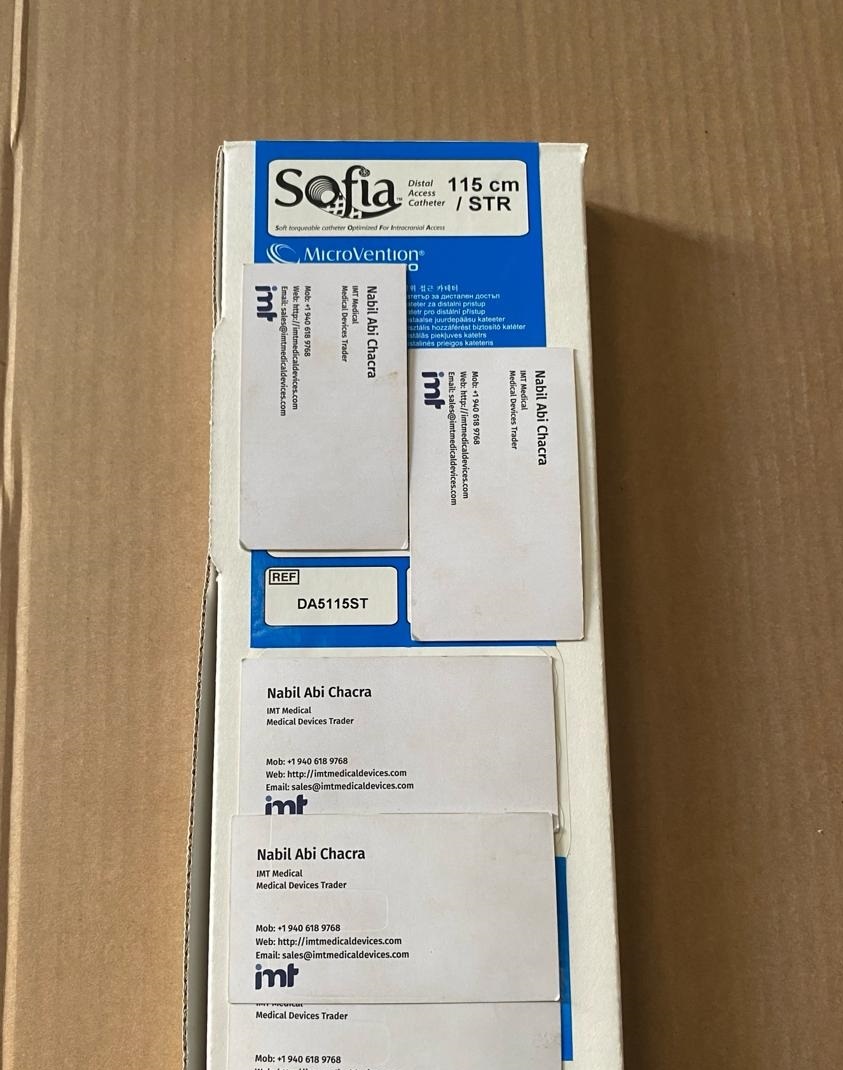
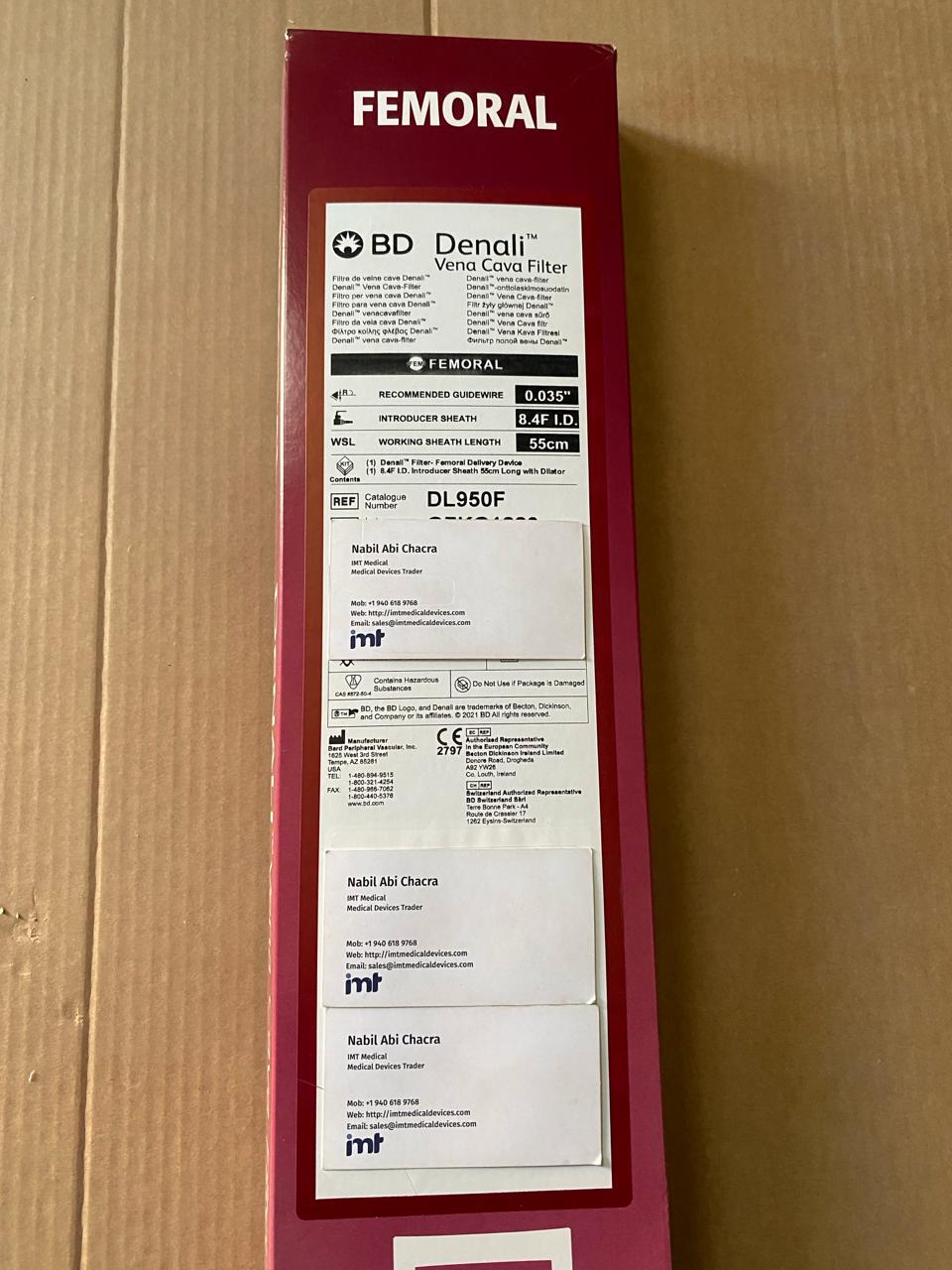
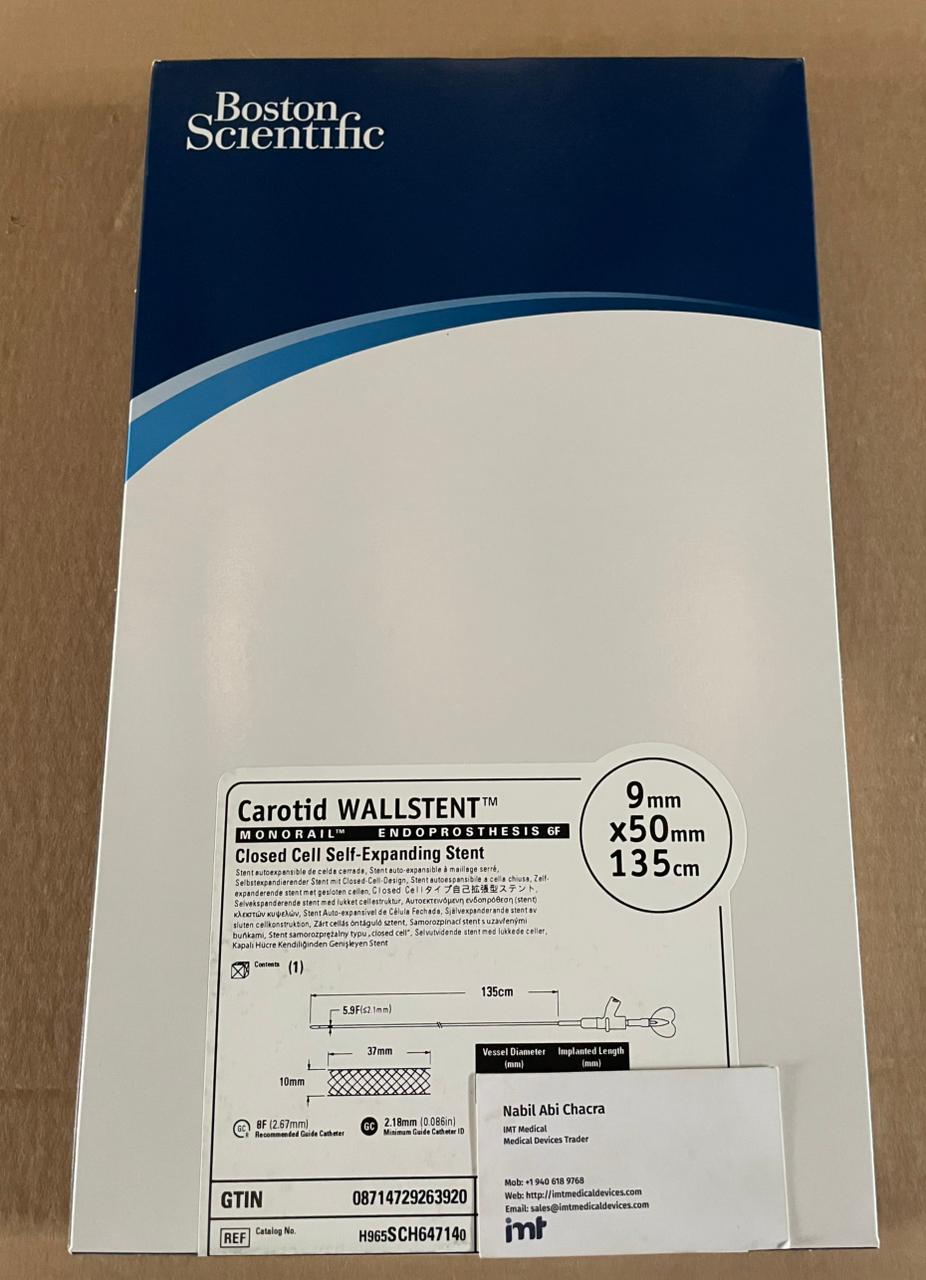
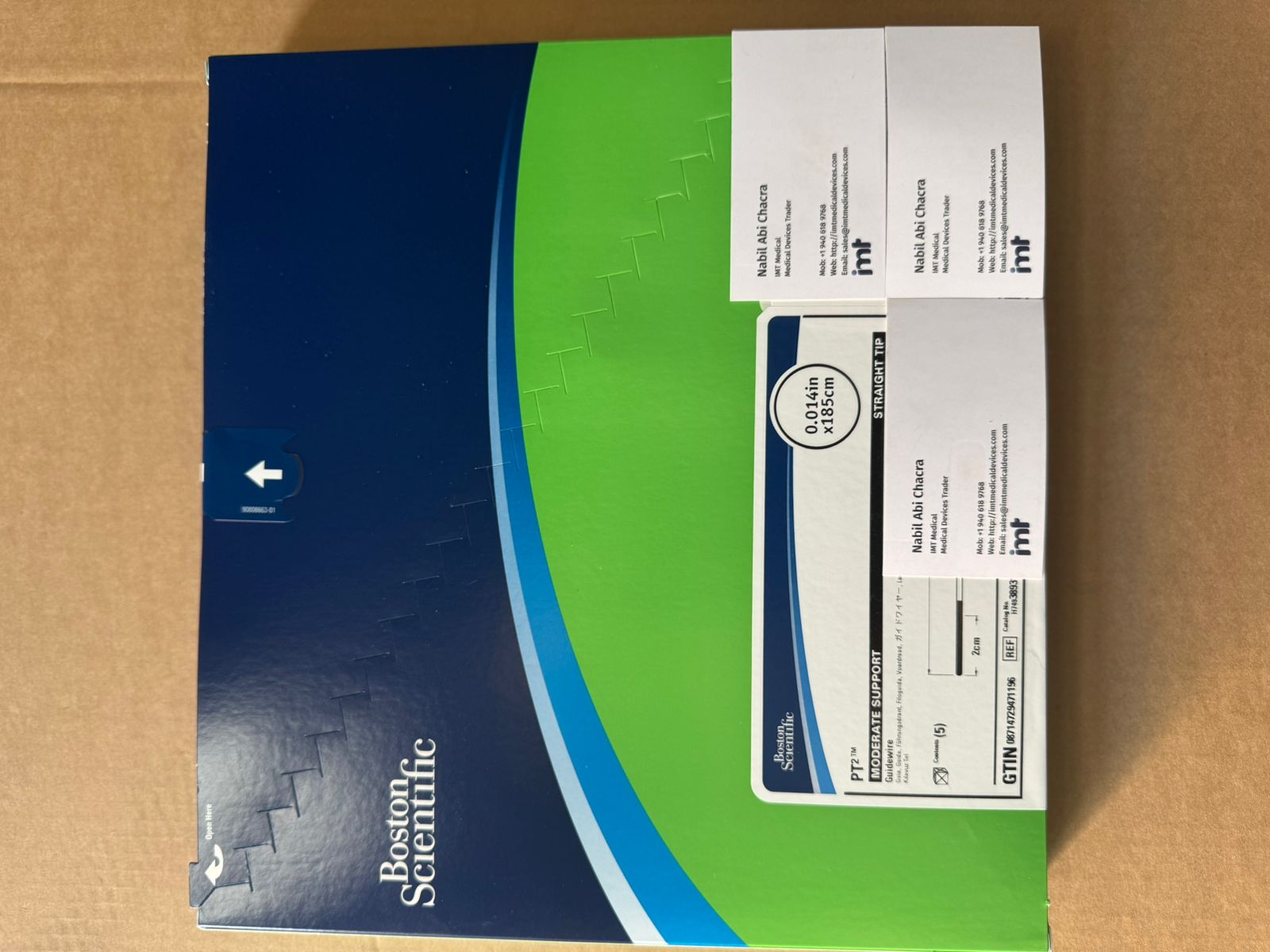
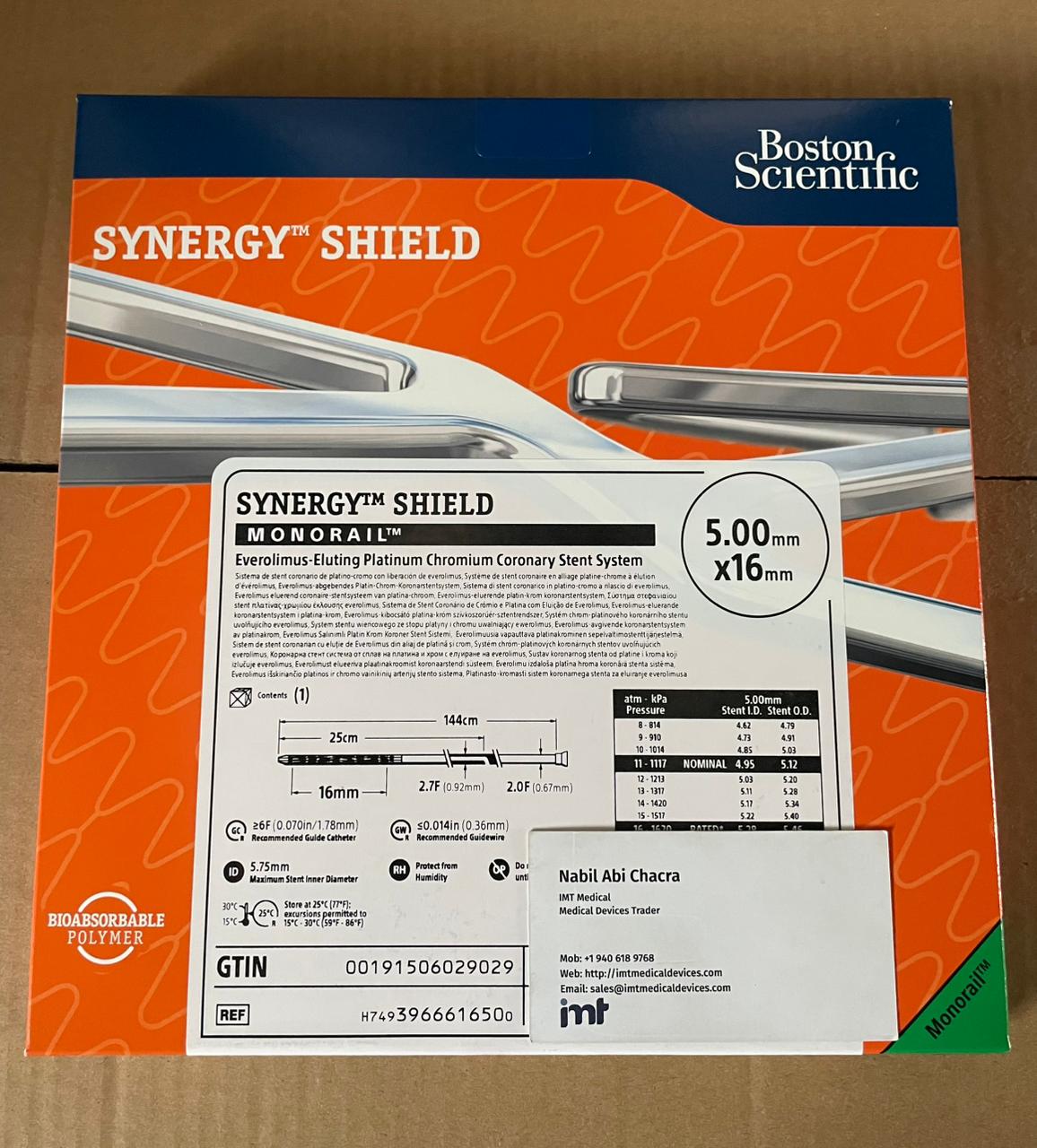
The request starts with the exact identifier. If the hospital already knows the device, the quote request should include manufacturer, product family, full description, size configuration, and SKU or catalog number. For example, a request built around a defined item such as a Boston Scientific balloon catheter or a MicroVention coil with exact reference data can move immediately into price and availability review.
If the exact item is not known, the request should still be structured around procedure type and clinical requirement. Coronary, peripheral vascular, and neurovascular products should not be grouped into one generic inquiry. The supplier needs to know whether the request concerns a guidewire, microcatheter, stent, closure device, or aspiration catheter, and what specification matters most.
The best hospital workflows also separate urgent case quoting from routine sourcing. If every quote is marked urgent, nothing is urgent. A scheduled restocking quote can follow standard review timing. A patient-linked requirement for a known case should move through a shorter approval path.
The data fields that reduce back-and-forth
Hospitals do not need a complicated procurement platform to improve quote speed. They need discipline in what they send.
A high-functioning request usually includes the requesting department, physician or service line, procedure category, preferred manufacturer, exact part number if available, quantity, required delivery timing, destination country, and any internal purchasing constraints. If the request is intended as an alternative to an incumbent local distributor, that should be stated early because it affects how pricing, lead time, and commercial review are handled.
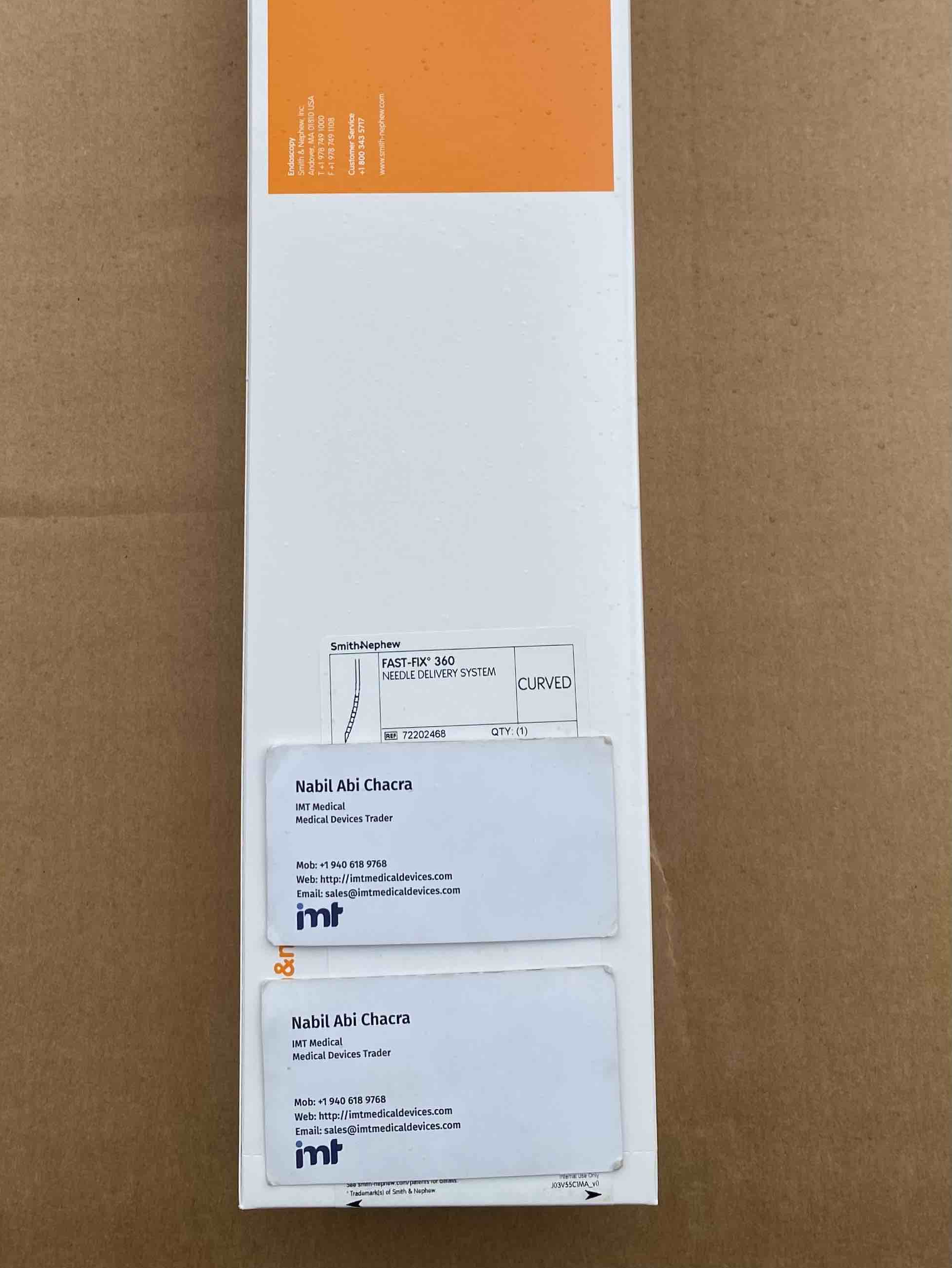
This is especially relevant for hospitals and competing distributors sourcing branded inventory from manufacturers such as Medtronic, Boston Scientific, Asahi, MicroVention, Terumo Neuro, Terumo, Cordis, Abbott, BD, B. Braun, Ethicon, and Smith and Nephew. In these categories, exact references matter more than broad product descriptions.
If a buyer sends only product family names, the supplier has to guess. Guessing slows quotes and increases risk. If a buyer sends exact SKUs, the supplier can confirm availability, lot or date considerations when relevant, and pricing with far fewer follow-up emails.
Why branded interventional devices need tighter quote control
Many hospital procurement teams are experienced in standard med-surg buying but run into friction when sourcing interventional products outside their usual channel.
That friction is predictable. Interventional devices are often physician-driven, specification-sensitive, and brand-dependent. A coronary intervention request may be tied to a familiar workhorse wire. A neuro case may depend on a preferred microcatheter profile. A peripheral case may require a very specific balloon length or shaft configuration. In these settings, a quote is not just a price document. It is a validation step confirming that the requested item is exactly the item the operator expects.
That is why the quote workflow should be built around product accuracy first and price second. Price still matters, especially when hospitals are testing supply options beyond the local distributor network. But if the quoted line does not match the required reference, low pricing does not help.
How hospitals can shorten quote turnaround
The fastest hospitals do three things consistently.
First, they standardize intake. Quote requests come through one format, whether the item is a Terumo guidewire, a Cordis catheter, an Abbott vascular product, or a Roche reagent. That gives the supplier one clean request instead of multiple partial emails.
Second, they keep a usable internal cross-reference file. It does not need to be perfect. Even a simple sheet with current manufacturer names, part numbers, and last ordered descriptions can eliminate repeated verification work. This matters when physician preference is expressed using an old product nickname or a shorthand term that procurement cannot map quickly.
Third, they assign one owner to consolidate the quote package before sending it out. That person does not need to make every decision, but they should be responsible for making sure the inquiry is complete. One consolidated request will usually outperform three fragmented ones sent by different stakeholders.
When quote comparison helps and when it slows buying
Hospitals often want multiple quotes for control and compliance reasons. That is reasonable. It can also create delay if the comparison is not structured correctly.
A fair comparison only works when all vendors are quoting the same identifier, quantity, and delivery requirement. If one supplier quotes a Medtronic SKU exactly as requested, another quotes a close alternative, and a third quotes only at family level, the comparison is not commercial - it is mixed product matching.
There is also a timing trade-off. For planned tenders or routine stock replenishment, a broader quote review can make sense. For a near-term case requirement, especially in high-acuity interventional settings, quote quality and confirmed availability may matter more than collecting one extra price point.
The right workflow recognizes that difference instead of forcing every request through the same approval pattern.
Building a quote process around availability, not just price
Hospitals that buy from nonlocal channels usually do so for a reason. They may need access to branded products that are difficult to source through the incumbent distributor, they may be under cost pressure, or they may need a second supply option for continuity.
In that environment, the quote should answer three questions clearly: Is the exact device available, what is the commercial offer, and what is the delivery expectation?
That sounds basic, but many quote workflows overemphasize unit price and underweight availability confirmation. For interventional categories, availability is often the deciding factor. A clean quote process allows procurement to compare not only price but actual fulfillment value.
For buyers working across Gulf markets, Latin America, Asia, China, or Russia, this becomes more relevant because logistics, import handling, and lead time assumptions can vary by destination. A quote workflow that captures destination details at the start avoids late-stage revisions.
A better quote request produces a better supply conversation
Hospitals do not need more emails in the quoting stage. They need fewer unknowns.
A good medical device quote workflow for hospitals is built around exact product data, one accountable point of coordination, and a clear distinction between routine sourcing and case-driven urgency. That structure gives suppliers room to respond with precision instead of clarification.
For professional buyers sourcing coronary, peripheral, neurovascular, and specialty devices, the advantage is simple. Better quote inputs produce faster pricing, cleaner comparisons, and fewer ordering errors. If your team is still sending broad product descriptions and resolving details later, the delay is already built into the process.
If you want quotes that move at procurement speed instead of case-room speed, start with the part number and let the rest of the workflow follow.