
Guide to Branded Device Export
A missing lot number, a brand mismatch on the packing list, or an incomplete export file can delay a shipment longer than the product lead time itself. That is why a guide to branded device export matters for professional buyers sourcing interventional, surgical, and laboratory products across borders. When the order involves branded coronary stents, guidewires, micro catheters, sutures, diagnostic systems, or vascular closure devices, procurement accuracy is not a preference. It is the basis of continuity.
For hospitals, cath labs, laboratories, and distributors, branded device export is usually less about finding any supplier and more about finding a source that can match exact manufacturer requirements, support export documentation, and maintain consistency across repeat orders. The operational risk sits in the details. If those details are handled correctly, international procurement becomes manageable. If they are not, even a straightforward order can create avoidable delays.
What branded device export actually involves
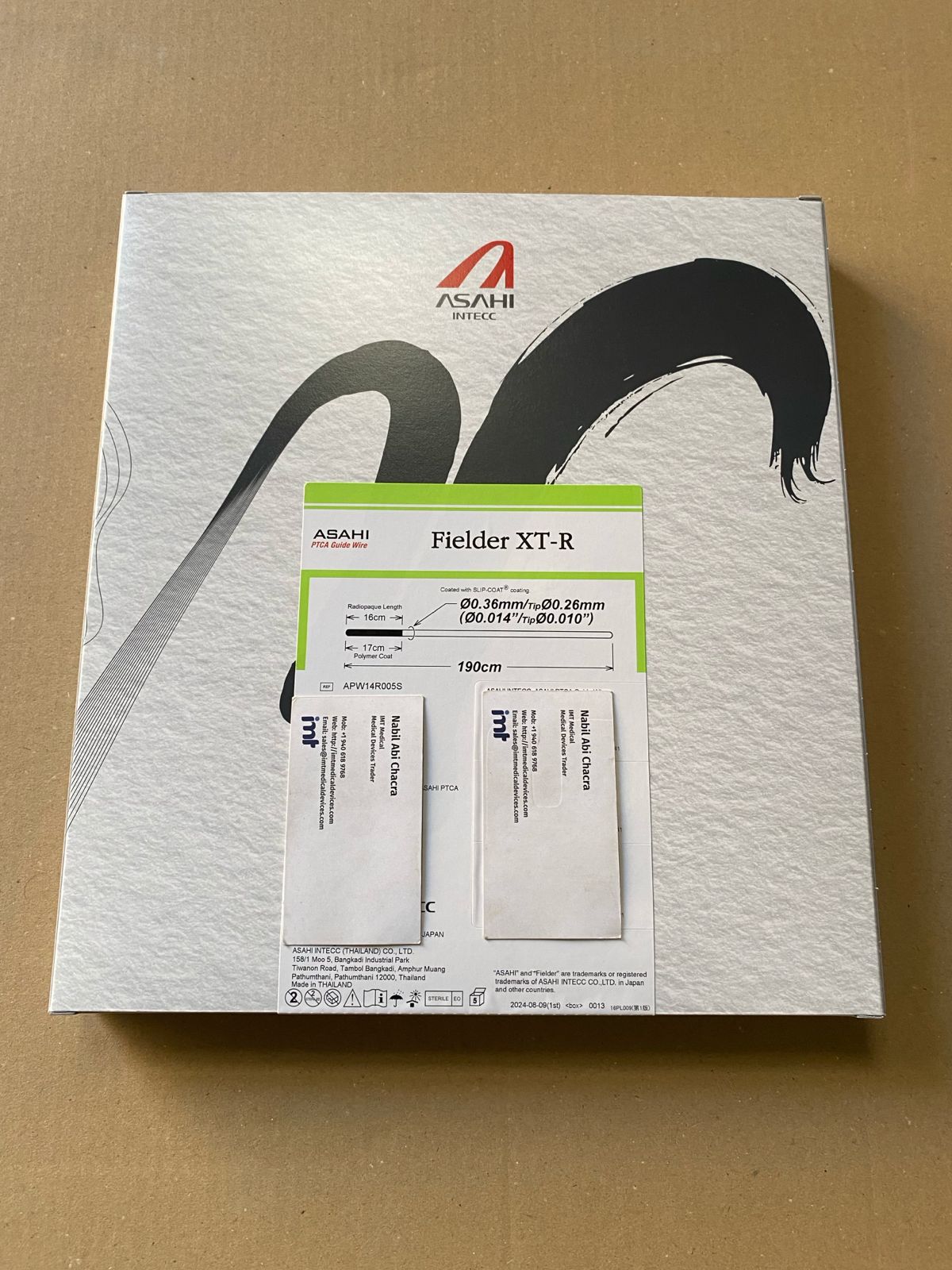
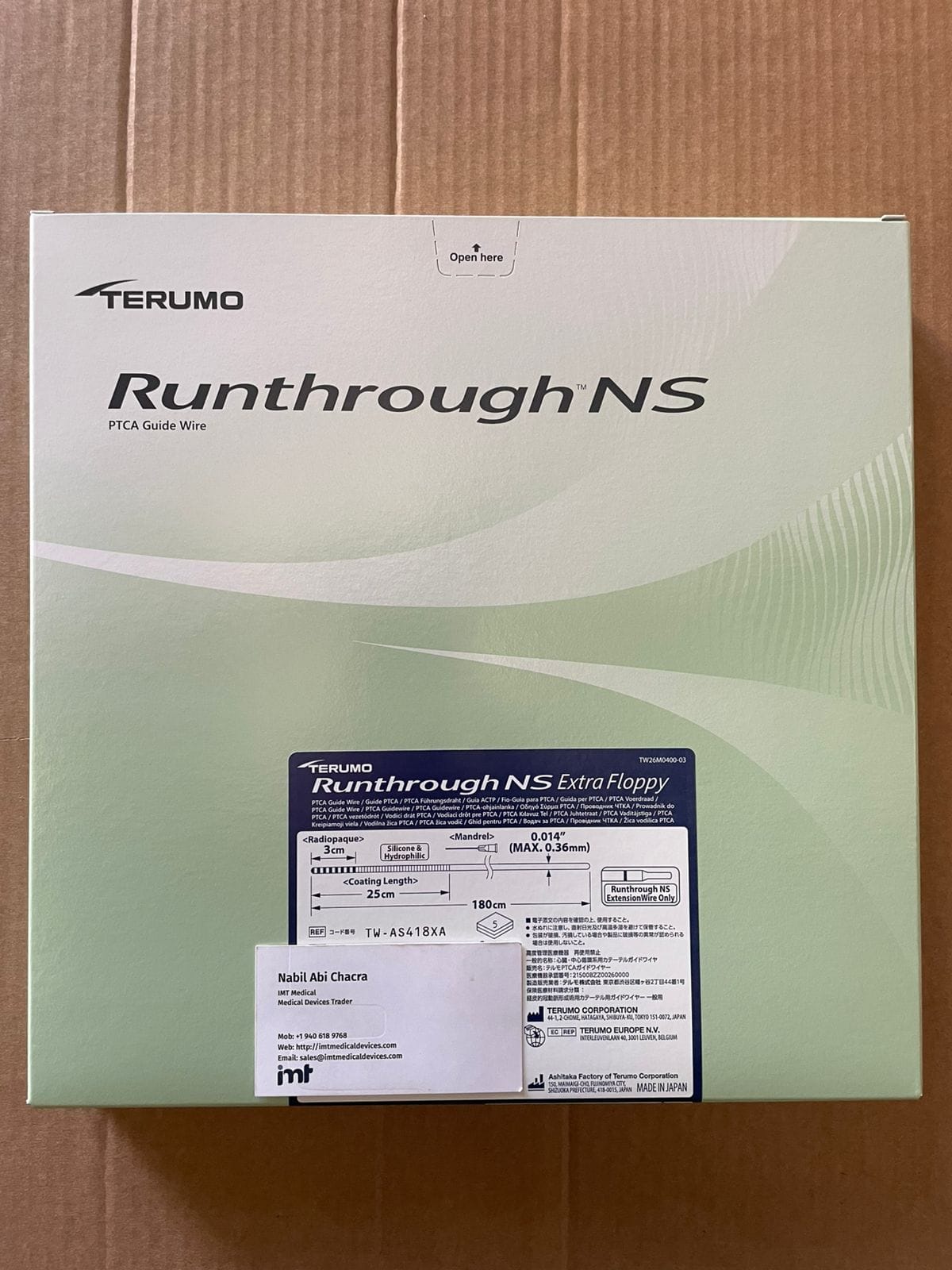
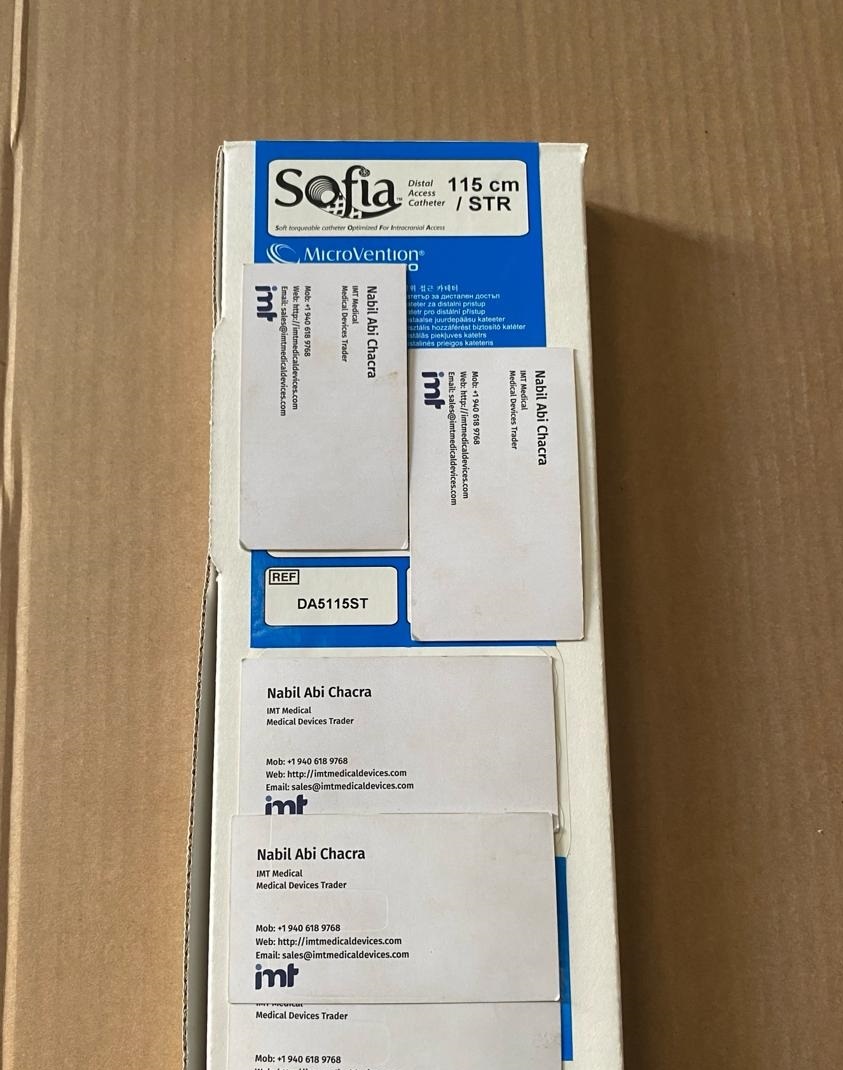
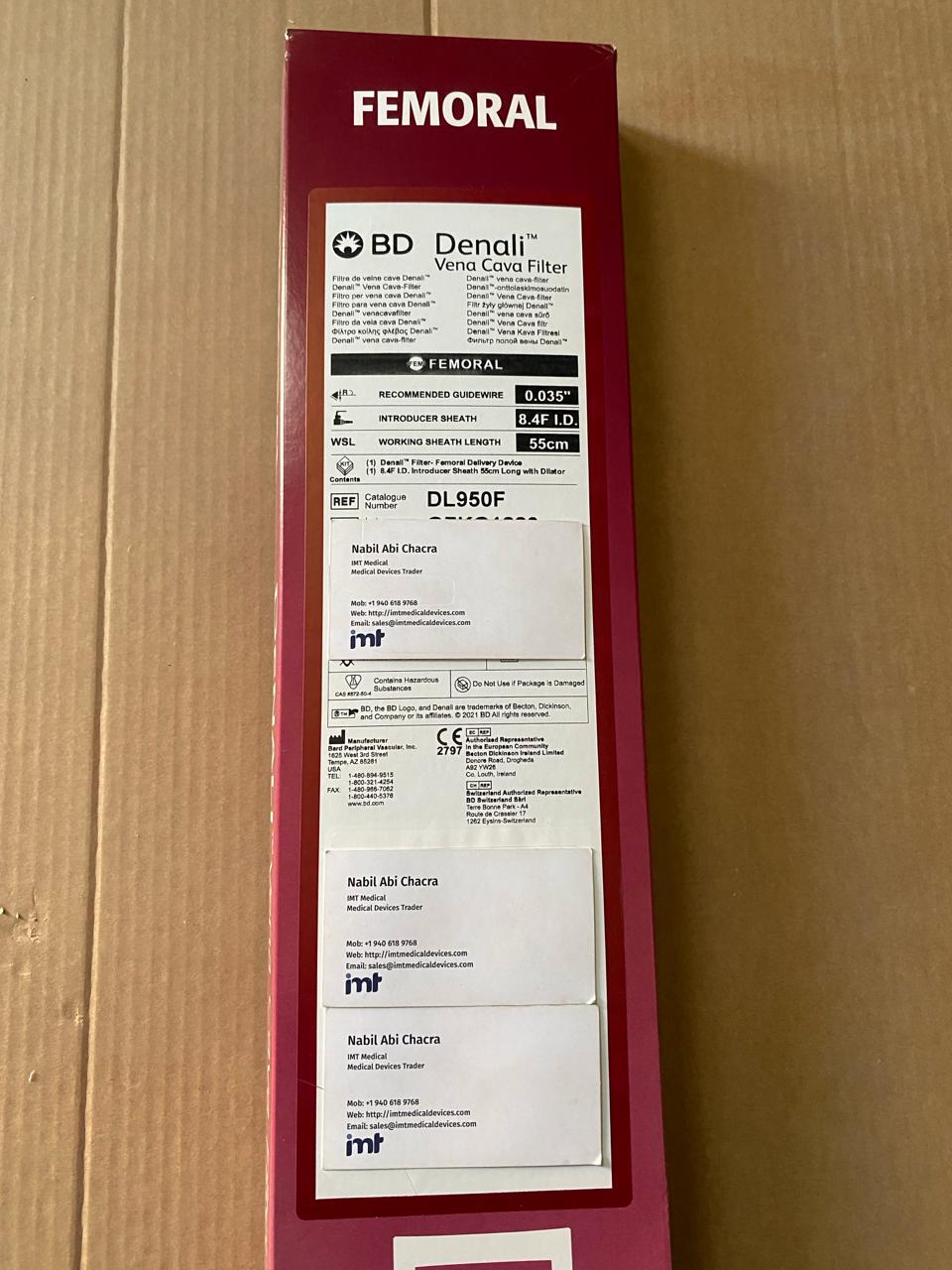
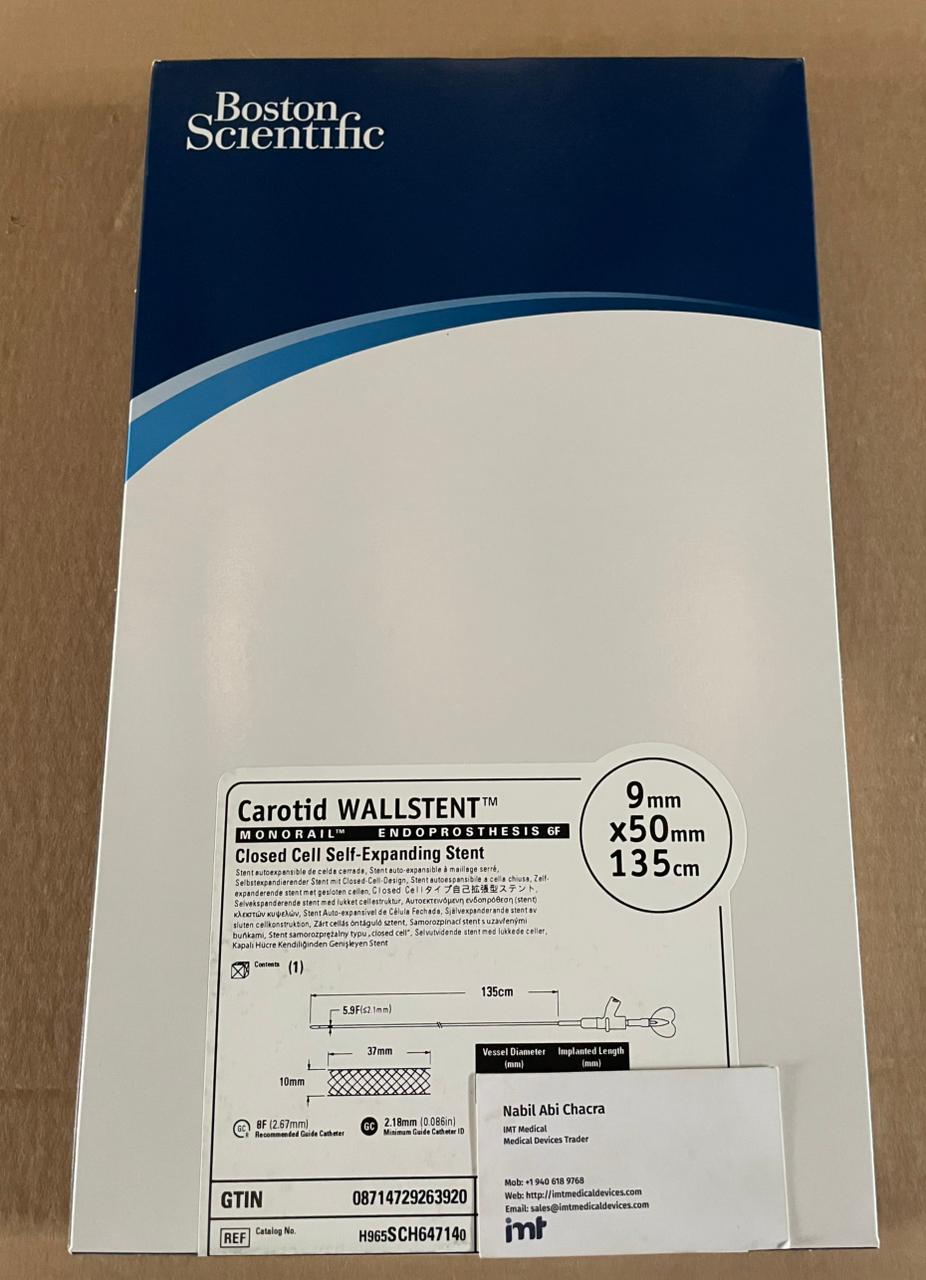
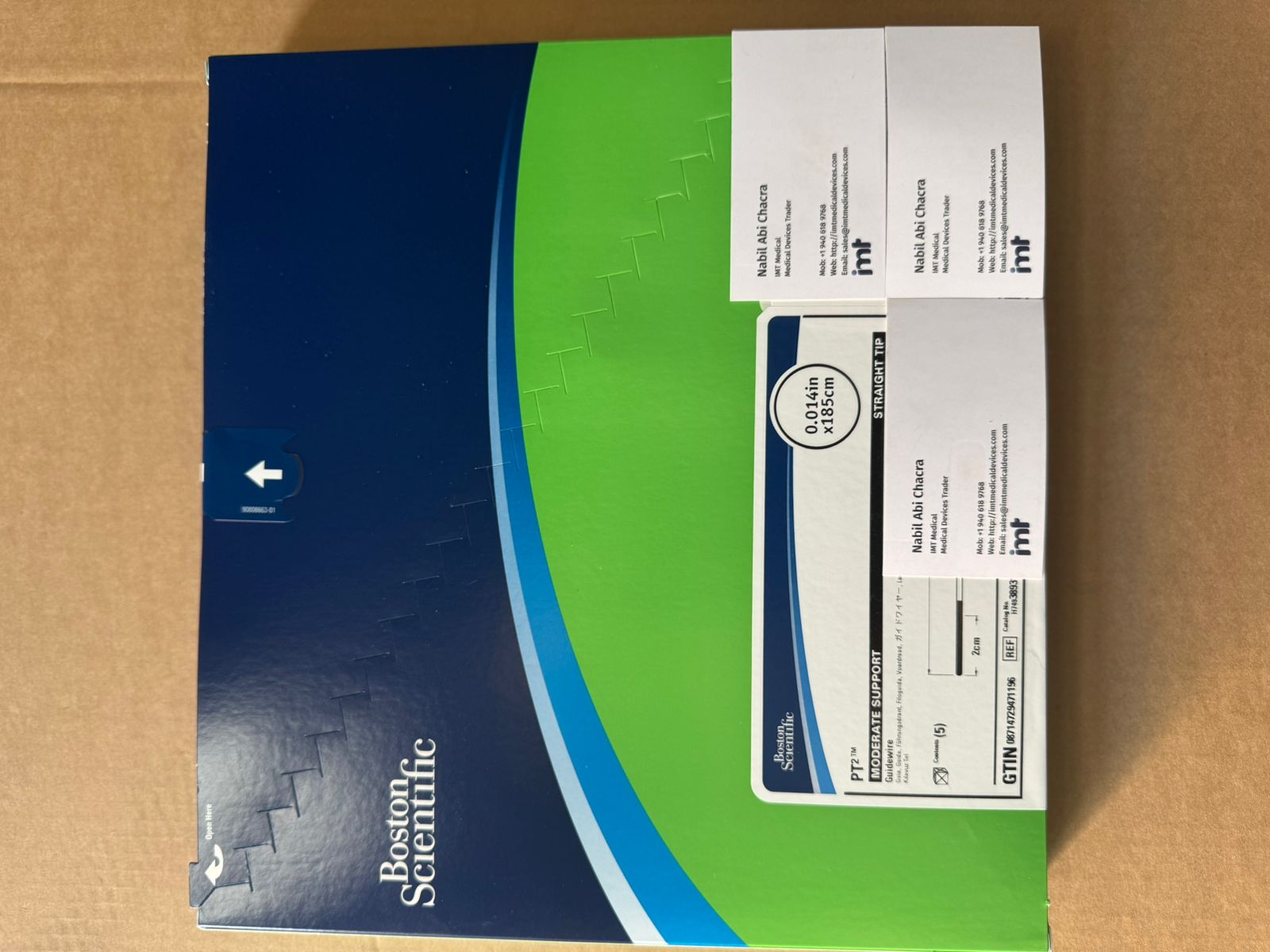
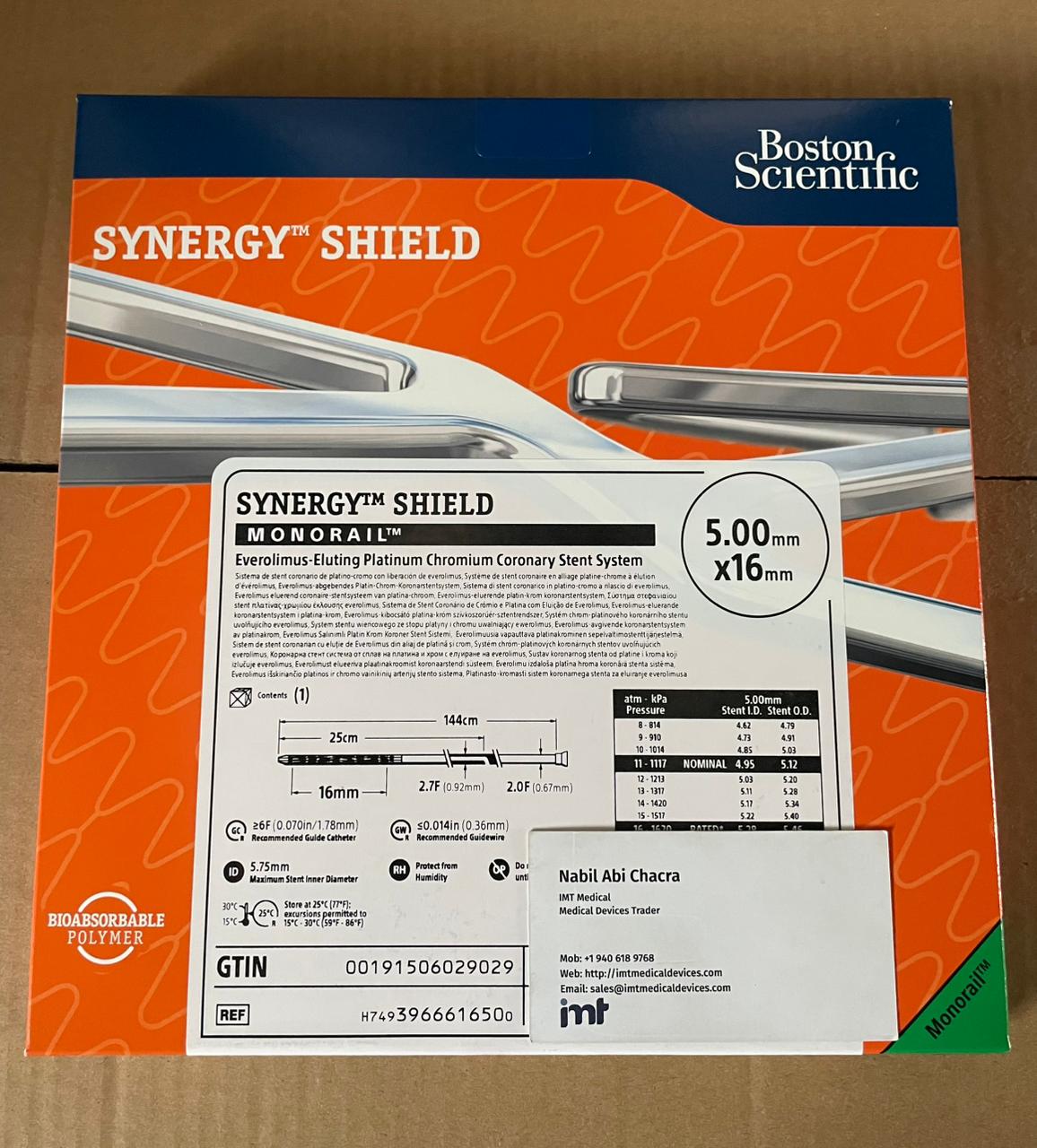
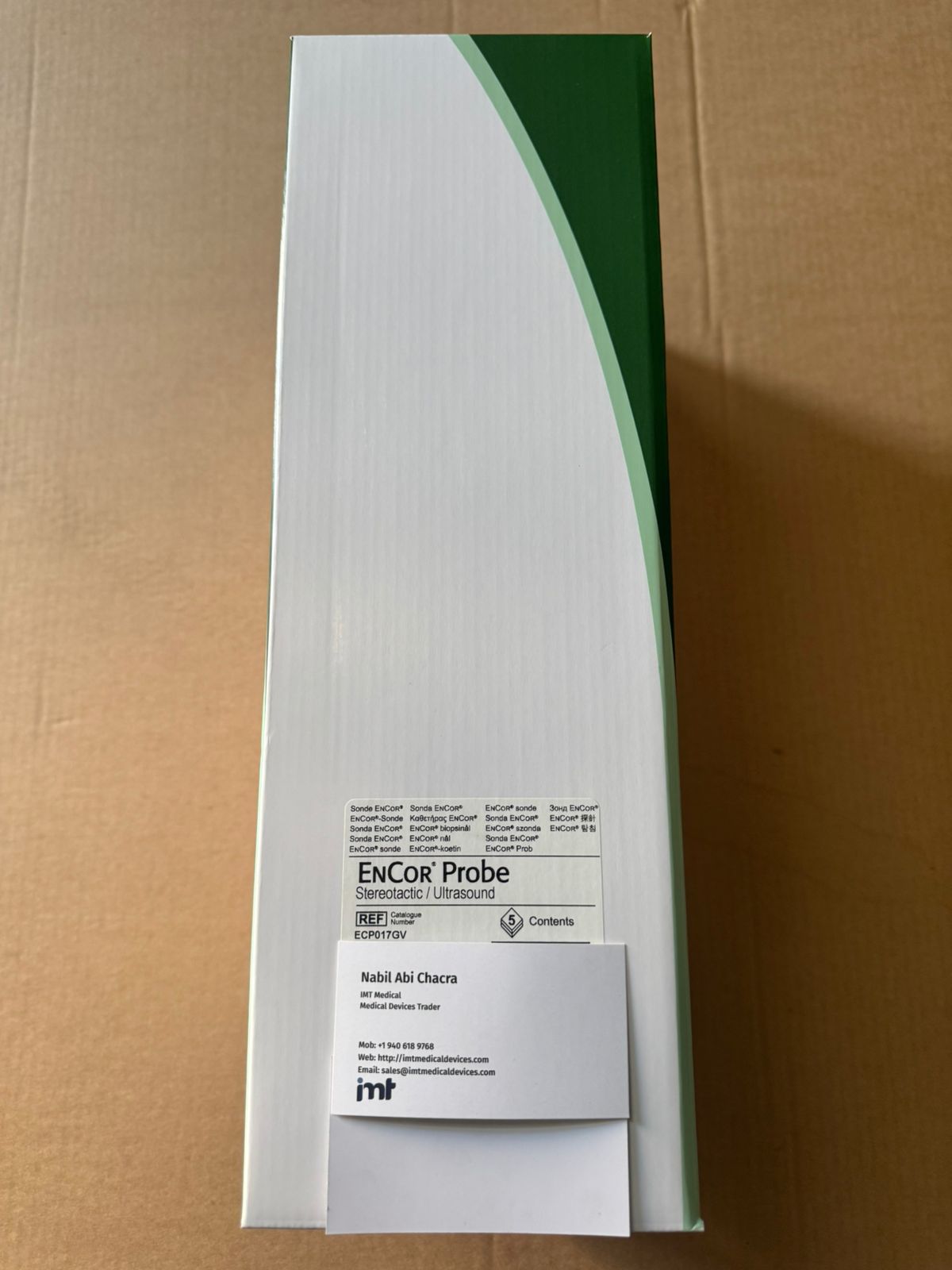
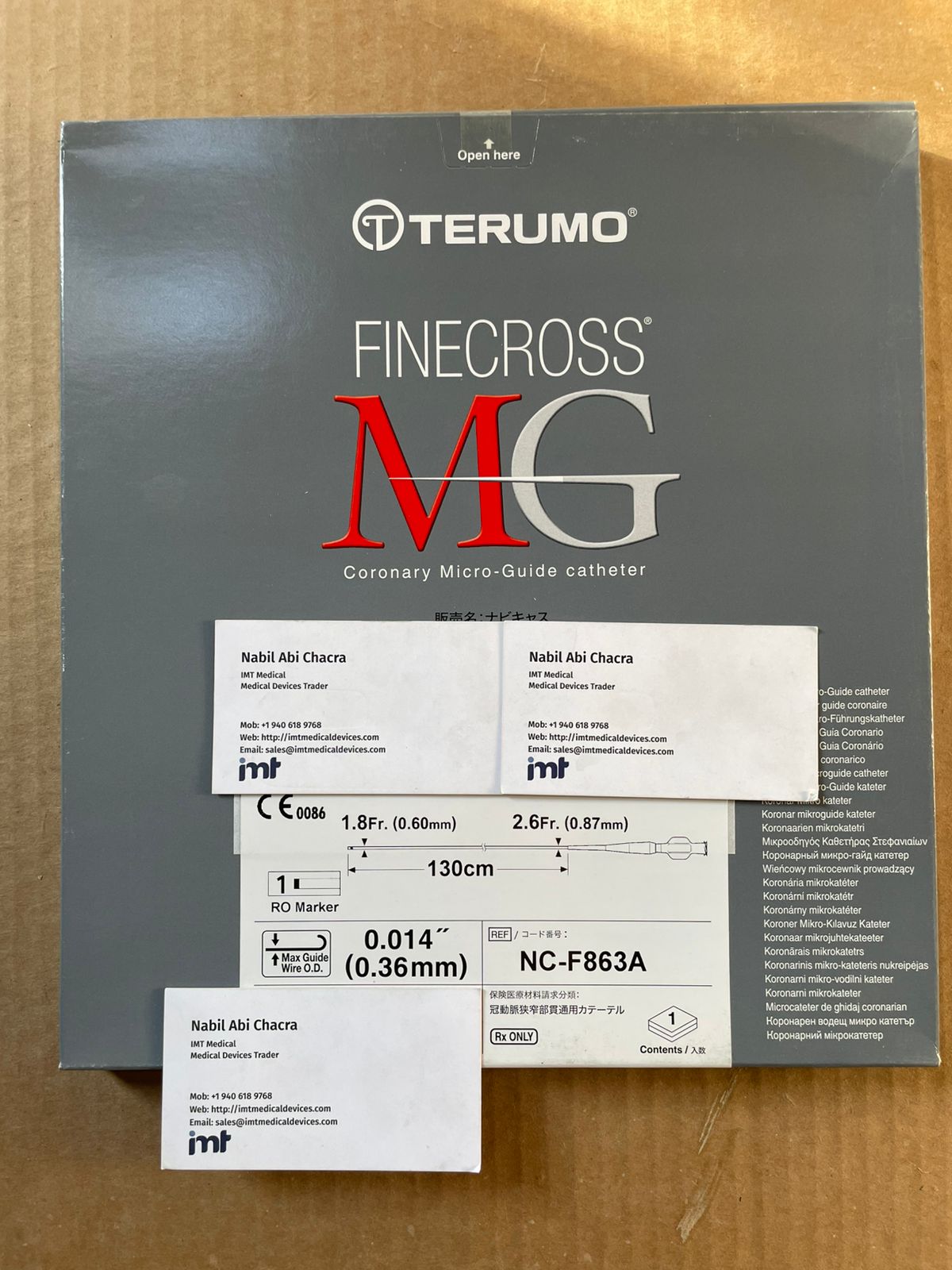
Branded device export is the cross-border supply of medical devices identified by specific manufacturers, product references, and often exact SKUs. In practice, buyers are not asking for a general product class. They are asking for a defined item from a recognized brand such as Abbott, Medtronic, Terumo, Boston Scientific, Asahi, BD, Ethicon, Roche, Siemens, Beckman Coulter, Cordis, or Stryker.
That distinction affects everything that follows. Exporting a generic disposable is not the same as exporting a branded interventional cardiology or neurovascular device with strict labeling, batch traceability, and shelf-life requirements. A serious export process must align commercial documentation, product identity, packaging integrity, and destination-country expectations.
For procurement teams, the practical issue is simple. The more clinically specific the device, the less room there is for substitution, naming ambiguity, or incomplete shipment documentation.
A practical guide to branded device export for healthcare buyers
The first step is product identification. Buyers should submit manufacturer name, full product description, SKU or reference number, required quantity, and any essential specifications tied to use in procedure or laboratory workflow. For example, a request for a guidewire is often not enough. Diameter, length, coating, support profile, and brand matter. The same applies to aspiration catheters, coils, balloons, micro catheters, and diagnostic consumables.
If the order includes multiple brands, consolidation becomes part of the sourcing strategy. This is where experienced wholesale exporters add value. Instead of managing separate purchasing channels for coronary intervention, peripheral intervention, neurovascular, and laboratory products, the buyer can centralize inquiries through one procurement source. That reduces administrative friction, but only if line-item accuracy is maintained from quote to dispatch.
The second step is commercial verification. Before payment and shipment planning, the buyer should confirm product availability, unit of sale, packaging configuration, shelf life, and brand authenticity. This sounds basic, but it is where many purchasing problems start. A product may be available, but not in the requested packaging level. Another item may be in stock, but with remaining shelf life that does not meet the end user’s internal standard.
The third step is export readiness. Once the product list is confirmed, the exporter should align invoice details, packing list data, quantity statements, and shipment information exactly with the goods being supplied. In medical device export, inconsistency between documents and physical cargo creates unnecessary customs review and receiving delays.
Where branded device export usually breaks down
Most international medical device orders do not fail because the products are unknown. They fail because documentation and operational handling do not match the precision expected by professional buyers.
One common issue is inconsistent nomenclature. A brand name may be correct, but the reference code may be missing or abbreviated differently across quote, invoice, and packing documents. That creates confusion at import, especially for distributors and hospital stores teams working from ERP-based product records.
Another issue is substitution risk. In some product categories, a supplier may assume an equivalent device is acceptable if the listed SKU is unavailable. In branded clinical procurement, that assumption is often wrong. Buyers may need a specific Terumo catheter, an Asahi guidewire, a Boston Scientific balloon, or a Roche diagnostic item because it is approved internally, used routinely by a clinical team, or required to match an existing procedural setup. Unless substitution is explicitly approved, exact-match fulfillment is the safer standard.
Shelf life is another point that deserves more attention. For high-turn environments, shorter dating may be workable. For lower-volume facilities, public sector buyers, or distributors moving stock across regions, it may not. Exporters should state available shelf life early rather than after order confirmation.
Then there is packaging condition. Branded devices require intact, traceable packaging suitable for international transit. Even when the product itself is correct, damaged outer packaging can complicate receiving and downstream resale.
Documentation that supports a cleaner export process
The right paperwork depends on product type and destination, but the discipline is consistent. Buyers should expect commercial documents that clearly match the shipment and identify the goods in usable procurement language. That includes manufacturer identity, product references, quantities, and packaging details.
Some destinations or institutional buyers may also request additional support documents related to product origin, regulatory status, or transport handling. The exact requirement depends on the market. This is one of the main areas where it depends on the buyer’s import framework rather than the exporter alone. A distributor importing into one country may require a very different document set than a private hospital importing into another.
The useful question is not just, “Can this be shipped?” It is, “What does our receiving, customs, licensing, and inventory process need in order to clear and book this shipment without manual correction?” That is the question disciplined buyers ask early.
Brand concentration can simplify procurement
For many organizations, the operational gain comes from sourcing breadth. A procurement team may need coronary stents, guiding catheters, PTA balloons, vascular closure devices, neurovascular coils, sutures, and diagnostic laboratory brands within the same purchasing cycle. Working through multiple manufacturer channels may be necessary in some cases, but it also increases quote management, communication overhead, and shipment fragmentation.
A wholesale export partner with a broad branded portfolio can reduce those moving parts. The benefit is not just convenience. It can improve purchasing speed, support better order visibility, and make repeat buying more consistent across departments. This matters most when buyers are managing procedure-driven demand and cannot spend extra time reconciling fragmented sourcing.
That said, consolidation is only useful when product specificity is preserved. Broad catalog access should never come at the expense of exact SKU control.
What buyers should confirm before placing an order
Before final approval, buyers should validate six practical points: exact brand and reference, quantity and pack configuration, available shelf life, shipping method, export document requirements, and delivery timeline. None of these points is complicated by itself. The problem starts when one of them is assumed rather than confirmed.
Lead time also needs a realistic reading. Some items are available for fast dispatch. Others depend on current stock position, manufacturer channel timing, or order size. A reliable supplier should distinguish between in-stock availability and future procurement timing rather than treating both as immediate supply.
For high-value or urgent procedure products, it is also worth confirming how mixed-brand orders will be packed and documented. A combined shipment can be efficient, but only if receiving teams can identify each line easily on arrival.
Choosing the right export supplier for branded devices
The right supplier for branded device export is not simply the one with a long catalog. It is the one that understands how procurement teams buy. That means exact product recognition, clear quote handling, familiarity with branded intervention and laboratory categories, and the ability to support international fulfillment without turning every order into a custom problem.
Professional buyers usually recognize this quickly. If a supplier cannot handle precise nomenclature, distinguish among closely related SKUs, or communicate clearly about availability and export documentation, the transaction will likely become slower than it needs to be.
For buyers sourcing across cardiology, radiology, neurovascular, surgery, and diagnostics, a structured export partner can shorten the path from inquiry to usable stock. IMTMedicalDevices.com operates in that space by focusing on recognized manufacturers, high-demand branded products, and export supply for professional healthcare buyers.
The strongest export relationships are usually built on repeatability. When a supplier can deliver the correct branded product, with the correct documents, in the correct commercial format, procurement becomes less reactive and more controlled. That is where branded device export starts to work the way buyers need it to work - not as a one-time shipment, but as a dependable supply channel.