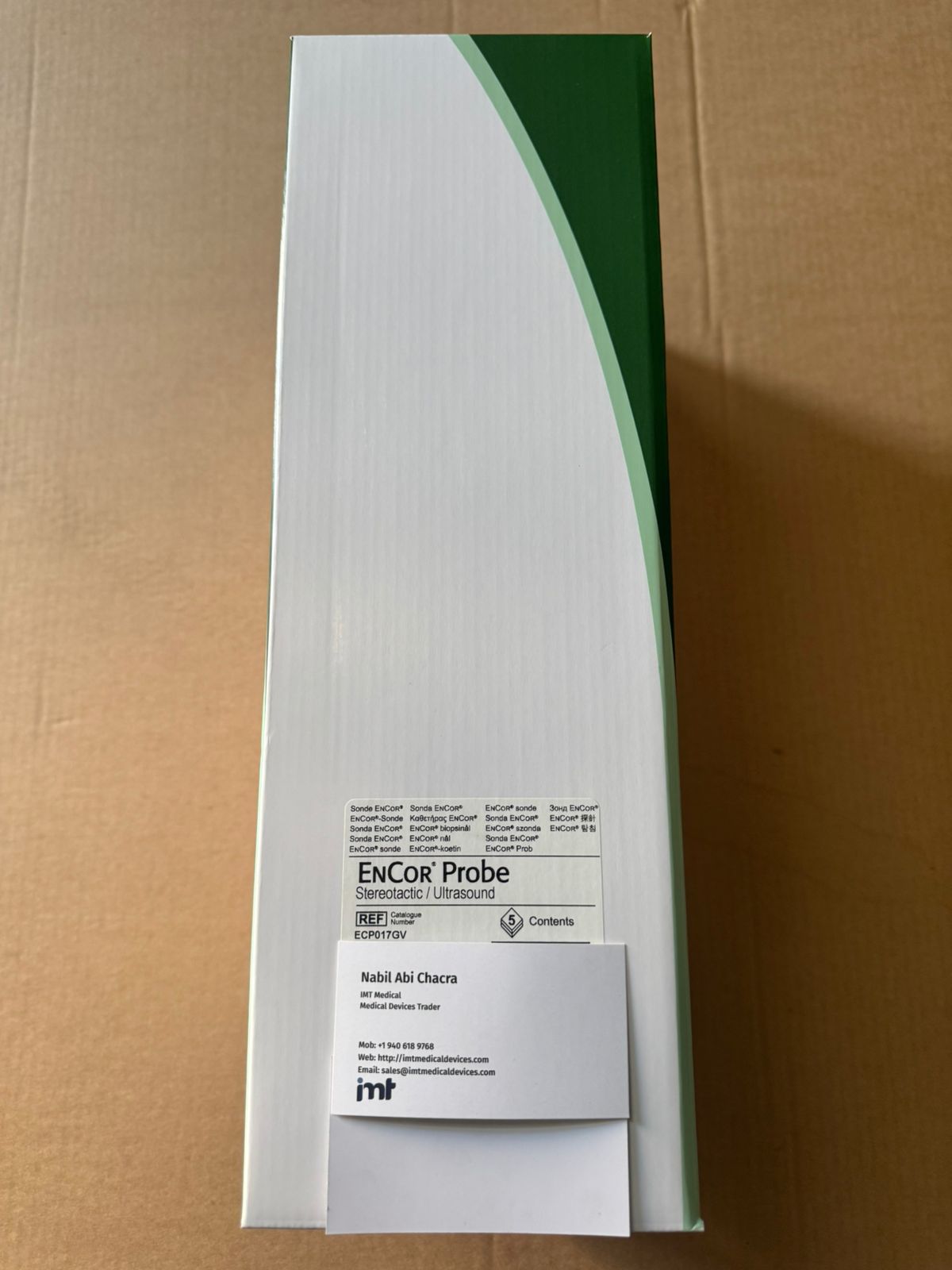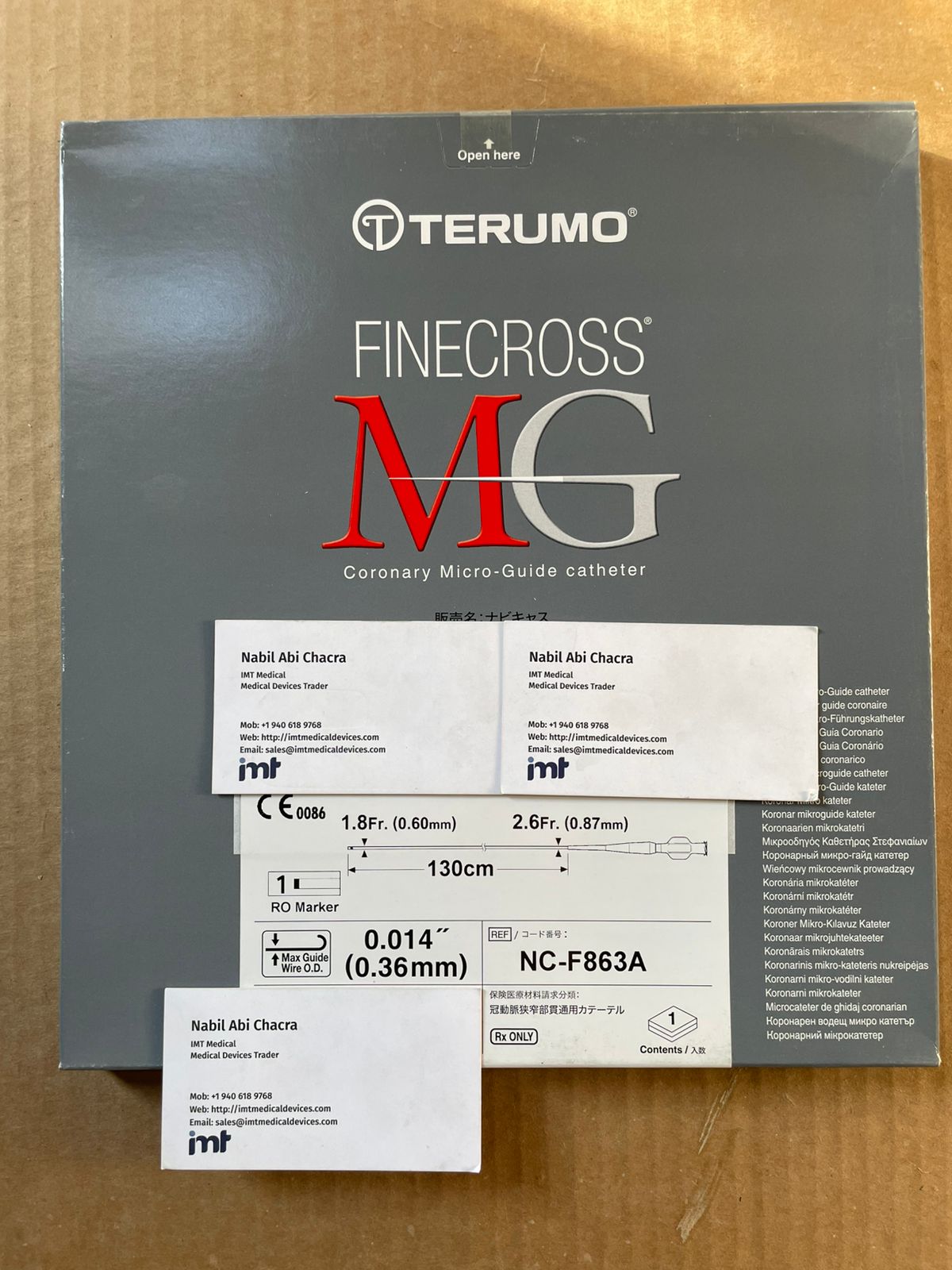

Guidewire Wholesale for Cath Lab Buyers
A missed guidewire on a scheduled case does not stay a purchasing issue for long. It becomes a lab delay, a physician escalation, and a margin problem. That is why guidewire wholesale matters to hospitals, independent distributors, and physicians who need branded inventory with exact product identification and fast quote handling.
In interventional supply, the buyer usually already knows the brand, family, and profile required. The real question is whether the source can supply the correct item, in the correct configuration, with documentation and timing that fit the case schedule. Wholesale purchasing only works when it reduces uncertainty. If it adds ambiguity around manufacturer, packaging, or availability, it is not helping procurement.
What buyers actually need from guidewire wholesale
For cath labs and specialty hospitals, guidewire procurement is rarely about browsing. It is about matching an intended procedure to a specific device platform. In coronary work, that may mean selecting a workhorse, specialty, or CTO wire from a known manufacturer family. In peripheral and neurovascular procedures, it may mean balancing support, trackability, torque response, coating, and diameter against a defined access strategy.
That is why guidewire wholesale should be evaluated as a sourcing function, not just a pricing channel. The lowest quoted line item is not the best option if the device arrives with unclear labeling, inconsistent lead time, or a product revision that the operator did not request. Professional buyers want exact names, exact part numbers, and brand clarity first. Price matters, but only after product identity is settled.
Hospitals that buy outside local incumbent distributors usually do so for one of three reasons. They need access to brands or configurations that are not being supplied consistently, they want a second source for continuity, or they need commercial flexibility that local channels are not offering. Competing distributors have a different reason. They need access to branded inventory without losing time in fragmented sourcing. In both cases, wholesale becomes valuable when it shortens procurement steps and lowers fulfillment risk.
Guidewire wholesale by procedure category
A useful guidewire wholesale source is organized the same way buyers think - by procedure type, manufacturer, and SKU.
Coronary guidewires
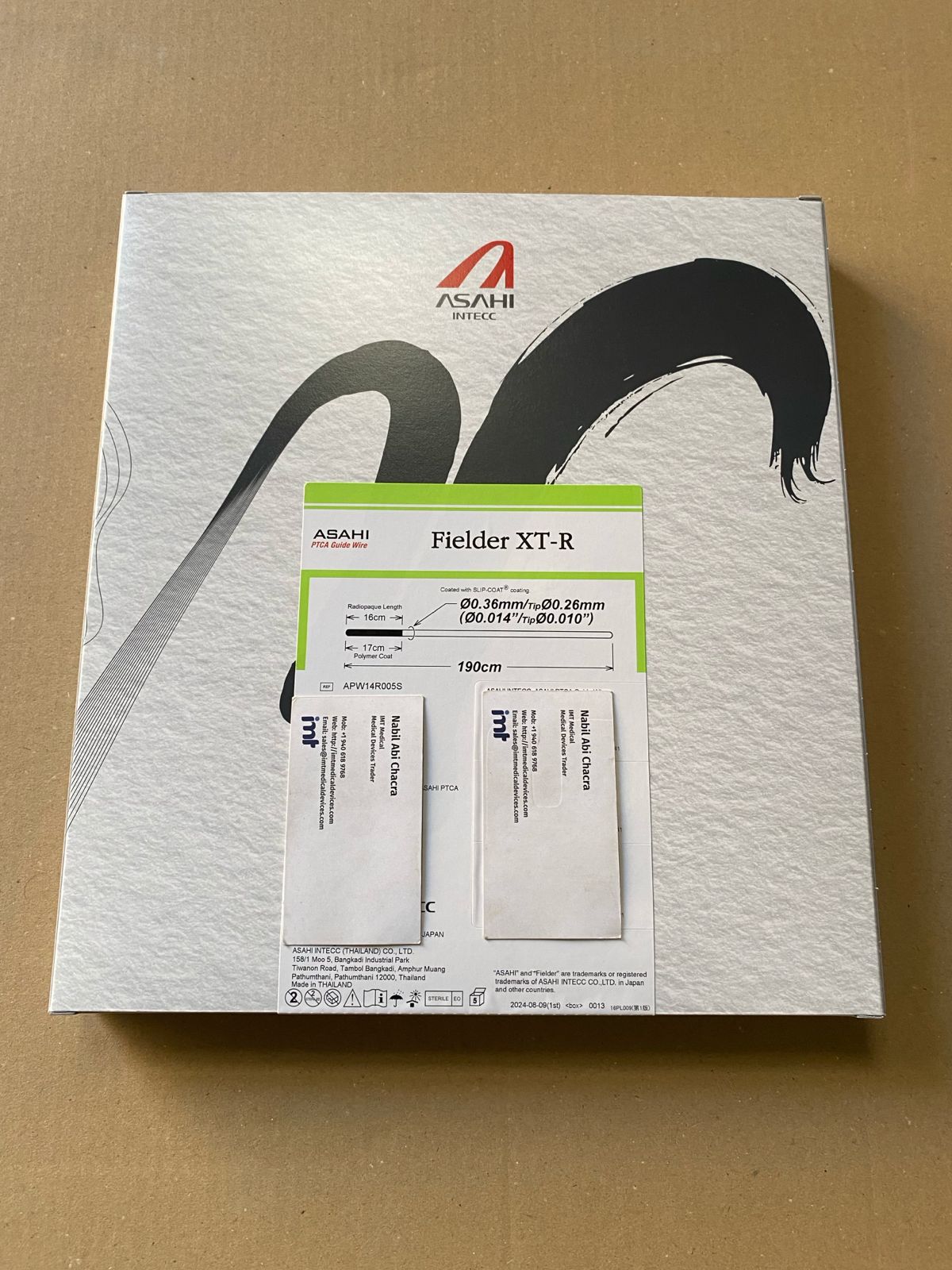
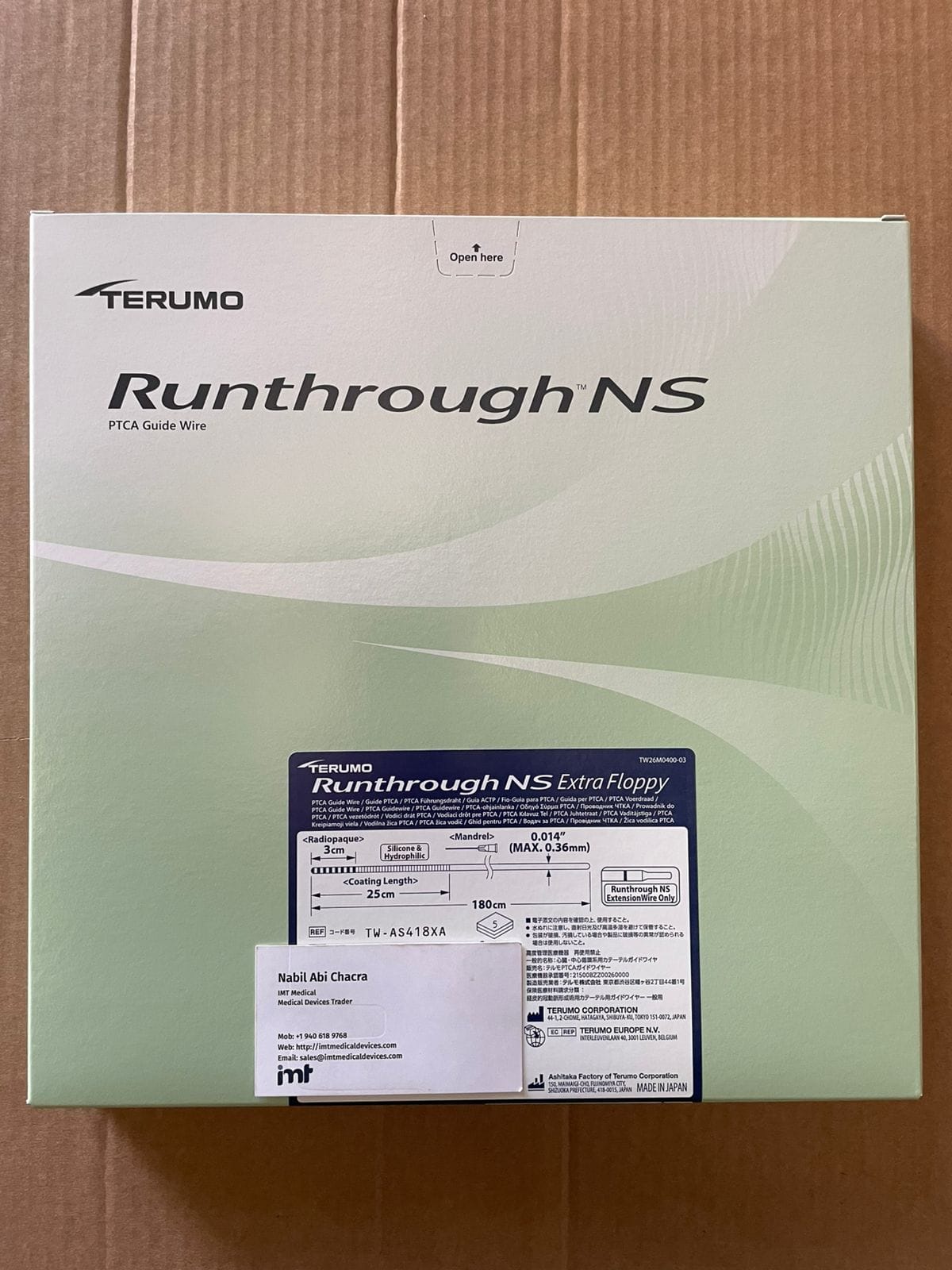
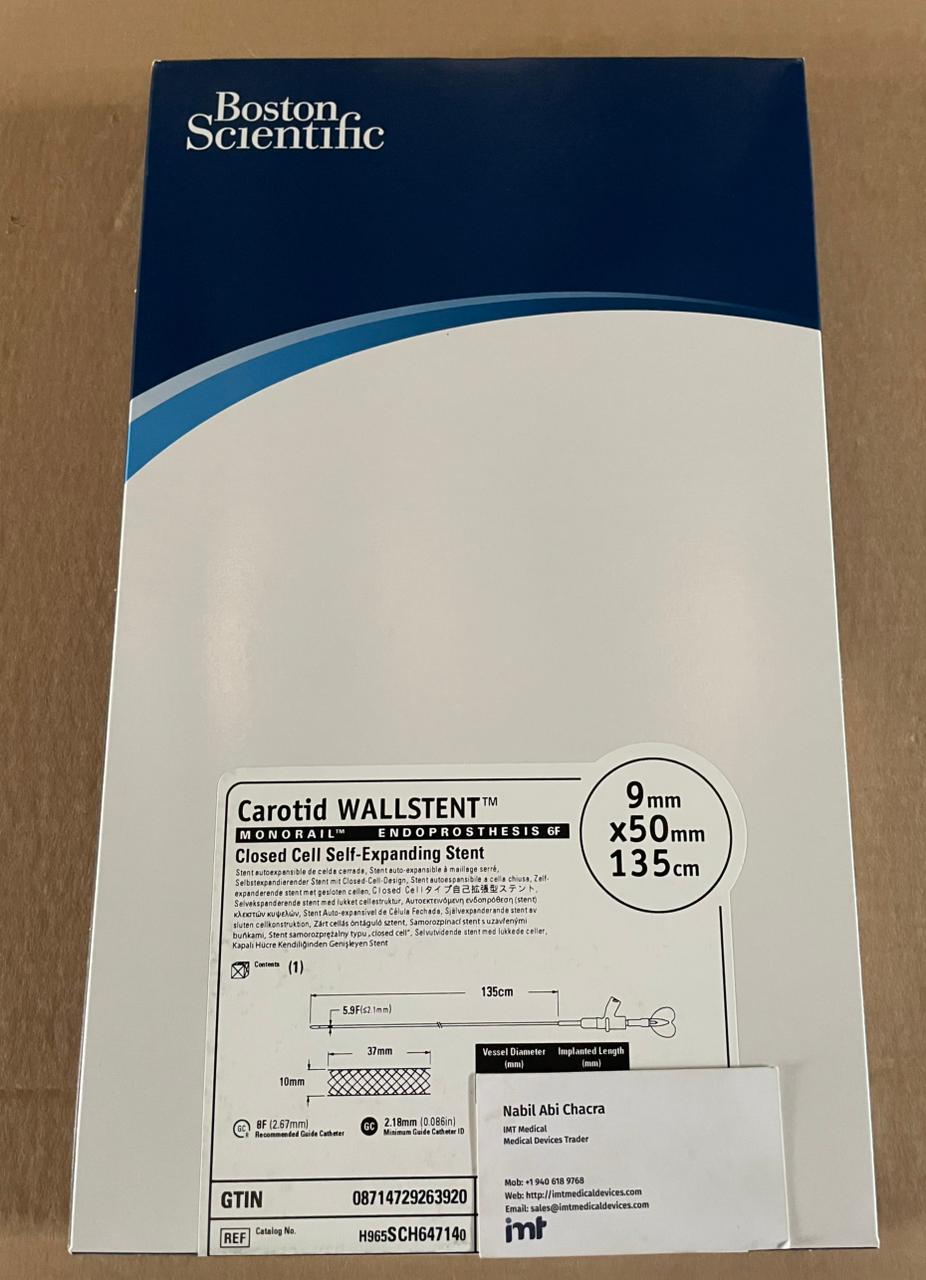
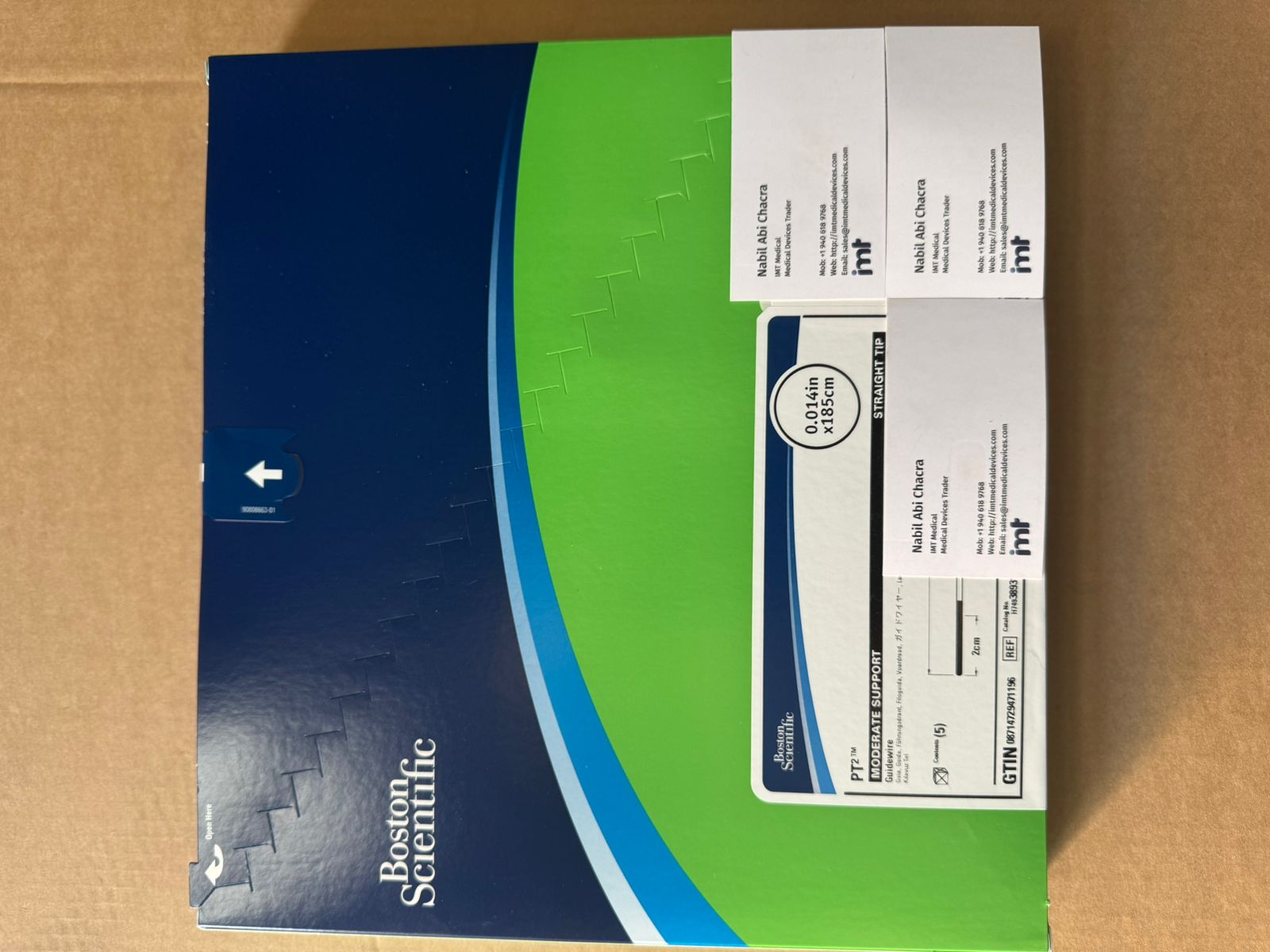
Coronary buyers often work from established physician preference cards and standard inventory ranges. That means the sourcing side must be able to distinguish not only the manufacturer, but also the exact wire family, tip load, coating, and shaft characteristics the physician expects. A quote request that says only "coronary wire" is not enough. A serious wholesale supplier should be ready to work from exact references tied to branded products from manufacturers such as Medtronic, Boston Scientific, Asahi, Abbott, and Terumo.
In this category, substitutions are usually the point of failure. A near match on paper may not be accepted in the lab. Buyers therefore benefit from wholesalers that communicate in product codes and confirm commercial details without rewriting the clinical request.
Peripheral guidewires
Peripheral procurement tends to involve more variation in length, support level, and access approach. In practical terms, this means the buyer needs better filtering before requesting a quote. If a supplier cannot separate peripheral inventory clearly from coronary lines, the process slows down immediately. Product mix matters here because peripheral cases often require broader supporting inventory across balloons, catheters, and closure products.
That matters for wholesale because many buyers are not filling a single wire request. They are consolidating a case set or restocking a procedure category. A distributor with broad branded inventory can reduce the number of separate purchase actions required.
Neurovascular guidewires
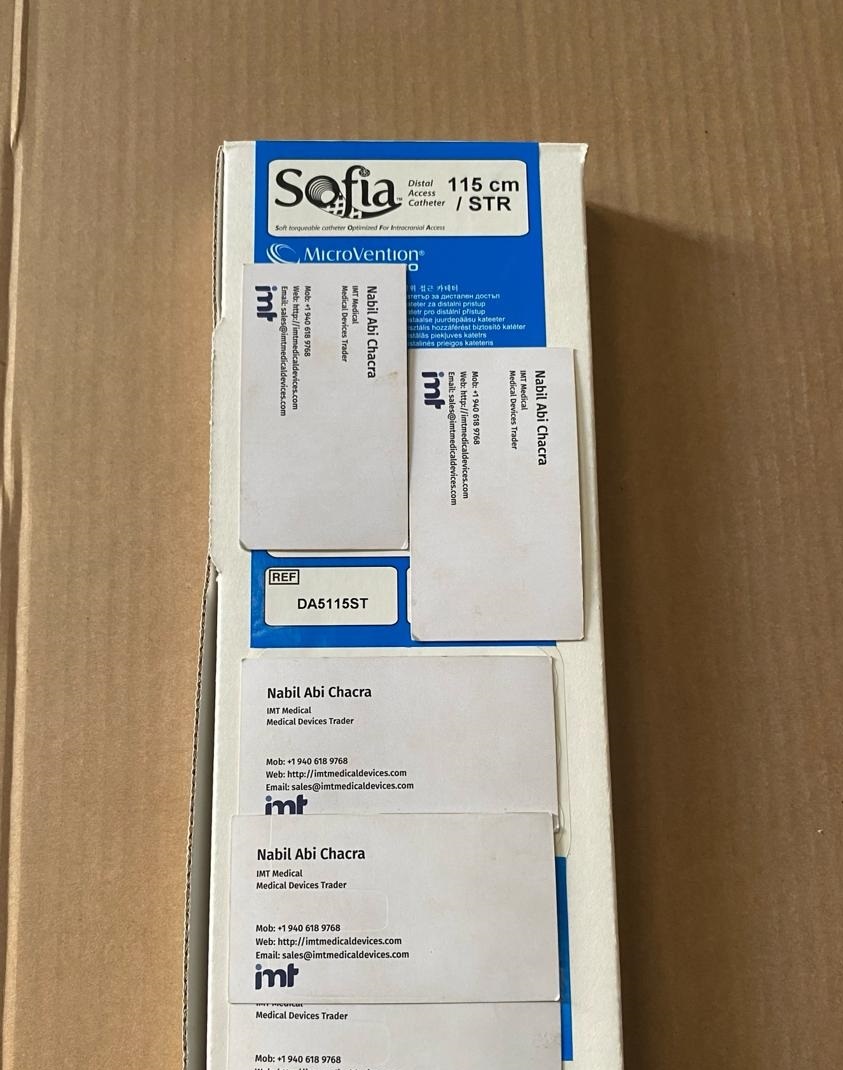
Neurovascular purchasing is less forgiving. Product specificity is high, operator preference is strong, and procedural risk leaves little room for interpretation. Buyers in this segment typically want direct confirmation on manufacturer, packaging condition, and lot-related documentation where relevant. Brands such as MicroVention and Terumo Neuro are important here not just as names, but as trust signals tied to known clinical platforms.
For neuro buyers, guidewire wholesale works only when the commercial side respects the precision of the request. That includes using exact device identifiers and avoiding casual substitution language.
What separates a usable wholesale source from a risky one
The wholesale market has no shortage of companies willing to quote. The problem is that many quotes do not reduce purchasing risk. A usable source does a few basic things consistently.
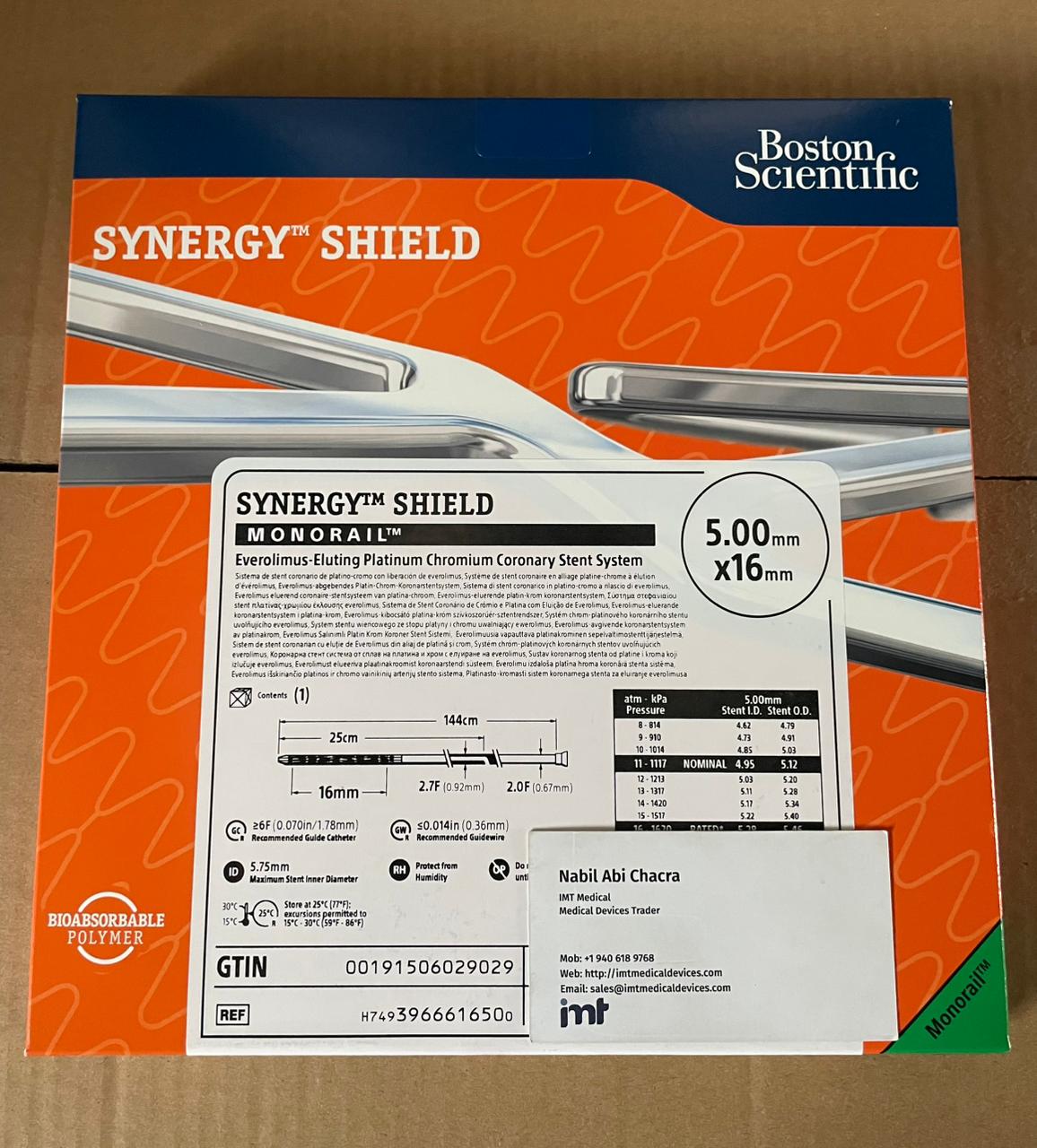
First, it quotes branded products clearly. The buyer should not need follow-up emails just to confirm whether the item is from the requested manufacturer family. Second, it works at SKU level. Exact catalog numbers reduce errors, speed internal approval, and make receiving easier. Third, it handles mixed-category demand. A hospital that needs guidewires often also needs guiding catheters, microcatheters, aspiration catheters, coils, balloons, or stents in the same procurement cycle.
There is also a documentation discipline that serious buyers expect. Packaging status, shelf life, unit of sale, and export handling all affect whether a quote is actually usable. This is especially relevant for buyers in Gulf countries, Latin America, and Asia, where procurement teams may be coordinating across import, finance, and clinical stakeholders at the same time. A quote that arrives fast but lacks the right identifiers can still slow the order.
How to buy guidewire wholesale without creating delays
The fastest transactions usually happen when the buyer leads with precision. Instead of describing the clinical intent broadly, send the exact product name, manufacturer, and part number if available. If the request is open to alternatives, say so explicitly. If it is physician-locked, state that at the start. That one distinction changes the sourcing path.
It also helps to group demand by procedure line. Coronary, peripheral, and neurovascular orders move more efficiently when they are not mixed into a single unstructured list. Procurement teams and independent distributors often save time by sending requests in table format with item description, SKU, target quantity, and required timeline.
Another practical step is to ask for confirmation on stock position versus sourceable lead time. Those are not the same thing. Some wholesale suppliers quote from accessible supply but not on-hand inventory. That can still work, but only if the timing is clear enough for the case schedule or replenishment plan.
Why branded inventory matters more than broad claims
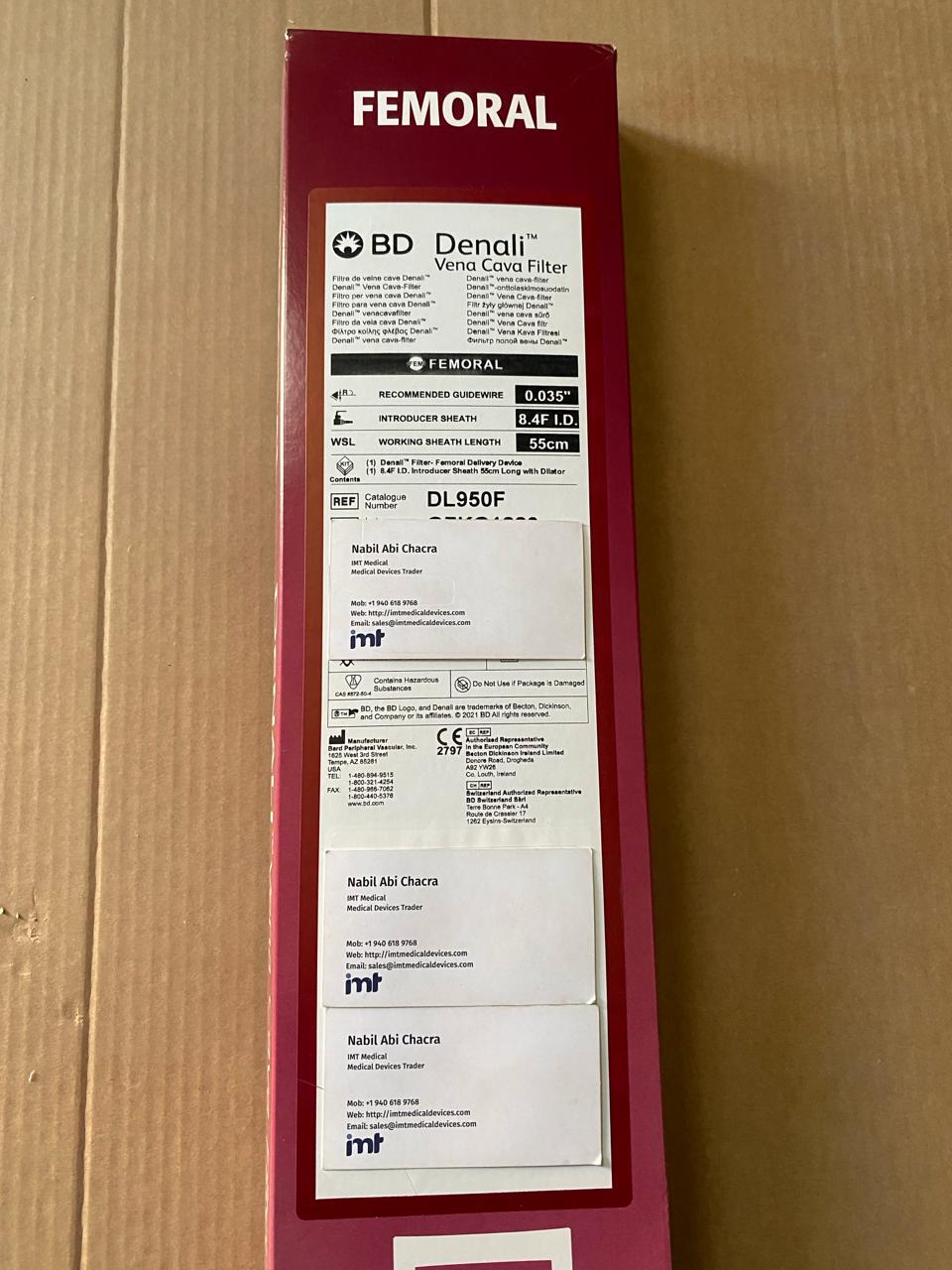
In guidewire wholesale, broad claims about access or network strength are less useful than a supplier's ability to reference real manufacturers and exact product families. Buyers recognize names such as Medtronic, Boston Scientific, Asahi, Terumo, Terumo Neuro, Abbott, Cordis, BD, and B. Braun because those names reduce uncertainty. They anchor the transaction in known device standards.
This is also why a catalog-first sourcing model works for professional buyers. If the supplier organizes inventory around actual interventional categories and branded product lines, the buyer spends less time translating a need into a quote request. That is particularly useful for hospitals and doctors working outside local distributor relationships, where the transaction needs to be clean and fast without extended sales discussion.
At https://imtmedicaldevices.com, the value for this type of buyer is straightforward: branded interventional inventory, multi-category coverage, and quote initiation built around exact product requests rather than general inquiry forms.
When wholesale is the right move - and when it is not
Guidewire wholesale is usually the right fit when the buyer already knows the required device or acceptable brand range, needs commercial flexibility, or wants a second sourcing channel for continuity. It is also useful when a distributor needs to compete with a local incumbent and cannot afford slow, fragmented product search.
It is less effective when the buyer is still in a product evaluation stage and expects heavy clinical guidance from the supplier. Wholesale channels are strongest when the request is defined. If the need is still exploratory, the process may take longer because the commercial side has to translate an incomplete device specification into a sourceable item.
That is not a weakness. It is simply how interventional procurement works. Precision speeds everything. Ambiguity slows everything.
For buyers handling guidewire demand across coronary, peripheral, or neurovascular lines, the practical test is simple: can the supplier quote the exact branded item, in the exact format you need, without adding confusion? If the answer is yes, wholesale becomes a useful procurement advantage rather than another layer of work.
The best orders are the ones that move from SKU to quote to shipment with as little interpretation as possible.