
How to Choose a Coronary Stent Distributor
A delayed coronary stent shipment is not a minor purchasing issue. It can disrupt cath lab scheduling, force substitutions your operators do not want, and create avoidable pressure on inventory teams already working with narrow margins.
For hospitals, independent physicians, and distributors competing against entrenched local suppliers, the right coronary stent distributor is usually defined by one thing first - whether the exact product needed can be sourced quickly and quoted clearly. Price matters, but if availability is inconsistent or product identification is vague, the transaction becomes risky.
This is a procurement-driven category. Buyers are not looking for broad brand promises. They are looking for precise product names, recognizable manufacturers, exact references where applicable, and a supplier that understands how coronary devices are purchased in real cath lab workflows.
What a coronary stent distributor should actually provide
A coronary stent distributor should do more than say a product line is available. In practice, serious buyers need clear confirmation of brand, model family, sizing, delivery expectations, and quote responsiveness. If the conversation starts with generalities instead of exact product identification, that usually creates friction later.
In coronary intervention, purchasing decisions are often tied to physician preference, existing cath lab protocols, reimbursement limits, and case mix. One facility may need a specific branded drug-eluting stent that aligns with physician familiarity. Another buyer may be managing mixed demand across coronary and peripheral inventory and needs a supplier that can consolidate sourcing across categories instead of handling one line item at a time.
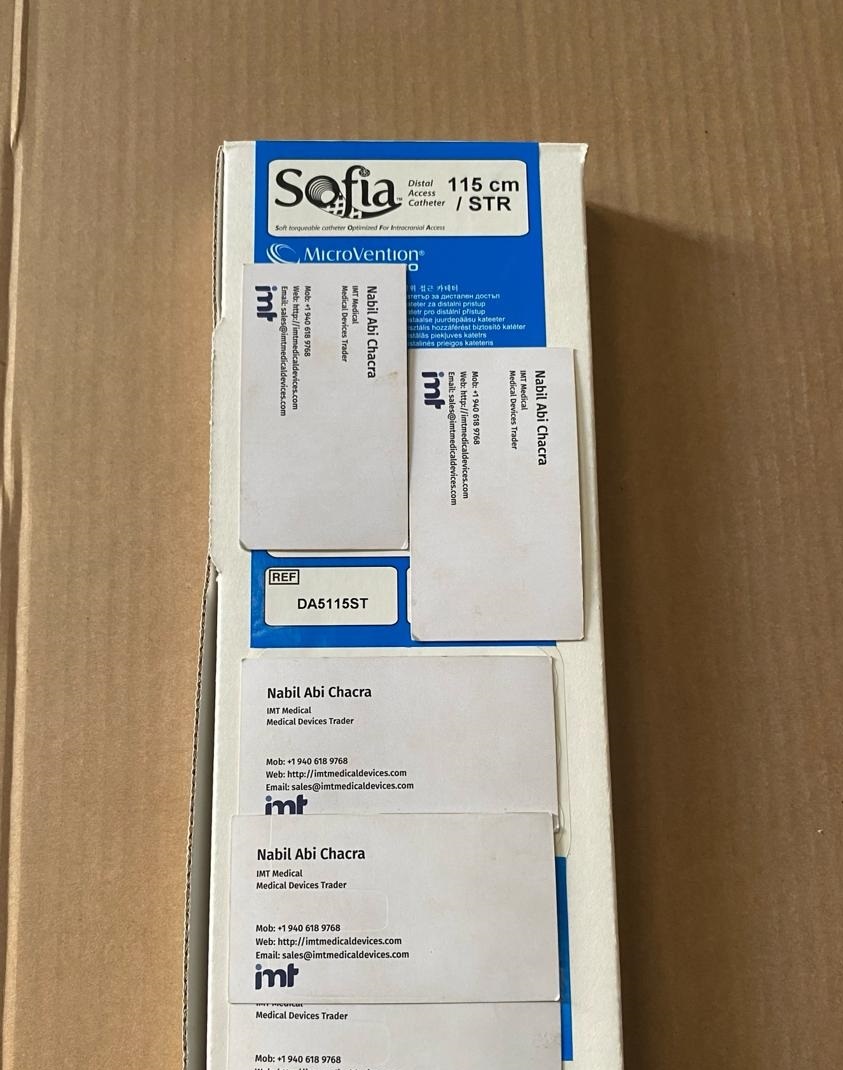
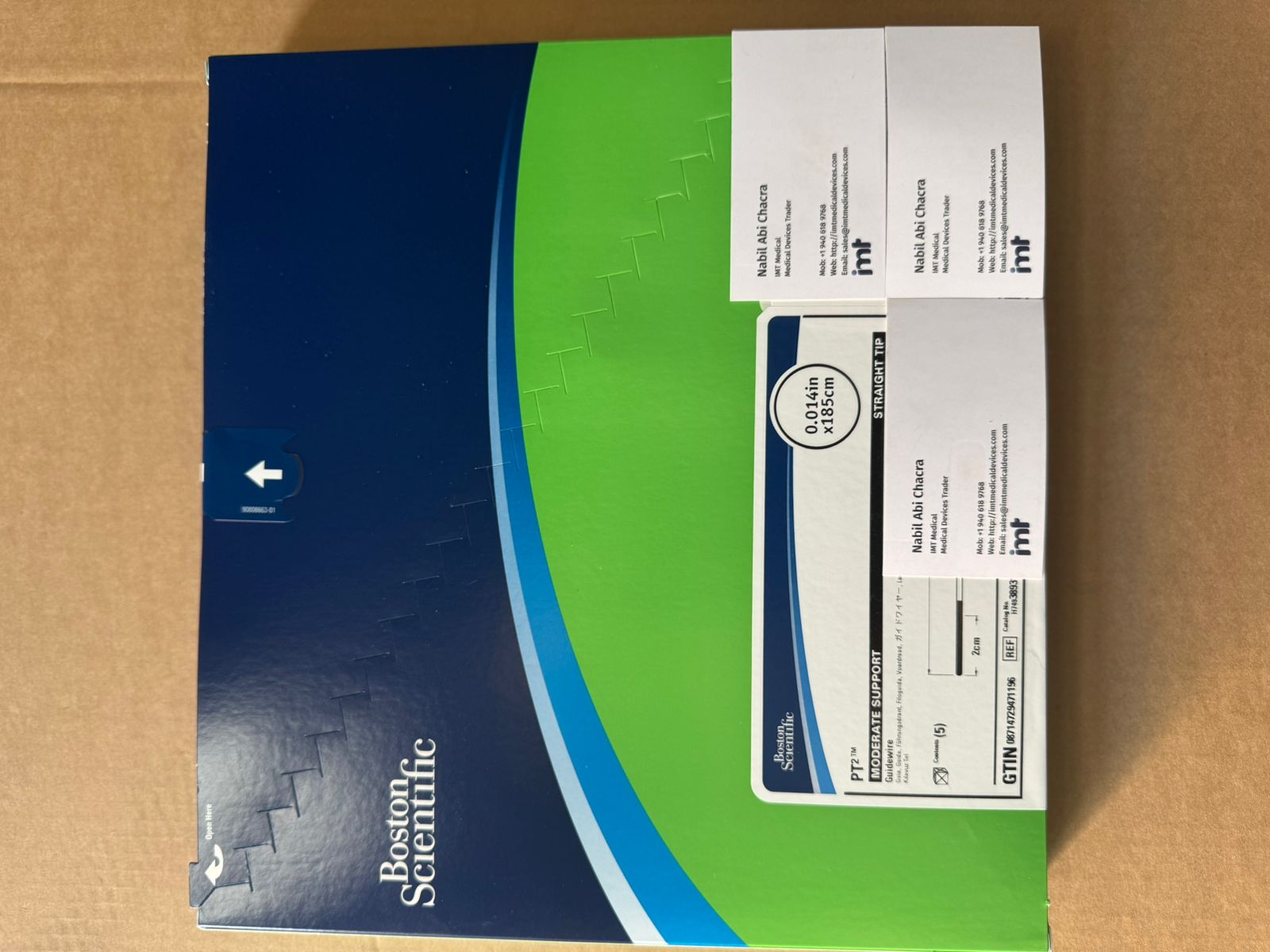
That is why distributor capability matters beyond a single SKU. A useful supply partner can support adjacent product demand such as balloon catheters, guidewires, guiding catheters, microcatheters, aspiration catheters, and vascular closure devices. For procurement teams, this reduces administrative drag. For physicians, it reduces the odds of procedural planning around incomplete stock.
Why buyers look beyond local coronary stent distributors
Not every hospital or physician wants to keep buying from the existing local channel. Sometimes the issue is pricing. Sometimes it is limited access to branded inventory. In other cases, the local distributor may not carry the exact manufacturer mix the operator wants, or the commercial relationship has simply become inefficient.
For competing distributors, the need is different but just as practical. They may need a coronary stent distributor that helps them fill gaps, respond faster to tenders, or source branded devices that strengthen their position against larger incumbents. In these cases, a distributor is not just a vendor. It becomes part of the buyer's supply strategy.
This is especially relevant in markets where access can vary by brand, approval pathway, and channel structure. Buyers in Gulf countries, Latin America, and parts of Asia often evaluate alternative supply routes because continuity matters more than staying with a familiar local name.
Brand depth is a real purchasing advantage
A distributor with broad branded coverage gives buyers more room to match physician preference and facility demand. In coronary and adjacent intervention categories, that usually means access to major manufacturers rather than unbranded substitutes.
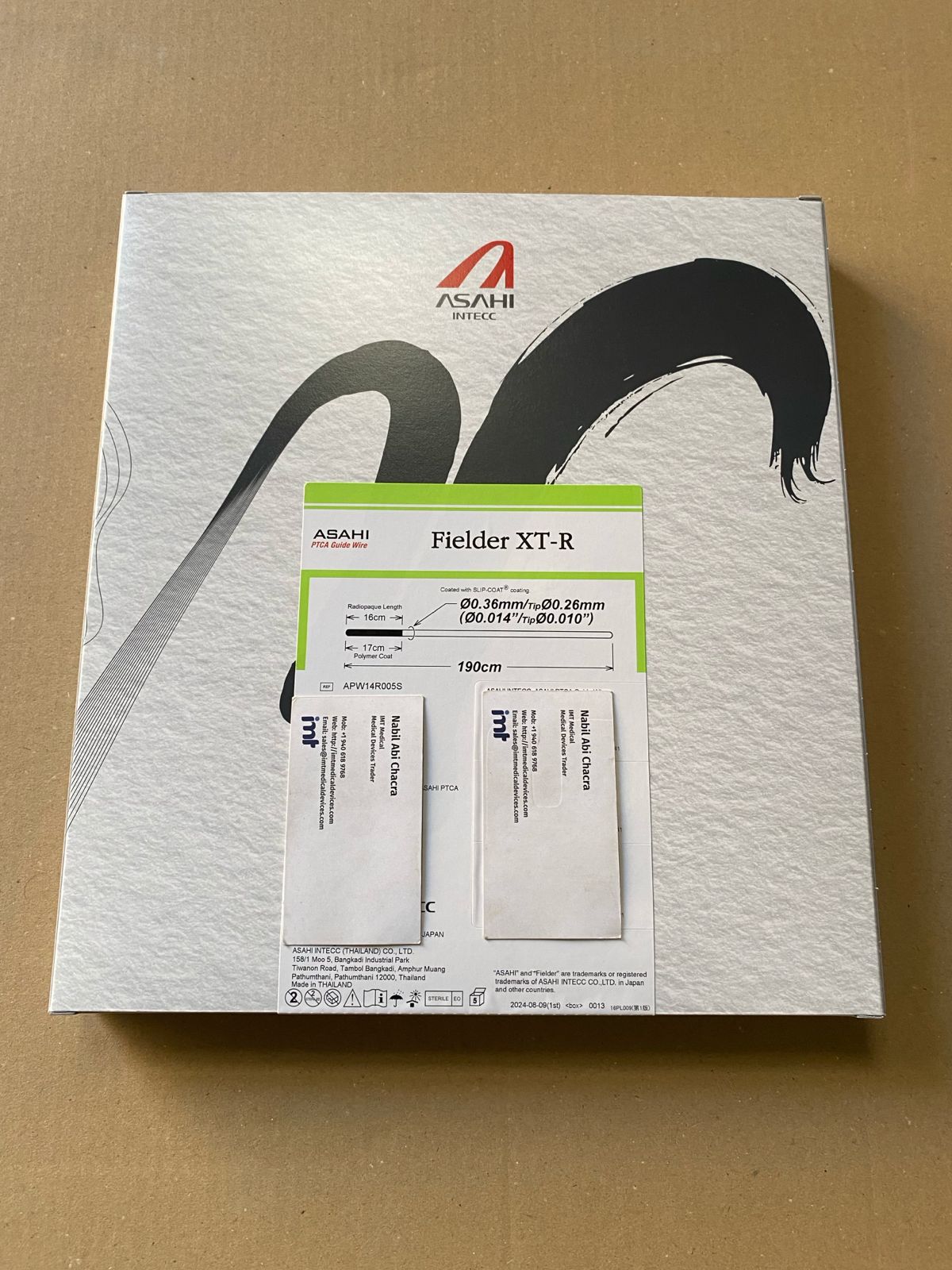
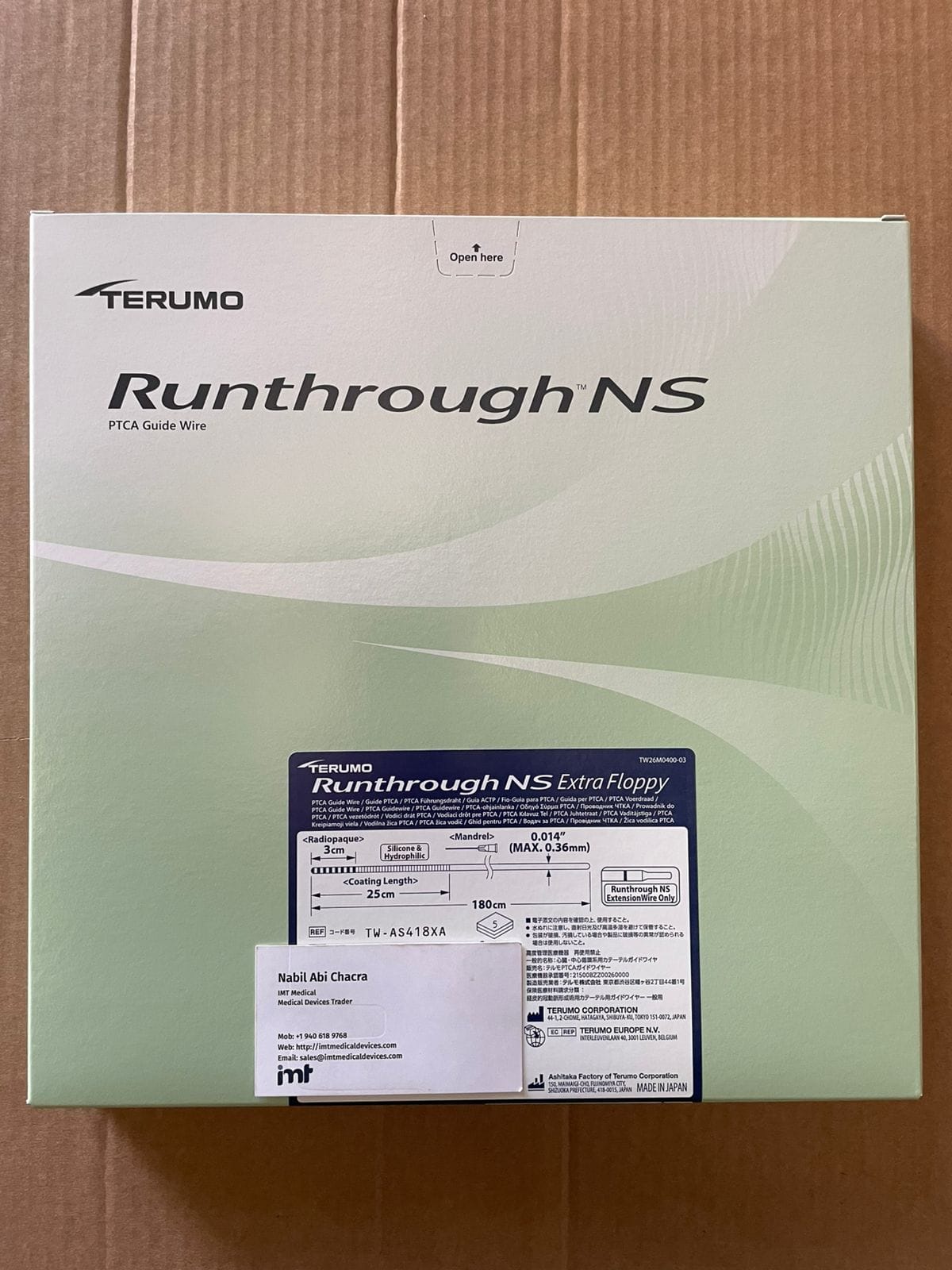
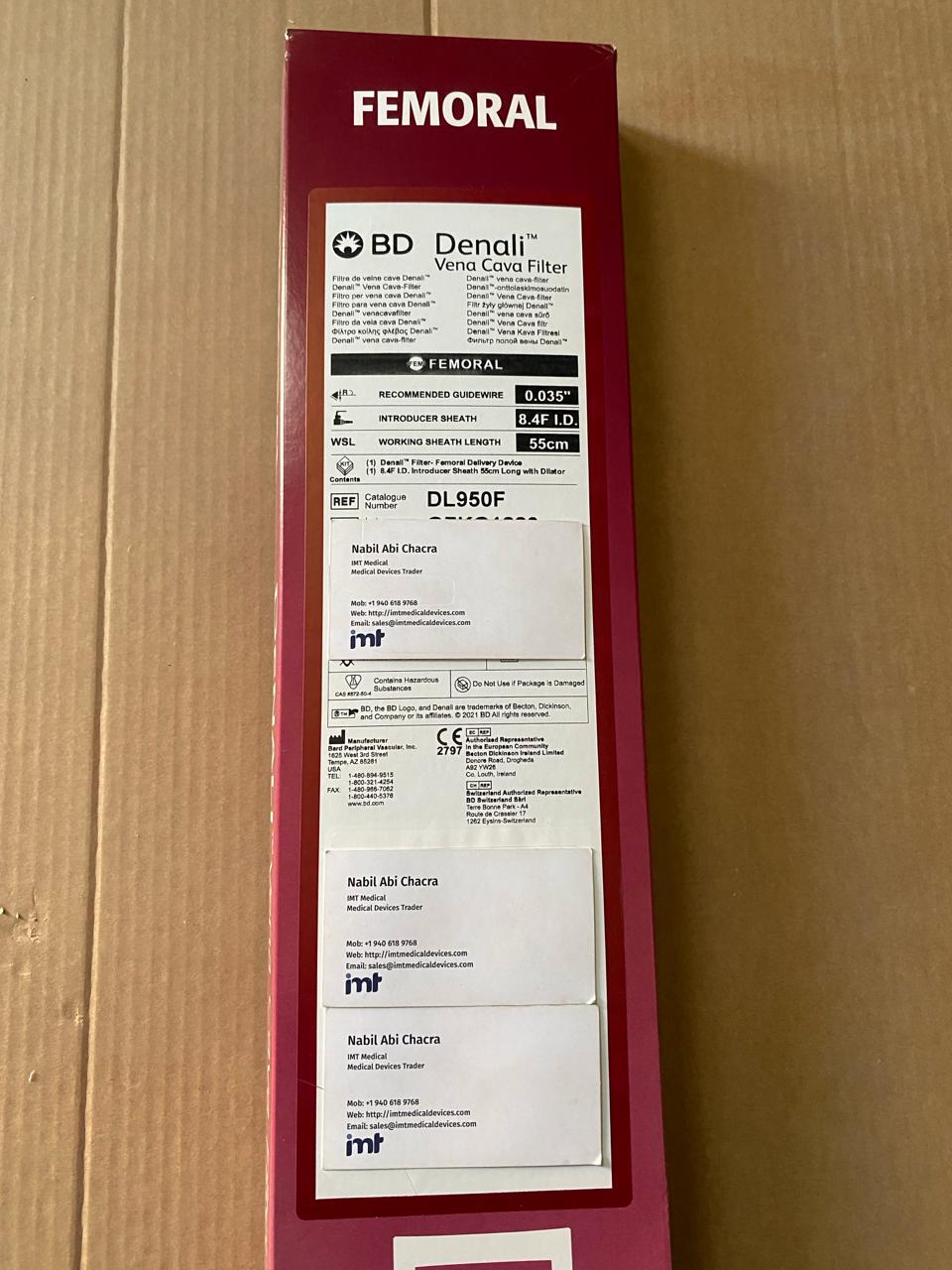
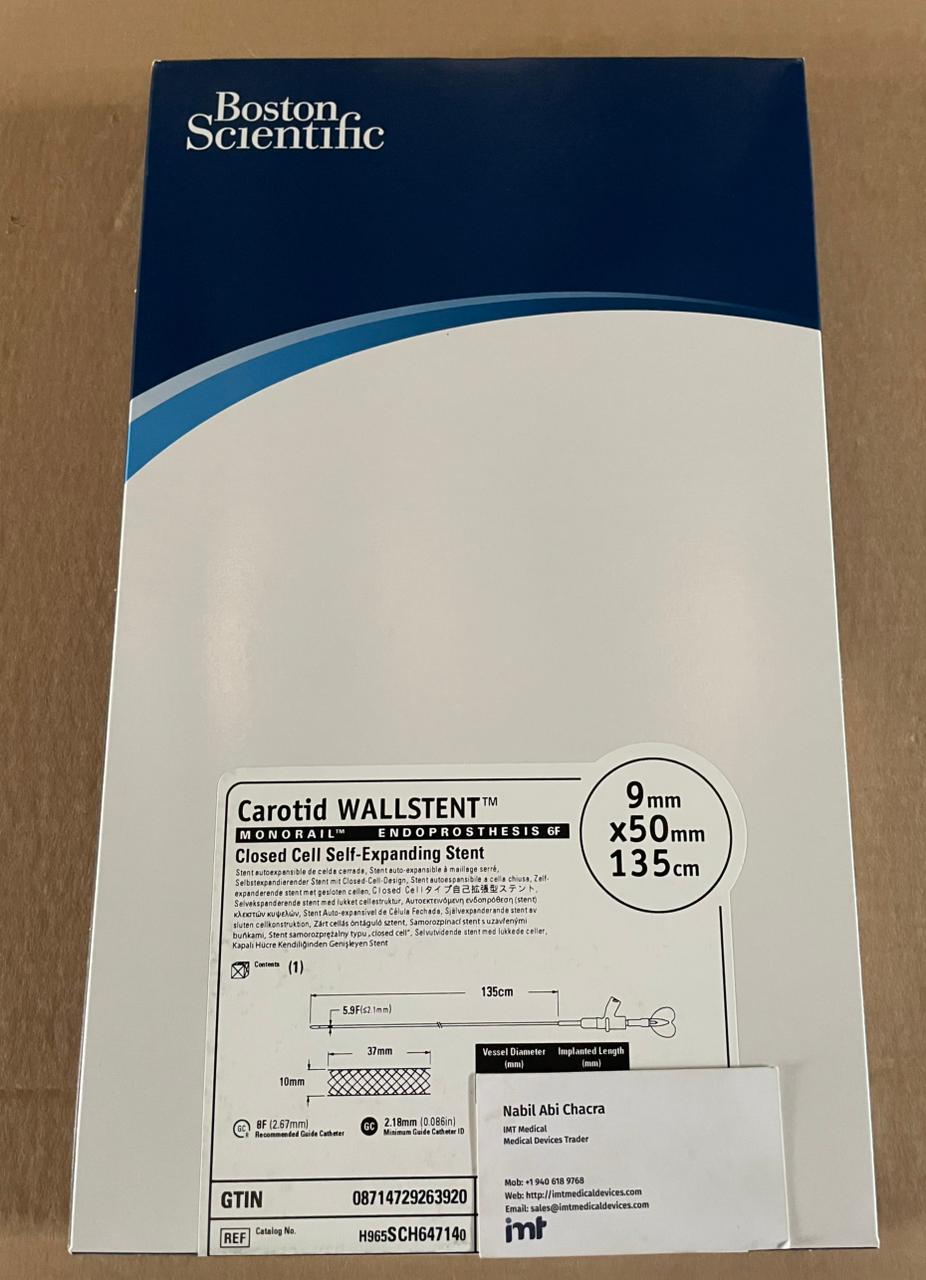
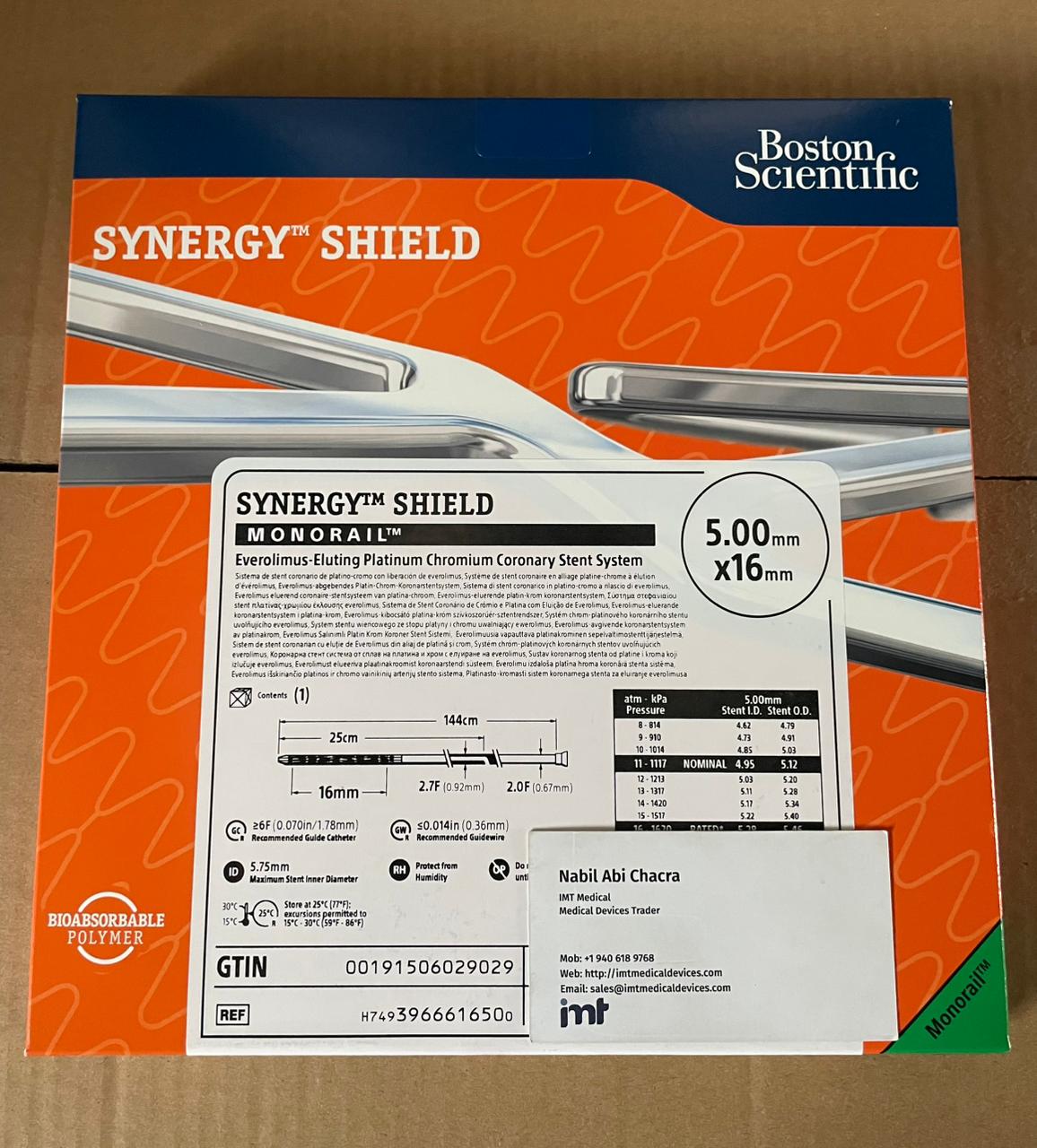
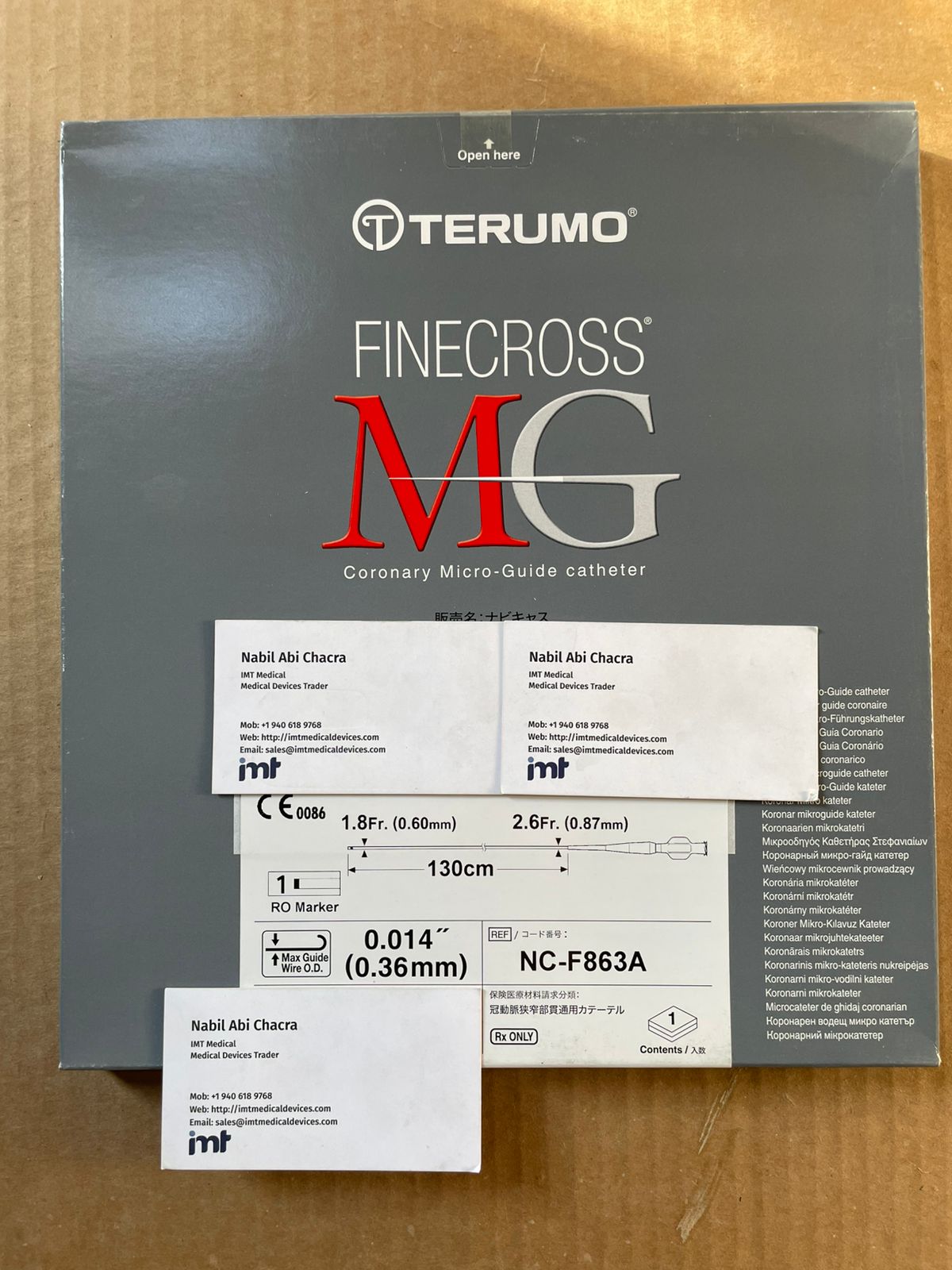
For many procurement teams, recognizable names reduce risk immediately. Medtronic, Boston Scientific, Abbott, Terumo, Cordis, Asahi, and BD are easier to evaluate because clinical teams already know the platforms, handling profiles, and compatibility considerations. If a supplier can source across multiple major manufacturers, the buyer gains flexibility when one line is constrained or when a physician requests a specific system.
This also matters during product transitions. A facility may be standardizing around one manufacturer but still carrying legacy demand from another. A narrow distributor may force a hard switch before the lab is ready. A broader distributor can support that overlap period with fewer disruptions.
What to verify before requesting a quote
The fastest purchasing conversations happen when both sides are speaking in exact identifiers. For a coronary stent distributor, vague catalog language slows everything down. Buyers should be able to request a quote using product family, size, manufacturer, and ideally the reference or part number.
Before moving forward, verify whether the distributor can confirm branded sourcing, product condition, and response time for the requested item. Ask how the quote will be structured and whether equivalent options will be offered only when requested. Some buyers want alternatives. Others do not. That distinction should be respected from the start.
It also helps to confirm category breadth at the same time. If you are already sourcing coronary stents, ask whether the distributor can also quote the related coronary or peripheral devices required in the same purchasing cycle. Combining requests often saves time and gives a clearer picture of supplier usefulness.
A coronary stent distributor should understand cath lab purchasing logic
Coronary products are rarely purchased in isolation from procedure planning. A distributor that understands cath lab procurement will usually communicate in a more efficient way. Instead of pushing generic product descriptions, they focus on what the buyer needs to place an order or compare options.
That means using manufacturer names correctly, identifying exact device families, and recognizing that physicians may request products based on tactile familiarity, crossing performance, deliverability, lesion complexity, or previous outcomes in their own practice. Even when the distributor is not providing clinical advice, understanding these drivers improves sourcing accuracy.
This is one reason catalog-first suppliers often perform better for professional buyers. When inventory is organized by coronary, peripheral, and neurovascular categories, quote requests move faster. The buyer does not need a marketing explanation. The buyer needs a clean path to the product.
Where supply risk shows up first
The first sign of a weak distributor is usually not a stockout notice. It is unclear communication. If product descriptions are inconsistent, manufacturer details are missing, or quote turnaround is slow, those issues often point to larger problems in sourcing control.
The second risk is substitution pressure. Some distributors default to offering what they have rather than what was requested. That can work in low-sensitivity categories, but in coronary intervention it often creates friction with operators and value analysis teams. A reliable distributor should prioritize the requested branded item first and present alternatives only when relevant.
The third risk is narrow inventory thinking. If the supplier can quote a stent but cannot support the broader case setup, buyers may still end up managing multiple channels and more administrative effort than necessary.
What experienced buyers tend to prefer
Experienced procurement teams usually prefer direct, reference-driven communication. They want to send a request, receive a clear answer, and move to approval without extra back-and-forth. The same applies to doctors sourcing outside their usual local channel. Speed is useful, but accuracy is what prevents expensive mistakes.
That is why product-indexed sourcing remains effective. A distributor that works with recognized brands and exact identifiers gives buyers a more dependable basis for comparison. It also shortens internal validation because the clinical side can quickly confirm whether the quoted item matches the intended use.
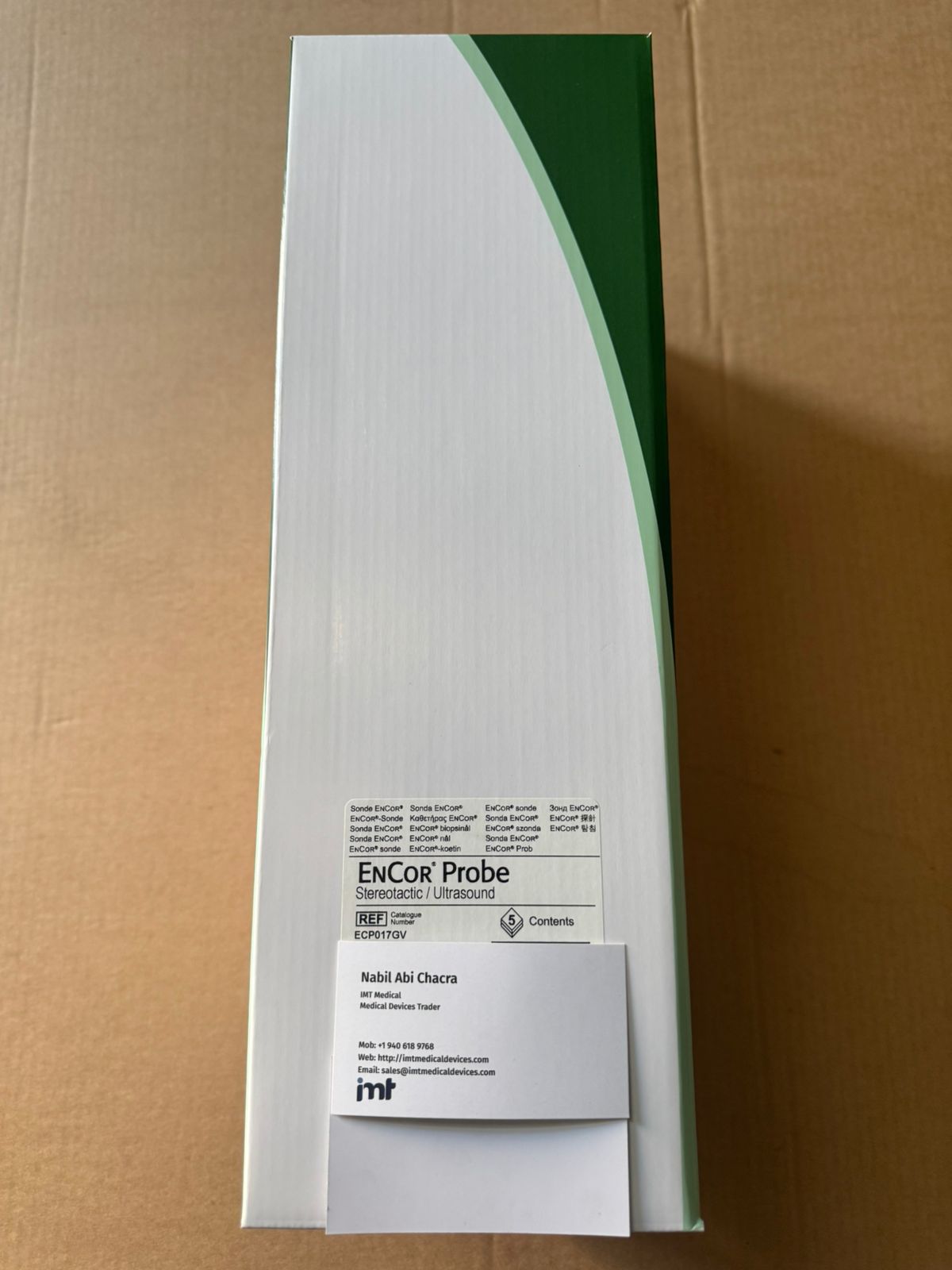
At IMT Medical Devices, this sourcing model is built around branded interventional inventory across coronary, peripheral vascular, and neurovascular categories, with quote-driven purchasing based on exact product identification rather than broad promotional claims.
The best distributor is usually the one that removes friction
A good coronary stent distributor is not defined by how much marketing it publishes. It is defined by whether it can supply the exact branded device you need, communicate clearly, and support adjacent interventional demand without wasting time.
For hospitals trying to bypass an unsatisfactory local channel, for doctors who need more dependable access, and for distributors competing in difficult markets, the practical test is simple. Can the supplier identify the product correctly, quote it quickly, and keep the transaction precise from request to delivery?
If the answer is yes, the relationship is already more useful than most sales language. Start with exact product names and part numbers, and you will usually find out very quickly whether the distributor is built for real cath lab purchasing.