
A missing guidewire is rarely just a missing guidewire
In a cath lab or interventional suite, procurement problems show up fast. A case is scheduled, the physician wants a familiar platform, and the required wire is either backordered, redirected through a local distributor, or quoted with unclear lead times. At that point, the issue is not price alone. It is access, brand consistency, and whether the supplier can actually deliver the exact item needed.
That is why choosing a guidewire supplier is a sourcing decision, not a general purchasing task. Hospitals, independent physicians, and competing distributors usually already know the brand, family, or part number they need. The real question is whether the supplier can support procedure-driven buying without adding uncertainty.
What buyers actually need from a guidewire supplier
A guidewire supplier serving interventional buyers should be able to work the way cath labs and specialty hospitals buy. That means fast confirmation, exact product identification, and branded inventory that matches physician preference. General medical wholesalers often struggle here because guidewires are not interchangeable in practice, even when they appear similar on paper.
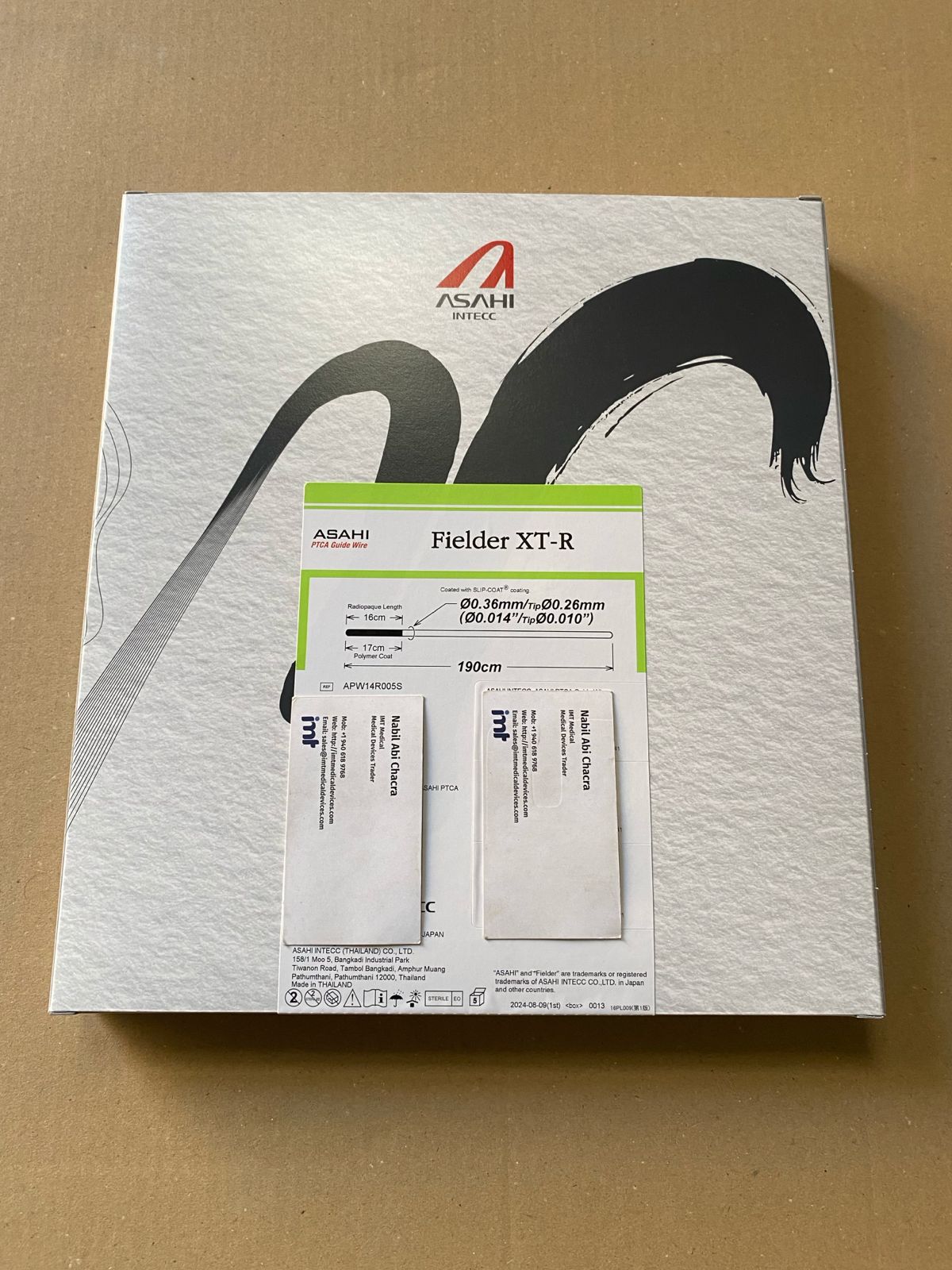
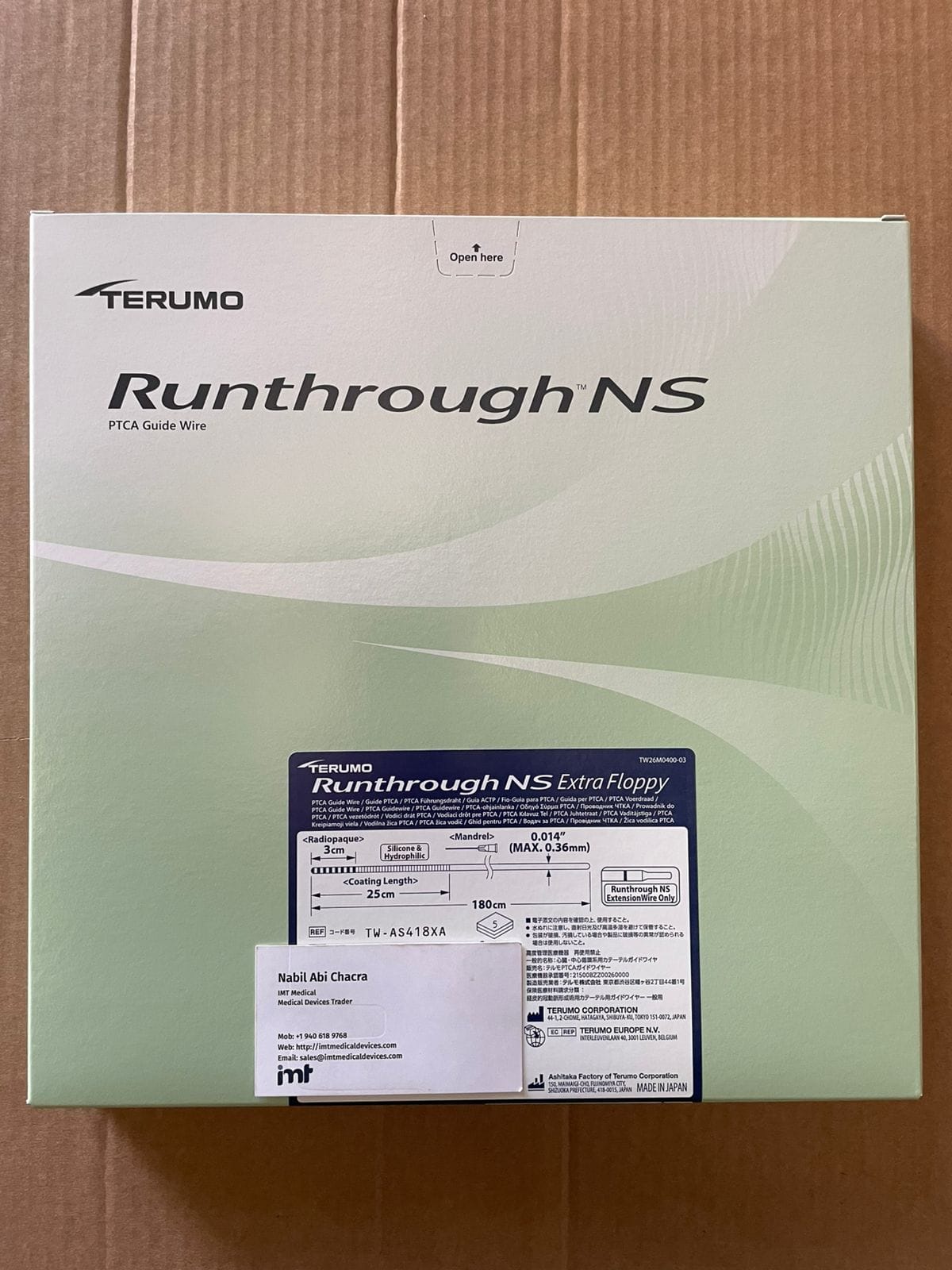
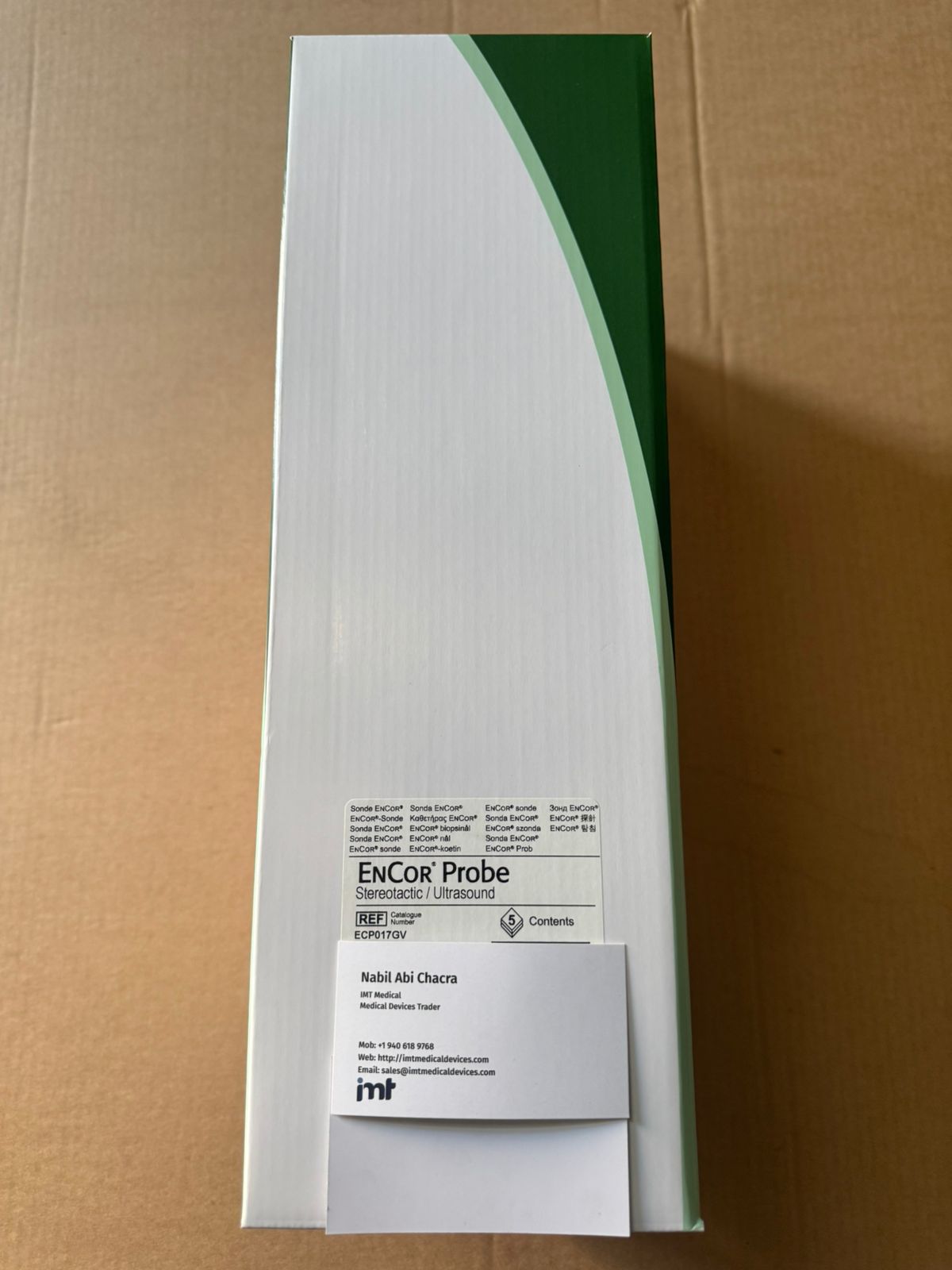
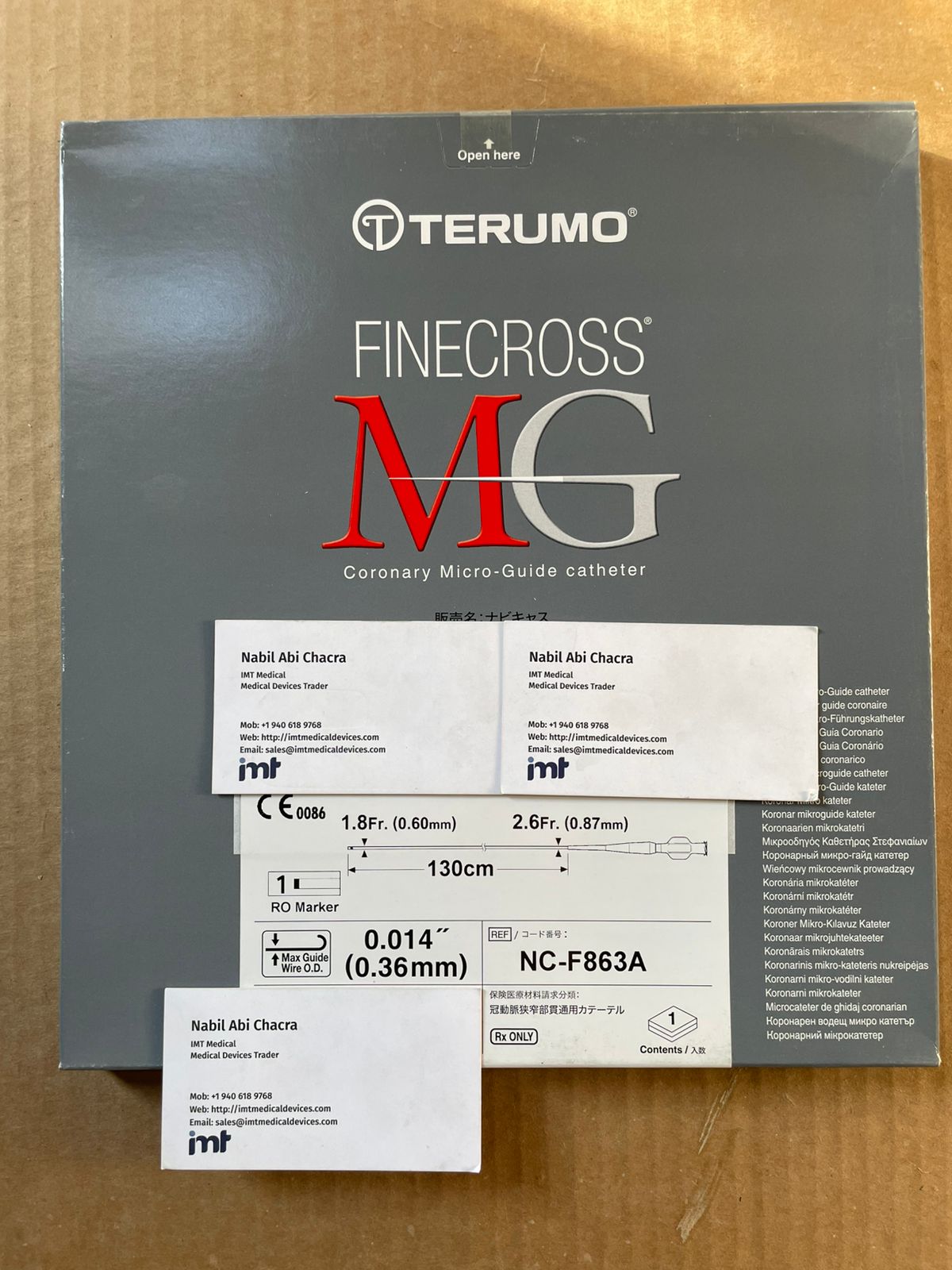
In coronary, peripheral, and neurovascular procedures, the requested item is usually specific down to diameter, length, coating, tip load, and manufacturer family. A buyer may not ask for "a coronary wire." They may ask for an Asahi guidewire, a Terumo wire, or another exact product configuration already in the physician's workflow. If the supplier cannot verify the exact item, the transaction slows down immediately.
A capable supplier should also understand that preferences are not only clinical. They are operational. Standardizing around familiar devices reduces setup variation, avoids unnecessary product substitutions, and helps purchasing teams keep reorder patterns predictable.
Guidewire supplier criteria that reduce procurement risk
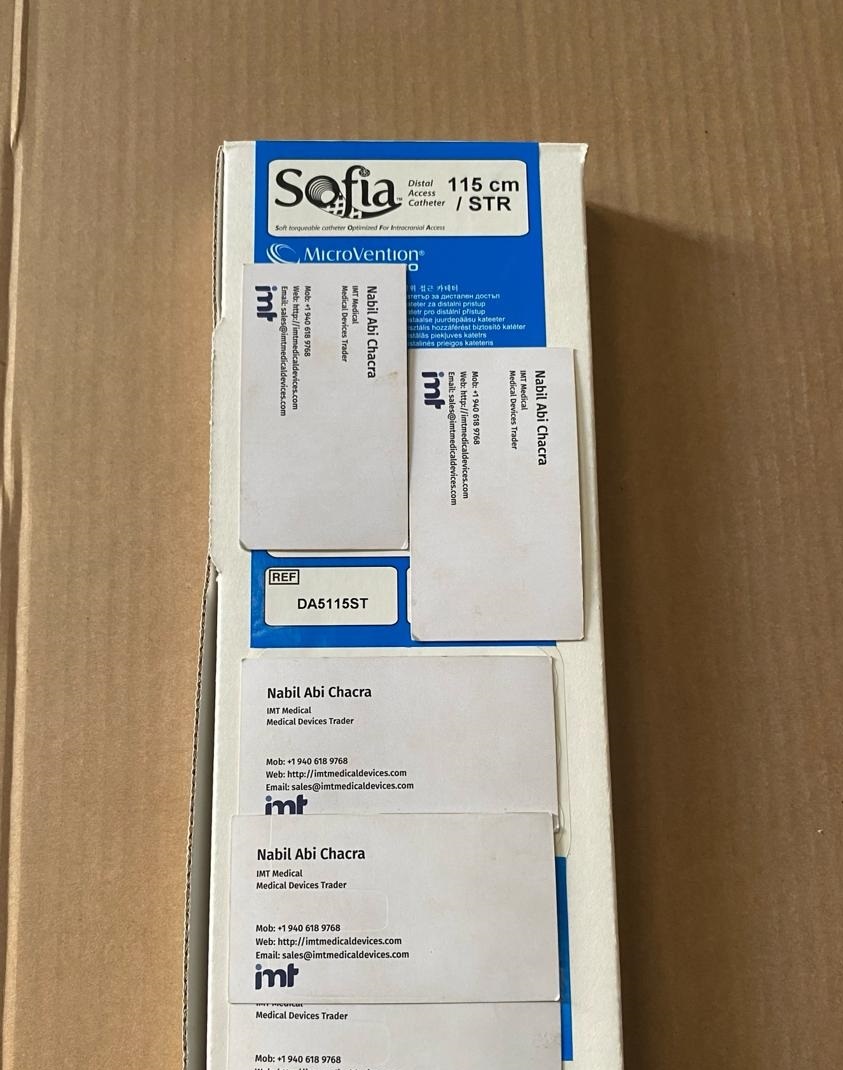
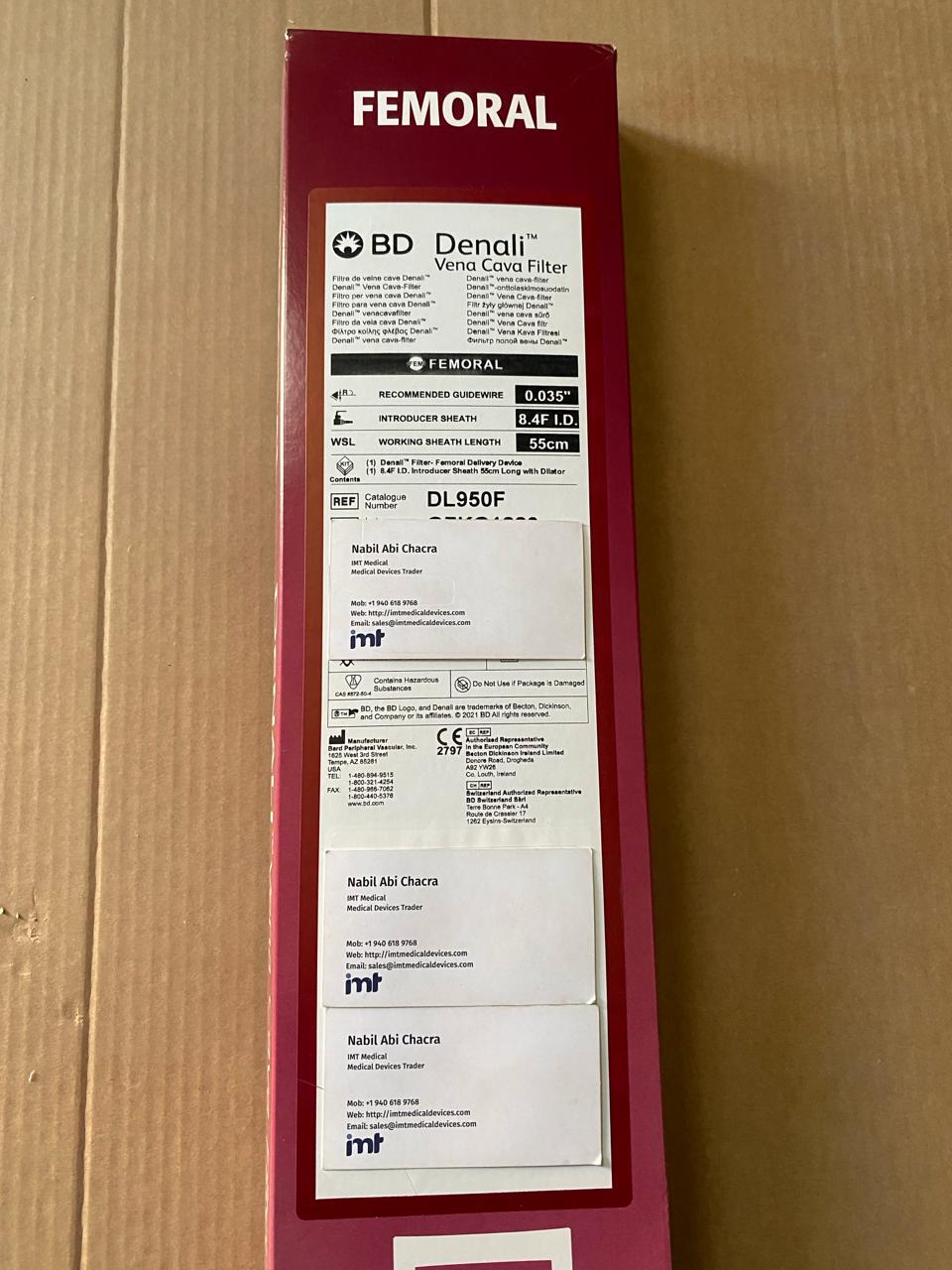
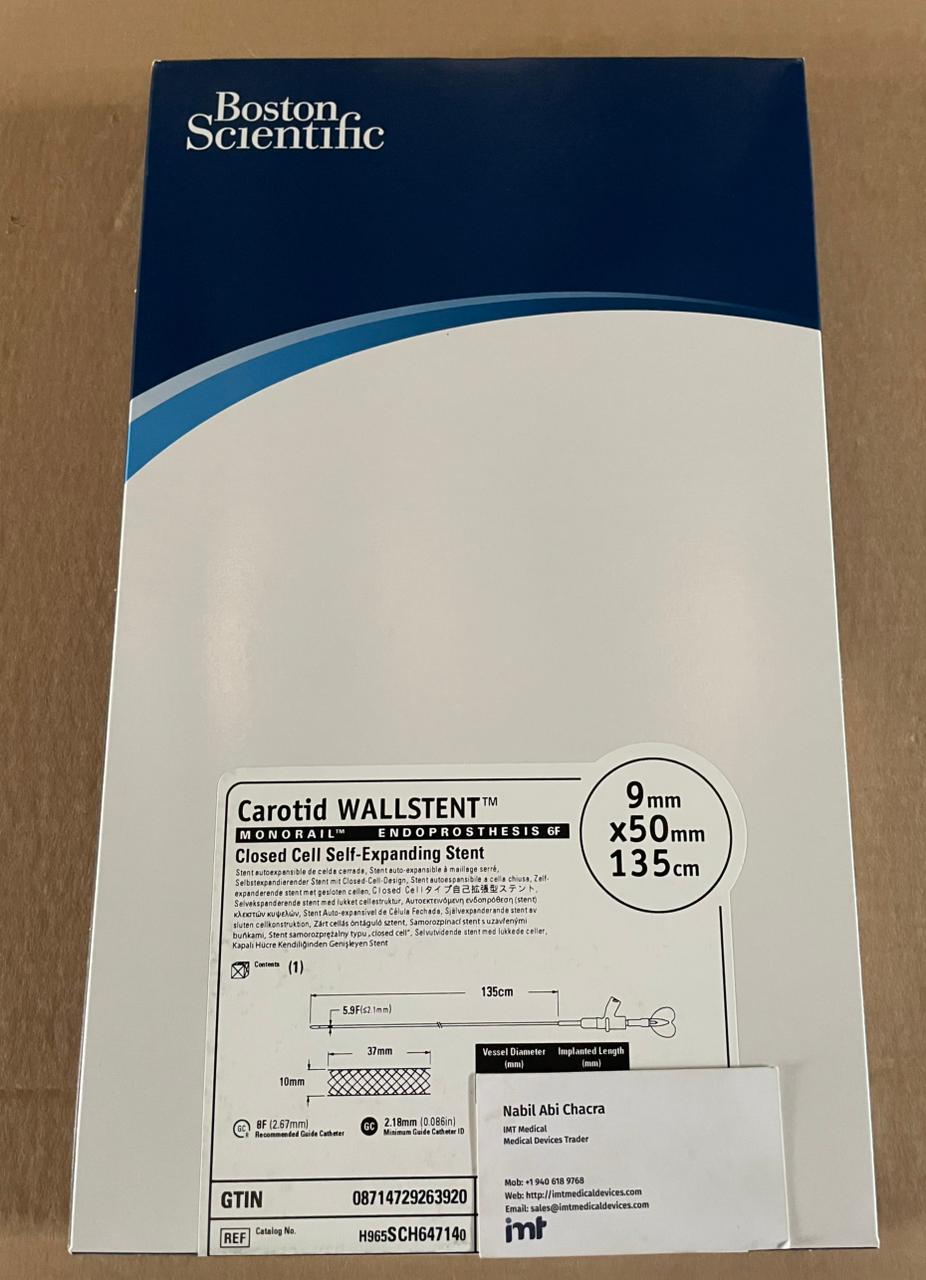
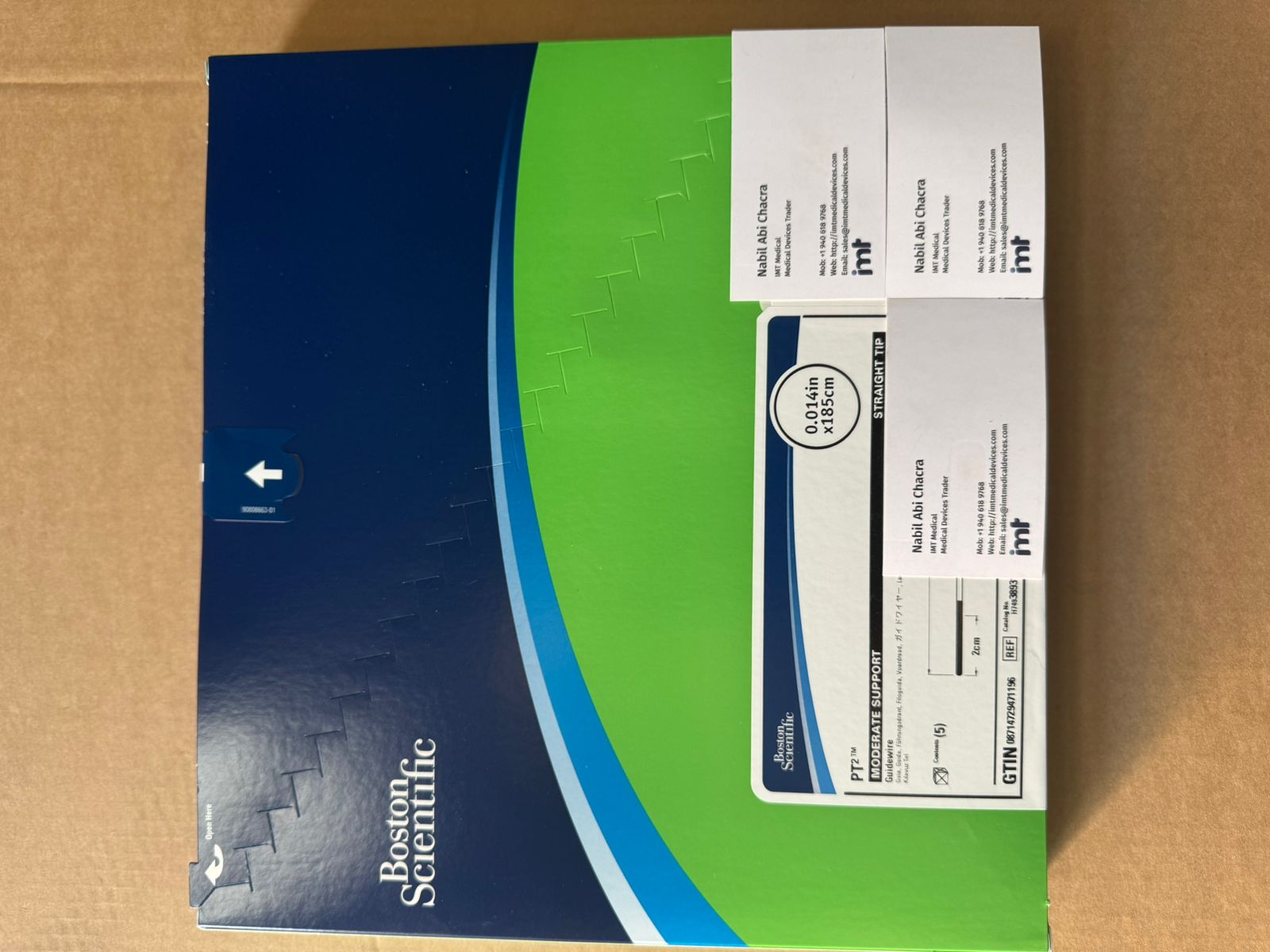
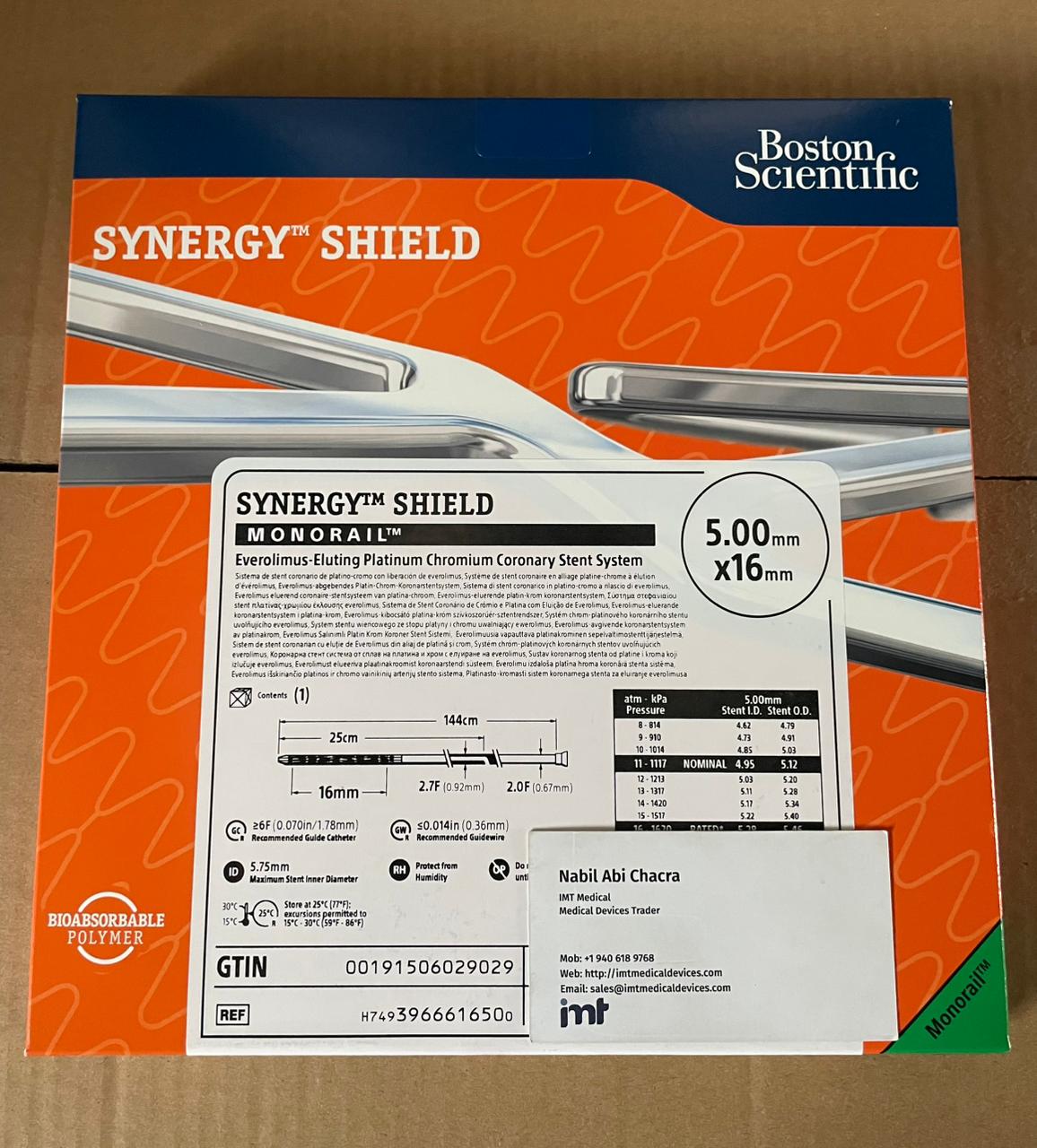
The first requirement is branded availability. For most professional buyers, confidence starts with recognized manufacturers, not private-label alternatives. In this segment, that often means sourcing from names already established in interventional practice, including Medtronic, Boston Scientific, Asahi, Terumo, Terumo Neuro, Cordis, Abbott, and MicroVention.
The second requirement is exact part number handling. This matters more than broad category claims. If a supplier organizes inventory around SKU-level identification, the buyer can confirm the product faster and reduce back-and-forth. If the supplier relies on generic descriptions, the risk of mismatch goes up.
The third requirement is quote speed with realistic availability. A fast quote only helps if it reflects actual stock position or a credible replenishment timeline. Procurement teams do not need vague reassurance. They need a clean answer on availability, lead time, and shipment readiness.
The fourth requirement is traceability. Hospitals and distributors need confidence that products are branded, properly identified, and sourced through a supply process that supports documentation requirements. This is especially relevant when buyers are sourcing outside incumbent local channels.
Why local distributor dependence creates purchasing friction
Many hospitals and physicians are not looking for another catalog. They are trying to avoid being boxed into a narrow local supply structure. In some markets, local distributors prioritize selected brands, maintain inconsistent stock, or control pricing too tightly. In other cases, physicians simply cannot get responsive service when they need an exact wire for a scheduled case.
For competing distributors, the issue is different but related. They may have customers asking for specific guidewires yet face supply barriers from entrenched local networks. In those situations, an export-focused supplier can function as a practical sourcing channel, especially when the buyer already knows the manufacturer and product reference they want to quote.
This is where a specialized supplier creates value. Not by replacing clinical decision-making, but by reducing supply friction around products that buyers already understand.
Coronary, peripheral, and neurovascular buying are not the same
A supplier that treats all guidewires as one category usually creates more work for the buyer. Interventional procurement is procedure-specific, and guidewire requirements differ materially across coronary, peripheral vascular, and neurovascular use.
Coronary guidewire sourcing
Coronary buyers typically focus on deliverability, support profile, tip characteristics, and physician familiarity. Even when two products seem close in specification, operators may not want substitutes. For this reason, coronary purchasing often depends on exact branded lines and exact references rather than broad product equivalency.
Peripheral guidewire sourcing
Peripheral procurement often involves a wider range of diameters and lengths, with stronger emphasis on crossing support, trackability, and case-specific anatomy. Stock planning can also be more variable because peripheral programs may handle a broad mix of indications.
Neurovascular guidewire sourcing
Neurovascular guidewire purchasing is usually the least tolerant of ambiguity. Buyers often work from exact physician preference and exact device pairing with microcatheters or other access products. In this area, sourcing accuracy is often more valuable than broad availability claims.
A supplier that understands these distinctions can organize conversations faster. Instead of asking the buyer to explain the whole case, the supplier can work from product family, brand, and part number.
Exact identifiers matter more than sales language
Professional buyers do not need heavy marketing copy. They need confirmation. The best guidewire supplier conversations are short and specific: manufacturer, product name, part number, quantity, target market, and delivery requirement.
That is also why product-indexed sourcing works better than general product promotion. When a hospital buyer submits an inquiry, the useful response is not a broad statement about quality. It is a quote path built around exact identifiers.
For example, a serious inquiry usually starts with details like brand family, length, diameter, coating type, and packaging quantity. If the supplier can process those details quickly, the buyer saves time. If the supplier needs to reinterpret the request into generic alternatives, confidence drops.
When a secondary sourcing channel makes sense
Not every buyer wants to replace the incumbent distributor. Often, they just need a reliable second option. That can be useful when local allocation is tight, when a physician requests a specific branded item outside normal stocking patterns, or when a distributor needs access to inventory that local channels are not releasing.
This approach is especially relevant in cross-border procurement environments across Gulf countries, Latin America, Asia, China, and Russia, where availability, pricing structure, and local distributor responsiveness can vary widely by manufacturer and market conditions. In those situations, the right supplier is not the one with the biggest marketing presence. It is the one that can confirm branded product availability and move to quote without delay.
What to ask before sending a quote request
A good purchasing process starts with a clean request. Send the manufacturer name, exact product name if known, part number if available, and required quantity. If substitutions are acceptable, say so clearly. If they are not, state that the quote must match the requested reference exactly.
It also helps to define urgency. There is a difference between replenishment stock and case-driven need. A serious supplier will handle those differently. For distributor buyers, include destination market and expected order frequency. That gives the supplier enough context to respond with useful availability rather than a generic reply.
If the supplier carries adjacent product categories such as guiding catheters, balloon catheters, microcatheters, coils, aspiration catheters, stents, or vascular closure devices, mention those at the same time. Bundled sourcing can simplify logistics and reduce repeated procurement cycles.
A practical standard for supplier selection
The simplest test is this: can the supplier source the exact branded guidewire you need, identify it correctly, quote it quickly, and support repeat purchasing without confusion? If the answer is inconsistent, the supplier may be fine for commodity buying but not for interventional inventory.
At https://imtmedicaldevices.com, the sourcing model is built around branded interventional products, manufacturer recognition, and quote-driven procurement for hospitals, doctors, and distributors that need an alternative to local supply constraints. That structure fits buyers who already know the products they want and need a supplier that can act on exact references.
The right guidewire supplier should make procurement simpler, not more interpretive. If your team is spending too much time translating product requests, correcting substitutions, or waiting for stock confirmation, the sourcing channel is the problem. A better one should let you move from part number to quote with minimal friction.