

How to Choose a Guidewire Wholesale Supplier
A guidewire wholesale supplier is rarely evaluated on price alone once procedure volume, brand preference, and supply continuity are on the line. For hospitals, cath labs, distributors, and interventional buyers, the real question is whether a supplier can deliver the exact branded guidewires required, in the required configuration, with reliable export handling and quote support.
Guidewire procurement is clinically specific. A coronary case does not allow room for loose product matching, and peripheral or neurovascular demand only increases the need for exact nomenclature, coating type, tip load, diameter, length, and manufacturer consistency. That is why supplier selection tends to become an operational decision as much as a purchasing one.
What a guidewire wholesale supplier should actually provide
At the wholesale level, a supplier should do more than list a generic guidewire category. Professional buyers typically need access to recognized brands, specific product families, and accurate SKU-level quoting. If a supplier cannot distinguish between coronary guidewires, peripheral guidewires, micro guidewires, and other intervention-specific platforms, the risk of delay starts early.
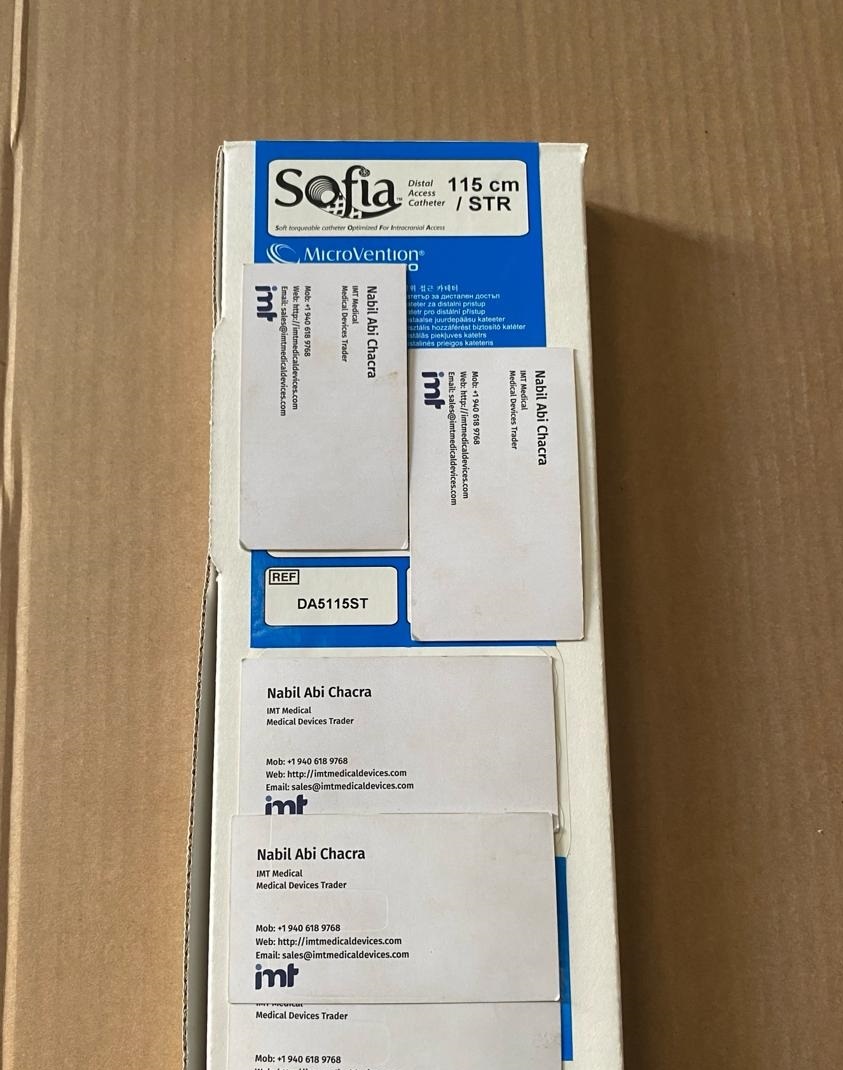
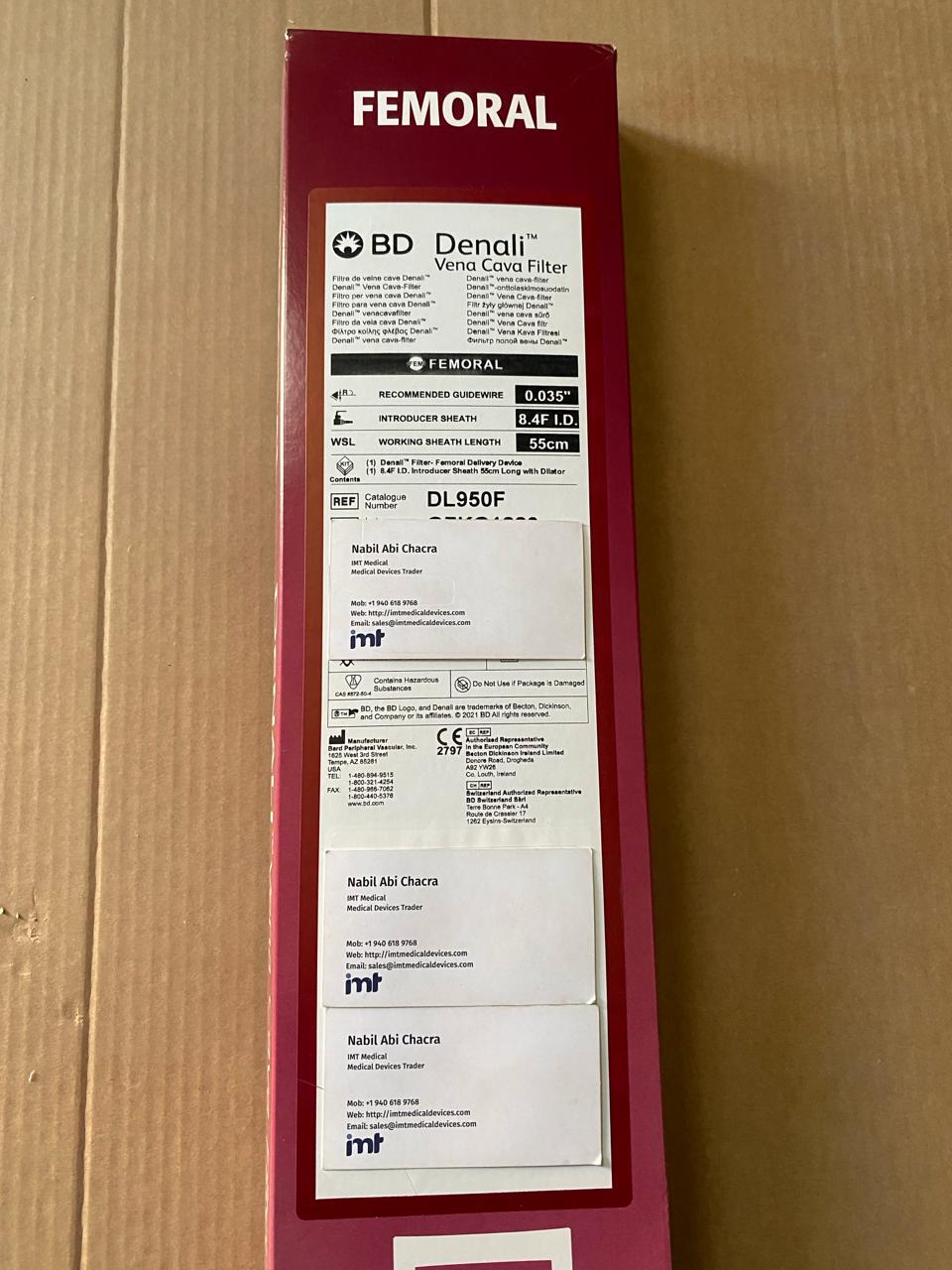
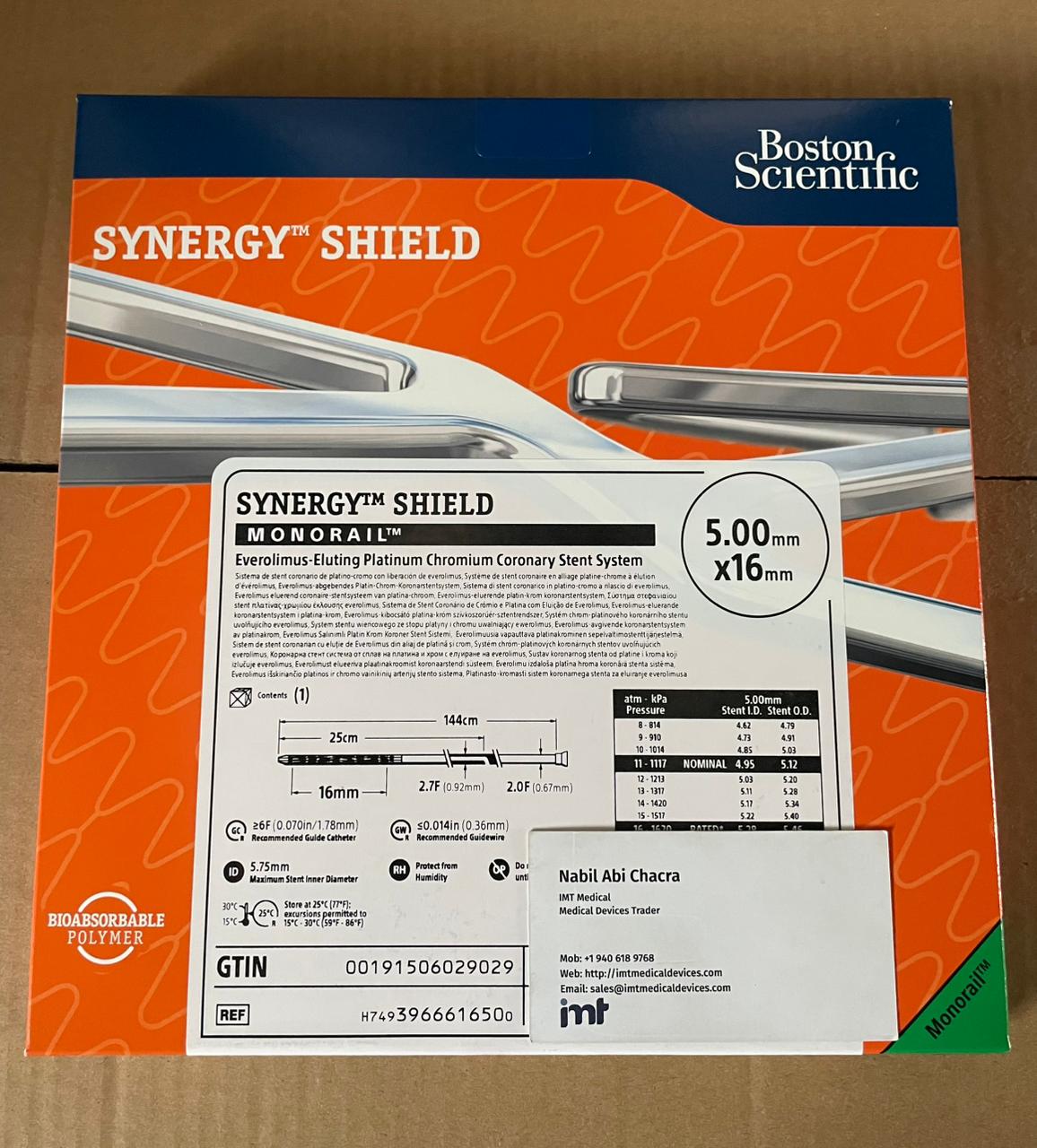
The stronger suppliers organize their offer around real procurement behavior. Buyers often source across multiple product lines at once, not just a single guidewire reference. A useful wholesale partner can support guidewires alongside guiding catheters, balloons, stents, micro catheters, aspiration catheters, vascular closure devices, and related interventional inventory. That matters because consolidated sourcing reduces administrative friction and can improve purchasing speed across departments and geographies.
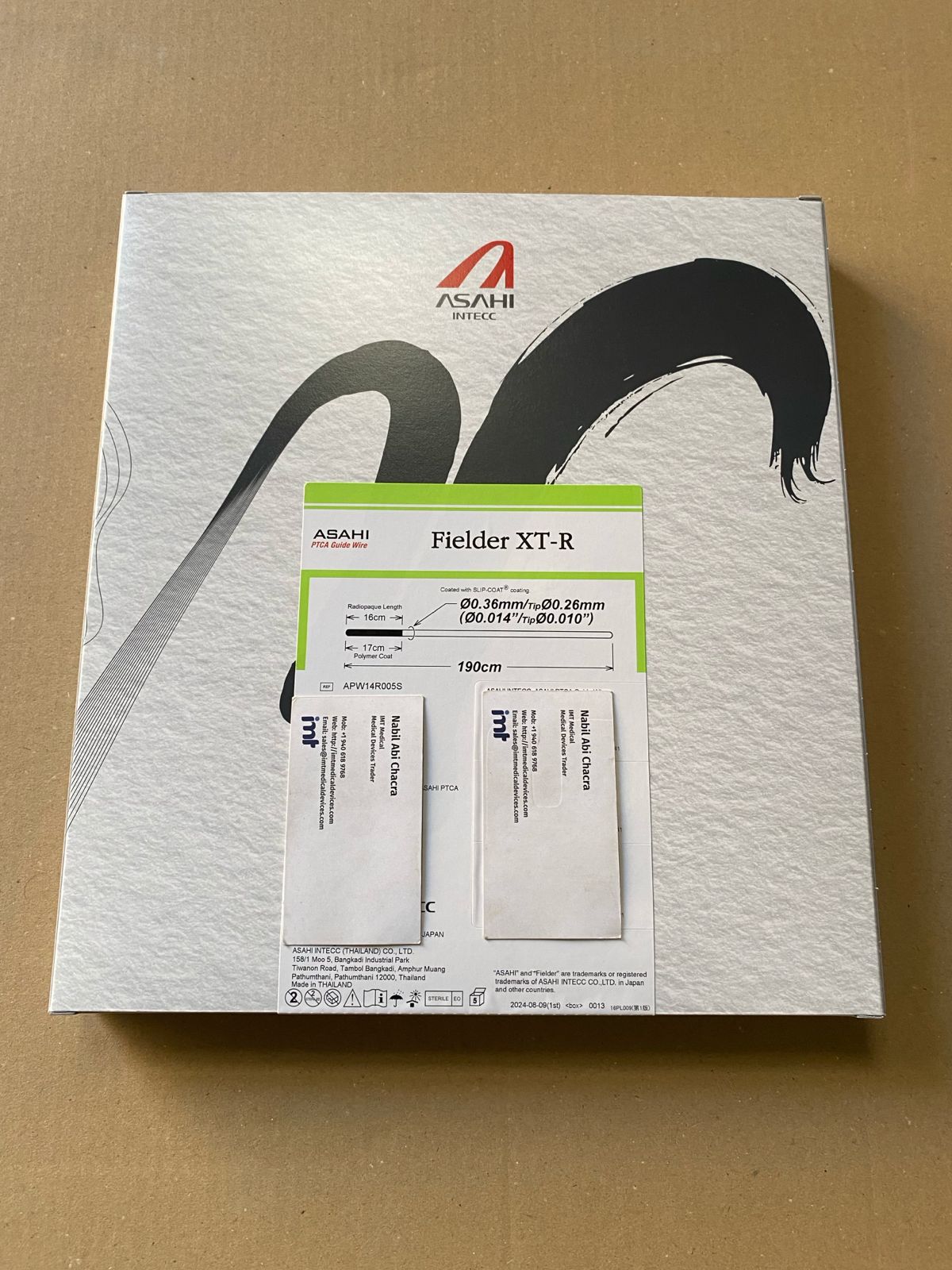
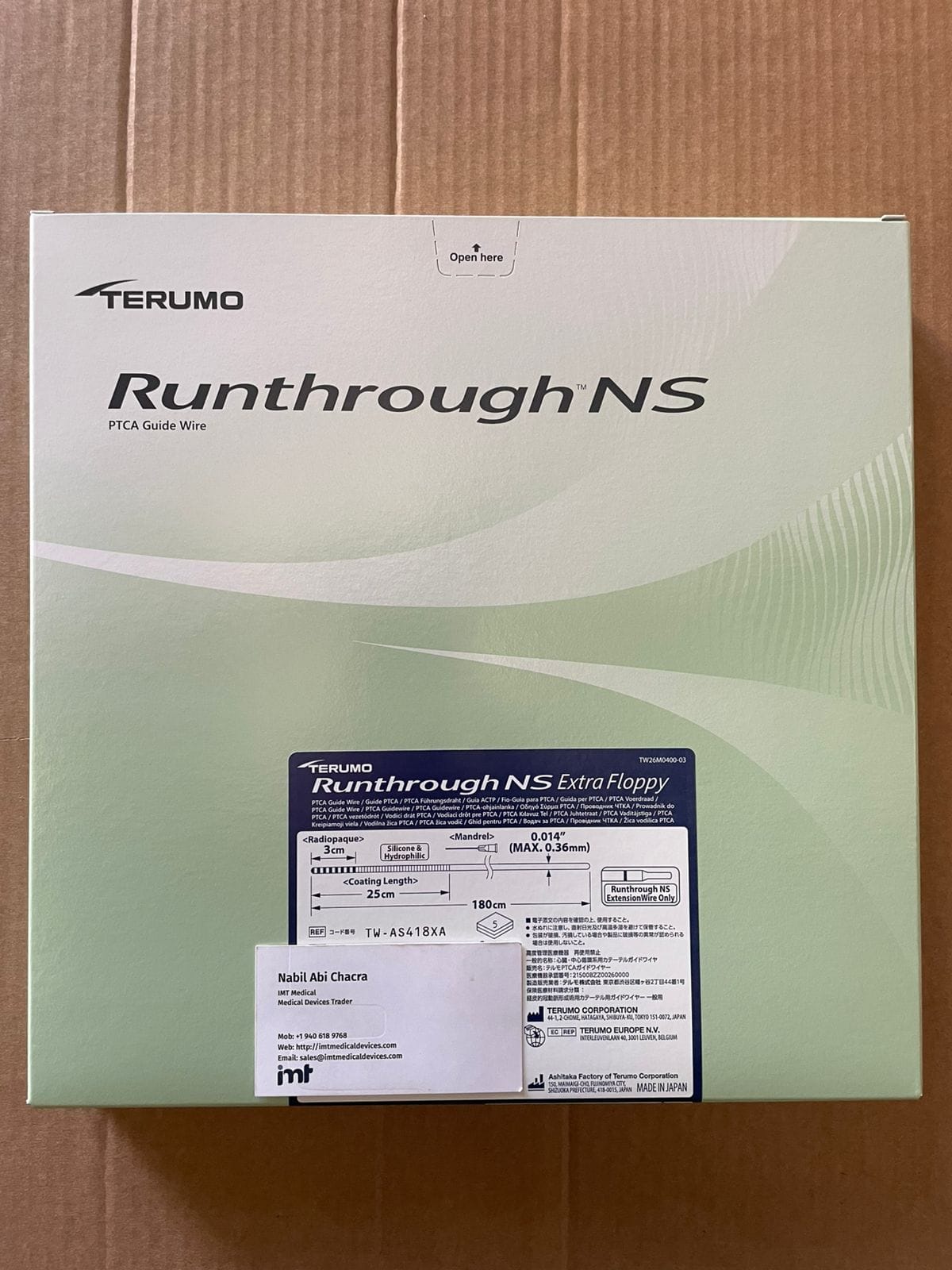
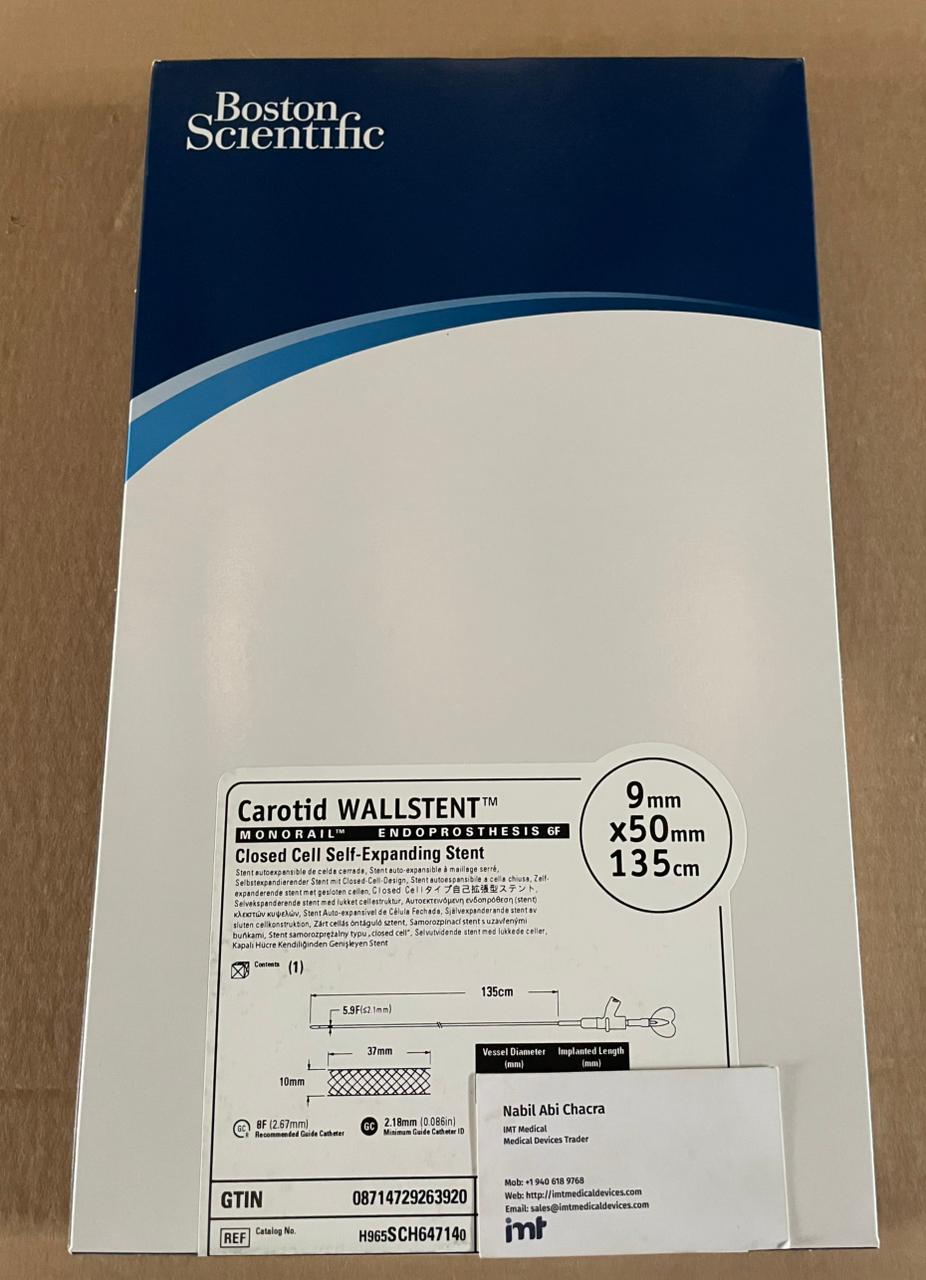
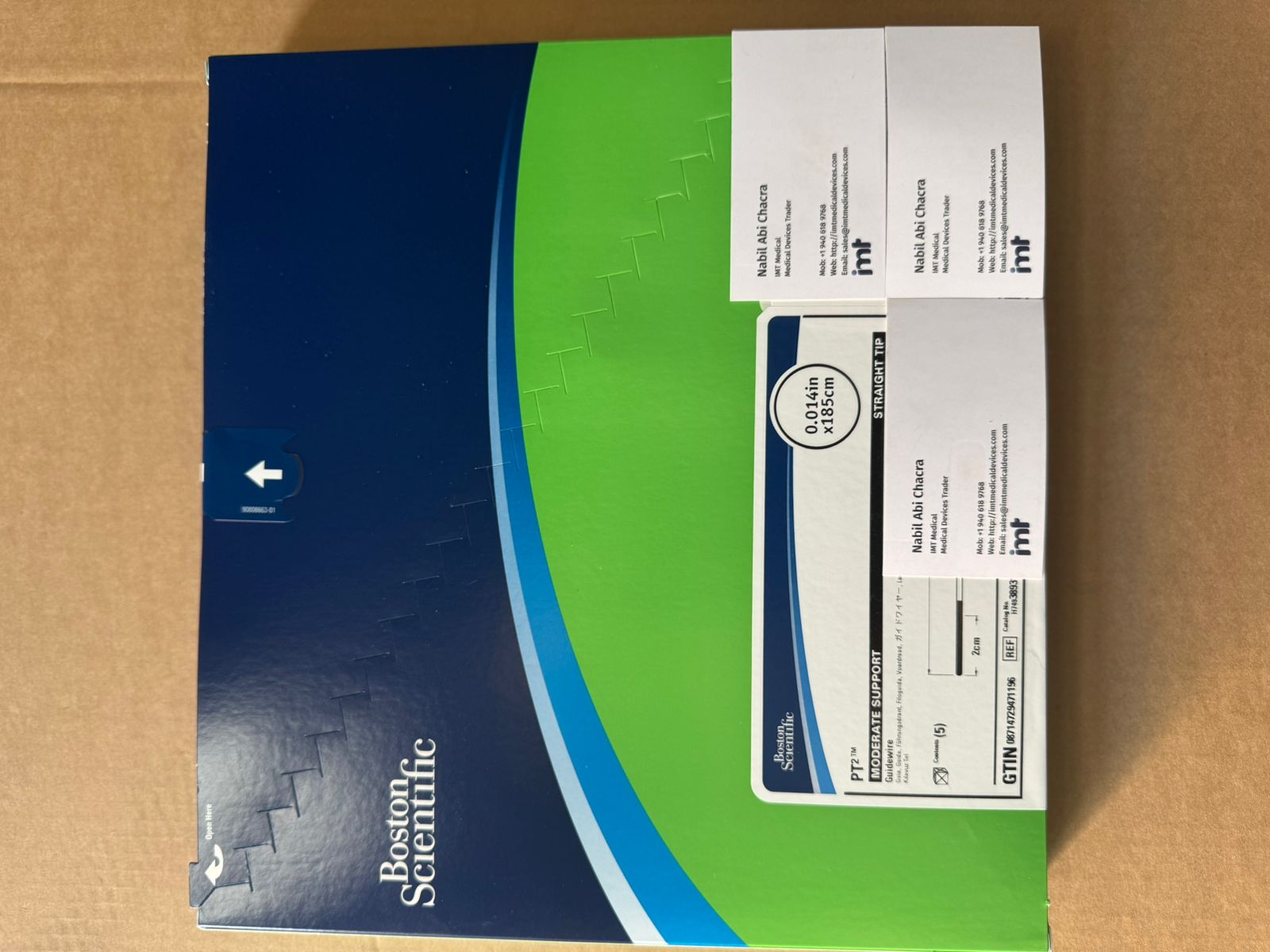
Brand access is another practical threshold. Many procurement teams are not looking for open-ended substitution. They need established manufacturers such as Terumo, Asahi, Boston Scientific, Medtronic, Abbott, or Cordis, depending on physician preference, facility standardization, and local approval pathways. In this context, a supplier's value is tied to recognized branded availability, not broad but vague claims.
Why guidewire sourcing gets complicated fast
On paper, guidewires look like a narrow category. In practice, they are one of the most specification-sensitive items in interventional purchasing. Small differences in design characteristics can change what is acceptable for a particular physician, site, or procedure type.
A buyer may need hydrophilic versus non-hydrophilic options, different support profiles, torque response, or a very specific length and diameter combination. Some facilities maintain strict consistency around familiar branded systems. Others are more flexible but still require equivalent documentation and precise quoting before any order can move forward.
International procurement adds another layer. Export buyers may need support on packing documentation, country-specific shipping requirements, and coordination across multiple branded manufacturers in a single order. A local distributor may be sufficient for routine domestic replenishment, but for many global buyers, a supplier must also function as a dependable export partner.
Key criteria when evaluating a guidewire wholesale supplier
The first criterion is SKU accuracy. Buyers should be able to submit an inquiry using exact product references and receive a quote that aligns with those details. Errors in diameter, length, coating, packaging, or manufacturer designation create unnecessary back-and-forth and can delay replenishment.
The second is branded portfolio depth. A supplier that handles only one or two guidewire lines may be useful in a narrow context, but many procurement teams prefer broader access. This is especially true when the same buyer is also sourcing coronary, peripheral, and neurovascular devices from multiple manufacturers. Portfolio breadth does not replace specialization, but it can simplify procurement.
The third is response speed. In wholesale medical device purchasing, slow quoting often means missed purchasing windows or delayed coordination with end users. Fast response does not mean careless response. It means a supplier can review the inquiry, confirm the requested product references, and return a commercially usable quote without unnecessary delay.
The fourth is export capability. This point is often underestimated until an order is ready to move. If the supplier serves international markets, buyers should expect practical competence in documentation, shipment coordination, and cross-border handling. A supplier that regularly supports all countries is operating from a different level of logistical readiness than one focused only on local dispatch.
The fifth is inventory realism. Not every branded SKU will be available at all times, particularly in high-demand categories. Serious suppliers communicate availability clearly, identify alternative timelines when needed, and avoid overcommitting. For procurement teams, honest stock communication is usually more valuable than optimistic language that fails under deadline.
Brand access matters more than generic availability
In many interventional categories, the manufacturer name is part of the purchasing requirement, not just a preference. Cath labs, interventional radiology teams, and neurovascular specialists often build procedure familiarity around specific branded platforms. When that is the case, a wholesale supplier is being judged on access to authentic branded products rather than on category-level availability.
This is where a multi-brand sourcing model becomes practical. Instead of managing separate relationships for every manufacturer category, buyers can work through one procurement source that understands branded device demand across coronary, peripheral, neurovascular, laboratory, and surgical segments. For international buyers in particular, this can reduce coordination time and simplify order planning.
It also helps during periods of variable supply. If one category requires immediate quote confirmation and another is scheduled for later replenishment, a supplier with broad branded coverage is in a better position to support staged procurement. That flexibility can matter more than headline pricing when procedure continuity is involved.
A guidewire wholesale supplier and export readiness
For cross-border buyers, export readiness should be evaluated early, not after quote approval. A supplier may have the right brands and competitive pricing but still create delays if international fulfillment is not well managed.
Export-ready suppliers tend to understand that procurement does not stop at product confirmation. Buyers may need support for commercial documentation, shipment coordination, packaging consistency, and communication suitable for distributors, hospitals, or institutional import processes. The more specialized the devices, the less tolerance there is for shipping confusion or incomplete order handling.
This is one reason global buyers often prefer a supplier built around wholesale export rather than retail medical sales. The ordering process is different, the stakeholders are different, and the commercial expectations are different. A quote-based B2B model is usually the better fit when branded interventional products are being purchased in volume.
What buyers should ask before sending a bulk inquiry
Before contacting a supplier, it helps to organize the inquiry around exact product references, target quantities, destination country, and any related products needed in the same purchase cycle. This improves quote speed and reduces avoidable clarification.
It is also worth clarifying whether the requirement is strict brand-specific replenishment or whether equivalent branded alternatives may be considered if lead times change. Some buyers need exact continuity for physician preference or internal standardization. Others can evaluate alternatives, but only within a narrow branded range.
If export is involved, country destination and shipment expectations should be included from the start. That allows the supplier to assess feasibility more accurately and structure the quote around real fulfillment conditions rather than assumptions.
For buyers seeking a centralized source for guidewires and adjacent interventional products, companies such as IMTMedicalDevices.com reflect the kind of model that can be useful: branded device access, broad category coverage, and international wholesale support in one channel. That approach is often more efficient than fragmented sourcing when multiple manufacturers and procedure lines are involved.
The supplier decision is really a continuity decision
When procurement teams evaluate a guidewire supplier, they are not simply comparing catalogs. They are assessing whether the supplier can support ongoing procedural demand with accurate quoting, credible brand access, and dependable execution.
A lower-cost source can still become the expensive option if it creates delays, misquotes product references, or cannot support export requirements. On the other hand, a supplier with strong SKU discipline, recognized manufacturer coverage, and practical international handling can reduce friction across the full purchasing cycle.
The best wholesale relationships usually come from operational fit. If a supplier understands branded interventional procurement, responds with precision, and can support international volume orders without unnecessary complexity, that supplier becomes more than a vendor. It becomes a stable part of your supply strategy.
If your team is reviewing guidewire sourcing now, start with the basics that matter most in real purchasing conditions: exact product identification, brand availability, export capability, and quote reliability. Those are the details that hold up when demand becomes urgent.