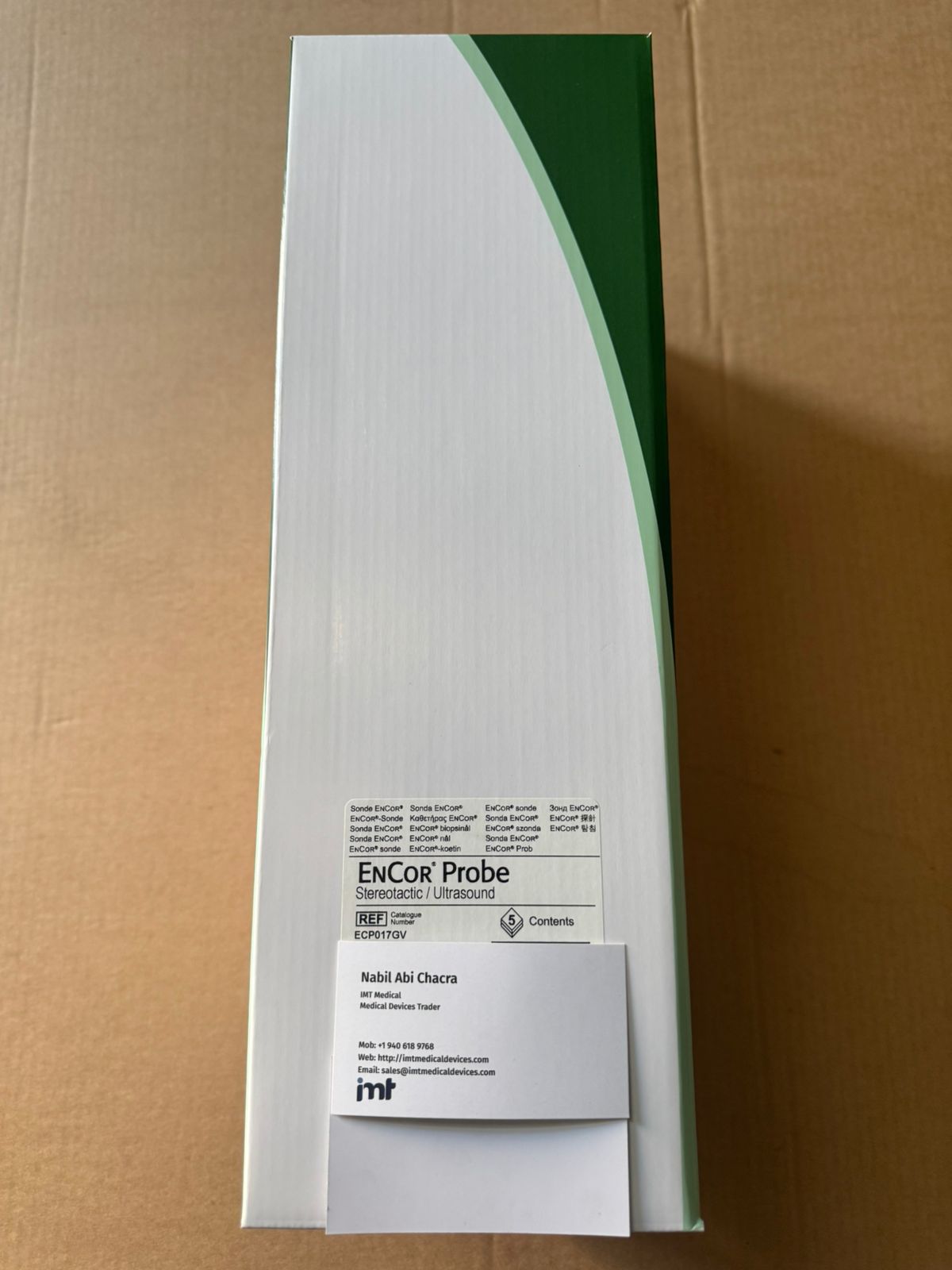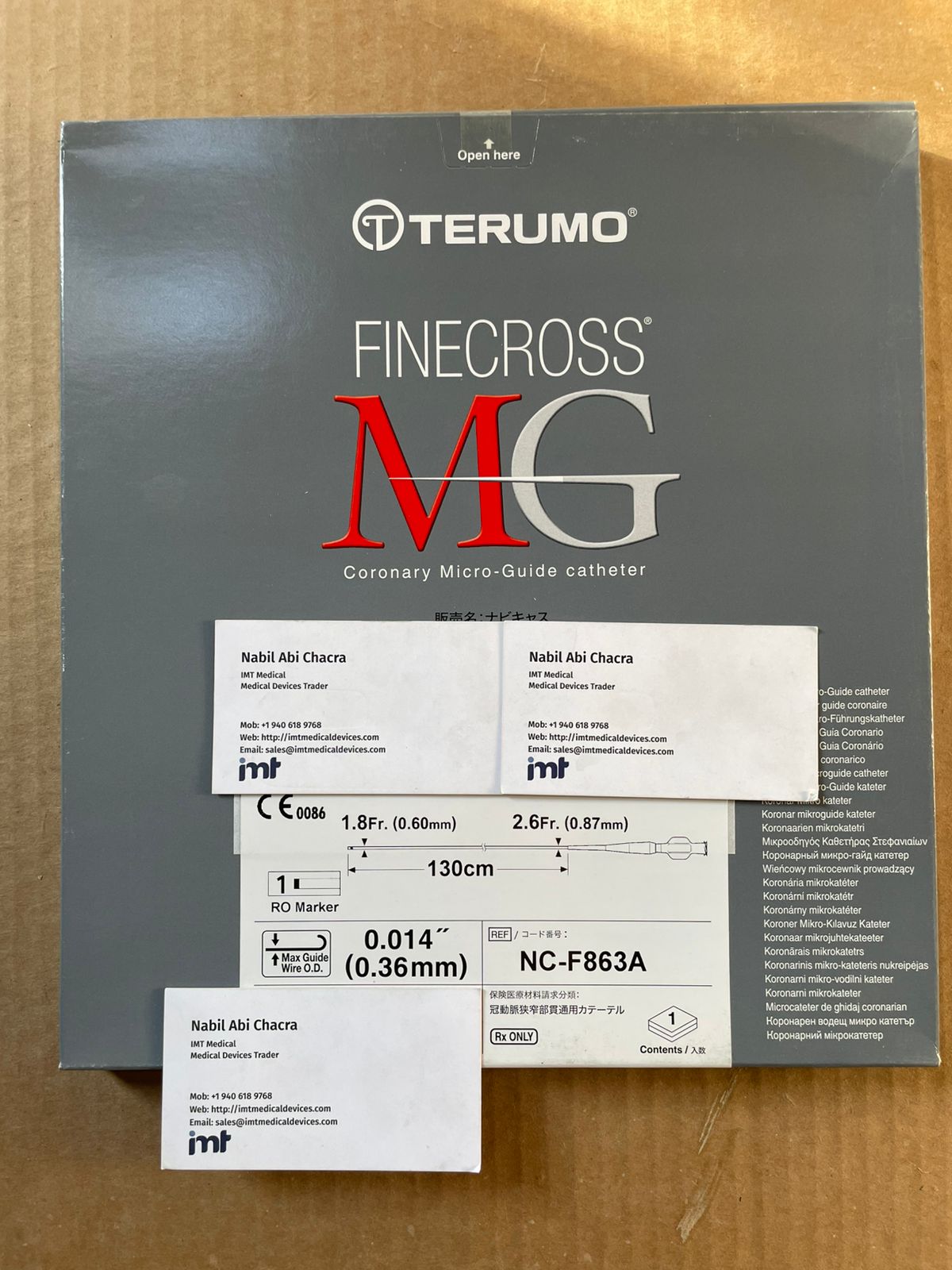

Wholesale Medical Supply for Cath Labs
A delayed guidewire, balloon catheter, or closure device can stall a case schedule faster than almost any pricing dispute. That is why wholesale medical sourcing, especially for interventional cardiology, peripheral vascular, and neurovascular procedures, is less about browsing catalogs and more about securing exact branded inventory with clear identifiers, lot traceability, and dependable export handling.
For buyers in cath labs and specialty hospitals, the issue is rarely whether a product exists. The issue is whether the right brand, reference, size, and packaging configuration can be quoted and shipped without confusion. The same applies to independent distributors competing with entrenched local channels. If sourcing is vague, procurement risk goes up immediately.
What wholesale medical means in interventional procurement
In many sectors, wholesale simply means volume pricing. In high-acuity device purchasing, that definition is too loose. Wholesale medical procurement usually means access to branded products through a sourcing partner that can identify exact items, confirm availability, and move product across borders with the documentation and speed professional buyers expect.
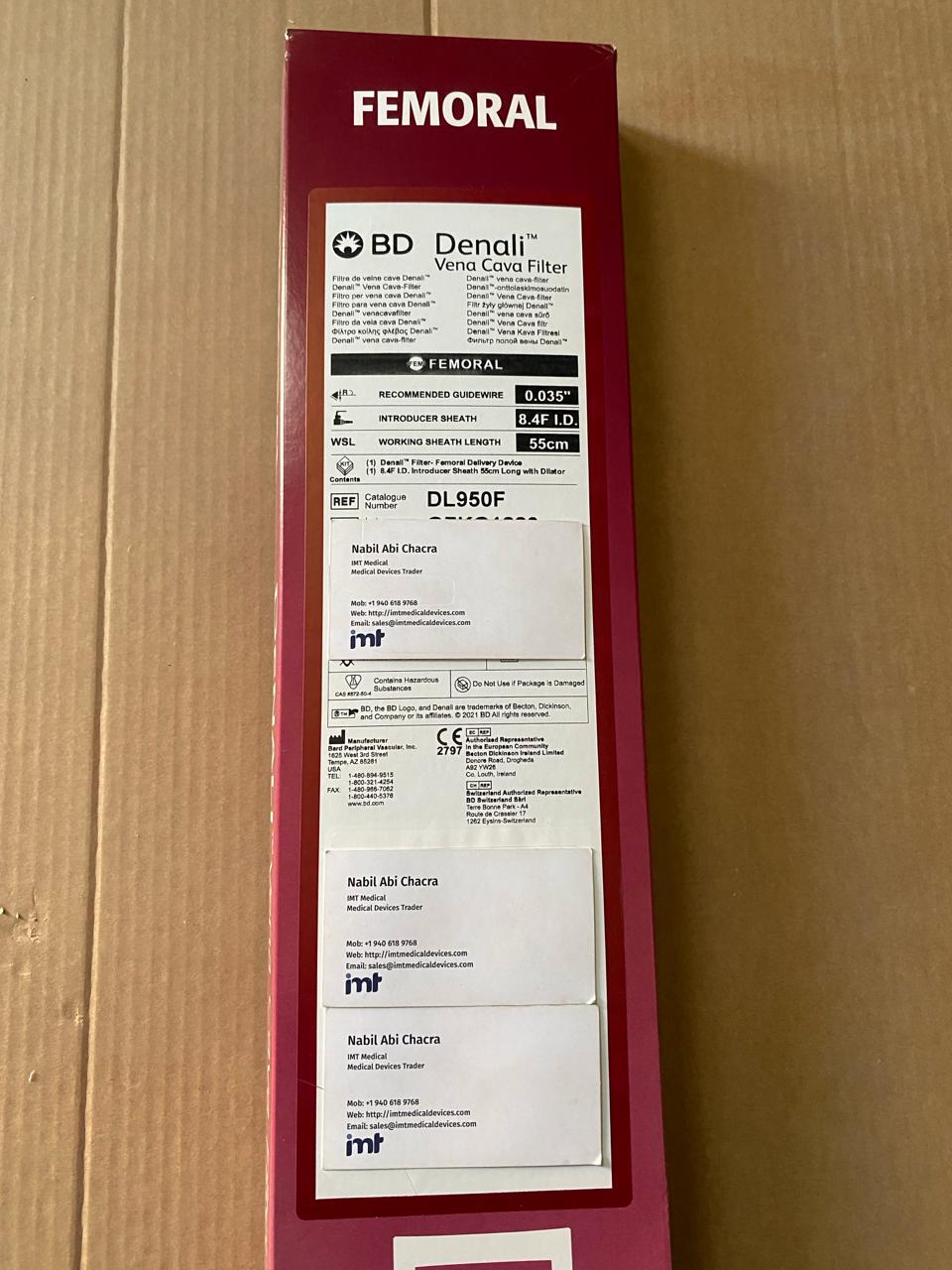
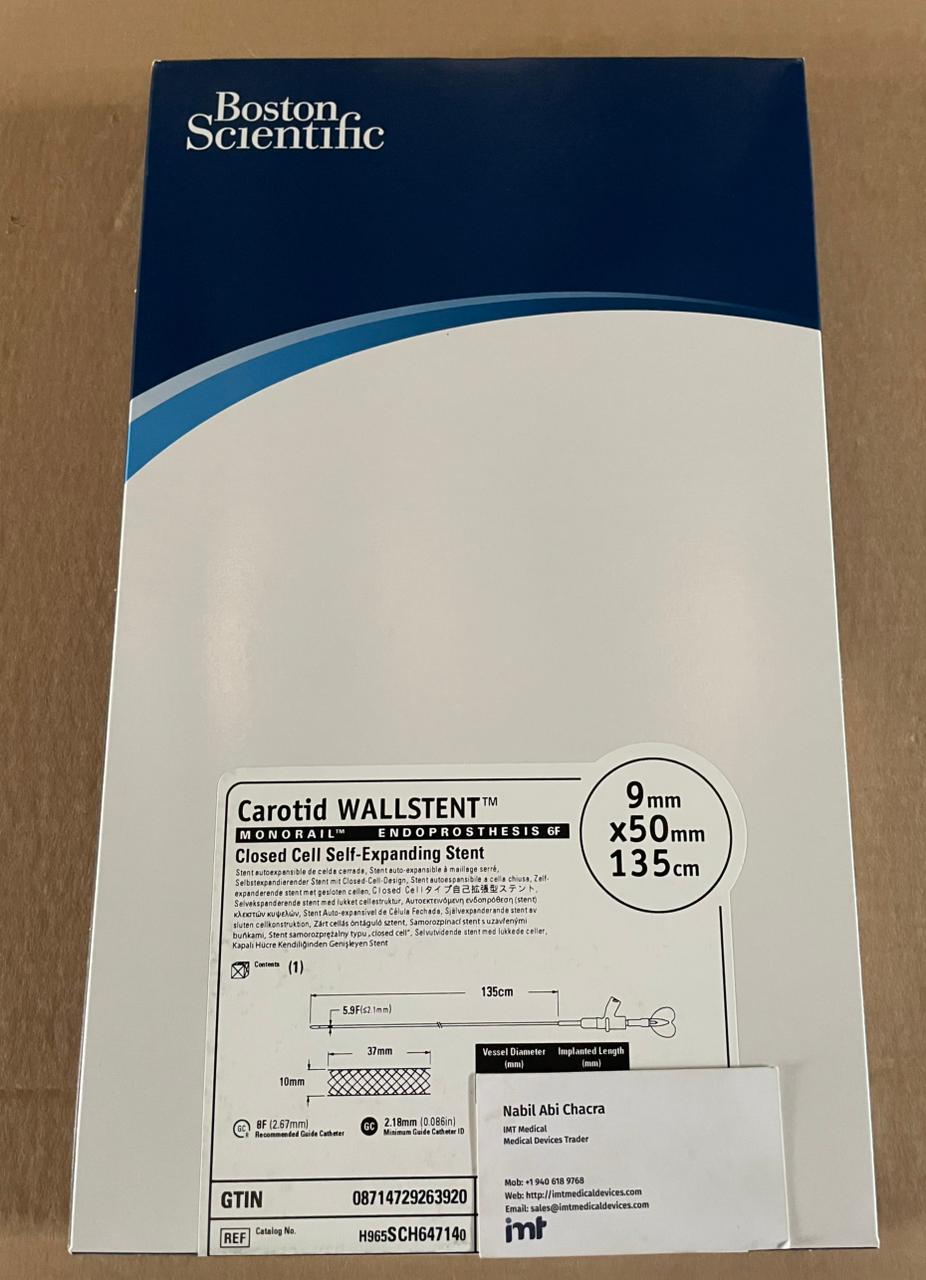
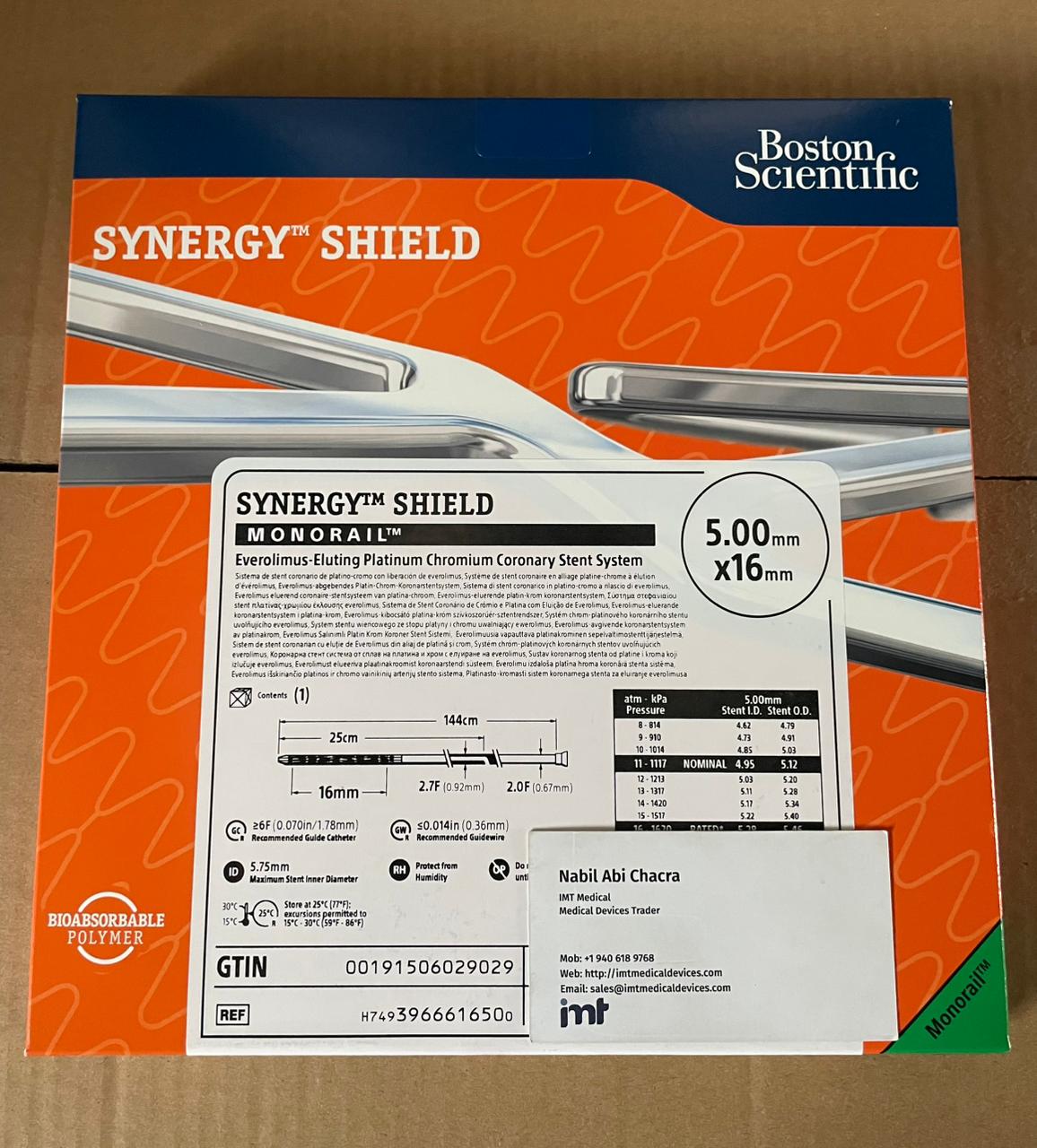
That distinction matters. A coronary stent is not interchangeable with another coronary stent just because the category matches. Buyers typically need a specific manufacturer, precise diameter and length, and often an exact part number already approved by the physician or purchasing team. The same is true for microcatheters, aspiration catheters, guide extension catheters, embolization coils, and vascular closure devices.
In practice, wholesale buying for this market is quote-driven. The buyer already knows the product family, sometimes the SKU, and often the manufacturer preference. The supplier’s job is to reduce friction - not to educate the buyer on basics they already know.
Why hospitals and distributors look beyond local channels
The most common reason is availability. Local distributors may have limited stock, restricted brand coverage, or slow replenishment cycles. When a lab is trying to maintain continuity for scheduled procedures, waiting for a local channel to restock can become more expensive than paying a slightly different unit cost through an alternate source.
The second reason is brand access. Some hospitals and physicians prefer to stay with product lines they know clinically and operationally. If the local market pushes substitutes or allocates inventory unevenly, procurement teams start looking for direct export-oriented suppliers that can source from a broader manufacturer base.
The third reason is competitive positioning. Independent distributors often need access to the same branded devices their local competitors carry. Without that breadth, they lose accounts before pricing discussions even begin. In this segment, line card depth matters almost as much as price.
Wholesale medical categories that require exact sourcing
Interventional procurement is detail-sensitive. Category-level descriptions are helpful for navigation, but real purchasing decisions happen at the model and reference level.
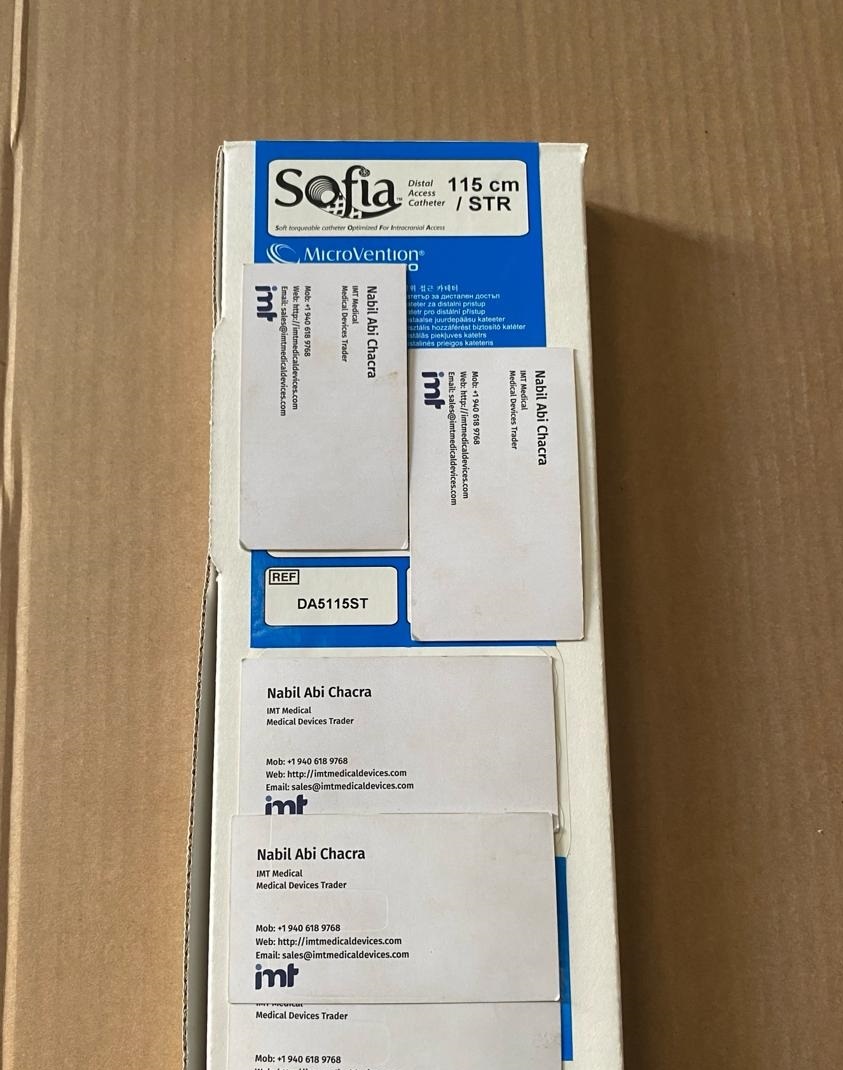
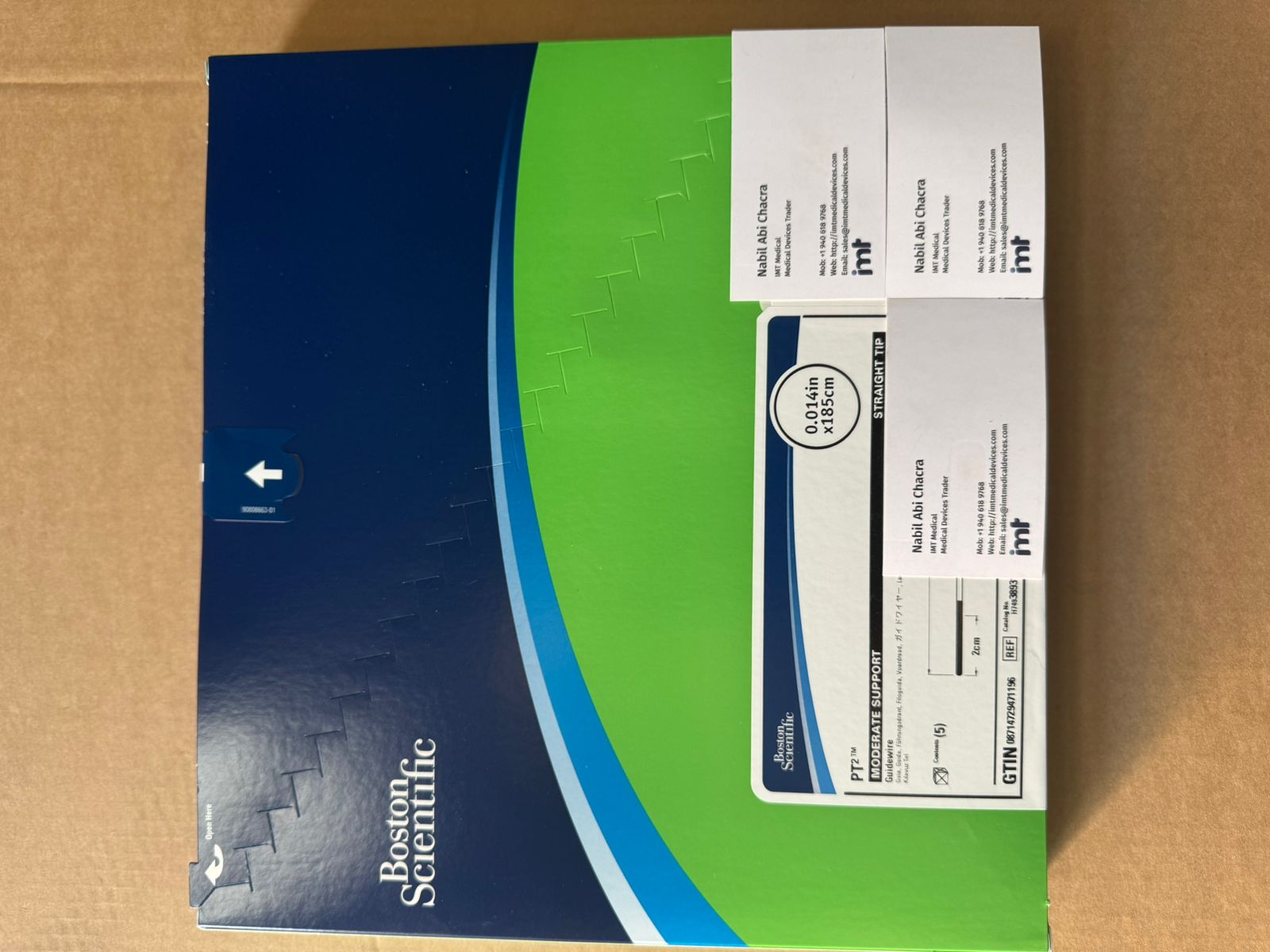
For coronary and peripheral work, buyers often source balloon catheters, guidewires, guiding catheters, diagnostic catheters, drug-eluting stents, bare metal stents, atherectomy-related accessories, and closure devices. In neurovascular procedures, demand usually centers on microcatheters, aspiration catheters, access systems, guidewires, coils, flow-directed devices, and related support products.
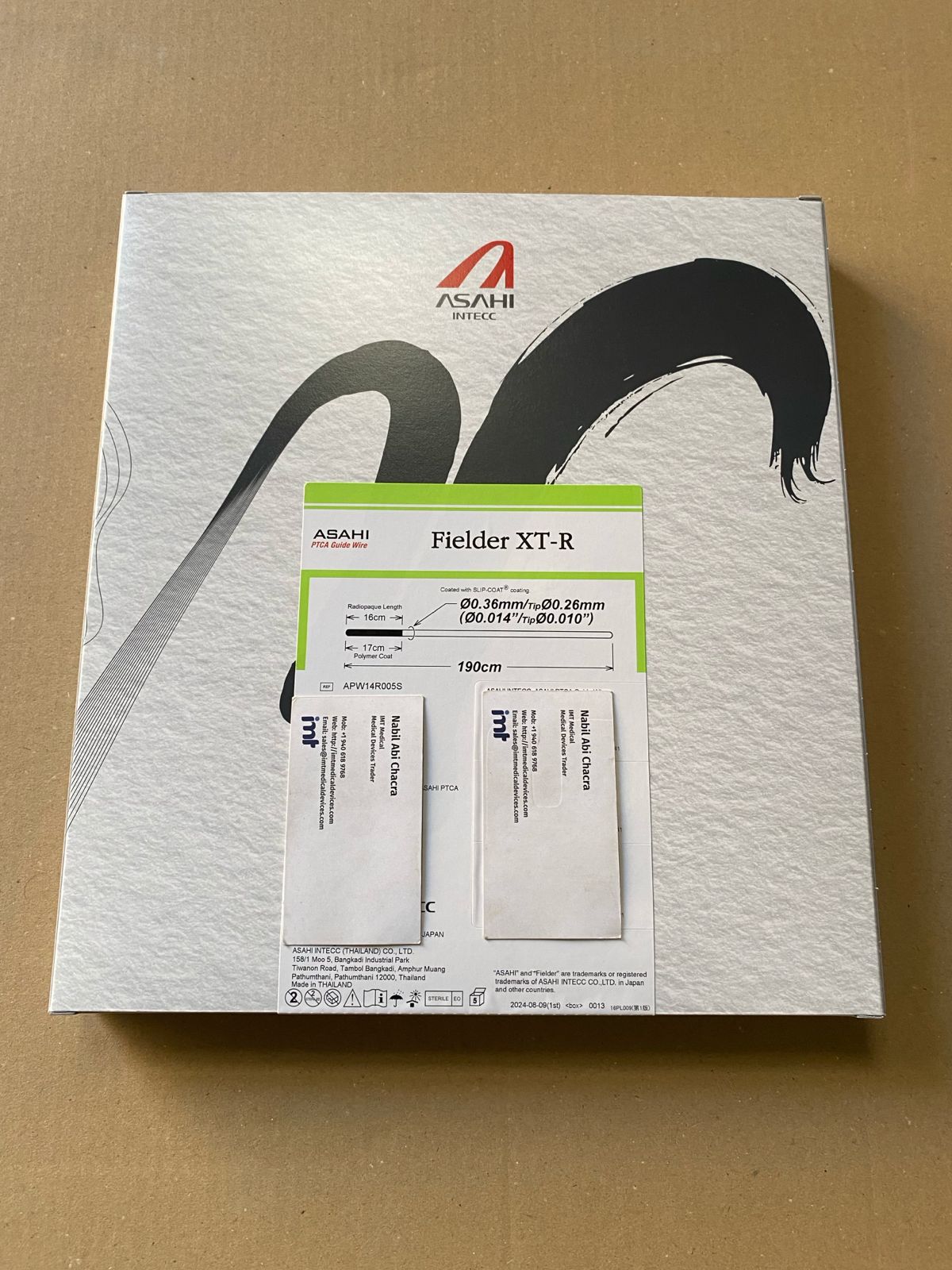
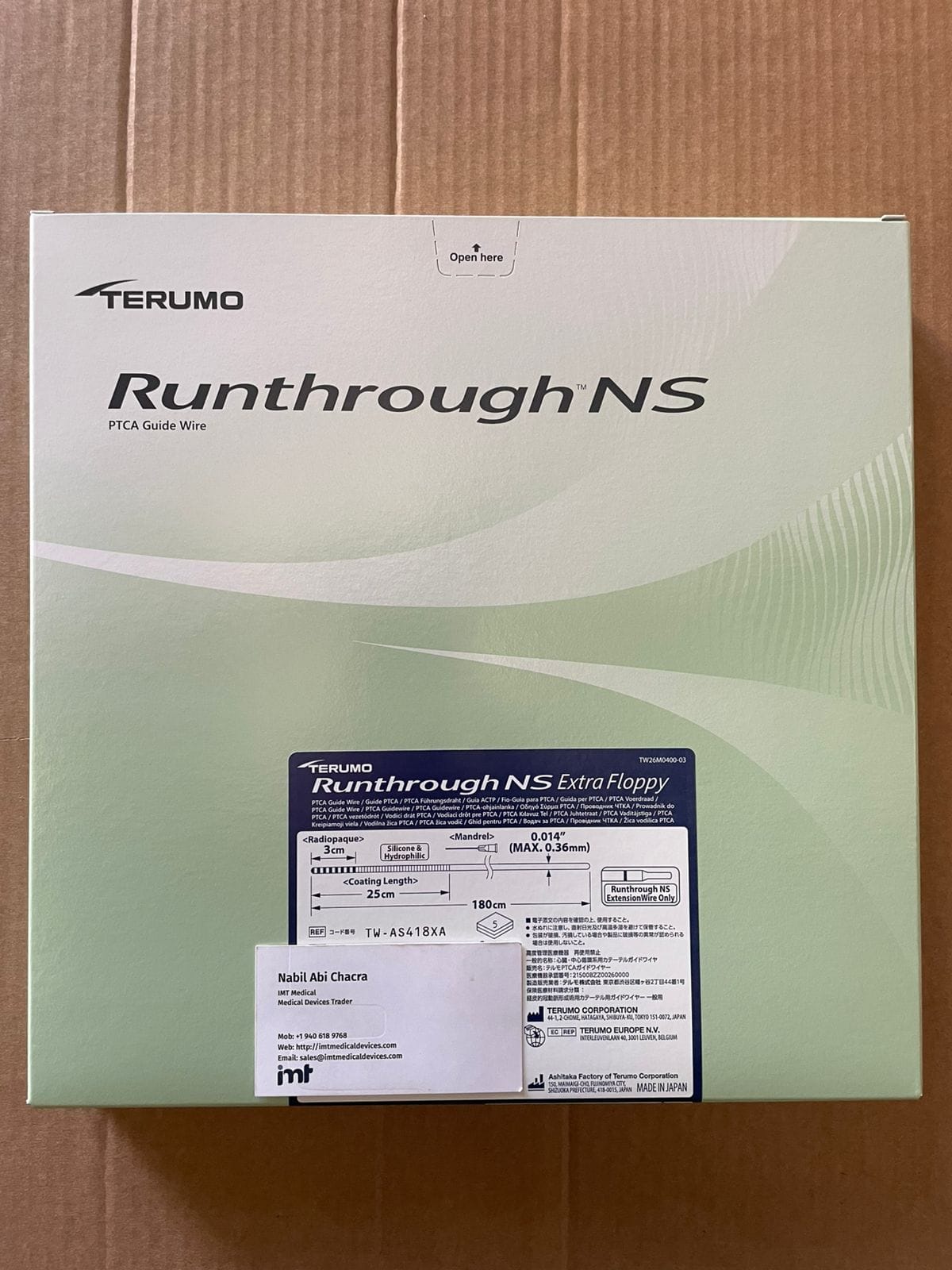
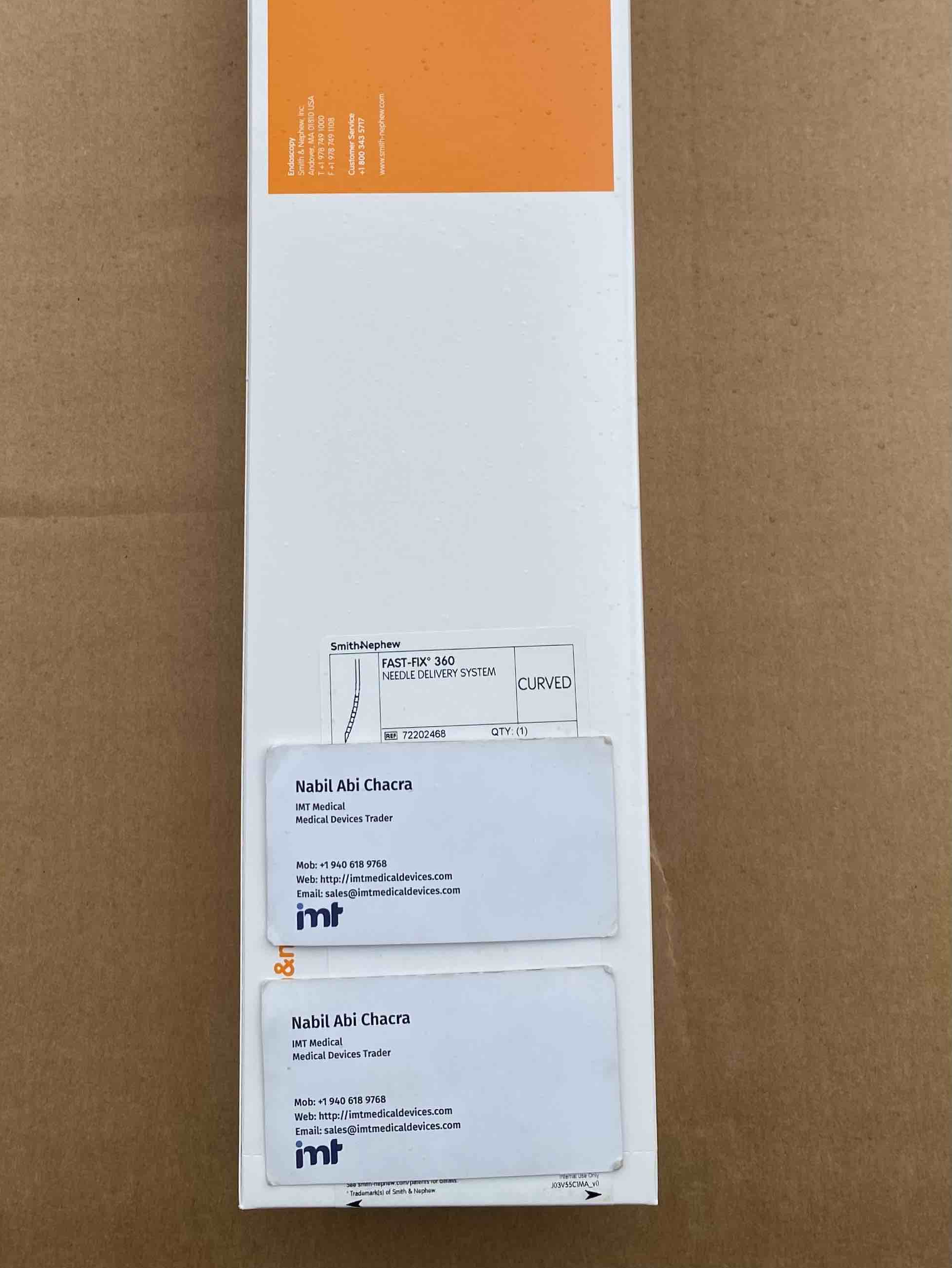
This is where branded inventory becomes operationally important. A team may request Medtronic, Boston Scientific, Asahi, MicroVention, Terumo Neuro, Terumo, Cordis, Abbott, BD, B. Braun, or Ethicon because those names align with established physician preferences and procedural workflows. Laboratory and hospital buyers may also need Beckman Coulter, Roche Reagents, Bio-Rad, Siemens, Smith and Nephew, Coloplast, or Becton Dickinson depending on departmental demand.
If the sourcing process cannot handle exact identifiers across these manufacturers, wholesale becomes less useful. Broad claims about category access do not solve a buyer’s immediate need for a specific reference.
What serious buyers should verify before requesting a quote
The first checkpoint is product specificity. A supplier should be able to work from exact product names, catalog numbers, and configurations without excessive back-and-forth. If your team sends a reference and receives a generic category reply, that is usually a sign of sourcing friction ahead.
The second checkpoint is inventory realism. Not every product is available at all times, and serious suppliers should be direct about that. Clear communication on stock status, lead time, and alternatives is more valuable than optimistic language that delays a decision.
The third checkpoint is export capability. For buyers in Gulf countries, Latin America, Asia, China, and Russia, documentation and shipping coordination are not secondary tasks. They are part of the procurement decision. A supplier that understands cross-border movement of medical products helps reduce avoidable delays.
The fourth checkpoint is quote speed. In a procedural environment, long quote cycles can affect both purchasing and case planning. Fast quoting does not mean careless quoting. It means the supplier has the product structure, manufacturer familiarity, and internal process to respond accurately.
How branded wholesale medical sourcing reduces purchasing risk
The biggest risk in interventional supply is ambiguity. If a buyer asks for a product family but receives a near-match instead of the exact device requested, the problem may not be discovered until clinical review or receipt. That costs time, creates return friction, and can interrupt schedules.
Branded wholesale sourcing reduces that risk because it starts with exact identification. Manufacturer names matter. Part numbers matter. Unit packaging matters. Sterility status, sizing, and compatibility matter. Professional buyers are not looking for persuasive copy. They are looking for less room for error.
This is also why product-indexed catalogs outperform broad educational storefronts for this audience. A cardiology buyer searching for a specific guidewire or stent system wants to confirm whether the line is carried and move quickly to a quote request. The same is true for distributors filling account-specific demand.
The trade-off between price, speed, and brand continuity
There is rarely a perfect sourcing decision. Sometimes the lowest unit cost comes with slower lead times. Sometimes the fastest available source does not have the full brand mix a hospital prefers. Sometimes a physician wants continuity with one manufacturer while procurement is under pressure to widen sourcing options.
That is where wholesale strategy becomes practical rather than theoretical. For scheduled procedures, buyers may prioritize brand continuity and reference accuracy. For urgent replenishment, lead time may outweigh minor pricing differences. For distributors building local market share, breadth of branded access can matter more than single-order margin.
A capable supplier should understand these trade-offs without oversimplifying them. Not every order is a pure price decision, and not every account wants the same sourcing structure.
A useful model for wholesale medical purchasing
The most efficient model is straightforward. Buyers submit the exact items they need, ideally with product names and part numbers. The supplier confirms availability, pricing, and shipment terms. If any items are constrained, the supplier flags that early rather than after quote acceptance.
This approach fits how cath labs and specialty hospitals already buy. It also fits how serious distributors operate. The objective is not to create a long buying journey. The objective is to reduce time from product identification to quotation and shipment.
That is also why a broad branded inventory matters more than a broad content library. In this segment, product access is the value. A source that carries interventional lines from major manufacturers and can process quote requests efficiently is generally more useful than a site built around general medical education.
For buyers who need an export-focused source for branded interventional devices, https://imtmedicaldevices.com follows that procurement logic. The emphasis is on category navigation, manufacturer coverage, and quote initiation rather than retail-style browsing.
Choosing a wholesale medical supplier for repeat orders
Repeat purchasing changes the evaluation. On a first order, buyers focus on price, authenticity, and delivery. On later orders, consistency becomes the main issue. Can the supplier continue sourcing the same branded references? Can they respond quickly when case volume changes? Can they support a distributor or hospital that does not want to rely on the local channel?
Reliability shows up in small operational details. Clean quote formatting. Correct identifiers. Realistic lead times. Familiarity with cath lab products. A product range that reflects actual procedural demand rather than a generic medical catalog.
That is usually the difference between one-off sourcing and a usable wholesale relationship. In interventional care, procurement works best when the supplier understands that precision is part of service, not an extra feature.
If your team already knows the brands, product families, and references it needs, the best next step is simple: send exact requirements and evaluate how fast, how clearly, and how accurately the supplier responds.