
How to Choose a Medical Device Wholesaler
A delayed catheter, an incorrect guidewire length, or a missing brand-specific SKU can disrupt more than purchasing timelines. For hospitals, cath labs, laboratories, and distributors, choosing the right medical device wholesaler affects procedural readiness, inventory planning, and confidence in every order. The real question is not simply who can supply products. It is who can supply the exact products required, from recognized manufacturers, with the documentation and export support your market needs.
What a medical device wholesaler should actually provide
A medical device wholesaler serving professional buyers is not a general supplier of broad medical stock. The role is more specific. It is to source and deliver branded, clinically relevant products in volume, with enough category depth to support ongoing procurement across multiple departments or intervention areas.
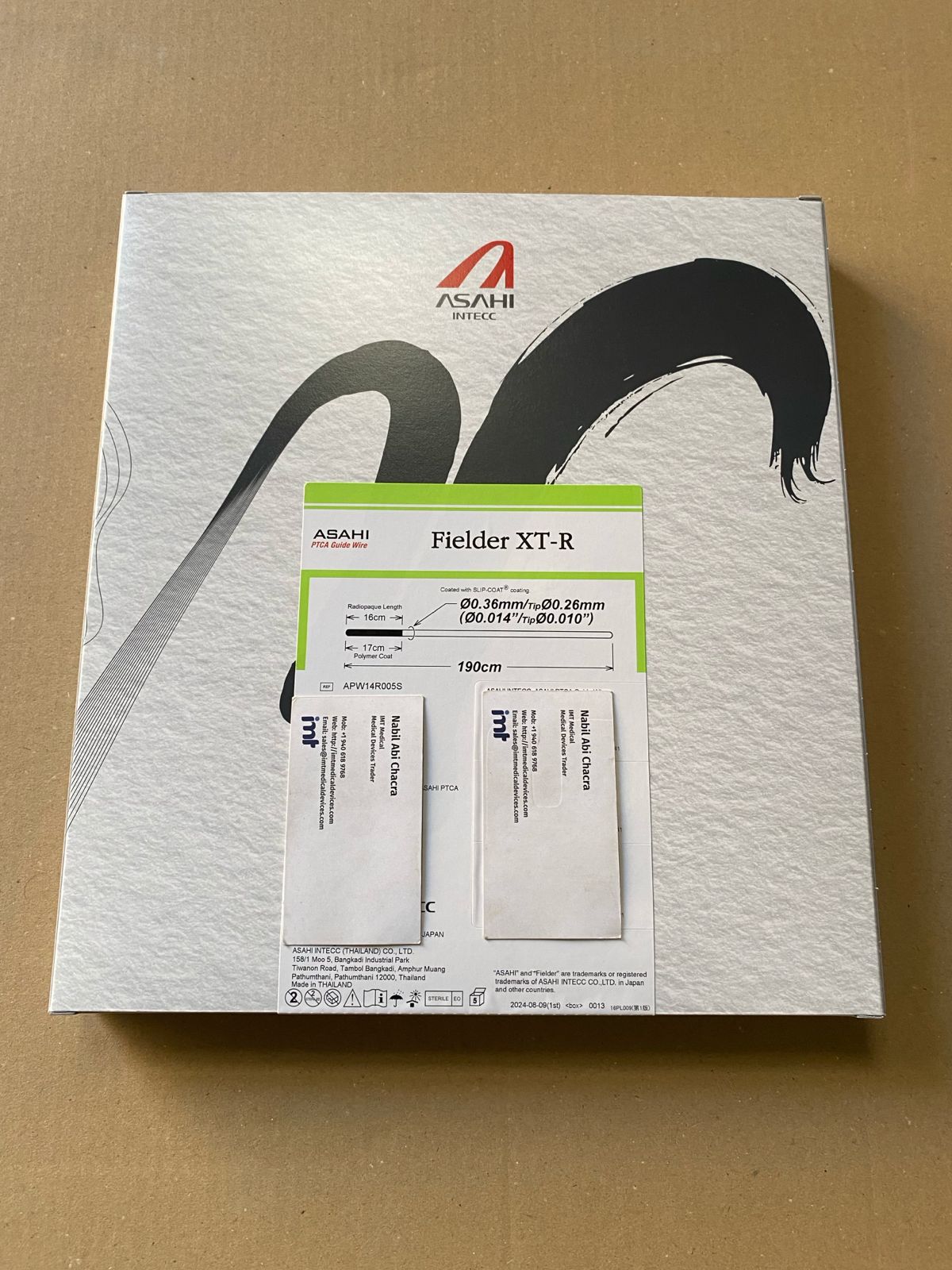
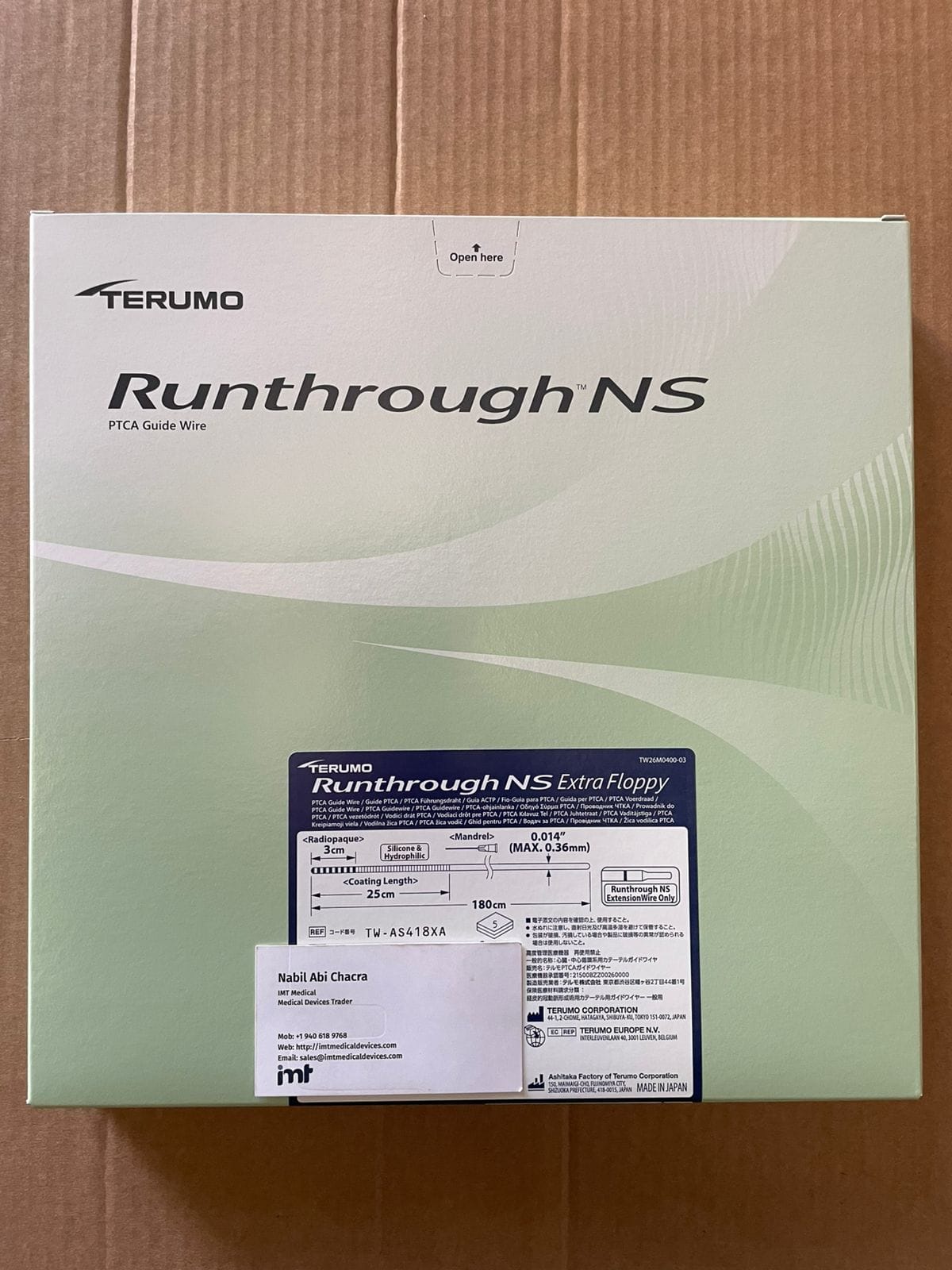
For many buyers, that means access to interventional cardiology, interventional radiology, peripheral intervention, neurovascular, surgical, and laboratory product lines through one procurement channel. It also means familiar manufacturer portfolios rather than unverified alternatives. In practice, a strong wholesale partner should help buyers consolidate demand across brands such as Terumo, Asahi, Boston Scientific, Medtronic, Abbott, Cordis, Siemens, Roche, Beckman Coulter, BD, Ethicon, and Stryker, while maintaining accuracy at the SKU level.
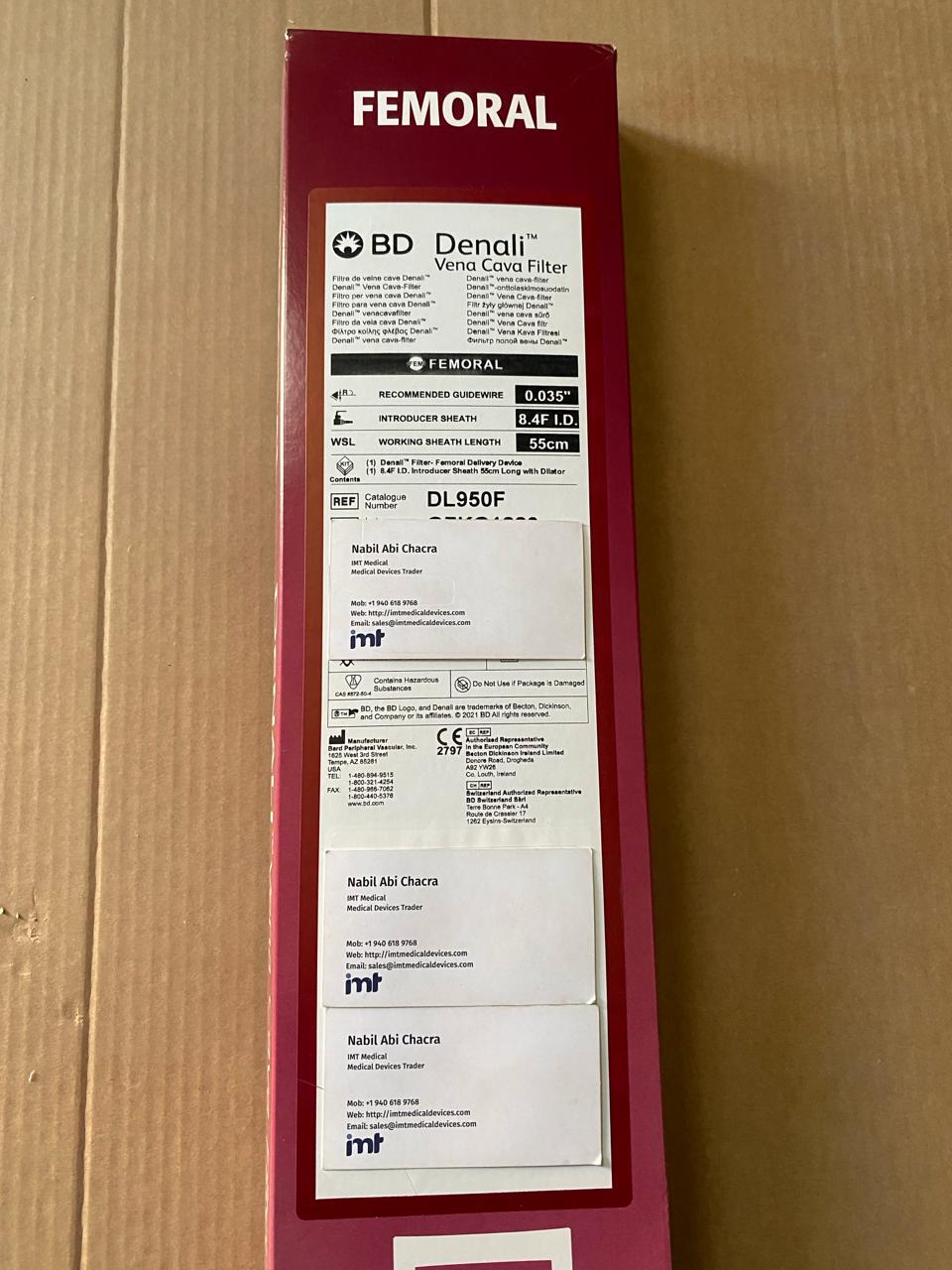
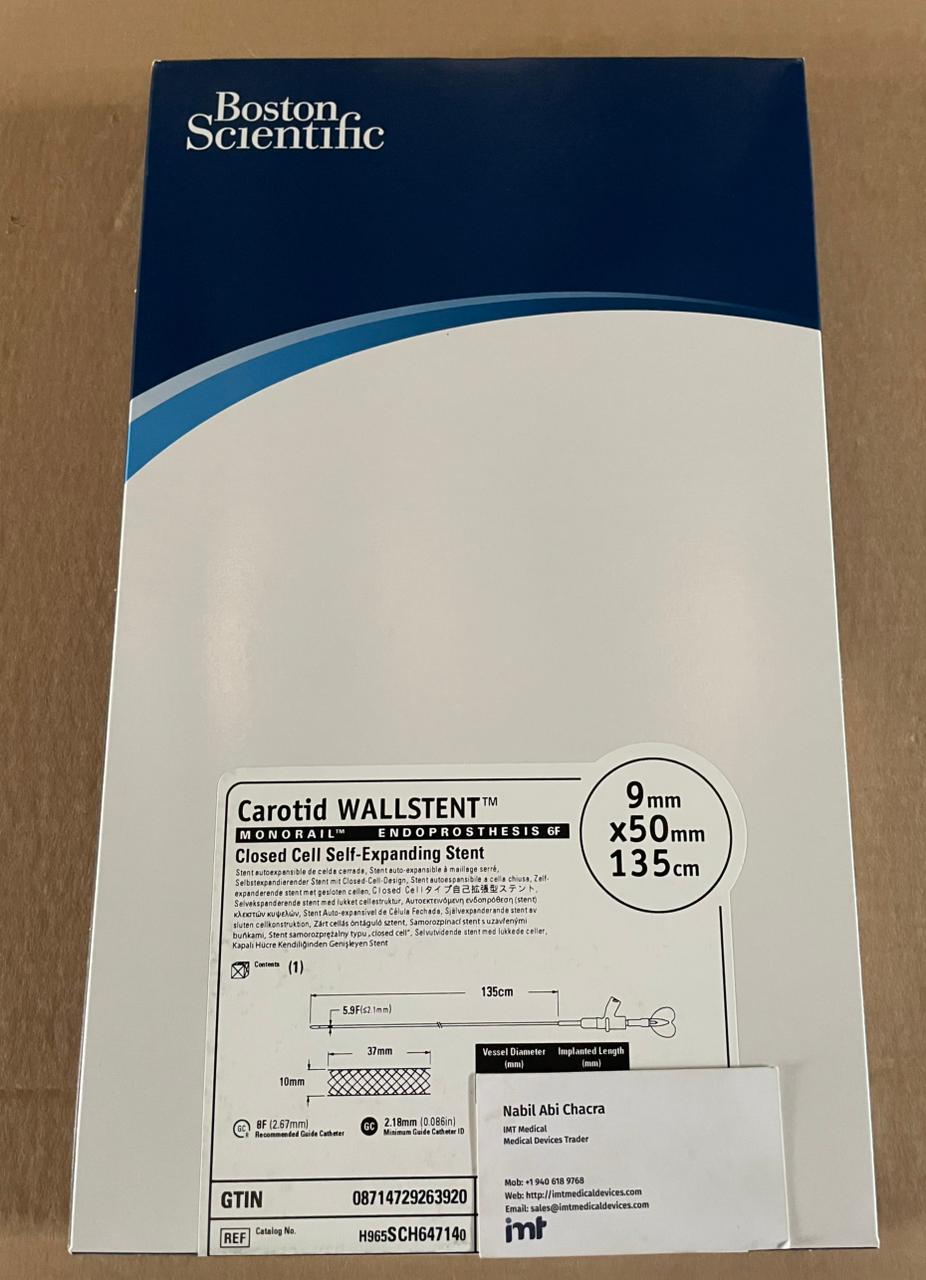
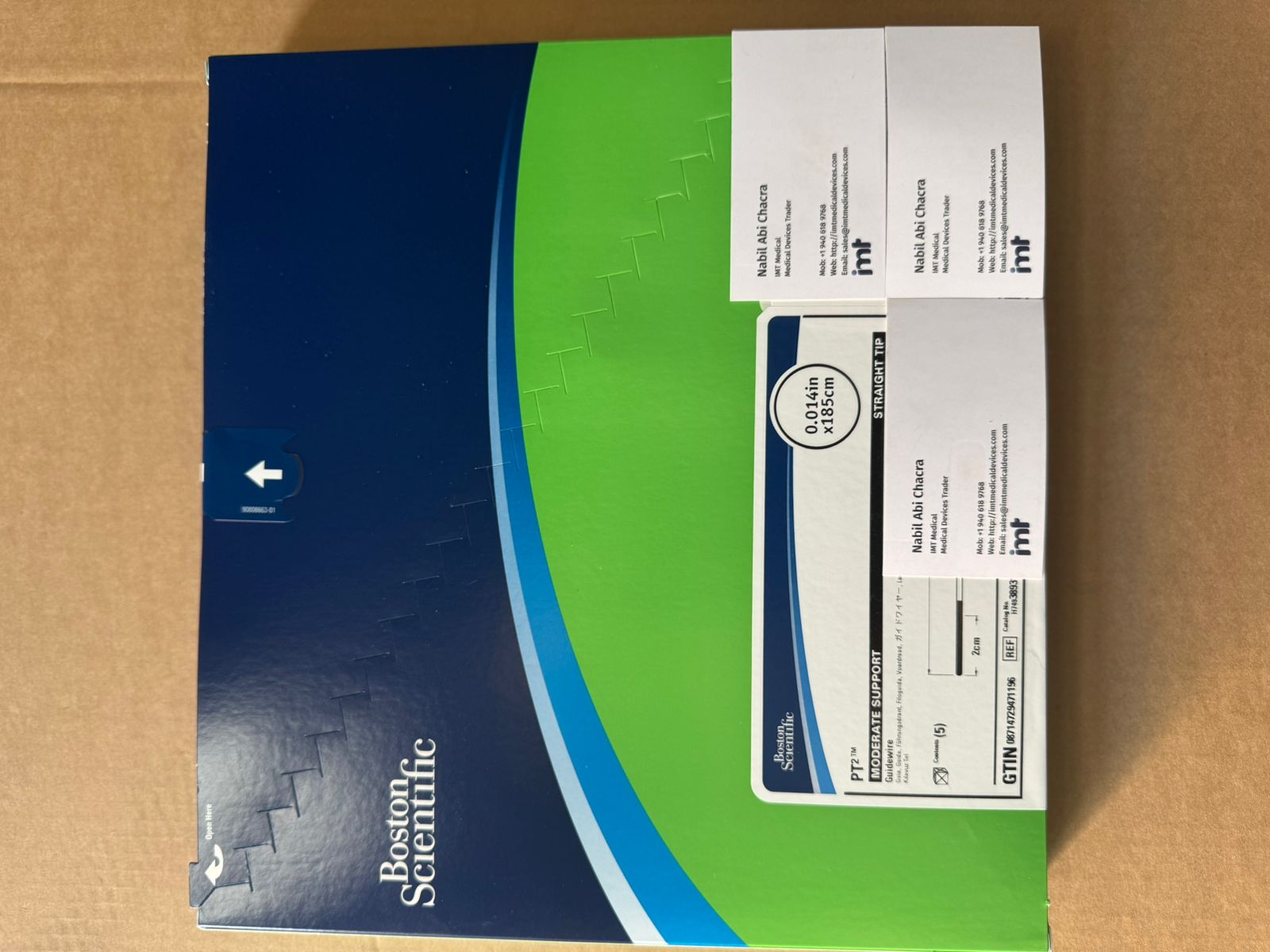
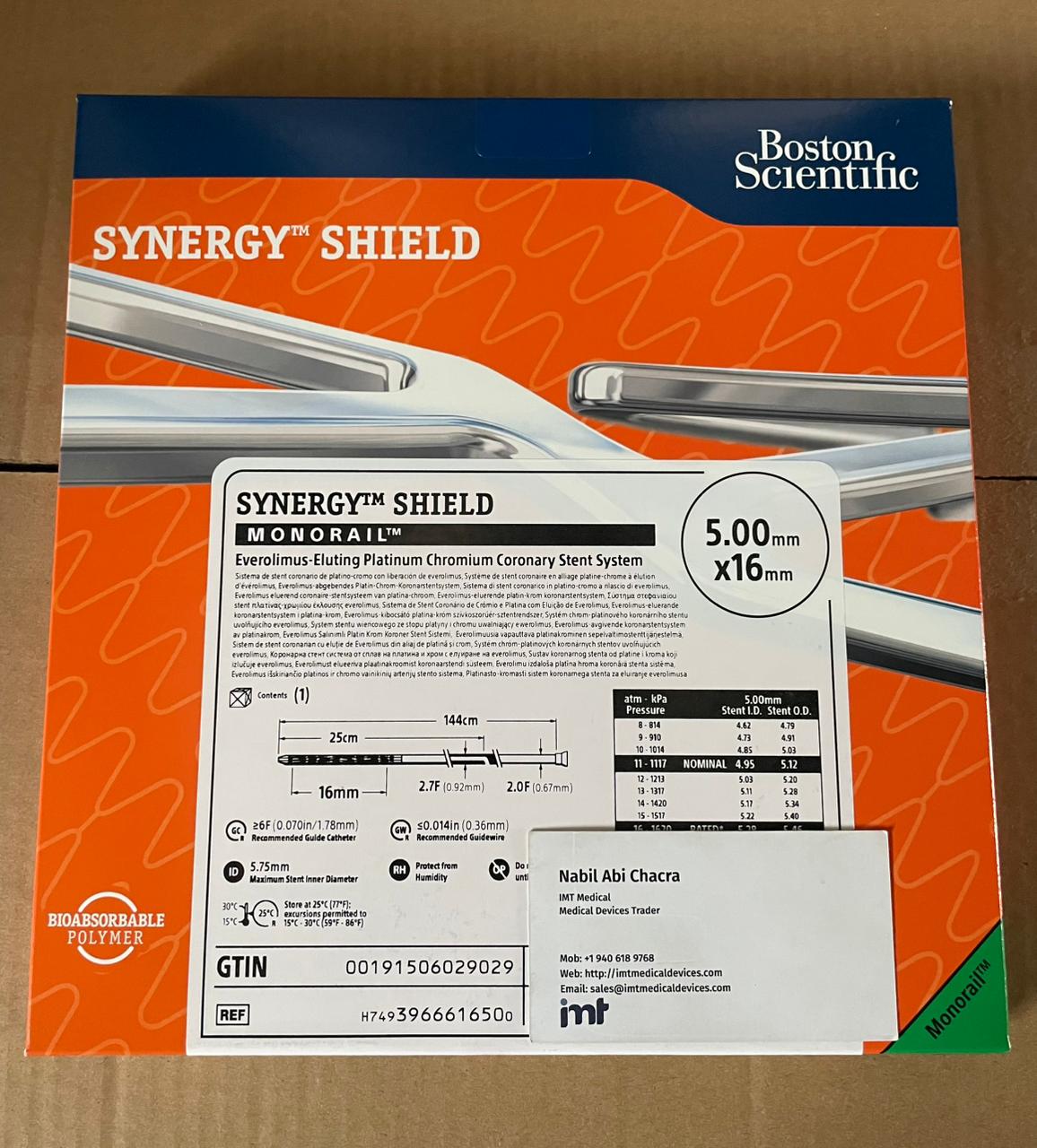
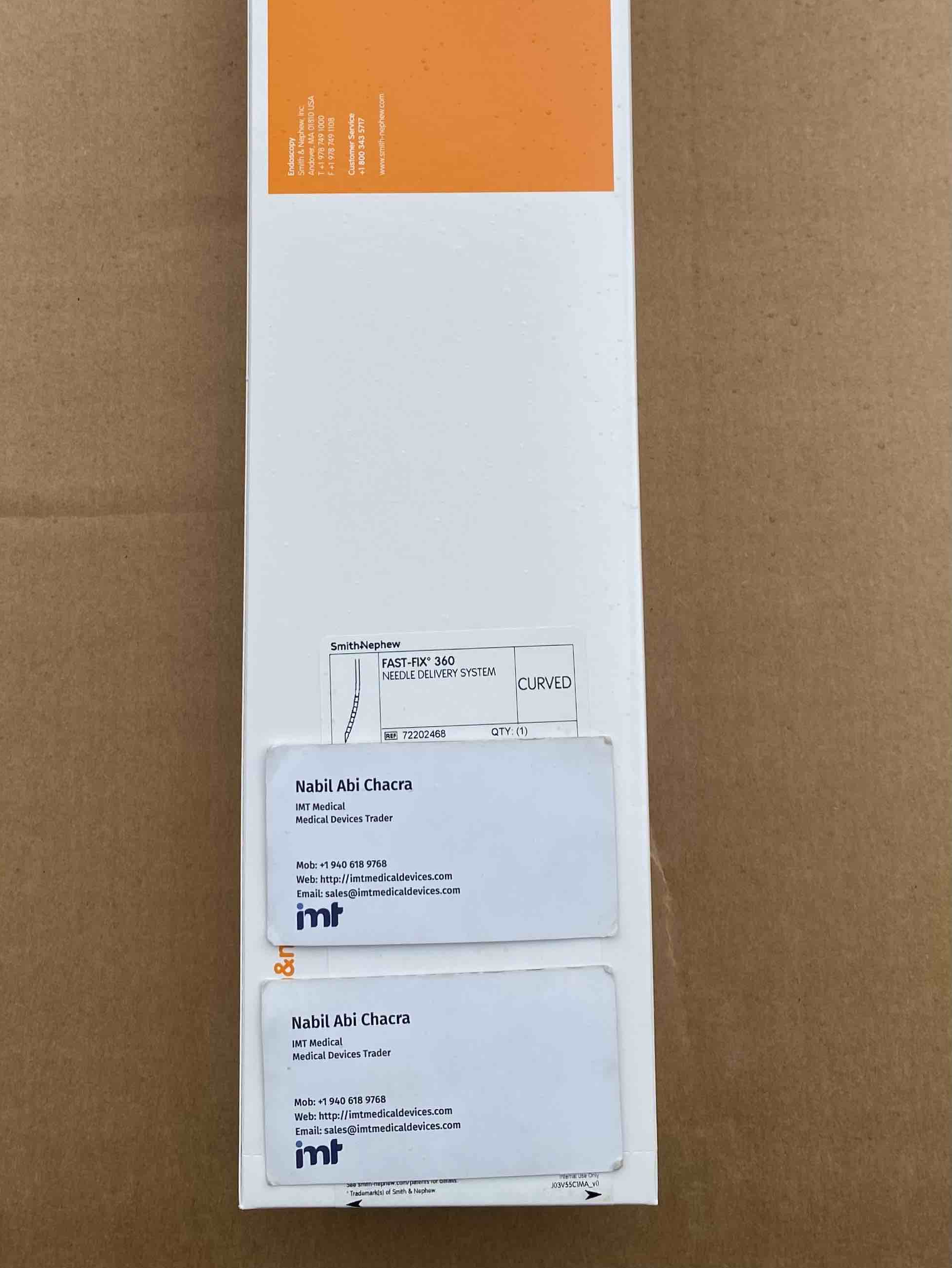
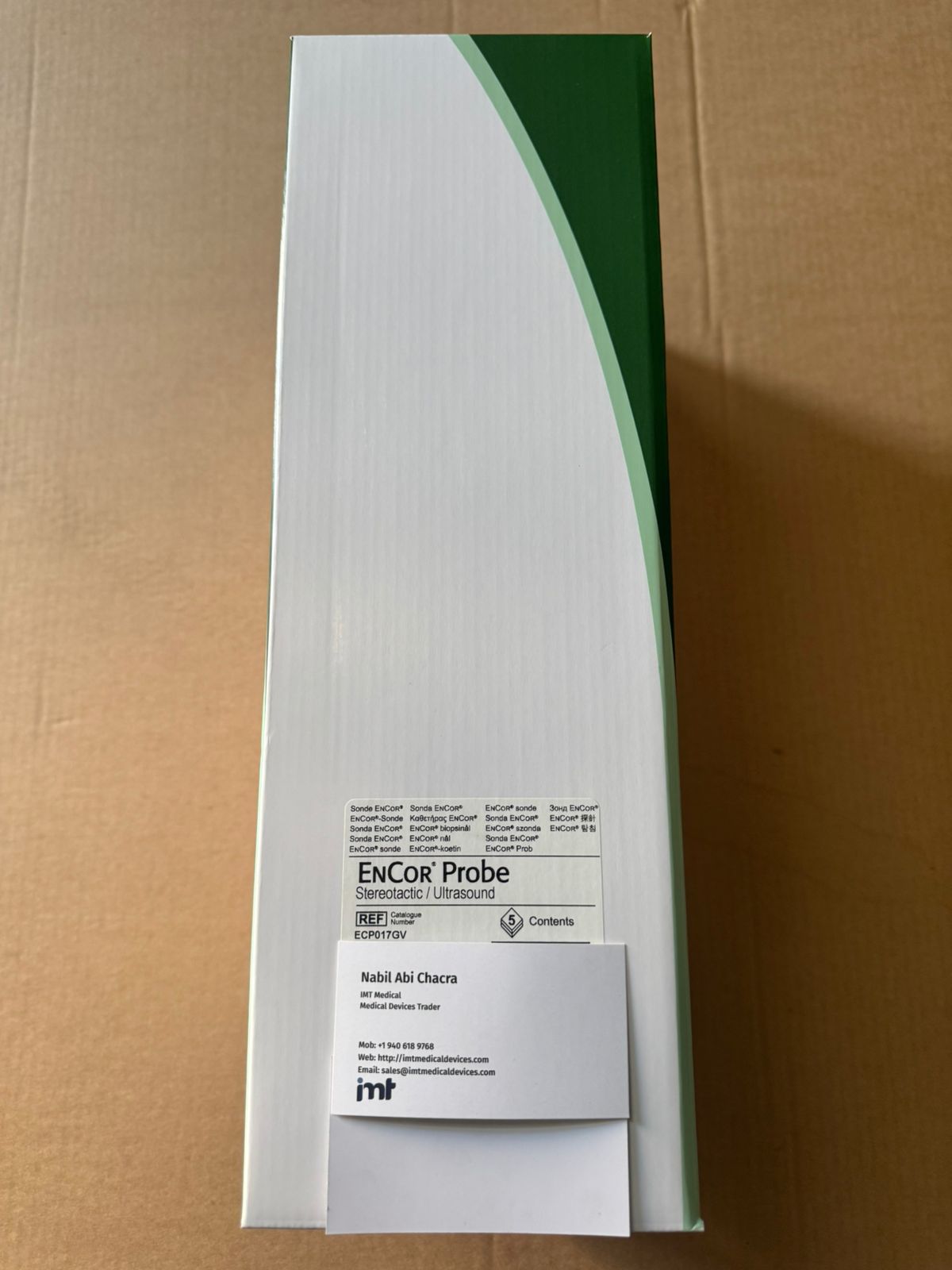
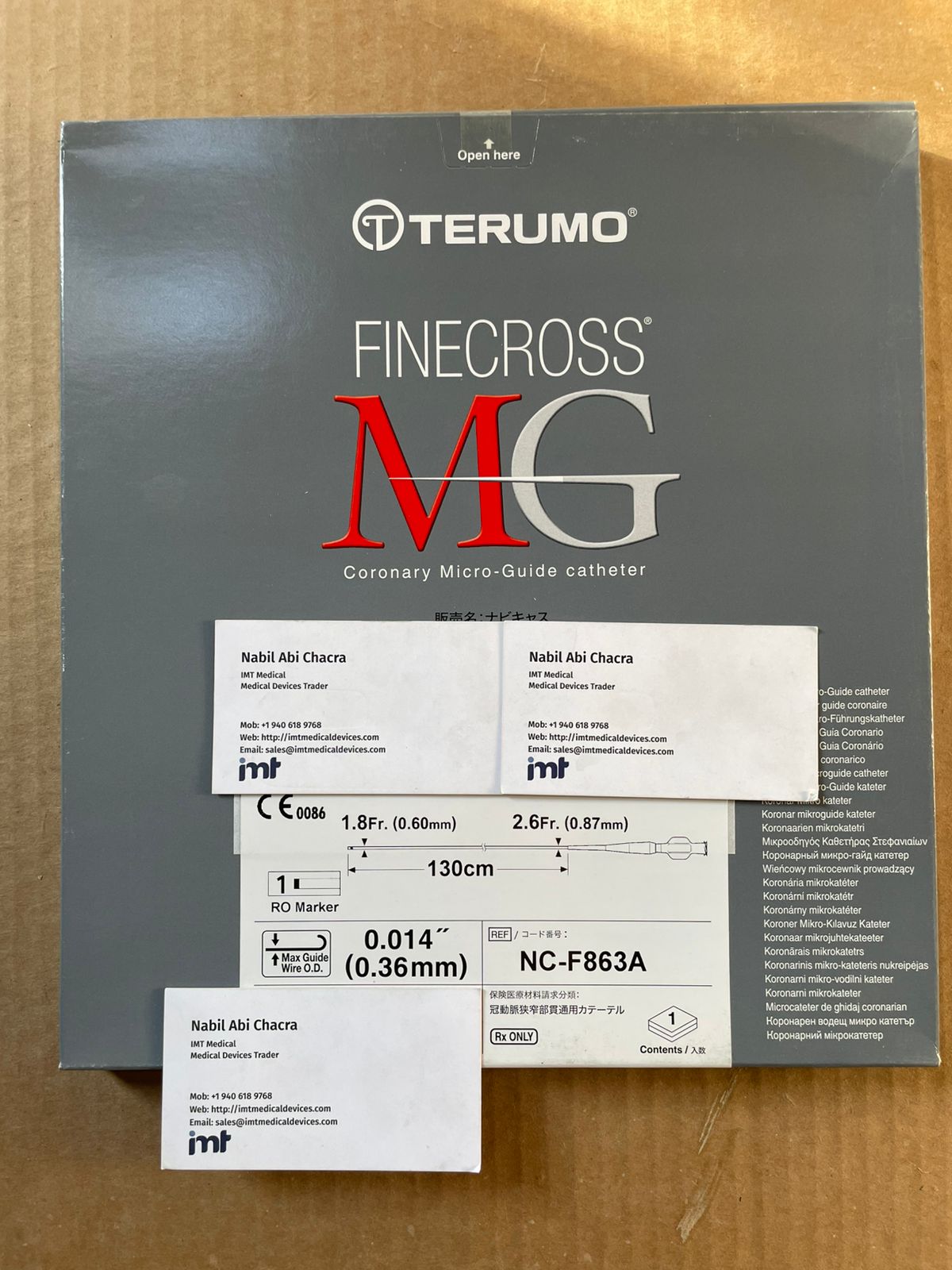
That distinction matters. Procurement teams do not buy categories in the abstract. They buy exact coronary stents, balloons, guiding catheters, micro catheters, sutures, aspiration catheters, vascular closure devices, cava filters, and diagnostic laboratory items based on physician preference, procedural protocol, availability, and regulatory acceptance.
Why brand access matters in wholesale procurement
In specialized device procurement, brand access is often the first filter. Clinicians and procurement managers typically work from approved manufacturer lists, historical usage, and procedure-specific requirements. A wholesaler that cannot consistently source recognized brands creates friction from the start.
This is especially true in interventional settings. Coronary and peripheral interventions rely on device performance characteristics that are not interchangeable in a practical purchasing sense. The same applies in neurovascular procedures, where product familiarity, technical specifications, and physician confidence are tied closely to established brands and known product families.
A credible wholesaler should therefore offer more than a wide catalog. The better indicator is whether that catalog reflects real demand in professional settings - high-rotation branded SKUs, clear product nomenclature, and the ability to quote across multiple manufacturers without forcing buyers to split orders among several vendors.
How to evaluate a medical device wholesaler
The strongest wholesale relationships are usually built on operational consistency rather than marketing claims. When evaluating a medical device wholesaler, buyers should look closely at a few practical areas.
SKU accuracy and product specificity
Professional buyers need exact matching. A quote request is rarely for a general item such as a guidewire or balloon. It is for a specific product family, size, configuration, and manufacturer reference. Any supplier that responds with vague substitutions or incomplete identification creates unnecessary risk.
A qualified wholesaler should be comfortable working with full product names, catalog references, and technical variations. That includes understanding the difference between similar items across coronary, peripheral, neurovascular, surgical, and laboratory applications.
Portfolio breadth with clinical relevance
Breadth alone is not enough. A catalog can be large and still not useful if it lacks the products buyers actually reorder. What matters is a portfolio built around recognized procedural demand.
For example, a hospital procurement team may need coronary stents and balloons for cath lab use, guidewires and guiding catheters for intervention, vascular closure devices for access management, and laboratory brands for diagnostics. A distributor may need a supplier capable of supporting multiple specialties without compromising branded consistency. In both cases, relevant breadth reduces procurement fragmentation.
Export capability and international fulfillment
This is often where wholesale suppliers separate themselves. Many vendors can handle domestic transactions. Fewer are structured for export documentation, international shipping coordination, and cross-border order management.
For buyers outside the United States or for organizations sourcing into multiple regions, export capability is not an added benefit. It is part of the requirement. A wholesaler serving international markets should understand commercial documentation, destination-specific considerations, and the practical realities of shipping professional medical products across borders.
Quote responsiveness and procurement efficiency
In B2B medical sourcing, speed matters, but not in a superficial way. Buyers need fast quoting because clinical schedules, stocking plans, tender windows, and distributor commitments move quickly. The right supplier should be able to review product requests efficiently, confirm availability, and return clear commercial terms.
That does not mean every inquiry results in immediate supply. Availability can vary by brand, quantity, and market conditions. What matters is transparent response handling and a process designed for serious procurement rather than casual browsing.
Common sourcing problems buyers should avoid
One of the most common procurement issues is working with suppliers that look broad on paper but are weak in execution. They may list many categories, yet struggle with exact branded inventory, slow communication, or incomplete export support.
Another issue is substitution pressure. In some markets, buyers are offered alternatives when requested SKUs are unavailable. Sometimes that is unavoidable, but in specialty care settings it is not always acceptable. A wholesaler should understand when substitution is clinically impractical, commercially inappropriate, or restricted by facility policy.
There is also the problem of fragmented sourcing. A buyer may use one vendor for cardiology, another for neurovascular, and another for laboratory products because no single partner can support the full requirement. In some cases this structure is necessary. In many cases it increases administrative load, creates inconsistent lead times, and complicates vendor management.
Category depth matters more in specialized care
The more specialized the procedure, the more valuable category depth becomes. General wholesalers may be suitable for standard consumables, but intervention-focused procurement usually requires a supplier with familiarity across tightly defined product groups.
Interventional cardiology and peripheral intervention
These categories demand consistent access to branded coronary stents, balloons, guidewires, guiding catheters, and related devices used in high-volume procedural settings. Purchasing teams in these areas need supply continuity more than broad product theory. A wholesaler should understand that even small delays or mismatches can affect case planning and stocking confidence.
Neurovascular products
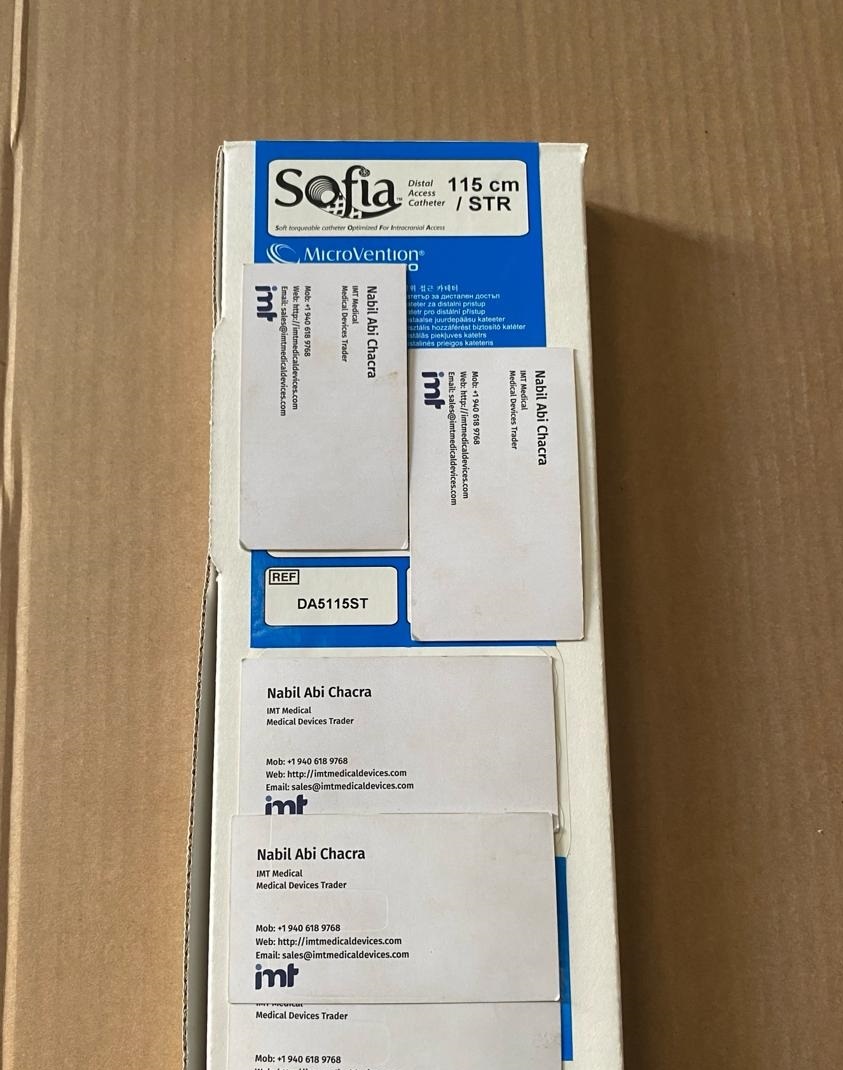
Neurovascular procurement often carries even narrower product requirements. Coils, micro catheters, aspiration catheters, and related devices are typically requested by exact product line. Here, a supplier's value is tied directly to precision and availability, not generic category presence.
Surgical and laboratory brands
Sutures, diagnostic laboratory products, and branded equipment-related consumables are often purchased on established brand preference and operational compatibility. Buyers in these areas still face the same core concerns - authenticity, continuity, and efficient cross-border supply when required.
Why consolidation can improve purchasing control
There is a practical advantage in using a wholesaler that can source across multiple recognized manufacturers. Consolidation can simplify purchasing workflows, reduce the number of supplier conversations needed to complete an order, and improve oversight across departments.
It also helps with forecasting. When a procurement team can aggregate demand through one channel, it becomes easier to manage repeat orders, compare quote structures, and coordinate replenishment by specialty. This does not eliminate every supply challenge. Lead times, market availability, and regional import conditions still vary. But a consolidated sourcing model often reduces avoidable complexity.
For buyers managing international procurement, this can be even more valuable. A single wholesale partner with export capability can reduce the operational burden of dealing with multiple vendors that each handle documentation and shipment differently.
What serious buyers should ask before placing volume orders
Before moving forward with a wholesaler, buyers should verify whether the supplier can support exact branded requests, not just broad category inquiries. They should confirm the scope of available manufacturers, whether export to the destination country is supported, and how quote-based procurement is handled for repeat or mixed-category orders.
It is also worth assessing whether the supplier understands the language of professional purchasing. That usually becomes obvious quickly. A capable wholesale partner will recognize product nomenclature, process inquiry details accurately, and communicate in a way that fits institutional procurement rather than retail sales.
For organizations sourcing across intervention and diagnostics, the best partner is usually the one that combines category depth, recognized brand access, and practical international fulfillment. That is the commercial value behind a focused wholesale model. Companies such as IMT Medical Devices are positioned around that need: branded product access, broad specialty coverage, and export-oriented supply for professional healthcare buyers.
A reliable wholesale relationship should make procurement tighter, not louder. If your supplier helps you source exact products with less friction, clearer quoting, and better continuity, that efficiency carries through every order that follows.