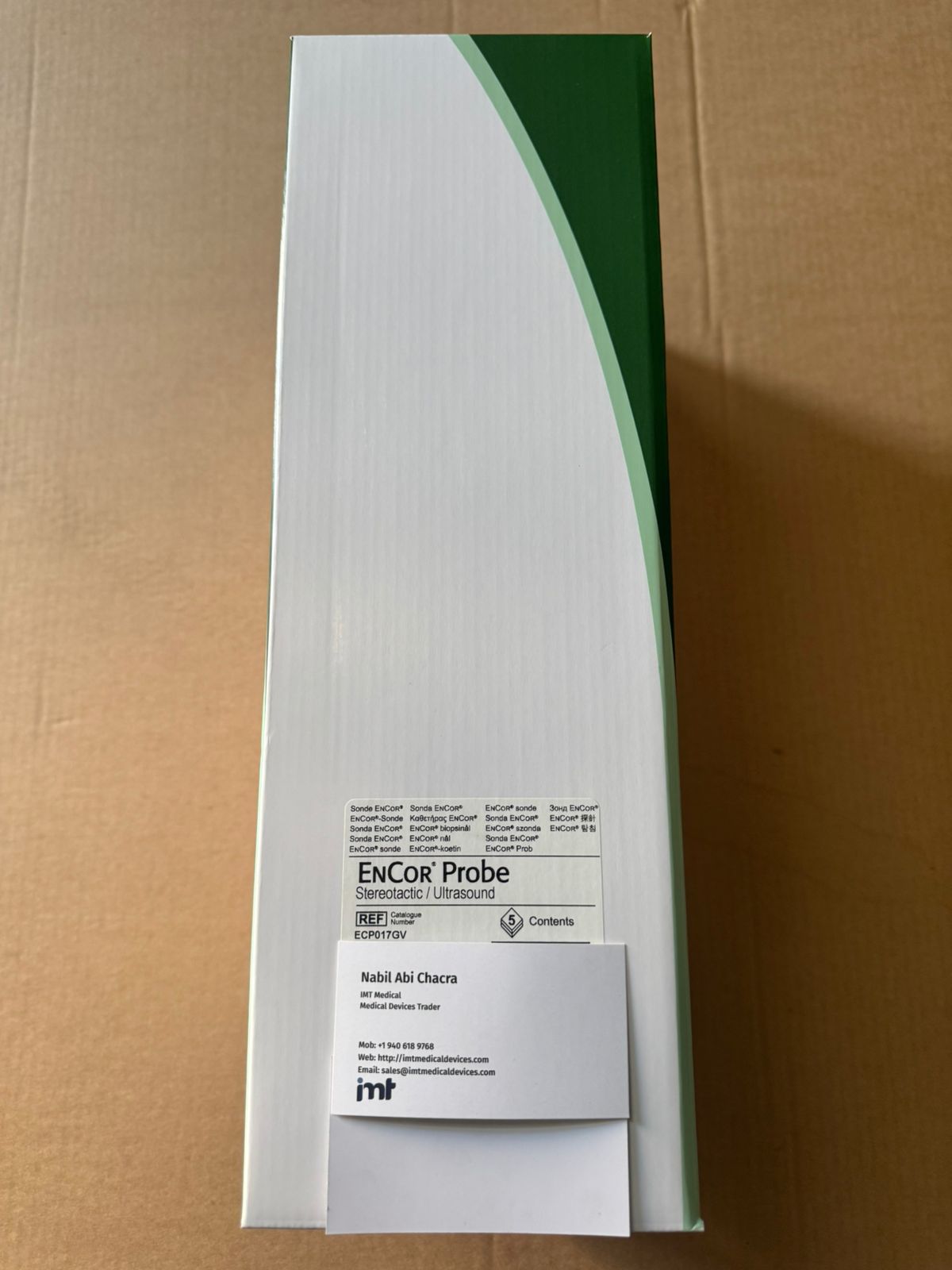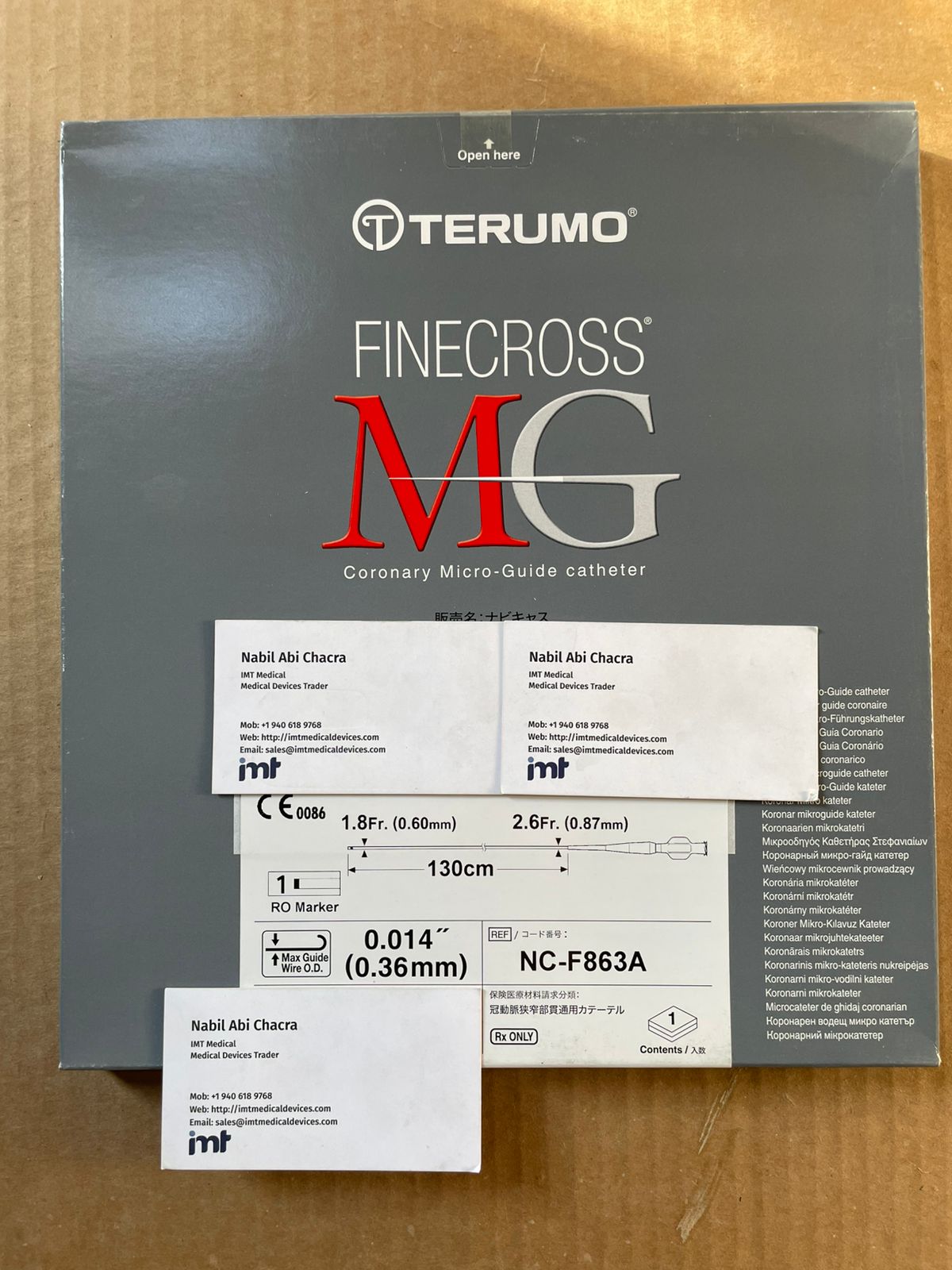

How to Choose a TerumoNeuro Supplier
A delayed neurovascular case rarely fails because the physician chose the wrong device family. More often, it stalls because the required SKU is not available, the lot details are unclear, or the quote process is too slow. When you are evaluating a terumoneuro supplier, the real question is not who can send a catalog. It is who can confirm the exact product, in the required quantity, with documentation that supports fast procurement.
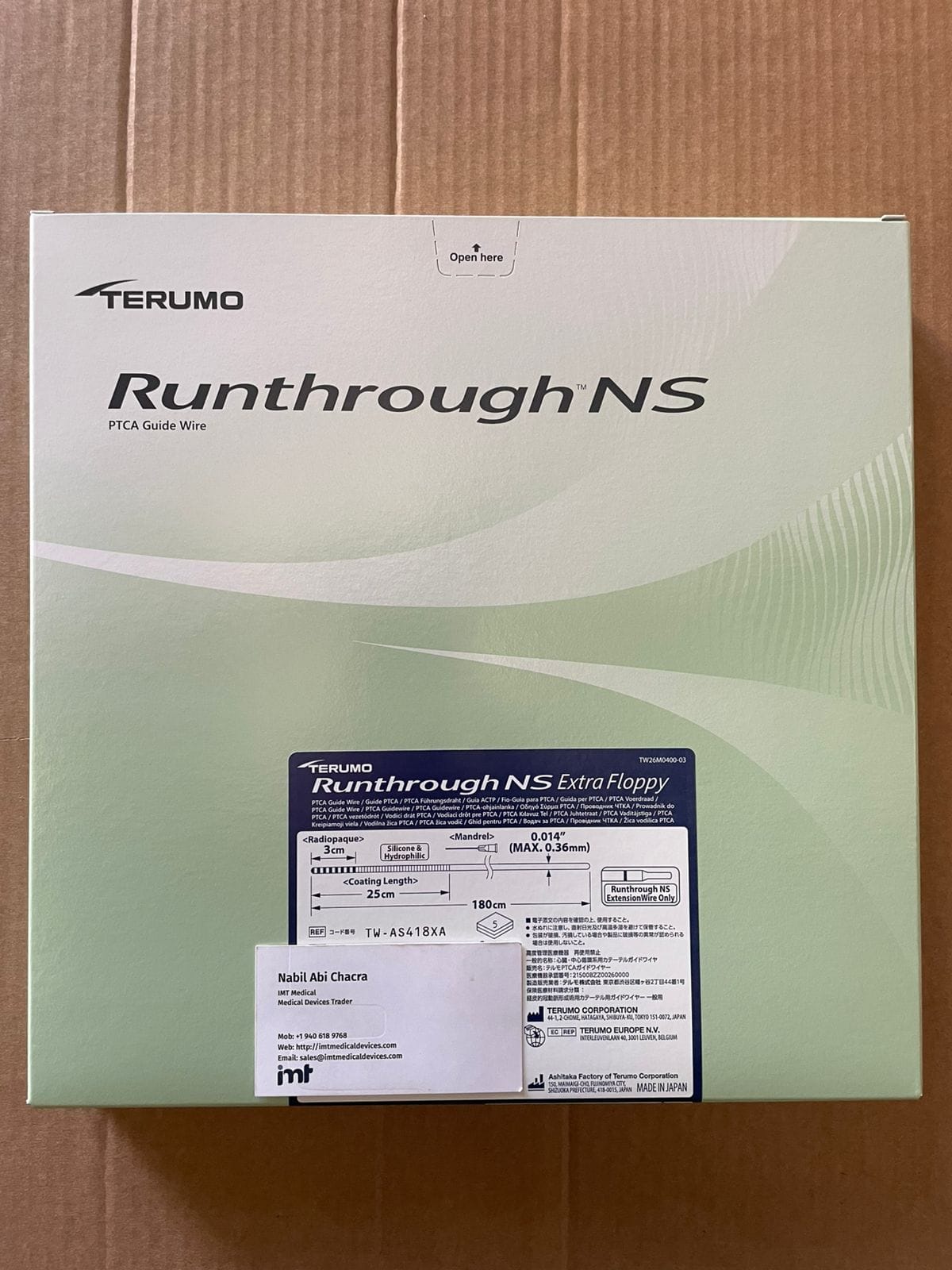
For hospitals, independent distributors, and physicians buying outside local channel structures, that distinction matters. Terumo Neuro products are typically requested by exact reference, not by general category. Buyers usually already know whether they need a microcatheter, guidewire, intermediate catheter, or access support device. The supplier's job is to remove friction from sourcing, not add another layer of uncertainty.
What buyers actually need from a terumoneuro supplier
In neurovascular procurement, availability is only one part of the decision. The more important issue is whether the supplier can match branded demand to exact ordering data. A quote that says a product is "available" is less useful than one that confirms the full item description, manufacturer, packaging details, and quantity on hand or lead time.
That is especially true when purchasing for aneurysm treatment, stroke intervention, or access-dependent neuro cases. A small mismatch in device reference can create delays, internal approval issues, or procedure rescheduling. Procurement teams and physicians do not need broad promises. They need precise confirmation.
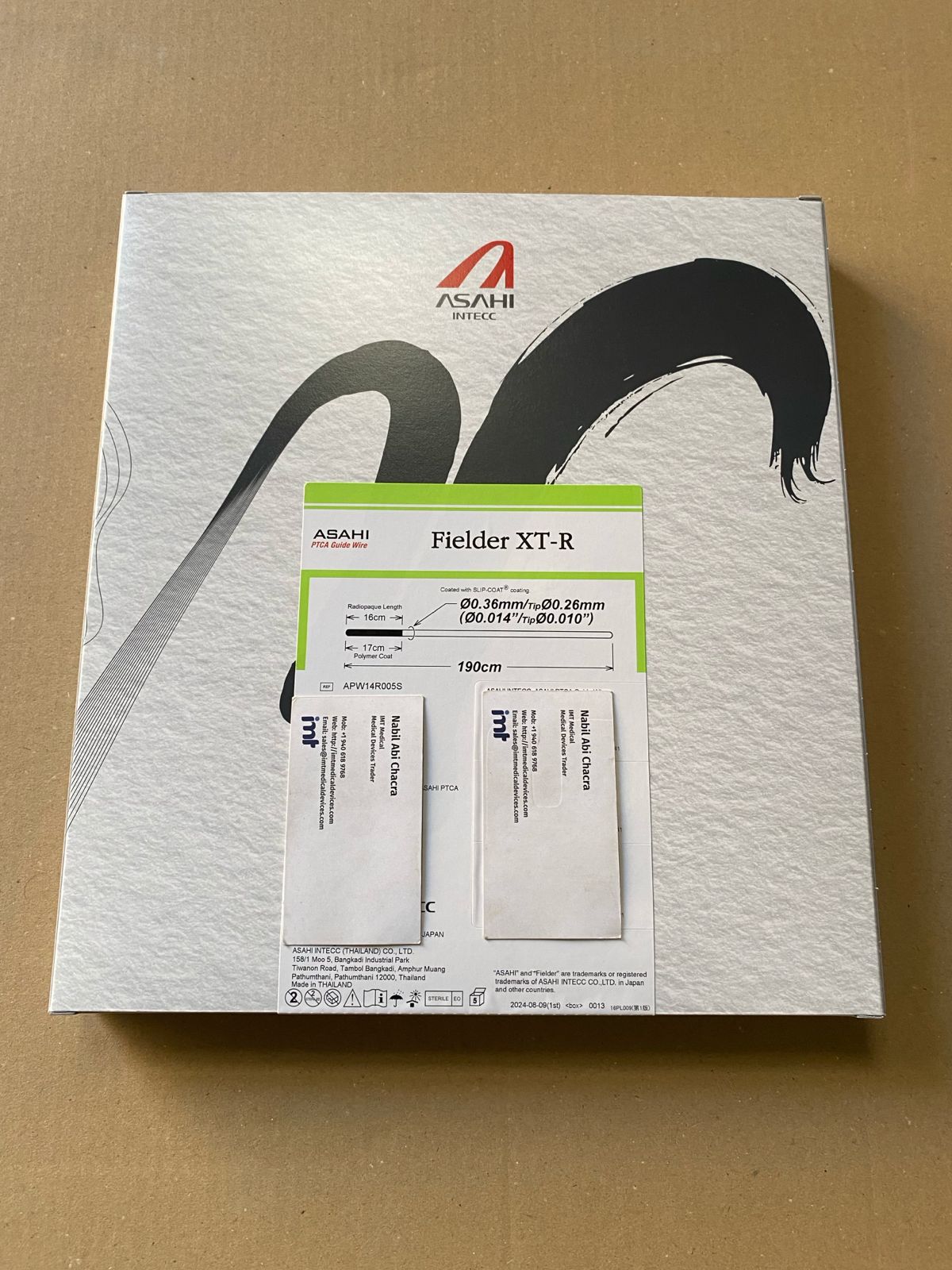
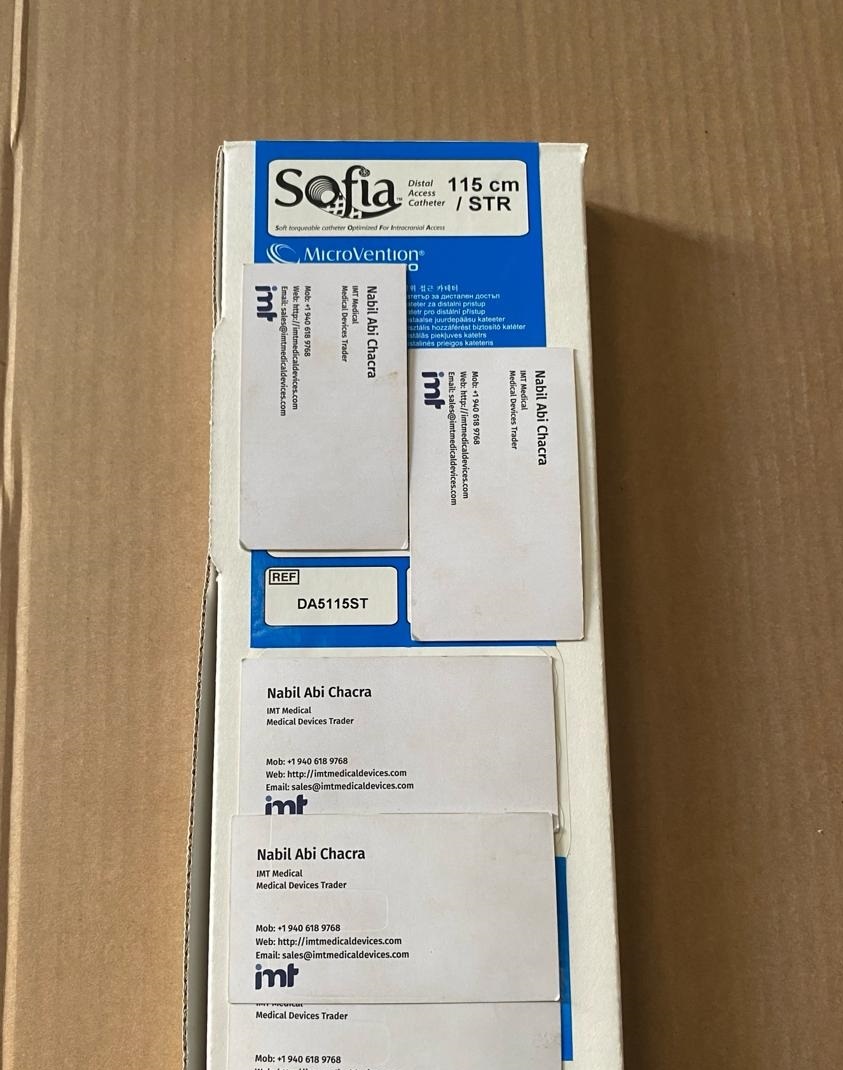
A qualified supplier should be able to support requests around Terumo Neuro categories such as microcatheters, guidewires, intermediate catheters, and related neurovascular access products, while also understanding how those requests fit alongside adjacent brands used in the same labs. In practice, buyers often source across multiple manufacturers in parallel, including Medtronic, Boston Scientific, Asahi, MicroVention, Cordis, Abbott, and others. That makes supply coordination just as important as brand familiarity.
Why exact part numbers matter more than brand familiarity
Many suppliers claim access to branded neurovascular inventory. Fewer can process RFQs the way cath labs and specialty hospitals actually buy. In this market, the transaction starts with a reference number, not a product brochure.
If your team sends a request for a Terumo Neuro item, the strongest supplier response will mirror your own internal purchasing language. That means exact part number confirmation, pack configuration, manufacturer name, and a clean commercial quote. This reduces back-and-forth between physician preference, materials management, and finance.
Brand recognition helps, but it does not replace precision. A supplier that knows the manufacturer portfolio but cannot validate the requested SKU creates risk. A supplier that can confirm the specific item quickly is more useful, even if the engagement is purely transactional.
This is one reason experienced buyers often prefer a distributor with a catalog built around product indexing rather than heavy marketing language. Product-first communication is easier to verify internally. It also helps when different stakeholders are reviewing the same request, from clinicians to procurement officers to import teams.
How to assess supplier reliability before sending a PO
The first check is responsiveness, but not in the generic sense. Speed matters only if the response contains usable data. A same-day reply that asks three clarifying questions you already answered is less efficient than a quote that immediately confirms the requested item and quantity.
The second check is documentation discipline. Neurovascular products move through systems that depend on clean records. Buyers should look for suppliers that can keep communication focused on exact references, manufacturer naming, quantity, and commercial terms. If the product description changes between the initial email and the quote sheet, that is a warning sign.
The third check is export handling. This becomes more relevant for hospitals and distributors sourcing outside local incumbent channels, particularly across Gulf countries, Latin America, Asia, China, and Russia, where procurement pathways and import conditions can vary. The supplier does not need to overexplain geography, but they do need to understand that cross-border orders require consistency. A product mismatch is expensive anywhere. On an export order, it is worse.
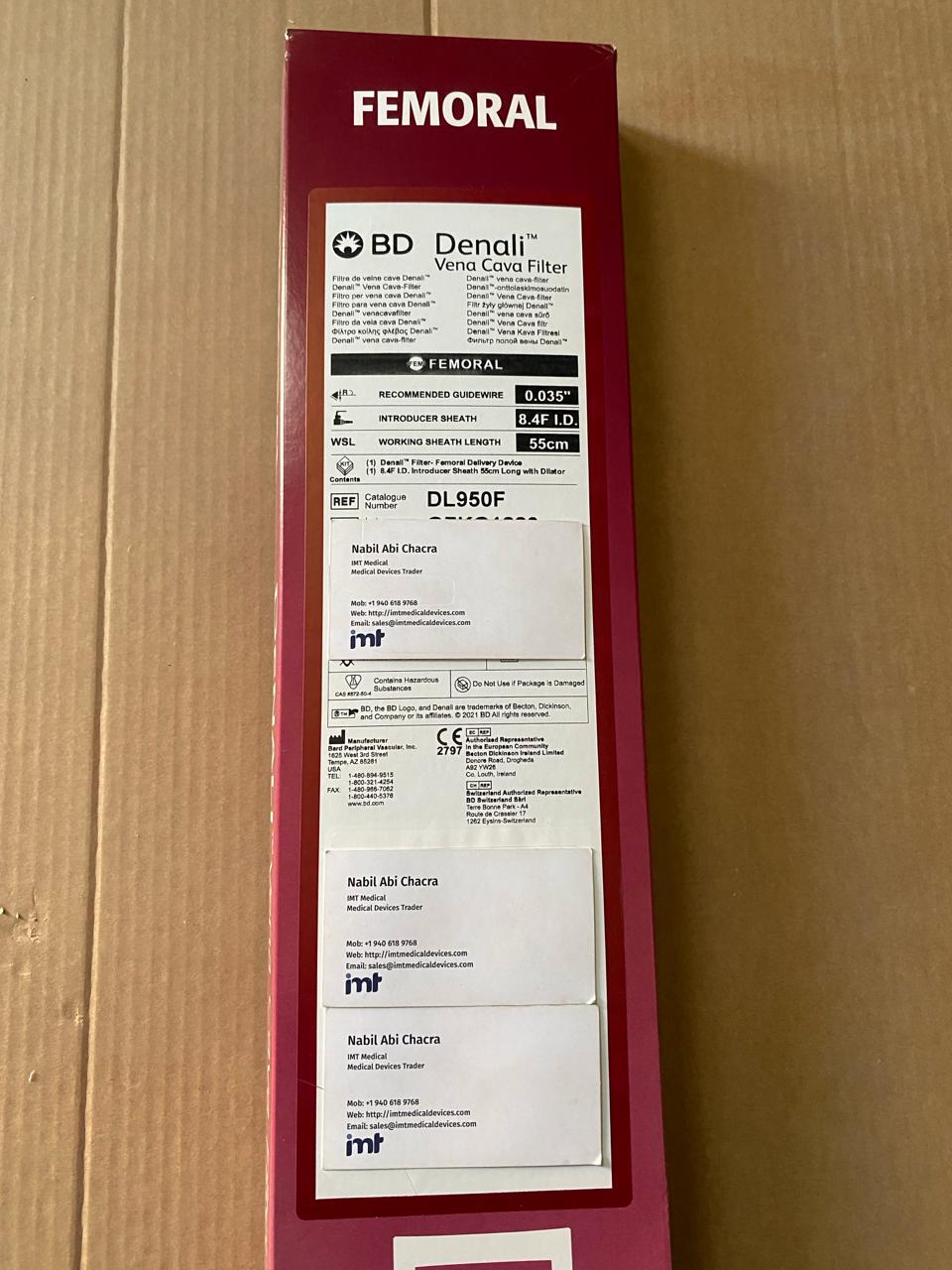
The fourth check is catalog breadth. Even when the immediate request is for Terumo Neuro, many buyers prefer to consolidate adjacent needs when possible. A supplier that can also source interventional and specialty products from Medtronic, Boston Scientific, Asahi, MicroVention, Cordis, BD, Abbott, and other major manufacturers may reduce administrative load. That does not mean every order should be bundled. It means the option exists when procurement efficiency matters.
Red flags when comparing TerumoNeuro supplier options
A terumoneuro supplier should make ordering easier, not more interpretive. If a supplier relies on vague category descriptions instead of exact product references, the burden shifts back to the buyer. That usually slows internal approval.
Another red flag is forced substitution language too early in the process. Sometimes alternatives are necessary. Stock conditions change, and not every requested SKU is available at the same time in every market. But substitutions should be presented only after the original request is clearly checked and identified as unavailable or delayed. A supplier that jumps immediately to "similar" products may be optimizing for movement, not for your case requirements.
Pricing without inventory logic is another issue. Very low pricing may look attractive on an RFQ, but if the supplier cannot support realistic dispatch timing or cannot verify the item cleanly, the downstream cost can exceed any upfront savings. For hospitals and physicians working around local distributor limitations, reliability usually carries more value than a nominal discount.
Finally, be cautious with suppliers who cannot handle mixed-brand conversations. Neurovascular labs rarely operate in isolation from the rest of the interventional environment. If the supplier cannot speak in practical category terms across neuro, peripheral, and cardiovascular product families, procurement can become fragmented.
What good supplier communication looks like
Good communication in this segment is simple. The buyer sends the manufacturer name, exact part number, quantity, and destination. The supplier replies with confirmation, quote status, availability or lead time, and any required commercial detail. Anything beyond that should support the transaction, not slow it down.
This is why a catalog-first distributor model works well for professional buyers. It respects the fact that hospitals, competing distributors, and physicians often know exactly what they need. They are not looking for education on what a microcatheter does. They are looking for a clean path from request to quote.
At the same time, the best suppliers know when a request needs clarification. If the product reference appears incomplete or discontinued, that should be addressed directly and early. Precision is not just about repeating the SKU. It is about catching avoidable errors before the order reaches the shipping stage.
For buyers who source branded interventional inventory through independent channels, this balance matters. Too little communication creates mistakes. Too much generic communication wastes time.
When a broader sourcing partner makes more sense
Some buyers only need a single Terumo Neuro item for a scheduled requirement. In that case, a narrow transaction may be enough. Other buyers are managing repeated demand across neurovascular, coronary, and peripheral lines. For them, supplier breadth has operational value.
A sourcing partner with established access to multiple branded manufacturers can help reduce quote fragmentation, especially when procurement teams are handling urgent requests from more than one department. That does not guarantee every item will always be in stock. It does mean fewer disconnected vendor conversations and a clearer process for quote comparison.
For example, a hospital may need a Terumo Neuro device for one case while also managing demand for guidewires, balloon catheters, stents, aspiration catheters, coils, or vascular closure devices from other brands. A supplier that understands this reality can support procurement the way hospitals actually buy, by category, by reference, and by urgency.
One example of this model is IMTmedicaldevices.com, which is structured around branded interventional sourcing and quote-based product requests rather than broad promotional content. For professional buyers, that approach is usually more useful than a general medical supply storefront.
The practical standard to use
If you are choosing a TerumoNeuro supplier, use a simple standard. Can the supplier confirm the exact item, communicate clearly, support export or cross-border requirements when needed, and keep the transaction centered on reliable fulfillment rather than sales language? If the answer is yes, the sourcing process usually moves faster and with less internal friction.
That is the real value in this market. Not bigger claims, just fewer errors between the requested SKU and the delivered product.