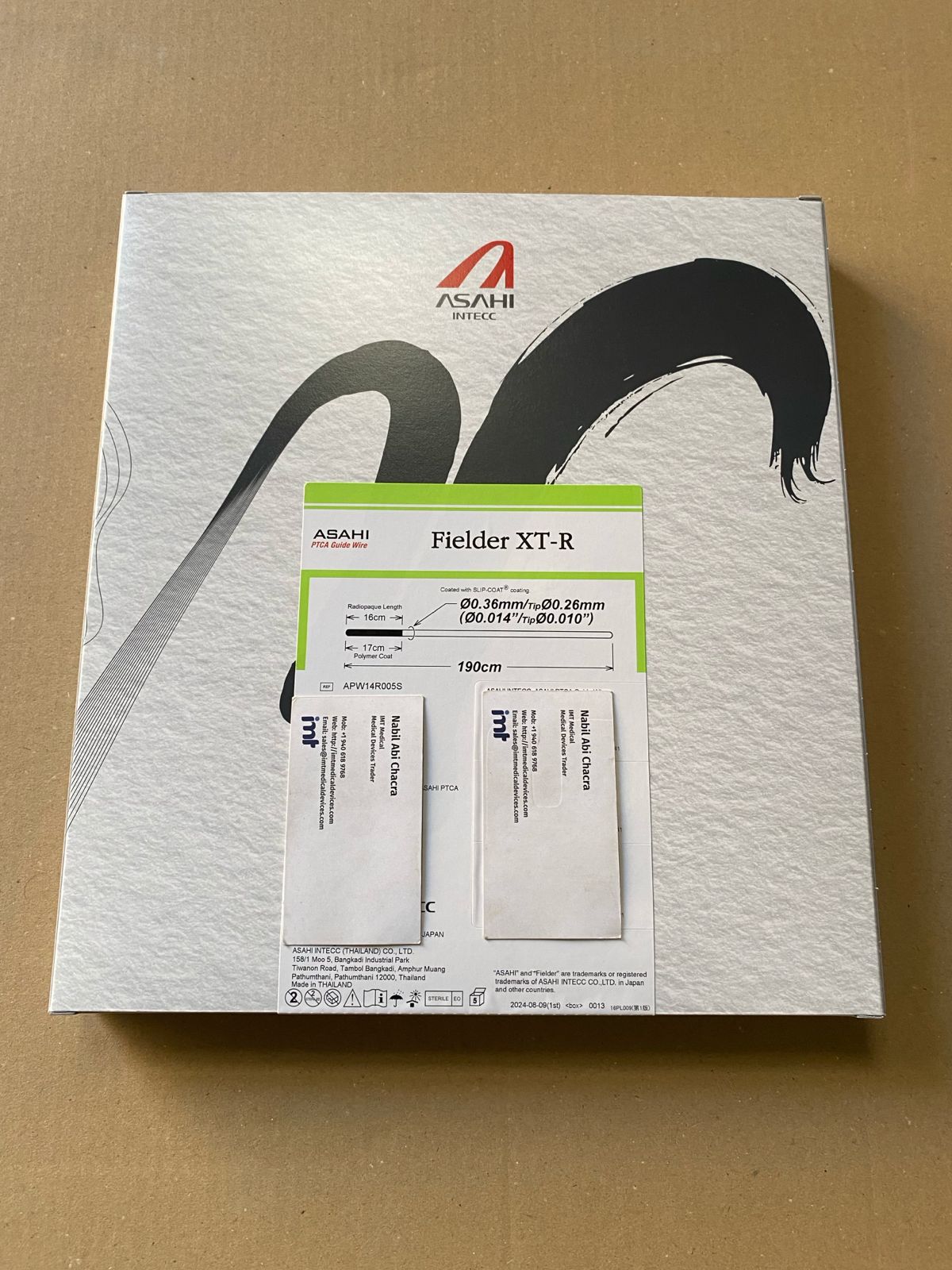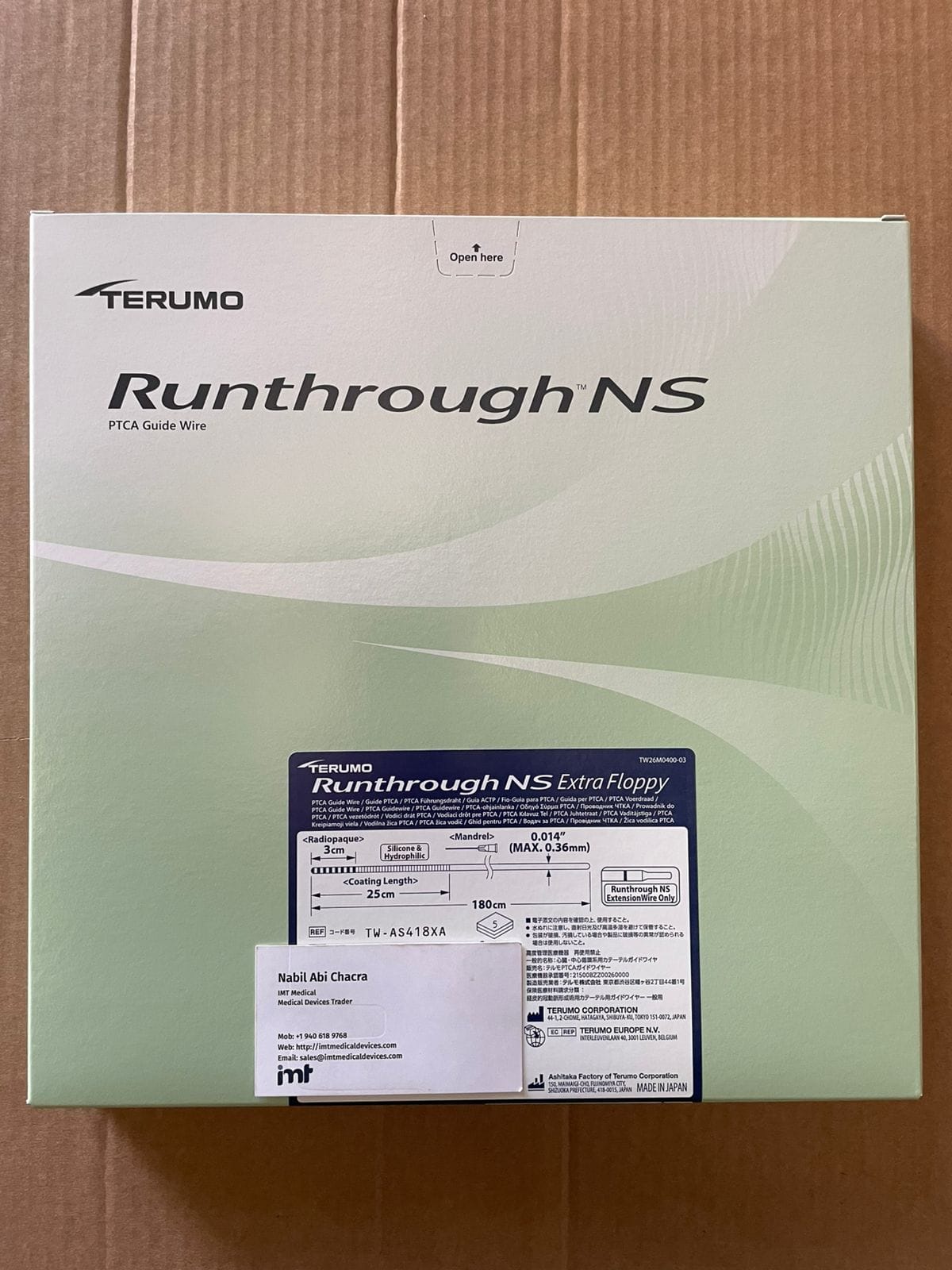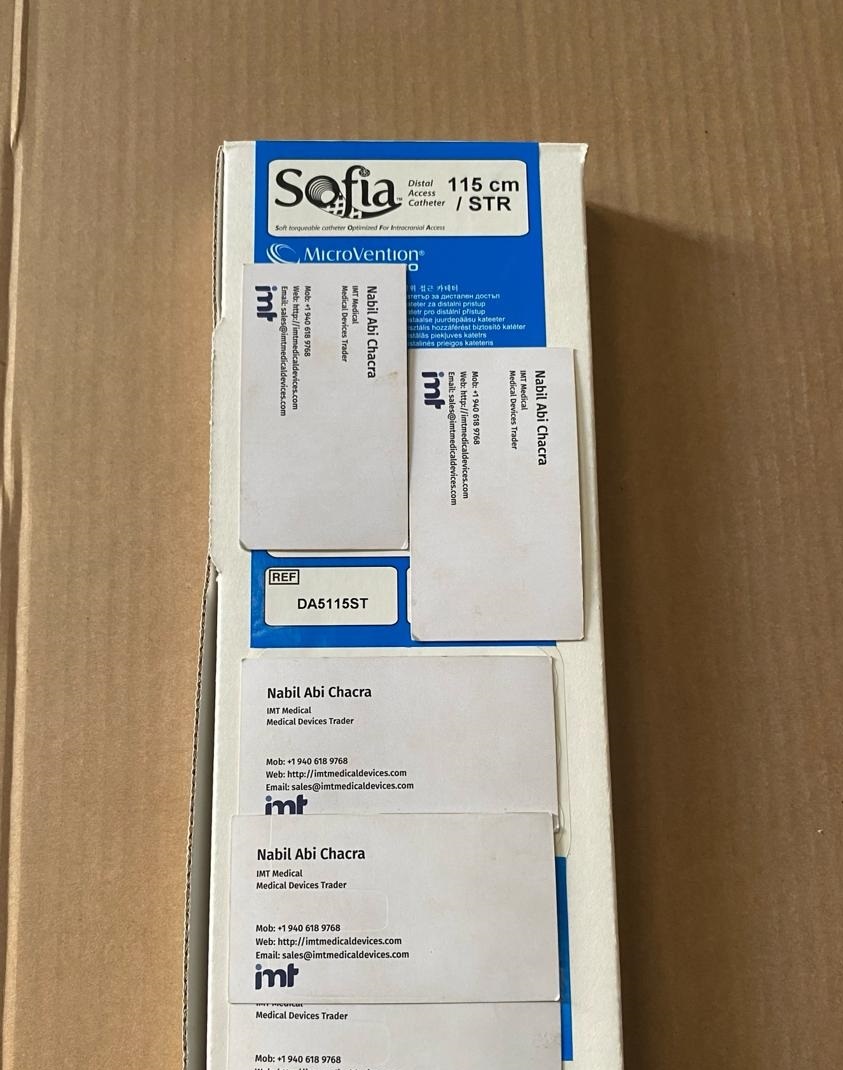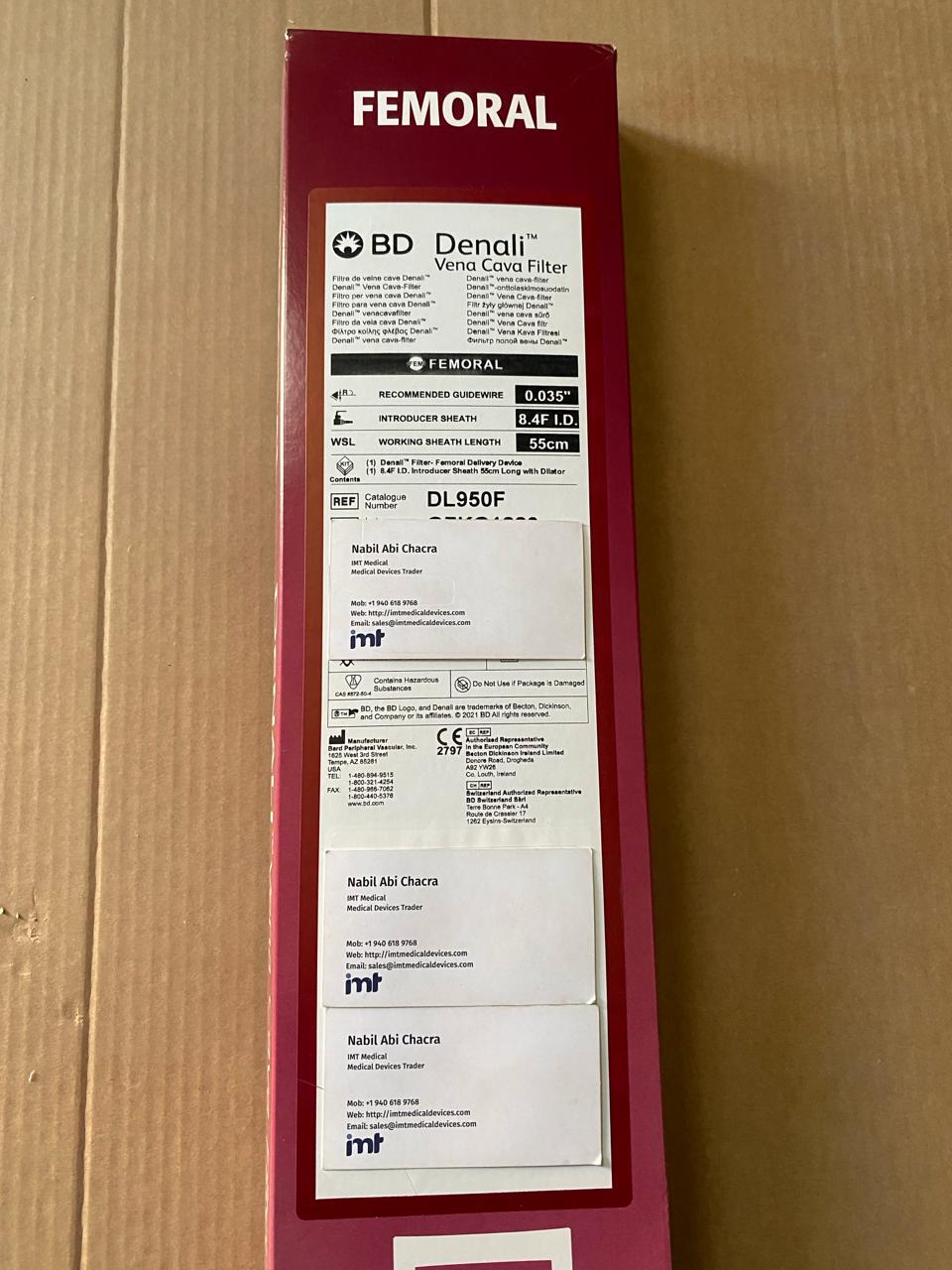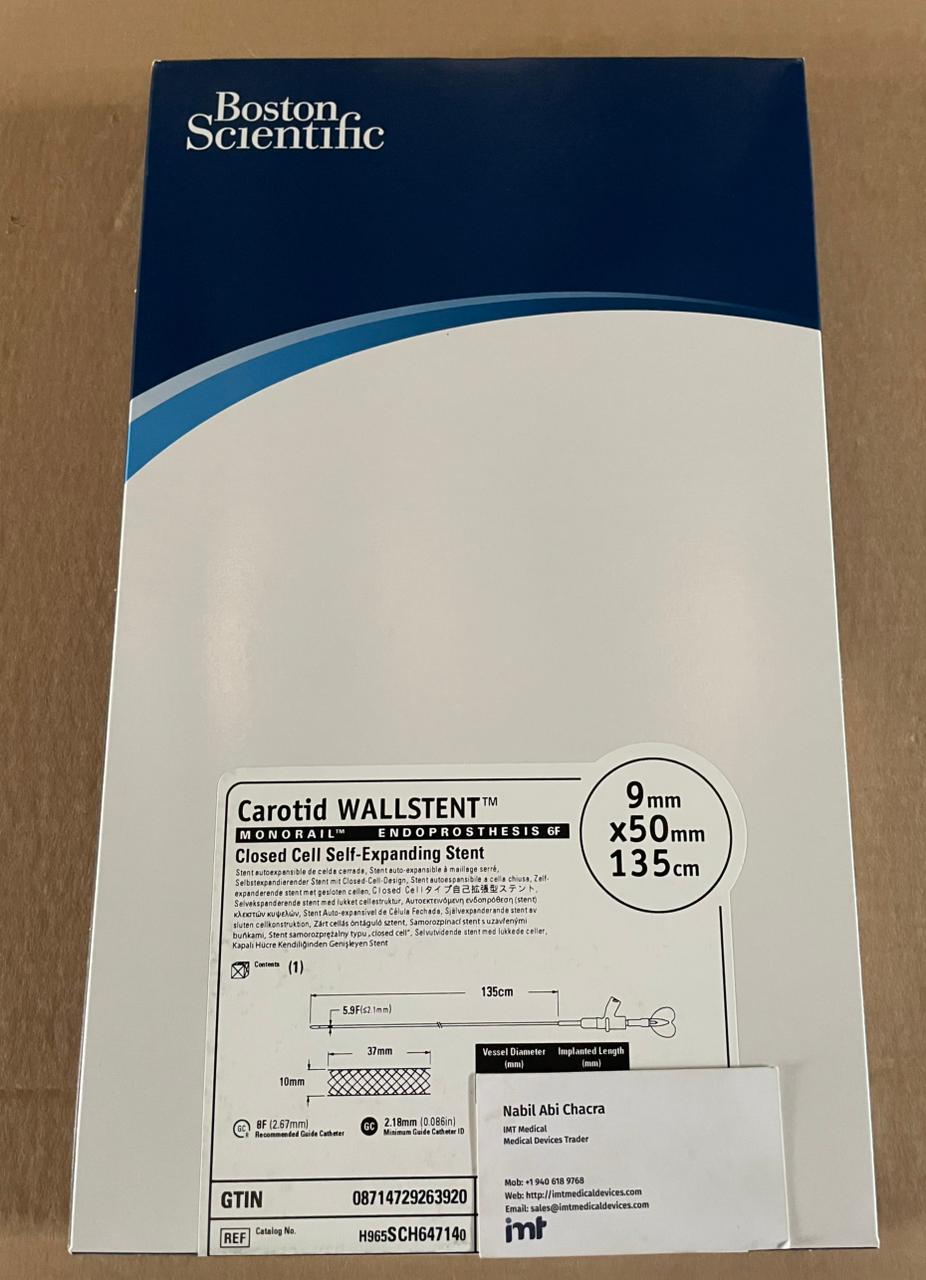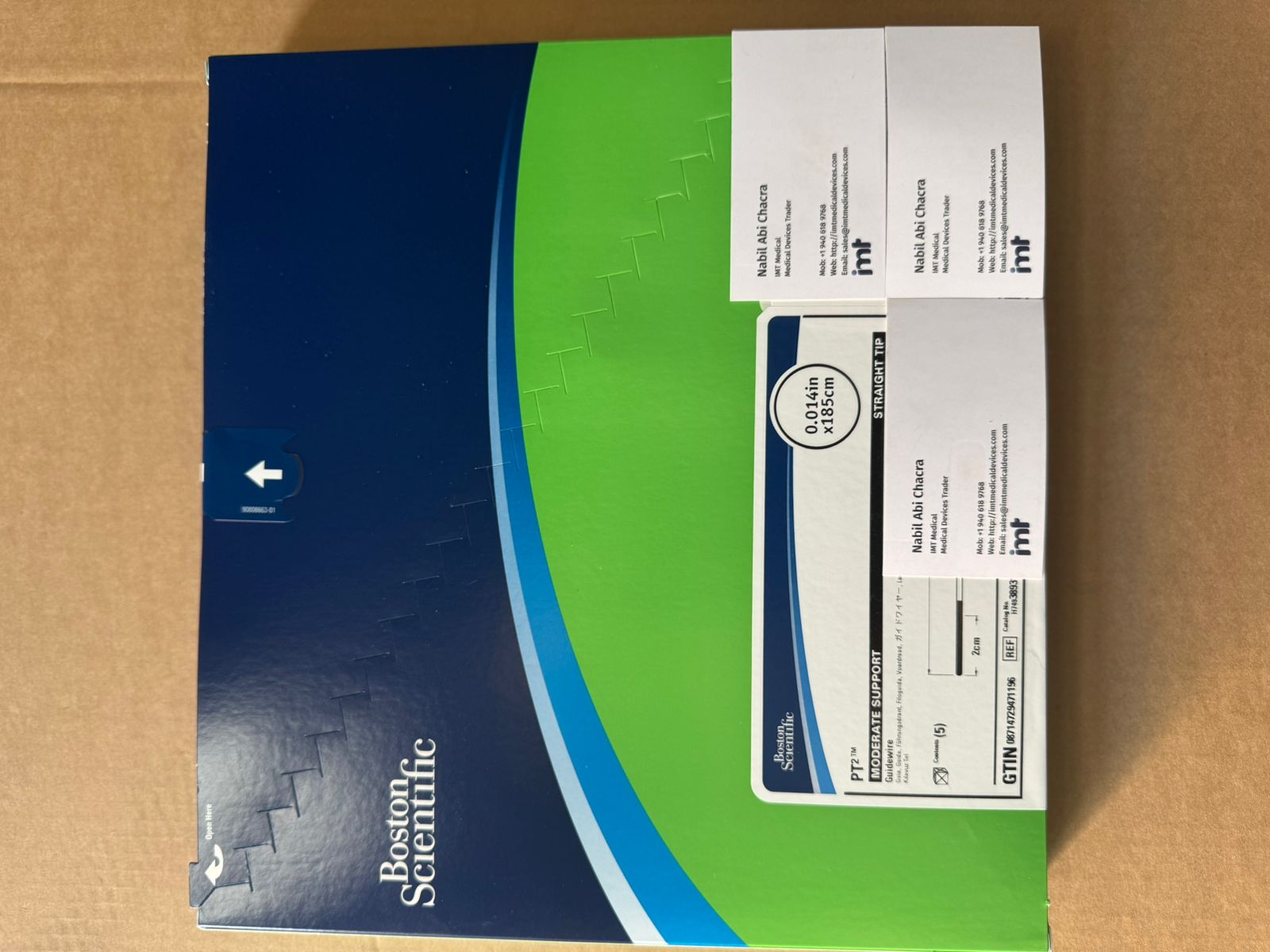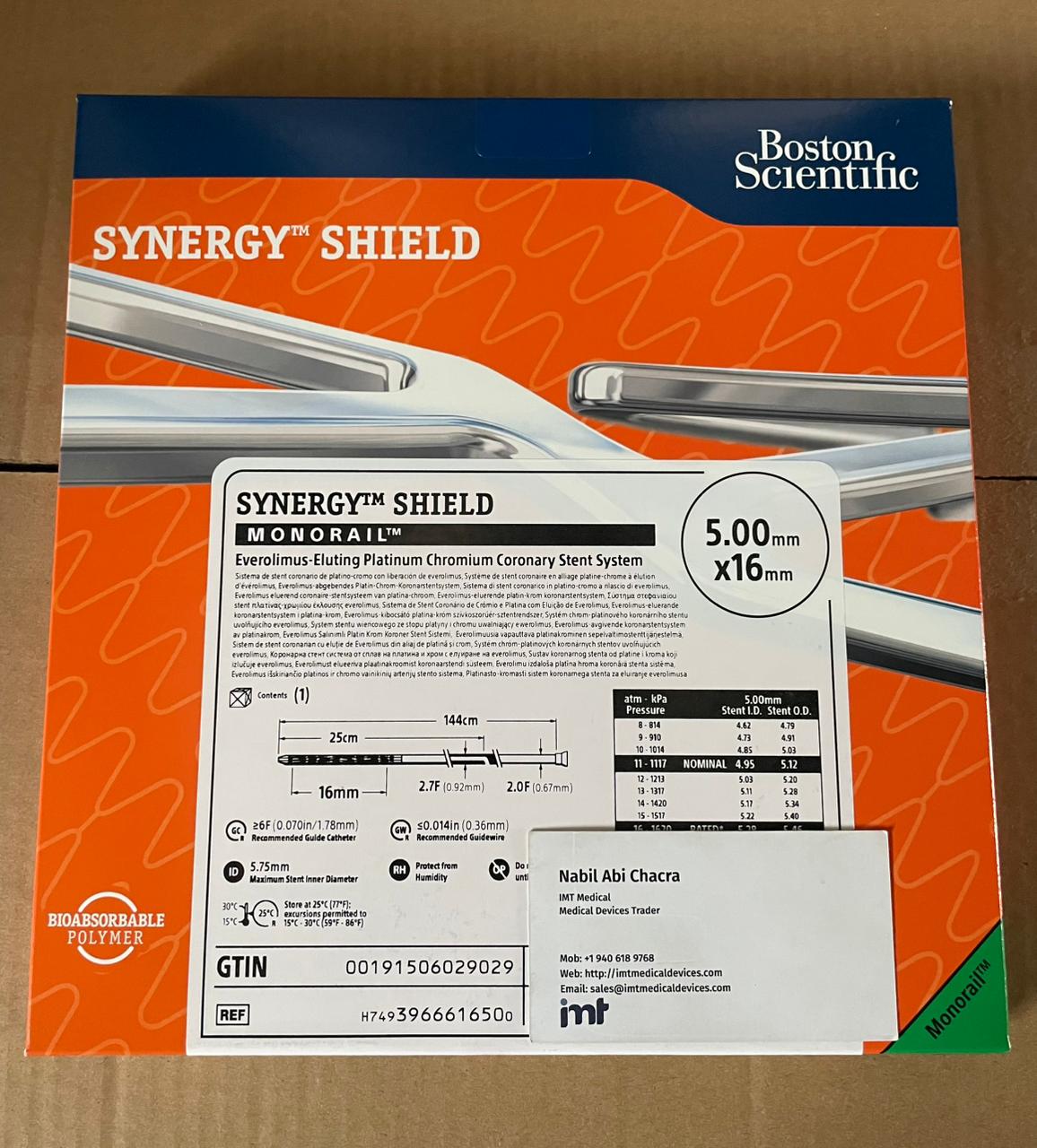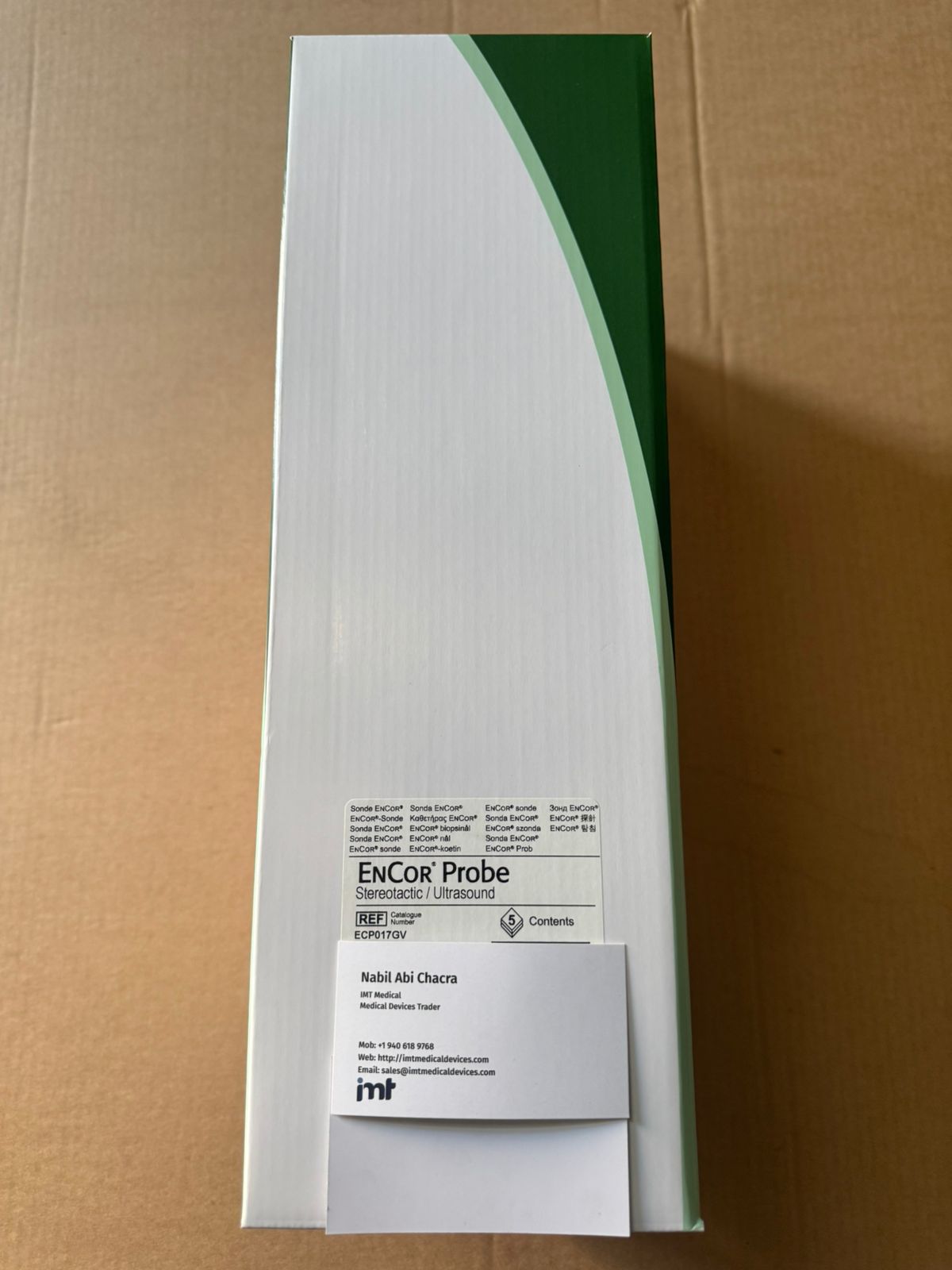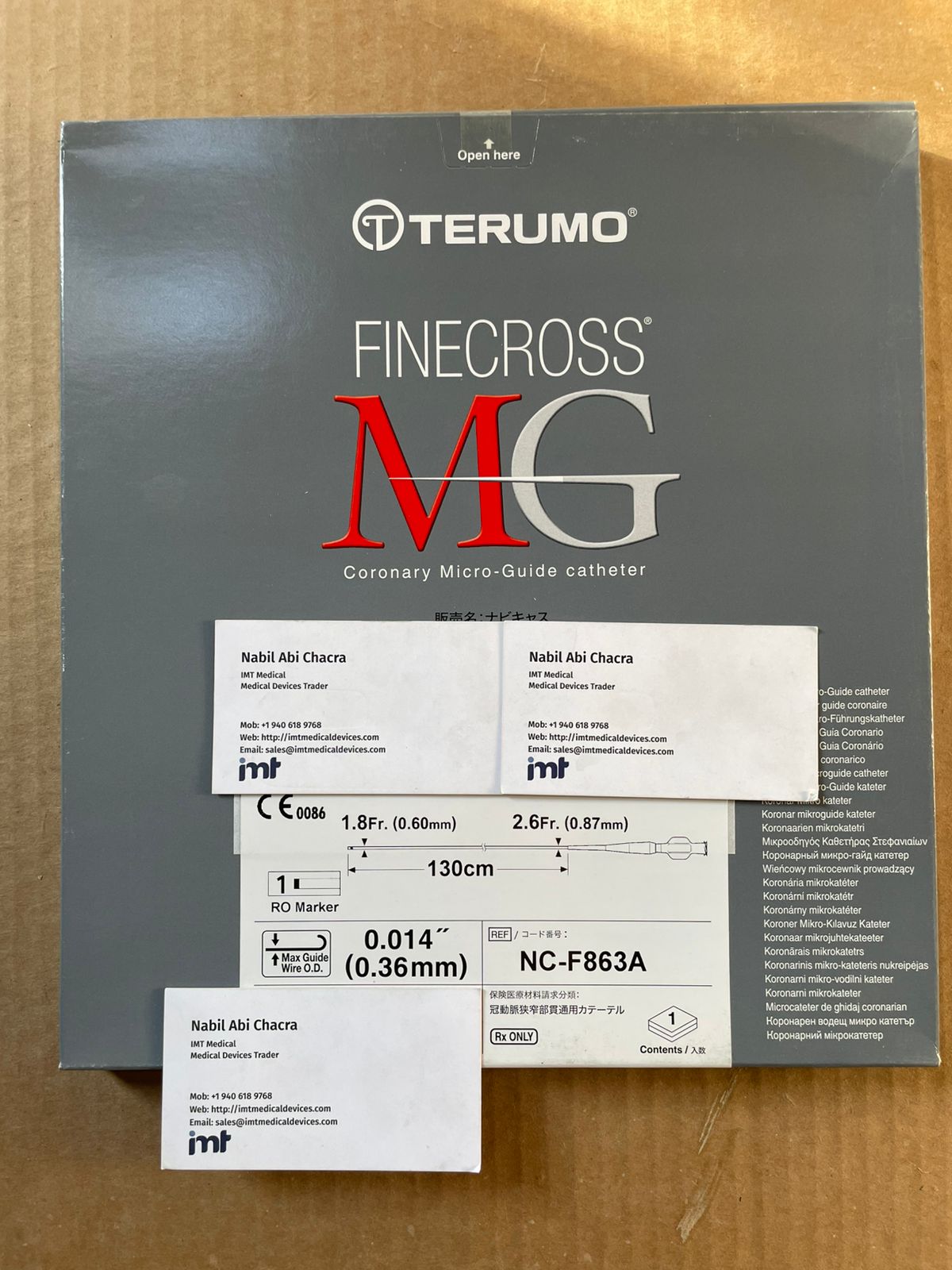

When a cath lab needs a PTCA balloon catheter, the problem is rarely product awareness. The real issue is supply certainty. Buyers usually know the brand, profile, shaft length, balloon diameter, rated burst pressure, and sometimes the exact catalog number before they start the request. What they need from a PTCA ballon supplier is straightforward: correct branded inventory, clear identification, fast quotation, and dependable export handling.
That standard sounds basic, but it is where many sourcing relationships break down. A supplier may have broad cardiovascular lines but limited depth in actual PTCA balloon stock. Another may quote quickly but cannot confirm packaging details, lot documentation, shelf life, or manufacturer origin. For hospitals, independent distributors, and physicians sourcing outside local channel constraints, these gaps create procedural risk and purchasing delays.
What buyers actually need from a PTCA ballon supplier
In interventional cardiology procurement, product fit comes before price. A buyer is not looking for a generic "coronary balloon." They are usually matching a specific procedural preference, physician familiarity, or tender requirement. That means the supplier must work at the level of exact branded products and exact identifiers.
For PTCA balloons, procurement questions often center on whether the supplier can confirm the required manufacturer, compatible sizing range, and precise reference number without extended back-and-forth. If the response comes back with substitutes instead of the requested item, confidence drops immediately. Substitution may be acceptable in some cases, but only when the buyer asks for alternatives.
The strongest suppliers understand that this category is not sold through broad claims. It is sold through accuracy. If a hospital requests a specific Medtronic, Boston Scientific, Abbott, Terumo, or Cordis item, the supplier should answer in those terms. Brand recognition matters because cath lab standardization matters.
Inventory depth matters more than a long brand list
A long manufacturer list is useful only if it translates into usable availability. This is where buyers should look past general catalog language and ask practical questions. Does the supplier hold active access to PTCA balloon catheter lines, or only occasional surplus? Can they support repeat orders, or just one-off supply? Do they respond with exact stock status, or only with "subject to availability"?
For hospitals and competing distributors, repeatability is often more valuable than a marginal unit cost difference. A PTCA balloon source that can fulfill one urgent shipment but cannot maintain continuity across subsequent orders may create more work than it saves.
This is also why exact product naming is not a small detail. A supplier that quotes by full product description and item code reduces ordering errors. In a category where small sizing differences affect case planning, vague product descriptions are operationally expensive.
The role of part numbers in reducing purchasing risk
A reliable PTCA ballon supplier should be comfortable working from part numbers first. In practice, many buyers initiate requests with a manufacturer reference rather than a descriptive product name. That is how internal procurement teams, physician preference cards, and distributor order systems are often set up.
If a supplier cannot quickly validate a part number, check brand alignment, and return a clear quotation, the transaction slows down. Worse, ambiguity can lead to receiving the wrong configuration. In interventional inventory, the difference between close and correct is significant.
This matters even more when sourcing across borders. Hospitals and distributors operating outside standard local distribution channels often need confidence before customs, payment processing, and import documentation are set in motion. A precise quote built around exact identifiers lowers that risk.
Branded sourcing versus local distributor dependency
Many buyers seek an alternate supplier because local channels are restrictive. Sometimes pricing is the issue. Sometimes allocation, responsiveness, or commercial friction is the issue. In other cases, a physician wants continuity with a preferred branded device that is hard to obtain through the local distributor relationship.
That does not mean every offshore or parallel supply option is equal. The buyer still needs traceable branded inventory and a supplier that understands export procedures for medical devices. A PTCA balloon is not a commodity office purchase. Packaging integrity, shelf life, product origin, and shipment handling all affect whether the procurement route is viable.
For buyers in Gulf markets, Latin America, Asia, China, and Russia, this can be especially relevant when local availability is inconsistent or tied too closely to a single commercial channel. In these cases, the supplier's value is not just access to product. It is access with enough operational discipline to make the order usable on arrival.
What to check before sending a quote request
The fastest sourcing conversations happen when the buyer and supplier both work from exact data. If you are evaluating a new PTCA balloon source, it helps to request quotation based on the manufacturer name, full reference number, required quantity, and destination country. If alternatives are acceptable, say so explicitly. If not, state that only the exact item should be quoted.
It is also worth clarifying packaging expectations upfront. Buyers may need original sealed packaging, a minimum shelf-life threshold, or lot-level details before issuing payment approval. None of these requests are unusual. A supplier handling interventional devices should expect them.
Lead time should also be defined carefully. Some suppliers quote delivery windows that blend actual stock with future sourcing assumptions. That can work for non-urgent purchasing, but not for labs trying to stabilize recurrent inventory. There is a difference between in-stock, reserved stock, and sourceable stock. Serious buyers should ask which one applies.
Why substitution needs to be controlled
There are scenarios where an alternative PTCA balloon can be clinically and commercially acceptable. However, substitution should never be the supplier's default response when the buyer has specified an exact branded item. For many cath labs, physician familiarity, procedural standardization, and tender compliance all affect whether a substitute can even be reviewed.
A disciplined supplier will separate exact-match availability from alternate options. That keeps the quote clean. It also helps distributors competing in their local markets, where quoting the requested reference first is often essential to winning the order.
This is one area where procurement style says a lot about supplier quality. If the supplier immediately pivots to "similar products," they may not have dependable access to the requested line. If they respond with the exact item first and then note optional alternatives only when relevant, they are usually closer to how institutional buyers work.
Documentation and export handling are part of the product
For cross-border medical device procurement, supply performance is not just about whether the item exists in stock. It is also about whether the supplier can move it correctly. Commercial invoice accuracy, product descriptions aligned to the order, shipment coordination, and responsiveness during transit all affect the value of the transaction.
That is especially true for distributors buying against local competition. Delays caused by incorrect paperwork or unclear item identification can erode the pricing advantage of external sourcing. Hospitals face a similar issue when procurement teams must justify non-local purchasing decisions internally.
A supplier focused on interventional categories should understand that these administrative details are not secondary. They are part of fulfillment quality.
A practical standard for supplier selection
The best PTCA balloon supplier is not necessarily the one with the widest claims. It is the one that can quote the exact branded item requested, confirm availability with confidence, communicate in part numbers, and execute shipment with minimal correction cycles.
That practical standard is often more useful than broad marketing language. In this category, buyers are not looking for education. They are looking for speed, precision, and low-friction procurement.
For that reason, many professional buyers prefer suppliers built around recognizable manufacturers and product-indexed sourcing workflows. A company such as IMTmedicaldevices.com is aligned to that model when the requirement is branded interventional inventory, quote-driven purchasing, and direct communication around exact references rather than broad promotional claims.
If you are screening a new source, start with a narrow test order or a quote request built around exact PTCA balloon part numbers. The supplier's response quality will usually tell you more than any sales pitch can. A dependable sourcing relationship starts when the first quote arrives accurate, clear, and ready to purchase.