
How to Source Coronary Stents
A coronary stent shortage does not usually begin with a dramatic stockout. More often, it starts with a missing size, an unclear lot status, or a supplier that can quote the brand but cannot confirm export documents or delivery timing. That is why knowing how to source coronary stents is less about finding a product category and more about controlling brand, specification, authenticity, and continuity.
For hospital buyers, cath labs, distributors, and interventional procurement teams, coronary stent sourcing sits at the intersection of clinical preference and supply execution. Physicians may specify a familiar platform from Abbott, Medtronic, Boston Scientific, or Terumo, but procurement still has to secure the correct product configuration, verify commercial and regulatory details, and keep supply moving without introducing avoidable risk.
How to source coronary stents without procurement gaps
The first step is to define the requirement at product level, not category level. A request for coronary stents is too broad for a reliable quote. Procurement should start with the exact brand, stent platform, dimensions, and any packaging or market-specific requirements already used by the facility. If the physician team is flexible, that should also be stated clearly, because it changes how suppliers build alternatives and availability options.
In practice, a usable sourcing brief includes manufacturer name, product family, size matrix, target quantities, and preferred delivery window. If the buyer only submits a broad request, the quote process slows down and the risk of substitution increases. In interventional cardiology, that is rarely acceptable.
A second point is to separate clinical equivalence from procurement equivalence. Two branded drug-eluting stents may appear comparable on paper, but a cath lab may not treat them as interchangeable because of operator familiarity, formulary decisions, reimbursement conditions, or internal committee approval. Good sourcing starts with what the end user will actually accept, not what seems close enough from a purchasing perspective.
Start with branded product validation
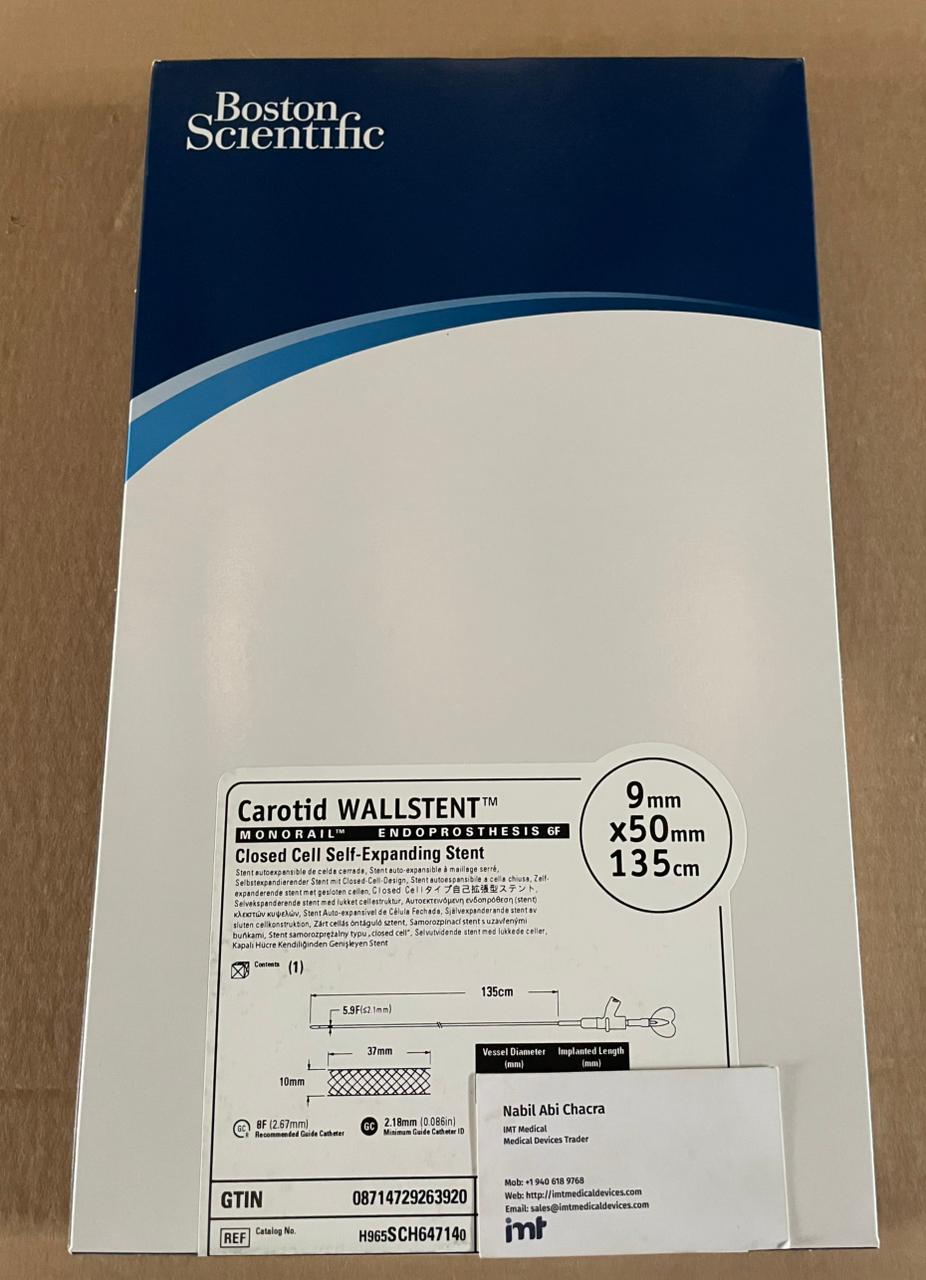
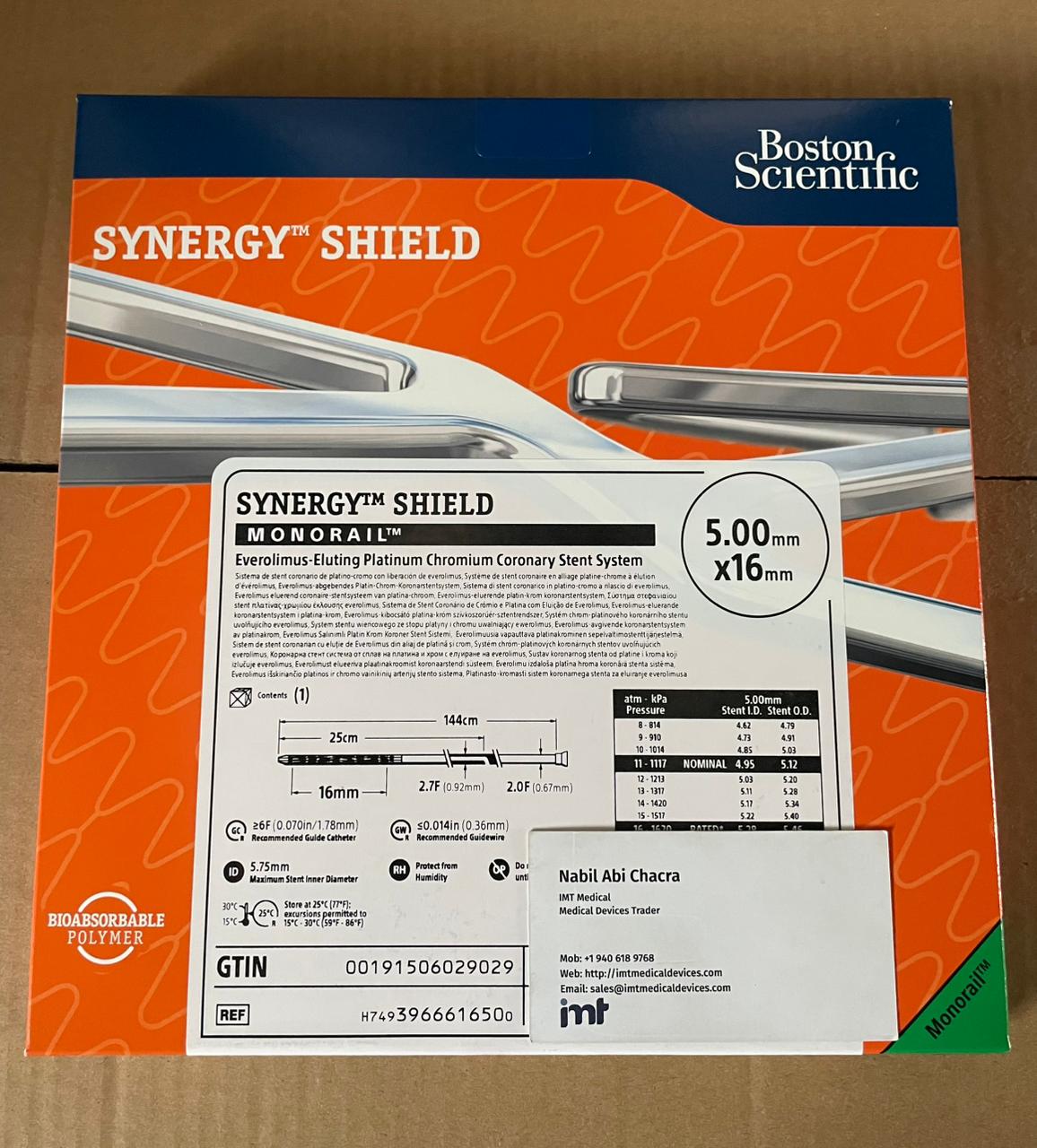
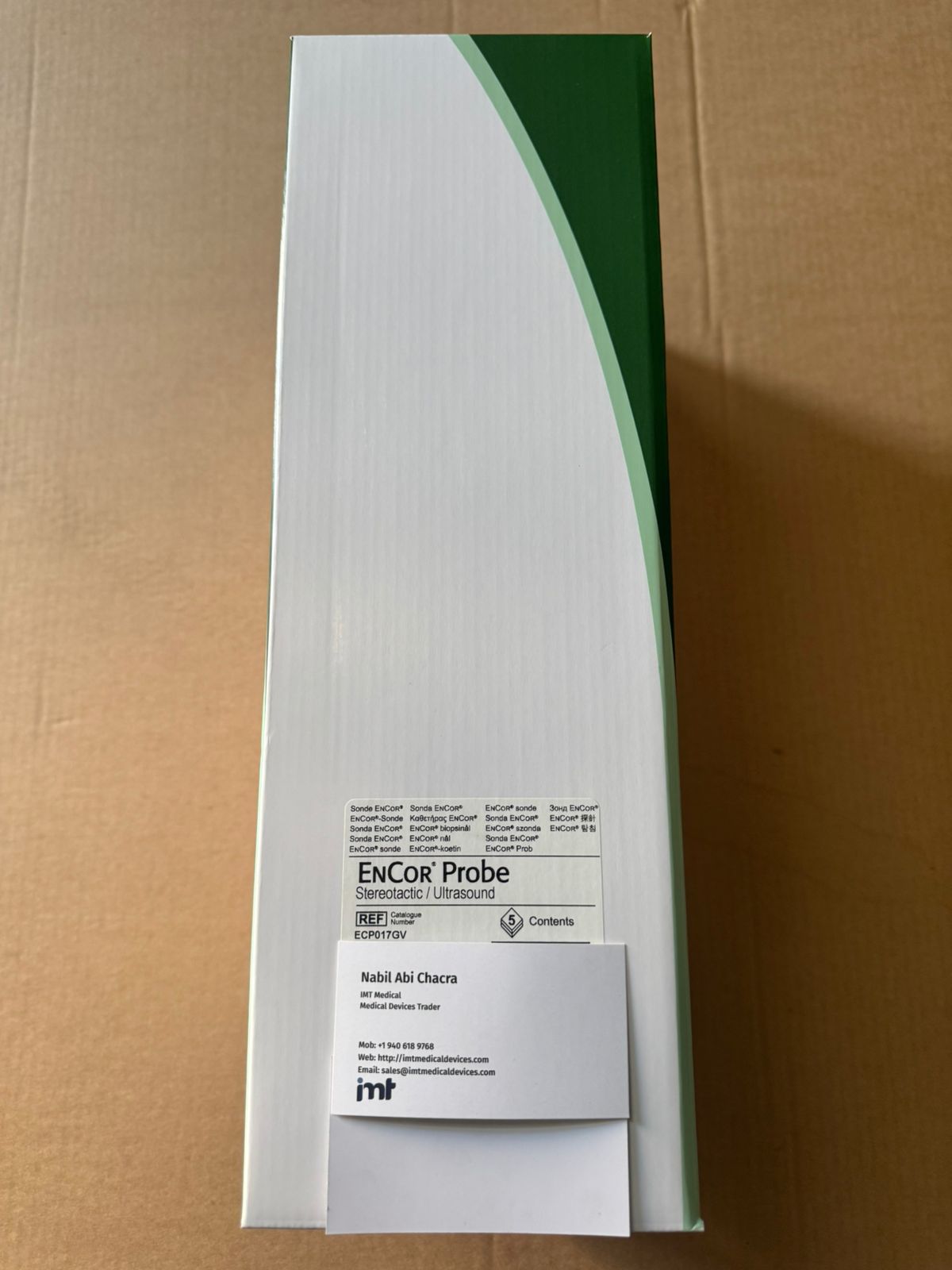
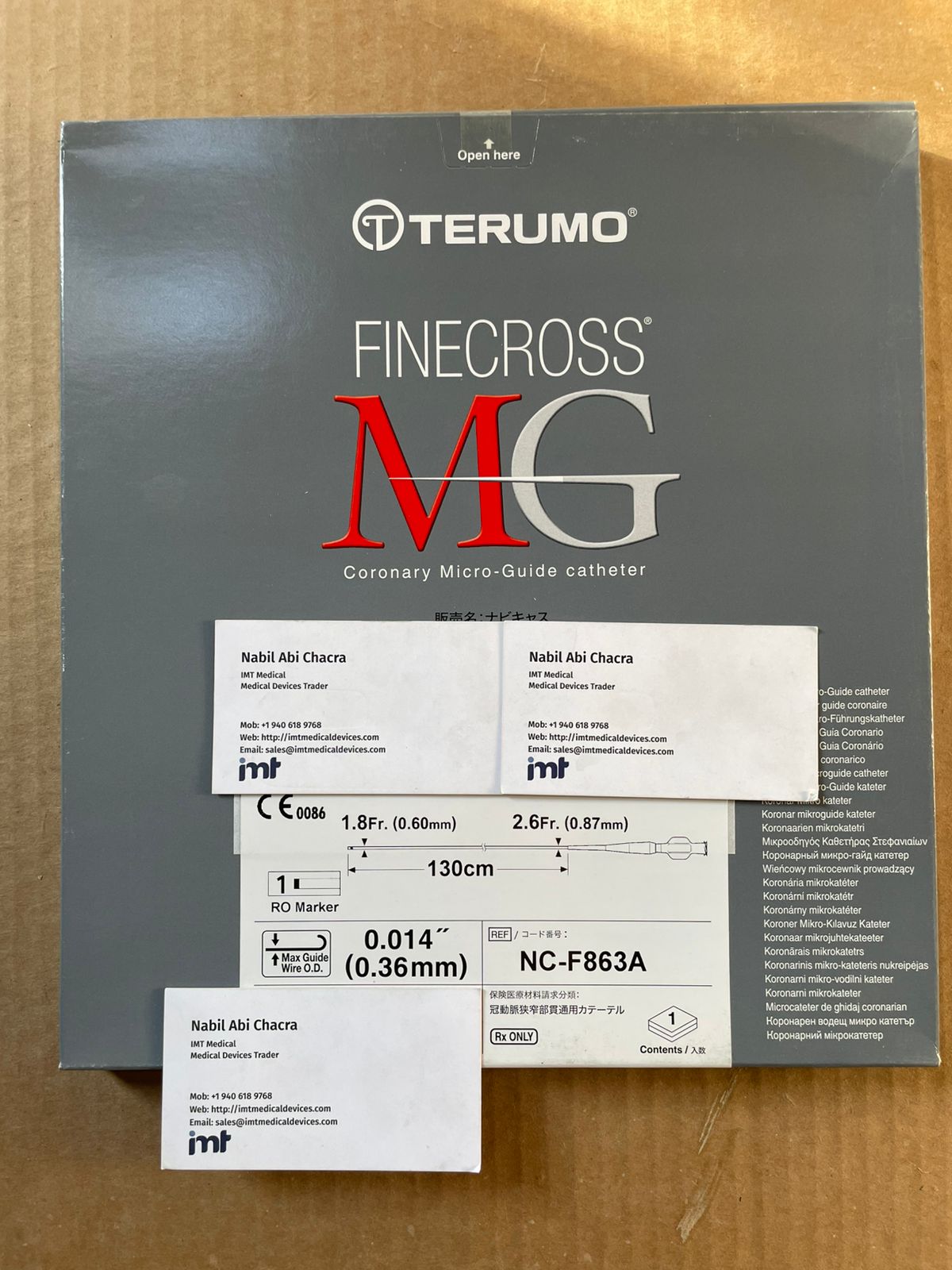
For coronary stents, authenticity is the baseline. A supplier should be able to identify the branded SKU accurately, confirm manufacturer origin, and provide documentation consistent with professional medical device trade. If this cannot be done early, the transaction should not move forward.
Professional buyers usually recognize that branded device procurement is not just about price. It is about whether the delivered product matches the requested platform, market labeling, shelf-life expectation, and documentation package. A low quote that creates uncertainty around traceability or regulatory paperwork can become more expensive than a higher quote from a supplier that can execute correctly.
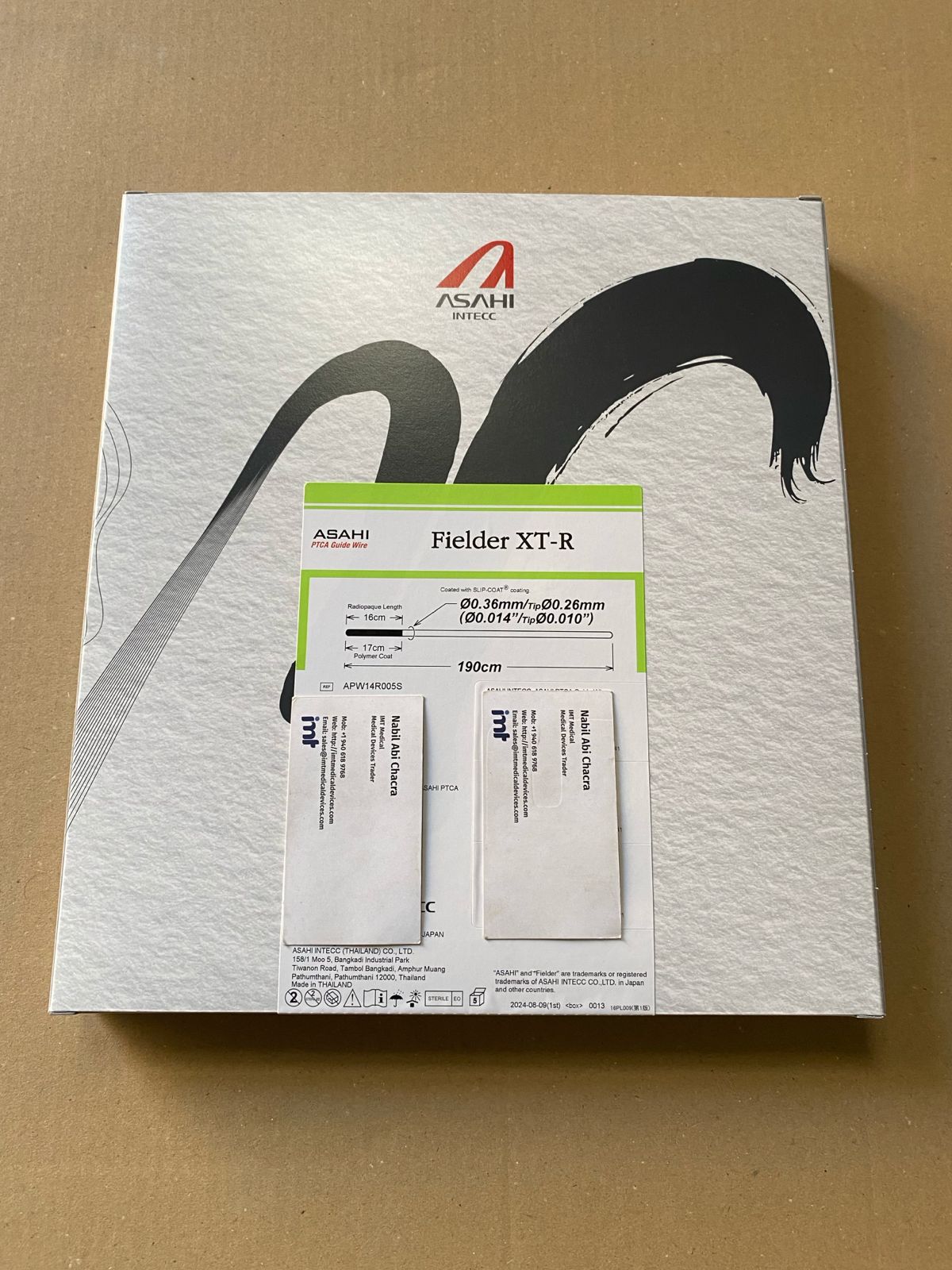
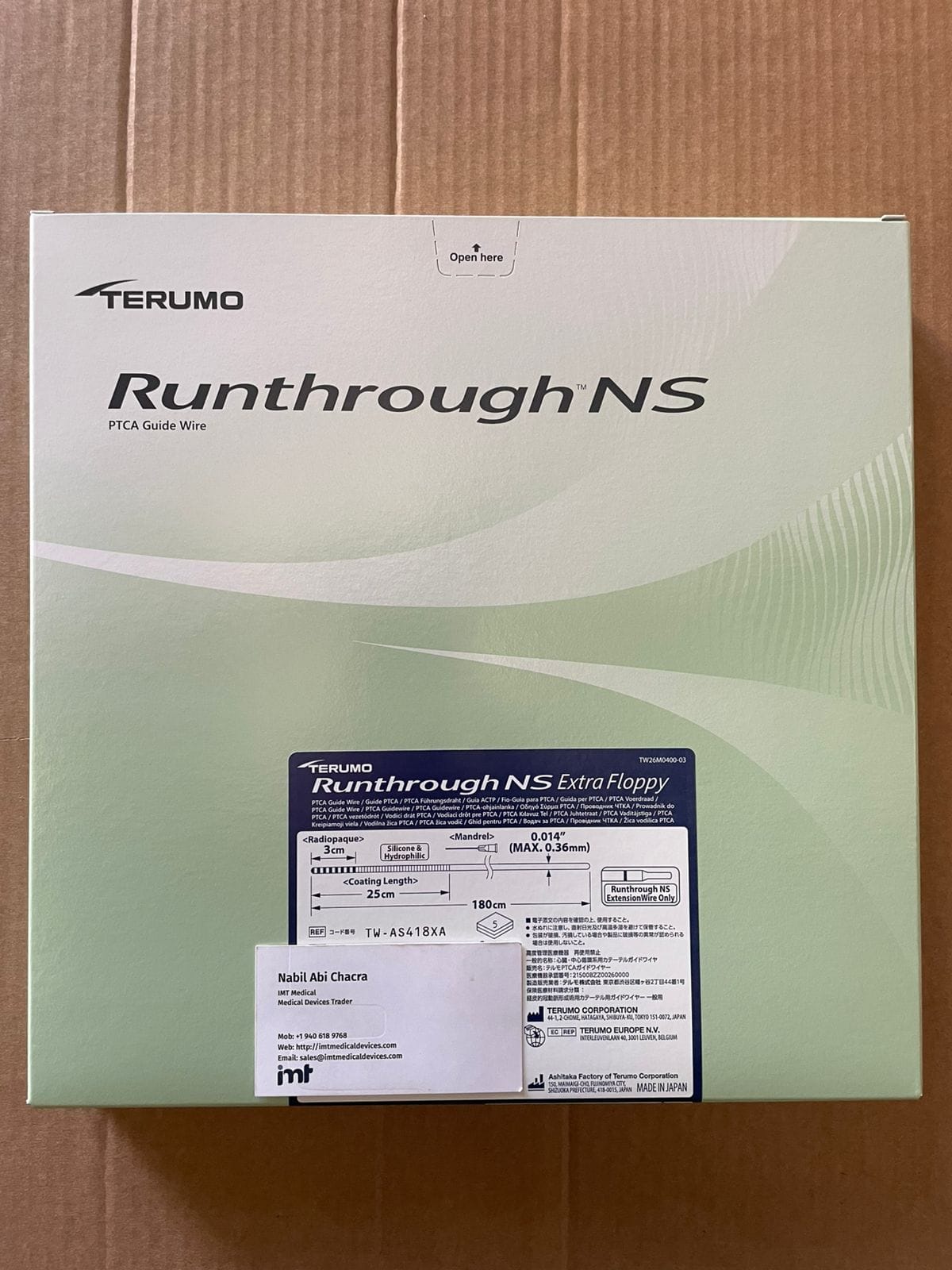
This is also where portfolio breadth matters. Buyers sourcing coronary stents often need more than stents in the same purchasing cycle. Balloons, guidewires, guiding catheters, inflation devices, aspiration catheters, and vascular closure products may be tied to the same procedure schedule. Working with a wholesale supplier that understands these categories can reduce fragmentation and simplify coordination, especially when multiple global brands are involved.
Why SKU accuracy matters more than broad availability
Many suppliers can say they handle coronary products. Fewer can quote the exact SKU range required, confirm pack details, and align that with current stock or lead times. In stent procurement, one wrong diameter or length is not a minor variance. It can disrupt case planning and create avoidable back-and-forth between purchasing and the clinical team.
That is why buyers should ask for exact nomenclature in the quotation stage. Product family names alone are not enough. The supplier should be comfortable working at the level of specific references, not just general categories.
Evaluate the supplier like an operational partner
Once the product requirement is clear, the next question is whether the supplier can execute internationally and at volume. A serious coronary stent supplier should be able to discuss inventory access, branded sourcing channels, export handling, and commercial response times without ambiguity.
Lead time is one of the first pressure points. Some buyers need immediate replenishment for active procedure schedules. Others are planning recurring bulk purchases. The right sourcing strategy depends on whether demand is urgent, recurring, or strategic stock building. A supplier that is suitable for spot buys may not be ideal for planned procurement if availability is inconsistent.
Export capability also matters more than many buyers initially expect. Even when the requested product is available, delays can come from incomplete documentation, shipping mismatches, country-specific import expectations, or poor coordination between quote approval and dispatch. For international buyers, sourcing coronary stents from an exporter with established medical device handling is often more reliable than buying from a domestic reseller with limited cross-border experience.
Questions procurement teams should settle early
Before placing an order, buyers should be clear on four practical points: exact SKU and quantity, expected shelf life on delivery, documentation required for import or internal compliance, and realistic shipping lead time. These are straightforward questions, but they prevent many of the failures that show up after a purchase order is issued.
The strongest suppliers answer these points directly. If responses stay vague, procurement risk goes up.
Price matters, but total procurement risk matters more
Coronary stent sourcing is one of the areas where the cheapest quote can be the least efficient option. That does not mean buyers should ignore pricing pressure. It means price should be evaluated against authenticity, available dates, paperwork support, and fulfillment confidence.
For example, a supplier offering a lower unit price with uncertain stock confirmation may create a larger operational cost if a cath lab has to replan procedures or split purchases across multiple vendors. By contrast, a quote that is slightly higher but includes confirmed branded inventory, documented export readiness, and consolidated shipment across related interventional products may be commercially better.
It also depends on the buyer profile. A hospital procurement department may prioritize supply continuity and documentation consistency. A distributor may focus more heavily on tradable branded inventory and repeat margin. A private interventional center may prioritize speed and physician-specific brand preference. The sourcing approach should reflect that reality.
How to source coronary stents for recurring demand
If coronary stents are part of ongoing procurement rather than a one-time buy, the relationship model becomes more important. Buyers should look for a supplier that can support repeated quote cycles, maintain familiarity with preferred brands and sizes, and respond quickly when demand shifts.
Recurring demand is where fragmented sourcing becomes expensive. If one supplier handles stents, another handles guidewires, and a third handles balloons, procurement spends more time coordinating lead times, shipment timing, and commercial approvals. Consolidation does not solve every problem, but it often improves control when the supplier has access to a broad portfolio of recognized interventional brands.
This is one reason buyers often prefer wholesale exporters with range across cardiology, peripheral intervention, neurovascular, and related procedural categories. Even when the immediate request is coronary stents, the real purchasing need may be wider. A sourcing partner that understands adjacent categories can support more efficient replenishment planning.
Documentation, shelf life, and market fit
In branded device procurement, paperwork should not be treated as an afterthought. Buyers should confirm what commercial invoice details, product documentation, and shipping records will accompany the order. For some markets, internal receiving teams or customs processes require exact consistency between quoted items and shipped labels.
Shelf life is another area where assumptions create problems. A buyer may accept shorter dating for urgent use but reject it for distributor inventory or central warehouse stock. That distinction should be addressed before the order is finalized. The same applies to packaging expectations and market-specific labeling preferences where relevant.
None of this is complicated, but it requires discipline. The more specialized the device category, the less room there is for approximation.
What good coronary stent sourcing looks like
Good sourcing is usually quiet. The quote is clear, the SKU is right, the brand is recognized, the documents match, and the shipment arrives within the agreed window. There is no need for improvisation because the supplier understands that interventional procurement depends on precision.
For buyers managing international demand, that standard becomes even more valuable. A wholesale partner with access to major branded manufacturers and the ability to support export documentation can remove friction from a category where delays are costly. IMT Medical Devices fits that model by supplying professional buyers across global markets with branded interventional product lines through a quote-based wholesale process.
The practical test is simple: can the supplier provide the exact coronary stents you need, in the quantities you need, with the documentation and timing your operation requires. If the answer is consistently yes, procurement becomes easier. If the answer depends on too many assumptions, it is time to source more carefully.
The best coronary stent sourcing decisions are rarely the most dramatic ones. They are the disciplined choices that keep the right branded product available when the clinical team asks for it.