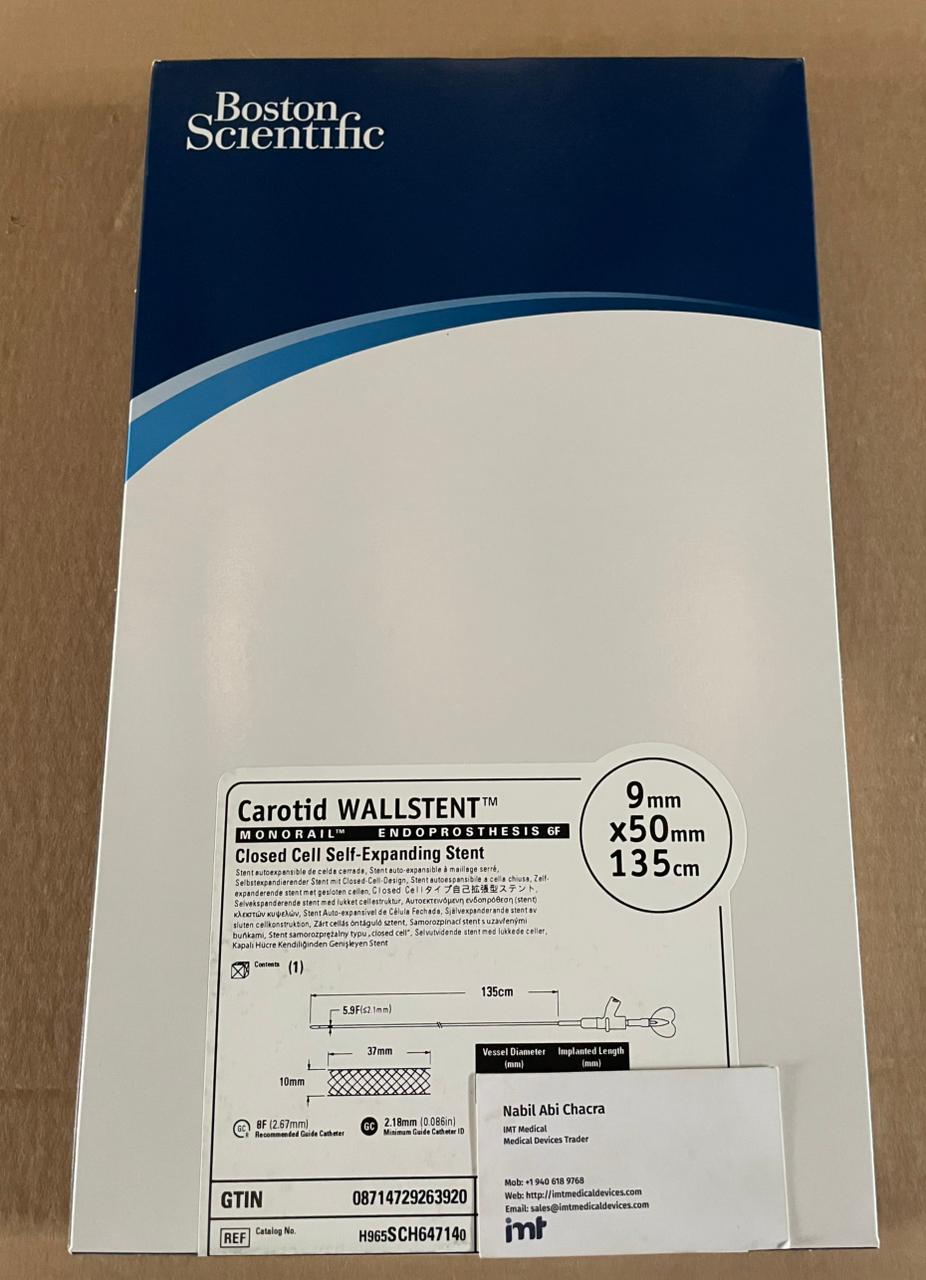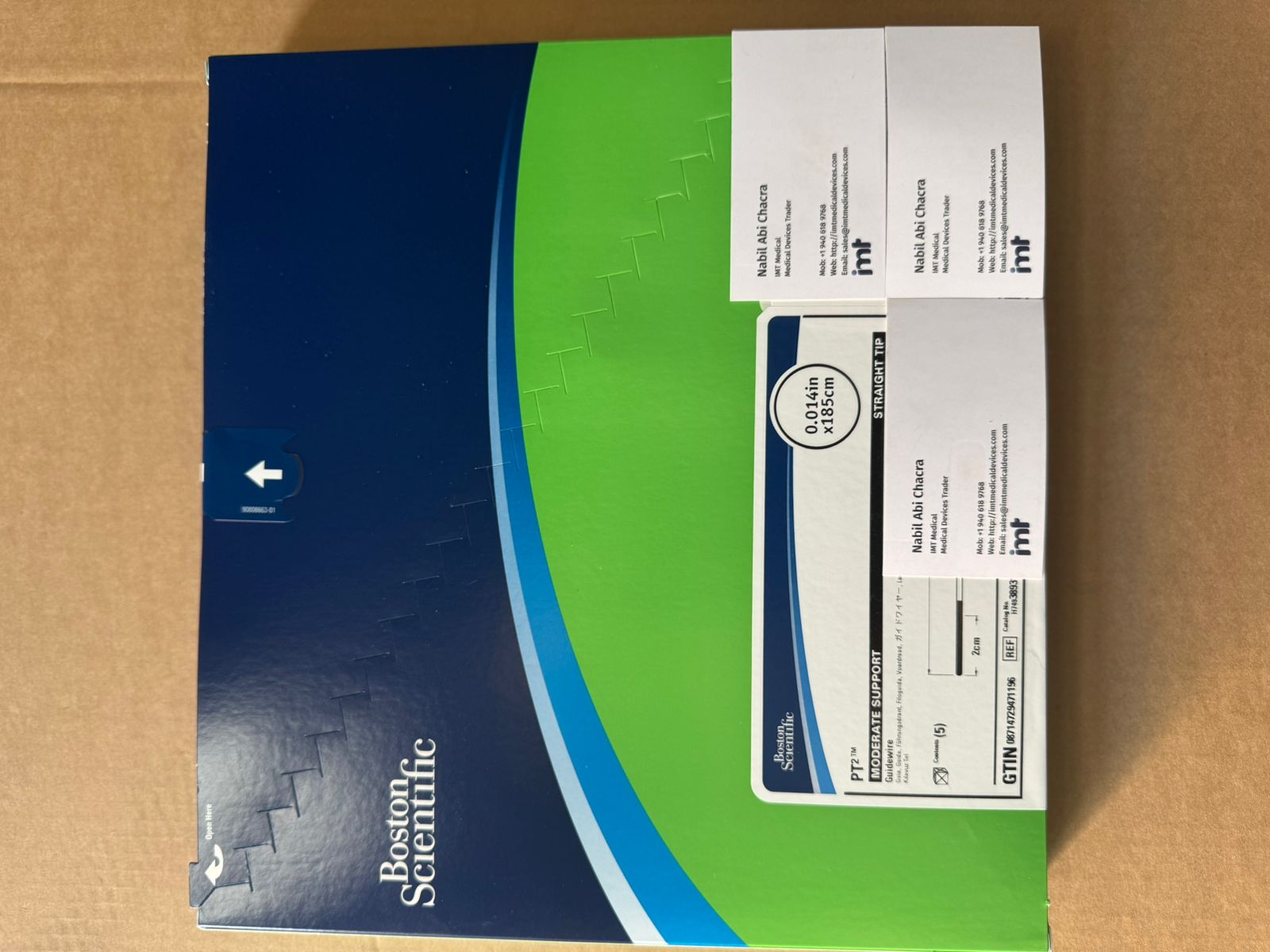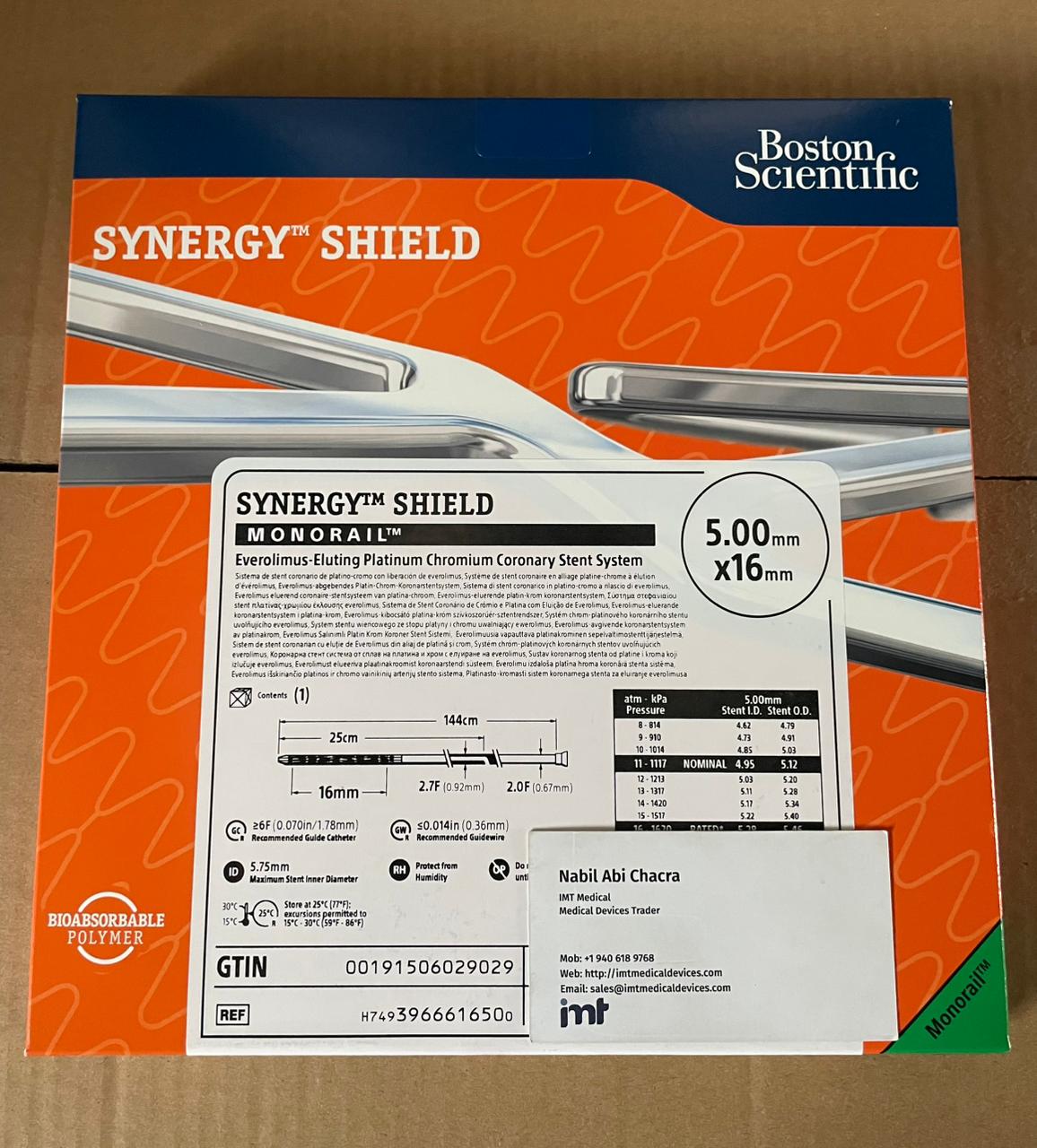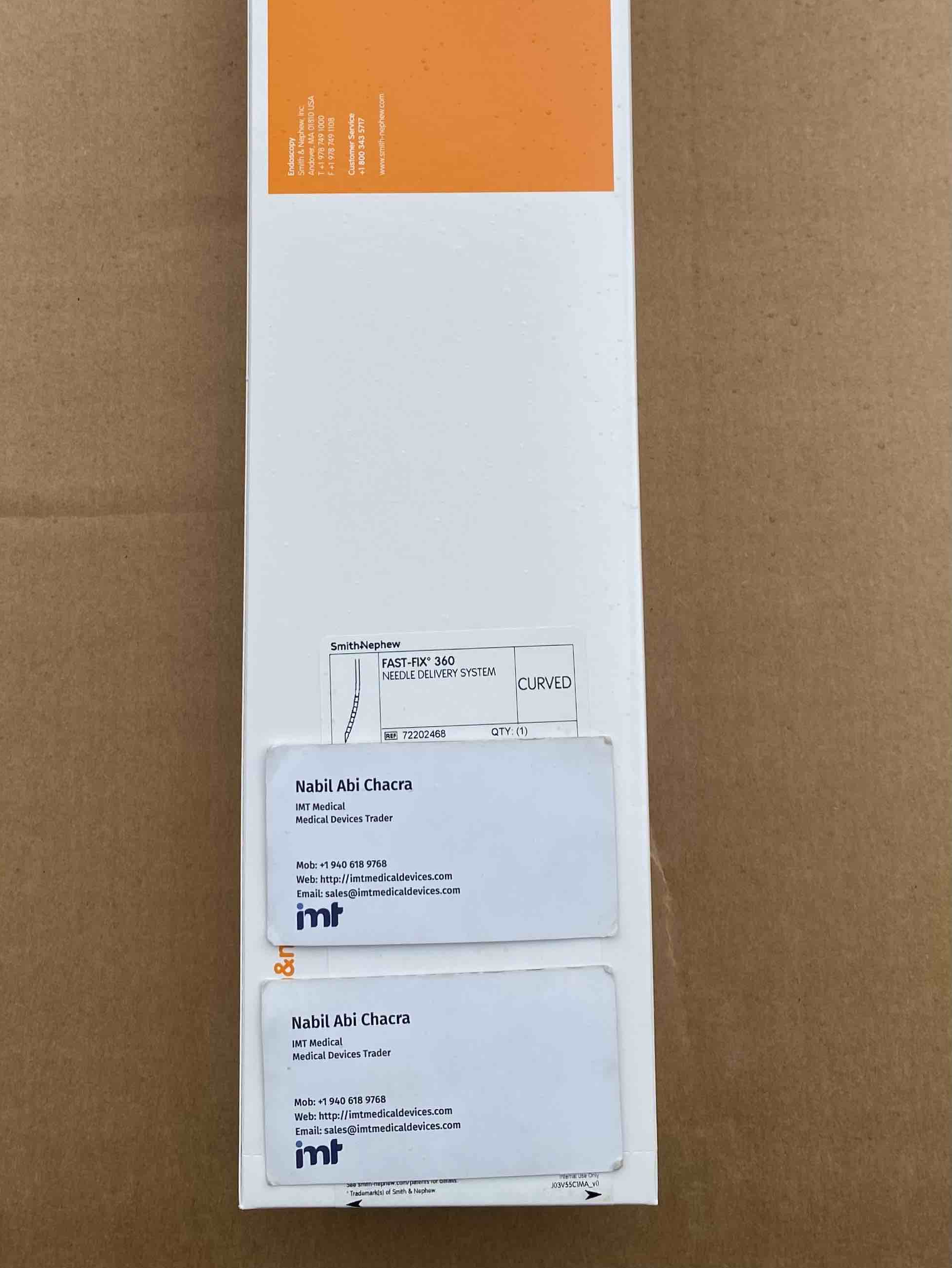

Medical Wholesale for Cath Lab Buyers
A cath lab does not stop because a product is technically available somewhere in the market. It stops when the exact device, size, configuration, or compatible accessory is not on hand when the case is scheduled. That is where medical wholesale becomes less about price sheets and more about sourcing accuracy.
For hospitals, independent distributors, and physicians buying outside their local channel, the real question is simple: can the supplier provide the exact branded device required, with the right identifiers, within a workable lead time? In interventional cardiology, peripheral vascular, and neurovascular procedures, a near match is not a match.
What medical wholesale means in high-acuity procedures
In many healthcare categories, wholesale can mean broad-volume supply across routine consumables. In interventional practice, medical wholesale is narrower and more demanding. Buyers are not just ordering "catheters" or "stents." They are ordering exact products from exact manufacturers, often by part number, with a procedure already planned around those specs.
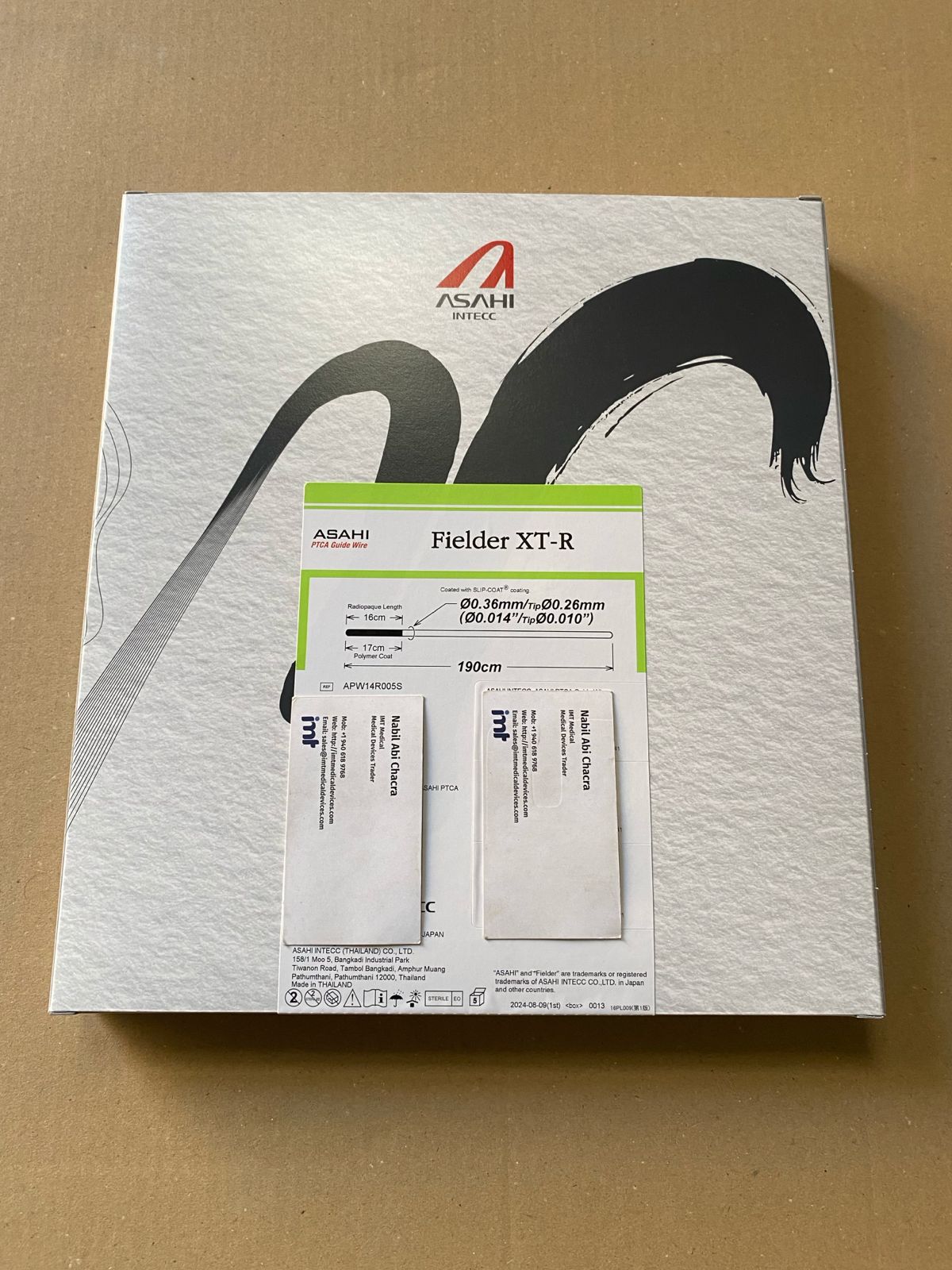
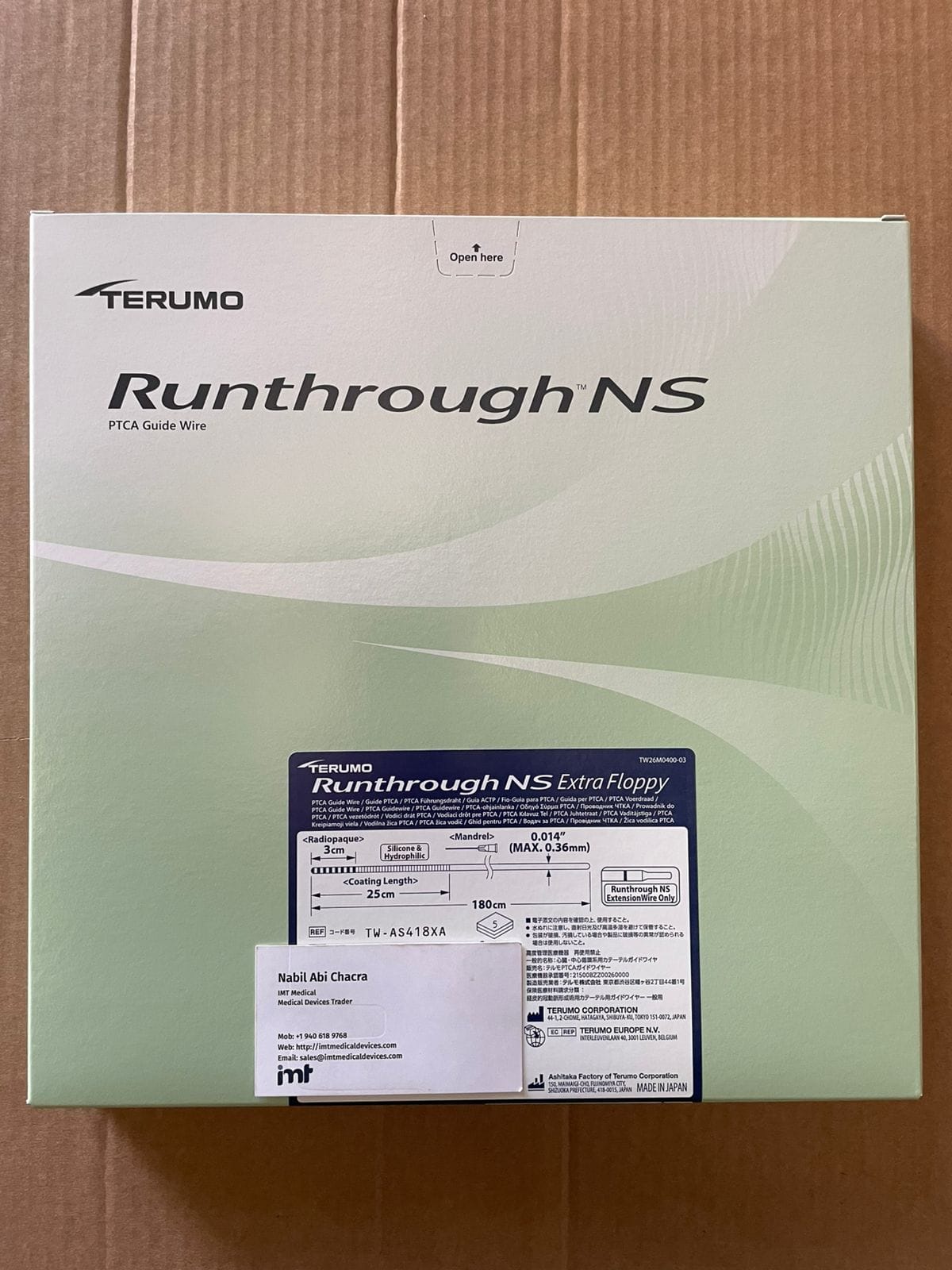
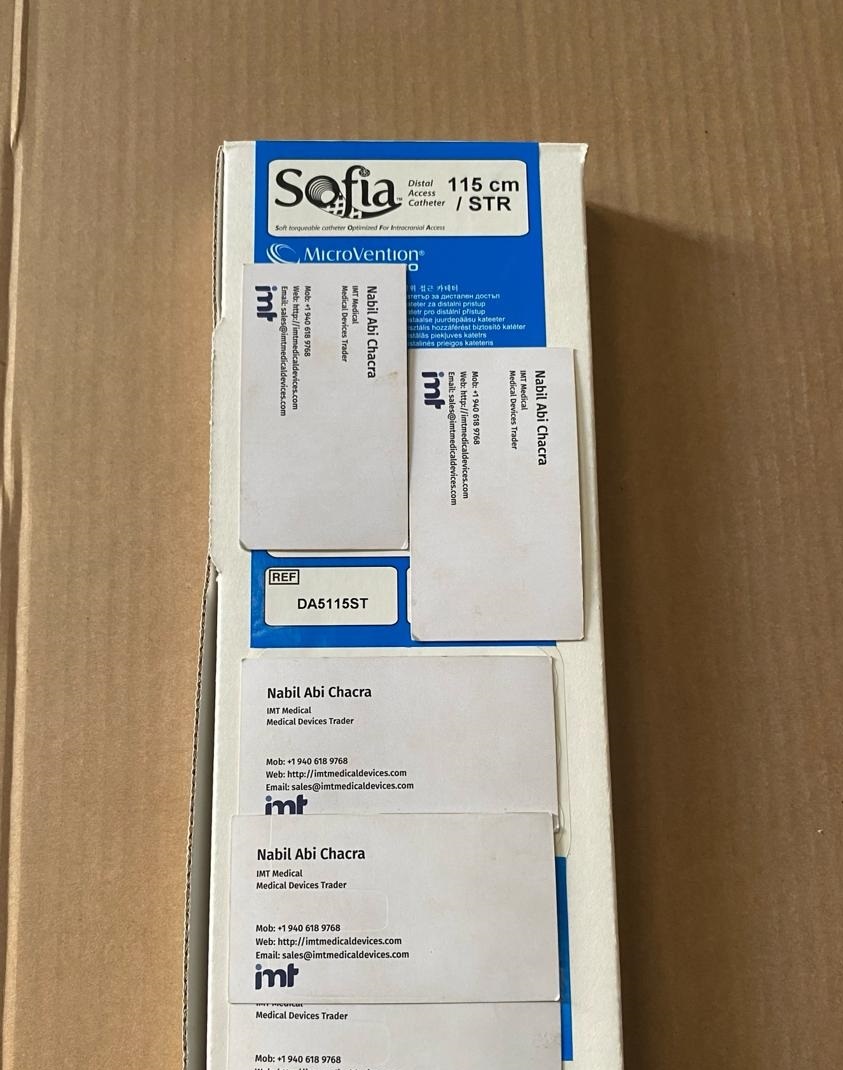
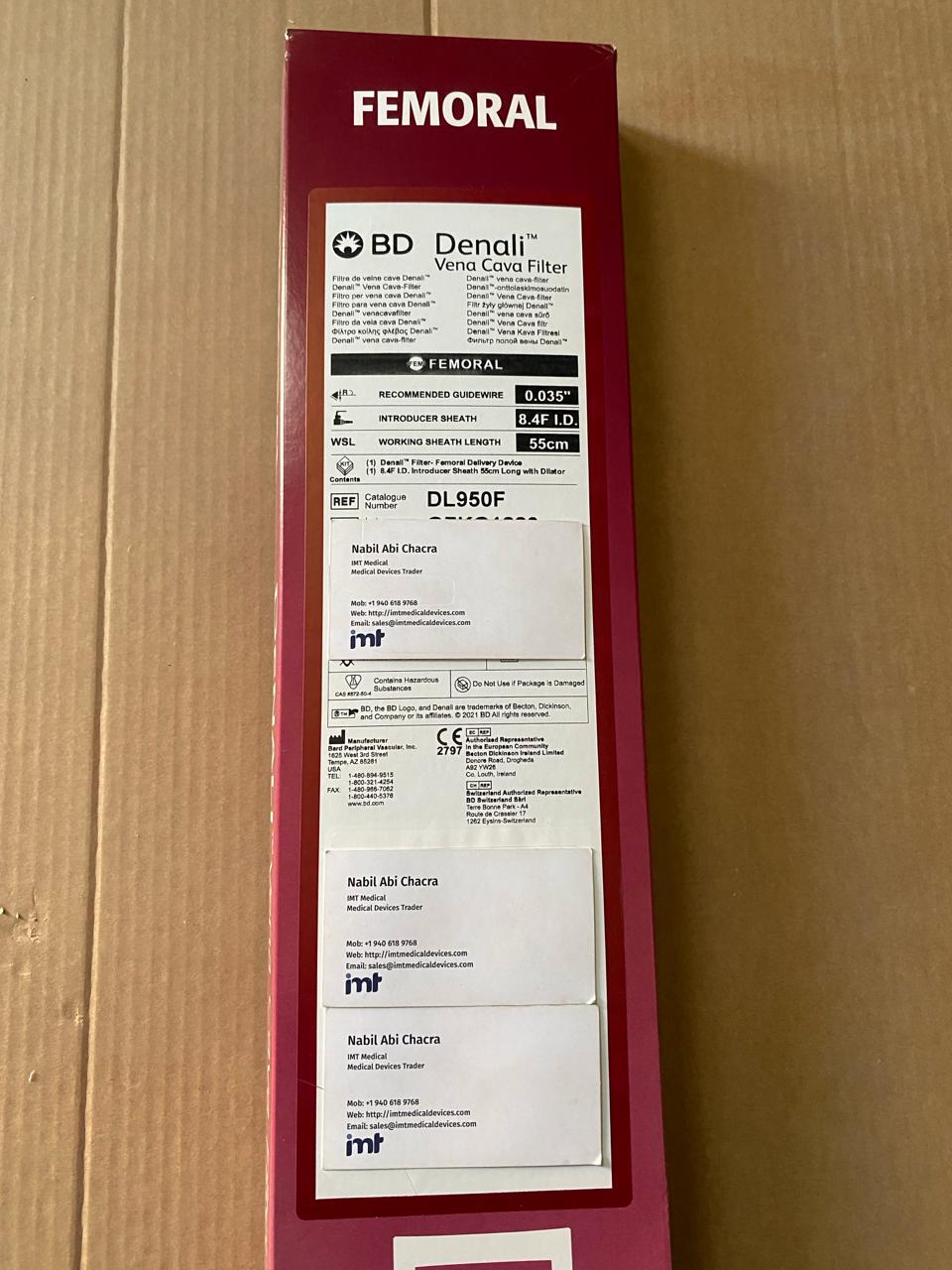
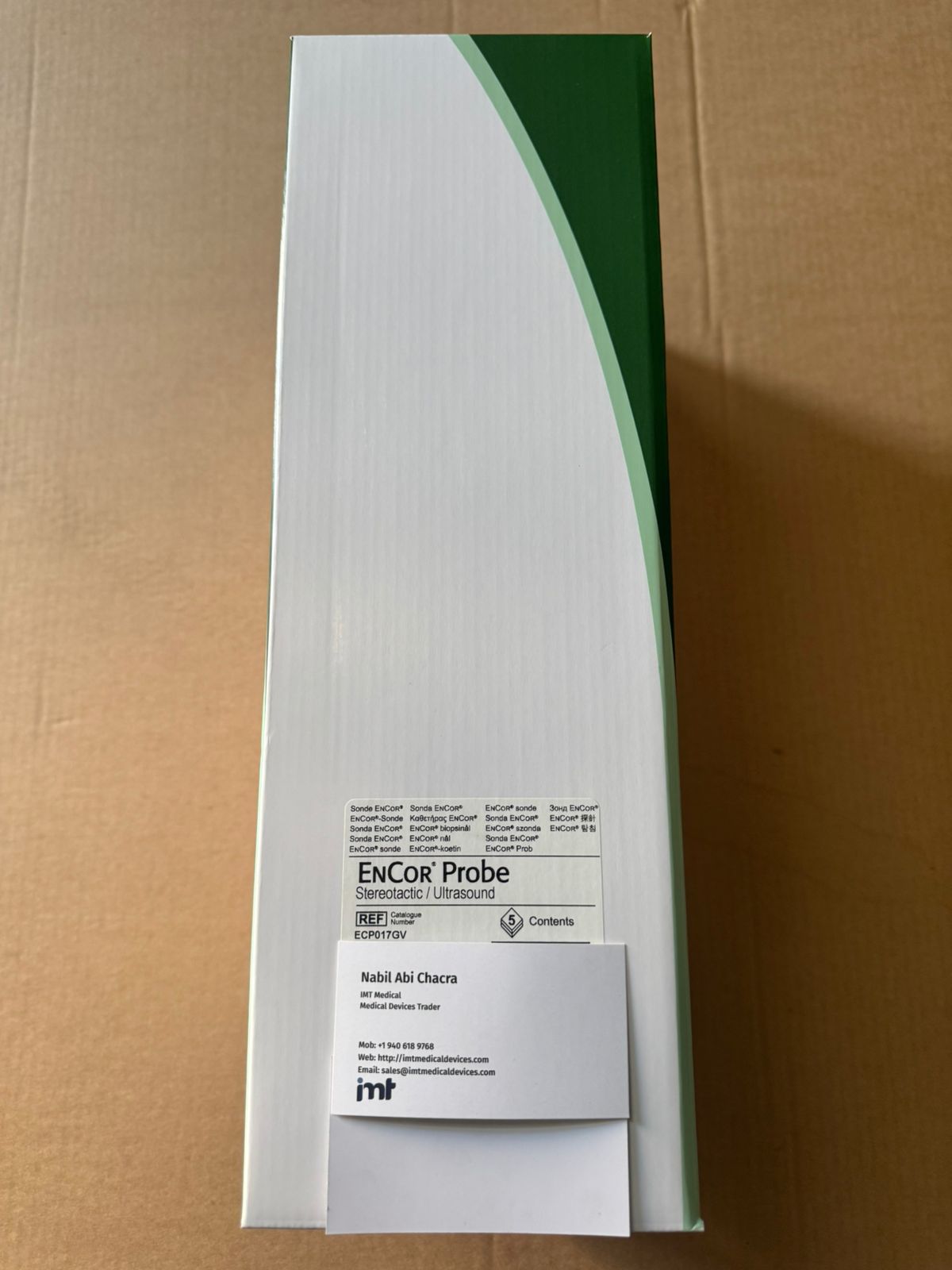
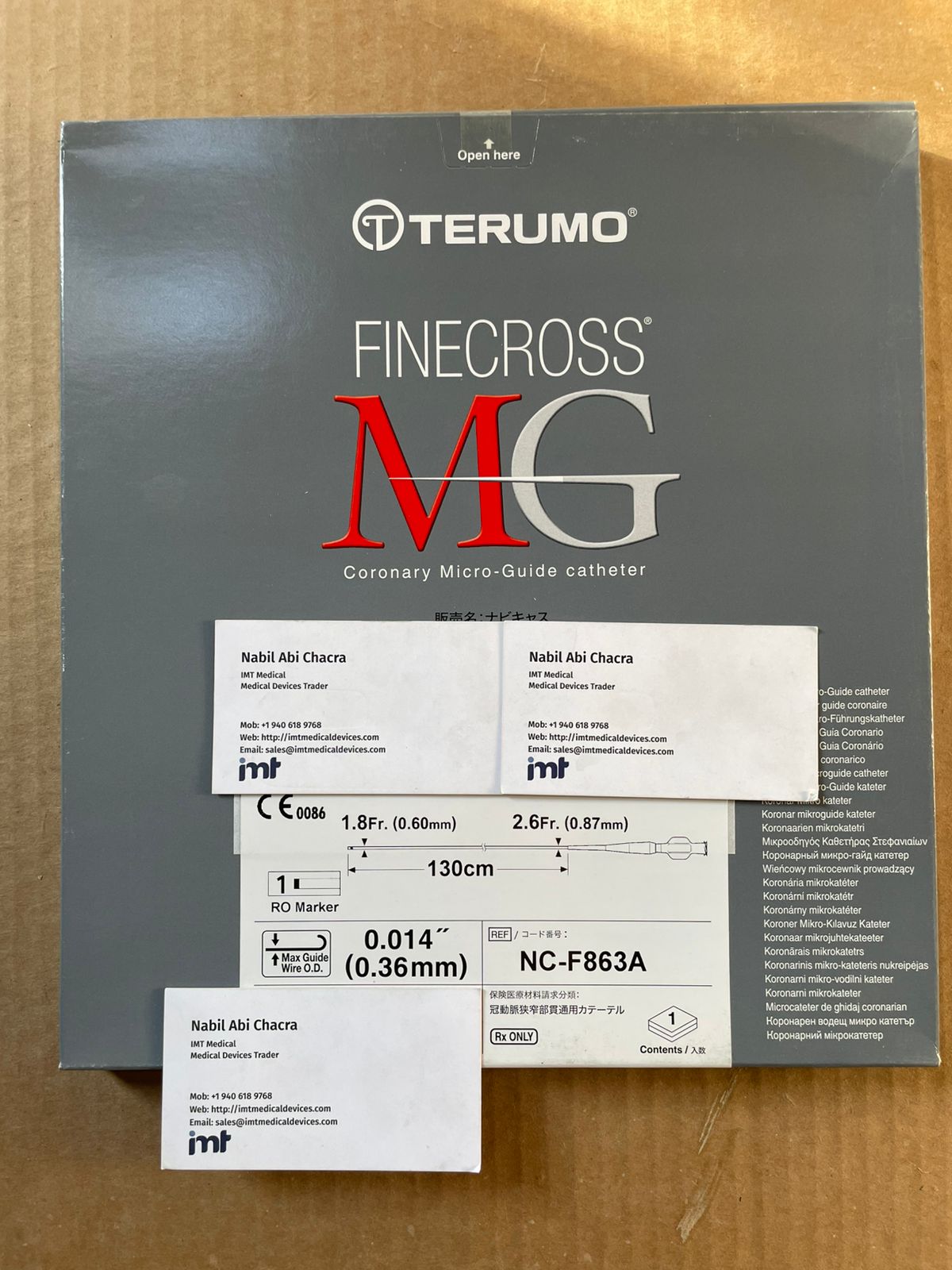
That changes the buying process. A procurement team may need Medtronic, Boston Scientific, Asahi, MicroVention, Terumo Neuro, Terumo, Cordis, Abbott, BD, B. Braun, Ethicon, Coloplast, Smith and Nephew, Beckman Coulter, Roche Reagents, Bio-Rad, or Siemens based on physician preference, department protocol, or existing compatibility within the lab. The supplier is expected to source branded inventory without ambiguity.
Medical wholesale in this setting is operational, not theoretical. It is built around product identification, stock visibility, export handling, and quote speed.
Why hospitals and distributors buy outside local channels
Some buyers already know their local distributor cannot meet a request. Others are trying to reduce dependency on a single channel. Both situations are common.
Hospitals may look outside the local market when allocation limits, backorders, restricted brand access, or pricing pressure affect case planning. A physician may ask for a specific guidewire, microcatheter, or balloon catheter that is not consistently supplied through the domestic network. In those cases, procurement needs an alternative source that understands interventional product lines and can respond with exact references.
Distributors have a different reason. If they are competing with established local players, they need access to branded products that allow them to quote credibly and fulfill without substitutions. Wholesale supply becomes part of their market strategy.
Doctors purchasing directly, where permitted, usually have the clearest requirement of all. They know the device family, the size, and often the SKU. What they need is a supplier that will not slow the process with vague product descriptions.
What to verify before placing a medical wholesale order
The first filter is product precision. If a supplier cannot confirm the exact brand, model, and part number, the buying risk rises immediately. In interventional categories, even small differences in length, diameter, tip shape, compatibility, or platform generation can affect procedural use.
The second filter is category depth. A supplier may claim access to cardiovascular products, but that does not always mean they can support a full procedural basket. Buyers often need more than one device class in the same order: coronary stents, PTA balloons, guidewires, guiding catheters, microcatheters, aspiration catheters, coils, and vascular closure devices. A source with narrow coverage may create more work than it saves.
The third filter is quote quality. A useful quote is not just a price. It should reflect exact identifiers, quantities, pack details where relevant, and realistic availability. Fast but incomplete quotes are a common problem in medical wholesale. They look efficient until the discrepancy appears during fulfillment.
Documentation also matters, especially for export transactions. Depending on destination market and importer requirements, buyers may need product identifiers, manufacturer details, lot-related documentation, and shipping information that aligns with customs and internal receiving processes. A supplier that handles these routinely will reduce friction.
Where errors usually happen
Most wholesale mistakes are not dramatic. They are small mismatches that become expensive.
One common issue is brand-level confirmation without SKU-level confirmation. A buyer asks for a Terumo guidewire or an Abbott vascular product, receives a broad yes, and later finds the exact item is not available. Another issue is outdated references. Some product families evolve, and older internal hospital records may not match currently traded descriptions unless the supplier checks carefully.
There is also the substitution problem. In some categories, buyers can evaluate alternatives. In others, they cannot. A physician requesting a specific neurovascular coil system or microcatheter may not accept a similar line from another manufacturer. If substitution is possible, it should be discussed explicitly, not assumed.
Lead time misunderstanding is another frequent issue. "Available" can mean in stock, inbound, or accessible through another channel. Those are not the same. Buyers should ask what available means in practical terms.
Product categories that drive wholesale demand
In this segment, demand usually concentrates around procedure-critical interventional devices. Coronary lines often include stents, balloon catheters, guidewires, and guiding catheters. Peripheral vascular demand may involve PTA balloons, peripheral stents, support catheters, and access-related products. Neurovascular procurement is more specialized, with microcatheters, aspiration catheters, guidewires, coils, and related devices requiring tighter specification control.
That is why catalog structure matters. Buyers do not want a general medical list. They want category navigation that mirrors clinical use. A supplier focused on cath labs and specialty hospitals should present products the way purchasing teams and physicians search for them: by procedure type, brand, and exact product line.
This is especially relevant in cross-border procurement. Buyers in Gulf countries, Latin America, Asia, China, and Russia may already know the exact device family they need, but not every supplier presents inventory in a way that supports fast validation. A catalog-first approach reduces quote cycles.
Why branded inventory changes the risk profile
There is a practical reason professional buyers ask for recognized manufacturers by name. Established brands reduce uncertainty in high-acuity procedures and simplify communication between clinical and procurement teams.
When a hospital requests Boston Scientific, Medtronic, Asahi, MicroVention, Terumo Neuro, Cordis, or Abbott, the request is usually tied to physician familiarity, procedural planning, and expected product performance. Wholesale supply that centers on branded inventory is easier to validate internally because it aligns with how most hospitals already document preference cards, prior usage, and stock history.
This does not mean every purchase should default to a premium option. Budget, reimbursement, and local market conditions still matter. But in urgent or complex interventional settings, sourcing confidence often outweighs marginal savings from uncertain alternatives.
How serious buyers evaluate a supplier
Experienced buyers tend to look for a short list of signals. They want clear manufacturer coverage, exact part number handling, responsive quotation, and the ability to support repeat orders without restarting the conversation from zero each time.
They also pay attention to how the supplier communicates. If the reply is heavy on general claims and light on product references, confidence drops. If the response includes precise naming, compatible categories, and direct quote initiation, the transaction moves faster.
For that reason, medical wholesale in this segment works best when the supplier behaves like a procurement desk, not a marketing channel. Buyers do not need broad education on what a stent is. They need confirmation that a named device can be supplied.
A platform such as https://imtmedicaldevices.com fits that workflow when the requirement is branded interventional inventory, category-based navigation, and quote-driven sourcing rather than consumer-style browsing.
When price matters less than continuity
Price always matters, but not every order is judged the same way. For scheduled interventional cases, continuity of supply can carry more value than nominal unit savings. A lower quote is not useful if fulfillment is uncertain or if product verification takes too long.
This is where wholesale decisions become situational. For standard recurring items, a buyer may optimize aggressively on price. For physician-specific devices, urgent replacements, or products with limited local availability, the better decision may be the supplier that can confirm exact stock and move quickly.
That trade-off is common and reasonable. Procurement teams are balancing cost, availability, clinical preference, and timing at the same time.
The practical standard for medical wholesale
In high-acuity device sourcing, a good wholesale supplier is not defined by broad claims. The standard is much simpler: correct brand, correct SKU, realistic availability, and a quote process that does not introduce avoidable delay.
If you are buying for a hospital, competing distribution business, or physician-led requirement, treat medical wholesale as a precision function. The more exact the request and the response, the lower the purchasing risk and the faster the product reaches the procedure