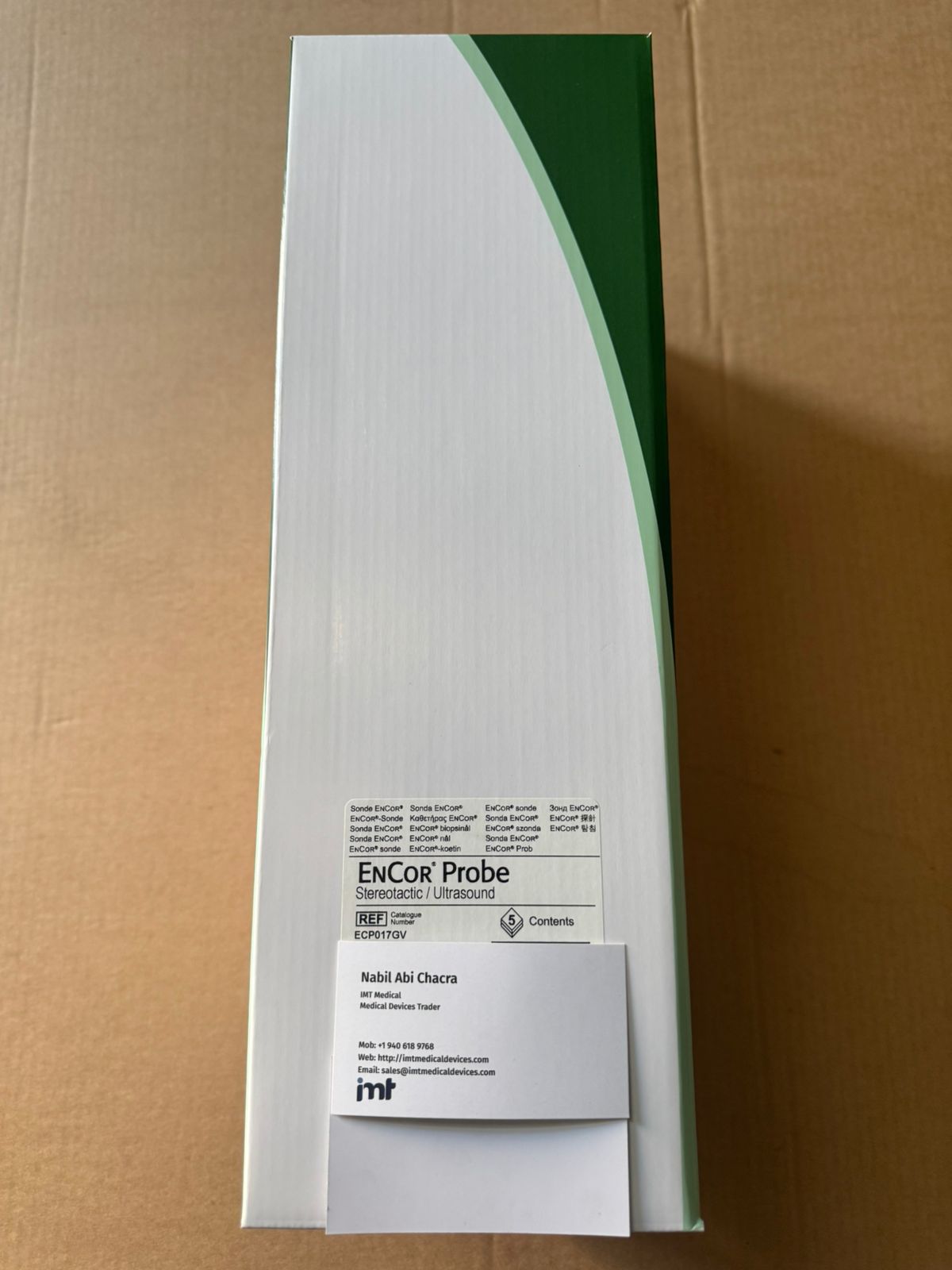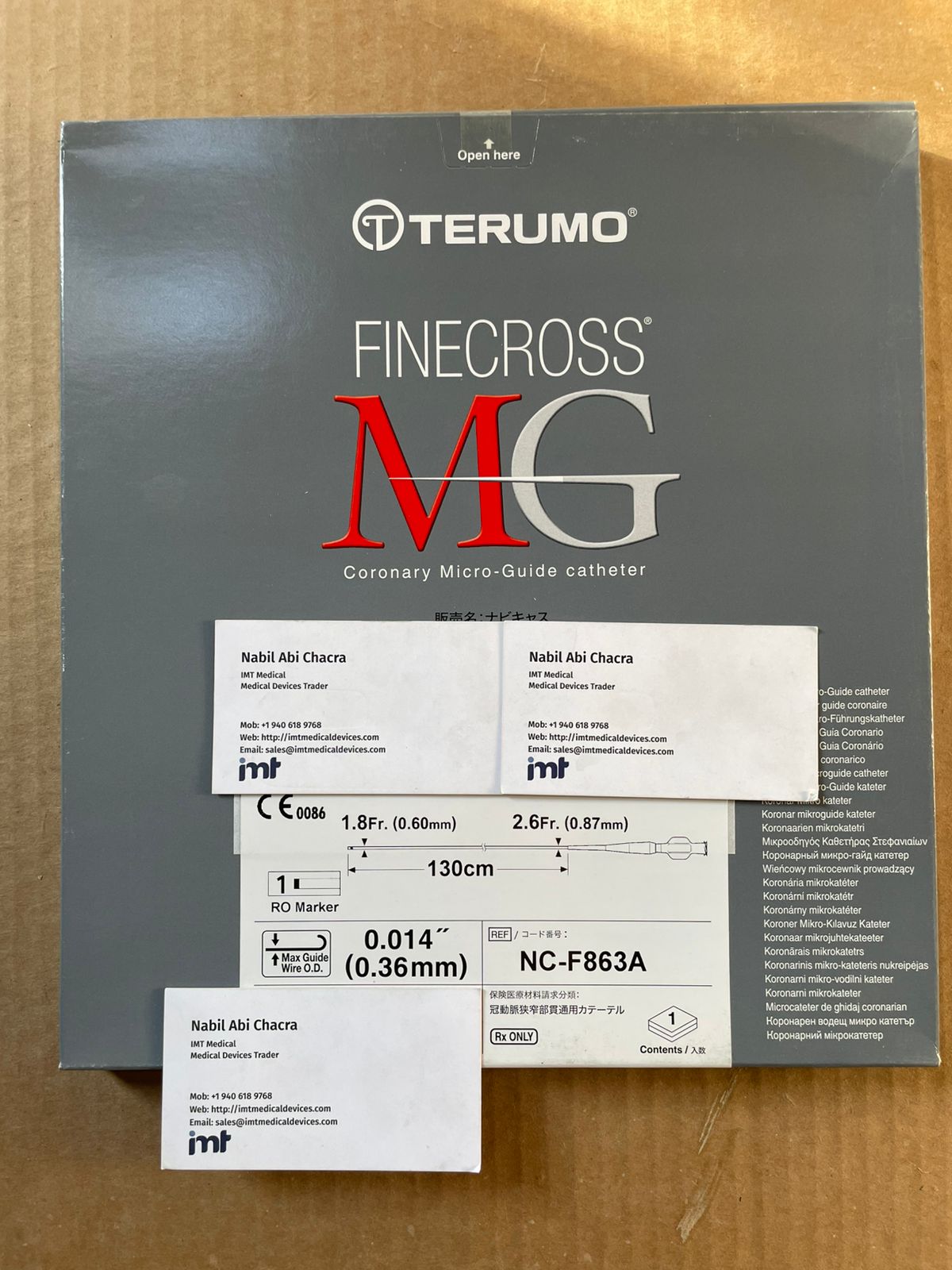

Neuro Microcatheter Sourcing Without Surprises
A neuro case rarely fails because a buyer chose the “wrong category.” It fails when the microcatheter that arrives is not the exact platform the operator planned for - different inner diameter, different distal tip profile, different compatibility claims, or simply a different SKU than what was requested. That is the real procurement risk in neurointerventional microcatheters product sourcing: substitution, ambiguity, and delay.
This is why experienced cath lab and neuro suite buyers don’t ask for “a microcatheter.” They ask for a specific manufacturer, a specific family name, and a specific reference code. If you are sourcing outside a local incumbent distributor - whether you are a hospital supply team, a competing distributor, or a physician buying directly - the sourcing workflow has to be built around exact identifiers, documentation, and realistic lead times.
What “product sourcing” means for neuro microcatheters
In neurovascular, microcatheters are not interchangeable even when the headline specs look similar. The practical definition of sourcing is: can you obtain the exact item requested (brand + reference code), with acceptable shelf life, traceable documentation, and delivery timing that fits case planning.
Buyers usually feel pressure at two points. The first is when the clinician wants a platform that is routinely used (and will not accept a substitute). The second is when a hospital is trying to avoid dependence on a single local distributor and wants an alternate channel that can still deliver the same branded inventory.
Sourcing success is less about “finding a supplier” and more about controlling four variables: product identity, availability, regulatory paperwork, and shipment execution.
Start with the ordering unit: reference codes, not descriptions
The fastest way to create a mismatch is to start from a generic description like “neuro microcatheter 0.027.” A 0.027-inch microcatheter can mean different constructions, coatings, and tip behaviors across product lines. If a quote request is written as a description, it invites substitutions, especially when stock is limited.
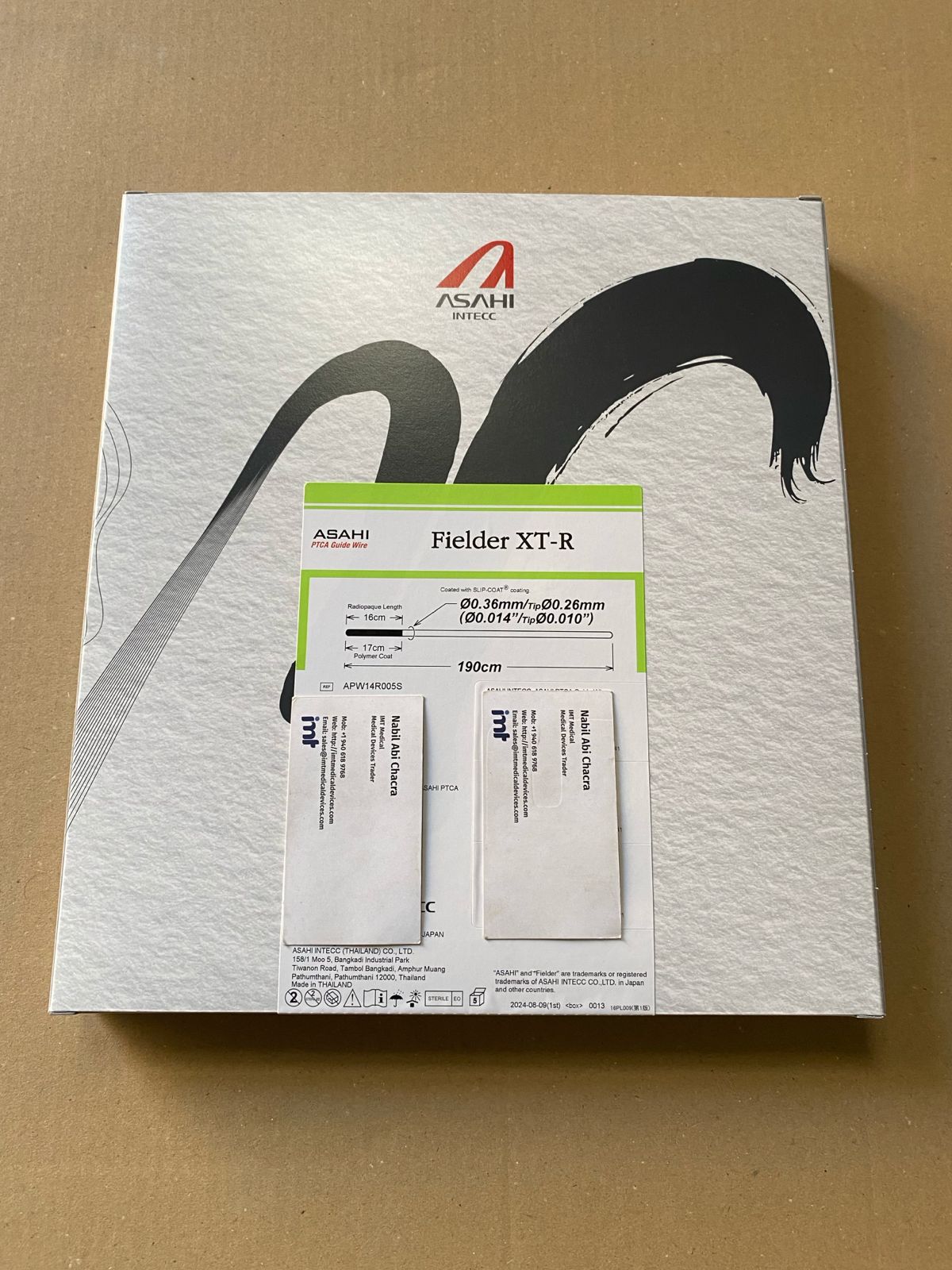
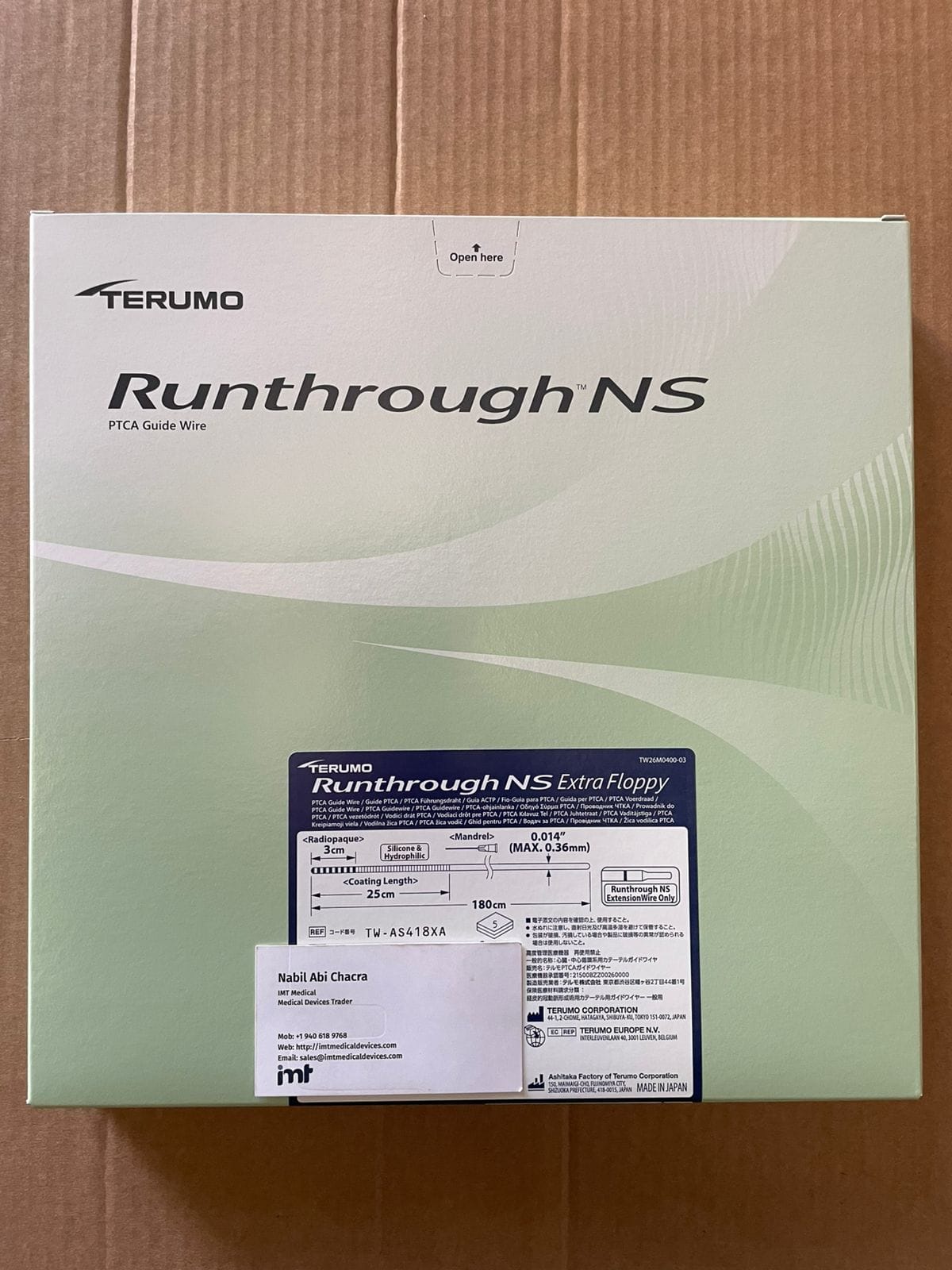
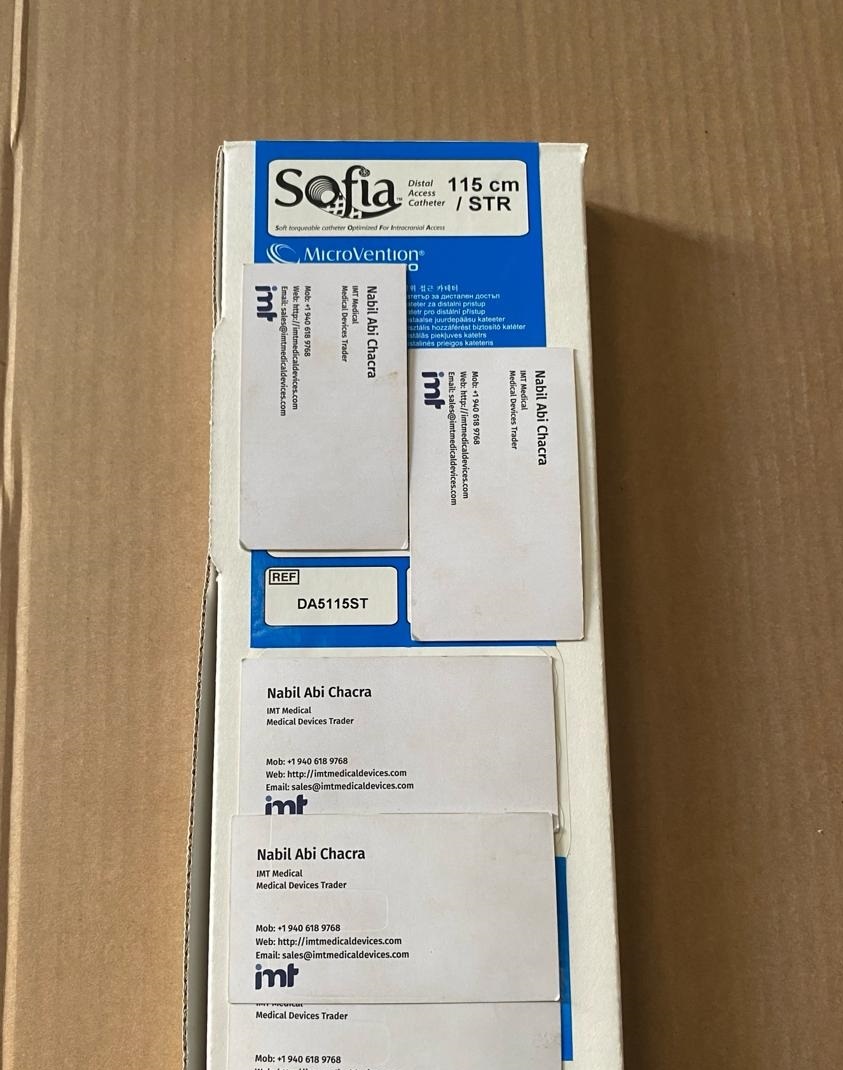
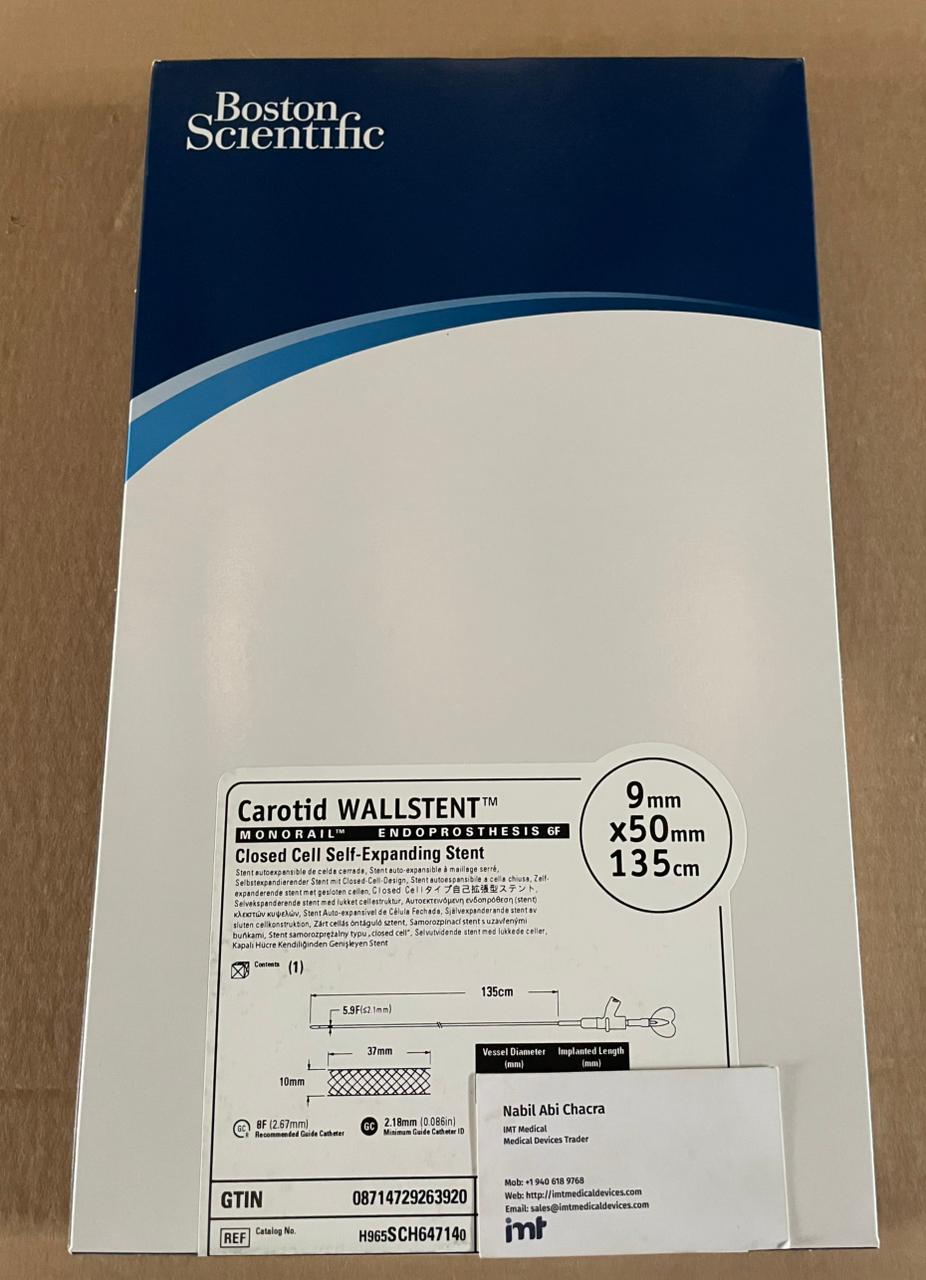
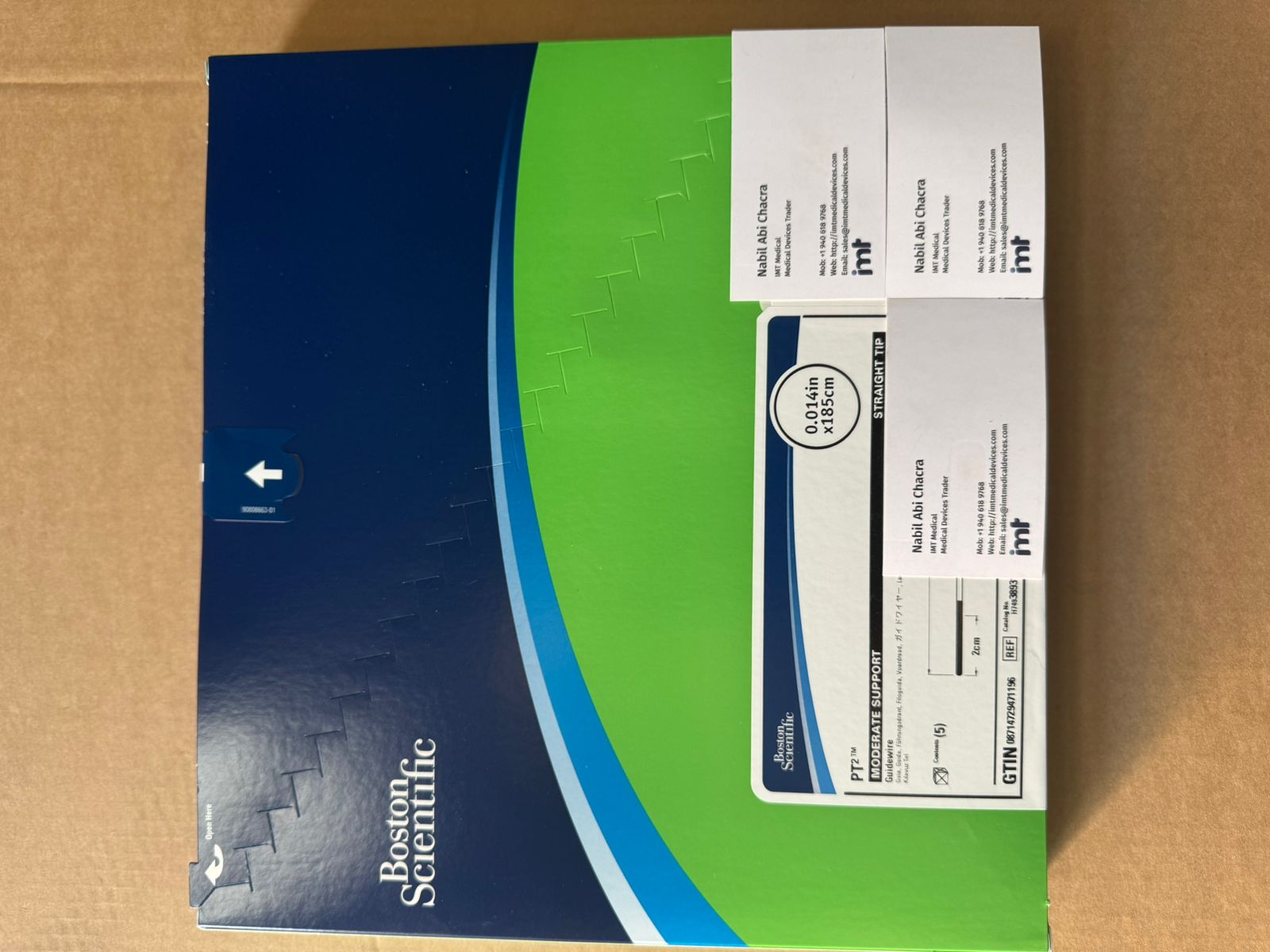
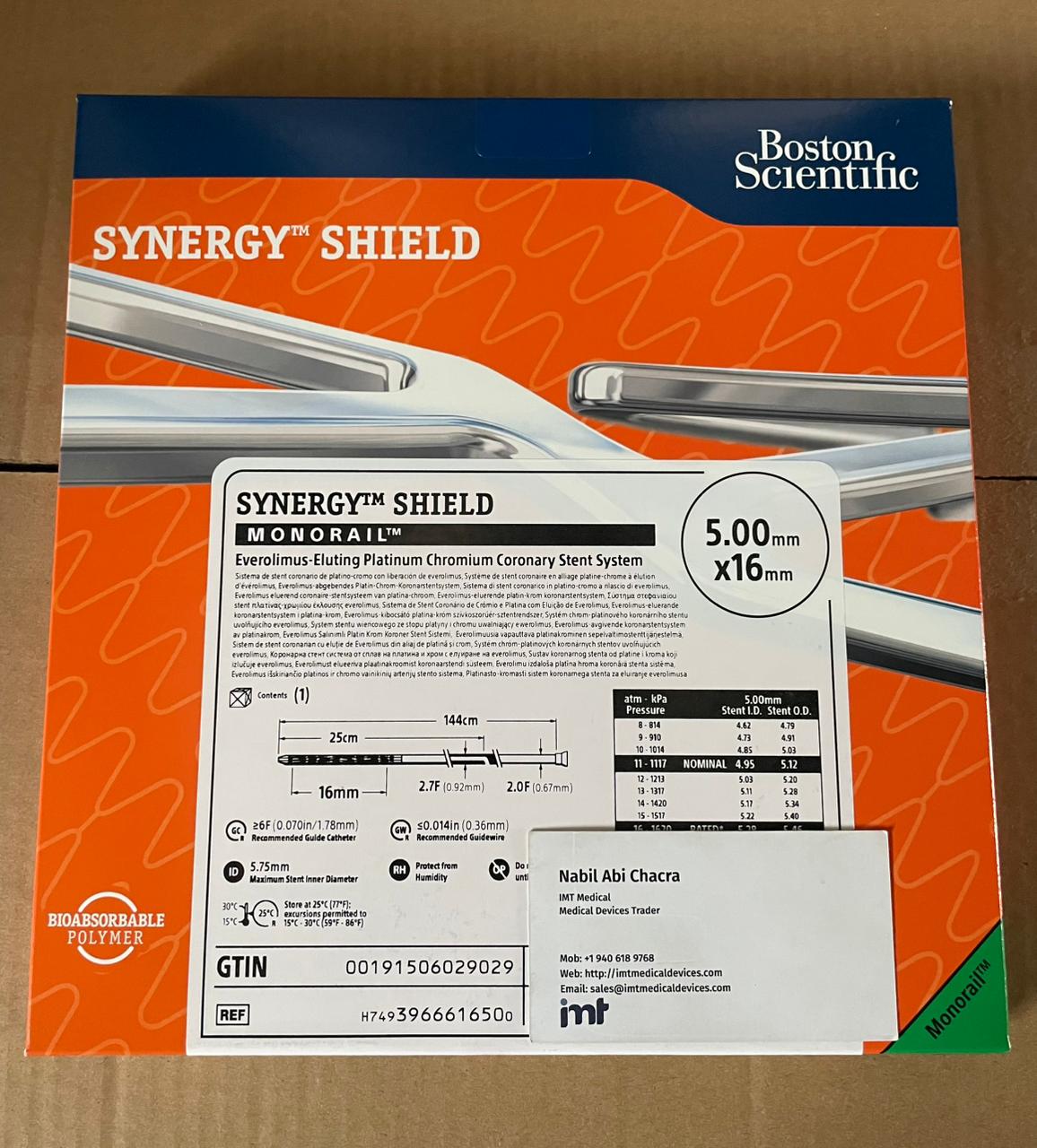
Procurement should begin with the reference code (SKU) and manufacturer. For neuro lines, this typically means brands used daily in neurointervention such as MicroVention, Terumo Neuro, Medtronic, and Boston Scientific, and often a supporting ecosystem of guidewires, guiding catheters, and aspiration catheters from the same short list.
If the clinical team provides only a family name, ask for the exact configuration. Distal length, working length, and packaging unit can change the SKU. Even when the family name is correct, the wrong length can disrupt the planned technique or compatibility with the chosen access and support catheters.
Match the microcatheter to the procedure and device ecosystem
Sourcing gets easier when the request is tied to the intended use, because the compatibility questions become obvious early rather than at the packing bench.
Coiling and adjunctive support
For coil delivery, buyers often need confirmation of coil compatibility, target ID, and the operator’s preference on distal softness versus pushability. The microcatheter choice is frequently paired with specific coil platforms, so a mismatch can create friction even if the microcatheter technically “fits.”
Flow diversion and larger ID requirements
When the case plan includes a flow diverter, the microcatheter is usually constrained by minimum inner diameter, trackability in tortuous anatomy, and a stable proximal shaft. Buyers should verify the exact ID requirement stated by the device IFU and match it to the microcatheter reference code - not just the label claim.
Aspiration and distal access strategies
For thrombectomy and aspiration-assisted techniques, the microcatheter may be used for wire exchange, distal access, or as part of a multi-catheter setup. This affects the requested length and the compatibility with guiding catheters and aspiration catheters. A “close” substitute can add procedural variability that the operator did not approve.
The sourcing takeaway: do not evaluate a microcatheter in isolation. Validate it against the planned guidewire, guide catheter, and the intended implant or coil system.
Availability: manage the real constraint, not the advertised one
Manufacturers publish catalogs. Procurement lives in inventory reality.
If you are sourcing branded neuro microcatheters through an alternate channel, ask early about stock-on-hand and confirm quantities by SKU. If stock is limited, decide with the clinician whether partial fulfillment is acceptable or whether you should hold the order until the full quantity is available.
Lead times vary by region and by product family. For customers in the Gulf, Latin America, Asia, China, and Russia, the operational reality is that international shipping windows and customs clearance can matter as much as supplier inventory. When a case is scheduled, “available” must mean “deliverable.”
A practical procurement habit is to maintain a short list of frequently used SKUs and reorder thresholds. Neuro cases are not forgiving when a routine microcatheter is suddenly backordered and the team is forced to re-plan technique.
Documentation: what buyers should request every time
Microcatheter sourcing is not just a physical product transaction. Hospitals and professional distributors are typically audited on traceability and document control.
At minimum, buyers should align with internal policy on the documents required for receipt and stocking. Depending on the market, that may include certificate of conformity, lot/serial traceability information, and product labeling images to confirm the reference code and expiration date before shipment.
Shelf life matters more than many buyers admit. Neuro suites often keep safety stock, but slow-moving SKUs can expire if purchased too far ahead. If you are building alternate sourcing to avoid local distributor dependence, ask for the expiration date range at quote stage, not after the shipment is already in motion.
Substitution risk: control it contractually and operationally
In neuro, “equivalent” is a clinical judgment, not a procurement shortcut. Hospitals that have been burned by unwanted substitutions usually change their purchasing language.
If your intent is exact fulfillment, specify “no substitution without written approval” on the PO and in the quote acceptance. Then operationalize it by requiring a pre-shipment pick confirmation: reference code, quantity, lot, and expiration.
There are cases where substitution is acceptable - but only when the clinician agrees and the compatibility implications are checked. For example, if a specific length is not available but a longer length can work without compromising support and torque response, a substitution might be approved. The point is that “it depends” should be resolved before dispatch, not at the bedside.
Pricing: understand what is being priced
Microcatheter pricing varies by brand, configuration, and the logistics attached to the order. Buyers comparing quotes should make sure they are comparing the same unit of measure and the same SKU. A lower price on a different reference code is not a savings if it changes case performance or triggers a return.
Also separate product price from delivery reality. If the shipping timeline does not fit your procedure schedule, the cost of a delayed case can dwarf the unit price difference.
Building a repeatable sourcing workflow
The buyers who move fastest in neuro do not rely on memory. They use a repeatable intake process that forces clarity.
Start by capturing: manufacturer, product family, exact reference code, length, and target use (coiling, flow diversion support, distal access, exchange). Then confirm compatibility constraints (required ID, recommended wire size, intended implant platform). Finally, confirm logistics constraints: required delivery date, acceptable expiration range, and whether partial shipment is acceptable.
This approach reduces back-and-forth and makes it easier for a supplier to quote accurately. It also reduces the chances of receiving a microcatheter that is technically “a microcatheter” but not the one the neurointerventionalist planned to use.
When the buyer is a doctor or a non-incumbent distributor
If you are a physician purchasing because local distributor support is inconsistent, your main leverage is specificity. Provide the exact reference code and ask for confirmation photos of the label before shipment. This is the fastest way to avoid a last-minute switch.
If you are a distributor competing with a local incumbent, your advantage is speed and breadth of branded inventory. Your risk is operational: if you cannot consistently deliver the same SKUs, the account will treat you as a backup only. In that scenario, it is better to commit to a defined set of high-velocity neuro SKUs and deliver them reliably than to promise “anything” and miss.
For hospitals working around local distributor constraints, the key is internal alignment. If the neuro team wants exact brands (for example, Terumo Neuro or MicroVention families) and will not accept substitutes, procurement should reflect that in both the PO language and the receiving process.
Sourcing channels and what to verify
Sourcing can be done through a local authorized channel or through an export-focused medical devices supplier. When you buy through an export channel, the verification steps become more important, not less. You are compensating for distance by using tighter documentation control and SKU discipline.
If you already buy across categories like guidewires, guiding catheters, aspiration catheters, coils, and closure devices, it is operationally simpler to consolidate orders with a supplier that can ship multiple branded lines in one workflow. For buyers who need that breadth across major manufacturers such as Medtronic, Boston Scientific, Asahi, MicroVention, Terumo Neuro, Terumo, Cordis, BD, B. Braun, Abbott, and others, consolidating reduces purchase order fragmentation and helps keep case carts consistent.
If you want an export-focused sourcing option for branded interventional inventory, IMTmedicaldevices.com is positioned as a catalog-driven supplier for cath labs and specialty hospitals where the purchasing decision is SKU-specific and time-sensitive.
The procurement signal that matters most
If you want fewer surprises, treat the microcatheter as a controlled item, not a commodity. The most effective change is simple: stop accepting quotes that do not echo back the exact reference code and configuration you requested. When the supplier’s quote mirrors your SKU-level request, you are no longer “shopping” - you are executing.
The helpful closing thought is this: in neurointervention, speed is valuable, but precision is what keeps cases predictable. Make every sourcing conversation start with the reference code, and most downstream problems disappear before they ship.