

Peripheral Angioplasty Balloon Sourcing
A delayed PTA balloon order rarely fails because the category is unclear. It fails because the exact brand, shaft length, diameter, pressure profile, or packaging configuration is not aligned early enough in the purchasing process. Peripheral angioplasty balloon sourcing is less about finding a product class and more about securing the right branded device, with the right specifications, from a supplier that can support continuity and export execution.
For procurement teams, cath labs, and medical distributors, that distinction matters. Peripheral intervention purchasing is specification-driven. A compliant balloon for one lesion set is not interchangeable with a non-compliant balloon for another. Crossing profile, rated burst pressure, balloon length, rapid exchange versus over-the-wire design, and physician brand preference all affect what can actually be substituted and what cannot.
What peripheral angioplasty balloon sourcing really involves
At a practical level, peripheral angioplasty balloon sourcing sits between clinical requirements and supply chain control. Buyers are not simply comparing prices on "balloons." They are matching procedure demand to a portfolio of branded devices from established manufacturers, often under time pressure and with limited tolerance for backorders.
In peripheral intervention, the purchasing decision is usually anchored by three factors: exact product fit, recognized manufacturer acceptance, and availability. If one of those fails, the order becomes harder to execute. A lower-cost option may not be acceptable to the physician. A technically suitable alternative may not be registered in the destination market. An approved brand may be unavailable in the required size matrix. The job of the sourcing partner is to close those gaps without creating new ones.
That is why experienced buyers usually start with nomenclature and SKU-level detail, not general product descriptions. Product families can contain multiple diameters, lengths, shaft options, inflation characteristics, and packaging variants. A quote is only useful when it reflects that level of precision.
Why branded supply matters in peripheral angioplasty balloon sourcing
In this category, brand is not just a commercial preference. It is often tied to physician familiarity, internal evaluation history, and institutional procurement policy. Hospitals and distributors buying for peripheral interventions usually want globally recognized manufacturers because the product performance profile is already known to the clinical team.
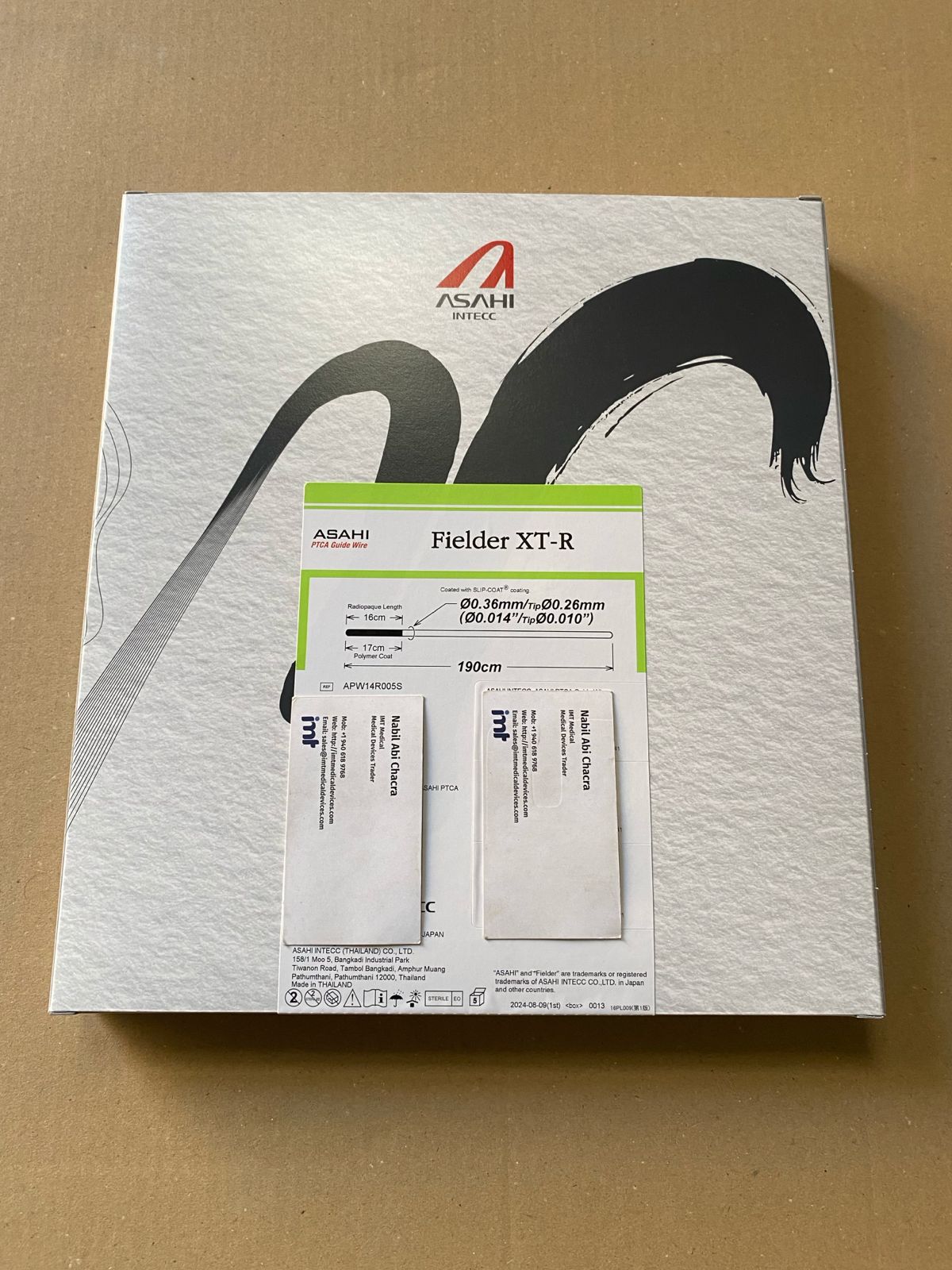
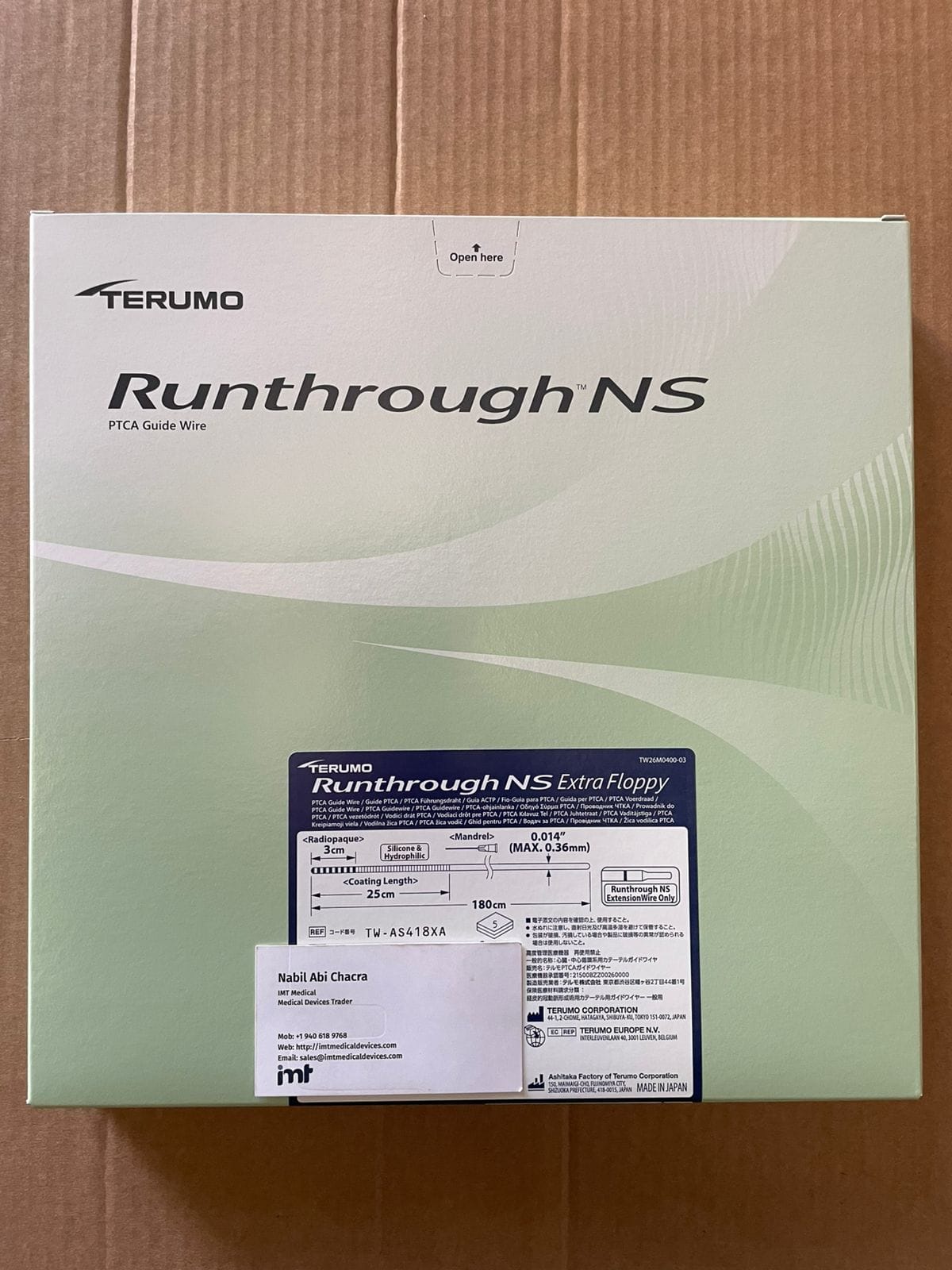
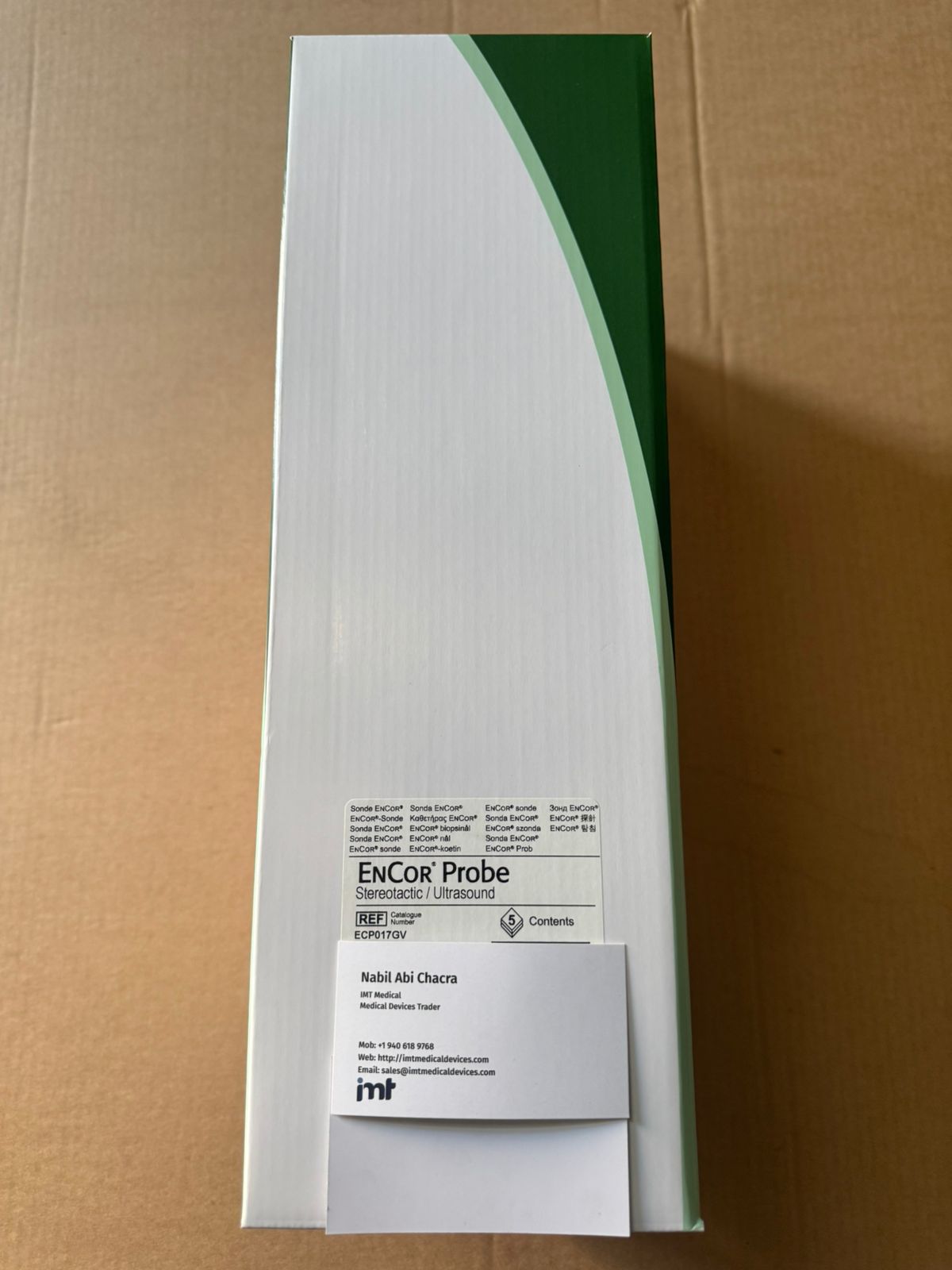
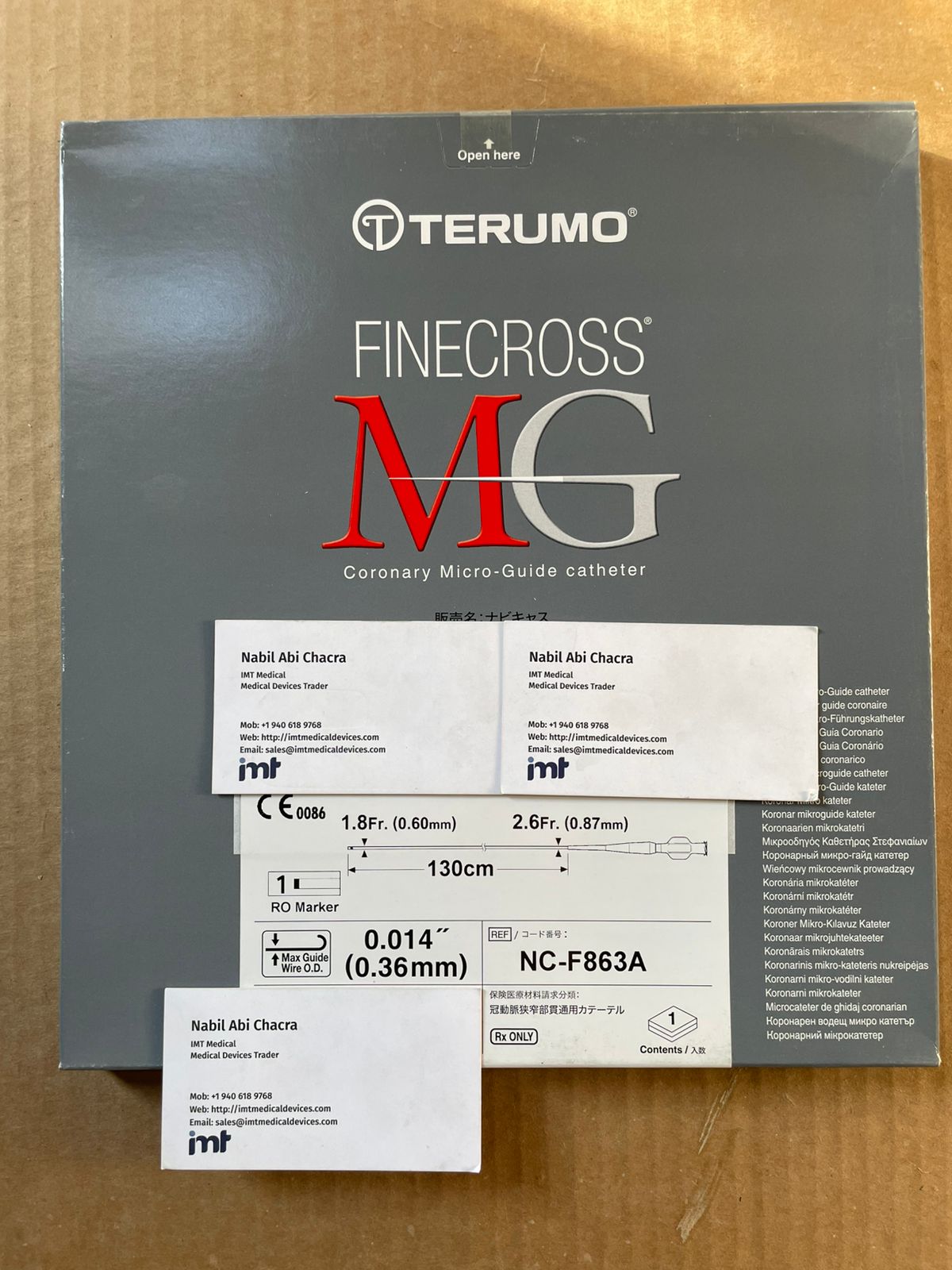
That changes the sourcing process. When the requirement is for branded peripheral balloons from manufacturers such as Boston Scientific, Medtronic, Abbott, Cordis, Terumo, or other established names, the buyer is not looking for broad equivalence. The buyer is looking for authentic inventory, traceable origin, and reliable fulfillment.
There is also a practical issue around consistency. If a center standardizes around a particular product line for below-the-knee work, iliac lesions, or long-segment disease, switching across brands can introduce friction even when the technical indications appear similar on paper. In some settings, substitution is acceptable. In others, it slows approvals and adds procedural uncertainty. Good sourcing reflects that reality rather than assuming every PTA balloon is interchangeable.
The cost question is more nuanced than unit price
Unit price still matters, especially for tender-driven or distributor-volume purchasing, but the cheapest quote is not always the lowest-risk option. If a lower price comes with uncertain lead times, incomplete export documentation, or inconsistent lot availability, the downstream cost can be higher.
Professional buyers usually evaluate total procurement reliability. That includes whether the supplier can provide the requested branded SKU, whether quantities are realistic, whether shelf life is commercially acceptable, and whether the order can move across borders without avoidable delay. In peripheral intervention, where procedure planning and inventory turns are closely watched, those variables matter as much as the line-item number.
The specification points buyers should confirm early
The fastest way to reduce quoting errors is to define the requirement at the start. For peripheral angioplasty balloons, that means confirming the exact product family and the technical range needed. Diameter and balloon length are obvious, but experienced procurement teams also verify shaft length, catheter platform, pressure characteristics, and intended lesion segment.
Some buyers source for a single center with stable physician preferences. Others source for multiple hospitals or for resale into different accounts. In the second case, the requirement can shift quickly across size matrices and brands. A sourcing partner should be able to handle both predictable replenishment and mixed-SKU requests without losing accuracy.
Packaging and labeling requirements can also become relevant, especially for export markets. Depending on the destination, the buyer may need specific commercial documents, product details, or regulatory support materials to align with import procedures. These are not afterthoughts. They affect whether stock can move on schedule.
Common friction points in quote-based procurement
Most delays happen before the order is placed. A request may reference a product family but omit the size combination. A buyer may ask for an equivalent without clarifying whether brand substitution is acceptable. A distributor may request volume pricing before confirming destination-market requirements. None of these issues are unusual, but they change the speed and accuracy of sourcing.
The most efficient purchasing conversations usually include manufacturer name, product line, REF or SKU if available, size details, required quantity, destination country, and expected delivery window. With that information, a wholesale supplier can respond in a way that is commercially usable rather than provisional.
How to evaluate a supplier for peripheral angioplasty balloon sourcing
A credible supplier in this category should be able to do more than say a product is available. The real test is whether the supplier understands branded medical device procurement at the level professional buyers expect.
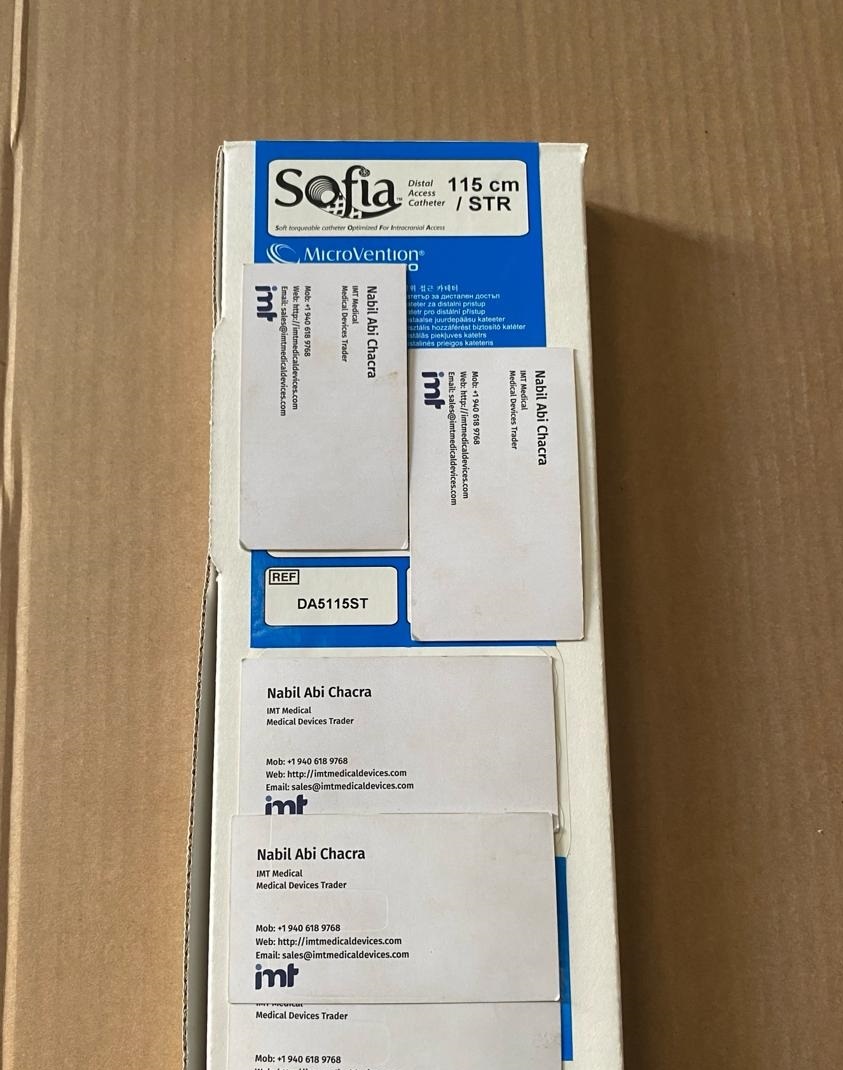
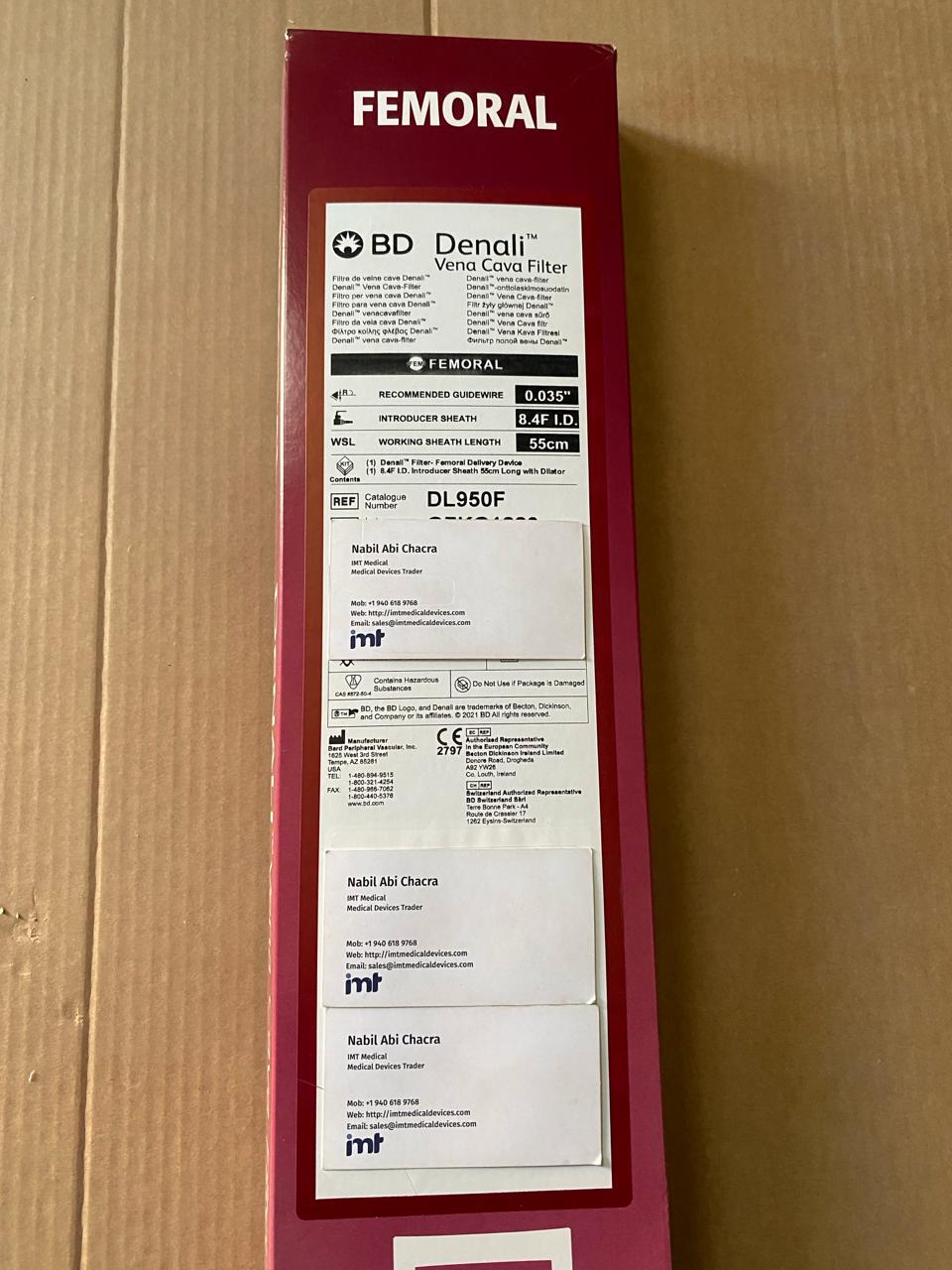
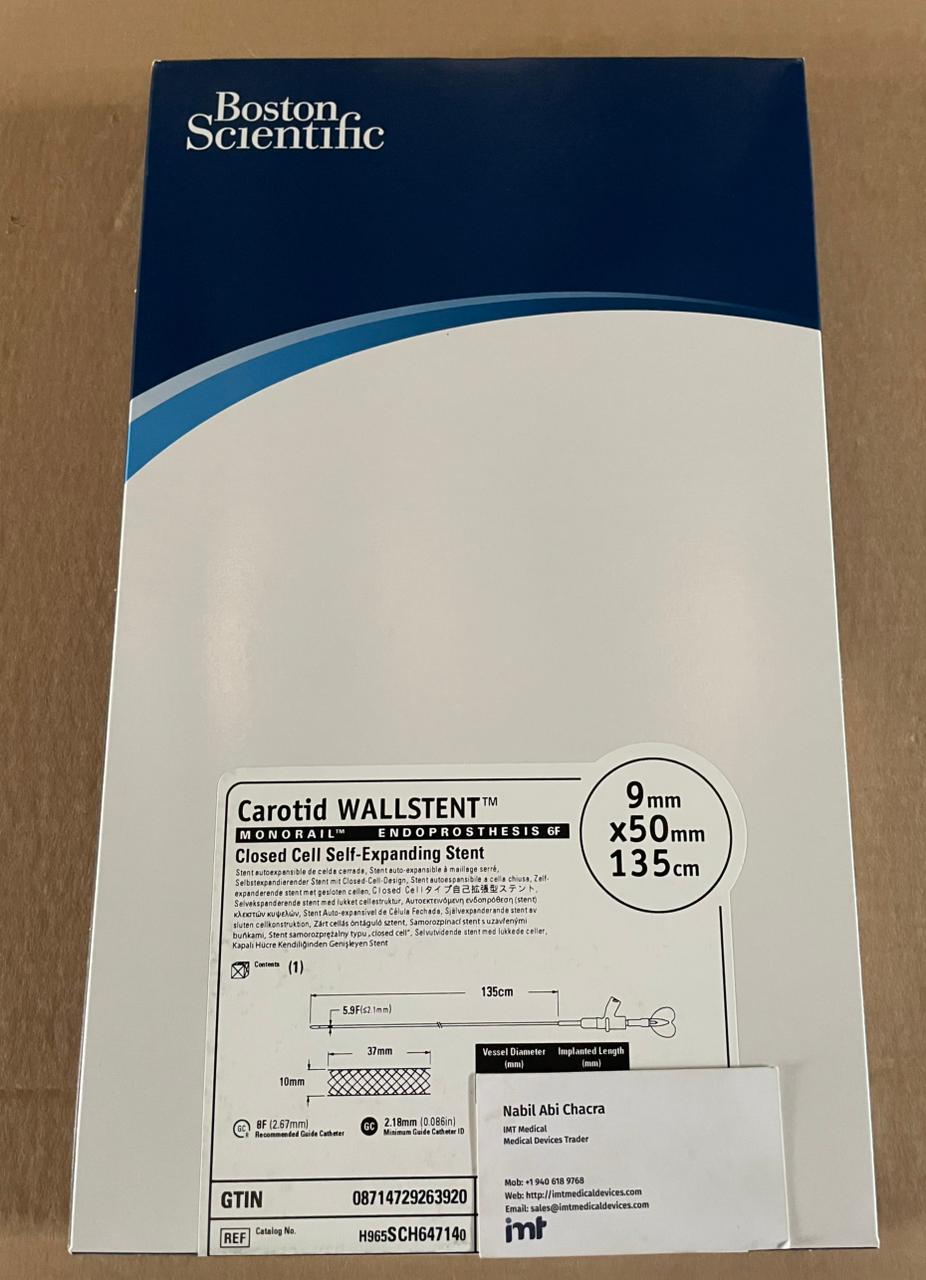
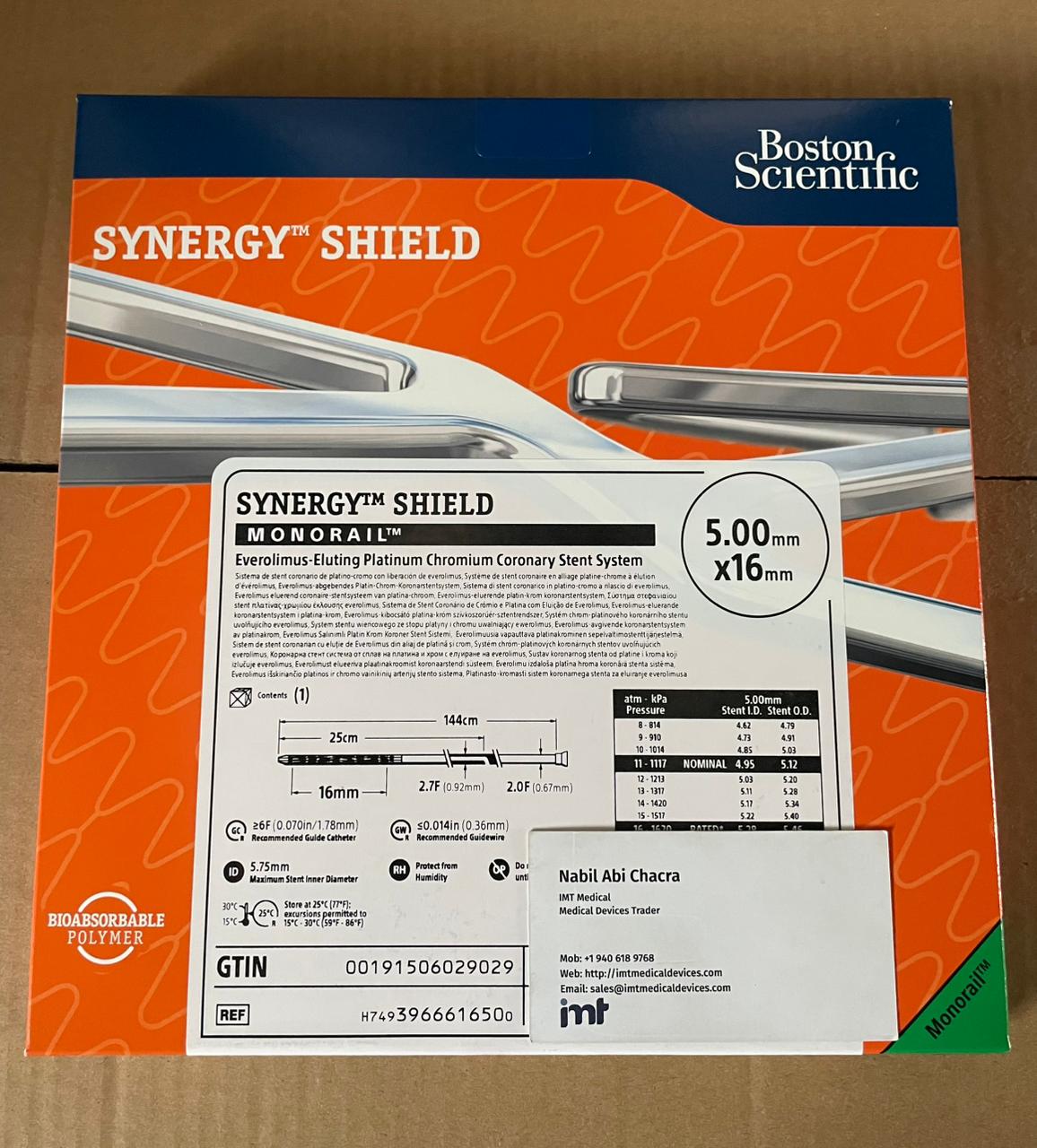
That starts with product recognition. A serious sourcing partner should be comfortable working with exact manufacturer references and procedural categories, including peripheral intervention alongside related lines such as guidewires, guiding catheters, stents, aspiration systems, and vascular access products. Buyers often consolidate procurement across these categories, so a narrow single-product conversation may not be enough.
The second requirement is operational clarity. Buyers need realistic quantity discussions, not generic assurances. If a supplier can support international fulfillment, that also matters, especially for hospitals, distributors, and resellers managing cross-border orders. Export capability is not just shipping. It includes document handling, commercial responsiveness, and familiarity with the practical demands of global B2B procurement.
A company such as IMTMedicalDevices.com fits this model when the requirement is branded, quote-based sourcing across multiple intervention categories rather than a consumer-style storefront transaction. For professional buyers, that structure is often more useful because it aligns with how bulk medical device purchasing actually works.
When substitution works and when it does not
There are cases where buyers can widen the sourcing brief. If a requested SKU is constrained, a clinically acceptable alternative within the same manufacturer family or a similar branded option may keep procurement moving. But that decision depends on the account.
For a distributor serving multiple physicians, flexibility may be possible if the technical profile is close and market acceptance exists. For a hospital with defined product approvals or physician-specific usage patterns, substitution may create more delay than it solves. That is why sourcing discussions should establish, early, whether the request is exact-match only, brand-specific but size-flexible, or open to approved alternatives.
This is one of the main trade-offs in peripheral sourcing. A narrow brief improves clinical certainty but can reduce availability. A broader brief may improve supply options but needs stronger internal validation. Neither approach is automatically better. It depends on the purchasing environment, the urgency of need, and the degree of product standardization at the user level.
Building a more reliable sourcing workflow
The most effective buyers treat peripheral balloon purchasing as an ongoing supply strategy, not a series of isolated urgent orders. That usually means maintaining an updated list of preferred brands, high-use sizes, acceptable alternates, and destination-specific requirements. It also means working with suppliers that can support repeat purchasing without re-learning the account every time.
For high-volume or multi-country procurement, consolidation has clear advantages. A sourcing partner that can quote across peripheral, coronary, neurovascular, laboratory, and surgical categories may reduce administrative load and simplify vendor management. That does not replace internal controls, but it can improve responsiveness when several branded product lines need to be sourced together.
Shorter lead times start with cleaner inputs. Better continuity starts with suppliers that know the category. And fewer procurement disruptions usually come from one simple discipline: treating SKU accuracy, brand authenticity, and export readiness as part of the same sourcing decision.
Peripheral intervention purchasing is rarely forgiving of vague requests or uncertain supply. The buyers who keep it efficient are usually the ones who define specifications precisely, verify brand expectations early, and work with sourcing partners built for medical device procurement rather than general trading. That approach does not eliminate every constraint, but it gives the order its best chance of moving correctly the first time.