
Peripheral Drug-Coated Balloon Trends
Peripheral drug-coated balloons are getting more specific
Peripheral drug-coated balloons are no longer a broad category purchase. In most tenders and quote requests, buyers are now looking much more closely at lesion type, vessel bed, coating platform, balloon deliverability, and the supporting evidence behind a specific branded device. That shift matters in practice because a DCB is rarely being evaluated as a simple substitute for plain PTA. It is being selected for a very particular use case.
For cath labs, specialty hospitals, and independent distributors, the main question is not whether the category is active. It is which products are gaining preference, where demand is moving, and what details now affect buying decisions. The current trends in peripheral drug coated balloons point to a more segmented market, tighter scrutiny on product-specific data, and stronger focus on dependable supply of established brands.
Trends in peripheral drug coated balloons by clinical use
One of the clearest trends is the continued separation of demand by anatomy. Buyers are not treating femoropopliteal, below-the-knee, and AV access use as interchangeable DCB segments. Product evaluation is becoming more indication-specific, and this changes how procurement teams review options.
In femoropopliteal disease, DCBs remain relevant because they support a leave-nothing-behind strategy while addressing restenosis risk in lesions where vessel movement and flexion can complicate stent durability. That part of the market is more mature, so conversations increasingly center on proven outcomes, lesion preparation requirements, and compatibility with existing cath lab workflow.
Below the knee, the picture is more selective. Clinical interest remains strong, but buyers usually ask harder questions about evidence quality, patient selection, and how a specific balloon performs in complex calcified disease. In this segment, the purchasing process often slows down because physicians want more than category-level claims.
For AV access, DCB demand continues where repeat interventions create pressure to improve patency and reduce reintervention burden. Here, practical issues such as available sizes, shaft performance, and reliable stock can matter as much as published data, especially for centers with high procedural volume.
The market is shifting from category claims to device-level scrutiny
A few years ago, some buyers were comfortable discussing peripheral DCBs at the class level. That is less common now. Physicians and procurement teams are more likely to compare one platform against another based on coating formulation, excipient technology, drug dose density, inflation protocol, and lesion-level evidence.
This is a meaningful shift. Paclitaxel remains the dominant drug in the category, but the discussion is no longer as simple as drug presence. Buyers want to know how the coating behaves during tracking, how much drug is retained until lesion contact, and whether the balloon has a record in long lesions, in-stent restenosis, calcified anatomy, or heavily diseased peripheral beds.
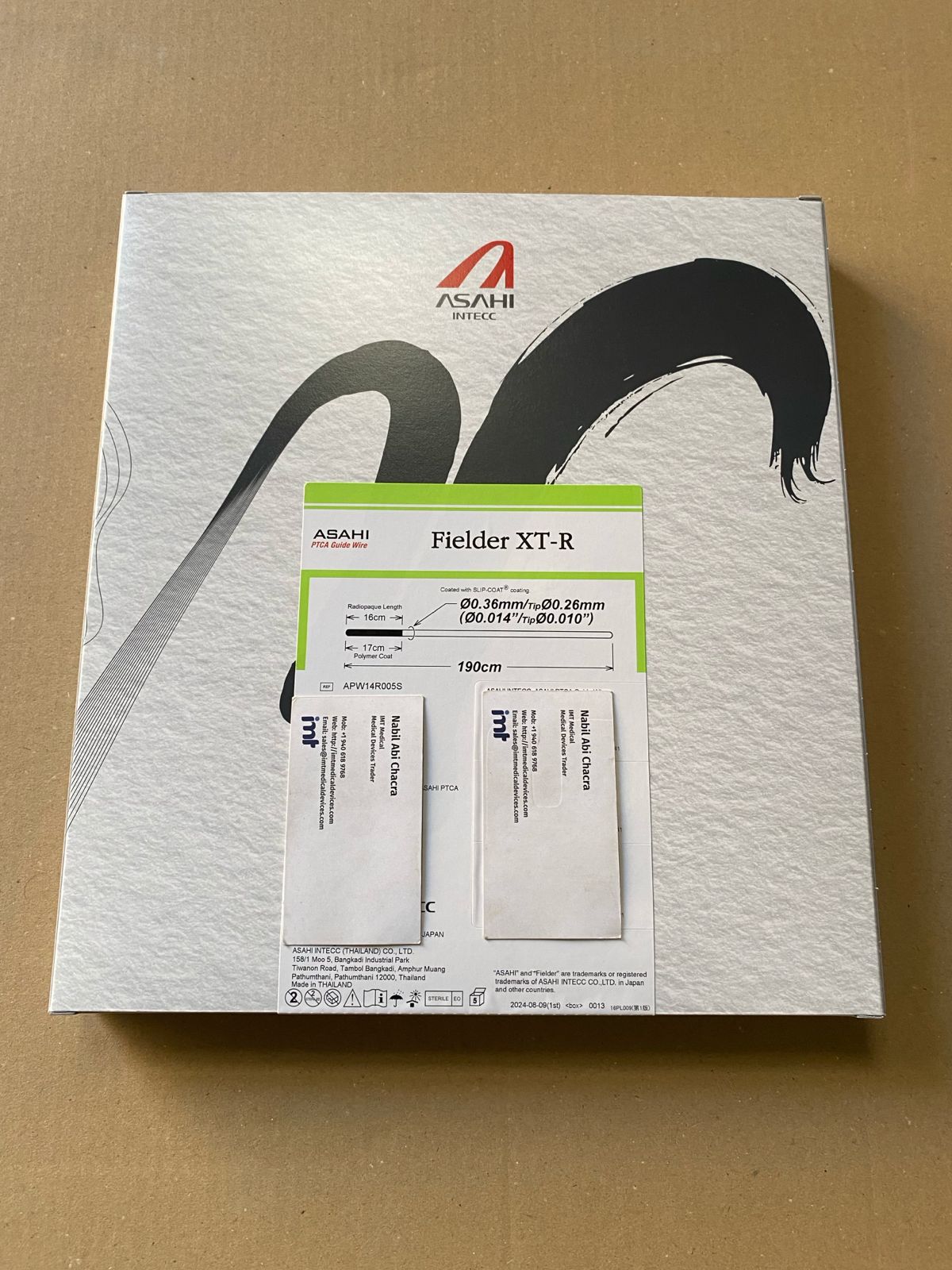
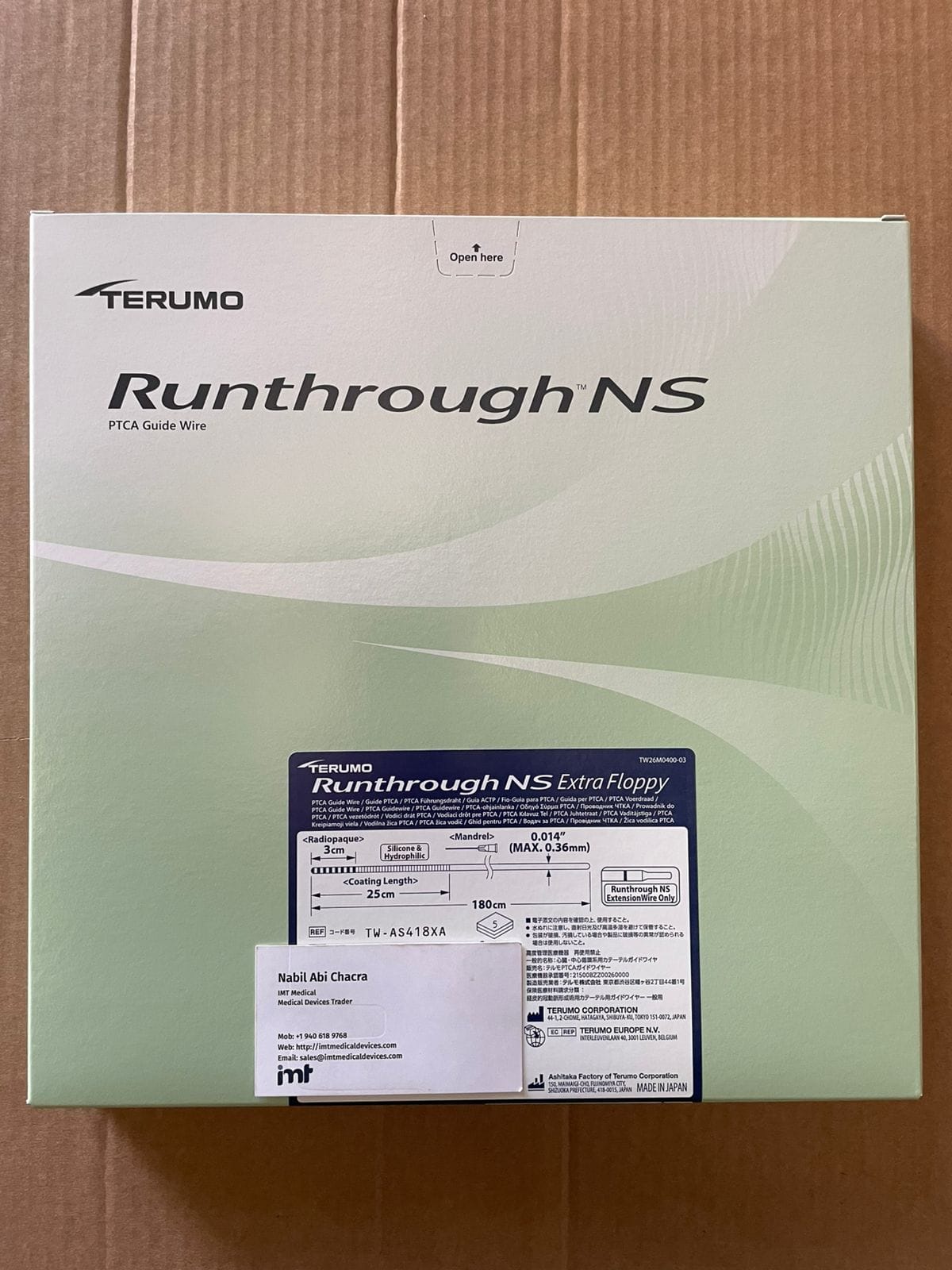
That means established branded products from manufacturers such as Medtronic, Boston Scientific, BD, Cordis, Terumo, and Abbott are often reviewed with more attention to exact model families and size matrices rather than general brand recognition alone. For distributors, this raises the importance of quoting exact product identifiers and confirming current availability before clinical teams commit to a case plan.
Evidence quality is still shaping demand
Another important trend in peripheral drug coated balloons is that evidence updates continue to influence real purchasing behavior. Buyers have become more disciplined about separating historical safety concerns, registry findings, randomized trial data, and real-world outcome reports.
In practice, this creates a two-track evaluation. First, physicians review whether a device has acceptable safety and performance support for their target indication. Second, procurement teams assess whether that product can be sourced consistently at the required sizes and lead times. A product with strong data but unstable supply will often lose to a clinically acceptable alternative that is easier to secure.
This is especially relevant in markets where hospitals do not want to depend on a local distributor with limited portfolio depth, or where competing distributors need access to branded inventory outside their usual channel. In those settings, the evidence discussion and the sourcing discussion happen together, not separately.
Lesion preparation is becoming part of the balloon conversation
Peripheral DCB purchasing is increasingly tied to lesion preparation strategy. That does not mean every case requires the same prep tools, but it does mean physicians are less likely to judge balloon performance without considering vessel prep quality.
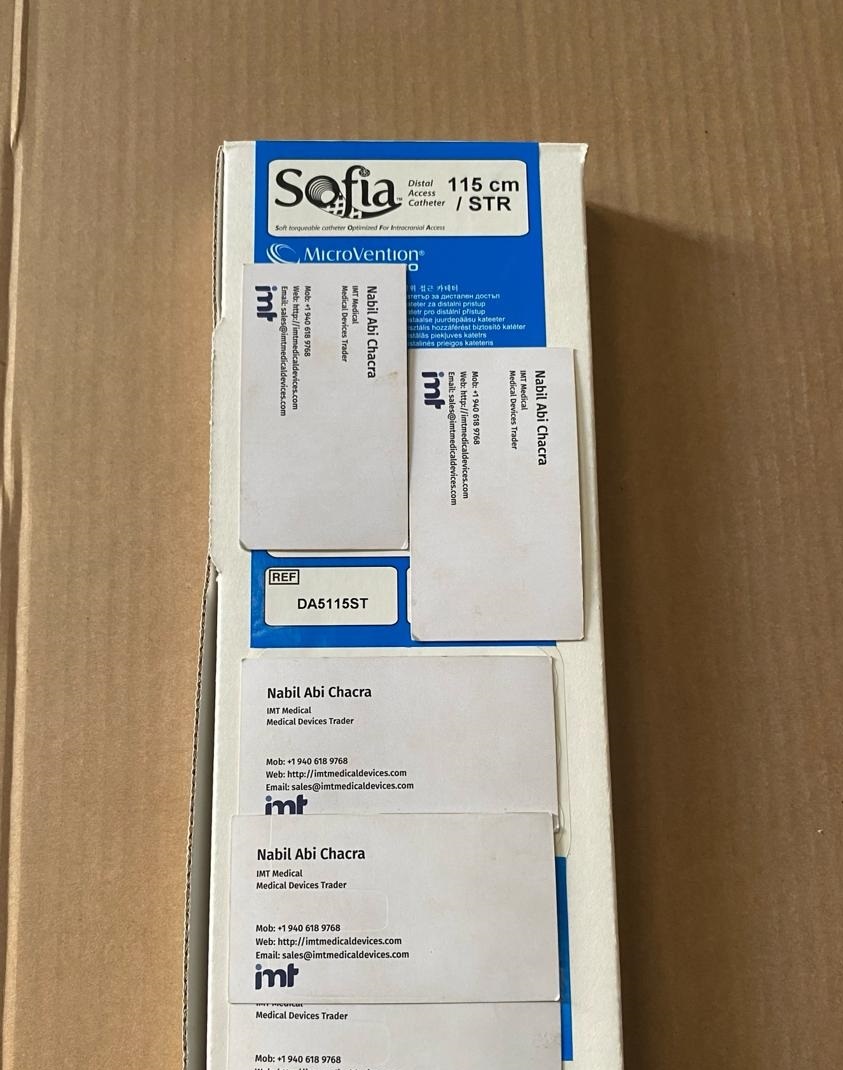
In calcified or diffuse disease, a DCB may underperform if lesion preparation is inadequate. Because of that, some buyers now review peripheral balloon inventories as part of a broader procedural set that may also include specialty balloons, atherectomy in selected workflows, guidewires, support catheters, and bailout stent options. The DCB is not being purchased in isolation. It is being fitted into a treatment pathway.
For supply planning, this has a direct impact. Buyers often prefer vendors that can support multiple parts of the case with branded products rather than only one device category. A sourcing partner that can quote peripheral balloons, guidewires, catheters, and closure products in one cycle reduces purchasing friction.
Deliverability and size range are getting more attention
Clinical performance remains central, but operational details are becoming more visible in quote requests. Deliverability in tortuous anatomy, shaft length options, crossing profile, and broad balloon diameter and length availability are now frequent points of comparison.
This is partly because peripheral interventions are not uniform across centers. Some hospitals are managing straightforward femoropopliteal disease. Others are handling more complex restenotic, long-segment, or access-related cases where device navigation becomes a larger issue. If a balloon platform has favorable data but limited size availability, it may not fit routine purchasing needs.
For distributors and hospital buyers, this means forecasting should be based on actual lesion mix, not just annual DCB volume. A center doing a high share of long lesions will need different stock depth than a center focused on shorter, less complex disease.
Supply reliability is now a competitive factor
One of the less discussed but very real trends in peripheral drug coated balloons is the increased weight placed on supply continuity. In many regions, clinicians already know the brands they prefer. The barrier is often not product awareness. It is access.
Backorders, inconsistent country-level distribution, and restricted local channel options can interrupt case scheduling and shift utilization toward whatever is available on short notice. That is not ideal for hospitals trying to standardize treatment patterns or for physicians trying to stay with a familiar platform.
This is why procurement-oriented buyers increasingly ask for exact branded inventory status, pack configuration details, manufacturing origin where relevant, and lead time clarity before moving ahead. On https://imtmedicaldevices.com, this is the practical side of category demand: product availability, identifiable brands, and quote-driven sourcing matter as much as category education.
Price pressure is real, but not simple
Budget pressure continues across peripheral vascular intervention, yet DCB selection is not moving in a straight line toward the lowest priced option. The trade-off is more complicated.
A lower unit price can look attractive, but if the device has narrower physician acceptance, limited size range, or weaker support for the intended lesion set, the total value is less convincing. On the other hand, premium-priced products also face more pressure to justify their position with clinical confidence and dependable supply.
This is where procurement teams are becoming more exact. They are asking whether the product can reduce repeat intervention burden in the intended population, whether physicians will actually use it consistently, and whether replacement or supplementary devices will be needed because of performance limitations. Price still matters, but it is being weighed against standardization and procedural predictability.
What buyers should watch next
The next phase of the category will likely be shaped by three forces: more indication-specific evidence, continued pressure on channel reliability, and closer alignment between physicians and procurement teams. Not every peripheral DCB will benefit equally.
Products with strong physician familiarity, clear supporting data, broad sizing, and stable sourcing are in the strongest position. Products that are hard to access, weakly differentiated, or poorly matched to local lesion mix will have a harder path even if the category itself remains active.
For hospitals, doctors, and distributors buying outside entrenched local channels, the practical move is to assess peripheral DCBs the same way they assess any high-acuity interventional device: exact brand, exact model, exact sizes, exact availability, and a realistic fit for the cases being treated. That approach usually leads to fewer surprises and faster quote decisions.
The useful question now is not whether the peripheral DCB market is growing or slowing. It is whether the product you need for the next case is clinically accepted, operationally available, and ready to ship when your lab needs it.