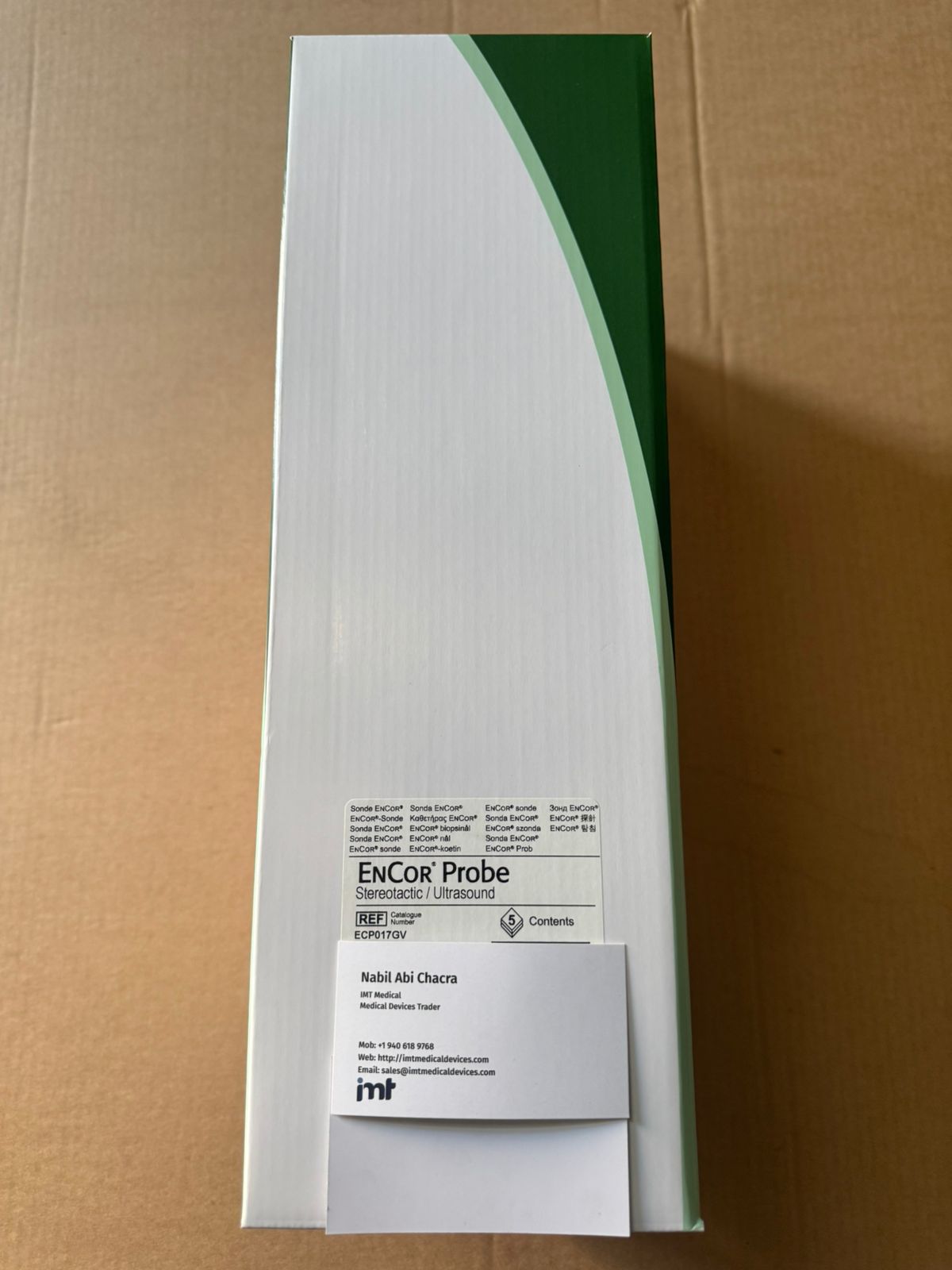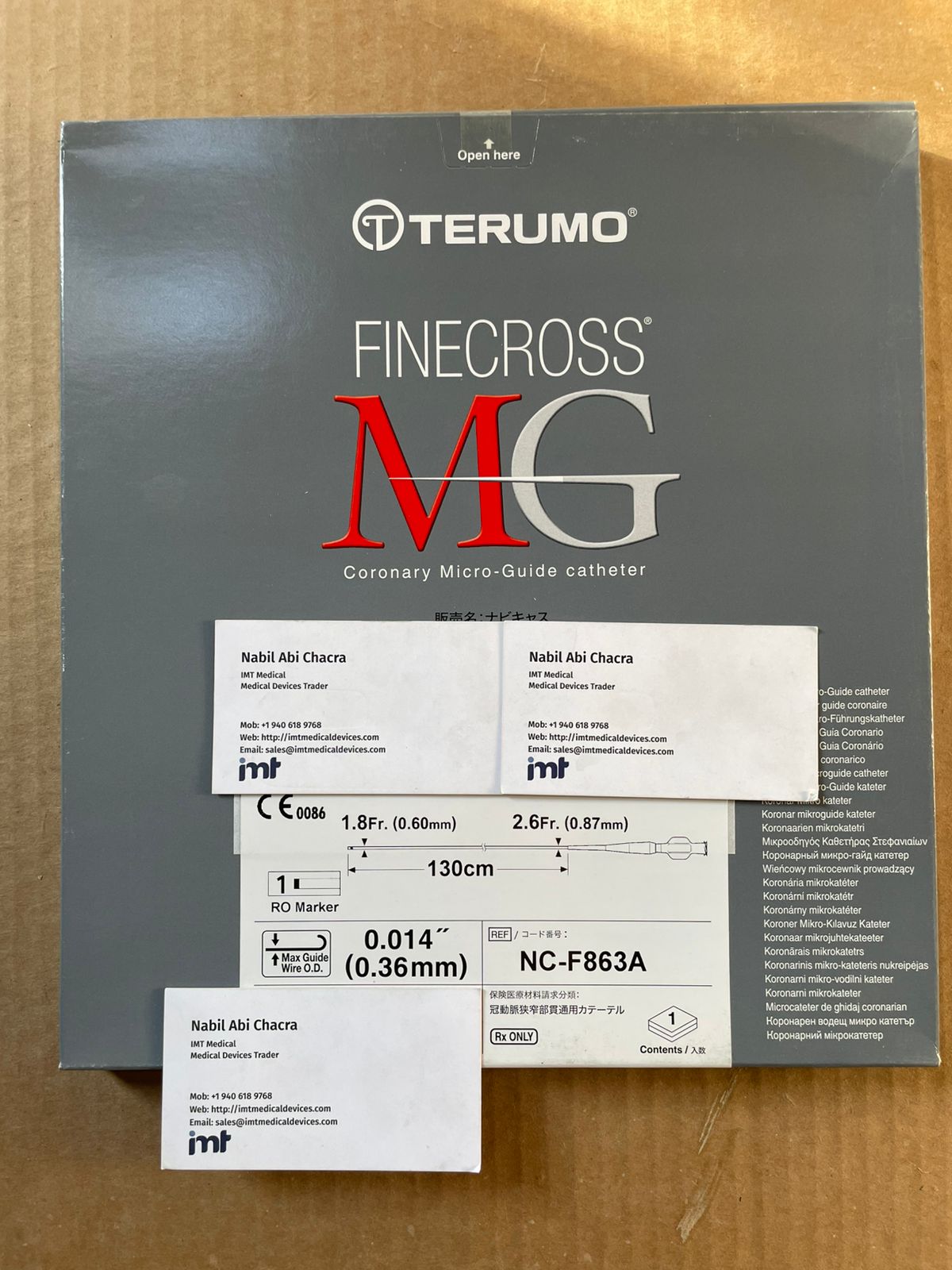

Peripheral Intervention Buying Guide
A peripheral intervention buying guide is only useful if it reflects how purchasing decisions are actually made - by procedure mix, physician preference, brand requirements, and supply continuity. For hospitals, cath labs, and medical distributors, the issue is rarely whether a product category is needed. The real question is which branded devices, in which sizes and configurations, can be sourced reliably and repeatedly without creating delays at the case level.
Peripheral intervention procurement is more complex than a simple category purchase. A PTA balloon is not interchangeable with every other PTA balloon. A self-expanding stent is not selected on name alone. Guidewire selection depends on lesion profile, crossing strategy, support needs, and operator familiarity. That is why buyers who treat peripheral as a commodity category often end up with avoidable substitutions, fragmented orders, or inventory that does not match physician demand.
How to use this peripheral intervention buying guide
Start with the procedural environment, not the catalog. A facility focused on femoropopliteal work will not build the same inventory profile as one handling below-the-knee interventions or dialysis access cases. The right purchasing approach begins by mapping high-volume procedures to the branded product families physicians already use or accept.
That sounds obvious, but it is where many sourcing issues begin. Procurement teams may receive a broad request such as peripheral balloons, peripheral guidewires, or stent systems, while the clinical requirement is much narrower. Diameter range, shaft length, crossing profile, coating type, platform, and delivery characteristics all affect whether a device is clinically usable. When buyers request quotes with incomplete specifications, the sourcing cycle slows down and substitution risk increases.
The better approach is to purchase around a defined matrix. Identify the core procedures, then align that demand with exact device categories and preferred brands. In peripheral intervention, this usually means reviewing balloons, stents, guidewires, guiding and diagnostic catheters, micro catheters where relevant, support catheters, introducers, and closure-related accessories depending on the workflow.
Product categories that matter most
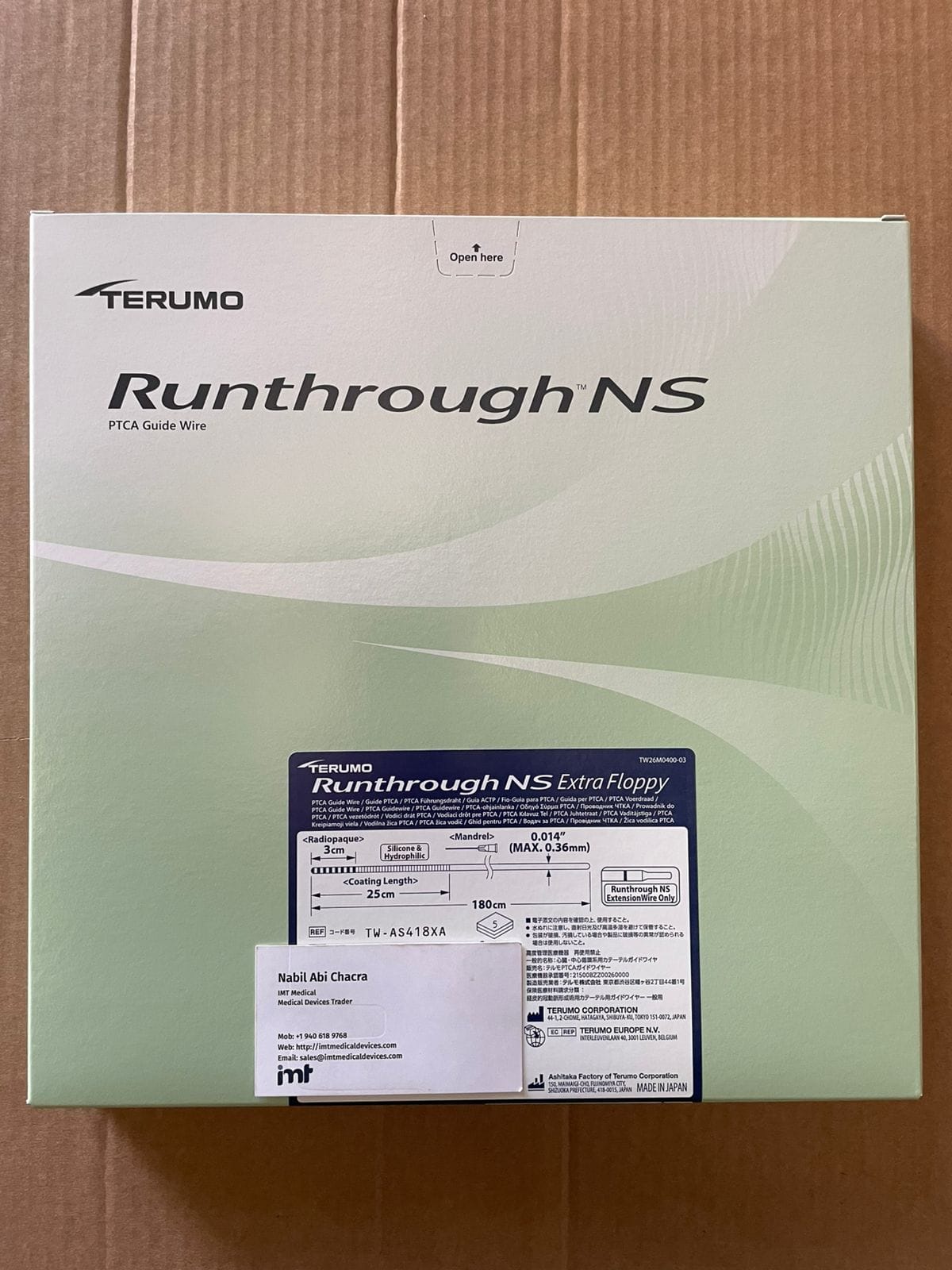
Peripheral balloons are often the highest-frequency line item, but even within this category, requirements vary significantly. Standard PTA balloons may be sufficient for routine dilatation, while specialty balloons may be needed for specific lesion types or treatment strategies. Buyers should confirm whether physicians require particular balloon platforms because of pushability, trackability, or familiarity with inflation behavior. Small differences become operationally important when repeat cases depend on them.
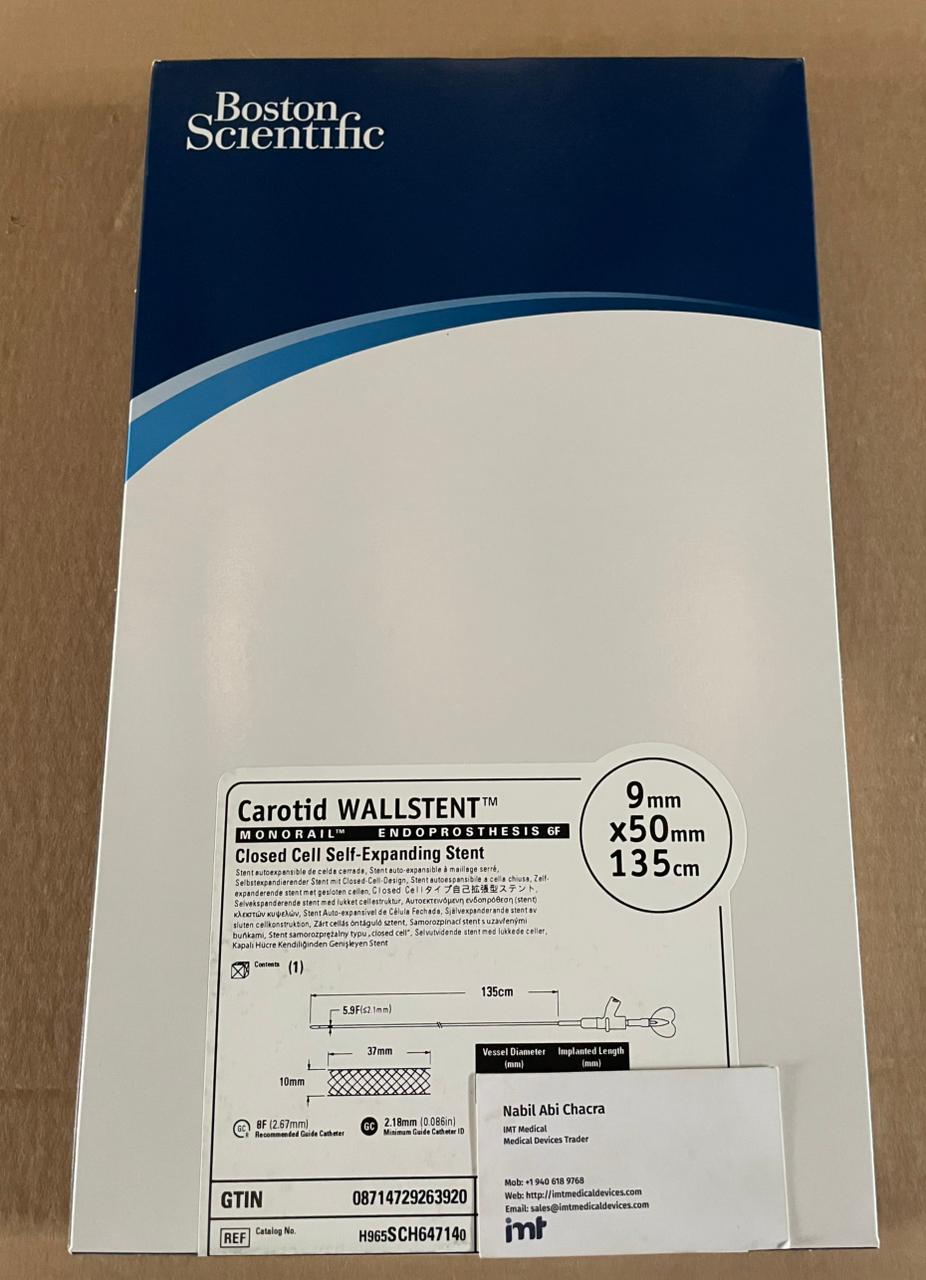
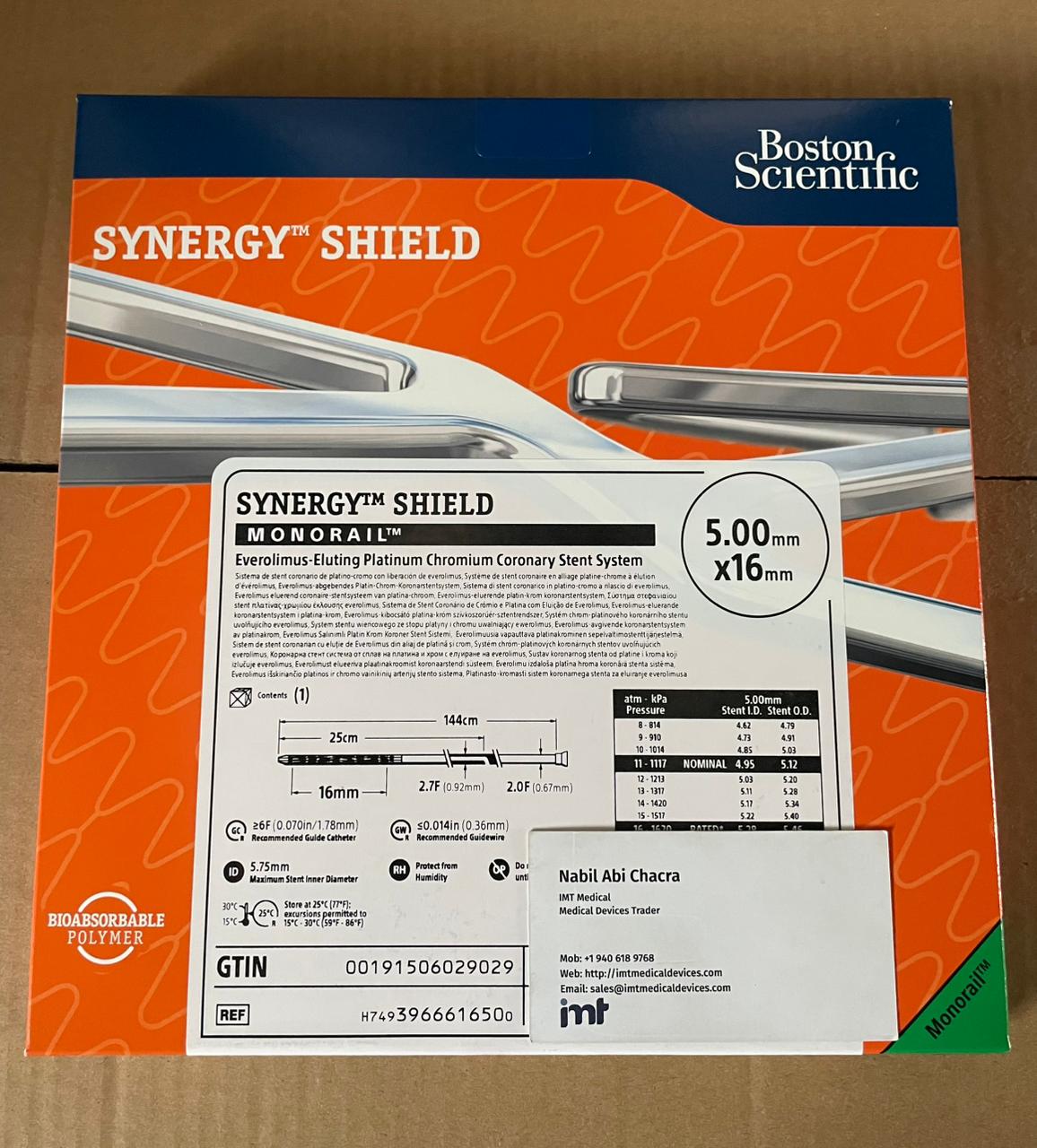
Peripheral stents require even tighter purchasing discipline. The main distinction is not simply bare metal versus another configuration, but lesion location, vessel characteristics, deployment method, and physician preference for specific branded platforms. Self-expanding systems may dominate one facility's case mix, while another may need a broader spread of sizes to support more varied anatomy. If the procurement team is not aligned with the procedural team, inventory can look adequate on paper while remaining incomplete for actual use.
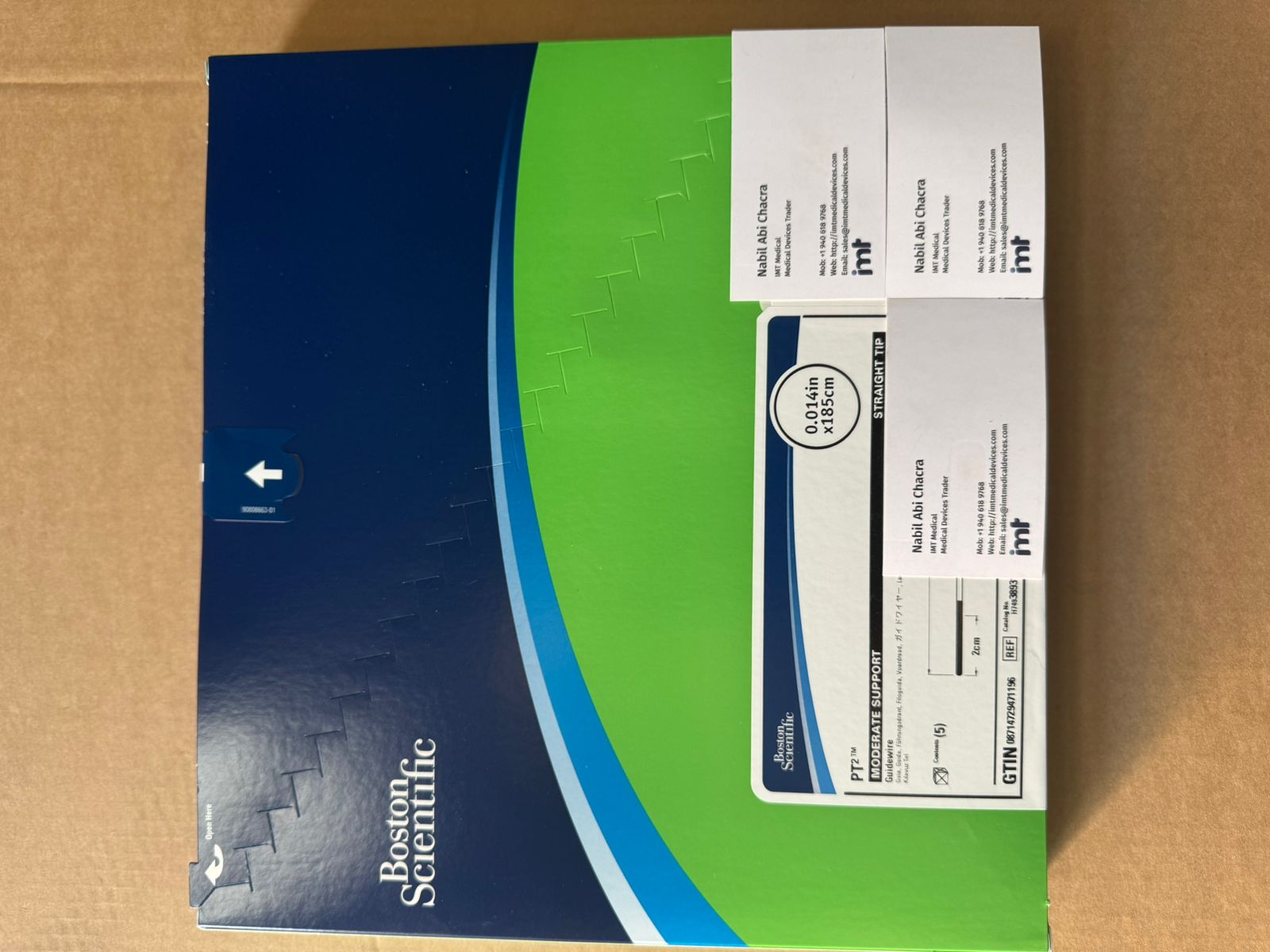
Guidewires are another category where oversimplification causes problems. Buyers should not group all peripheral wires into one purchasing bucket. Diameter, length, tip load, coating, support, and intended vessel territory all affect utility. A quote request that names a manufacturer and product family, along with the most-used configurations, is usually far more efficient than a generic request for peripheral guidewires.
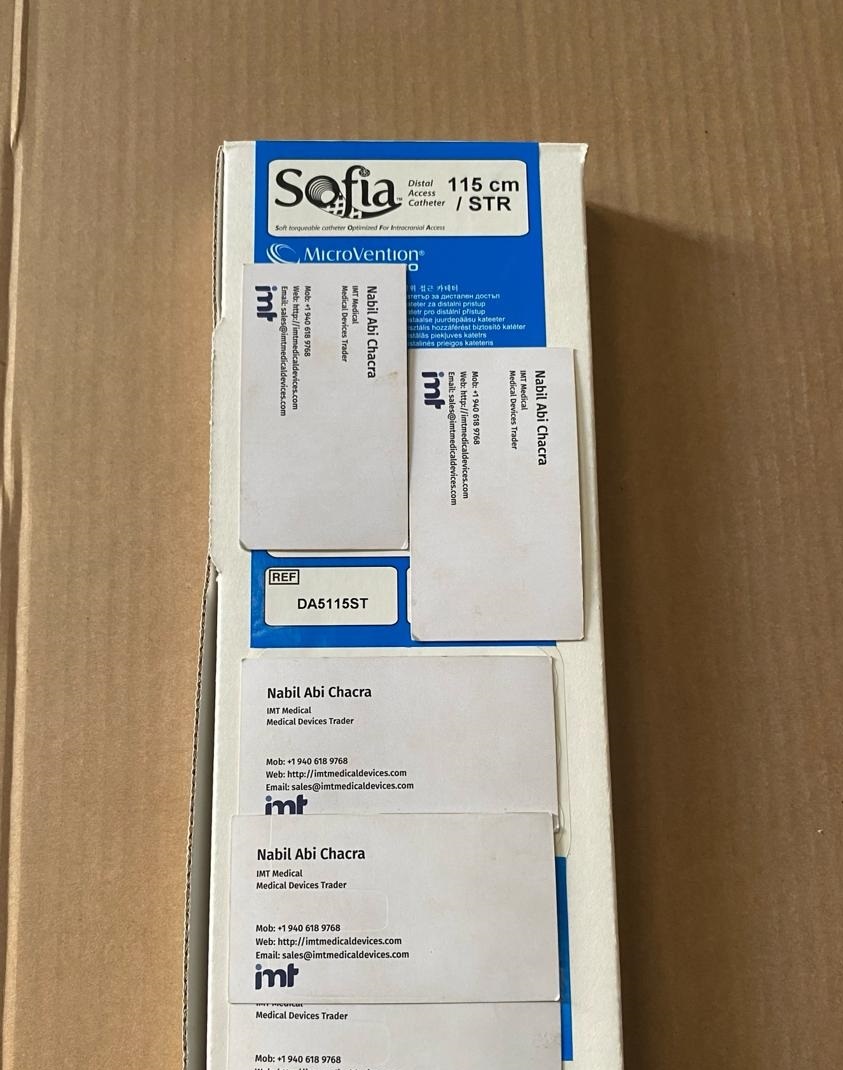
Catheters and support devices deserve the same level of specificity. Diagnostic catheters, guiding catheters, crossing catheters, and micro catheters may all appear secondary in a purchasing review, yet one missing catheter type can disrupt an entire case setup. For procurement teams managing multiple intervention lines, this is where a single-source or consolidated sourcing model often adds value. It reduces the time spent coordinating across separate vendors for clinically connected product families.
Brand, SKU, and specification accuracy
Professional buyers rarely need convincing that branded devices matter. The issue is maintaining specification accuracy across large or recurring orders. In peripheral intervention, product family names alone are not enough. A valid purchasing request should be built around exact SKUs whenever possible, or at minimum around full product descriptors that narrow the selection to a specific configuration.
This matters for two reasons. First, it protects clinical consistency. Second, it reduces quote revisions and shipping errors. International procurement adds another layer because buyers may be consolidating orders for several facilities, regions, or distributor channels at once. In that setting, even small nomenclature errors can create delays.
A disciplined peripheral intervention buying guide should therefore emphasize three levels of product identification: manufacturer, product family, and exact configuration. If one of those is missing, the buyer should expect follow-up clarification before pricing and availability can be confirmed.
Supply continuity is part of the buying decision
Price matters, but for peripheral intervention, supply continuity usually matters more. A lower-cost sourcing option becomes expensive quickly if it introduces backorders, partial shipments, or inconsistent availability across high-use SKUs. For hospitals and distributors, the practical cost is not only procurement time. It can affect scheduling, inventory planning, physician satisfaction, and downstream purchasing behavior.
This is why experienced buyers evaluate suppliers on availability discipline, not only on line-item pricing. Can the supplier source multiple recognized brands through one procurement channel? Can they support repeat orders on the same product families? Can they manage export documentation and cross-border fulfillment when the order is intended for international delivery? Those are commercial questions, but they have direct operational consequences.
For many procurement teams, consolidation is the most efficient answer. Instead of sourcing balloons from one partner, guidewires from another, and catheters from a third, they prefer a supplier that understands intervention categories and can quote across a broader branded portfolio. That does not eliminate the need for technical precision. It simply makes the ordering process faster and easier to manage.
A practical checklist for peripheral intervention procurement
The most effective peripheral intervention buying guide is not built around broad advice. It is built around ordering discipline. Before requesting a quote, buyers should confirm the intended procedure set, preferred manufacturers, exact SKUs or size ranges, required quantities, and whether any substitute brands are clinically acceptable.
It is also worth separating must-have products from acceptable alternatives. Some lines are physician-locked and should only be sourced in the named brand and configuration. Others may allow flexibility if availability changes. Making that distinction early helps procurement teams move faster when supply conditions shift.
Lead time expectations should be discussed early as well. This is especially relevant for export orders, consolidated distributor purchases, or facility groups buying in volume. A supplier may be able to source the required branded products, but timing, documentation, and shipment structure still need to align with the buyer's internal planning.
What buyers often miss in a peripheral intervention buying guide
The most common mistake is treating peripheral intervention as one homogenous category. It is not. Femoropopliteal, infrapopliteal, iliac, and access-related interventions can create very different inventory profiles. A product mix that works well for one service line may leave another under-supported.
Another common issue is underestimating physician preference. In procurement, standardization is attractive. In intervention, standardization only works when it aligns with operator acceptance. If the team forces broad product simplification without checking clinical realities, savings on paper can lead to workarounds in practice.
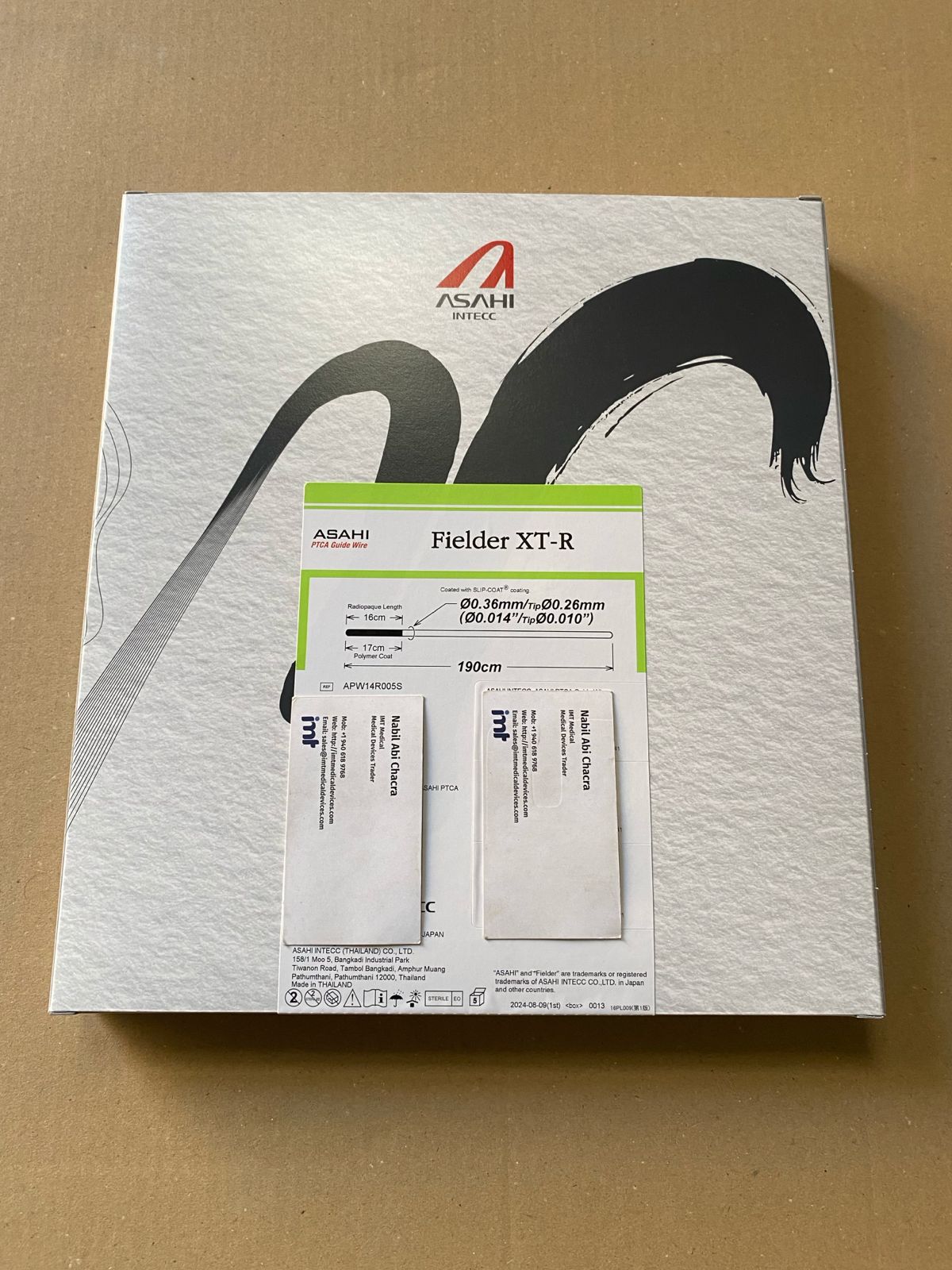
The final issue is fragmentation. When procurement is split across too many suppliers, visibility drops. Brand consistency becomes harder to maintain, repeat ordering takes longer, and backorder management becomes more labor-intensive. For branded peripheral product lines from manufacturers such as Terumo, Boston Scientific, Medtronic, Abbott, Cordis, and Asahi, buyers generally benefit from working with sourcing partners who understand the nomenclature and can support cross-category procurement with precision.
For organizations buying in volume, especially across international markets, the strongest purchasing position comes from clarity. Know the procedure mix. Know the preferred brands. Know the SKUs that cannot change. Once those are defined, sourcing becomes less about searching and more about execution. That is where a procurement-focused supplier such as IMT Medical Devices can add value - not by simplifying the clinical requirement, but by helping buyers source the exact branded peripheral intervention products they already know they need.
The most useful buying decision is usually the one that prevents the next problem before it starts: the wrong size, the missing catheter, the avoidable substitution, or the delayed repeat order.