

Progreat Microcatheter Review for Buyers
When a case calls for selective access in tortuous anatomy, the difference between an acceptable microcatheter and a preferred one usually shows up fast - trackability, push response, tip stability, and compatibility all become procurement issues, not just operator preferences. This Progreat microcatheter review is written from that practical purchasing perspective, with attention to where the device fits, what buyers should verify, and where trade-offs may matter across interventional radiology and embolization workflows.
Progreat microcatheter review: where it fits
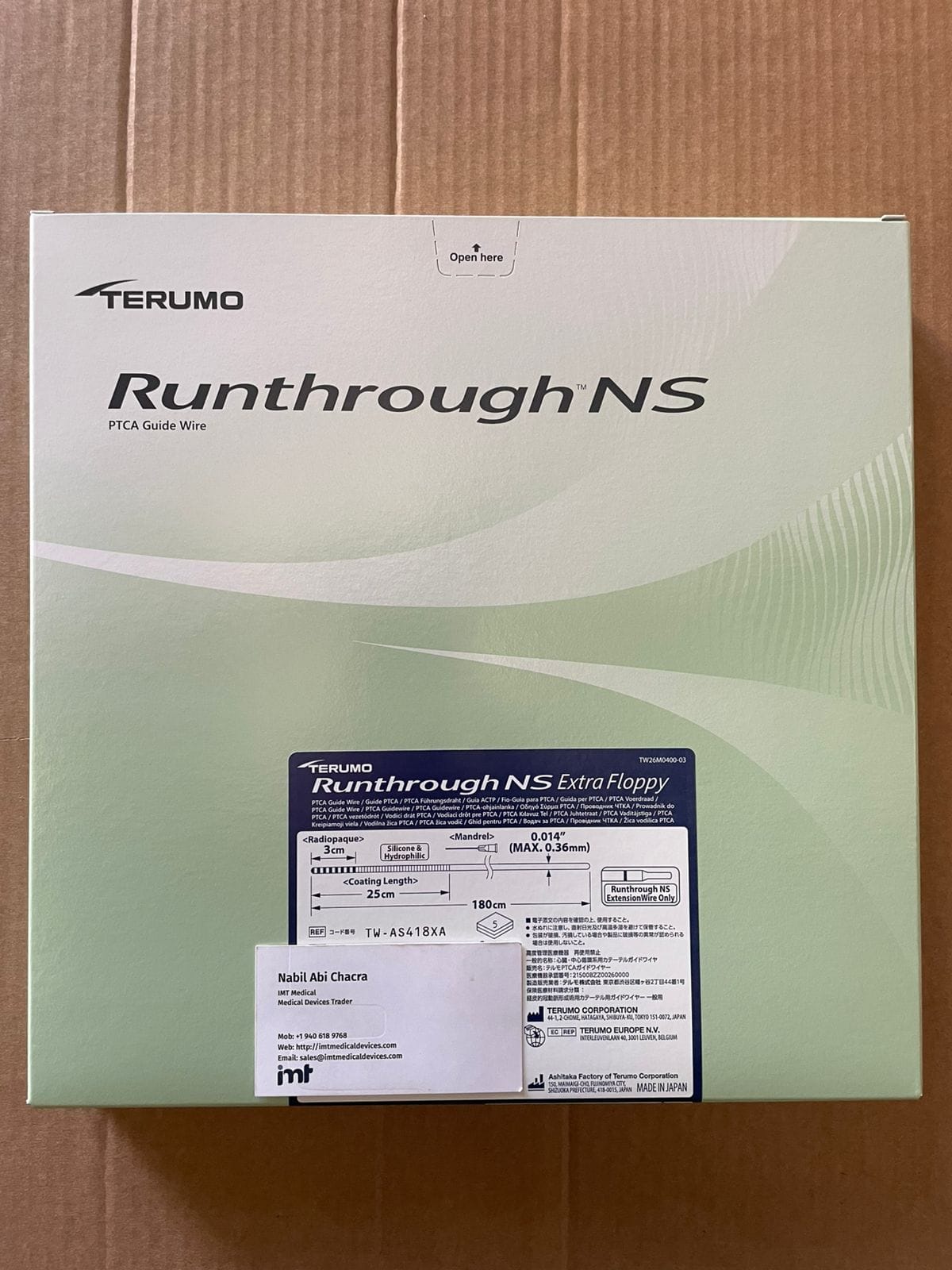
Terumo's Progreat line is widely recognized in embolization and selective catheterization work, particularly in peripheral and visceral applications where controlled navigation and dependable contrast delivery matter. For buyers, that matters because this is not a niche product with unclear market acceptance. It is an established branded SKU family that many physicians already know by name.
The practical appeal of Progreat is straightforward. It is designed to support selective access through challenging vessel paths while maintaining a balance between flexibility and support. In procurement terms, that typically translates into fewer questions from clinicians about unfamiliar alternatives and a smoother path when standardizing branded microcatheter inventory.
That said, a branded product with strong recognition is not automatically the right choice for every account. Product selection still depends on procedure mix, physician preference, compatible guidewire inventory, and the specific size configuration required by the service line.
Design characteristics buyers should pay attention to
A useful Progreat microcatheter review should start with the features that influence actual use and stocking decisions. The Progreat platform is known for a hydrophilic coating and a construction intended to improve deliverability through tortuous vessels. For interventional teams, that generally supports smoother advancement and selective engagement. For procurement teams, it means the product has a clear use-case profile rather than being a generic microcatheter option.
Another key consideration is the available size range and configuration selection. Hospitals and distributors should not treat microcatheters as interchangeable across departments. A facility focused on embolization in oncology, trauma, or uterine interventions may prioritize different Progreat sizes than a center with broader peripheral intervention needs. The relevant question is not whether the line is good in general, but which configuration aligns with the physicians' normal guidewire and embolic workflows.
Tip behavior also matters. Microcatheters that track well but do not hold position adequately can create frustration in demanding anatomy. Progreat has a strong reputation for balancing navigability with sufficient support for selective delivery. Still, expectations should remain procedural. Operators looking for one specific feel in highly distal work may compare it against other premium microcatheter families based on subtle performance differences rather than headline specifications alone.
Performance in real purchasing terms
From a buyer's standpoint, performance has to be understood beyond brochure language. The reason Progreat remains relevant in many interventional settings is that it has a dependable clinical reputation in embolization-related procedures. That often reduces resistance during product evaluation because physicians may already have prior familiarity from training or previous employment.
Trackability is one of the main strengths associated with the line. In practical use, that means the device is often selected when access through curved or narrow vessels is expected. A microcatheter that reaches target anatomy with less manipulation can support procedural efficiency, though performance will still depend on guidewire pairing and operator technique.
Torque response and pushability are more nuanced. Some buyers focus heavily on one feature and overlook the balance required in practice. A highly supportive catheter may sacrifice some distal softness, while a very flexible design may reduce push transmission. Progreat is generally positioned in the market as a well-balanced option rather than an extreme design optimized for one narrow scenario. For many departments, that is exactly the point. A balanced premium microcatheter often supports wider usability across routine embolization cases.
Radiopacity and visualization should also be considered, especially in facilities standardizing products for multiple operators. If physician preference varies, devices with predictable fluoroscopic visibility usually face fewer complaints after implementation. This is another area where recognized branded lines tend to perform well because product consistency is part of the value proposition.
Progreat microcatheter review: strengths and trade-offs
The most notable strength of Progreat is market trust. Terumo has strong brand equity in access and catheter-based devices, and that matters in B2B procurement. Buyers are not only purchasing a microcatheter. They are purchasing acceptance, familiarity, and reduced uncertainty.
A second strength is procedural versatility. Depending on the exact SKU, Progreat can fit a broad range of embolization and selective catheterization applications. For inventory planning, that can help reduce overcomplication if the facility wants a dependable branded line with enough configuration depth to cover common requirements.
A third strength is sourcing stability compared with less established brands. In international procurement, recognized manufacturers are often easier to validate internally from a compliance and physician acceptance standpoint. That is especially useful for distributors and resellers supplying hospitals that insist on exact brand references.
The trade-offs are predictable. First, premium branded devices are rarely the lowest-cost option. If a buying team is under strict budget pressure, the conversation may shift from best-known product to acceptable substitute. In those situations, the value of Progreat has to be justified by clinician demand, procedural reliability, and reduced need for trial-based substitutions.
Second, not every operator will prefer the same microcatheter platform. Some physicians are highly brand-specific based on years of use in complex cases. Others are more flexible if sizing and compatibility are correct. A buyer should confirm whether Progreat is a requested product, a clinically approved equivalent, or part of a broader standardization review.
Third, broad product recognition can increase demand volatility. Popular branded SKUs may face tighter market availability at certain times depending on region and procurement cycle. This is where working with a wholesale supplier experienced in branded device sourcing becomes operationally important.
What hospitals and distributors should verify before ordering
Before placing a volume order, buyers should verify the exact reference, French size, length, inner diameter, and guidewire compatibility required by the end user. This sounds basic, but microcatheter procurement errors often happen because the product family name is recognized while the procedural specification is not confirmed. The result is unnecessary back-and-forth, delayed use, or nonmoving stock.
It is also worth checking which departments will use the product. Interventional radiology, oncology intervention, trauma teams, and peripheral specialists may all request a Progreat microcatheter, but not necessarily the same configuration. Consolidated purchasing only works when service-line requirements are mapped correctly.
For distributors, account-level buying behavior matters. Some customers want a single requested SKU and will not consider substitutions. Others want a branded option from a recognized manufacturer within a target specification range. Understanding that distinction can prevent overstocking the wrong variants.
Documentation and packaging requirements should be reviewed early in export transactions. International buyers may need specific commercial invoices, lot traceability, shelf-life confirmation, and shipping detail before release. A supplier handling branded wholesale products at scale should already understand those expectations.
Is Progreat the right microcatheter for your inventory?
For many professional buyers, the answer depends less on whether Progreat is a credible device and more on whether it fits the clinical pattern of the account. If the physicians already use Terumo platforms, if embolization volume is steady, and if branded acceptance matters, Progreat is often an efficient purchasing choice. It carries established recognition and supports straightforward conversations with clinical teams.
If the account is cost-driven and open to multiple brands, the decision may require closer comparison on price, procedural use, and configuration overlap. In that setting, the strongest argument for Progreat is consistency and physician familiarity rather than headline novelty. That is often enough, but it should be matched to account priorities.
For international buyers, one additional factor matters: sourcing reliability across branded portfolios. If your procurement process involves consolidating multiple device categories from one partner, it is often more efficient to work with a supplier that understands quote-based hospital and distributor demand rather than a retail-style sales model. IMTMedicalDevices.com operates in that procurement-focused space, supplying branded interventional products for professional buyers across global markets.
A practical way to view Progreat is this: it is not a speculative product choice. It is a known branded microcatheter line with established procedural relevance, especially where selective access and embolization support are routine. The best purchasing decision comes from matching the exact Progreat configuration to actual case demand, physician preference, and sourcing continuity so the product performs well both in the lab and on the inventory report.
When a device category is this specification-sensitive, the safest buying decision is usually the one that starts with exact references, not assumptions.