
Runthrough NS Guidewire Buying Guide
What buyers mean when they ask for Runthrough NS
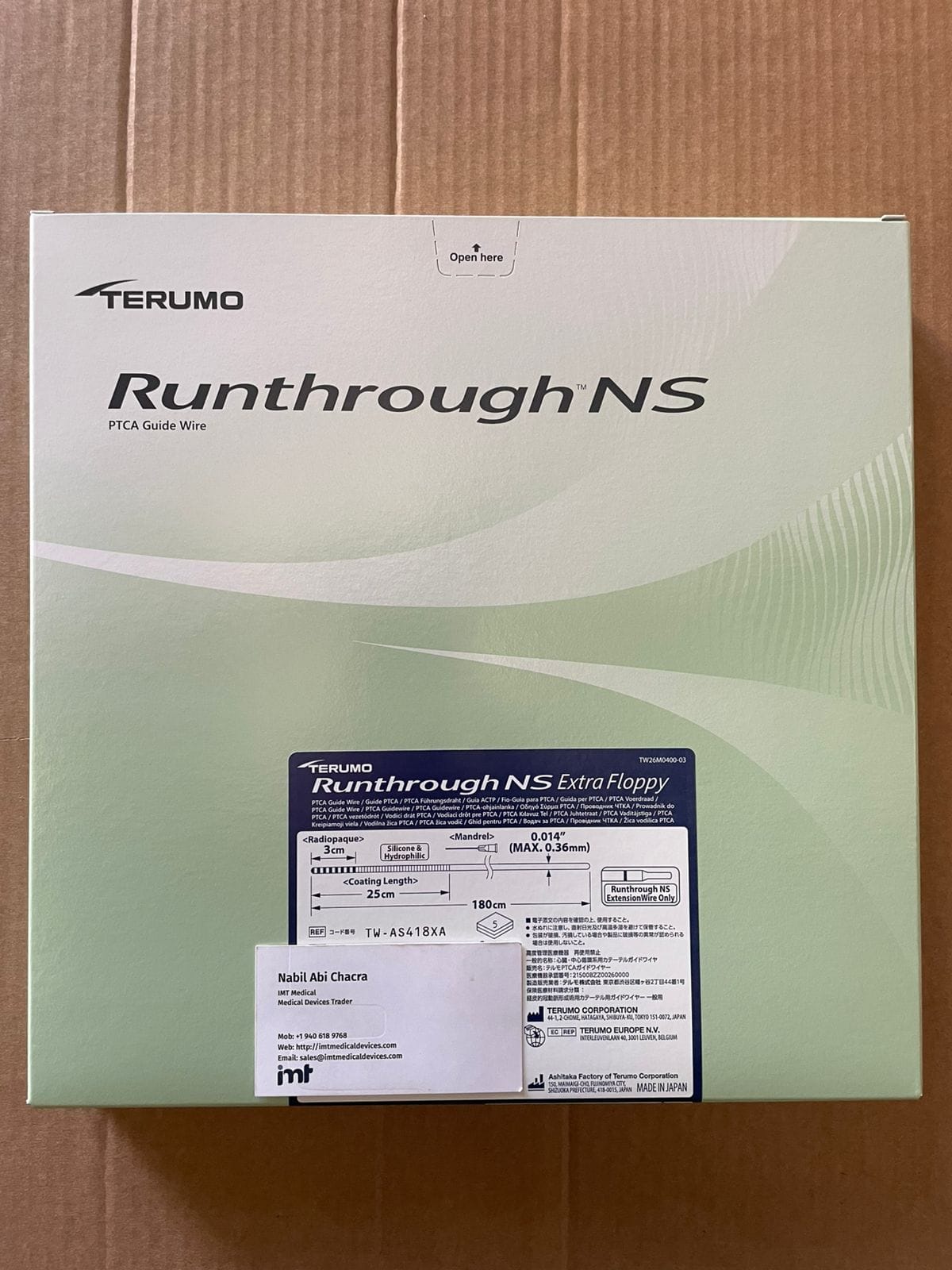
When a cath lab asks for a runthrough ns wire, the request is usually not broad. It is specific. The buyer typically already knows the family, the diameter, the length, and whether the preference is standard support or a related wire with different handling characteristics.
That matters in procurement. Guidewires are not interchangeable just because they sit in the same coronary category. In routine PCI, a wire choice affects trackability, lesion access, device delivery, and physician comfort. For hospitals, independent distributors, and physicians buying outside incumbent local channels, the practical issue is simple: getting the exact wire requested, from the expected manufacturer line, with clear identifiers and no ambiguity.
Runthrough NS is widely recognized in coronary intervention as a workhorse guidewire option used in a broad range of lesions. Buyers looking for it are usually balancing three things at once: physician familiarity, procedural versatility, and stock reliability.
Why Runthrough NS stays on purchasing lists
The reason Runthrough NS remains a repeat-order item is not marketing language. It is usage pattern. In many labs, this wire is treated as a first-line or default coronary workhorse wire because it offers a handling profile that fits a large percentage of standard cases. That reduces decision friction during procedures and simplifies shelf planning.
From a sourcing standpoint, this kind of product tends to appear in stable reorder cycles. If a lab uses the same wire family across multiple operators, purchasing teams prefer consistent replenishment rather than frequent substitutions. A switch to an alternate wire may be clinically acceptable in some cases, but it can still create unnecessary resistance if physicians have established preference and muscle memory with Runthrough NS.
For distributors competing with entrenched local suppliers, this is often where the opportunity starts. If you can quote the exact requested branded wire quickly and accurately, you remove one of the main reasons a buyer stays with an existing channel.
Runthrough NS specs that matter in a quote request
In this category, the product family name alone is not enough. A usable RFQ should match the wire configuration the physician or lab actually needs. With coronary guidewires, buyers generally care about the same core fields every time: diameter, length, tip characteristics, packaging, and manufacturer reference.
For a runthrough ns request, the most common commercial checkpoint is whether the requirement is for a 0.014 inch coronary guidewire and what shaft length is needed for the intended workflow. Beyond that, the buyer may care less about marketing descriptors and more about consistency with prior stock.
If a hospital sends only the product family name, the best next step is not guessing. It is confirming the exact product code or prior invoice reference. This avoids preventable delays, especially when the request comes from a physician who expects the same wire used in previous cases.
The difference between a family request and a line-item request
A family request says, "quote Runthrough NS." A line-item request says, "quote this exact reference." Procurement teams should treat those two requests differently.
A family request still needs qualification. The lab may be open to multiple lengths within the same family, or it may be using the name loosely to describe a preferred workhorse profile. A line-item request usually means the SKU is fixed and substitution is not acceptable without clinical approval.
In interventional supply chains, this distinction saves time. It also lowers return risk.
Where Runthrough NS fits in coronary inventory planning
Most cath labs do not build coronary wire inventory around one device alone. They carry a mix: workhorse wires, polymer-jacketed options, higher support wires, specialty CTO tools, and backup choices in case operator preference changes mid-case.
Runthrough NS generally sits in the workhorse segment. That means it is often stocked at higher velocity than niche specialty wires. For purchasing teams, high-velocity items need a different replenishment mindset than slow-moving specialty inventory. The cost of stockout is higher because usage is broader and substitutions may be less welcome.
There is also a shelf efficiency advantage. A reliable workhorse wire can cover a substantial share of everyday coronary cases, which helps labs avoid over-fragmenting inventory across too many similar SKUs. The trade-off is that relying too heavily on one family can expose the lab to supply disruption if alternate approved options are not already validated.
What to verify before placing a Runthrough NS order
Before issuing a PO, buyers should confirm the exact reference, manufacturer, sterile packaging status, requested quantity, and preferred shipping timeline. In this segment, one missing detail can turn a same-day quote into a back-and-forth exchange that costs procedure planning time.
It is also worth checking whether the request is for routine stock, urgent case coverage, or distributor resale. Those are different logistics problems. Routine stock orders can be optimized for price and consolidation. Urgent case coverage is driven by availability and dispatch speed. Resale orders often require tighter control around reference accuracy, batch handling, and export documentation.
If the request comes from a doctor rather than central purchasing, it is useful to confirm whether the hospital will accept the exact sourced unit without local distributor involvement. This is especially relevant in markets where physicians are seeking alternatives because incumbent supply relationships are slow or restrictive.
Common causes of delay
The most common delay is incomplete product identification. The second is assuming that all workhorse coronary wires can be switched without objection. The third is not aligning quantity with packaging and freight realities.
For example, a small urgent request may be clinically simple but commercially inefficient if export handling and shipping lead time are not discussed upfront. On larger repeat orders, the bigger issue is often making sure future replenishment can follow the same exact specification.
Sourcing Runthrough NS without local distributor dependency
For buyers outside preferred local channels, the main issue is control. They want access to branded interventional devices without being limited by local exclusivity behavior, slow response, or narrow inventory positions. In that context, a runthrough ns request is rarely just about one wire. It is a test of whether the supplier can handle branded cath lab procurement in a precise, repeatable way.
A useful supplier response should include exact product identification, realistic stock status, quote speed, and category adjacency. If the buyer also needs balloon catheters, guiding catheters, microcatheters, aspiration catheters, coils, stents, or closure devices from major manufacturers, the transaction becomes more efficient when those items can be sourced through the same channel.
That is where distributor-level capability matters. A professional buyer does not want general claims. They want confirmation that the supplier understands branded interventional lines and can work from exact references across manufacturers such as Medtronic, Boston Scientific, Asahi, MicroVention, Terumo Neuro, Terumo, Cordis, Abbott, and others.
Runthrough NS vs alternative workhorse wires
This is where nuance matters. A workhorse wire is not selected in a vacuum. Physician feel, lesion type, vessel anatomy, support needs, and device strategy all influence the choice. Runthrough NS may be the preferred first wire for one operator and only a backup for another.
From a purchasing perspective, the right question is not whether Runthrough NS is universally better than another workhorse wire. It is whether your physicians want this specific wire on the shelf often enough that inconsistent access creates case friction. If the answer is yes, the business case for stocking it is straightforward.
If the answer is mixed, inventory planning may need a tiered approach. One or two workhorse families can serve as primary stock, while lower-volume preferences are carried in smaller quantities. That approach protects physician autonomy without overloading inventory with overlapping SKUs.
How to send a usable RFQ for Runthrough NS
The fastest RFQs are the ones that read like line-item procurement, not general inquiry. If you are requesting runthrough ns, include the product reference if available, desired quantity, target delivery window, shipping destination, and whether the order is routine or urgent. If you have a prior purchase record, include that too.
For distributor buyers, add any resale requirements such as labeling expectations, documentation needs, and repeat-order forecast. For hospitals, note whether the request is tied to physician preference, scheduled cases, or replenishment min-max levels. Those details help the supplier quote accurately on the first pass.
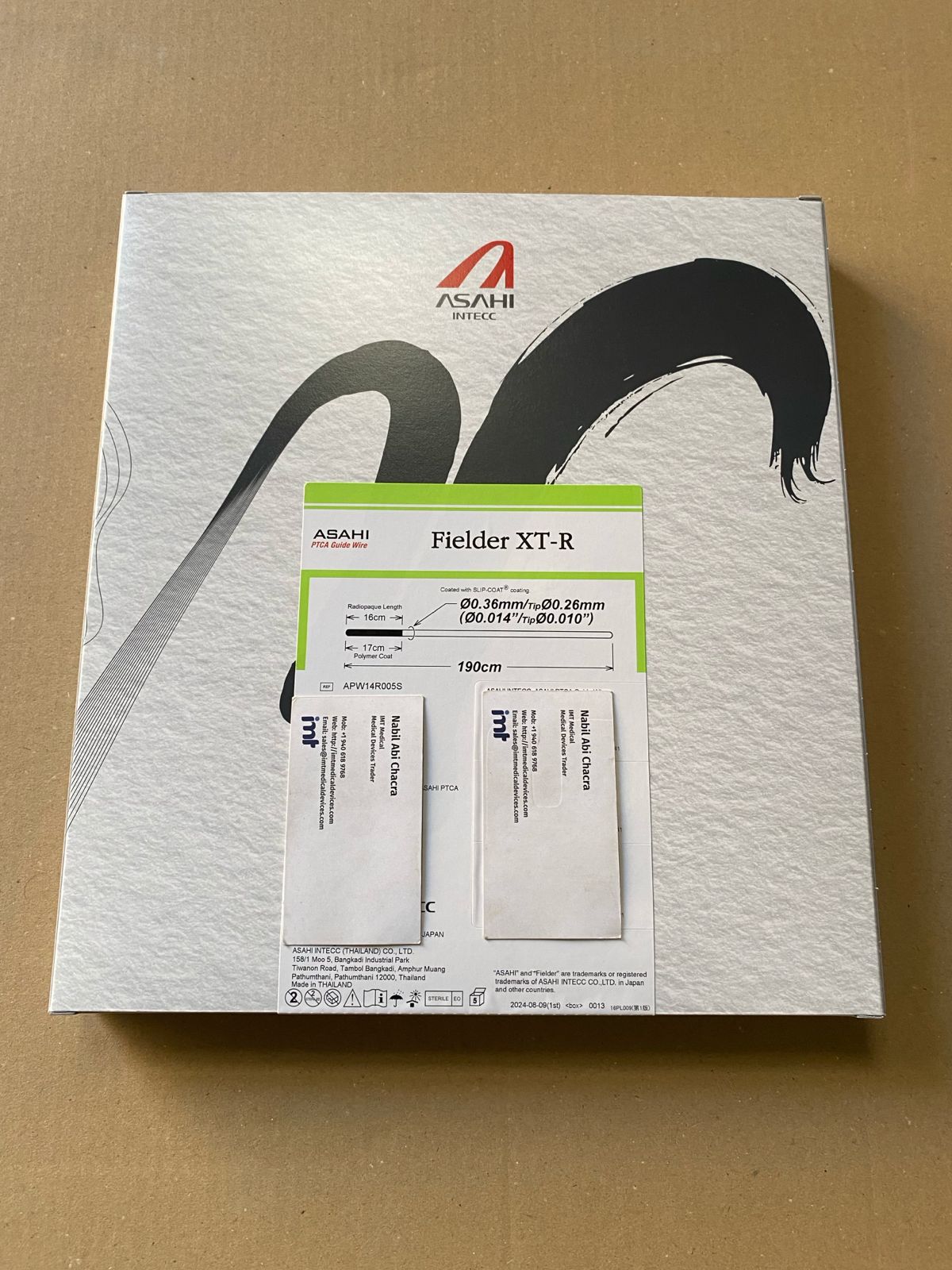
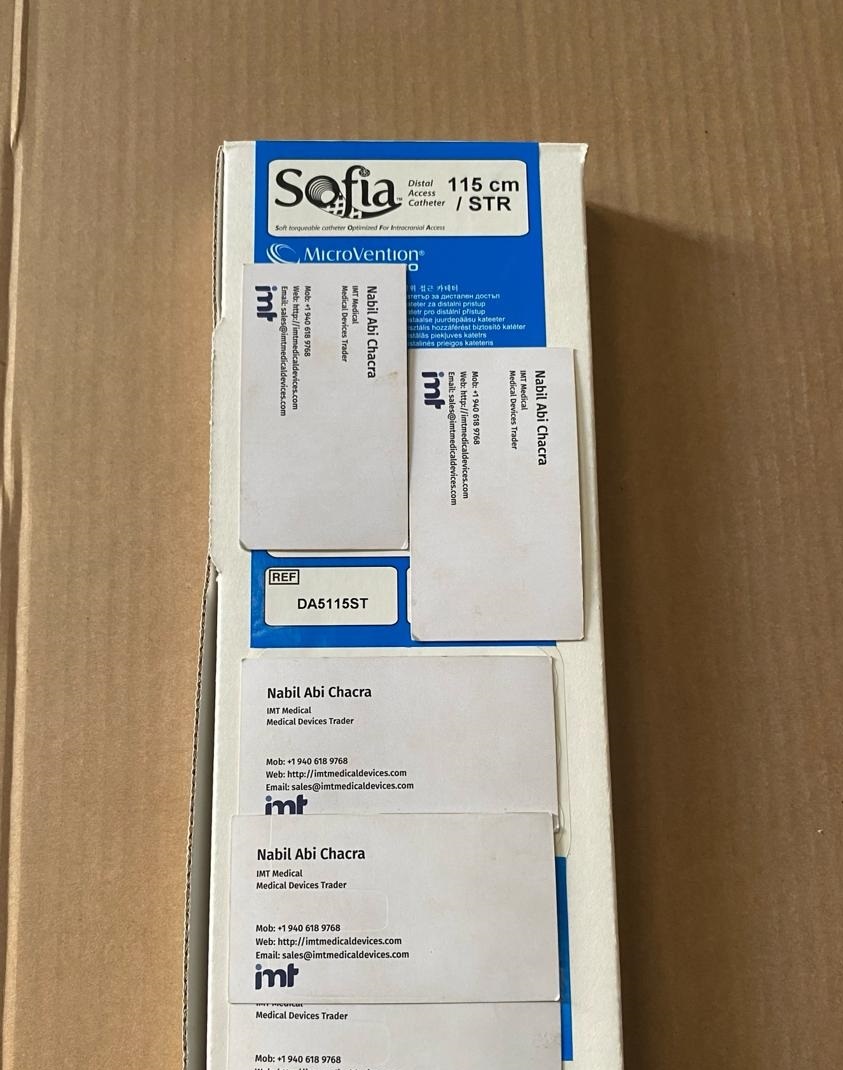
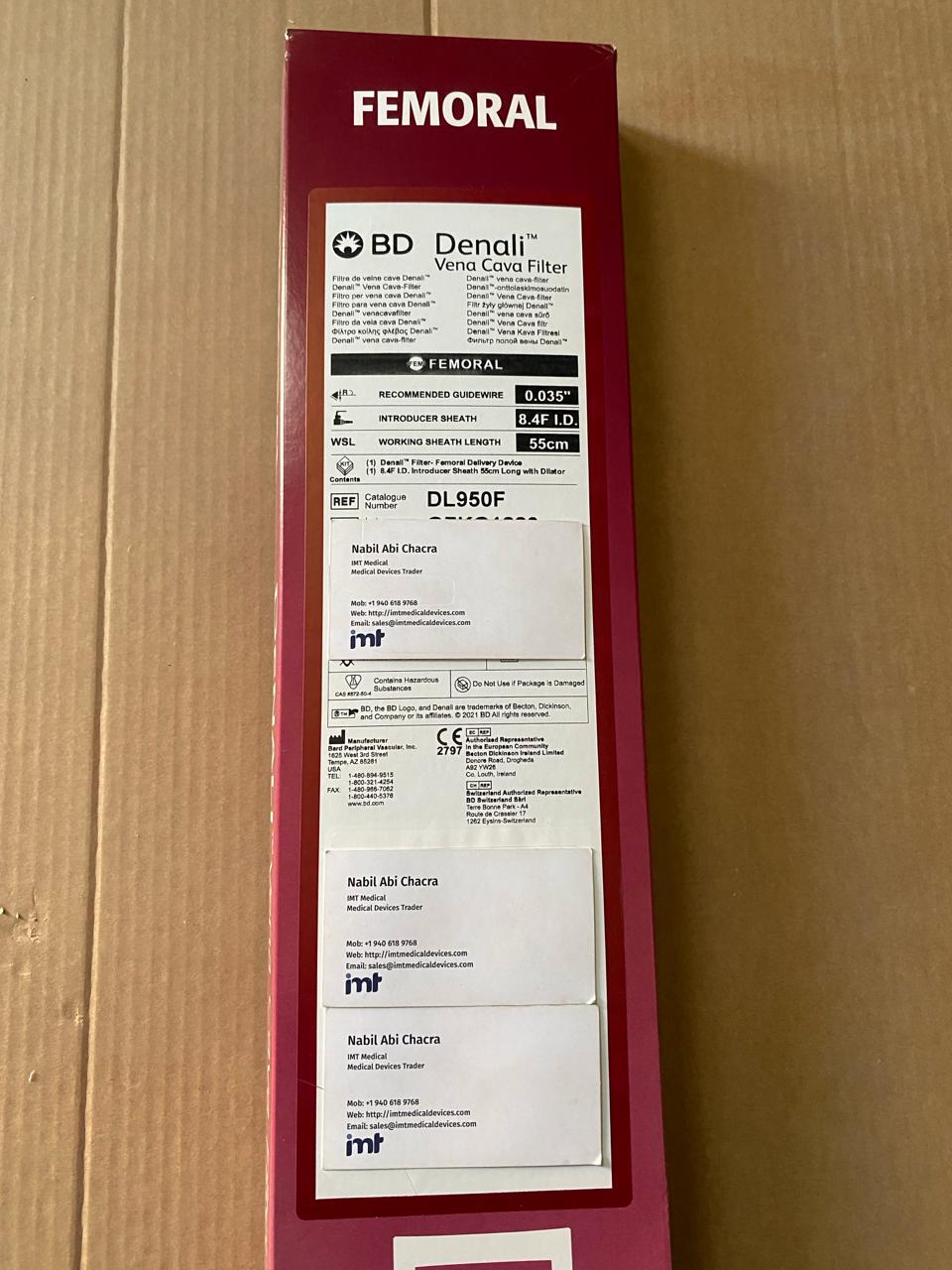
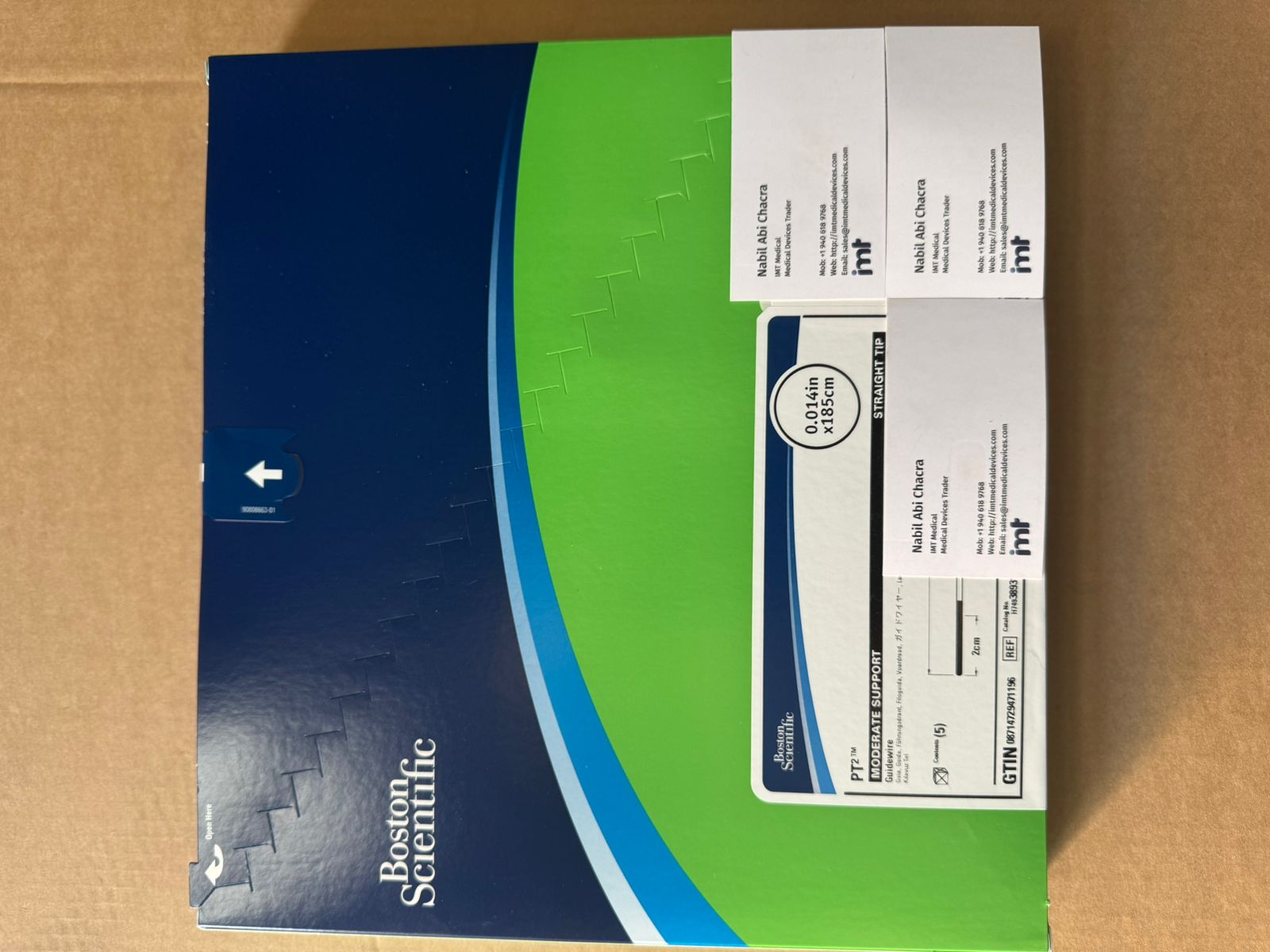
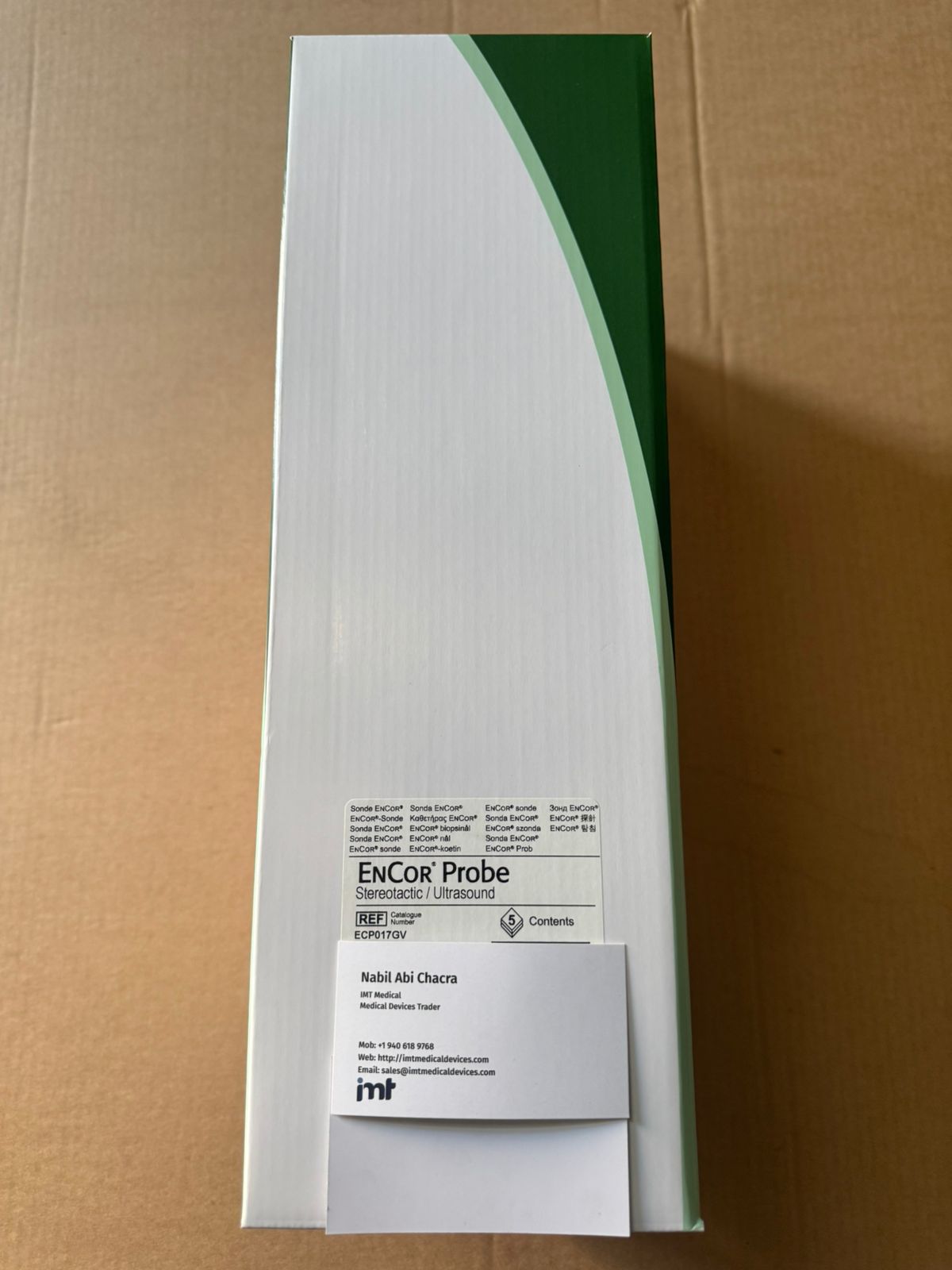
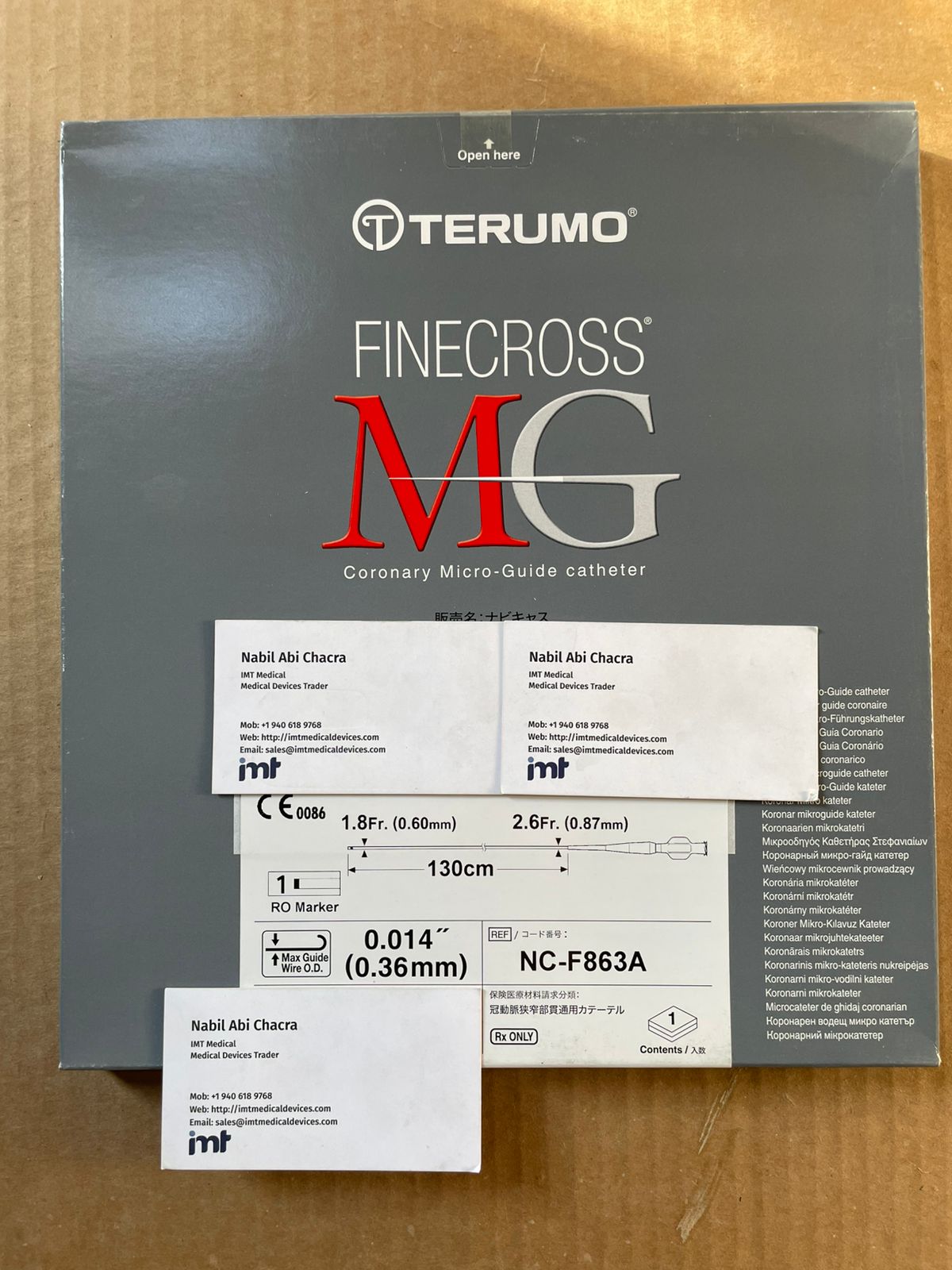
If you do not have the exact reference, provide the packaging photo, prior box label, or a previous invoice line. That is usually enough to reduce ambiguity and move the quote forward.
For buyers sourcing outside local incumbent channels, https://imtmedicaldevices.com is structured around branded interventional categories and quote-driven ordering rather than consumer-style browsing. That fits how cath lab procurement actually works.
The practical buying standard
In this segment, the best purchasing decision is usually not the cheapest line on paper. It is the source that delivers the exact requested wire, in the required quantity, within the needed timeline, without forcing clinical substitution.
That is the standard to apply to any Runthrough NS order. If the supplier can identify the exact product, quote clearly, and support repeat procurement with minimal friction, the transaction works the way a cath lab needs it to work.