
Stent coronario: cosa conta per l’acquisto
A coronary intervention can be delayed by many things, but procurement friction should not be one of them. When a buyer is sourcing a stent coronario for cath lab demand, the decision usually comes down to clinical fit, brand trust, documentation, and supply continuity - not marketing language.
For professional buyers, the category is straightforward on paper and complex in practice. Coronary stents sit at the intersection of physician preference, lesion characteristics, regulatory requirements, and stock planning. That makes sourcing less about finding a generic product class and more about securing the right branded device, in the right sizes, with the right paperwork, on a timeline that supports procedure volume.
What matters most when sourcing a stent coronario
The first filter is usually platform type. In most hospital and distributor environments, the comparison starts with drug-eluting stents versus bare-metal stents, although the practical market demand is heavily weighted toward modern drug-eluting platforms. Even within that segment, buyers need to account for physician familiarity, vessel size range, lesion complexity, deliverability expectations, and formulary status.
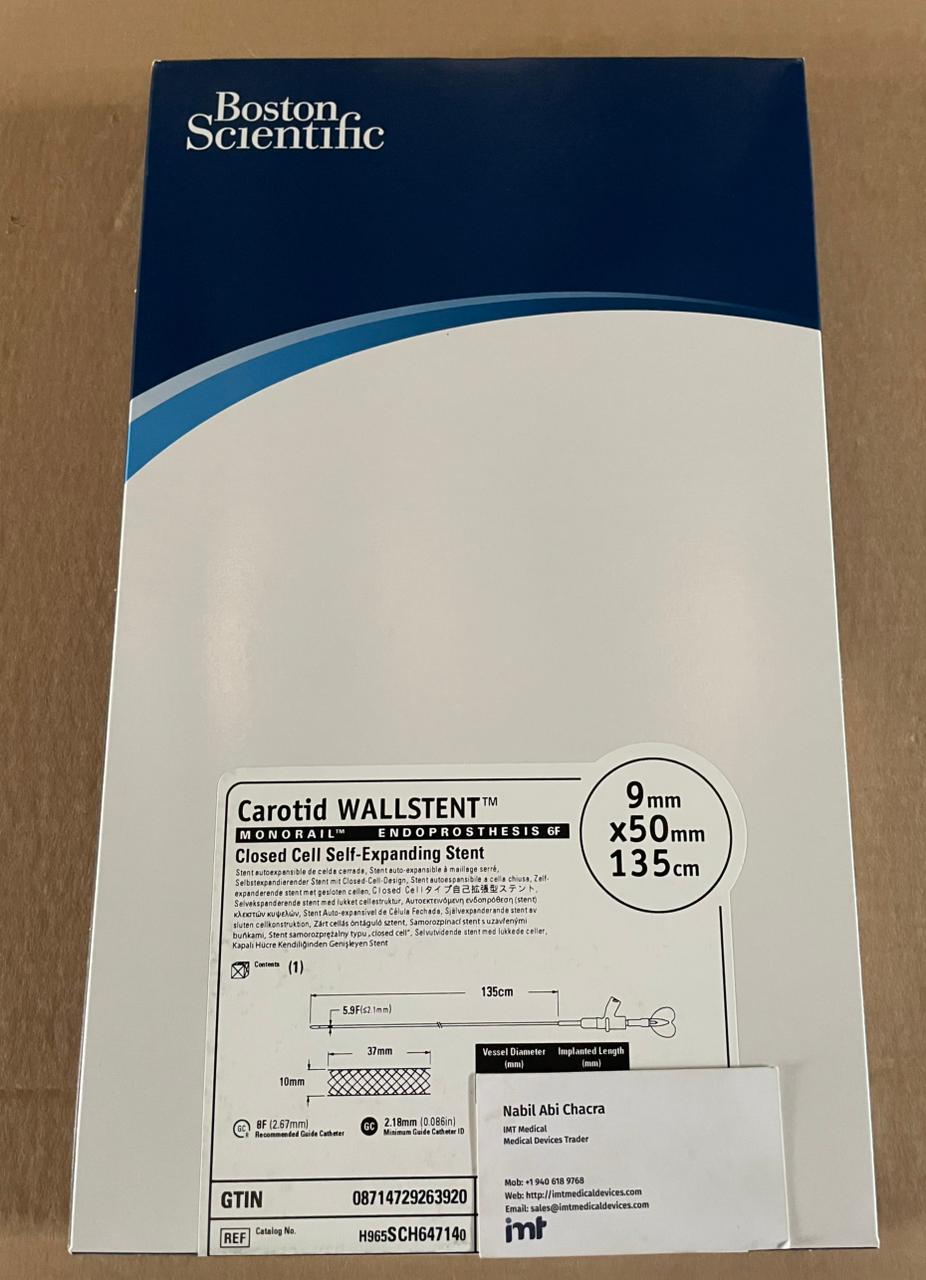
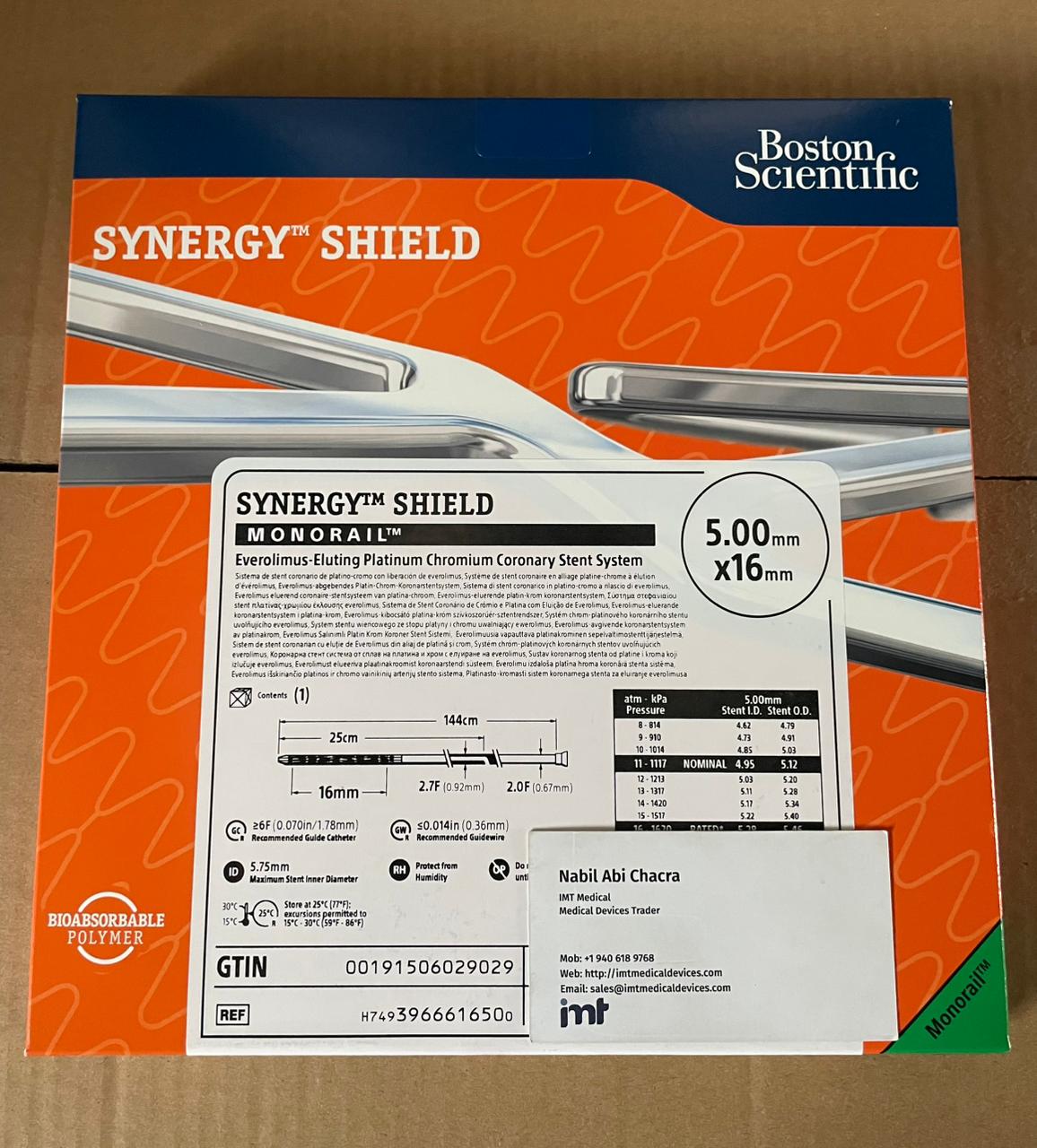
Material and design also affect procurement decisions. Cobalt chromium and platinum chromium platforms may be evaluated differently depending on visibility, radial strength, crossing profile, and trackability. Those differences are not abstract. They influence SKU selection, backup inventory, and whether one platform can reasonably cover a broad case mix or whether multiple branded options need to be kept available.
Size matrix is another operational issue that quickly becomes critical. A strong coronary stent offering is not just a recognized brand name. It is a usable range of diameters and lengths that aligns with actual lab demand. Buyers often find that supply problems do not come from flagship SKUs alone, but from missing less frequently used sizes that still need to be available for complete procedural support.
Branded coronary stent procurement is rarely just about price
In this category, unit cost matters, but it is rarely the only deciding factor. Hospitals, cath labs, and distributors typically place higher value on authentic branded inventory, known manufacturer performance, and consistency across repeat orders. A lower-cost offer can become expensive if it introduces uncertainty around traceability, shelf life, packaging integrity, or replacement timelines.
This is why recognized manufacturers remain central in the stent category. Buyers often work from established preferences tied to clinical experience and internal approval pathways. When the request is for a specific branded platform from suppliers such as Abbott, Boston Scientific, Medtronic, or Terumo, substitution is usually limited or not acceptable at all. Procurement teams need a source that understands exact product nomenclature and can respond accordingly.
There is also the issue of standardization. Some centers prefer to narrow approved options to simplify training, storage, and case preparation. Others maintain multiple brands to support physician choice or complex lesion subsets. Neither approach is inherently better. The right model depends on procedure mix, internal governance, and the reliability of the supply chain behind each line.
Documentation, traceability, and export readiness
For international buyers, a stent coronario order is not complete when the product is identified. Documentation can be as important as the device itself. Depending on destination market and buyer type, this may include manufacturer details, batch and lot traceability, expiry data, packing information, and export documentation needed for customs clearance or internal compliance review.
This is one of the main distinctions between a general trader and a capable medical device supply partner. In interventional cardiology, errors in nomenclature or incomplete supporting documents create delays that affect procurement cycles and procedural planning. A supplier should be able to confirm exact branded references, packaging status, and availability without ambiguity.
Export capability also matters more than many buyers expect. Temperature sensitivity may be less of a concern for this product class than for some pharmaceutical items, but shipping discipline, lead time management, and country-specific documentation remain important. For institutions sourcing across borders, reliability depends on whether the supplier can support repeat shipments with the same level of accuracy, not just fulfill a single urgent request.
Stock continuity and quote efficiency
Coronary stent purchasing is often quote-driven, especially for bulk procurement, distributor supply, or mixed orders covering multiple interventional categories. In that setting, speed matters. Buyers do not want a long educational process. They want confirmation of brand, size availability, commercial terms, and shipment readiness.
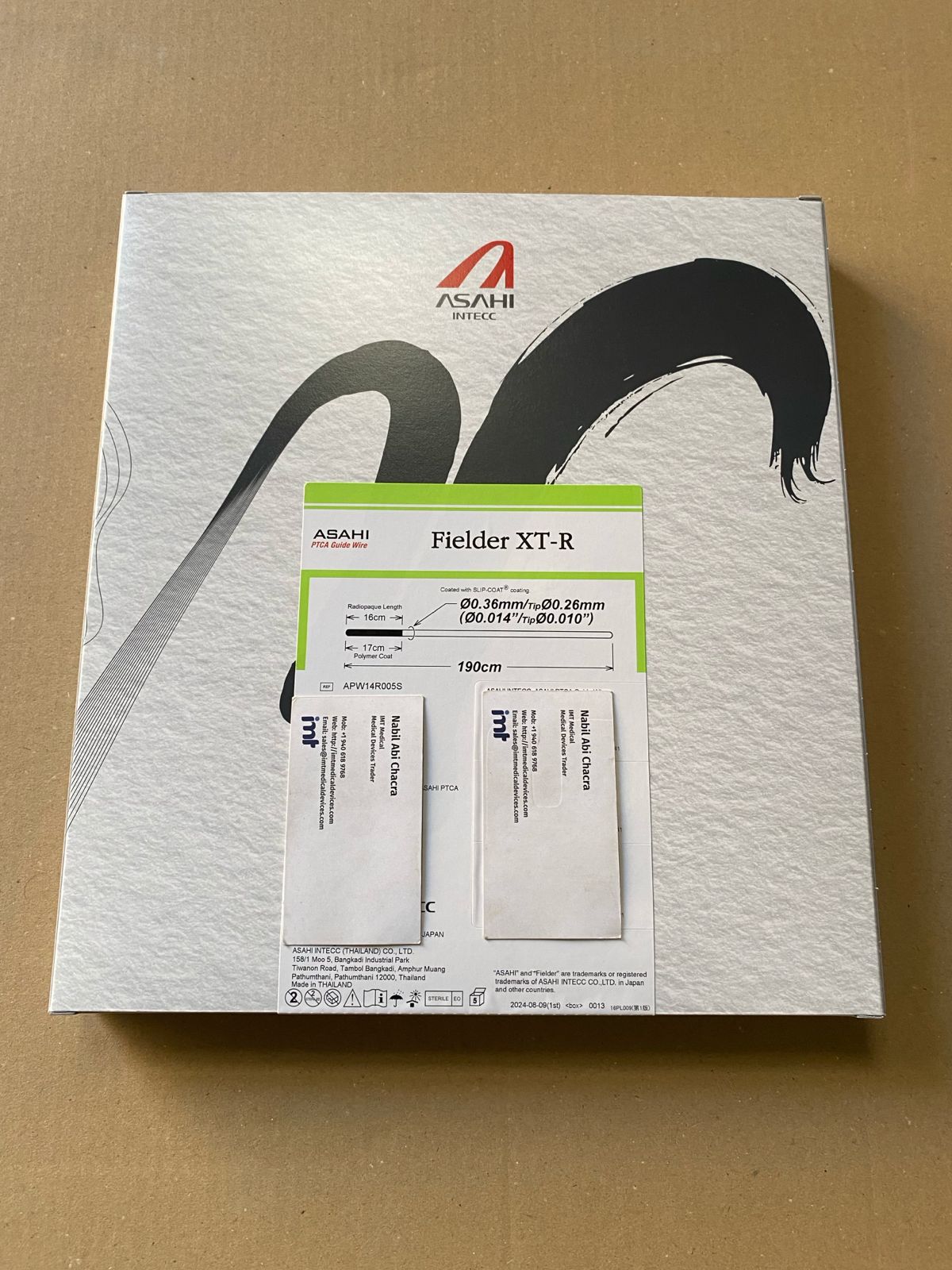
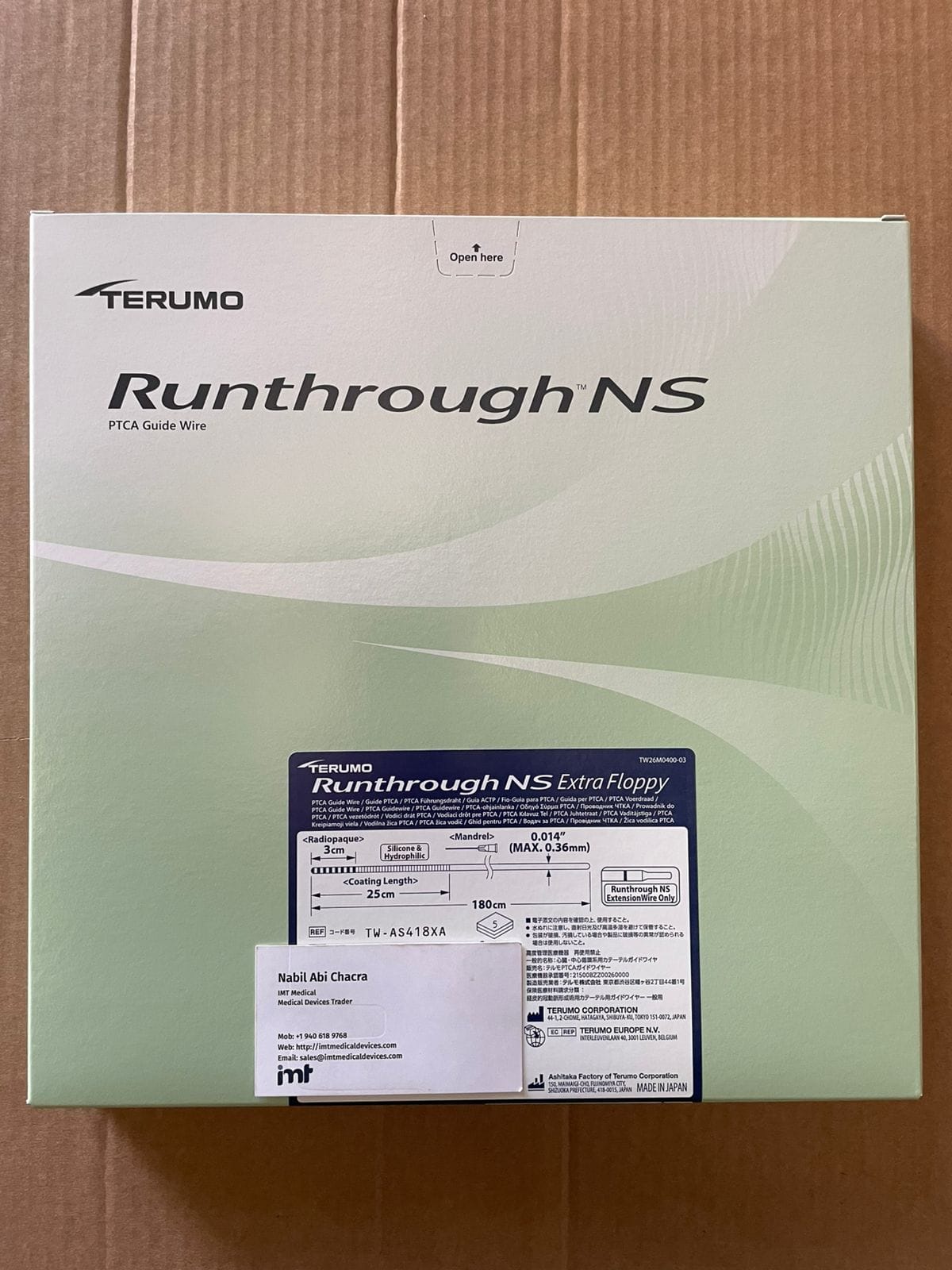
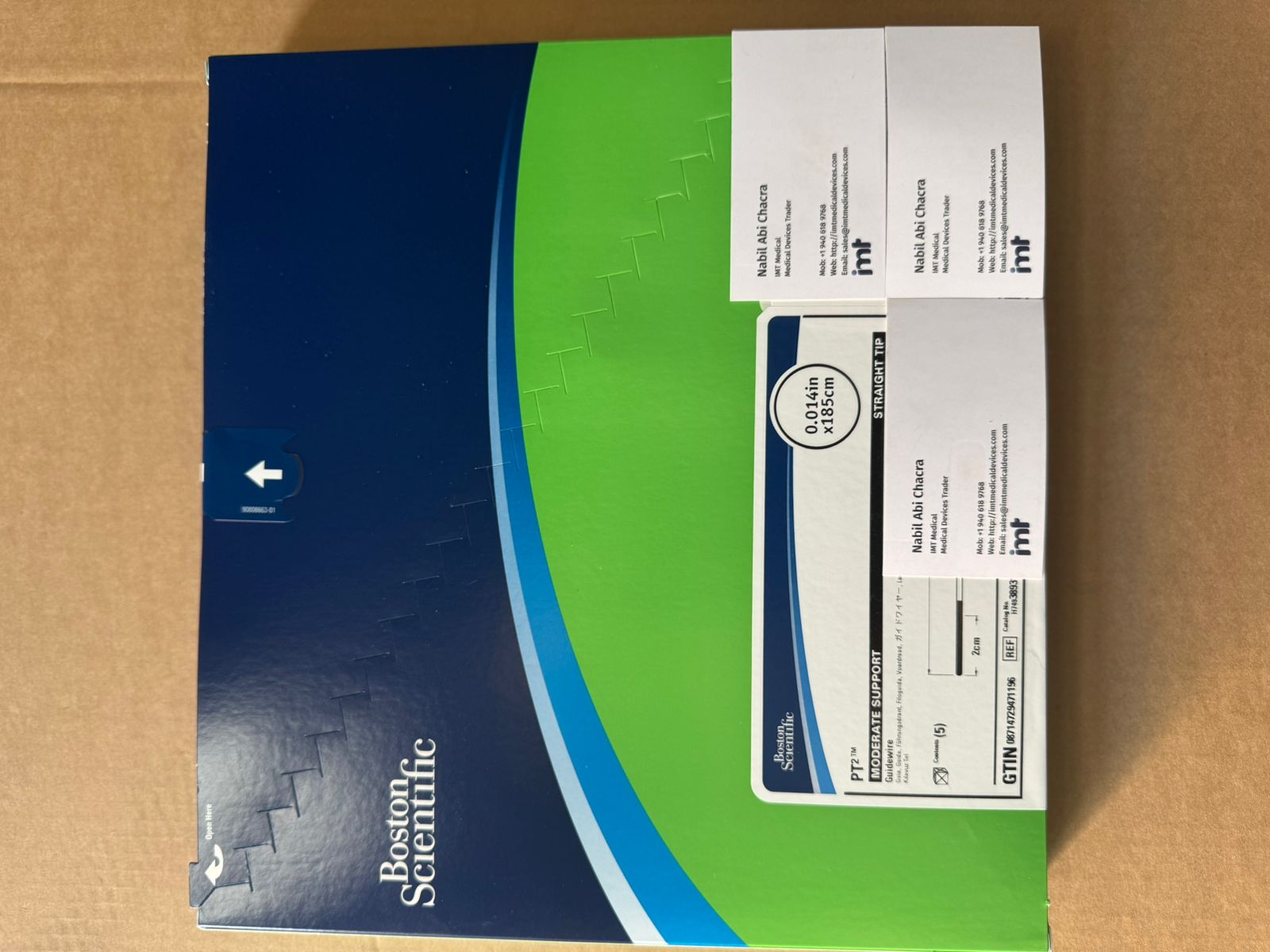
A practical supplier response should reduce procurement steps, not add to them. That means consolidated quoting across related product lines when needed, clear communication on available SKUs, and realistic lead times. For many procurement teams, this is where a broad wholesale source becomes useful. If the same partner can support coronary stents alongside balloons, guidewires, guiding catheters, and vascular access products, purchasing becomes easier to manage.
IMTMedicalDevices.com operates in that model, supporting professional buyers who need branded interventional products through direct inquiry and quote-based sourcing. For buyers managing inventory pressure or cross-category procurement, that structure is often more useful than dealing with fragmented supply channels.
A practical buying approach for coronary stents
The most efficient purchasing workflow starts with exact product identification. That includes manufacturer, platform, diameter, length, and required quantity. From there, buyers should verify documentation requirements, expiry expectations, and whether the order is routine replenishment or intended to cover urgent procedural demand.
It also helps to think beyond the immediate order. If a supplier can fill one coronary stent SKU today but cannot support the rest of the size matrix next month, the relationship may not solve the actual procurement problem. In this category, dependable sourcing is built on repeatability, exact specification handling, and the ability to support branded demand without confusion.
For healthcare buyers, the real question is not simply who can offer a stent coronario. It is who can supply the correct branded device, with accurate documentation and dependable continuity, every time that request reaches the purchasing desk.