
Synergy Shield Stent: What to Verify Before You Quote
A “Synergy Shield stent” request usually comes in the same way: the operator specifies the stent family, a diameter and length, and expects it to arrive ready for the next PCI day. The delays happen in the small details - REF code mismatches, non-equivalent packaging configurations, short-dated inventory, or country-specific labeling that doesn’t match what your receiving team can accept.
This is a procurement-focused checklist for verifying a Synergy Shield stent quote so you get the exact product your cath lab expects, without back-and-forth.
What buyers mean by “Synergy Shield stent”
In purchasing, “Synergy Shield stent” often functions as shorthand, not a complete specification. Different teams may use “Shield” to refer to a specific surface/coating variant within a Synergy line, while others use it generically when they want a Synergy platform and are less strict about the coating designation.
The practical takeaway: treat the phrase as a starting point, not the full order. Your quote process should force the order to resolve into an unambiguous identifier (manufacturer name, exact product family, and the correct REF/catalog number for the diameter-length combination).
The non-negotiables to confirm on every quote
If you only validate one thing, validate the REF. In interventional consumables, the REF is what prevents “close enough” substitutions that create clinical frustration and returns.
REF/catalog number and exact stent variant
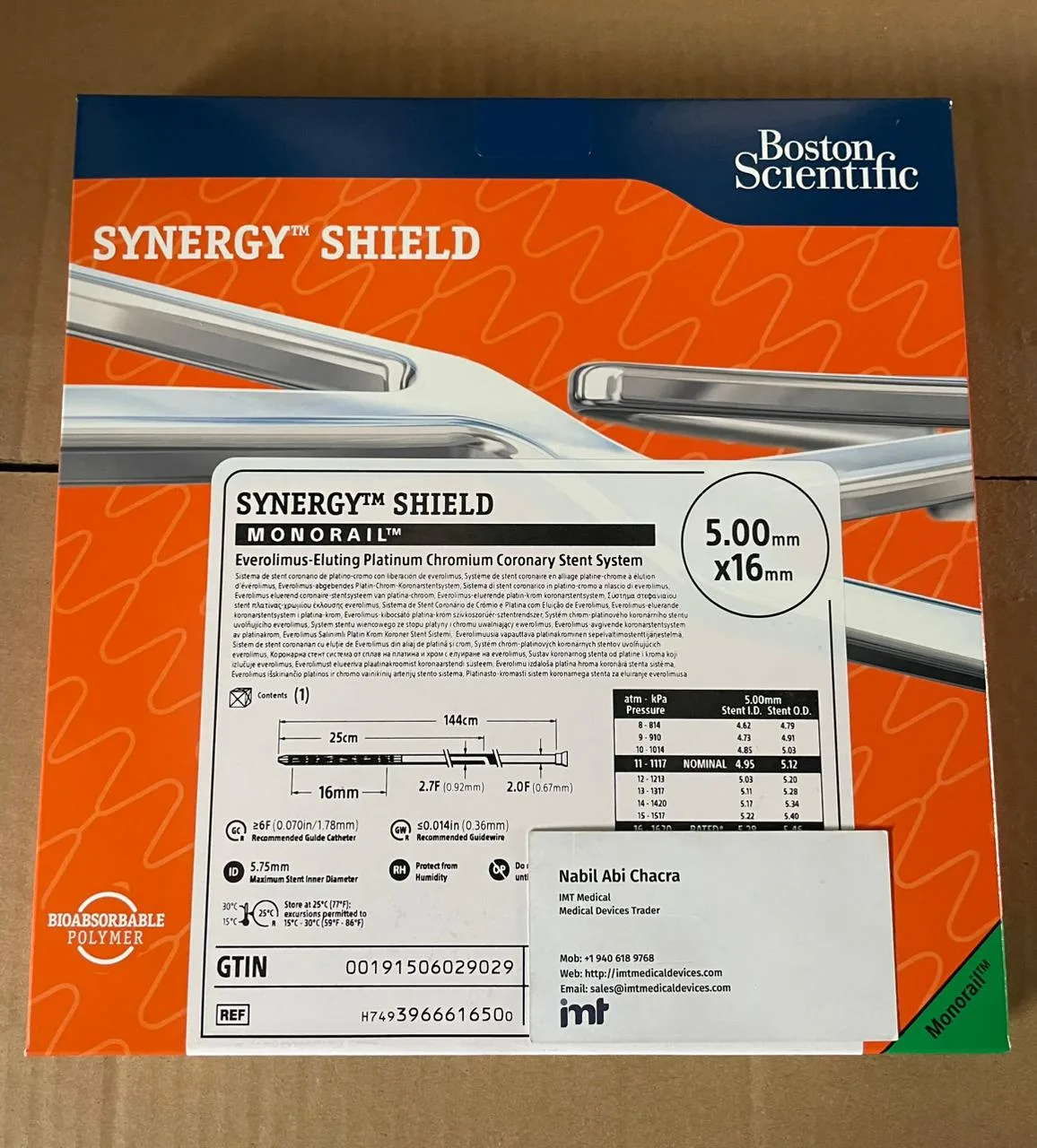
Confirm the exact REF/catalog number for the Synergy Shield stent requested, including any suffixes that indicate platform or packaging differences. This is where confusion typically happens - the stent family name is similar across variants, but the part number is what your receiving team will book into inventory and what the physician expects to see on the box.
If your PO only states “Synergy Shield 3.0 x 24,” you’re leaving room for an incorrect variant. Tighten it to “Synergy Shield stent + REF + size.”
Diameter, length, and compatibility assumptions
Validate the ordered diameter and length against what the operator actually uses in your lab and what your inventory already supports. The stent itself may be correct, but the lab can still lose time if the delivery system profile or guide compatibility assumptions don’t match the case plan.
From a supply-chain perspective, you’re reducing the risk of urgent substitutions on procedure day.
Packaging configuration and unit of measure
Confirm how the product is packed and sold: single unit vs. multipack (if applicable), and what “1” means in the quote (one stent system, one box, or a case quantity). Mismatched unit-of-measure is one of the fastest ways to create invoice disputes and receiving holds.
Shelf life and minimum acceptable expiry
For high-acuity cath lab scheduling, “available” is not enough. Confirm the actual expiration date range (or minimum remaining shelf life) you will accept for the Synergy Shield stent. Short-dated stock may be fine for immediate cases, but it should never be a surprise after the shipment arrives.
If your hospital policy requires a minimum remaining shelf life at receipt, state it explicitly in the RFQ.
Country labeling, IFU language, and regulatory constraints
Hospitals and distributors working across Gulf countries, Latin America, and Asia often have strict receiving requirements for labeling, IFU language, and documentation. Confirm what your facility needs before shipment - especially if your receiving team rejects products without specific label elements or documentation.
This is operational, not clinical: even the correct stent can be blocked at receiving if the packaging/labeling doesn’t meet internal policy.
What causes the most quote friction (and how to prevent it)
Most delays are predictable and preventable if the buyer sends a complete RFQ. The common issues are (1) incomplete identifiers (no REF), (2) “equivalent acceptable” language that isn’t aligned with the physician preference card, and (3) urgency without confirming expiry and labeling.
If you want a fast, clean quote, send your request with the exact stent family/variant, REF, size, required quantity, target expiry minimum, destination country, and any documentation requirements. If you want a structured way to do that, use this internal checklist: S: What Buyers Need to Clarify Before Quoting.
How to evaluate a supplier when you need branded stents fast
When hospitals purchase outside local incumbent distributors, the risk isn’t just price - it’s fulfillment accuracy. For a Synergy Shield stent order, evaluate suppliers on practical controls:
They should confirm REF-level details in writing, not only “Synergy Shield stent 3.0 x 24.” They should state expiry date ranges before payment. They should be clear on incoterms, lead times, and whether the stock is on-hand vs. source-to-order. And they should be able to provide shipment photos of outer labels when your receiving process requires it.
If you’re vetting a new interventional supplier channel for coronary consumables, this is the selection logic that reduces procurement risk: How to Vet an Interventional Cardiology Distributor.
When it’s worth consolidating adjacent items on the same PO
A Synergy Shield stent order often sits alongside balloons, guidewires, and guiding catheters for the same PCI schedule. Consolidating can reduce freight events and receiving workload, but only if the supplier can hold accuracy at the SKU level across multiple product families.
For cath labs building a consistent ordering pattern across coronary inventory, it helps to align purchasing around procedure-type groupings instead of one-off product hunting. This internal overview reflects that approach: Interventional Cardiology Supplies That Match Your Lab.
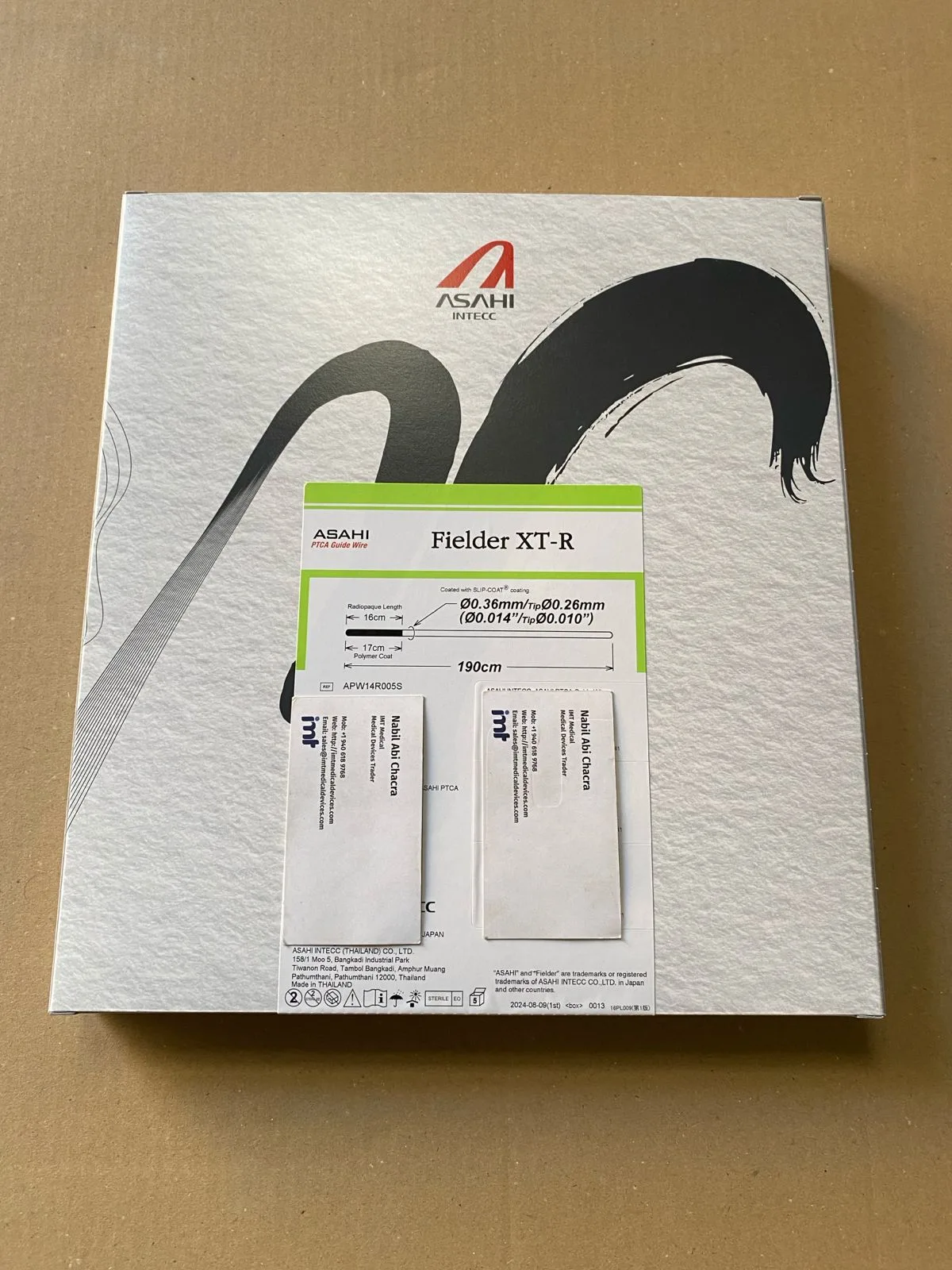
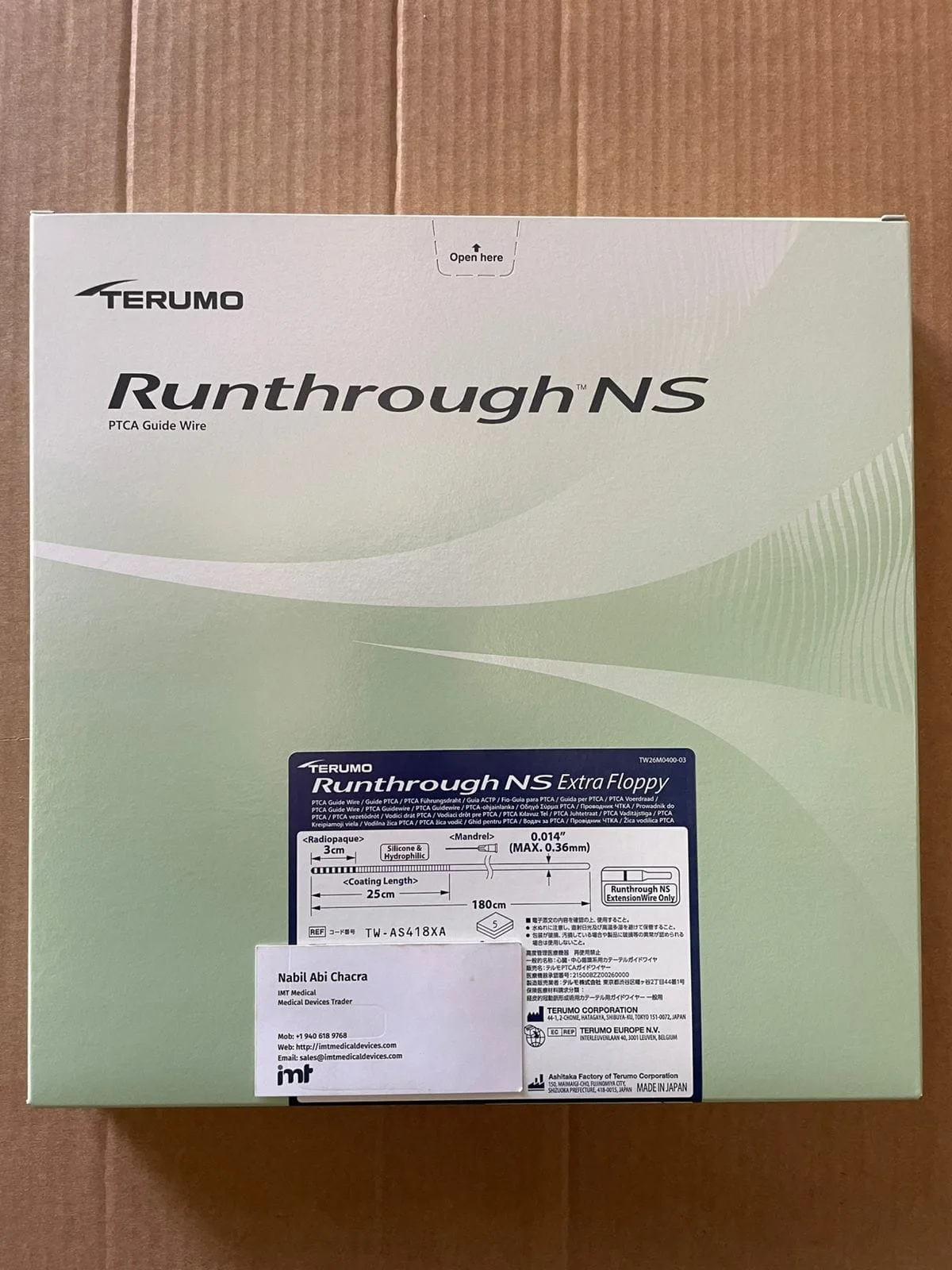
If your team is sourcing branded interventional inventory across manufacturers (including Boston Scientific, Medtronic, Abbott, Terumo, Asahi, and others) and needs REF-accurate quoting with export handling, you can route RFQs through imtmedicaldevices.com and include your required expiry and labeling constraints upfront.
The fastest Synergy Shield stent purchases are the ones where the PO is unambiguous: REF first, size second, and receiving requirements spelled out before anyone books freight.