
Technical Specifications Checklist for Drug-Eluting Stents (DES) in 2026
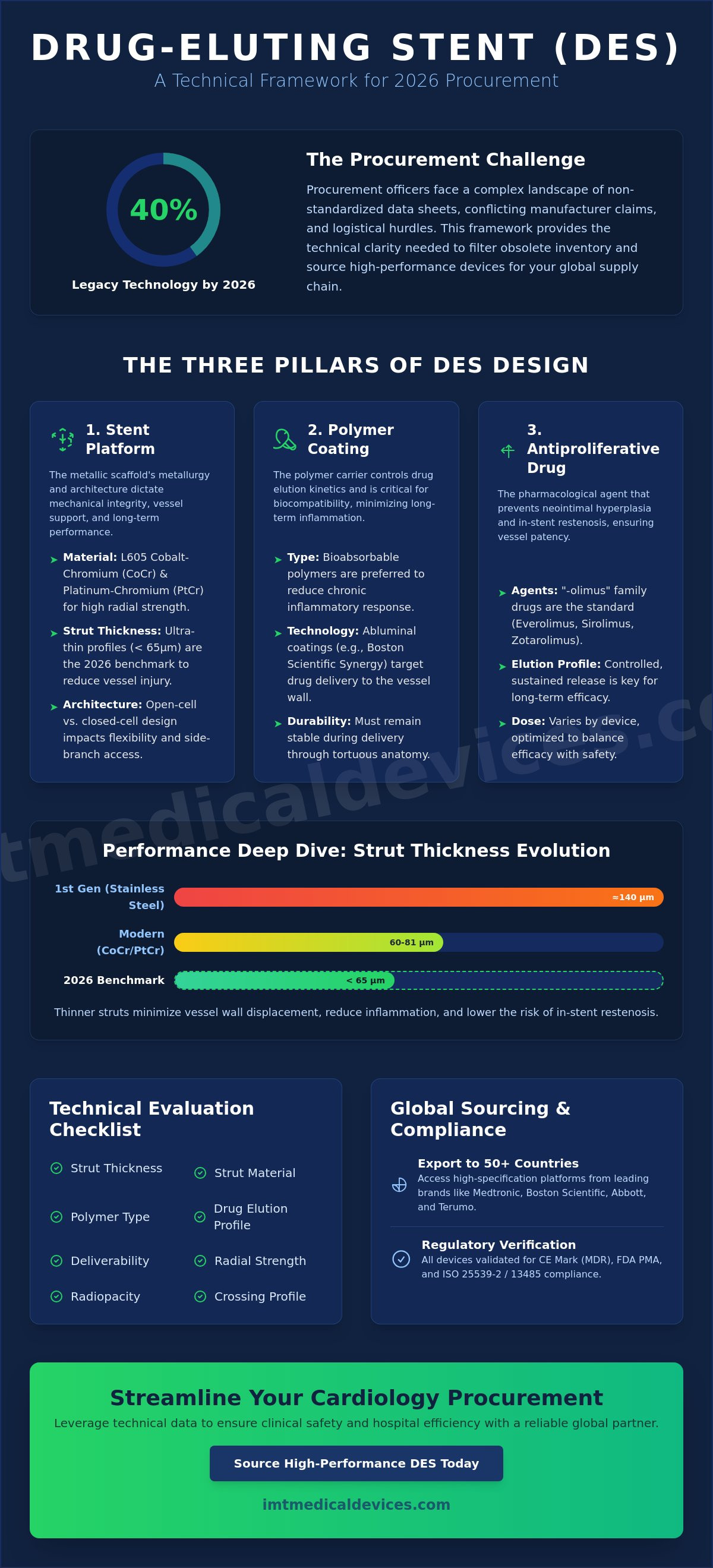
By 2026, over 40% of standard drug-eluting stent models currently in circulation will be classified as legacy technology due to rapid advancements in polymer biocompatibility and thin-strut architecture. Procurement officers often struggle with the manual comparison of conflicting manufacturer data sheets while trying to maintain a stable global supply chain. It's difficult to verify clinical efficacy against logistical availability when different brands use non-standardized reporting metrics. You need a functional method to filter out obsolete inventory and focus on high-capacity performance.
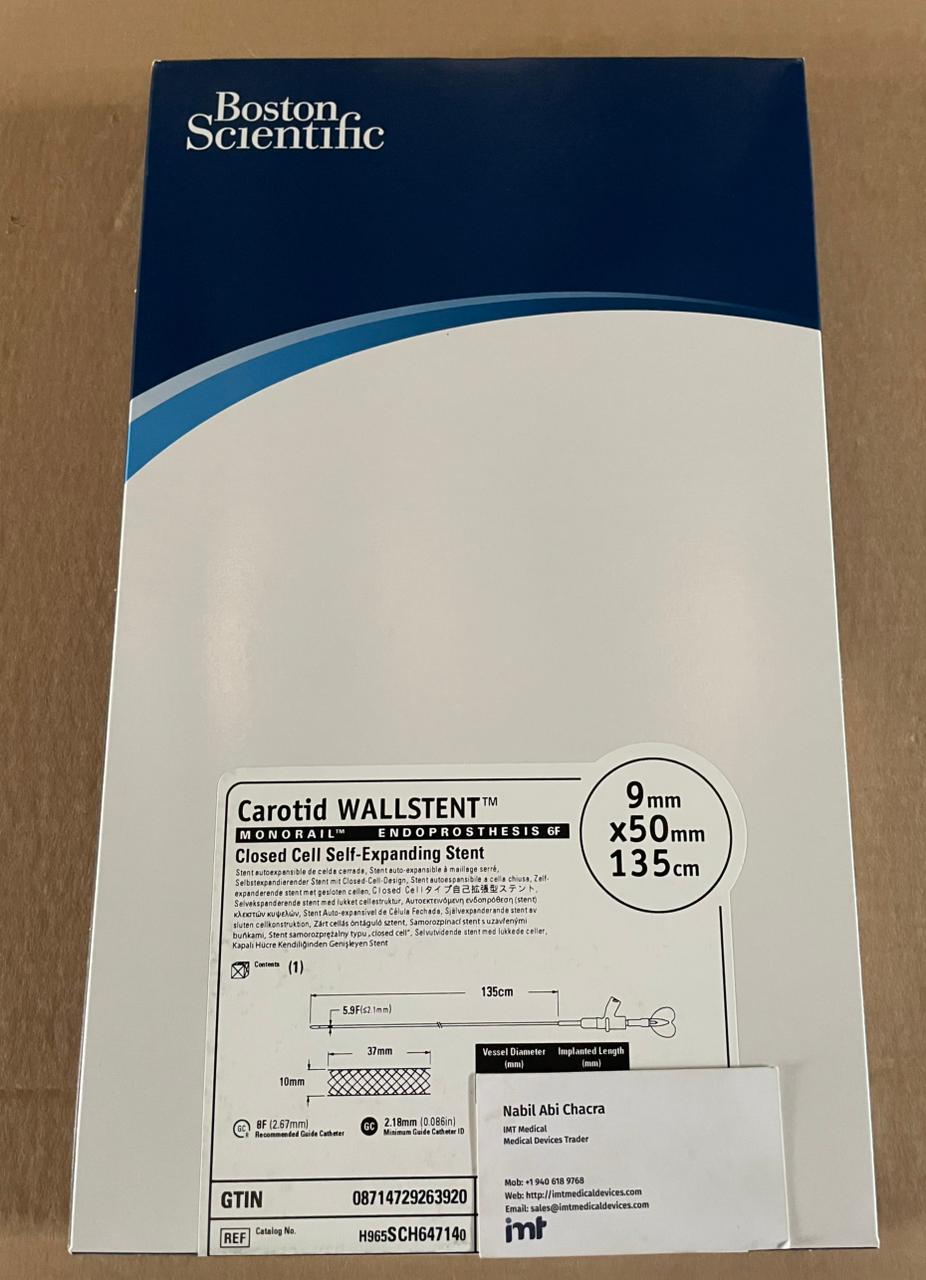
This guide provides a standardized framework for evaluating des technical specifications across major platforms including Medtronic, Terumo, and Boston Scientific. You'll gain the technical clarity needed to source high-performance stents for complex lesions while leveraging our Export 50 Country logistics network. We outline a 10 point checklist covering strut thickness, drug elution profiles, and delivery system trackability to streamline your 2026 procurement strategy. Product Details: strut material, polymer type, and radiopacity markers are prioritized to ensure reliable product availability and clinical success.
Key Takeaways
- Identify the three engineering pillars—stent platform, polymer, and drug—essential for standardized device comparison.
- Evaluate deliverability metrics and delivery system benchmarks to ensure performance in complex coronary anatomy.
- Apply a structured checklist to compare des technical specifications across Medtronic, Boston Scientific, and Abbott platforms.
- Streamline procurement processes using technical data as the primary driver for clinical safety and hospital efficiency.
- Access global sourcing strategies for high-specification cardiology implants via international distribution networks.
Understanding DES Technical Specifications for Procurement
Technical specifications represent the engineering benchmarks for coronary intervention and serve as the primary data points for hospital procurement. These metrics define the mechanical performance, drug delivery kinetics, and biocompatibility of the device. A Drug-eluting stent (DES) consists of a metallic scaffold, a polymer carrier, and an antiproliferative pharmacological agent. Precise des technical specifications determine the device's behavior within the coronary artery; they are the essential variables that procurement officers analyze to mitigate clinical risk and ensure long-term patient safety.
The evolution of stent technology has seen a shift from first-generation stainless steel designs with 140-micron struts to modern ultra-thin cobalt-chromium and platinum-chromium alloys. These advancements directly impact drug-eluting stent benefits by reducing vessel injury and accelerating the healing of the endothelial layer. High-capacity distributors focus on these specific data points to maintain a reliable global supply chain. Modern inventory includes premium brands like Medtronic, Terumo, and Boston Scientific, where technical data sheets provide the basis for all transactional decisions.
The Role of Engineering in Clinical Success
Engineering precision dictates long-term clinical outcomes. There is a direct correlation between strut thickness and the rate of in-stent restenosis; thinner struts minimize the displacement of the vessel wall and reduce the inflammatory response. Scaffold design, specifically open-cell vs. closed-cell architecture, influences vessel wall apposition and the ease of side-branch access during complex procedures. In 2026, strut thickness is defined as the radial measurement of the stent’s structural members, where ultra-thin profiles under 65 microns serve as the primary engineering benchmark for reducing arterial wall inflammation and late-stent thrombosis. Manufacturers utilize L605 cobalt-chromium to achieve these thin profiles without sacrificing radial strength or visibility under fluoroscopy.
Regulatory Standards and Certifications
Technical evaluation requires the verification of international certifications and adherence to rigorous manufacturing standards. Procurement teams must validate CE Mark (MDR 2017/745) and FDA PMA approvals for all des technical specifications. Adherence to ISO 25539-2 for cardiovascular implants is mandatory to ensure structural integrity and coating stability. IMT Medical Devices facilitates the export of certified technology to fifty countries, ensuring manufacturer data sheets align with independent clinical trial results from sources like the Onyx ONE or TALENT trials. Verification of sterile packaging and shelf-life stability is a standard part of the logistical workflow for international wholesale distribution.
- Material: L605 Cobalt-Chromium or PtCr Platinum-Chromium.
- Strut Thickness: 60 microns to 81 microns.
- Drug Coating: Everolimus, Sirolimus, or Zotarolimus.
- Polymer Type: Bioabsorbable or permanent biocompatible polymers.
- Compliance: ISO 25539-2 and ISO 13485.
The Three Pillars of DES Technical Design
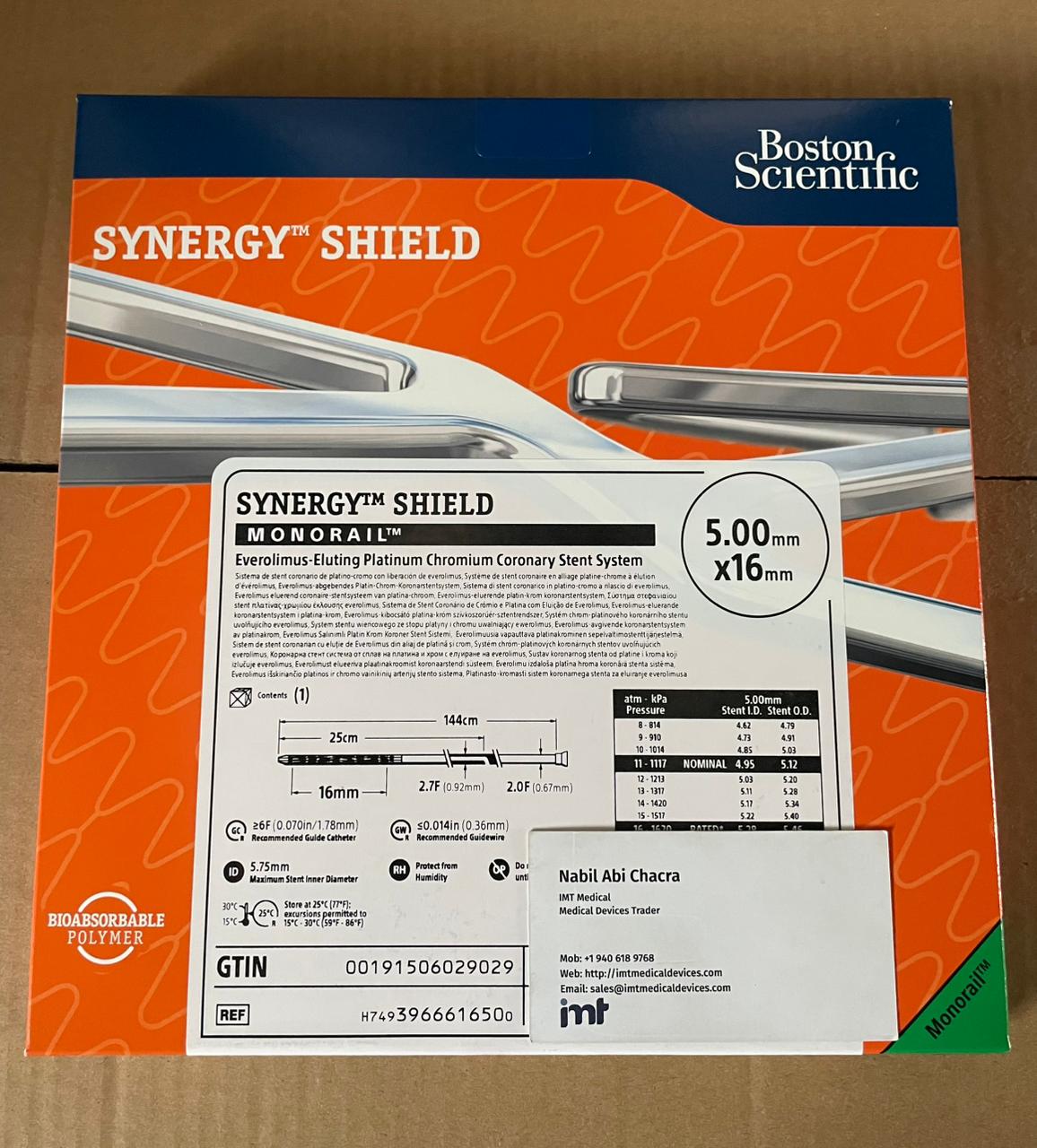
Evaluation of des technical specifications requires a tri-part framework: The Stent Platform, The Polymer, and The Antiproliferative Drug. Device performance depends on the synergy of these components. Medtronic utilizes the BioLinx polymer system for sustained elution. Boston Scientific prioritizes abluminal bioabsorbable technology to minimize long-term inflammatory response. Technical trade-offs are inherent in design. High radial strength typically increases the crossing profile. Thinner struts improve deliverability but can sacrifice visibility during complex procedures.
Product Details: Medtronic Resolute Onyx vs. Boston Scientific Synergy. These brands represent the 2026 industry standard for coronary intervention. Efficiency in global logistics allows for rapid deployment of these technologies to international markets. Export 50 Country capability ensures that procurement officers can access these specific technical profiles regardless of location. The interaction between scaffold flexibility and polymer durability determines the clinical success rate in tortuous anatomy.
Scaffold Metallurgy and Architecture
Scaffold choice dictates mechanical integrity and vessel support. Cobalt-Chromium (CoCr) remains the benchmark for high radial strength with thin struts, often measuring 65 to 81 microns. Platinum-Chromium (PtCr) alloys used by Boston Scientific offer 20% higher radiopacity. This ensures superior visibility under fluoroscopy for precise placement in calcified lesions. Open-cell designs provide 15% better flexibility for side-branch access. Closed-cell architectures ensure uniform drug delivery and scaffolding. Precise placement depends on these architectural choices.
Polymer Biocompatibility and Elution Kinetics
The 2026 industry consensus favors bioresorbable polymers for specific patient cohorts. These coatings disappear within 90 to 120 days post-implantation. Durable polymers remain on the scaffold to provide long-term stability and controlled release. Understanding DES compounds and coatings is vital for evaluating thromboresistance. Coating thickness typically varies from 3 to 10 microns. Thinner coatings reduce the risk of late-stage thrombosis. Drug load density targets a controlled release window of 30 to 90 days. Most 2026 models utilize Limus-family drugs like Everolimus or Sirolimus for their proven efficacy in preventing restenosis.
Inventory availability for these des technical specifications remains high for wholesale partners. We maintain a focus on technical precision and logistical reliability. Review our current export inventory for specific model numbers and technical data sheets. Our catalog-like approach prioritizes rapid information retrieval for busy medical procurement officers.
Performance Metrics: Deliverability and Vessel Support
Deliverability defines the operational success of any coronary intervention. It measures the ability of the device to navigate tortuous coronary anatomy and reach distal lesions without damaging the vessel wall. The delivery system, specifically the balloon catheter, serves as the primary engine of the total package. High-performance des technical specifications focus heavily on the stent-balloon interface. This interface must remain secure during aggressive tracking while maintaining a low profile for tight stenoses. Recent research into technical and clinical progress in drug-eluting stents confirms that delivery system engineering is now as critical as the scaffold material itself.
Radial strength determines the ability of the stent to maintain vessel patency under high-pressure calcified lesions. Modern Cobalt-Chromium (CoCr) and Platinum-Chromium (PtCr) alloys allow for thinner struts without compromising structural integrity. This is vital for 2026 standards, where interventionalists treat increasingly complex, calcified Type C lesions. A high radial force prevents acute recoil, which is a primary cause of procedural failure in difficult anatomies.
Crossing Profile and Trackability
Crossing profile refers to the maximum diameter of the stent delivery system at its thickest point. Leading edge (tip) diameters for 2026 models typically measure between 0.016 inches and 0.018 inches. These micro-diameters allow passage through micro-calcified channels. Trackability relies on the following factors:
- Hydrophilic Coating: Applied to the distal 30 cm of the delivery shaft to reduce friction by approximately 35 percent.
- Pushability: Efficient force transmission from the proximal shaft to the distal tip. A 1:1 force ratio is the industry benchmark for high-tier brands like Medtronic and Boston Scientific.
- Flexibility: The ability of the crimped stent to bend without fish-scaling or strut protrusion.
Scaffolding and Surface Area Ratios
The metal-to-artery ratio is a core component of des technical specifications. Most modern stents maintain a ratio between 12 percent and 18 percent. This range provides sufficient vessel support while minimizing the foreign body response that triggers inflammation. Uniformity is the priority. Stents must provide consistent drug delivery across the entire lesion length to prevent "cold spots" where restenosis might occur.
Expansion limits are equally critical for proximal vessel optimization. A standard 3.5 mm diameter stent should possess over-expansion capabilities up to 5.0 mm or 5.5 mm. This allows the device to adapt to tapered vessels or large proximal segments without losing structural stability or fracturing the struts. Procurement officers prioritize these expansion ranges to ensure inventory versatility across diverse patient populations.
- Strut Thickness: 60 to 81 microns for Cobalt-Chromium platforms.
- Balloon Rated Burst Pressure (RBP): Minimum 16 to 18 atm.
- Tip Entry Profile: 0.40 mm to 0.45 mm.
Technical Evaluation Checklist for Cardiology Procurement
The Hardware Specification Checklist
- Strut Thickness: Modern platforms must feature struts under 85 microns. Medtronic Resolute Onyx and Abbott Xience Skypoint both utilize 81-micron struts. Boston Scientific Synergy offers a 74-micron profile. Thinner struts reduce vessel wall injury and lower the risk of post-procedure restenosis.
- Material Composition: Cobalt-Chromium and Platinum-Chromium are the preferred alloys. These materials provide the high radial strength necessary to maintain vessel patency while allowing for a lower crossing profile.
- Drug and Polymer: Identify the specific limus-family drug used. Resolute Onyx uses Zotarolimus with a BioLinx polymer. Xience and Synergy utilize Everolimus. Procurement must distinguish between permanent fluorinated polymers and bioabsorbable coatings that disappear within 120 days.
- Radiopacity: Verify the visibility of the stent under fluoroscopy. Platinum-chromium alloys generally offer superior visibility compared to standard cobalt-chromium.
The Delivery System Checklist
- Guide Catheter Compatibility: 5F compatibility is the 2026 benchmark for transradial interventions. Ensure all stocked sizes, including those for large vessels, fit within standard 5F or 6F systems.
- Balloon Dynamics: Check the Rated Burst Pressure (RBP). Most systems require an RBP of 16 atm. Nominal pressure should consistently sit between 9 and 10 atm for predictable expansion.
- Compliance Standards: Verify if the delivery balloon is semi-compliant. This characteristic allows for slight over-expansion to ensure proper strut apposition against the vessel wall.
- Shaft Construction: Evaluate the pushability and trackability of the delivery catheter. Hydrophilic coatings on the distal shaft are essential for navigating tortuous coronary anatomy.
Global Sourcing of High-Specification DES Platforms
IMT Medical Devices operates as a specialized hub for international cardiology procurement. We ensure that hospital groups and distributors maintain access to the latest des technical specifications from Tier-1 manufacturers. Managing the supply chain for drug-eluting stents requires extreme precision. These devices feature delicate drug-polymer matrices that are sensitive to temperature shifts and humidity. We employ validated cold chain solutions to protect the pharmacological integrity of the stent coating during transit. Sterile transport protocols ensure that primary packaging remains uncompromised across international borders. Our logistics network is built for speed and reliability, facilitating exports to 50 countries worldwide.
Reliability in the medical supply chain isn't optional. It's a technical requirement. We eliminate the friction often found in cross-border medical trade by providing a transparent, inventory-heavy service model. Our focus remains on product availability and logistical speed, ensuring that critical coronary intervention tools reach their destination without delay.
Strategic Inventory Management
Inventory control focuses on high-demand brands and specific model iterations. Medtronic Resolute Onyx. Boston Scientific Synergy. Terumo Ultimaster. We maintain deep stock levels of these platforms to prevent local market shortages. Our warehouse team utilizes automated batch tracking to monitor manufacturing dates and shelf-life. This system ensures that every unit dispatched meets the necessary clinical longevity requirements. We handle all export documentation in-house. This includes certificates of origin, packing lists, and specialized regulatory filings needed for rapid customs clearance. Efficient inventory turnover ensures that partners receive devices with maximum shelf-life for their clinical programs.
- Medtronic Onyx Frontier: Stocked in multiple diameters and lengths for immediate export.
- Boston Scientific Synergy: Full range of bioabsorbable polymer stents available for wholesale.
- Terumo Ultimaster Nagili: High-performance cobalt-chromium platforms ready for global distribution.
Procurement and Wholesale Support
We provide wholesale solutions designed for large-scale medical procurement. Hospital groups and national distributors benefit from competitive volume-based pricing structures. Our technical support includes providing comprehensive data sheets regarding des technical specifications for local health authority registration. We assist partners in navigating the regulatory hurdles of importing Class III medical devices. This support includes providing certificates of analysis and sterilization records. By acting as a central procurement partner, we simplify the acquisition of premium coronary technology. Our "brand-first" approach ensures that clinicians receive authentic, high-performance tools for every procedure.
Strategic Procurement of Next-Generation DES Platforms
Cardiology procurement in 2026 requires a rigorous focus on stent platform architecture and polymer biocompatibility. Selecting the right hardware involves balancing radial strength with crossing profiles to ensure optimal clinical outcomes. You've analyzed the critical des technical specifications necessary to evaluate high performance in complex percutaneous coronary interventions. Efficiency in the global supply chain is just as vital as the device design itself.
IMT Medical Devices operates as an official exporter for Medtronic, Boston Scientific, and Terumo. We manage international logistics for sensitive cardiovascular implants across 50+ countries. Our team provides full regulatory documentation and specialized handling. It's essential to maintain device integrity during every stage of transit. We prioritize rapid data transmission and product availability for high-capacity international distributors and hospital networks. This logistical precision ensures your facility receives authentic technology without delays.
Request a wholesale quote for high-specification Drug-Eluting Stents to secure your 2026 inventory. Our logistics experts are ready to streamline your procurement process today.
Frequently Asked Questions
What is the most critical technical specification for a drug-eluting stent?
The most critical des technical specifications involve the drug elution profile and polymer biocompatibility. These parameters dictate the 12 month target lesion failure (TLF) rates for patients. Modern platforms like the Medtronic Resolute Onyx utilize BioLinx polymer to ensure controlled drug release over 180 days, which is essential for preventing early stent thrombosis.
How does strut thickness affect clinical outcomes in DES?
Strut thickness directly correlates with 1 year stent thrombosis rates and vessel healing. Ultra-thin struts, defined as those under 81 microns, show higher rates of endothelialization. The Biotronik Orsiro utilizes a 60 micron strut design to minimize arterial wall trauma and reduce restenosis compared to 100 micron legacy models.
What is the difference between durable and bioresorbable polymers?
Durable polymers remain on the stent permanently, while bioresorbable polymers dissolve after drug delivery is complete. Boston Scientific’s Synergy stent features a bioresorbable PLGA polymer that resorbs within 4 months. This design aims to eliminate long term polymer-induced inflammation seen in 1st generation permanent polymer coatings that stayed in the vessel forever.
Why is radiopacity important in stent technical specifications?
Radiopacity is vital for precise positioning and post-dilation accuracy during percutaneous coronary intervention (PCI). High radiopacity allows clinicians to verify 100% of the stent's contact with the vessel wall. Materials like Platinum-Chromium provide superior visibility compared to traditional stainless steel under standard 15 frame per second fluoroscopy.
Which drugs are most commonly used in modern DES platforms?
Modern DES platforms primarily utilize the "limus" family of macrocyclic antibiotics to inhibit neointimal hyperplasia. Everolimus is the most common agent, used in the Abbott Xience series since its 2008 FDA approval. Other standard options include Zotarolimus, found in Medtronic’s Resolute series, and Sirolimus, used in various 3rd generation platforms.
What is the shelf life of a drug-eluting stent for international export?
The standard shelf life for drug-eluting stents intended for international export ranges from 24 to 36 months. IMT Medical Devices manages inventory to ensure at least 18 months of remaining shelf life upon shipment to any of our 50 export countries. This duration accounts for the stability of the drug-polymer matrix and the integrity of the sterile barrier packaging.
How do Cobalt-Chromium stents compare to Platinum-Chromium stents?
Platinum-Chromium (PtCr) alloys offer 30% higher density than Cobalt-Chromium (CoCr), resulting in enhanced visibility during complex procedures. While CoCr remains a reliable industry standard for radial strength, PtCr allows for thinner struts without compromising structural integrity. Boston Scientific’s Promus Premier utilizes PtCr to improve deliverability in calcified 3.0mm vessels.
Is 5F guide catheter compatibility a standard technical spec for modern DES?
5F guide catheter compatibility is a standard feature in modern des technical specifications for stents up to 3.5mm in diameter. This allows for less invasive transradial access, which reduces site complications by 60% compared to femoral access. Most 2026 models from Terumo and Medtronic support 5F systems to facilitate rapid patient discharge.