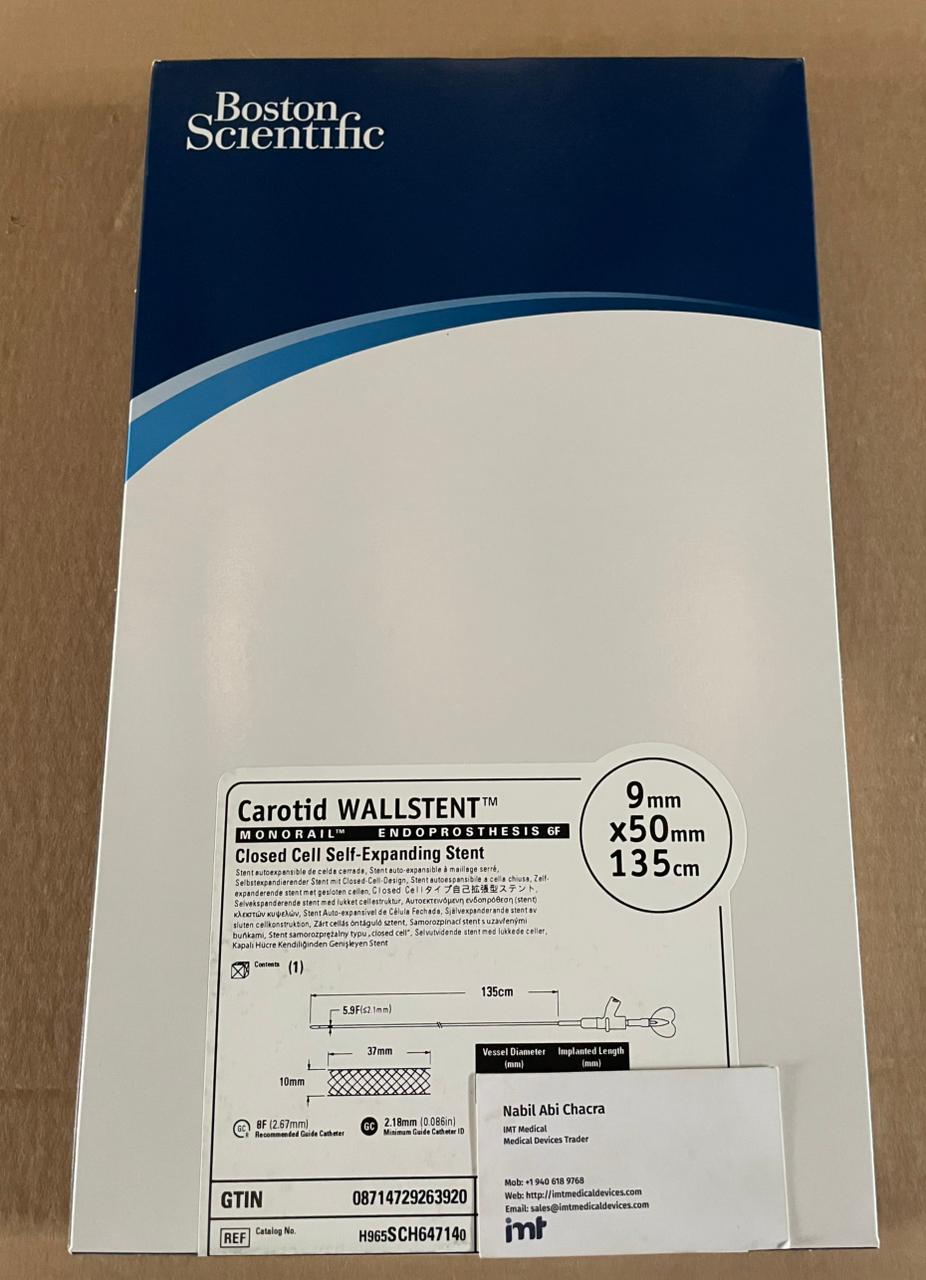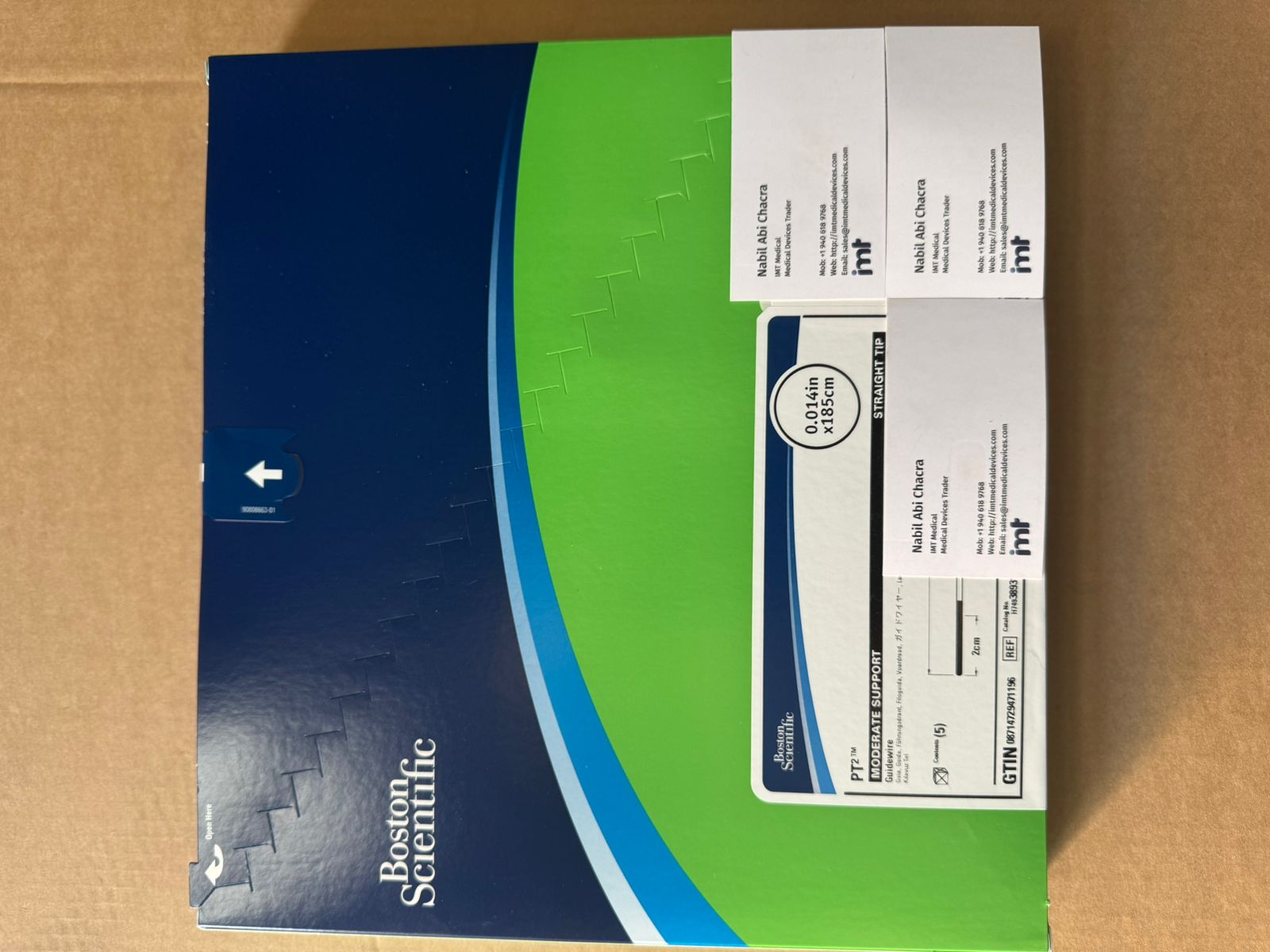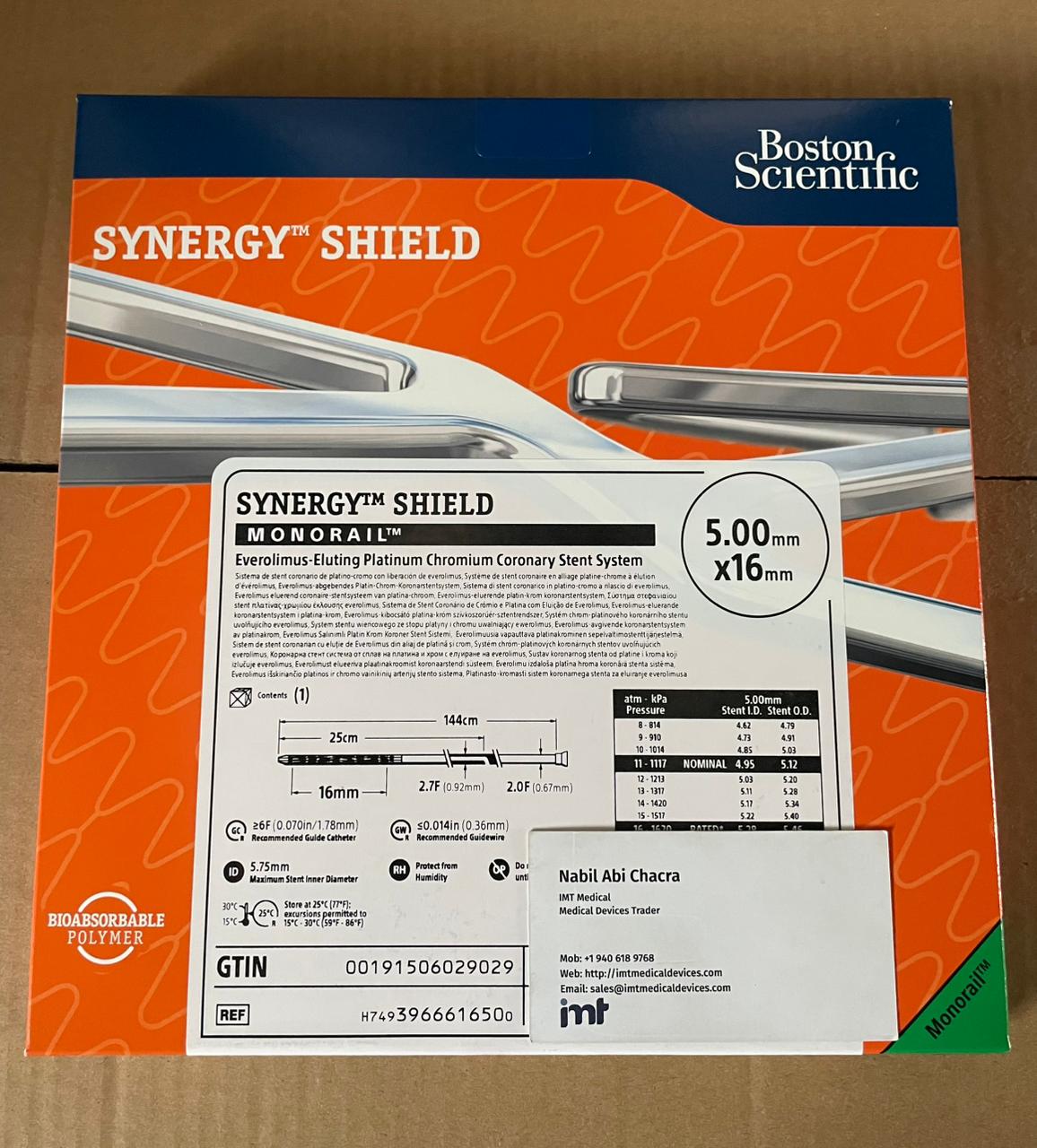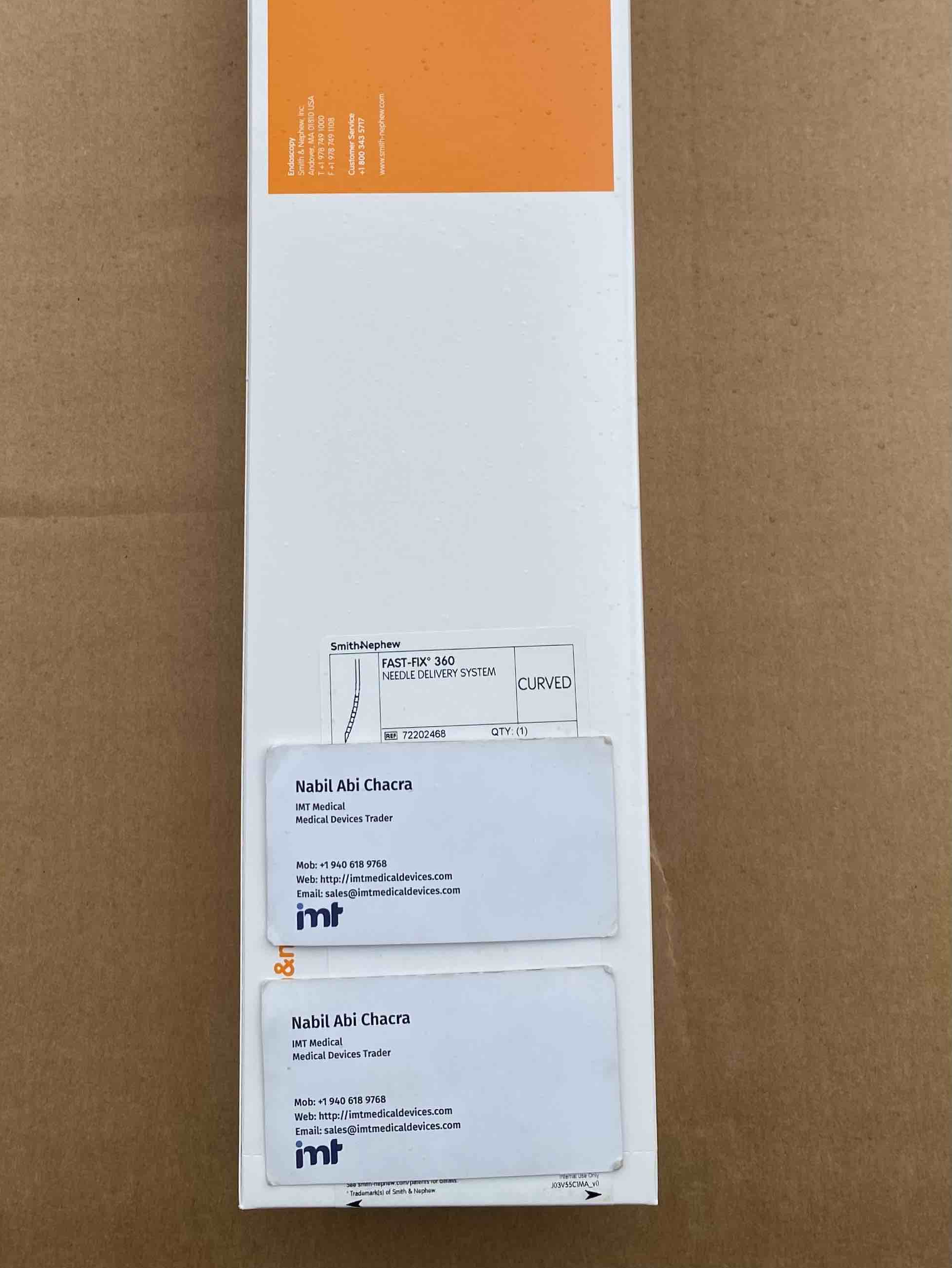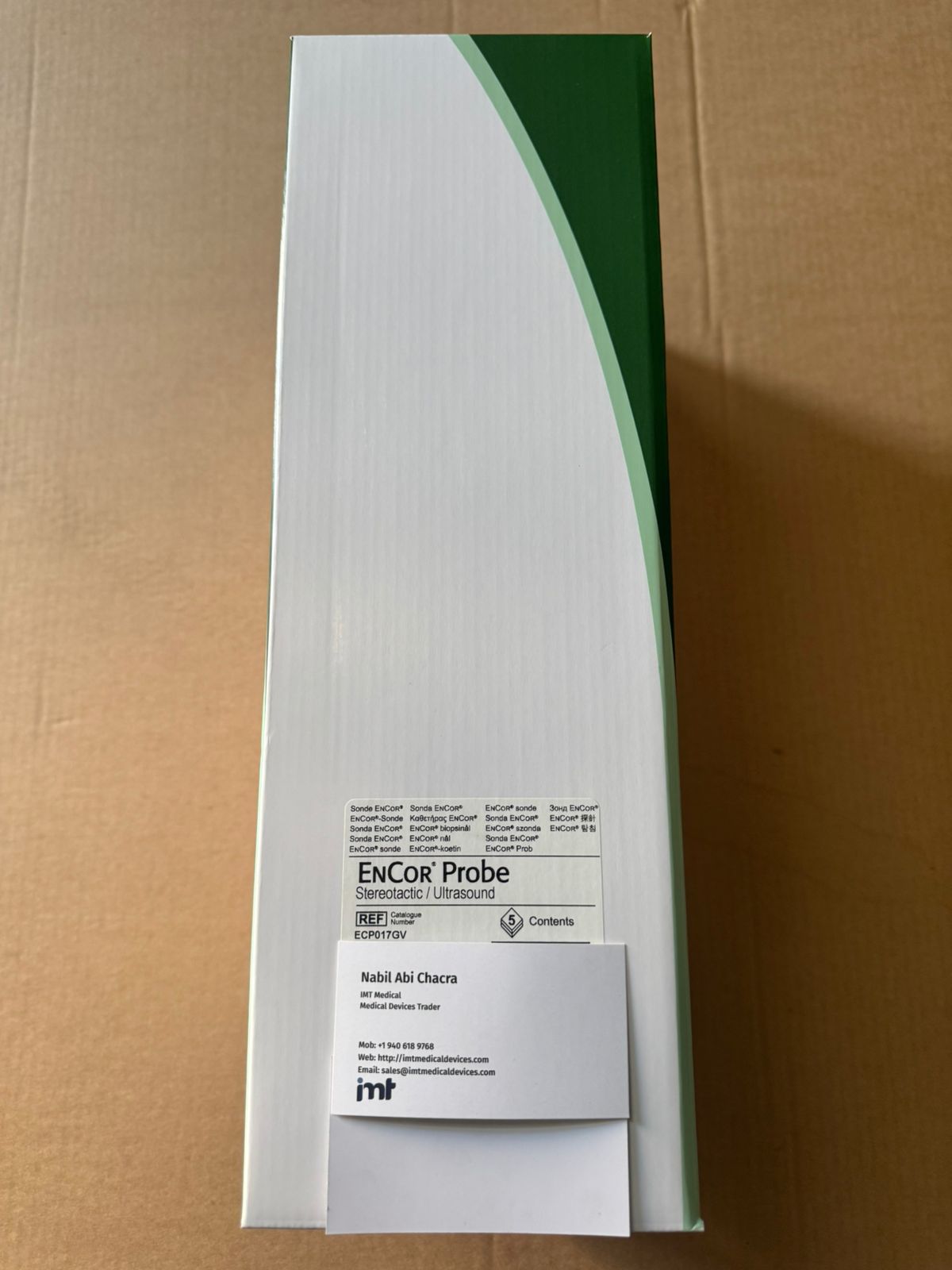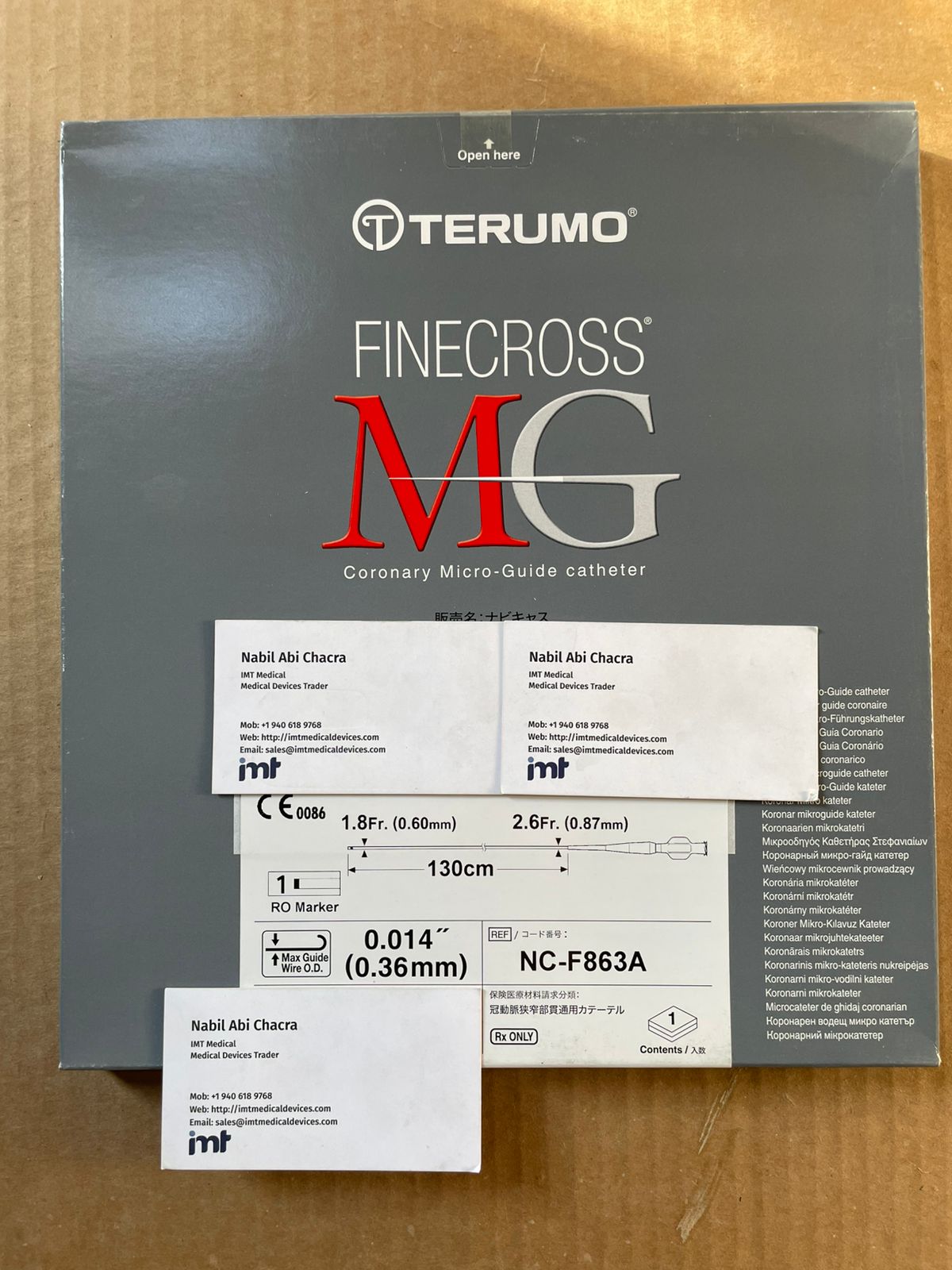

Where to Buy Coronary Stent Safely
A coronary stent is not a casual purchase. In most cases, the buyer already knows the target brand, platform, diameter, length, drug coating, and delivery system profile before asking for a quote. The real question behind "where to buy coronary stent" is usually more specific: where can a hospital, distributor, or physician source the exact branded coronary stent needed, with clear product identification, acceptable lead times, and fewer supply-side delays.
For professional buyers, the answer is rarely a retail channel. Coronary stents are sourced through specialized medical device suppliers, authorized distribution networks, and cross-border inventory partners that serve cath labs and specialty hospitals. What matters is not just access to a product category, but access to the exact item required for a live case or restocking cycle.
Where to buy coronary stent inventory
If you are a cath lab buyer, a procurement manager, an independent distributor, or a physician arranging supply outside a local distributor relationship, the practical buying path is through a specialized interventional device supplier. General medical wholesalers may carry broad product lines, but coronary intervention purchasing usually depends on narrower factors: brand availability, exact SKU matching, lot traceability, expiry visibility, and export capability.
That is why procurement teams often look for suppliers that focus on cardiovascular and endovascular intervention rather than broad hospital consumables. A supplier working daily with coronary, peripheral, and neurovascular lines is more likely to understand the difference between a substitute that looks similar on paper and the specific platform a cardiologist actually requested.
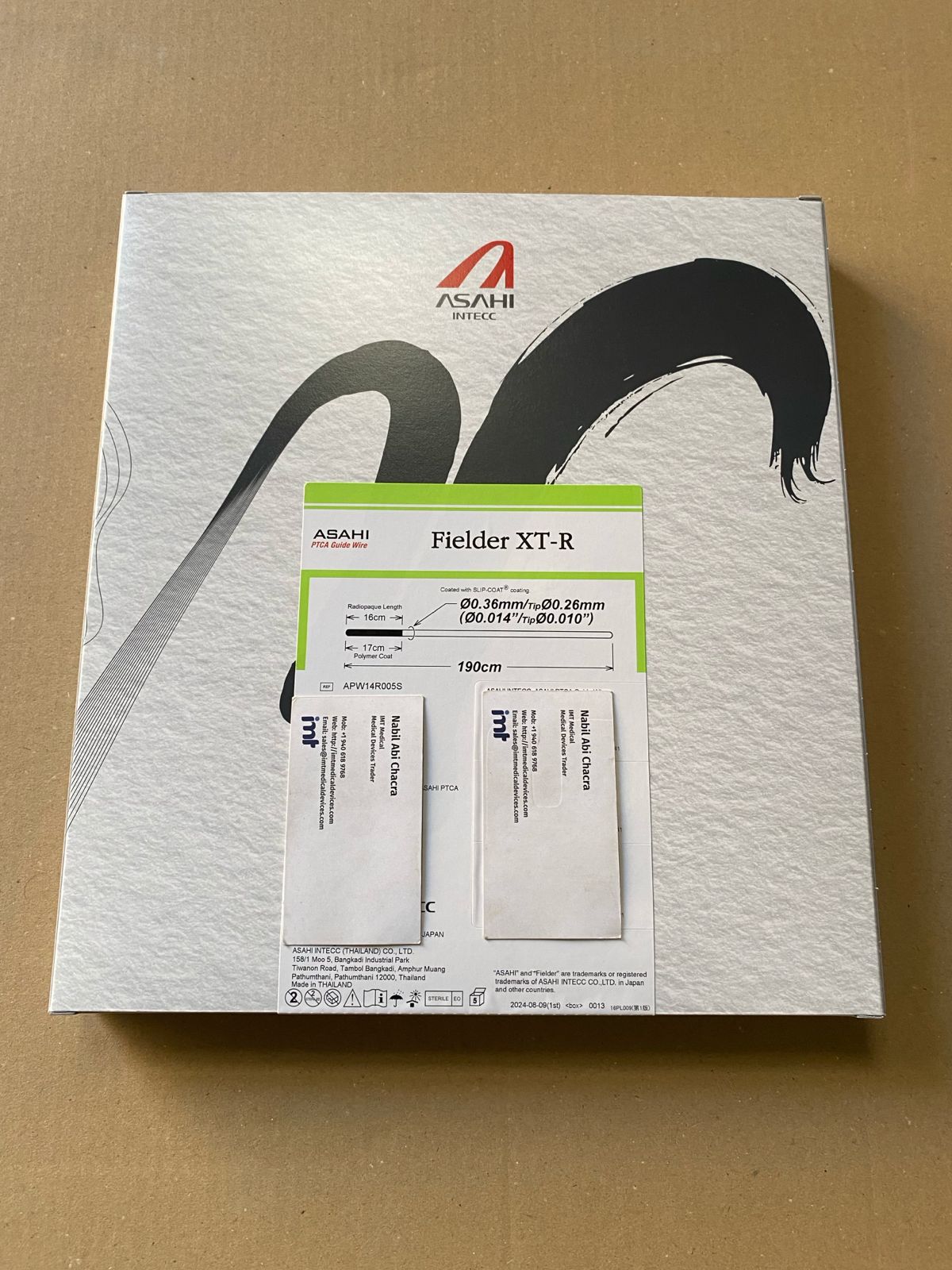
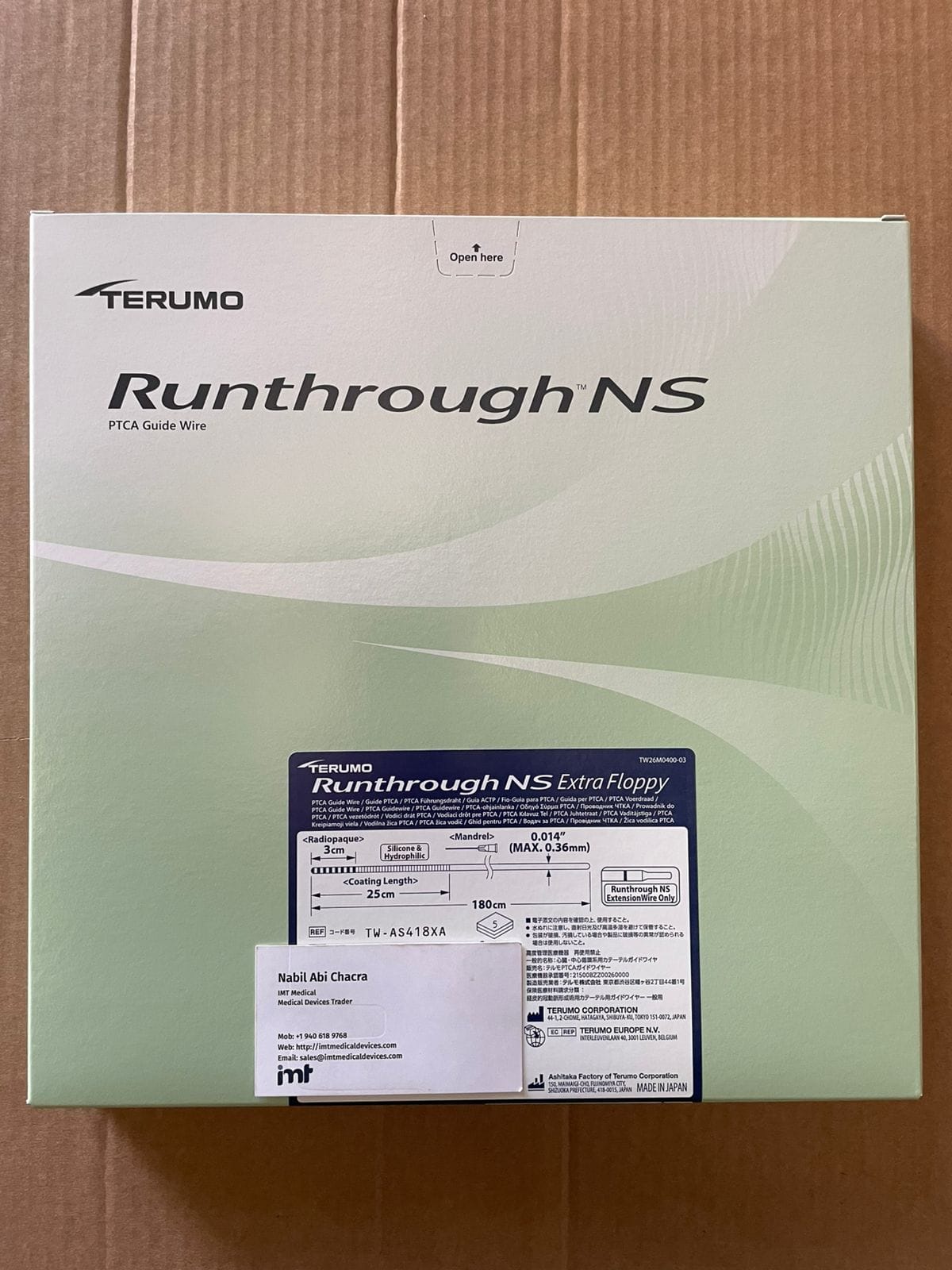
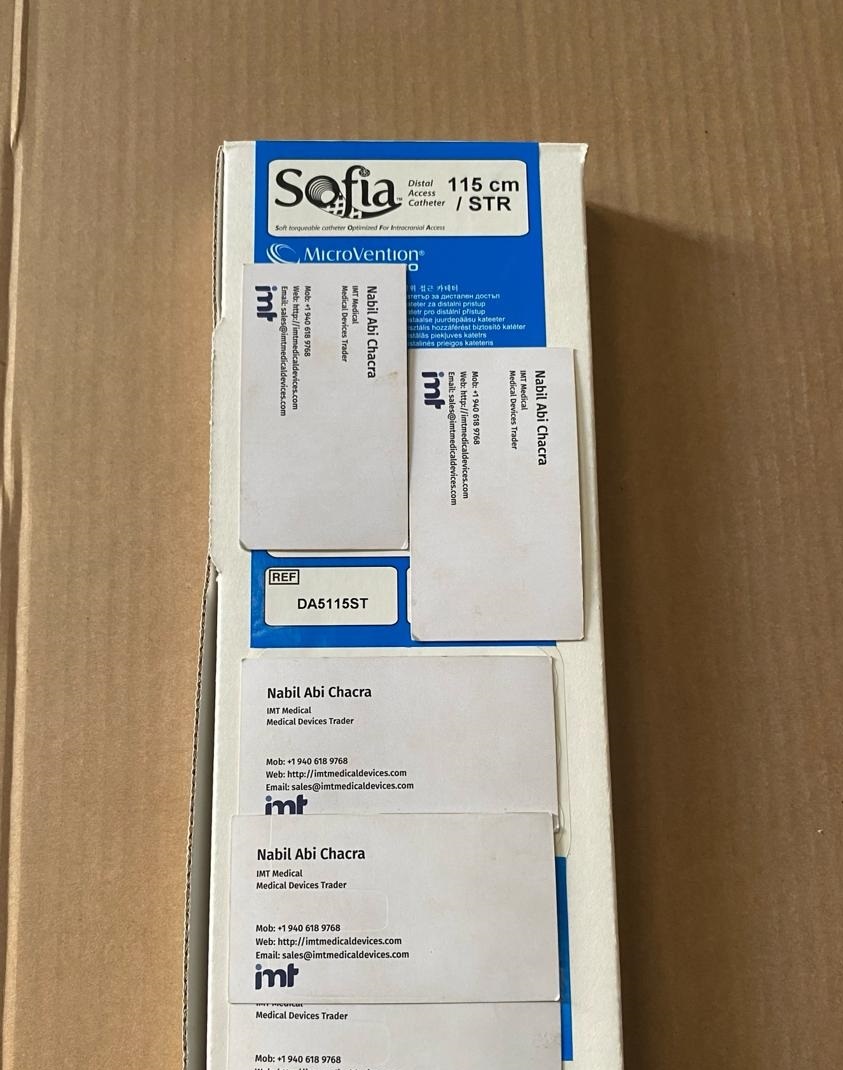
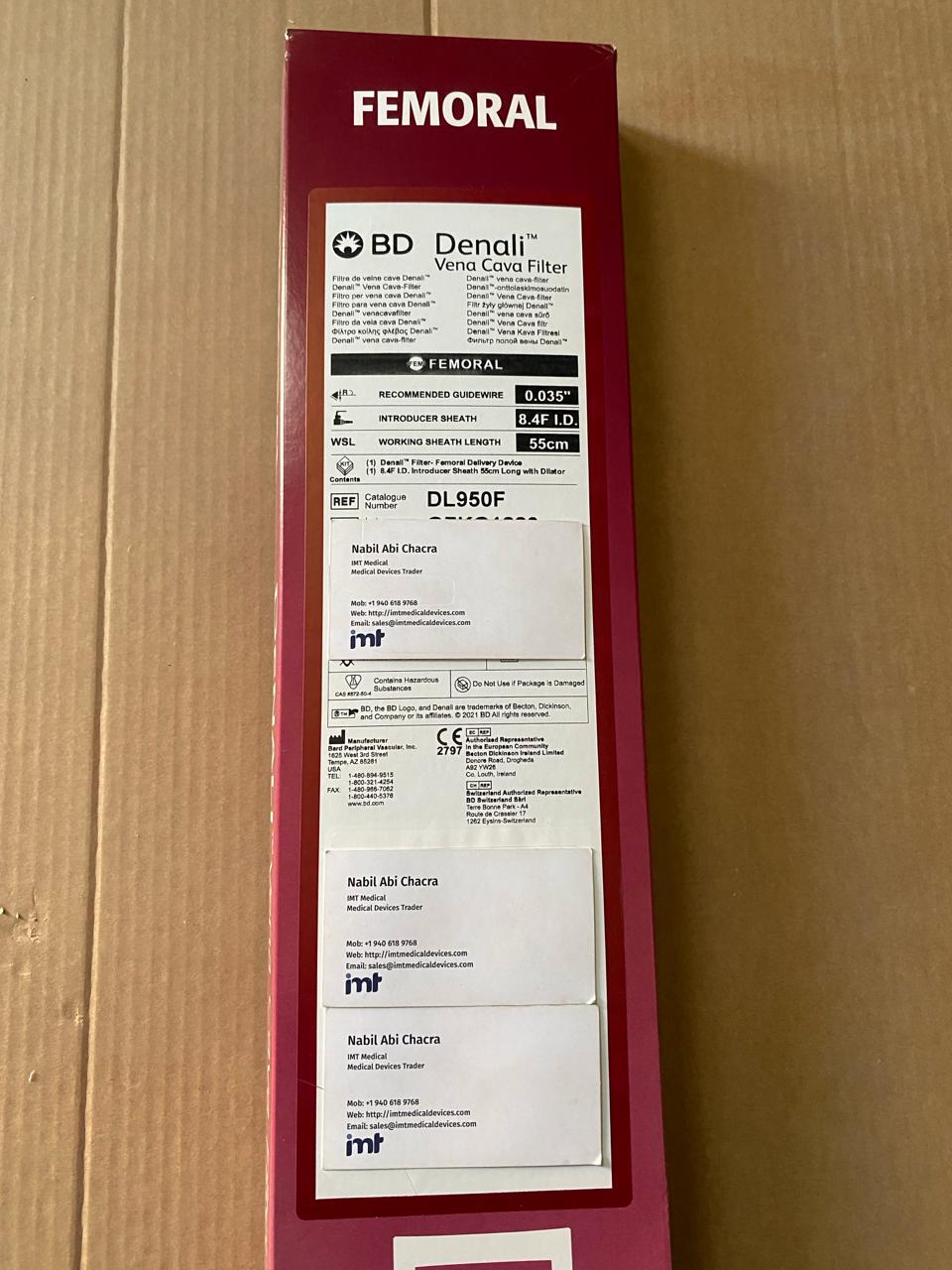
For many buyers, the most reliable source is a supplier that can quote products from established manufacturers such as Medtronic, Boston Scientific, Cordis, Terumo, and Abbott, while also supporting adjacent procedural items like guidewires, balloon catheters, guiding catheters, microcatheters, aspiration catheters, and vascular closure devices. That matters because coronary stent procurement is often tied to a full procedural bill of materials, not a single line item.
What professional buyers should verify first
Before choosing where to buy coronary stent stock, confirm whether the seller can identify the product exactly as requested. In this category, ambiguity creates delays. A valid sourcing conversation usually starts with a manufacturer name, product family, and part number, or at minimum a full specification set covering diameter, length, stent type, and any physician preference.
A credible supplier should be able to work from exact identifiers rather than broad descriptions like "drug-eluting coronary stent" or "3.0 stent." Buyers should also confirm whether the quotation includes unit of measure, packaging configuration, expiry range, storage conditions if relevant, and shipping origin. These are routine procurement details, but they become critical when the order is urgent or moving across borders.
If the supplier cannot quickly clarify whether the quoted item is the exact requested SKU or a near-match, that is usually a warning sign. In coronary intervention, near-match purchasing can create clinical resistance, internal approval issues, or outright case delays.
Why buyers look beyond local distributors
Local distribution is not always the problem. In many markets, it works well. But hospitals and independent distributors often start searching where to buy coronary stent inventory outside existing channels when they face recurring issues with allocation, limited brand coverage, uncompetitive pricing, or slow response times.
There is also the practical issue of preference mismatch. A physician may request a specific branded platform based on familiarity, lesion profile, or deliverability in difficult anatomy, while the local source offers only a restricted line. In that case, procurement is not simply shopping for a coronary stent. It is trying to secure a named product without losing time in back-and-forth substitutions.
Cross-border sourcing can solve that problem, but only if the supplier is structured for export and documentation. Buyers in Gulf countries, Latin America, Asia, China, and Russia often need a supplier that can handle international commercial workflows without turning every order into a custom project.
How to evaluate a coronary stent supplier
The best supplier is not always the one with the lowest quoted unit price. Procurement teams usually need a combination of availability, accuracy, and speed. If one quote is cheaper but the item description is vague, the lead time is unstable, or the supplier cannot confirm branded origin, the total purchasing risk goes up.
Start with inventory confidence. Ask whether the product is in stock, available against incoming stock, or subject to allocation. Then verify the documentation package. Depending on your market and internal controls, you may need invoice details, packing list accuracy, batch or lot data, expiry dates, and product photos showing the label.
It also helps to assess the supplier's range. A source that can quote only one coronary stent line may be useful for a narrow gap, but a source that supports the surrounding intervention categories can reduce procurement friction. When the same supplier can quote coronary stents, PTCA balloons, guidewires, guiding catheters, microcatheters, and closure devices, your team spends less time splitting orders and reconciling multiple shipments.
Exact part numbers matter more than broad brand claims
In coronary purchasing, brand name alone is not enough. A buyer may know they need an Abbott or Boston Scientific platform, but the actual order still lives at part-number level. Different lengths, diameters, and delivery configurations can affect case planning, physician acceptance, and internal inventory standardization.
That is why serious suppliers present products in a catalog-first way, with recognizable manufacturer names and exact identifiers whenever possible. This reduces interpretation risk and speeds up quote approval. It also helps when the end user is a physician who knows the device but not the procurement pathway.
If you are asking where to buy coronary stent products, the efficient approach is to send the exact product code first. If you do not have the code, send the fullest possible specification and any packaging reference available from prior use. The more exact the request, the faster the sourcing cycle.
What to avoid when sourcing coronary stents
The main risk is treating coronary stents like generic commodities. They are not. A vague listing, an incomplete description, or a supplier who cannot reconcile the quoted item to a known manufacturer label can create unnecessary risk for the buyer.
Another issue is overreliance on marketing language. Professional buyers do not need broad promises. They need confirmation. If the seller emphasizes general quality but avoids specifics such as manufacturer, product family, part number, quantity available, and shipping terms, the quote is incomplete.
There is also a timing trade-off. If the case is urgent, a buyer may prioritize available stock over ideal pricing. For routine replenishment, pricing and batch planning may matter more. The right sourcing decision depends on whether you are solving an immediate procedural need or building a repeat procurement channel.
A practical sourcing path for hospitals, distributors, and physicians
For most professional buyers, the cleanest process is simple. Start with the exact coronary stent reference required. Confirm branded availability. Verify supporting documents and lead time. Then decide whether the supplier can also support the associated interventional items likely to be reordered alongside it.
This approach is particularly useful for hospitals that want an alternative to local distributor dependency, distributors competing with entrenched regional channels, and physicians trying to source a preferred platform when local access is limited. In each case, the objective is the same: reduce delay, reduce ambiguity, and secure the exact device needed.
A specialized supplier such as IMTmedicaldevices.com fits this model when the requirement is not general education but direct procurement support for branded interventional inventory. That includes coronary stents as well as adjacent cath lab and vascular products from major manufacturers already recognized by buyers.
The buying decision comes down to operational fit
When deciding where to buy coronary stent inventory, the strongest option is usually the supplier that makes purchasing easier at the SKU level. Not the one with the loudest claims, and not necessarily the one with the widest generic catalog. The right source is the one that can identify the product correctly, quote it clearly, document it properly, and move it on a timeline that fits your case load or replenishment plan.
If a supplier can do that consistently, it becomes more than a one-off source. It becomes part of your procurement infrastructure. That is usually what buyers are really looking for when they ask where to buy a coronary stent.