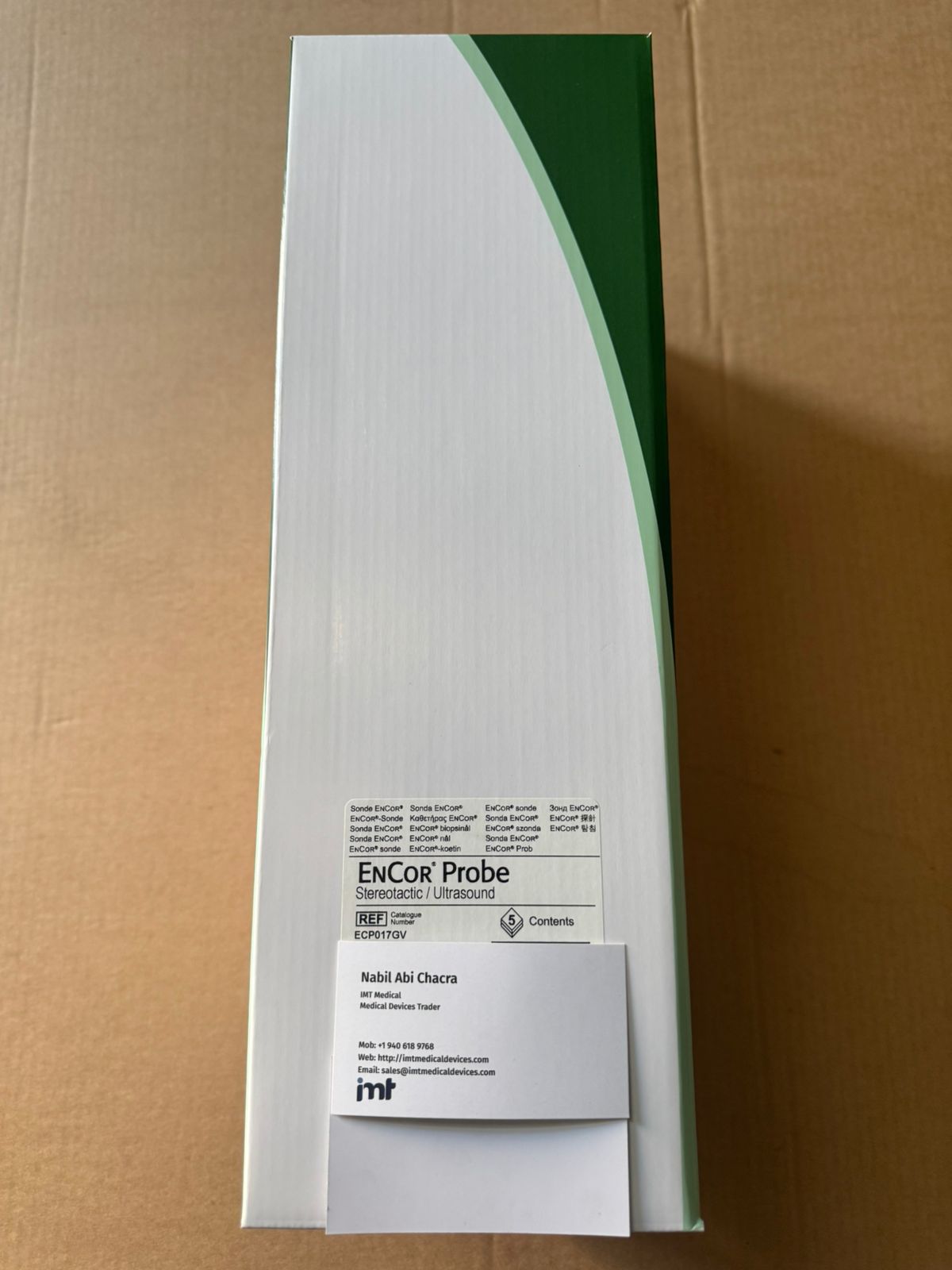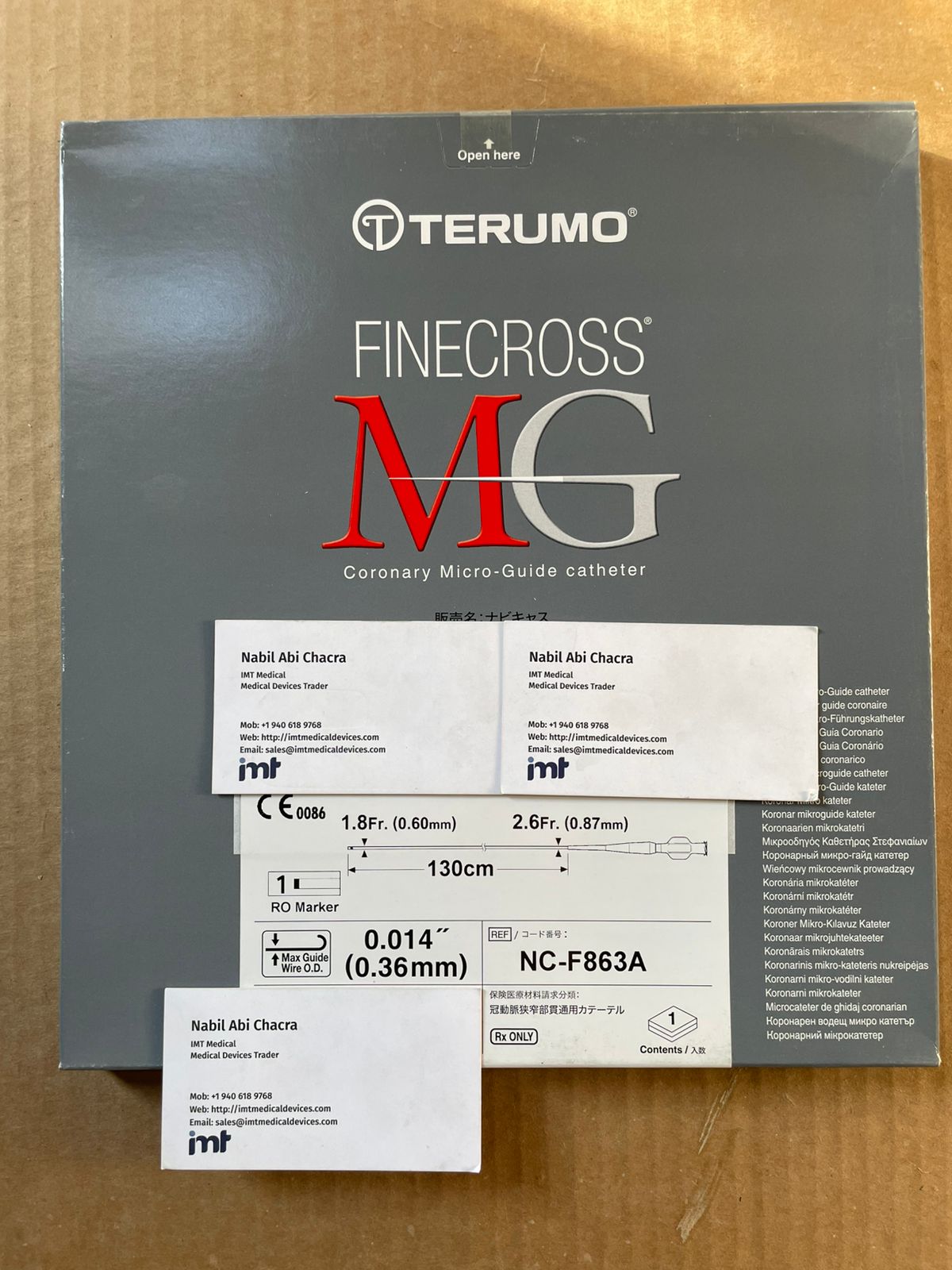

Wholesale Cath Lab Supplies: Quality Cardiac Solutions
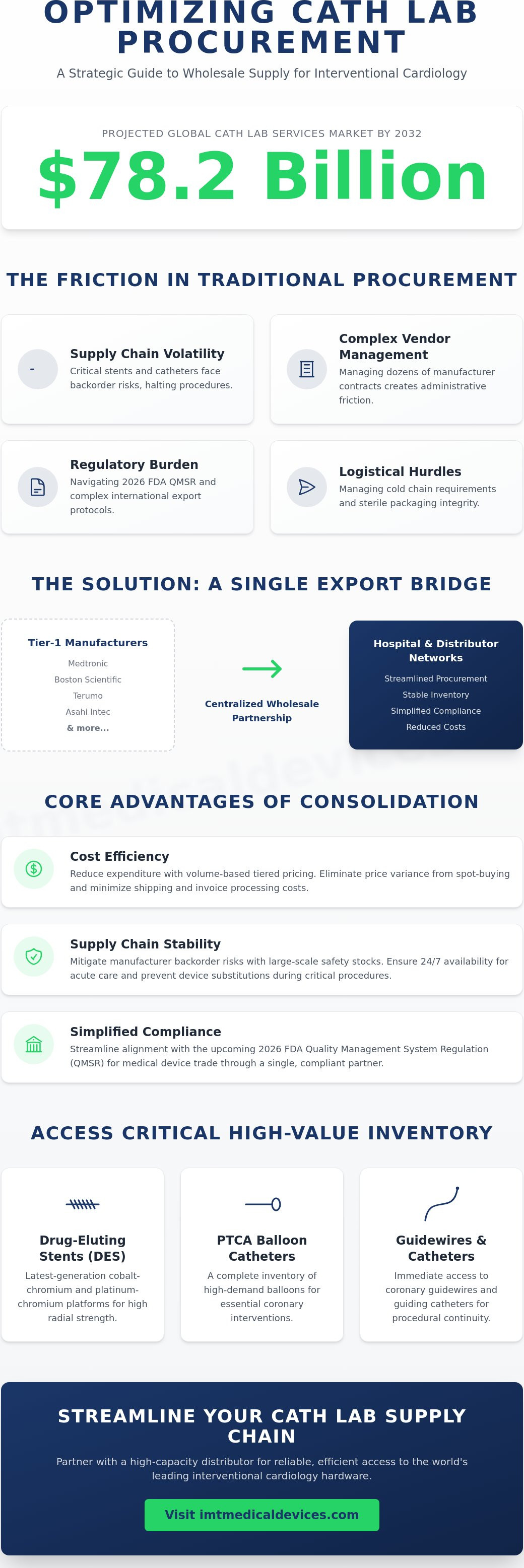
The global cath lab services market is projected to reach $78.2 billion by 2032. This expansion demands a procurement strategy built on high-capacity distribution and technical precision. Securing cath lab supplies wholesale requires a partner capable of navigating the 2026 FDA Quality Management System Regulation (QMSR) and complex international export protocols. Logistics reliability is the foundation of modern interventional cardiology. Efficiency remains the primary requirement.
Procurement professionals often face supply chain volatility for critical stents and catheters. Managing multiple vendor relationships and regulatory documentation creates unnecessary administrative friction. This article outlines how to optimize your hospital or distribution network through streamlined hardware acquisition and expert global logistics. You'll learn about stabilizing inventory for Drug-Eluting Stents (DES) and PTCA balloons while leveraging tiered pricing. We provide a preview of accessing Tier-1 manufacturers like Medtronic, Terumo, Asahi Intec, and Boston Scientific through a single, efficient export bridge.
Key Takeaways
- Reduce procurement expenditure and mitigate supply chain volatility by utilizing bulk sourcing strategies for large-scale hospital networks.
- Secure consistent access to a complete inventory of cath lab supplies wholesale, featuring high-demand Drug-Eluting Stents and PTCA balloon catheters.
- Navigate complex international logistics and cold chain requirements with specialized export protocols for interventional cardiology hardware.
- Align procurement operations with 2026 regulatory updates, including the FDA’s Quality Management System Regulation (QMSR) for medical device trade.
- Consolidate vendor management by sourcing premium brands like Medtronic, Boston Scientific, and Terumo from a single high-capacity distributor.
The Strategic Importance of Cath Lab Supplies Wholesale
The global cath lab services market is expanding, reaching a projected $78.2 billion by 2032. Efficient procurement within a Catheterization laboratory requires a shift from fragmented vendor models to consolidated wholesale partnerships. Wholesale interventional cardiology procurement now encompasses high-precision hardware, permanent implants, and specialized delivery systems. Centralizing these requirements through cath lab supplies wholesale channels reduces administrative overhead. It simplifies compliance with the 2026 FDA Quality Management System Regulation (QMSR).
The 2026 landscape is characterized by rapid technological adoption and regulatory harmonization. A centralized procurement strategy addresses the difficulty of accessing multiple premium brands from a single source. Instead of managing dozens of individual manufacturer contracts, regional distributors and hospital networks utilize a single wholesale bridge. This approach ensures technical compatibility across different hardware platforms. It also facilitates rapid information retrieval for technical specifications and manufacturer-specific identifying codes. Industrial competence in this sector is measured by the ability to provide a continuous flow of authentic, high-end technology to international markets.
Cost-Efficiency in Interventional Cardiology
Procurement departments prioritize per-procedure cost reduction. Bulk sourcing for coronary stents and coronary balloons allows for volume-based tiered pricing. This model provides significant savings compared to decentralized purchasing. Hospital networks can reallocate saved capital toward advanced imaging systems or facility expansion. Centralized procurement eliminates the price variance seen in spot-buying. It provides a predictable cost structure for long-term financial planning. Access to a comprehensive coronary intervention inventory from one source minimizes shipping fees and invoice processing costs.
Supply Chain Stability for Acute Care
Procedural continuity depends on immediate access to coronary guidewires and guiding catheters. Manufacturer-level backorders can halt emergency interventions and delay elective procedures. International wholesalers mitigate this risk by maintaining large-scale safety stocks across multiple Tier-1 brands. This logistical buffer ensures 24/7 availability for acute care scenarios. Global distributors balance regional shortages by re-routing inventory through established export networks. Professional logistics management handles cold chain requirements and sterile packaging integrity. Reliability is the primary metric for success in high-stakes cardiac environments. Stable inventory levels prevent the clinical risks associated with device substitutions during critical procedures.
High-Value Interventional Hardware Inventory
High-value hardware inventory defines the operational capacity of modern cardiac facilities. While many distributors focus on low-cost disposables, cath lab supplies wholesale procurement must prioritize critical interventional hardware. This includes permanent implants, specialized catheters, and rhythm management devices. All items must adhere to FDA regulations for cardiovascular devices to ensure safety and clinical efficacy. Industrial-grade distribution ensures these high-stakes items are available for immediate global export.
The inventory scope covers everything from initial vascular access to final implantation. Sourcing focuses on Tier-1 manufacturers like Medtronic, Boston Scientific, and Terumo. This manufacturer-centric approach guarantees technical reliability and brand authenticity. Procurement professionals can identify specific categories or items at a glance through structured inventory lists. High-capacity logistics handle the specialized requirements of these precision instruments.
Coronary Intervention: DES and PTCA Balloons
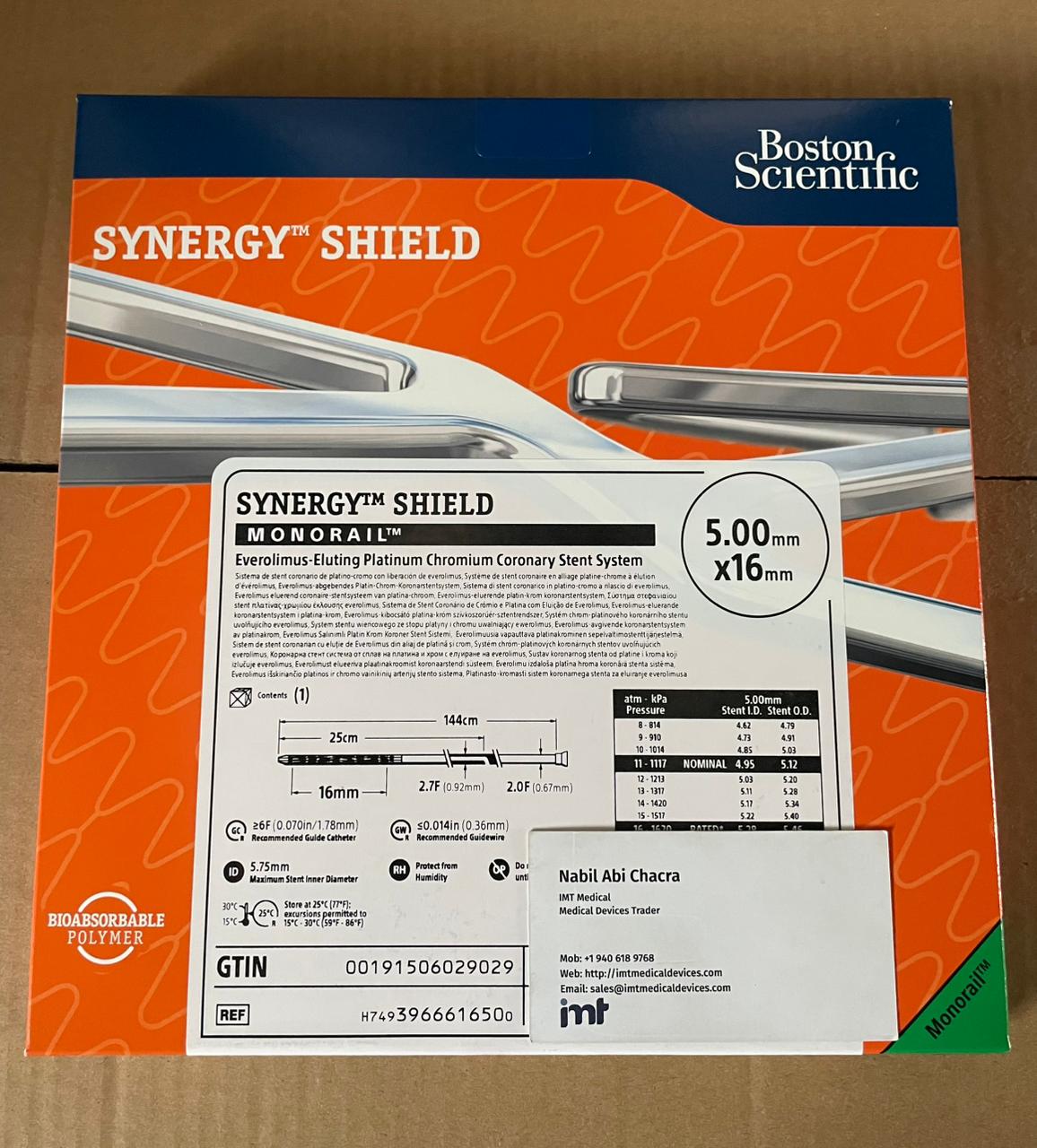
Coronary intervention relies on the availability of latest-generation coronary stents. Modern Drug-Eluting Stents (DES) feature cobalt-chromium or platinum-chromium platforms. These materials provide high radial strength and thin struts for improved deliverability in complex lesions. Procurement lots are evaluated based on polymer biocompatibility and drug elution profiles. Technical specifications often include specific manufacturer codes to ensure exact matches for clinical protocols.
Strategic sourcing includes a full range of coronary balloons. Inventory includes:
- Semi-compliant balloons for pre-dilation and lesion preparation.
- Non-compliant balloons for high-pressure post-dilation and stent apposition.
- Specialized scoring or cutting balloons for calcified vessels.
You can explore the complete coronary intervention hardware list to identify specific technical codes for your facility.
Cardiac Rhythm Management (CRM) Devices
CRM hardware procurement requires a focus on longevity and lead compatibility. Wholesale inventory includes permanent pacemakers designed for bradycardia management. These devices are sourced from global leaders to ensure long-term battery performance and advanced sensing capabilities. Reliable lead delivery systems are packaged alongside pulse generators to maintain procedural efficiency.
For heart failure clinics, bulk sourcing of Implantable Cardioverter Defibrillators (ICDs) is essential. These high-value units manage life-threatening ventricular arrhythmias. Supply management also extends to electrophysiology catheters. These include diagnostic mapping catheters and ablation catheters used in complex arrhythmia treatments. Precise inventory tracking is maintained for all serialized CRM hardware.
Peripheral Intervention and Vascular Access
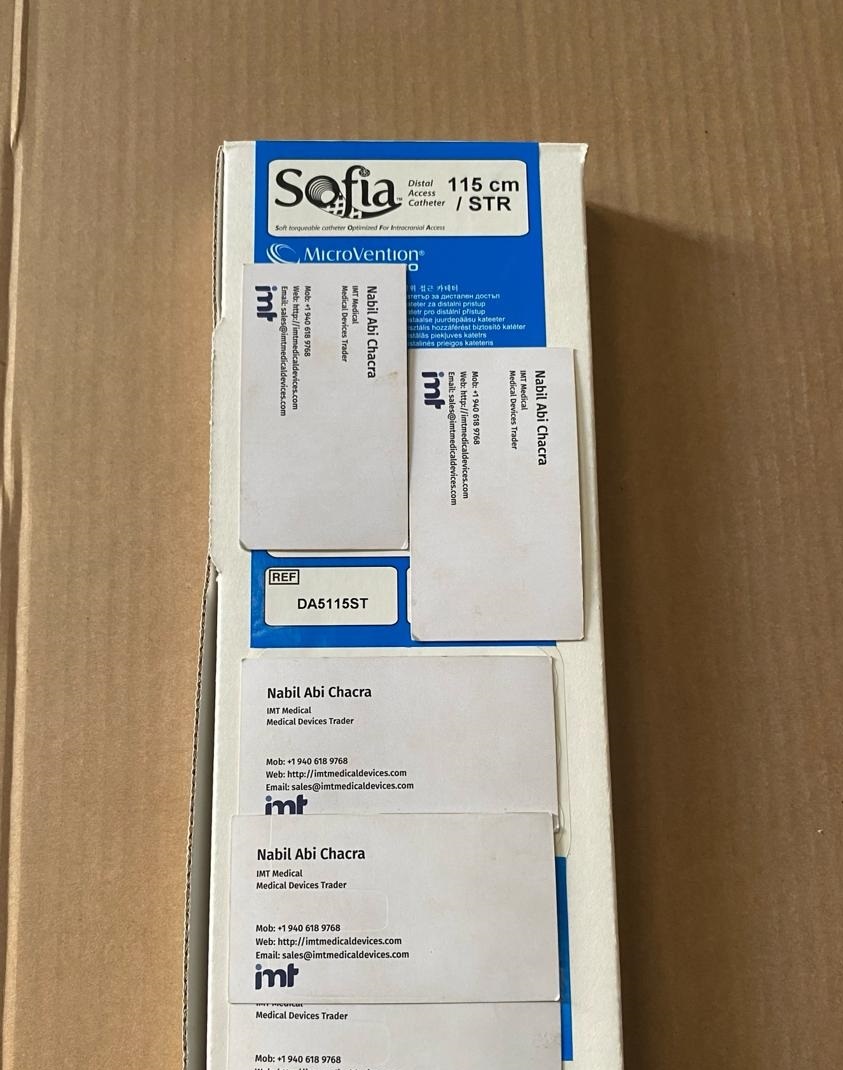
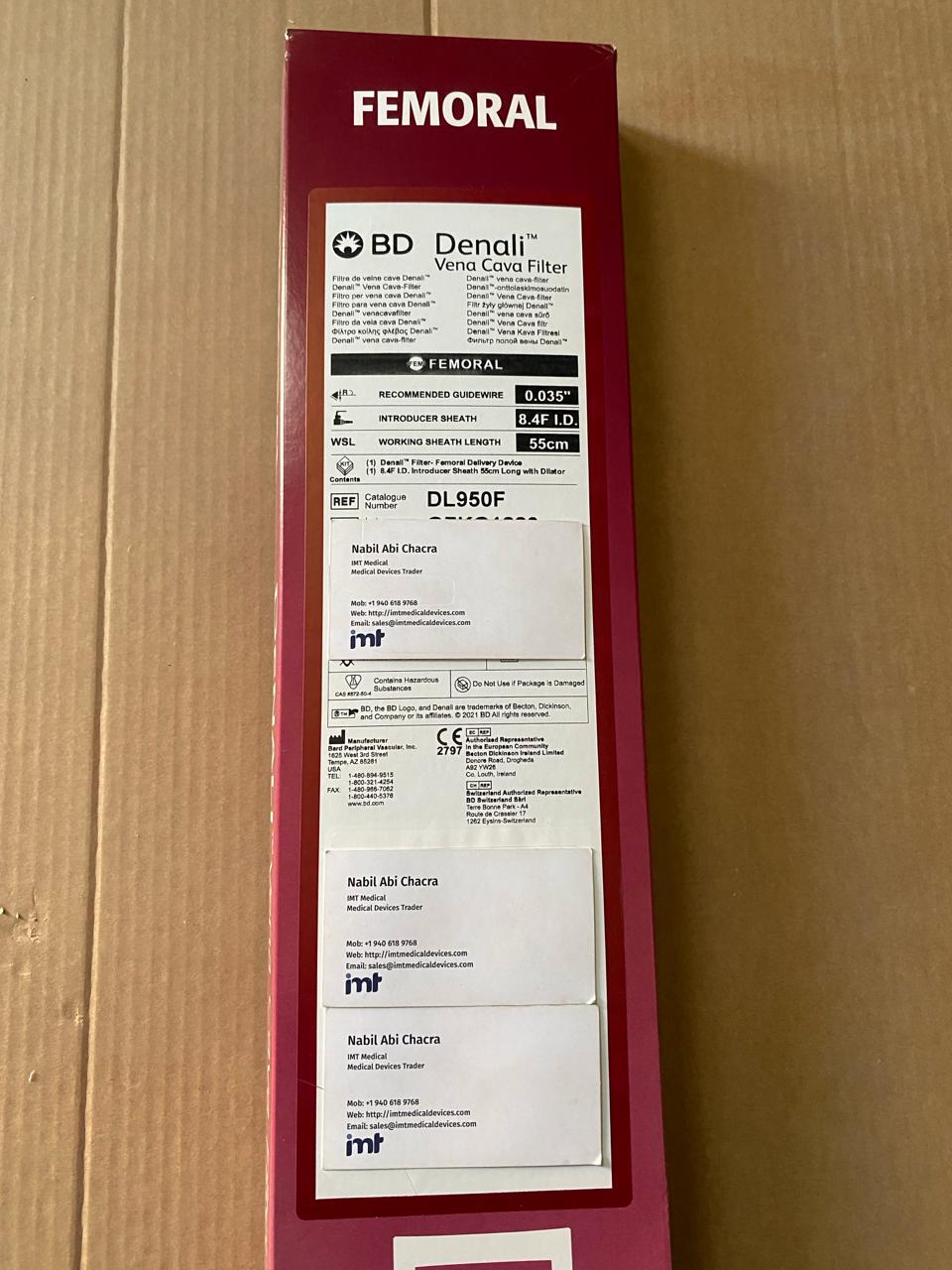
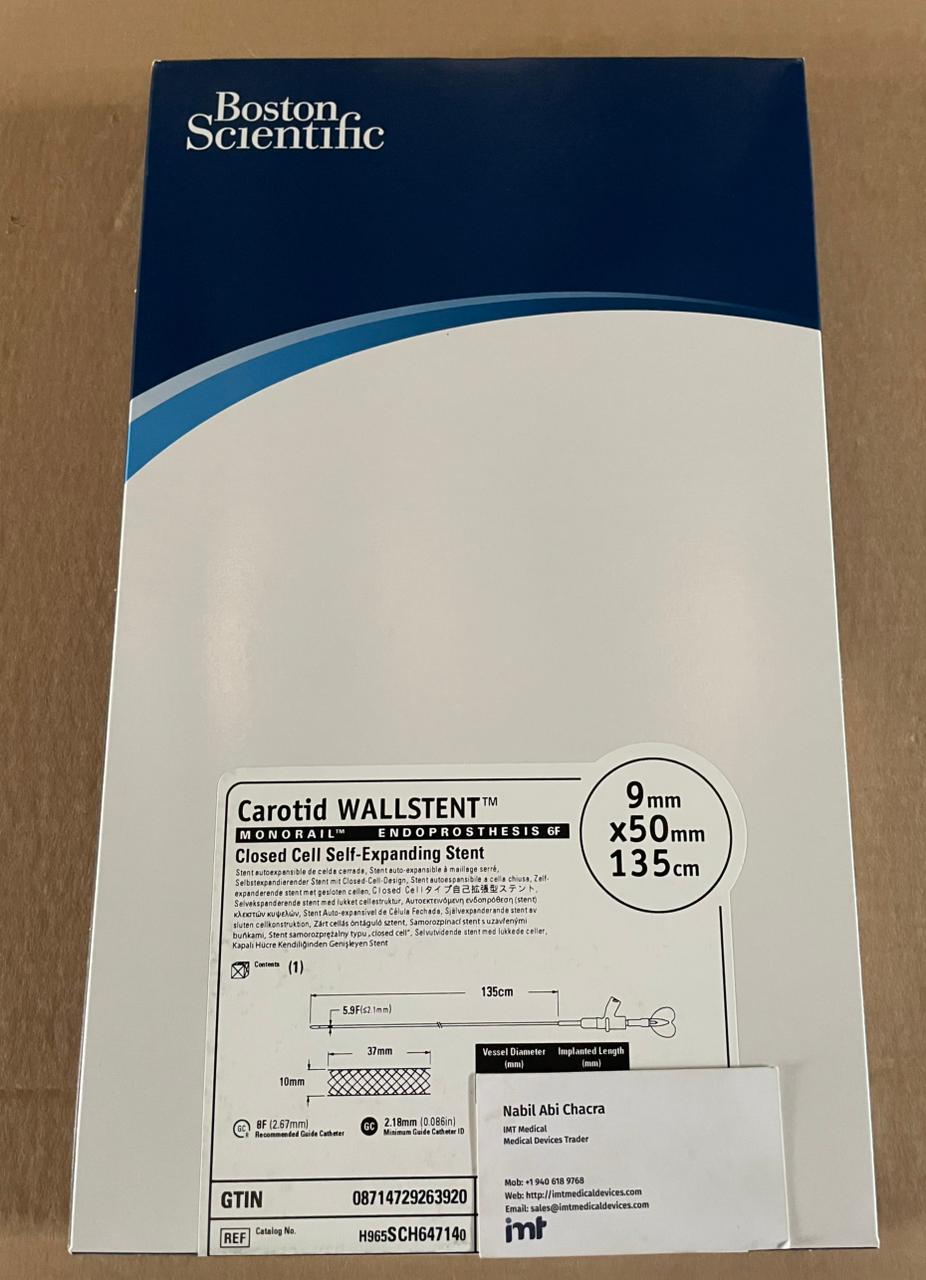
Vascular labs and radiology suites require specialized peripheral stents and guidewires. Inventory includes self-expanding nitinol stents for superficial femoral artery (SFA) interventions. Diagnostic guidewires and micro-catheters support neurovascular and peripheral access. This breadth of cath lab supplies wholesale options allows for total facility procurement from a single logistical partner. Consistency in supply prevents delays in critical vascular care.
Tier-1 Brand Selection and Compatibility
Manufacturer reputation remains the primary trust signal in interventional cardiology. High-stakes procedures require hardware with documented clinical trial data and long-term patient outcomes. Accessing cath lab supplies wholesale allows procurement professionals to consolidate inventory from multiple Tier-1 brands through a single logistical bridge. This manufacturer-centric approach prioritizes technical specifications and brand authenticity over generic alternatives. Medtronic, Boston Scientific, and Abbott define the global standard for coronary intervention, providing the radial strength and deliverability required for complex lesions.
Ensuring cross-brand compatibility is a technical requirement for any interventional suite. Guidewires from one manufacturer must perform seamlessly within the guiding catheters of another. When assembling these components into specialized procedural sets, adherence to FDA guidance on medical supply kits is mandatory. This regulatory framework ensures that multi-brand configurations meet safety standards for international trade. Reliable distribution networks maintain exhaustive stock of these compatible components to prevent procedural delays caused by hardware mismatch.
Premium Coronary and Peripheral Platforms
Medtronic Resolute and Onyx series distribution serves global markets that demand high-performance cobalt-chromium platforms. These stents provide the visibility and flexibility needed for tortuous anatomy. Boston Scientific Synergy and Promus platforms offer distinct technical differentiators, such as bioabsorbable polymers and platinum-chromium architecture. Sourcing peripheral stents for multi-disciplinary vascular programs requires a partner capable of managing these competing Tier-1 lines. Consolidating these platforms through a cath lab supplies wholesale partner reduces vendor fragmentation and simplifies inventory tracking for large hospital networks.
Vascular Access and Guidewire Technology
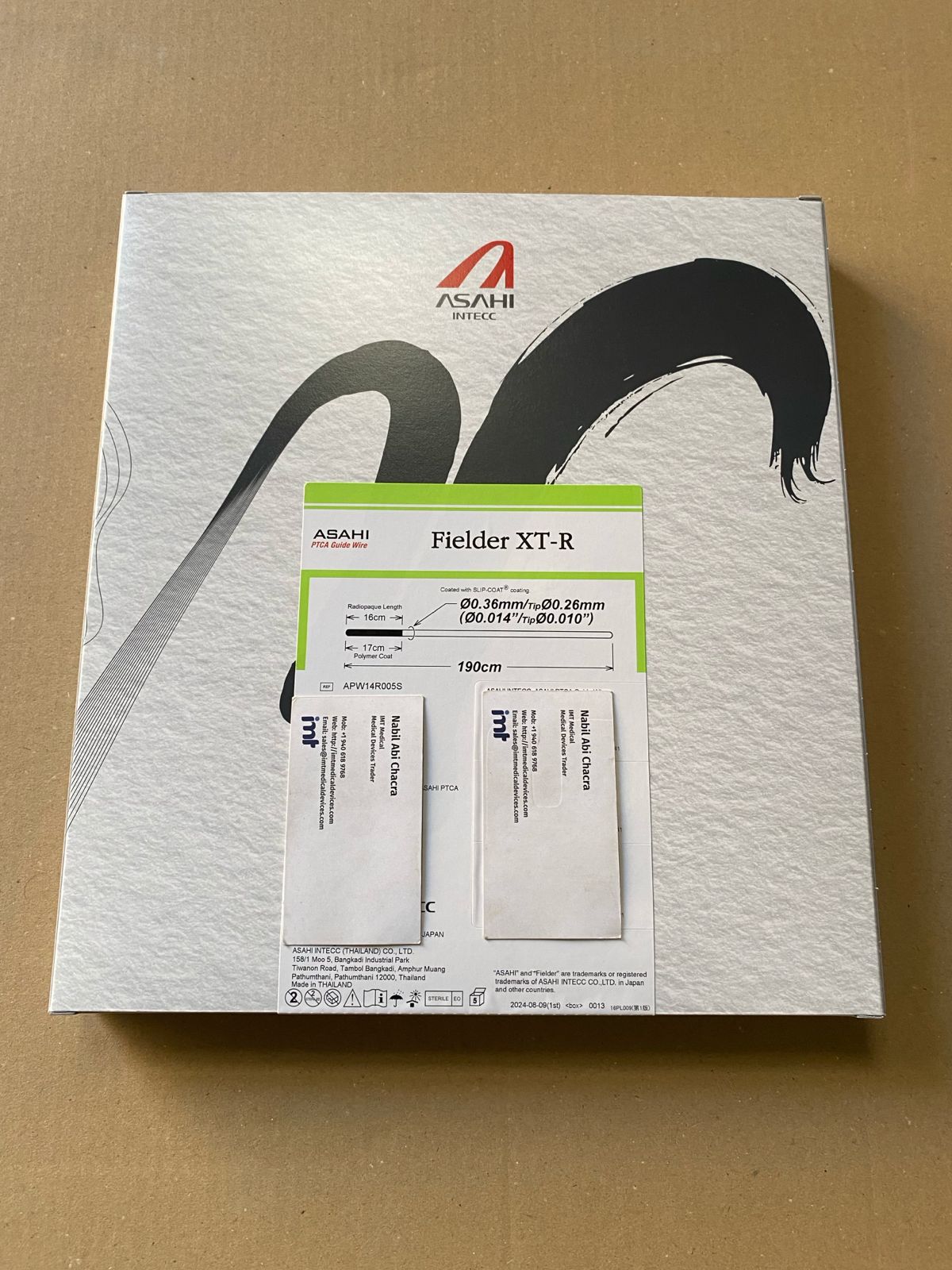
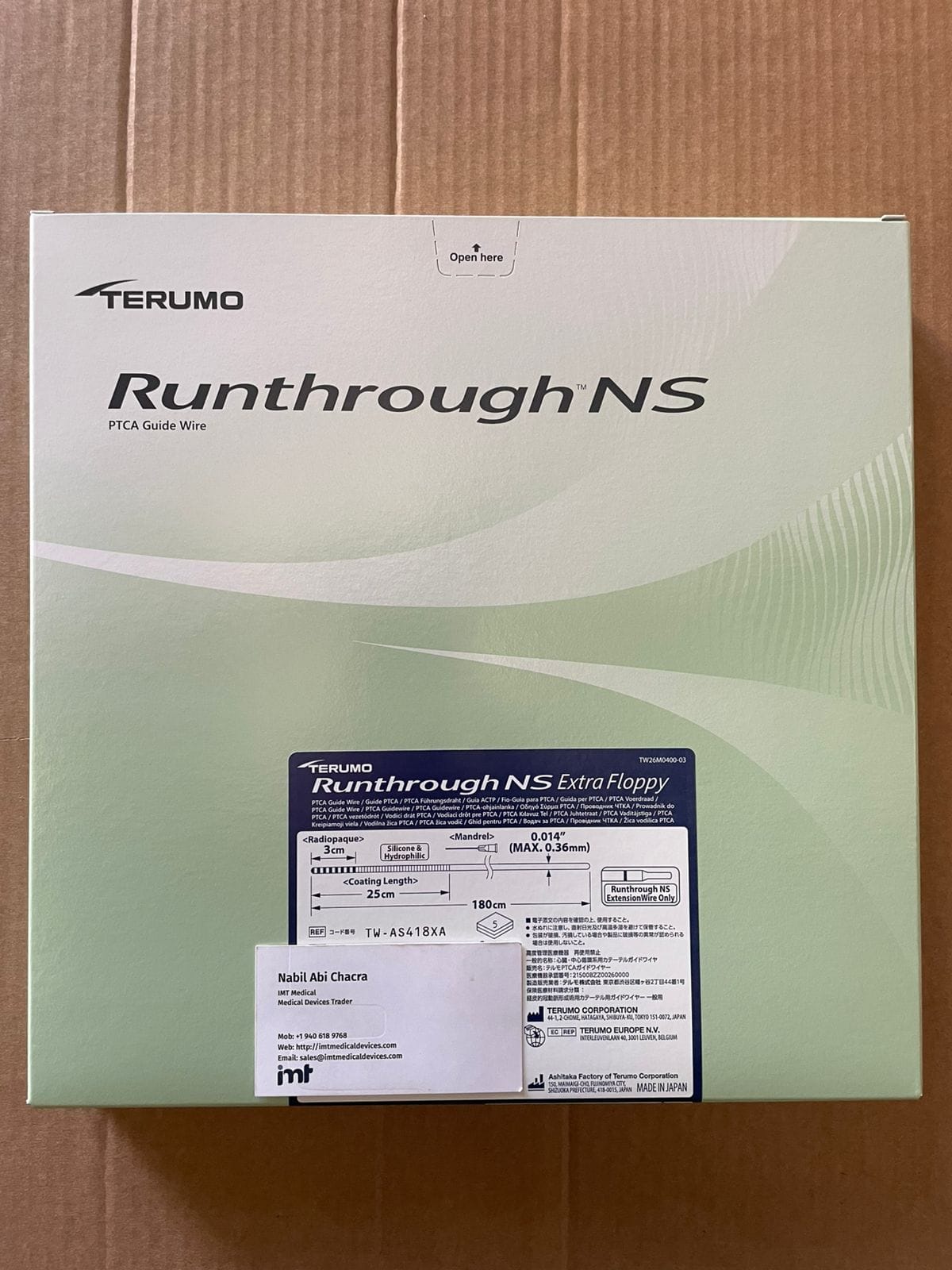
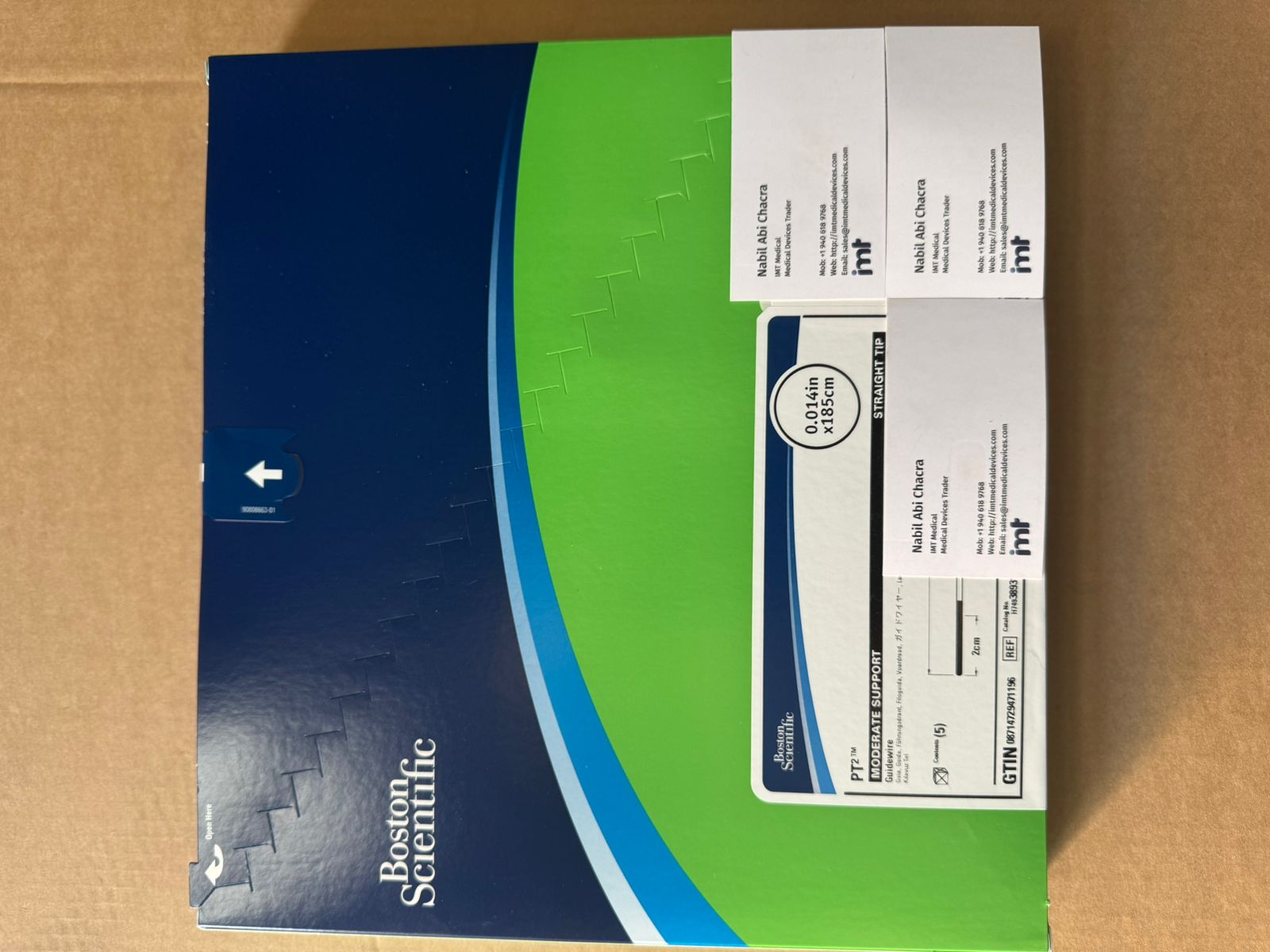
Successful lesion crossing depends on the precise torque and tactile feedback of coronary guidewires. Asahi Intec precision wires, including the Miracle and Gaia series, are the industry standard for chronic total occlusion (CTO) cases. These specialized tools require expert handling and technical knowledge during the procurement process. Terumo radial access solutions and guiding catheter bulk availability ensure that facilities can maintain high-volume procedural throughput. The combination of Asahi's wire technology and Terumo's access systems represents a common multi-brand strategy for modern radial-first labs. Authentic sourcing guarantees that these precision instruments meet the original manufacturer's performance specifications.
International Logistics and Regulatory Compliance
Global distribution of cath lab supplies wholesale requires a logistical infrastructure capable of managing high-stakes medical inventory. International medical device shipping involves more than simple transport. It demands strict adherence to evolving quality standards. As of February 2, 2026, the FDA has implemented the Quality Management System Regulation (QMSR). This regulation aligns US requirements with the international standard ISO 13485:2016. Professional distributors must navigate these harmonized standards to ensure cross-border compliance. Logistical reliability is maintained through strategic regional offices in Georgia, Dubai, Turkey, and Poland. These hubs facilitate rapid information retrieval and local customs expertise.
Managing the movement of high-value interventional hardware requires industrial competence. The priority is minimizing transit times while maintaining product integrity. This is particularly critical for permanent implants and specialized delivery systems that must arrive sterile and ready for clinical use. Reliable export networks prevent the supply chain volatility often associated with critical cardiac components.
Export Documentation and Customs Management
Standardized documentation is the foundation of efficient medical trade. Every shipment must include accurate certificates of origin and manufacturer authorization letters. Managing import duties and VAT exemptions for healthcare institutions requires specialized knowledge of local tax laws in regions like the Middle East or Eastern Europe. Streamlining customs clearance for urgent 'just-in-time' deliveries prevents procedural delays. This process involves:
- Pre-filing regulatory documentation with regional health authorities.
- Coordinating with manufacturers for technical specification sheets and identifying codes.
- Utilizing authorized economic operator status for expedited border processing.
Efficiency in documentation reduces administrative friction for procurement professionals. It ensures that critical hardware reaches the interventional suite without regulatory hold-ups.
Cold Chain and Sensitive Device Handling
Temperature-sensitive cardiology products demand specialized logistical protocols. Drug-coated devices, such as certain peripheral stents, require consistent environmental conditions to preserve the efficacy of the pharmaceutical agent. Real-time tracking and environmental monitoring are utilized during long-haul international exports. These systems provide data on temperature, humidity, and shock during transit.
Risk mitigation strategies include redundant cooling systems for air freight and specialized packaging for high-value implants. Handling protocols for coronary intervention hardware prioritize the preservation of sterile barriers. Failure to maintain these standards results in inventory loss and compromised patient safety. Professional logistics management ensures that every item, from diagnostic guide wires to ICDs, meets original manufacturer specifications upon arrival. Consistent monitoring is the primary trust signal for international buyers.
You can consult with our export specialists to review the documentation required for your specific regional market.
Optimizing Your Cath Lab Wholesale Strategy
Effective procurement in 2026 requires a transition from transactional spot-buying to strategic partnership. Selecting a partner for cath lab supplies wholesale involves more than comparing unit prices. Procurement professionals must evaluate a distributor’s technical expertise and their ability to provide high-value interventional hardware consistently. A reliable partner serves as a logistical bridge between Tier-1 manufacturers and international hospital networks. Efficiency is the primary metric. Information retrieval speed for technical codes and manufacturer specifications determines procedural throughput.
Future trends in cath lab procurement reflect a significant shift toward outpatient settings. As of 2026, many cardiovascular procedures are moving to ambulatory surgical centers (ASCs) due to cost-effectiveness and reimbursement dynamics. Integration of AI-powered imaging and digital inventory feeds is also transforming workflow. Strategic partners must offer the technical breadth to support these evolving environments. This includes maintaining stable stock of coronary intervention hardware and rhythm management devices. Industrial competence is required to manage the inventory needs of these expanding outpatient networks.
Evaluating Wholesale Partner Capability
Verification of warehouse standards is a critical procurement step. Partners must demonstrate compliance with ISO 13485:2016 and the updated FDA Quality Management System Regulation (QMSR). Industrial competence is reflected in the ability to manage sterile storage and temperature-sensitive implants. Regional market knowledge is another vital factor. Multi-lingual support and localized offices in hubs like Dubai, Georgia, or Turkey ensure that documentation meets local regulatory requirements without delay. Expert handling of international logistics remains a primary trust signal.
Manufacturer relationships define inventory reliability. Authorized distribution status for brands like Medtronic, Terumo, and Boston Scientific ensures product authenticity. Procurement teams should prioritize partners that provide a single-source solution for cardiac implantable pacemakers and peripheral intervention hardware. This consolidation reduces vendor fragmentation and simplifies the supply chain. It allows for rapid identification of specific technical identifiers across multiple premium brands.
Establishing a Reliable Supply Chain
Initiating bulk cardiology procurement inquiries requires a structured approach. Transitioning to a strategic model with IMT Medical Devices allows for long-term inventory stability. Our global footprint provides regional supply security for critical DES and PTCA balloon catheters. Digital inventory feeds and rapid quote responses facilitate real-time procurement decisions. This high-speed data transmission is essential for maintaining acute care availability. The next steps involve aligning your facility's technical requirements with our expansive international inventory. Reliability remains the foundation of our global medical supply chain.
Securing Your Global Interventional Supply Chain
Operational success in modern cardiology depends on a logistical bridge between Tier-1 manufacturers and clinical facilities. Efficient procurement requires more than a wide inventory list. It demands strict alignment with the 2026 FDA Quality Management System Regulation (QMSR) and specialized handling for sterile implants. Securing cath lab supplies wholesale through a high-capacity partner reduces vendor fragmentation. This strategy ensures that your hospital or distribution network maintains procedural continuity through stable inventory levels.
Reliability is established through industrial competence and expansive reach. IMT Medical Devices provides authorized distribution for Medtronic, Terumo, and Boston Scientific. Our logistical infrastructure includes strategic offices in Georgia, Dubai, Turkey, and Poland to facilitate global export to 50+ countries. We manage complex customs documentation and cold chain integrity for every shipment. This technical focus ensures that high-value hardware arrives according to original manufacturer specifications. Industrial scale meets clinical precision.
You can Request a Wholesale Quote for Tier-1 Cath Lab Supplies to optimize your procurement operations. We're ready to serve as your vital link in the global medical supply chain.
Frequently Asked Questions
What are the primary benefits of sourcing cath lab supplies wholesale?
Primary benefits include significant reduction in per-procedure costs and enhanced inventory stability. Bulk sourcing allows hospital networks to mitigate manufacturer level backorders by maintaining larger safety stocks. It also consolidates multiple vendor relationships into a single logistical bridge, reducing administrative friction and procurement overhead.
Which Tier-1 brands are typically available for bulk international export?
Tier-1 brands available for international export include Medtronic, Boston Scientific, Terumo, and Asahi Intec. These manufacturers provide the industry standard for coronary stents, balloons, and rhythm management devices. Inventory availability is maintained across high-demand product lines to ensure technical compatibility in the interventional suite.
How do you ensure the authenticity of drug-eluting stents from a wholesaler?
Authenticity is verified through manufacturer authorization letters and serialized tracking for every unit. Each drug-eluting stent (DES) lot includes technical specification sheets and original producer identifying codes. Adherence to the 2026 FDA Quality Management System Regulation (QMSR) ensures supply chain integrity from the production line to the final destination.
What documentation is required for importing medical devices internationally?
International import requires certificates of origin, manufacturer authorization letters, and technical data sheets. Compliance with ISO 13485:2016 is a standard requirement for cross-border medical trade. Documentation must align with local health authority regulations and tax laws in the destination country to facilitate customs clearance.
Can pacemakers and ICDs be shipped globally with cold chain integrity?
Yes, pacemakers and ICDs are shipped globally using validated cold chain protocols. Environmental monitoring systems track temperature and humidity during transit. This preserves battery longevity and sterile barrier integrity for high-value rhythm management hardware. Risk mitigation strategies include redundant cooling systems for long-haul international exports.
What is the typical lead time for wholesale cardiology supply delivery?
Delivery times vary based on regional destination and customs processing speed. Strategic offices in Dubai, Turkey, Georgia, and Poland facilitate expedited transit for the EMEA region. Typical logistics protocols prioritize efficient delivery for urgent acute care requirements. We provide real-time tracking for all cath lab supplies wholesale shipments.
How does volume-based pricing work for interventional cardiology hardware?
Volume-based pricing utilizes tiered structures for cath lab supplies wholesale orders. Larger procurement lots for stents and catheters result in lower unit costs for the hospital network. This model allows for predictable capital equipment budgeting and long-term financial planning for regional distributors and large-scale healthcare systems.
Are specialized guidewires like Asahi Intec available for bulk purchase?
Specialized Asahi Intec guidewires are available for bulk purchase to support high-volume radial-first labs. This includes precision wires for chronic total occlusion (CTO) cases, such as the Miracle and Gaia series. Inventory levels are maintained to ensure consistent access to these technical instruments, preventing procedural delays caused by hardware shortages.