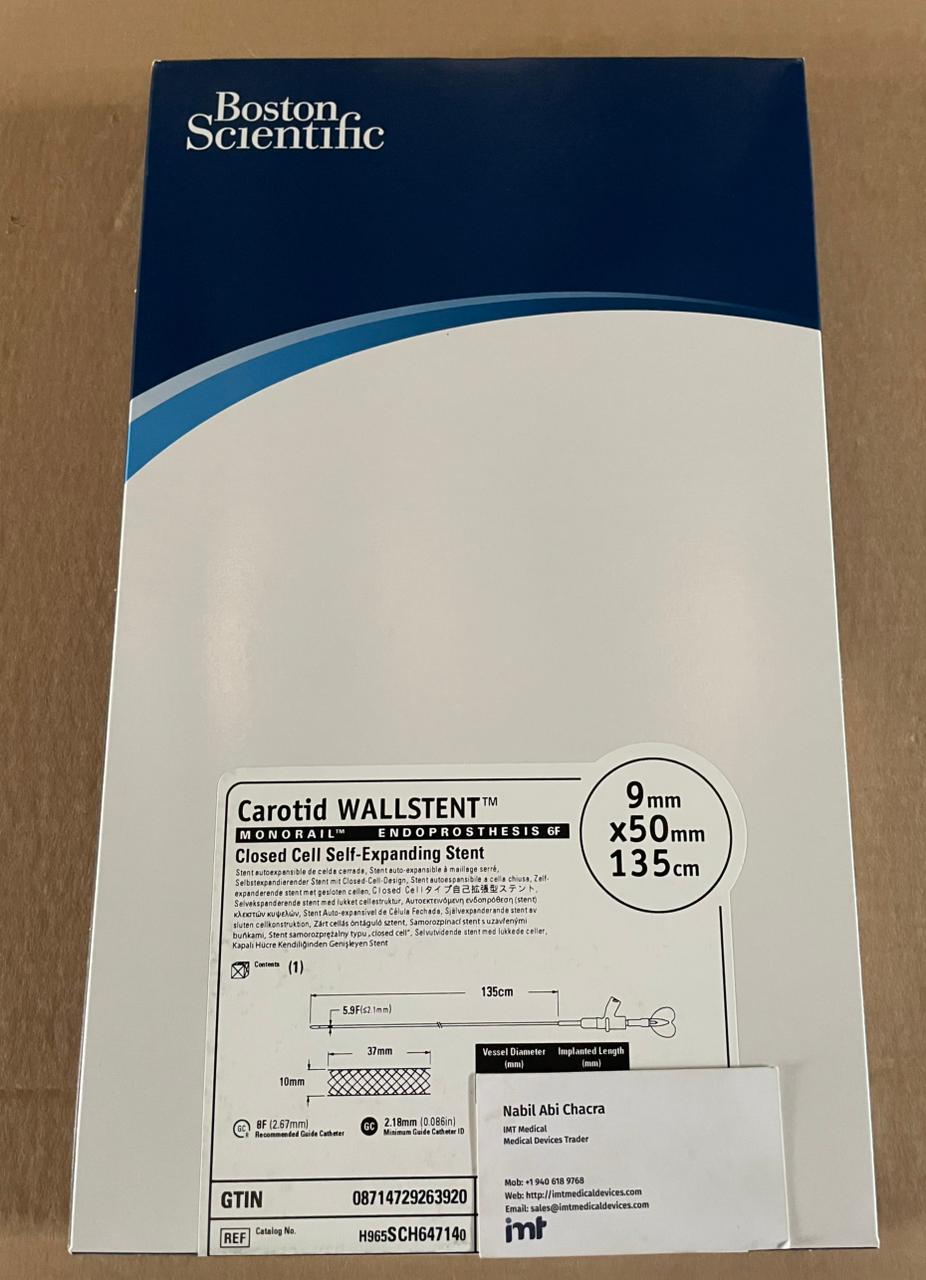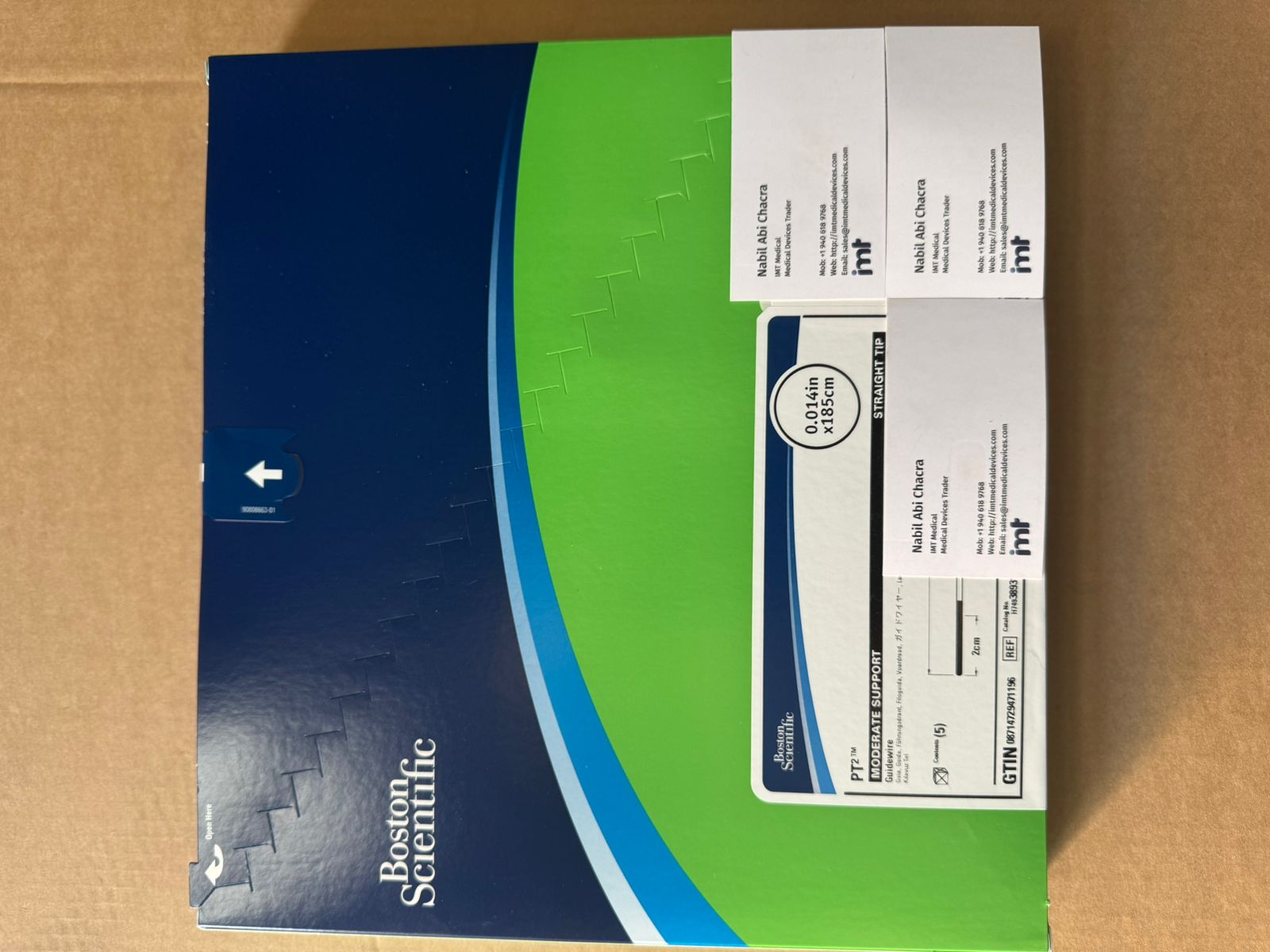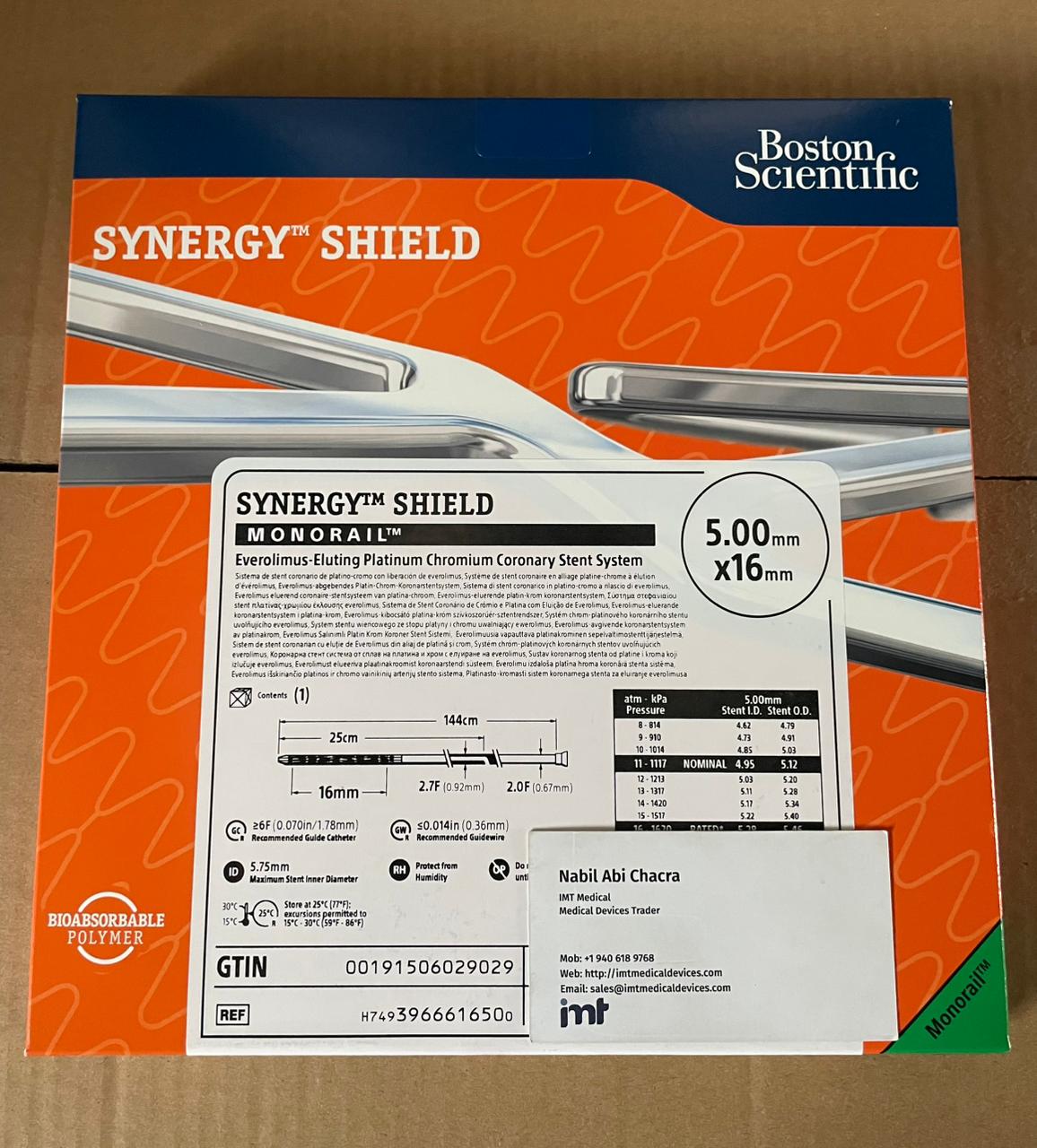

Bulk Coronary Stent Procurement
Cath lab scheduling does not wait for supply gaps, backorder surprises, or specification mismatches. Bulk coronary stent procurement is usually driven by one requirement above all others: maintaining procedural continuity with the exact branded products clinicians expect, in the sizes and configurations they actually use.
For professional buyers, coronary stent sourcing is not just a price exercise. It is a purchasing decision tied to physician preference, inventory turnover, regulatory acceptance, import handling, and confidence in product authenticity. When the order volume increases, those factors become more visible, not less.
What bulk coronary stent procurement actually involves
At a practical level, bulk procurement means more than placing a larger order for coronary stents. It usually includes coordinating multiple SKUs across diameters, lengths, delivery system specifications, and preferred brands while aligning with usage patterns in interventional cardiology. A hospital may need to maintain continuity for a defined formulary. A distributor may need repeatable access to branded inventory for multiple accounts. A specialty center may be working to reduce the administrative burden of frequent small-volume purchases.
The procurement process also becomes more complex when branded devices are involved. Buyers are often not looking for a generic substitute. They are looking for named manufacturers and exact product references that match existing clinical practice. In coronary intervention, that can be the difference between a usable quote and one that gets rejected immediately.
Why branded supply continuity matters in coronary stents
Coronary stents sit in a category where brand recognition carries operational weight. Interventional cardiologists often have established familiarity with specific systems from manufacturers such as Abbott, Medtronic, Boston Scientific, or Terumo. Procurement teams therefore need a supply partner that understands the difference between broad category matching and exact branded fulfillment.
This matters for several reasons. First, physician adoption is tied to delivery characteristics, platform familiarity, and outcomes confidence built over time. Second, internal approval pathways often move faster when the requested item is already recognized within the institution. Third, inventory planning is cleaner when the same product family can be replenished consistently instead of replaced with irregular alternatives.
There is also a risk management dimension. In bulk purchasing, an error in product identification can affect a significant amount of inventory value. Small mistakes in stent family, size range, or packaging configuration can create avoidable delays and returns. Serious buyers usually want exact nomenclature, clear brand confirmation, and quote accuracy from the start.
The main variables buyers should assess
SKU accuracy before price comparison
In coronary stent procurement, price only becomes meaningful after product identity is confirmed. A lower quote is not competitive if it refers to a different platform, an alternate package format, or a partially matched range. Procurement teams should first verify manufacturer, full item description, size matrix, and any relevant reference details.
This is especially important in multi-site purchasing environments. If one facility uses a narrower set of diameters while another relies on broader stock coverage, aggregate procurement can look efficient on paper but become inefficient in actual use. A credible supplier should be able to work from specific product requests rather than vague category labels.
Availability across high-demand sizes
Not all coronary stent SKUs move at the same pace. Certain diameters and lengths are requested more frequently, and supply pressure often concentrates there first. In bulk procurement, buyers should assess whether the supplier can support the real mix, not just a partial selection of lower-demand items.
This is where historical usage data helps. Procurement planning should reflect actual procedure patterns instead of equal allocation across the size range. A supplier with relevant category experience will usually recognize that buyers need depth in common SKUs and not just broad brand coverage.
Export handling and destination requirements
For international buyers, procurement quality includes export execution. Product availability is only part of the transaction. Documentation, destination-specific handling, and shipping coordination can become deciding factors, especially where customs processes or local registration rules affect lead times.
This does not mean every order faces the same level of complexity. Some markets are straightforward, while others require tighter documentation control and more planning. The point is simple: a supplier serving healthcare buyers across countries should understand that medical device export is an operational process, not just a warehouse release.
Common procurement models and when each makes sense
Some buyers centralize coronary stent purchasing on quarterly or semiannual cycles. This model can help with pricing consistency and internal approval efficiency, but it depends on reliable forecasting. If case volume shifts or physicians change preferences, the buyer can end up overcommitted to slow-moving stock.
Other buyers use rolling replenishment with larger but more frequent quote requests. That usually offers better flexibility, especially in environments where product mix changes by physician or site. The trade-off is more frequent purchasing activity and less certainty on long-range inventory costs.
Distributors often operate differently from hospitals or cath labs. They may procure bulk quantities to serve multiple downstream customers, which makes breadth across branded interventional products more valuable than a single-category source. In that case, supplier consolidation becomes attractive because it reduces the number of procurement relationships needed to support coronary, peripheral, and related product demand.
Where bulk purchasing can go wrong
The most common failure point is assuming that all stent supply offers are interchangeable. They are not. Product family, authenticity, packaging condition, manufacturer traceability, and shipment readiness all affect procurement value.
A second issue is incomplete communication at quote stage. If the buyer sends a broad request without SKU specificity, the response may come back with mismatched assumptions. That slows approval and introduces rework. In high-value device categories, clarity at the beginning usually saves more time than aggressive negotiation later.
The third problem is treating logistics as secondary. A supplier may confirm inventory but fail to support export timing, documentation quality, or coordinated delivery. For procedures dependent on maintained stock levels, that gap matters. Supply continuity is not only about what is available in principle. It is about what can be delivered correctly and predictably.
How to evaluate a wholesale sourcing partner
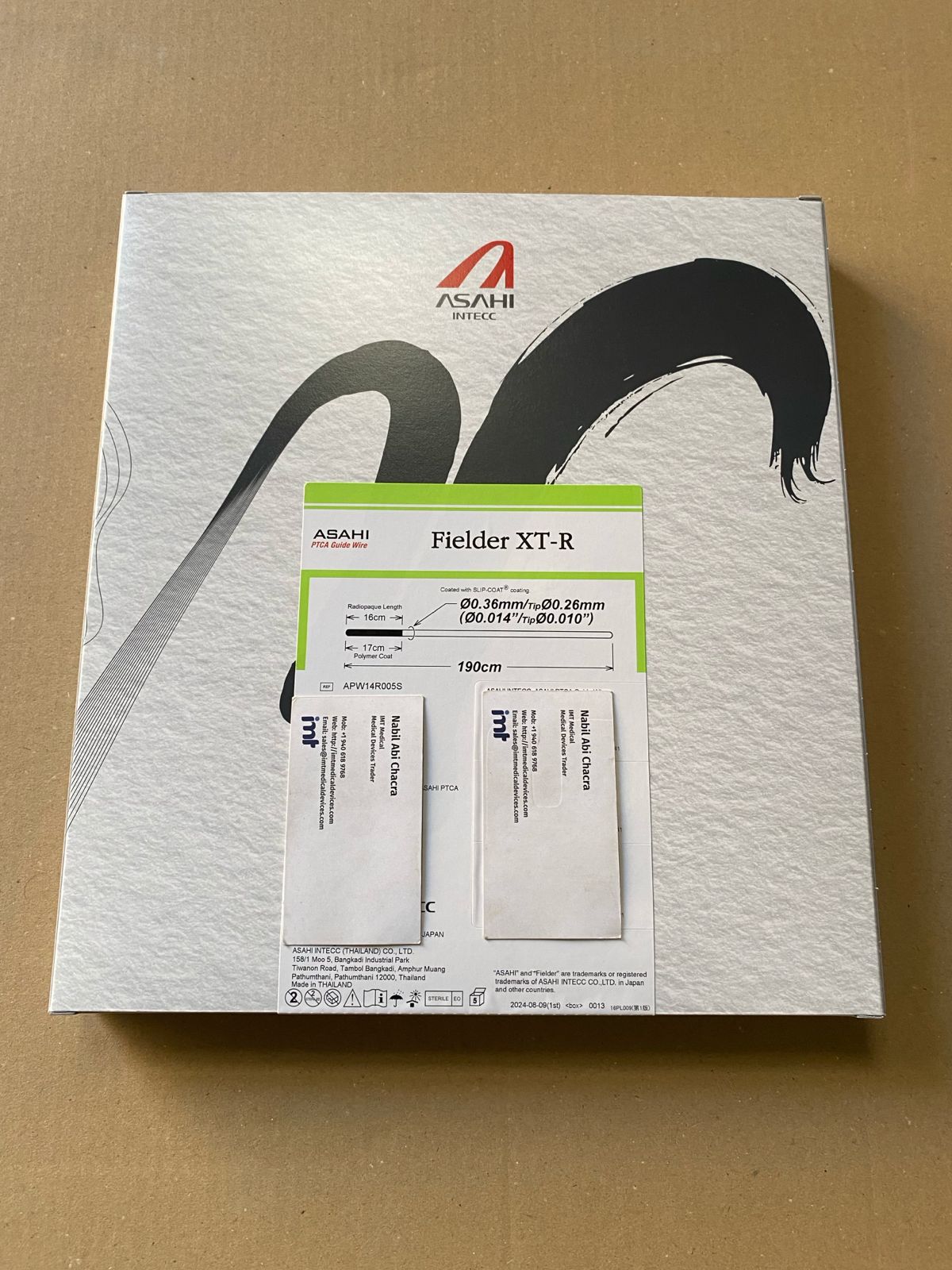
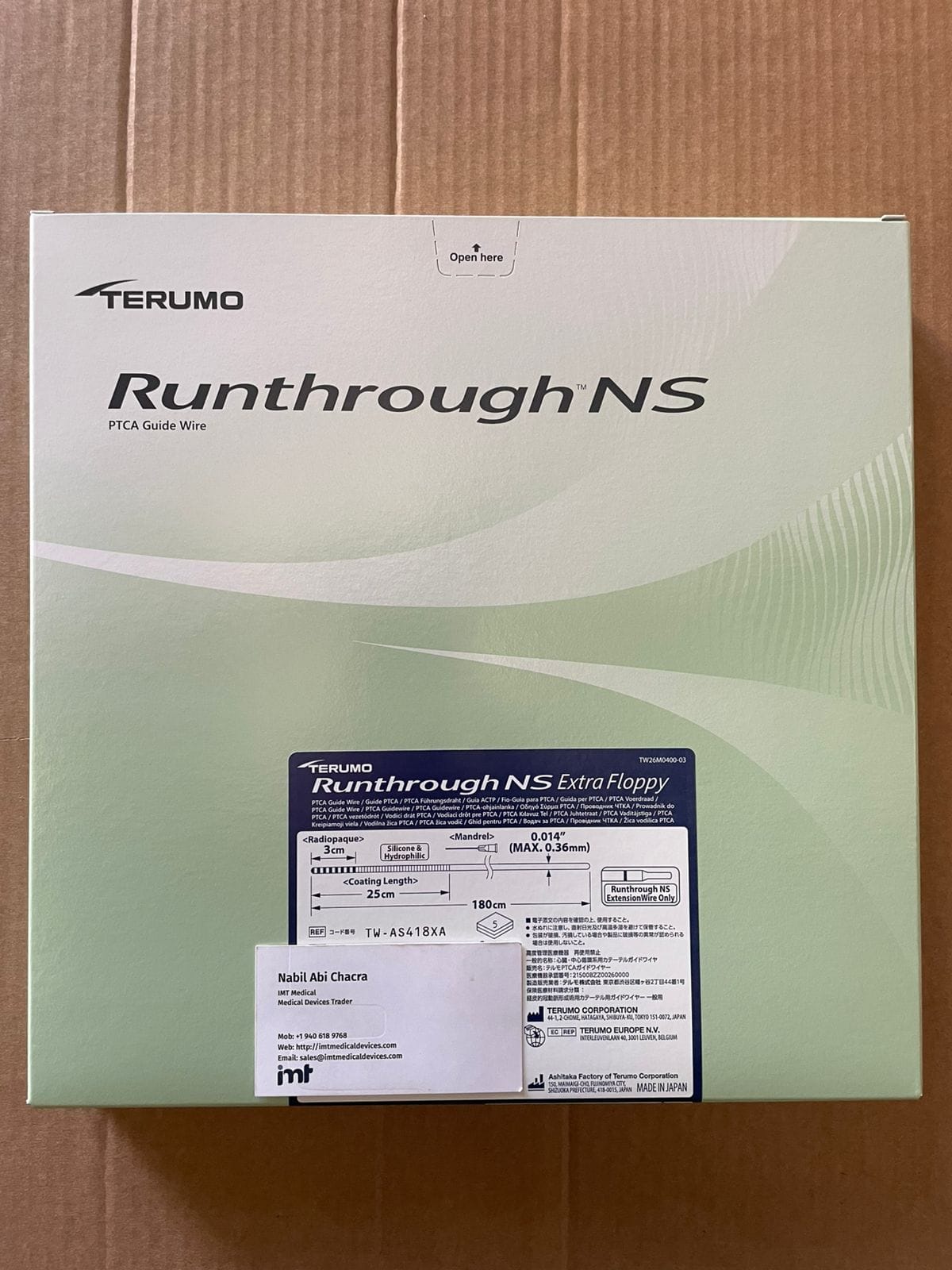
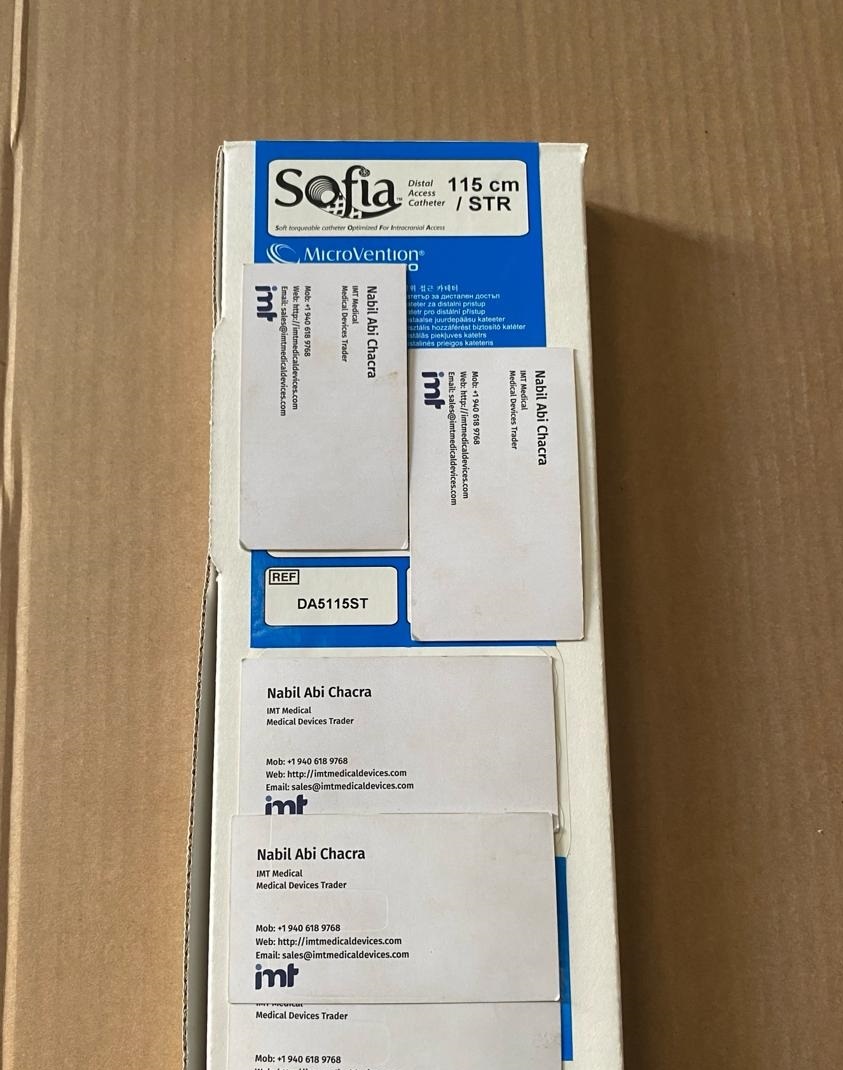
A serious sourcing partner should demonstrate fluency in interventional product categories, not just general medical supply. Coronary stents are usually purchased alongside related cath lab requirements such as PTCA balloons, guidewires, guiding catheters, aspiration catheters, and vascular closure products. Buyers benefit when the supplier can support a broader branded portfolio because procurement becomes easier to consolidate.
The strongest partners also understand inquiry-based procurement. Professional buyers do not need consumer-style sales messaging. They need clean quote handling, exact product references, and direct responses on availability. That is especially relevant when purchasing teams are managing multiple product lines and cannot afford repeated clarification cycles.
For some organizations, international reach is also a selection criterion. A supplier such as IMTMedicalDevices.com may be useful where the purchasing objective includes access to recognized manufacturers through a single wholesale contact with export capability. That matters less for one-off local purchases and more for buyers trying to reduce sourcing fragmentation across regions or product categories.
A better approach to bulk coronary stent procurement
The most effective procurement process usually starts with a disciplined request structure. Buyers should provide exact branded products, target quantities, preferred size distribution, destination market, and timing expectations. If substitutions are acceptable, that should be stated explicitly. If they are not, that should be equally clear.
From there, the supplier should respond with quote precision rather than broad category selling. That means confirming availability against the requested items, identifying any limitations openly, and supporting the transaction with realistic fulfillment information. A fast but vague answer is rarely helpful in this category.
It also helps to think beyond the immediate stent order. If the purchasing goal is supply continuity, then the right conversation includes future replenishment, adjacent interventional products, and the likelihood of recurring demand. Bulk coronary stent procurement works best when it is treated as part of an ongoing sourcing strategy rather than an isolated spot purchase.
A procurement decision in this category is rarely just about buying more units. It is about protecting clinical workflow with the right branded inventory, supplied accurately, and moved through the right commercial channel. The buyers who get this right usually do one thing differently: they insist on precision early, before urgency makes every compromise more expensive.