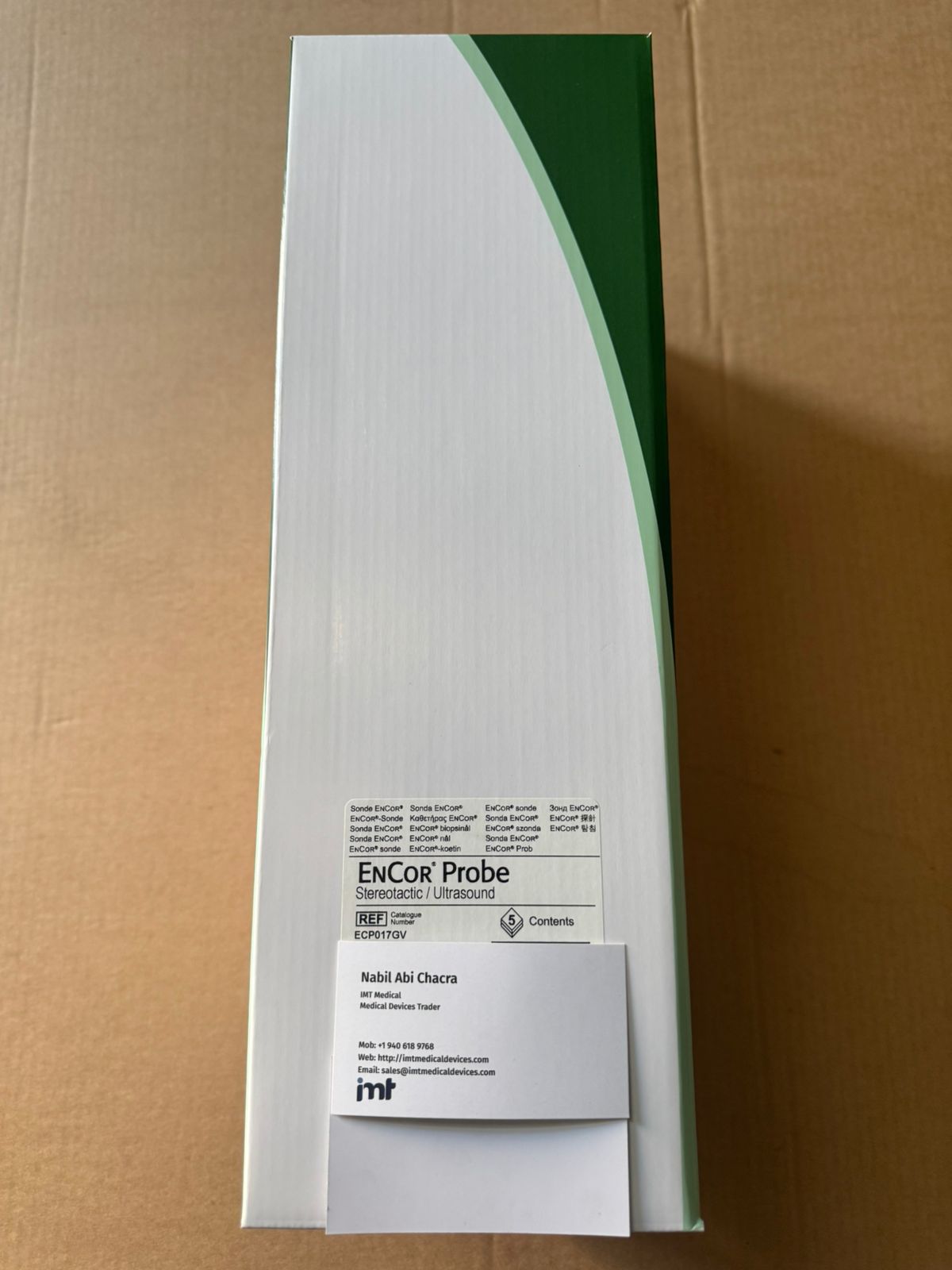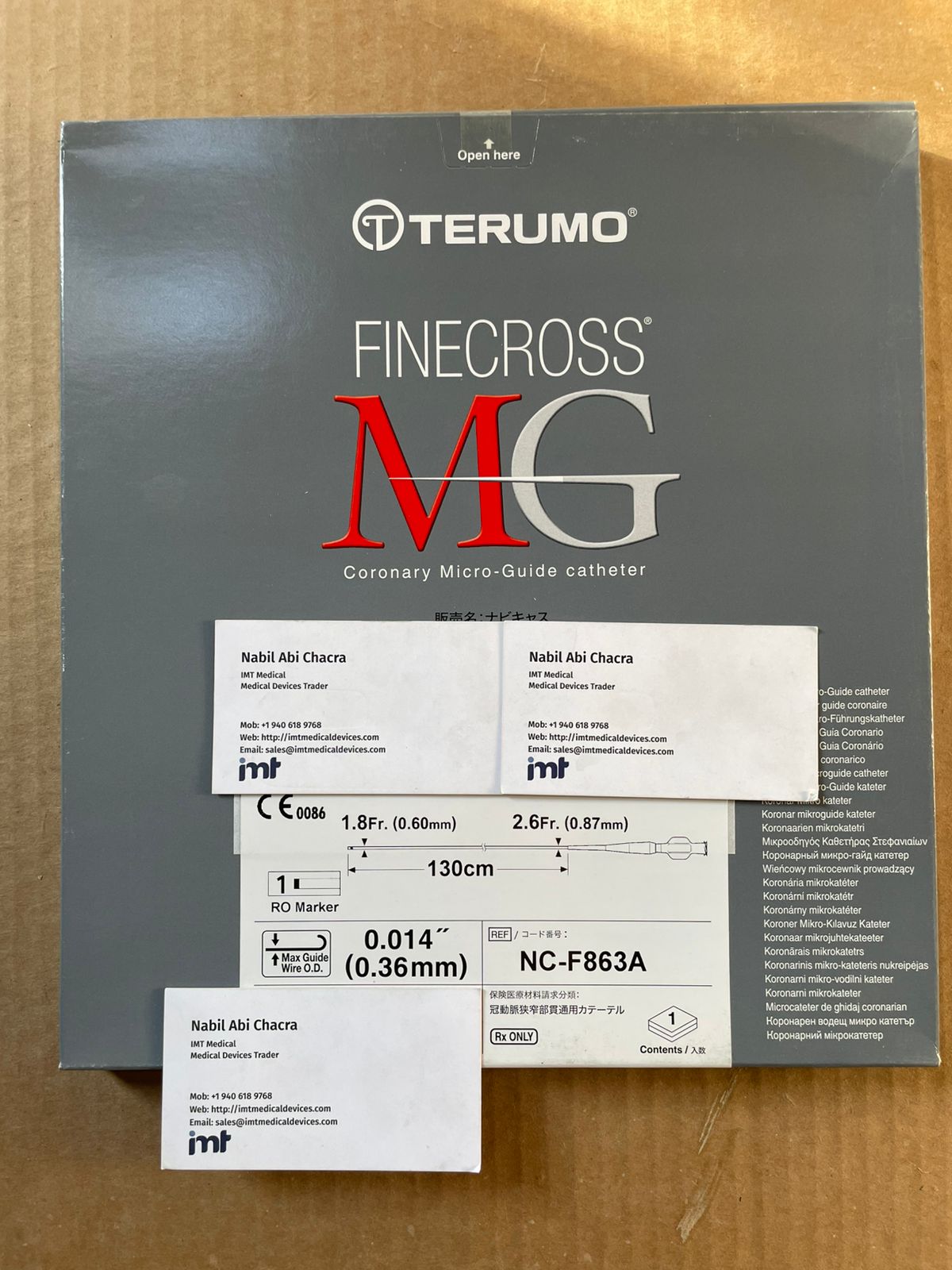

Cardiac Catheterization Products That Matter
A cath lab schedule can unravel quickly when one guidewire, balloon, or diagnostic catheter is unavailable in the required size or brand. That is why cardiac catheterization products are not simply line items in a purchasing system. For hospitals, interventional cardiology centers, and distributors, they are procedure-critical assets that affect case readiness, physician preference, and inventory risk.
For procurement teams, the category is broad but not vague. Buyers are usually balancing three demands at once: clinical familiarity, branded product authenticity, and dependable supply. In practice, that means sourcing decisions are rarely based on price alone. A lower-cost substitute may look acceptable on paper, but if it disrupts physician workflow or introduces uncertainty around performance characteristics, the operational cost can exceed the initial savings.
What falls under cardiac catheterization products
In a commercial and procedural sense, cardiac catheterization products include the devices used to diagnose and treat coronary and structural vascular conditions within the cath lab environment. The core range typically starts with access and diagnostic tools, then extends into interventional products used during PCI and related procedures.
Diagnostic catheters, guidewires, introducer sheaths, manifold systems, inflation devices, and pressure monitoring accessories form the procedural foundation. Interventional categories then expand to guiding catheters, PTCA balloons, coronary stents, micro catheters, aspiration catheters, vascular closure devices, and related support products. In many procurement settings, buyers also group contrast injection accessories, hemostasis products, and selected peripheral crossover items into the same purchasing workflow because they are operationally linked to cath lab throughput.
The exact product mix depends on the facility. A high-volume PCI center will prioritize coronary balloons, DES platforms, guide catheter configurations, and specialty wires. A hospital with a mixed diagnostic and interventional caseload may place more emphasis on broad SKU coverage across standard diagnostic catheters, access products, and closure devices. A distributor supplying multiple markets may need both depth in fast-moving SKUs and flexibility across manufacturer-specific preferences.
Why branded cardiac catheterization products remain the default
In interventional cardiology, product familiarity matters. Physicians often work from established preferences built around shaft response, trackability, support, crossing profile, radiopacity, deployment behavior, and packaging consistency. Those details are not administrative. They directly affect procedure flow.
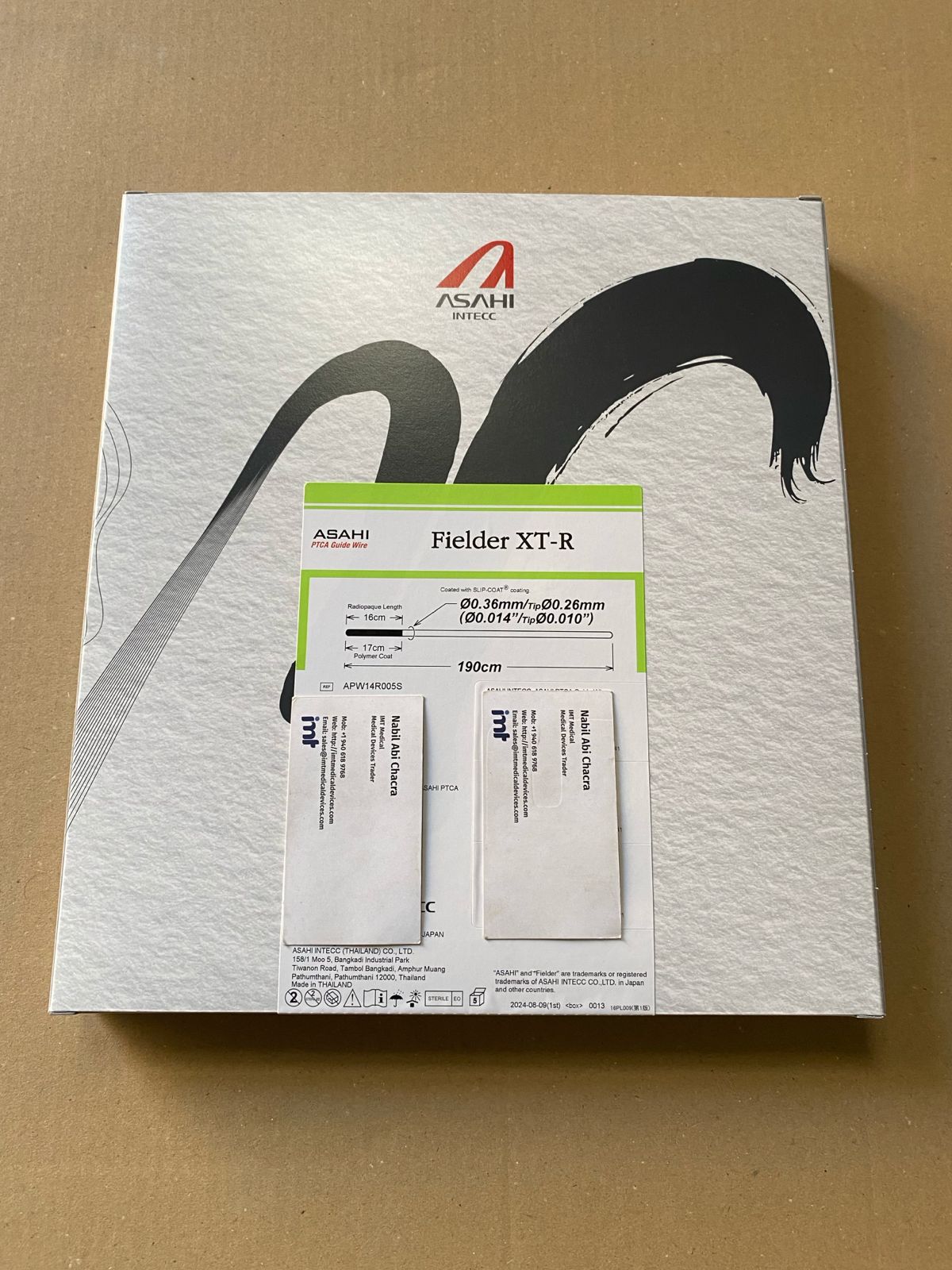
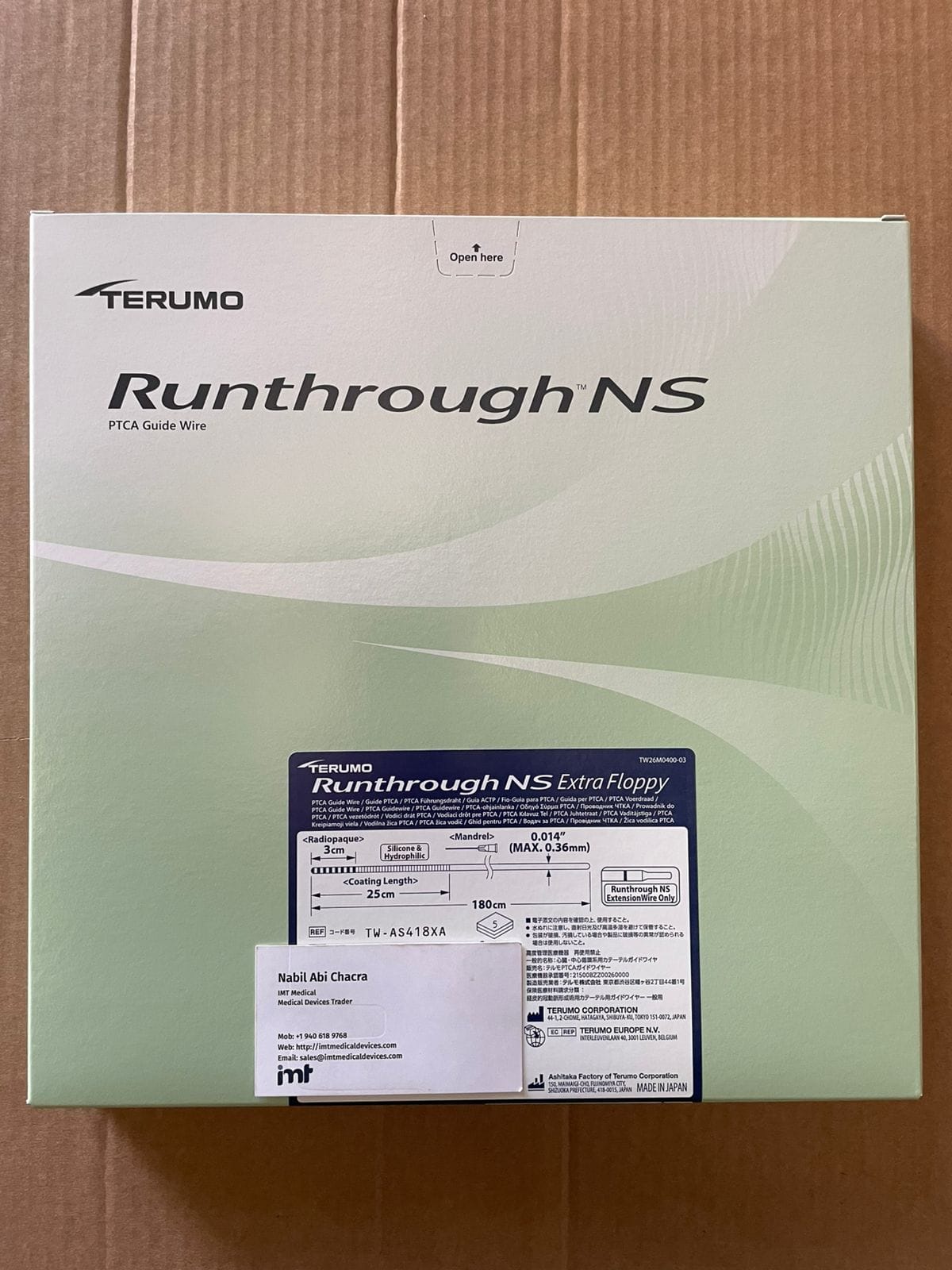
This is why branded cardiac catheterization products from manufacturers such as Terumo, Asahi, Boston Scientific, Medtronic, Abbott, and Cordis continue to anchor most hospital and distributor purchasing decisions. Buyers are not only sourcing a category. They are sourcing known performance, recognized regulatory history, and compatibility with existing clinical practice.
There is also a documentation and risk-management dimension. Procurement teams often need traceable manufacturer information, exact references, and confidence that supplied devices align with internal approval pathways. When product selection is driven by named brands and precise SKU references, quoting, approval, and replenishment become more predictable.
That said, brand concentration has a trade-off. If a facility is too dependent on a narrow set of SKUs, any backorder can create immediate scheduling pressure. The strongest purchasing strategies usually preserve physician-preferred brands while building approved secondary options where clinically acceptable.
The core categories buyers usually prioritize
Guidewires and support platforms
Guidewires are among the most specification-sensitive categories in the cath lab. Buyers are rarely purchasing a generic function. They are purchasing exact tip loads, coatings, support levels, torque response, and procedural familiarity. Coronary guidewires from established brands often sit high on replenishment priority lists because they are used across a wide range of routine and complex cases.
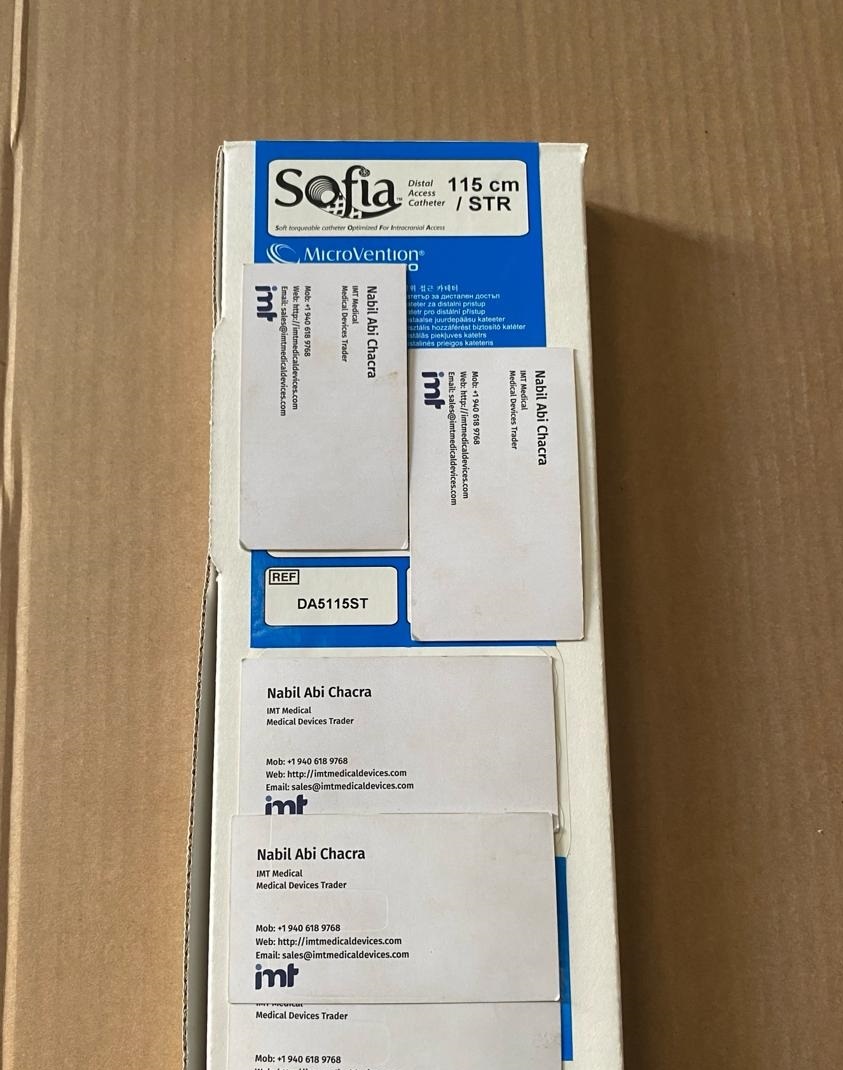
Support catheters and micro catheters are equally important in more demanding anatomy. If your center handles CTO, tortuous access, or complex lesion crossing, support-device availability becomes a case-readiness issue rather than a convenience.
Balloons, stents, and delivery systems
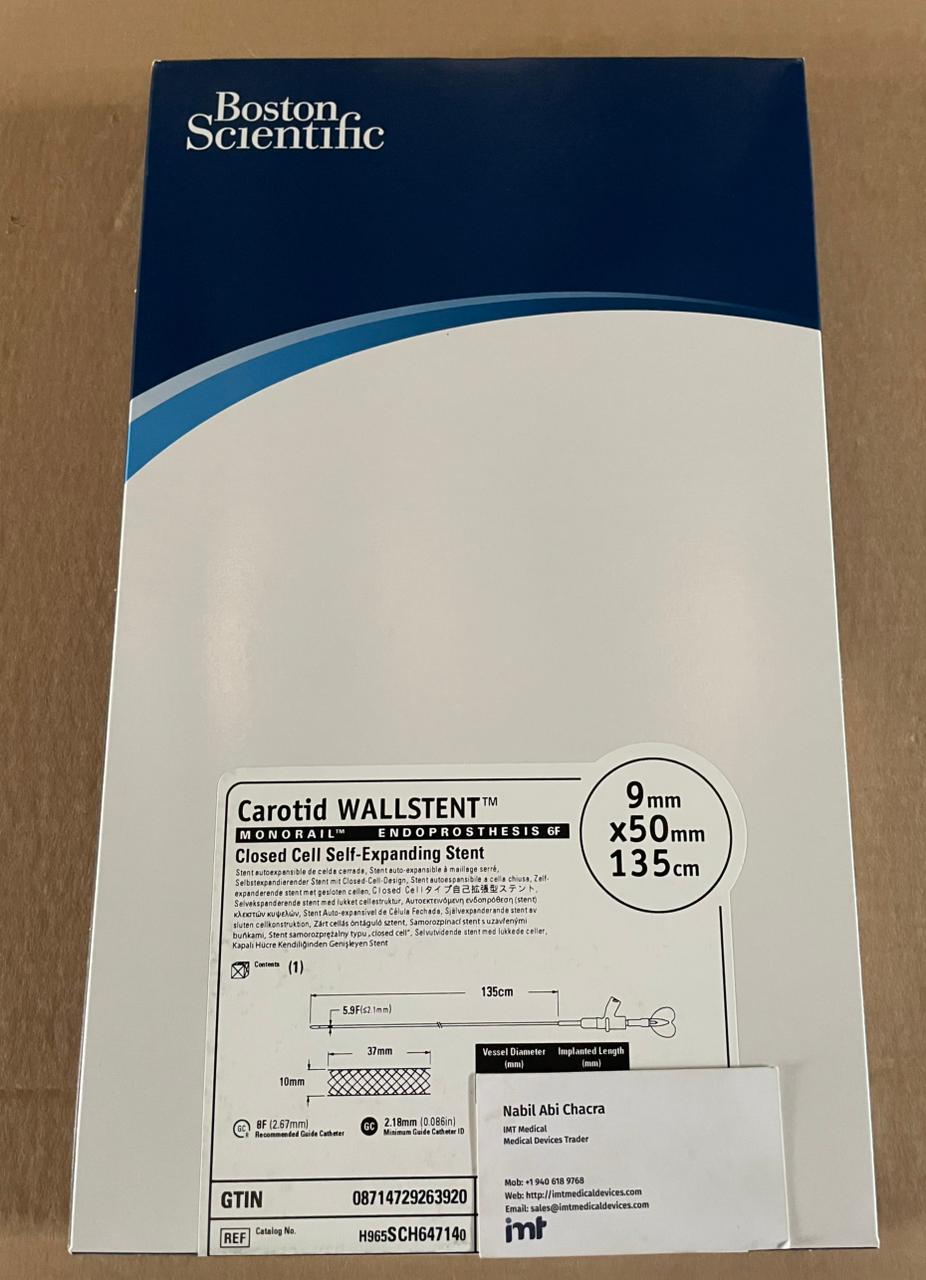
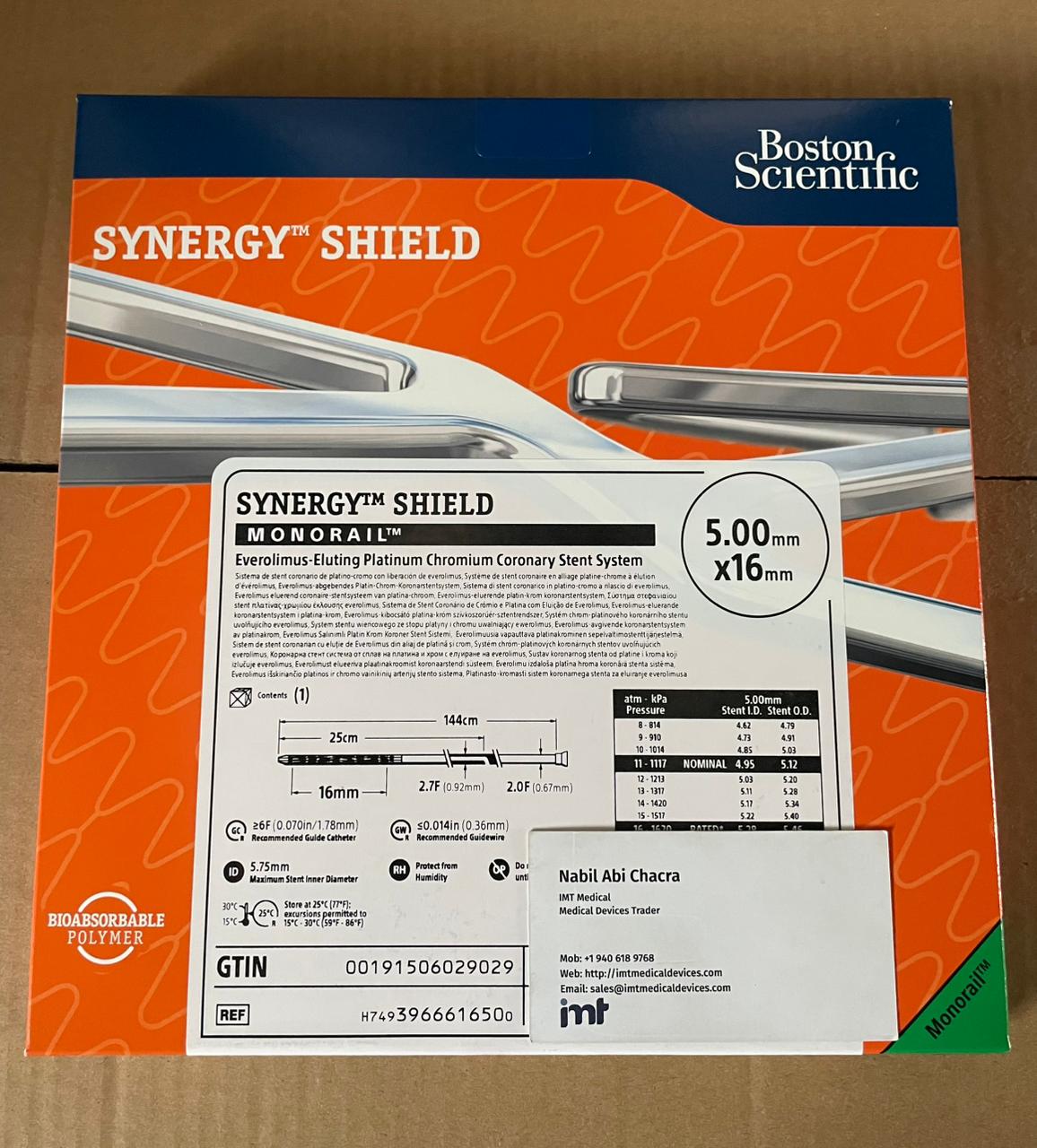
PTCA balloons and coronary stents are central to interventional inventory planning, but they also create one of the hardest stocking challenges. Diameter, length, platform preference, and physician-specific use patterns can expand SKU counts quickly. Holding too much stock ties up capital. Holding too little creates obvious procedural exposure.
For that reason, many buyers segment inventory into fast movers, mandatory safety stock, and low-velocity special-order items. That approach works best when the supplier understands exact branded references and can support quote-based replenishment efficiently.
Guiding and diagnostic catheters
Catheter shape selection is procedural, but from a purchasing perspective it is also a forecasting exercise. JL, JR, EBU, Amplatz, multipurpose, and specialty curves may all be needed depending on operator habits and case complexity. Diagnostic and guiding catheters are often treated as standard stock, yet variation in French size, length, and tip configuration means procurement errors are common when product descriptions are not exact.
This is one area where nomenclature discipline matters. Precise manufacturer naming and reference matching reduce delays, returns, and substitutions that the clinical team may reject.
Closure and access products
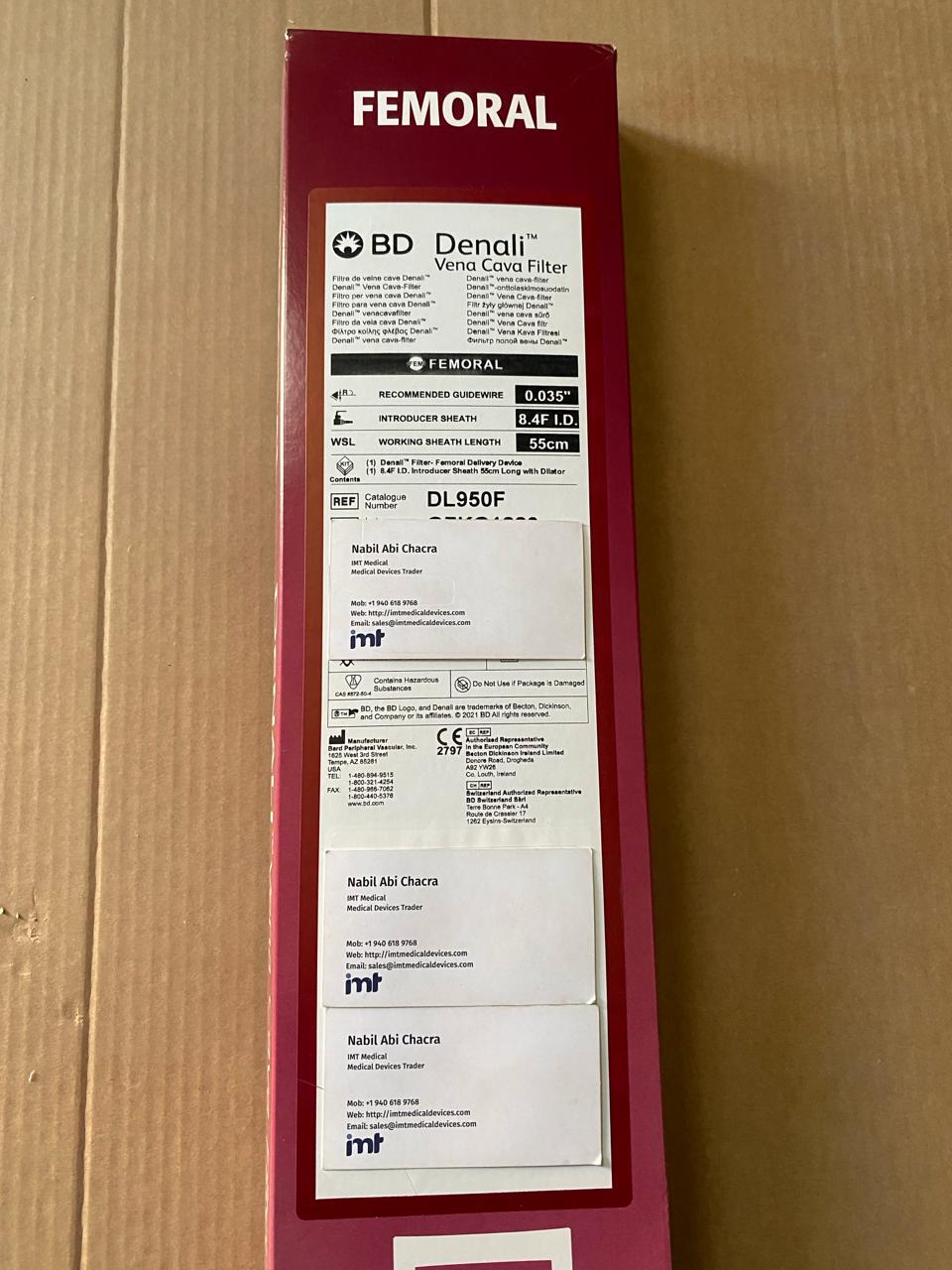
Introducer sheaths, needles, and vascular closure devices are sometimes viewed as routine accessories, but they have an outsized effect on turnover and post-procedure workflow. A missing closure device may not cancel a case, but it can complicate recovery planning and frustrate physician expectations.
Facilities that perform both diagnostic and interventional procedures often benefit from sourcing access and closure categories alongside their primary coronary products instead of splitting them across too many vendors.
What procurement teams should evaluate before placing orders
The first issue is reference-level accuracy. Product family names are not enough in cath lab procurement. Buyers typically need exact sizing, coating type, tip shape, shaft length, French size, or deployment specification. A supplier that cannot quote precisely at the SKU level adds avoidable risk.
The second issue is portfolio breadth. Consolidated purchasing has obvious value when a supplier can support multiple branded categories from a single inquiry. If one source can provide guidewires, balloons, guiding catheters, closure devices, aspiration catheters, and related intervention lines, procurement teams save time and reduce fragmentation.
Third is export and fulfillment capability. This matters especially for international buyers, distributors, and healthcare organizations sourcing across borders. Documentation, packing discipline, shipment coordination, and responsiveness are not secondary concerns. They determine whether a quote can become usable inventory on schedule.
Fourth is continuity. The strongest supplier relationship is not based on one successful order. It is based on repeatable access to high-demand branded SKUs, realistic lead-time communication, and the ability to support both scheduled replenishment and urgent requests.
Common sourcing problems with cardiac catheterization products
The most common issue is not that products are unavailable everywhere. It is that the required branded version, size, or reference is unavailable when needed. A catalog may show a category, but if the exact physician-approved item is missing, the practical result is still a supply gap.
Another issue is substitution risk. In some product classes, clinically acceptable alternatives exist. In others, substitution can create friction or outright rejection by the physician team. Procurement needs to know where flexibility is realistic and where it is not. That line differs by facility, operator, and case mix.
There is also the challenge of balancing standardization with preference management. Standardization helps control cost and simplify stocking. But in interventional cardiology, over-standardization can backfire if it ignores how physicians actually work. Good sourcing policy usually leaves room for selected preference items while controlling unnecessary duplication.
Why one-source wholesale access has practical value
For professional buyers, efficiency improves when more of the cath lab requirement can be handled through one procurement channel. This is especially true when sourcing branded devices across intervention categories and manufacturer portfolios. Instead of approaching multiple vendors for separate lines, buyers can centralize quote requests and compare availability more quickly.
A wholesale supplier with a broad branded portfolio also helps when purchasing patterns change. A facility may begin with coronary products, then need peripheral intervention devices, aspiration catheters, sutures, or laboratory brands through the same relationship. That flexibility reduces administrative burden and supports continuity.
For international buyers, global supply capability adds another layer of value. Export-ready sourcing is not just about shipping to another country. It is about understanding that documentation accuracy, product identification, and transaction speed are part of the procurement decision.
IMT Medical Devices operates in that context, serving professional buyers who need recognized brands, exact product categories, and quote-based supply support across markets.
Choosing a supplier for cardiac catheterization products
The right supplier is usually the one that understands how professional buyers actually purchase. That means clear branded listings, exact nomenclature, responsive quoting, and the ability to support volume requirements without turning every request into a long clarification cycle.
It also means being realistic. No supplier can promise every SKU at every moment. What matters is how accurately they communicate availability, how broad their access is across manufacturers, and how effectively they help buyers secure acceptable options when a requested item is constrained.
When cardiac catheterization products are sourced well, the benefit is not abstract. The cath lab stays operational, physicians get familiar devices, and procurement teams spend less time resolving preventable shortages. That is usually the difference between a supplier that merely sells product and one that actually supports clinical purchasing.