
Cardiology Device Wholesale Distributors: Global Procurement and Supply Chain Guide 2026
Procurement of Class III interventional hardware in 2026 is no longer a matter of finding the lowest price; it's a high-stakes exercise in risk mitigation and logistical precision. The global cardiovascular devices market has reached $76.6 billion, yet procurement officers still face unreliable lead times and the May 26, 2026 EU MDR deadline for Class III custom-made implants. Securing authentic Medtronic, Terumo, or Boston Scientific hardware requires a partnership with cardiology device wholesale distributors that prioritize chain of custody and technical compliance over simple transactions.
Securing a stable supply of Drug-Eluting Stents (DES) and PTCA balloon catheters is essential for maintaining clinical throughput. This guide provides a technical framework for evaluating wholesale distributors, optimizing global supply chains, and sourcing Tier 1 interventional hardware while maintaining regulatory compliance. We'll analyze industrial-scale procurement strategies, the impact of the 10% universal baseline tariff on imported devices, and methods to streamline international customs documentation for high-volume logistics. This analysis ensures your facility reduces procurement overhead without compromising on the authenticity of critical implants.
Key Takeaways
- Understand the transition from traditional vendor relationships to strategic logistics partnerships for consistent clinical availability.
- Identify the specific technical sourcing requirements for interventional consumables versus diagnostic capital equipment.
- Evaluate cardiology device wholesale distributors based on authorized sourcing channels and proven expertise in international export regulations.
- Optimize global procurement cycles by leveraging regional hubs and cold chain logistics to ensure the sterile integrity of implants.
- Secure industrial-scale access to Tier 1 hardware from manufacturers like Medtronic, Terumo, and Boston Scientific through high-capacity distribution networks.
The Strategic Role of Cardiology Device Wholesale Distributors in 2026
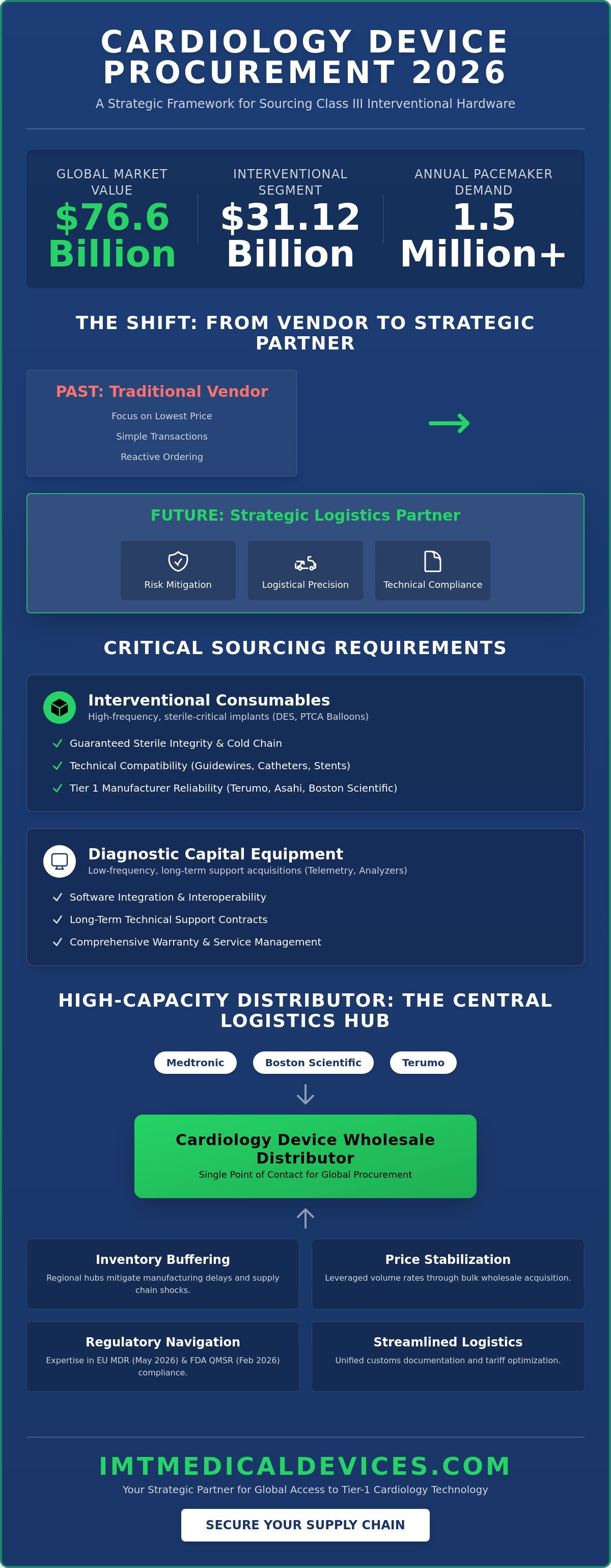
The global cardiovascular devices market is valued at $76.6 billion in 2026. This scale necessitates a shift from simple vendor-client interactions to high-capacity logistics partnerships. Cardiology device wholesale distributors serve as the critical nodes within this $31.12 billion interventional cardiology sector. They manage the flow of high-risk Class III hardware from manufacturing centers to regional clinical environments. Efficiency is paramount. These entities aren't just vendors; they're the industrial backbone of modern healthcare procurement.
Effective procurement in 2026 relies on three primary pillars:
- Price stabilization through bulk wholesale acquisition.
- Inventory buffering against manufacturing delays.
- Navigating complex international regulatory frameworks, including the February 2, 2026 FDA QMSR update.
Distributors function as an extension of the hospital's procurement department. They provide the technical expertise required to manage finite shelf lives and strict sterilization protocols for interventional hardware. This logistics-first approach ensures that clinical teams have the tools they need without the burden of direct manufacturer negotiation.
Consolidating Tier 1 Manufacturer Access
Procurement professionals face significant administrative overhead when managing individual accounts with Medtronic, Boston Scientific, and Terumo. High-capacity cardiology device wholesale distributors eliminate this friction. They provide a single point of contact for a diverse portfolio of diagnostic and therapeutic cardiology instruments. This consolidation allows for leveraged volume rates on Drug-Eluting Stents (DES) and PTCA Balloon Catheters. It also creates unified documentation for international customs and medical clearance. Wholesalers bridge the gap between Tier 1 production and localized healthcare providers, ensuring smaller regional facilities can access premium hardware at competitive industrial rates.
Market Dynamics and Inventory Resilience
Global demand for pacemakers and ICDs is projected to exceed 1.5 million units annually by 2026. Maintaining inventory resilience is critical for patient safety. Strategic warehouse positioning allows distributors to buffer against supply chain shocks, such as the March 19, 2026 Boston Scientific software recall affecting ACCOLADE pacemakers. Real-time inventory tracking and digital warehouse management reduce lead times for life-critical devices. This is vital for maintaining stocks of Permanent Pacemakers and Electrophysiology Catheters. By positioning inventory in regional hubs, distributors bypass the bottlenecks often found in direct-from-factory shipping routes. This localized presence ensures that critical hardware is available for immediate export, minimizing the impact of the 10% universal baseline tariff through optimized shipping logistics.
Interventional vs. Diagnostic Cardiology: Wholesale Sourcing Requirements
Procurement professionals in 2026 distinguish between low-frequency capital acquisitions and high-frequency interventional consumables. The global interventional cardiology devices market has reached $31.12 billion, driven by a shift toward minimally invasive procedures. While diagnostic sourcing focuses on software integration and long-term technical support for telemetry systems, interventional sourcing prioritizes technical compatibility and sterile integrity. Successful inventory management requires cardiology device wholesale distributors that understand the specific logistical demands of Class III implants. Compliance with the FDA Device Regulation Overview is mandatory for all high-risk hardware to ensure patient safety and regulatory alignment.
Key sourcing priorities for the modern cath lab include:
- Technical compatibility between guidewires, catheters, and stents.
- Sterile integrity verification for all high-turnover consumables.
- Manufacturer reliability, specifically for brands like Terumo, Asahi Intec, and Boston Scientific.
- Software and warranty management for diagnostic rhythm analyzers.
High-Volume Interventional Consumables
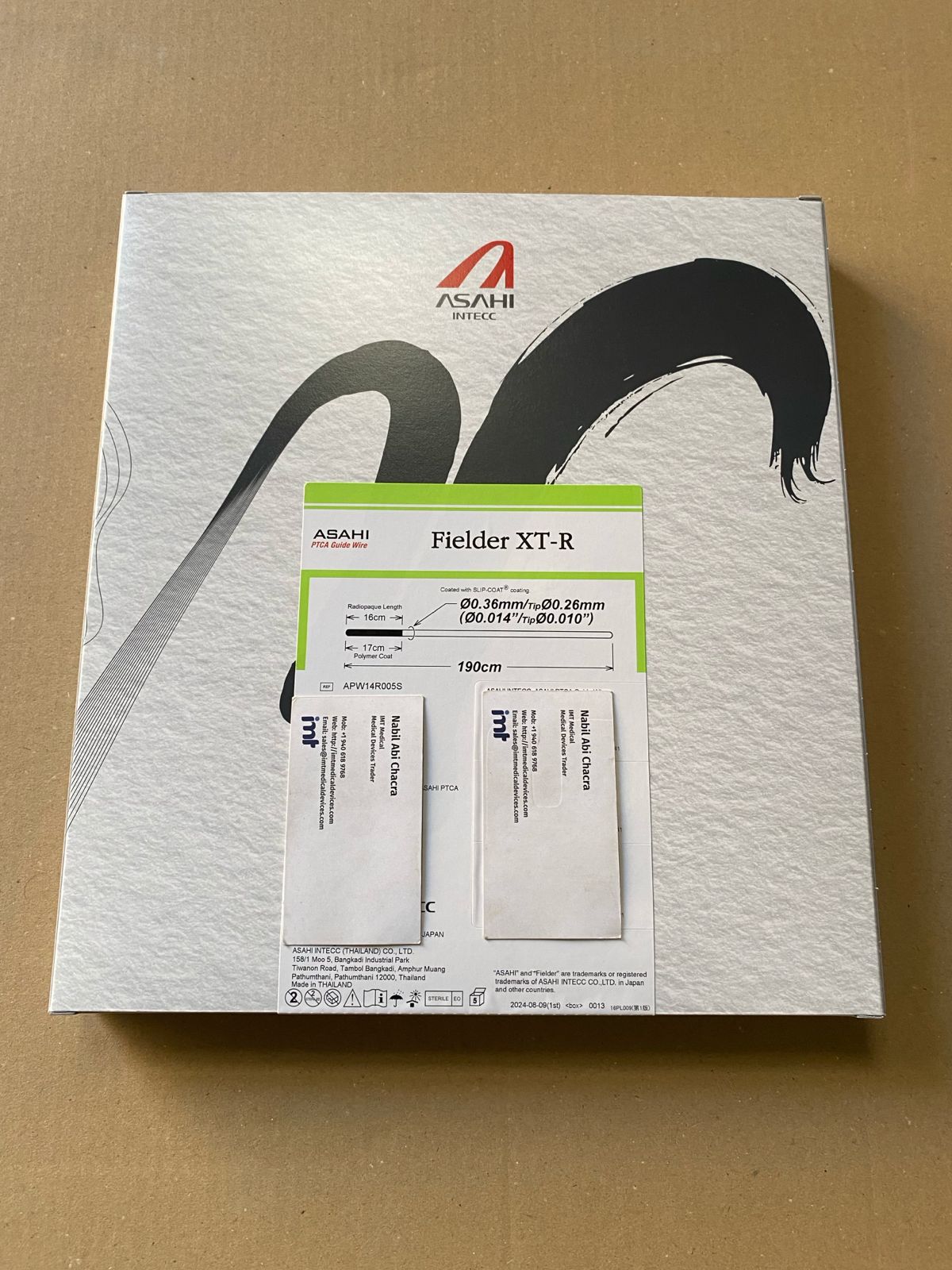
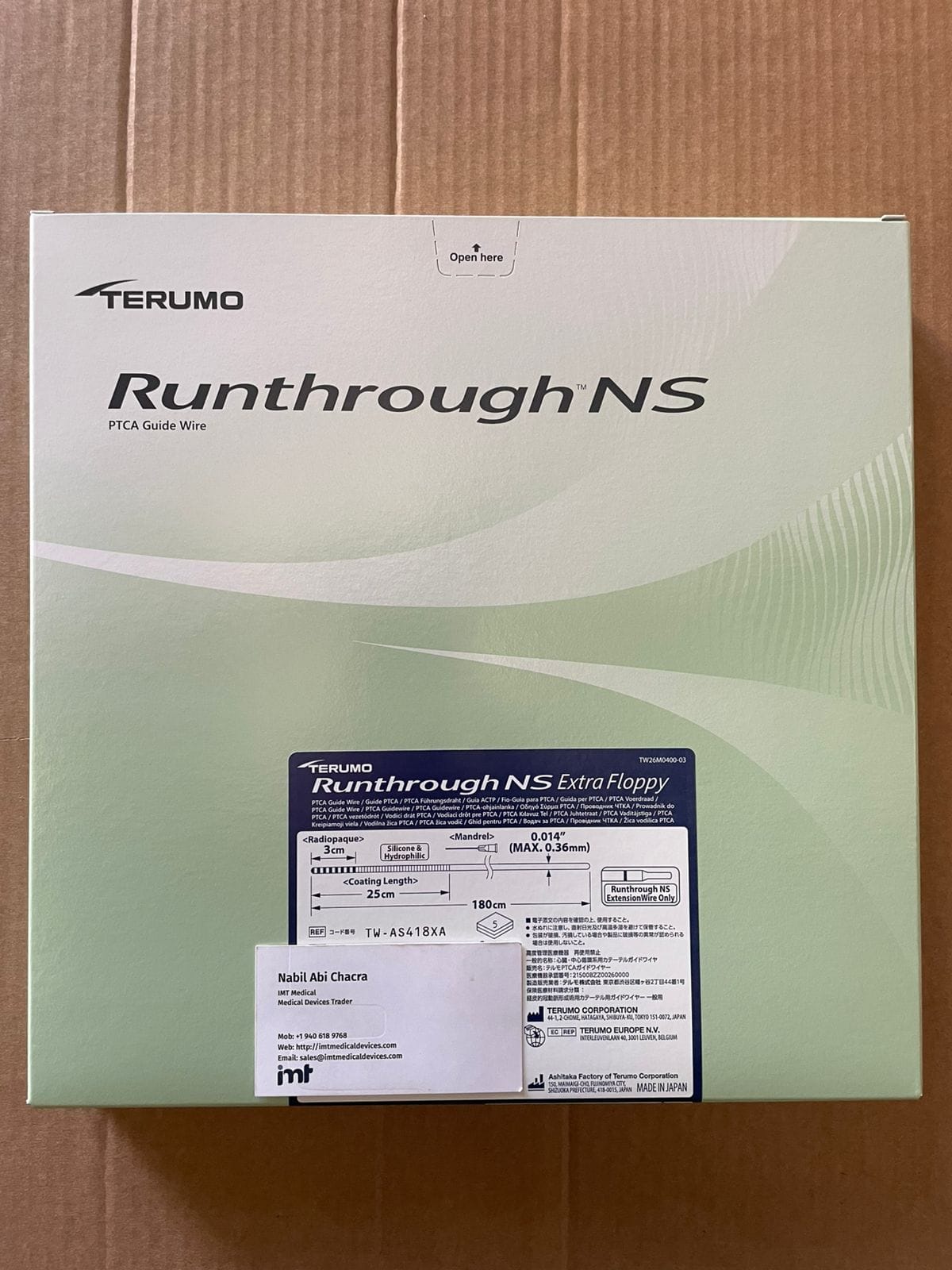
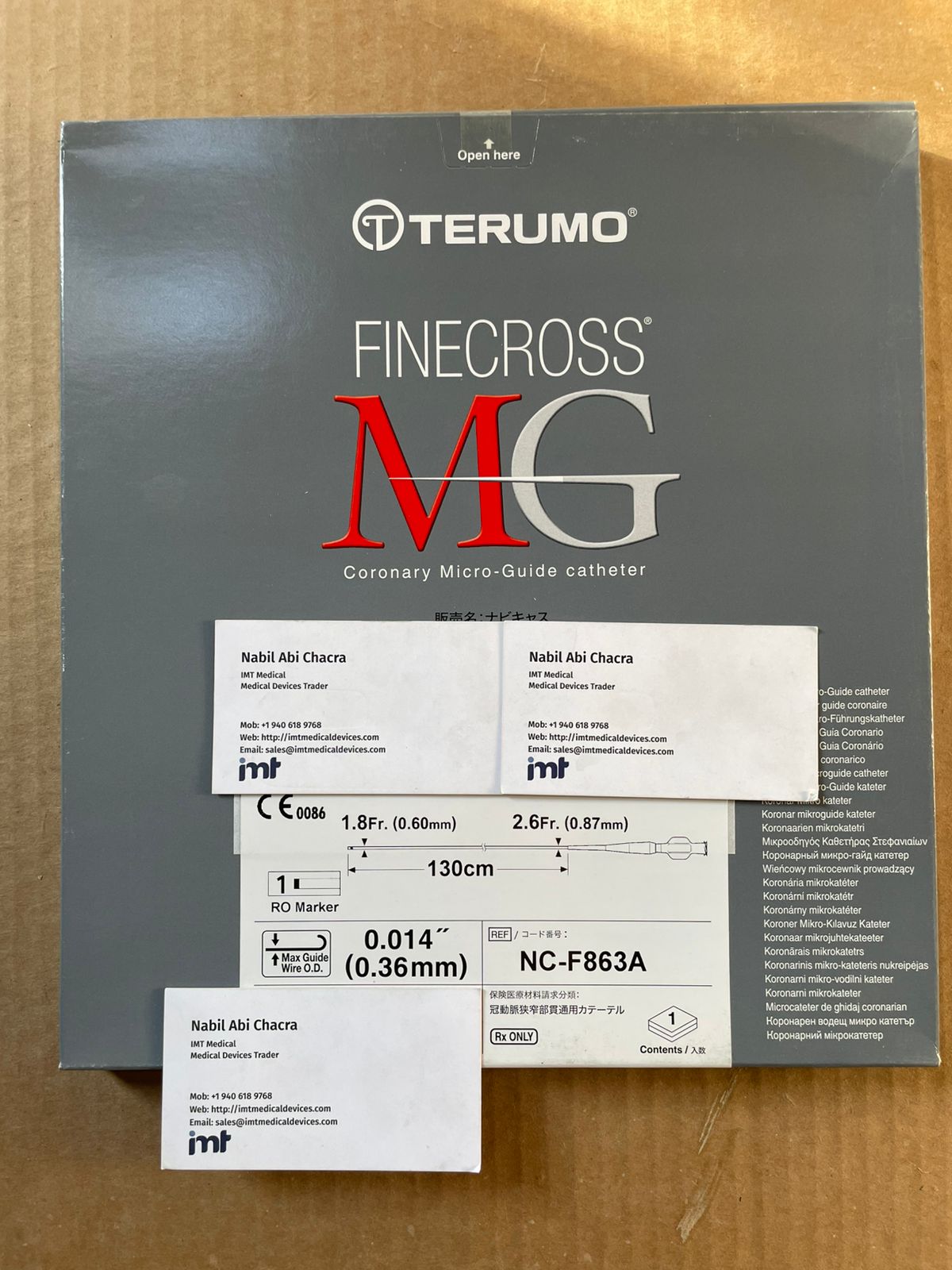
Interventional labs require a consistent flow of Drug-Eluting Stents and PTCA balloon catheters. These items represent the highest volume of procurement spend. Efficient stock rotation is critical. Facilities must manage finite shelf lives and strict sterilization protocols to avoid inventory waste. Technical specifications for guidewire and guiding catheter selection vary by procedure type. Procurement teams often rely on specialized cardiology device wholesale distributors to maintain deep inventories of Asahi Intec and Terumo products. This ensures that interventionalists have the exact hardware required for complex coronary and peripheral cases without the delays associated with direct-to-manufacturer ordering.
Diagnostic and Monitoring Hardware
Wholesale procurement for diagnostic hardware involves different risk profiles. This category includes external pacemaker analyzers, telemetry systems, and diagnostic guide wires. While these devices have longer lifespans than consumables, their reliability is paramount for cardiac rhythm management. Sourcing high-quality diagnostic guide wires for vascular labs requires a focus on torque control and radiopacity. Evaluating long-term reliability for telemetry hardware often involves assessing the distributor's ability to provide technical documentation and manufacturer-backed support. Industrial-scale procurement teams often source through specialized international distribution networks to maintain consistent stock levels across multiple diagnostic categories. This approach reduces administrative overhead while ensuring access to authentic technology from Medtronic and Boston Scientific.
Global Supply Chain Integrity and Export Logistics
Global shipping of cardiology hardware requires more than standard freight protocols. Cardiology device wholesale distributors must maintain sterile integrity and climate control during transcontinental transit. This involves specialized vibration-dampening packaging and temperature-monitored containers. Strategic regional hubs play a vital role in reducing global lead times. By positioning inventory in hubs like Georgia, Dubai, or Poland, transit times are slashed. This reduces the exposure of sensitive electronics and polymers to environmental fluctuations during long-haul transport. Industrial-scale logistics ensure that the $76.6 billion cardiovascular devices market remains functional and responsive to clinical needs.
End-to-end visibility is no longer optional in medical device exports. Procurement professionals require real-time data on the location and environmental status of their orders. High-capacity distributors implement tracking systems that monitor humidity, temperature, and shock. This level of oversight is essential for maintaining the chain of custody for Class III implants. It ensures that every unit delivered to a facility meets the manufacturer's original specifications for safety and performance. Reliable logistics partnerships are the only way to bypass the bottlenecks inherent in global medical commerce.
Regulatory Compliance and Documentation
Documentation is the primary bottleneck in international medical exports. The February 2, 2026 FDA QMSR update and the May 26, 2026 EU MDR deadline for Class III custom-made implants have increased the complexity of international filings. Accurate export classification is non-negotiable. Distributors must provide comprehensive dossiers. These include certificates of origin, sterilization logs, and manufacturer authorizations. Proper documentation prevents costly delays at customs and ensures compliance with the 10% universal baseline tariff on imported medical devices currently in effect.
Logistics for Sensitive Cardiac Implants
Shipping protocols for permanent pacemakers and ICDs focus on battery health and electronic shielding. These are high-value medical exports requiring specialized handling to prevent electromagnetic interference. Managing the logistics of PTCA balloon catheters is equally technical. To prevent structural compromise, these items must remain within specific temperature ranges. Cardiology device wholesale distributors use validated cold chain solutions to manage these risks. This technical rigor ensures that interventional hardware arrives ready for immediate clinical use, regardless of the distance between the manufacturer and the hospital.
Vetting Criteria for B2B Cardiology Procurement Partners
Effective B2B procurement requires a technical audit of potential partners to eliminate supply chain vulnerabilities. Vetting cardiology device wholesale distributors isn't a simple administrative task; it's a risk-mitigation strategy. Procurement officers must verify authorized sourcing channels to ensure the authenticity of Class III hardware. Infrastructure audits must confirm ISO 13485:2016 compliance and climate-controlled storage for polymer-based interventional hardware. A distributor's history of international export success is the primary indicator of their ability to manage the February 2, 2026 FDA QMSR requirements and the May 26, 2026 EU MDR deadlines.
A robust brand portfolio is a mandatory requirement for high-capacity facilities. Procurement partners should provide access to a consolidated range of Tier 1 manufacturers, including:
- Medtronic (Pacemakers, ICDs, and Drug-Eluting Stents)
- Abbott (Vascular and rhythm management hardware)
- Boston Scientific (Interventional cardiology and electrophysiology tools)
- Terumo and Asahi Intec (Guidewires and microcatheters)
Pricing transparency and volume-based discount structures are the baseline for industrial-scale partnerships. Reliable distributors provide clear cost breakdowns that account for the 10% universal baseline tariff on imported medical devices. This allows procurement teams to calculate the true total cost of ownership before finalizing bulk purchase agreements.
Authenticity and Quality Assurance
Authenticity verification begins with a review of lot numbers and manufacturer-original packaging standards. Distributors must provide a transparent chain of custody for every Drug-Eluting Stent and PTCA catheter. Audit procedures should include a physical inspection of sterilization logs and tamper-evident seals. Verification of the provenance of cardiology stents is critical to avoid the risk of counterfeit or poorly stored implants. ISO certification serves as a primary trust signal, indicating the distributor follows international standards for quality management and sterile storage protocols.
Financial and Commercial Terms
Structuring bulk purchase agreements for recurring cardiology supplies ensures inventory resilience. These contracts should define credit terms and international payment protocols to streamline transcontinental transactions. Understanding the impact of export logistics fees on the total cost of ownership is essential for budget accuracy. Procurement teams must evaluate how cardiology device wholesale distributors manage documentation fees and specialized handling for high-value exports like ICDs. Clear commercial terms prevent unexpected costs and ensure a stable supply of interventional hardware. For facilities seeking industrial-scale procurement solutions, it's vital to partner with an authorized global distributor that prioritizes technical compliance and logistical efficiency.
IMT Medical Devices: Global Access to Tier 1 Cardiology Technology
IMT Medical Devices functions as a high-capacity bridge between Tier 1 manufacturers and global healthcare markets. We operate as cardiology device wholesale distributors with a focus on industrial-scale procurement and international logistics. Our strategic presence includes offices in Georgia, Dubai, Turkey, and Poland. This regional positioning is critical for bypassing global shipping bottlenecks and reducing lead times for life-critical devices. This network facilitates the rapid deployment of interventional hardware to over 50 countries, ensuring that clinical facilities maintain their inventory resilience. We specialize in the high-turnover categories that define modern cath lab operations. Our presence ensures that authentic medical technology is available where it's needed most. We focus on logistical reliability and industrial competence to support the global cardiovascular supply chain.
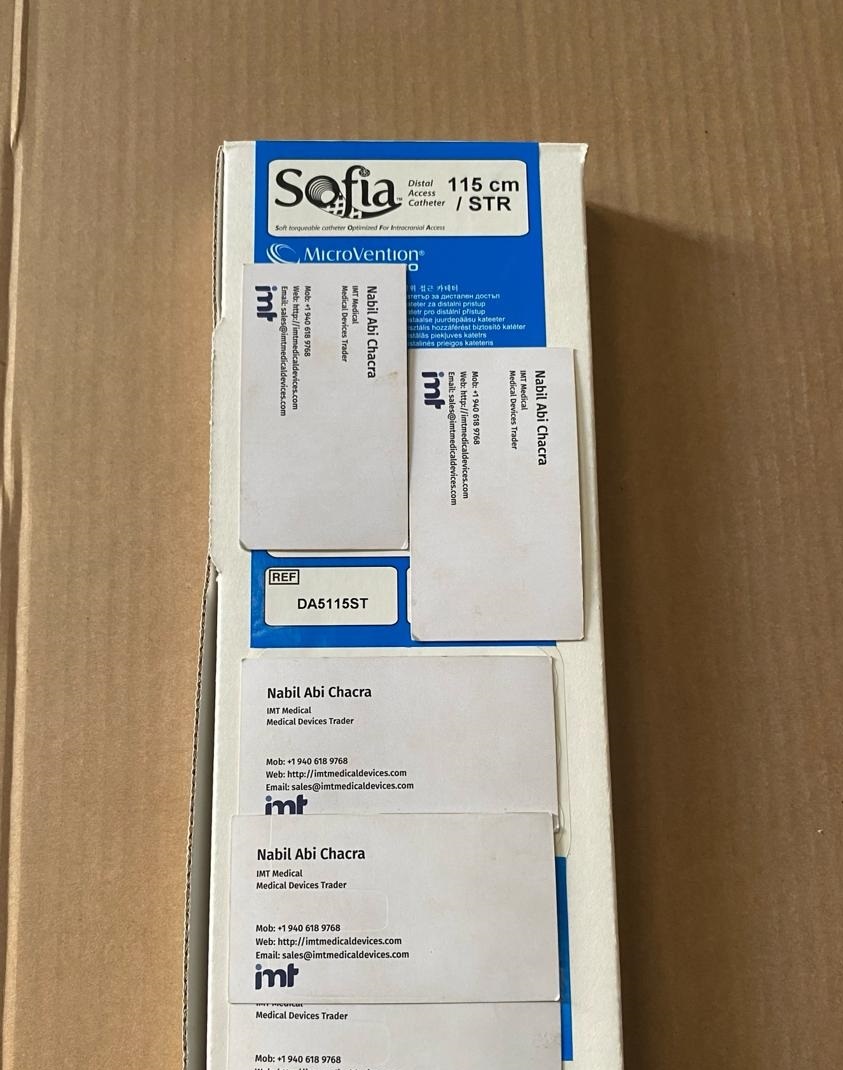
Our inventory features authentic technology from Medtronic, Terumo, Abbott, Boston Scientific, and Asahi Intec. This comprehensive portfolio allows procurement officers to consolidate their supply chain under a single authorized partner. We manage the technical complexities of Class III implants, ensuring that every unit meets manufacturer-original specifications. By maintaining deep stocks of guidewires and guiding catheters, we eliminate the administrative friction of managing multiple vendor accounts. Our manufacturer-centric approach prioritizes brand authenticity and technical precision in every transaction. This commitment to quality ensures that healthcare providers receive reliable hardware for complex cardiac interventions. We provide a streamlined procurement path for high-end manufacturers, reducing the complexity of international medical commerce. Our operations are designed for rapid information retrieval and product availability.
Specialized Interventional Inventory
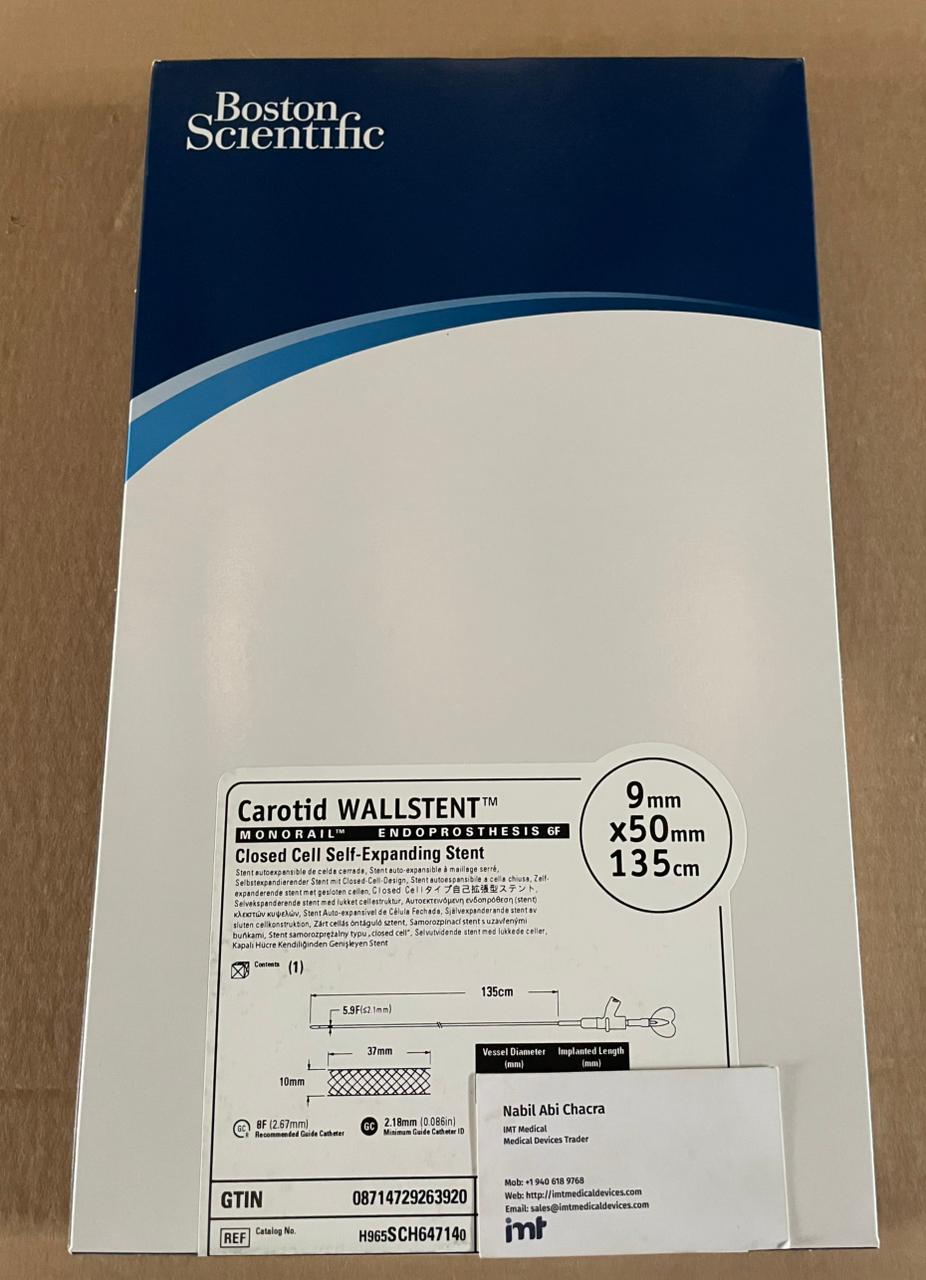
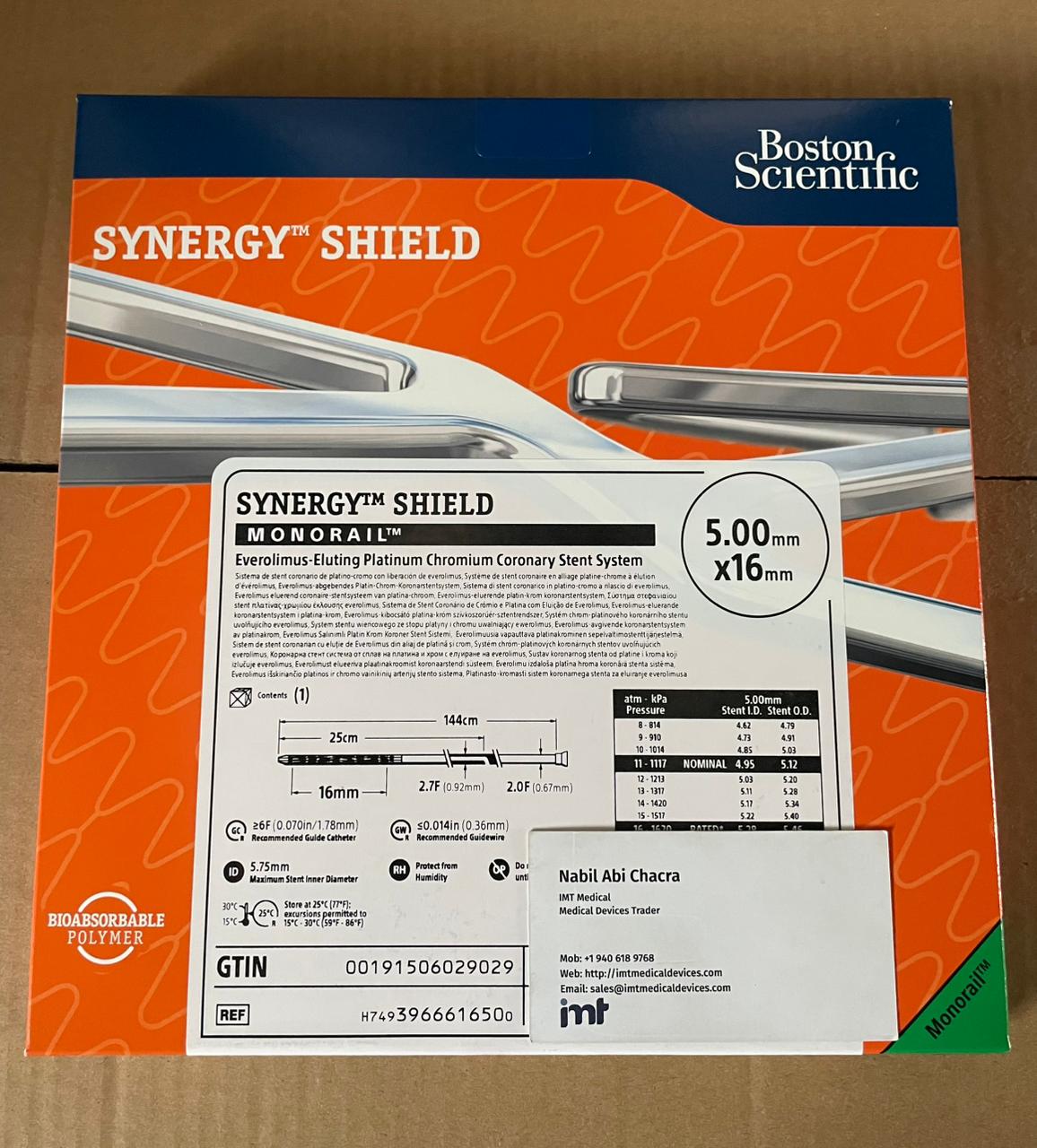
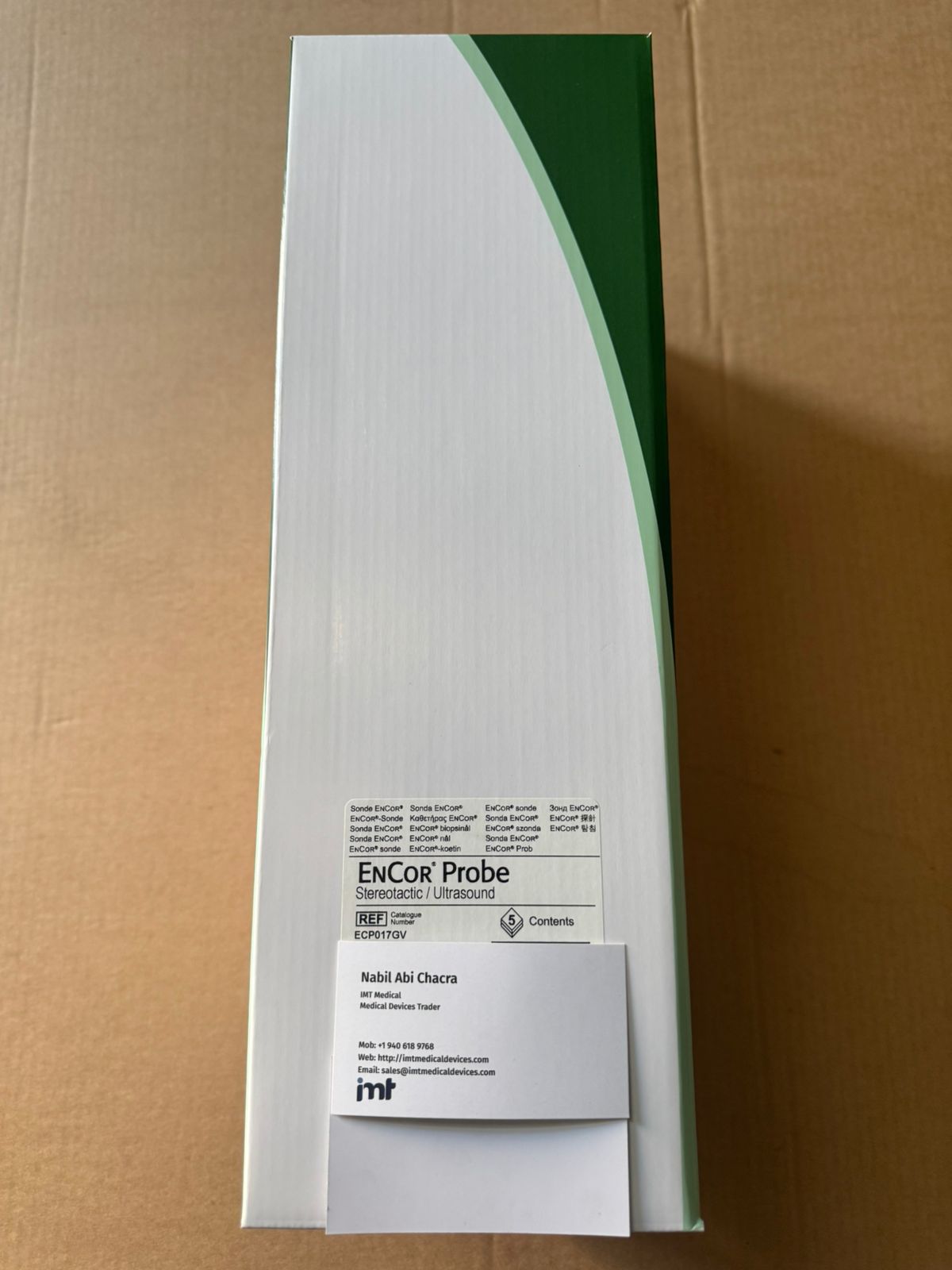
We maintain immediate availability for critical interventional consumables. This includes a robust stock of Drug-Eluting Stents and PTCA balloon catheters. Specialized hardware such as surgical staplers and peripheral stents are ready for immediate export. Our catalog extends to advanced electrophysiology catheters and diagnostic guide wires. We provide a reliable supply of Medtronic Resolute Onyx and other Tier 1 DES platforms for high-volume facilities.
Efficient Export and Logistic Solutions
Logistics management is a core competency at IMT Medical Devices. We handle the intricacies of international shipping and specialized medical device documentation. Our team tailors solutions for healthcare providers and regional cardiology device wholesale distributors. We navigate the 10% universal baseline tariff and regional regulatory requirements to maintain supply chain continuity. IMT Medical Devices serves as a vital, efficient bridge between major manufacturers and international clinical markets.
Optimizing Cardiology Procurement for 2026 and Beyond
Success in the 2026 cardiovascular market depends on transitioning from transactional buying to strategic logistics integration. Facilities must prioritize cardiology device wholesale distributors that offer technical compliance, cold chain integrity, and authorized access to Tier 1 hardware. This approach mitigates the risks associated with the May 26, 2026 EU MDR deadline and ensures a consistent supply of life-critical implants. Effective procurement teams now focus on inventory resilience and brand authenticity to maintain clinical throughput in high-volume environments.
IMT Medical Devices provides the industrial scale and reach necessary for global clinical availability. We maintain strategic hubs in the UAE, Georgia, Turkey, and Poland to bypass logistical bottlenecks. Our portfolio includes premium technology from Medtronic, Boston Scientific, and Abbott. With a proven track record of exporting to 50+ countries, we're the reliable bridge between manufacturers and international markets. Contact IMT Medical Devices for bulk cardiology procurement and global export solutions to stabilize your supply chain and secure technical excellence today. Efficient global distribution is the key to maintaining patient safety and operational success.
Frequently Asked Questions
What are the primary factors to consider when choosing a cardiology device wholesaler?
Primary factors include authorized sourcing channels for brands like Medtronic or Boston Scientific, regional warehouse proximity, and verified compliance with ISO 13485:2016. High-capacity cardiology device wholesale distributors must demonstrate technical expertise in managing Class III implants. Evaluation should also prioritize the distributor's ability to navigate the 10% universal baseline tariff and their history of successful transcontinental exports to ensure supply chain resilience.
How do wholesale distributors ensure the authenticity of cardiac implants?
Authenticity is secured through a transparent chain of custody and verification of manufacturer-original packaging. Distributors provide lot numbers and sterilization logs for every unit, including Drug-Eluting Stents and ICDs. Procurement teams audit these records against manufacturer databases to confirm provenance. Maintaining authorized procurement channels is the only reliable method to eliminate the risk of counterfeit or poorly stored hardware in the global supply chain.
What documentation is required for the international export of cardiology stents?
International export requires a comprehensive dossier including Certificates of Origin, sterilization logs, and manufacturer authorization letters. Compliance with the May 26, 2026 EU MDR deadline for Class III devices necessitates detailed technical documentation for customs clearance. Accurate export classification and commercial invoices must reflect the current regulatory standards of the destination country to prevent administrative delays or impoundment at regional borders.
Can wholesale distributors provide technical support for interventional devices?
Wholesale distributors provide technical documentation, manufacturer-original specifications, and warranty management rather than direct clinical training. They act as the primary liaison between healthcare facilities and manufacturers like Terumo or Asahi Intec. Support includes providing technical data sheets for guidewires and assisting with manufacturer-led software updates for rhythm management devices. For specific procedural training, distributors facilitate connections with manufacturer-authorized clinical specialists.
What is the typical lead time for bulk orders of PTCA balloon catheters?
Typical lead times vary based on regional warehouse positioning and current stock levels. Orders fulfilled from strategic hubs in Dubai or Poland often reach international destinations within 3 to 7 business days. Direct factory orders or high-volume procurement of specialized PTCA balloon catheters may require longer lead times depending on manufacturer production cycles. Procurement professionals should verify real-time inventory status to ensure consistent clinical availability and avoid supply gaps.
How is cold chain integrity maintained for sensitive cardiology equipment during shipping?
Integrity is maintained through validated temperature-controlled packaging and real-time environmental monitoring. Cardiology device wholesale distributors use data loggers to track humidity and temperature fluctuations during transcontinental transit. This technical rigor is essential for polymer-based interventional hardware and electronic implants like permanent pacemakers. Validated cold chain solutions ensure that devices arrive at the clinical facility within the manufacturer's specified environmental parameters.
Are volume-based discounts available for high-turnover cardiology consumables?
Volume-based discounts are standard for high-turnover consumables like Drug-Eluting Stents and PTCA catheters. Bulk purchase agreements allow facilities to leverage wholesale pricing, reducing the total cost of ownership for recurring supplies. These structures are typically negotiated based on annual volume projections or single-shipment industrial-scale orders. Consolidating procurement through a high-capacity distributor allows healthcare providers to access competitive contract rates across multiple Tier 1 manufacturer brands.
Do wholesale distributors handle customs clearance for medical device imports?
Distributors manage the preparation of specialized medical documentation, though final customs clearance responsibility depends on the agreed Incoterms. High-capacity partners provide the certificates and dossiers required for regional healthcare standards, such as those in UAE or Georgia. They navigate the complexities of the 10% universal baseline tariff and ensure that all export classifications are accurate. This administrative support minimizes the risk of regulatory rejection during the import process.