Cath Lab Supply Chain Optimization: A Strategic Guide for 2026
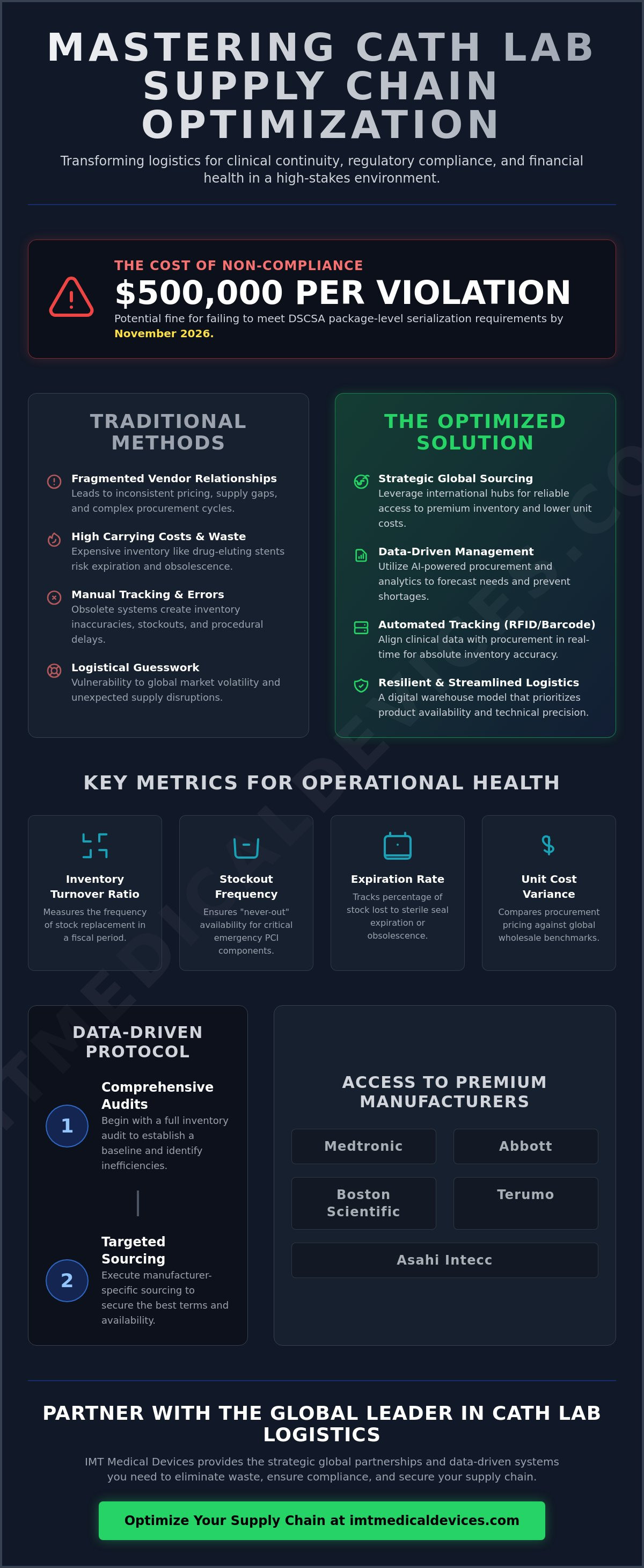
By November 2026, failing to meet DSCSA package-level serialization requirements could cost your facility up to $500,000 per violation. It's a high-stakes environment where traditional procurement methods often fail. Effective cath lab supply chain optimization is no longer just a back-office function; it's a strategic necessity for maintaining clinical continuity and financial health.
You're likely dealing with fragmented vendor relationships and the financial burden of high carrying costs for expensive inventory like drug-eluting stents. This article demonstrates how to master these complexities through strategic global sourcing and data-driven management. You'll learn how to reduce waste using better inventory tracking, secure reliable access to brands like Medtronic and Abbott, and lower unit costs through bulk wholesale sourcing. We'll examine how AI-powered procurement and resilient logistics models can protect your lab from global market volatility and supply disruptions. The goal is a streamlined digital warehouse that prioritizes technical precision and product availability over logistical guesswork.
Key Takeaways
- Transition from manual tracking to automated systems to ensure sterile storage availability and clinical continuity.
- Implement RFID and barcode technology to align clinical data with procurement, reducing manual errors and inventory waste.
- Master cath lab supply chain optimization by shifting toward global wholesale sourcing for high-volume orders of specialized hardware.
- Execute a two-step procurement protocol starting with comprehensive inventory audits and manufacturer-specific sourcing for brands like Medtronic and Terumo.
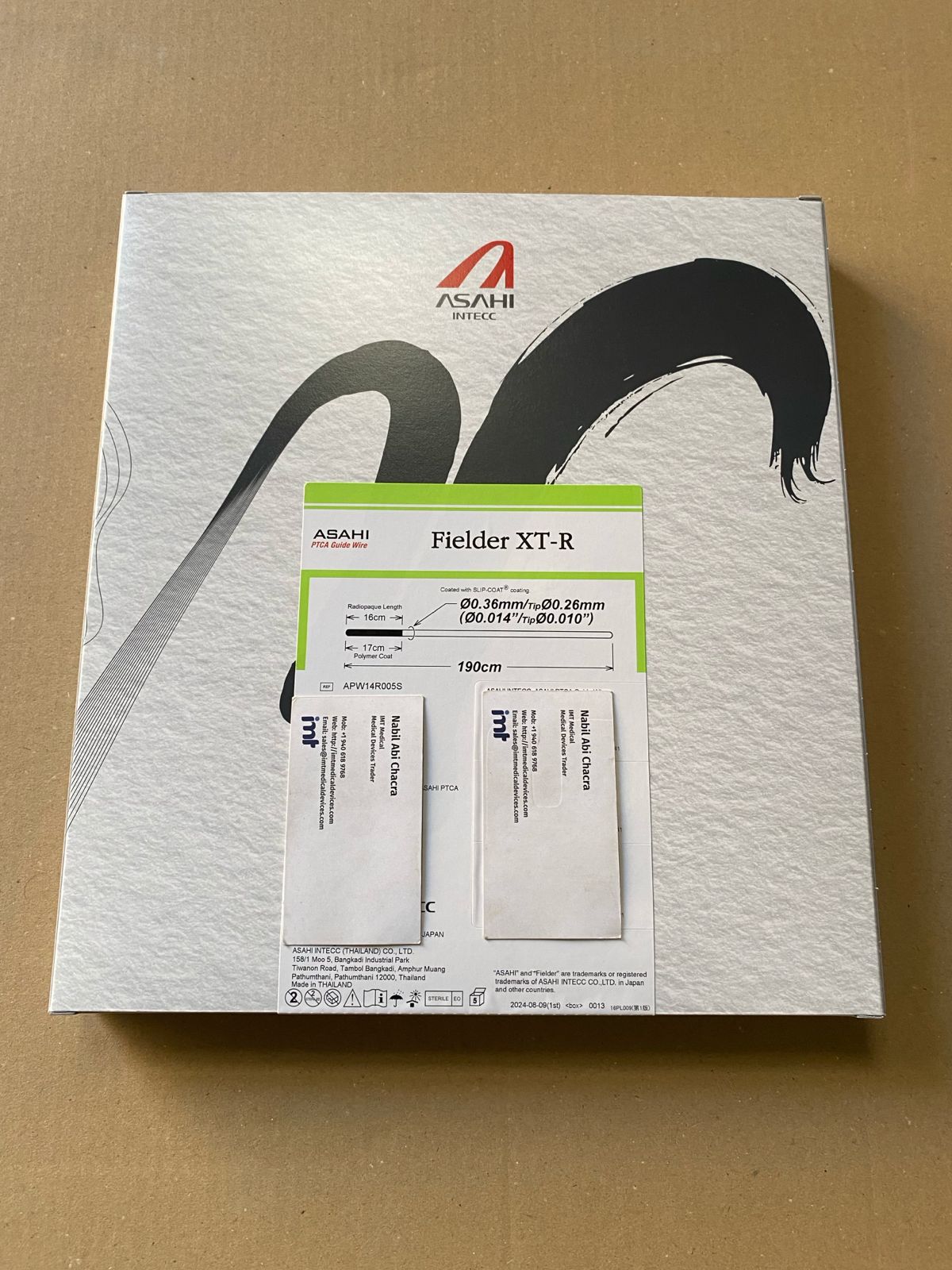
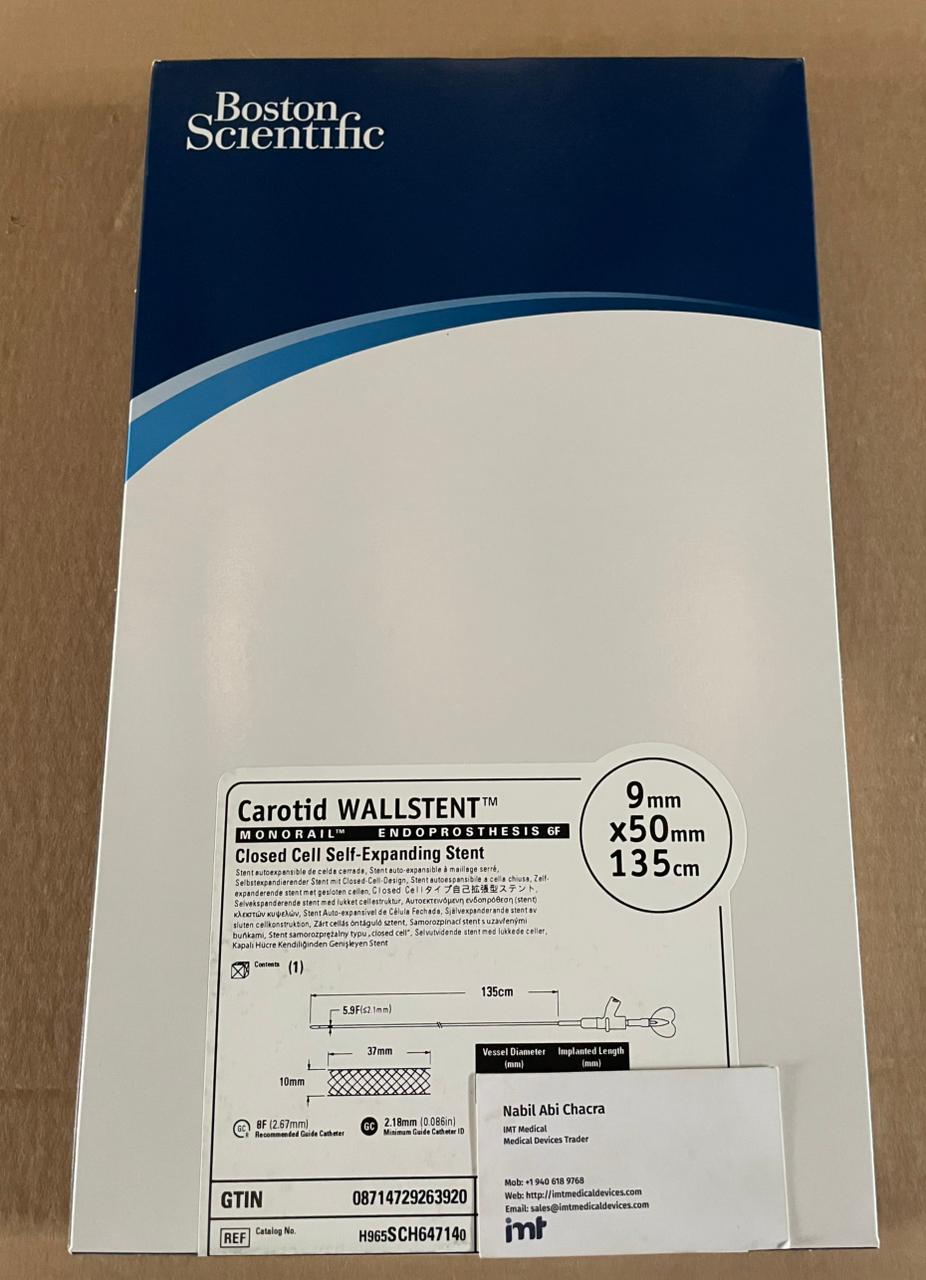
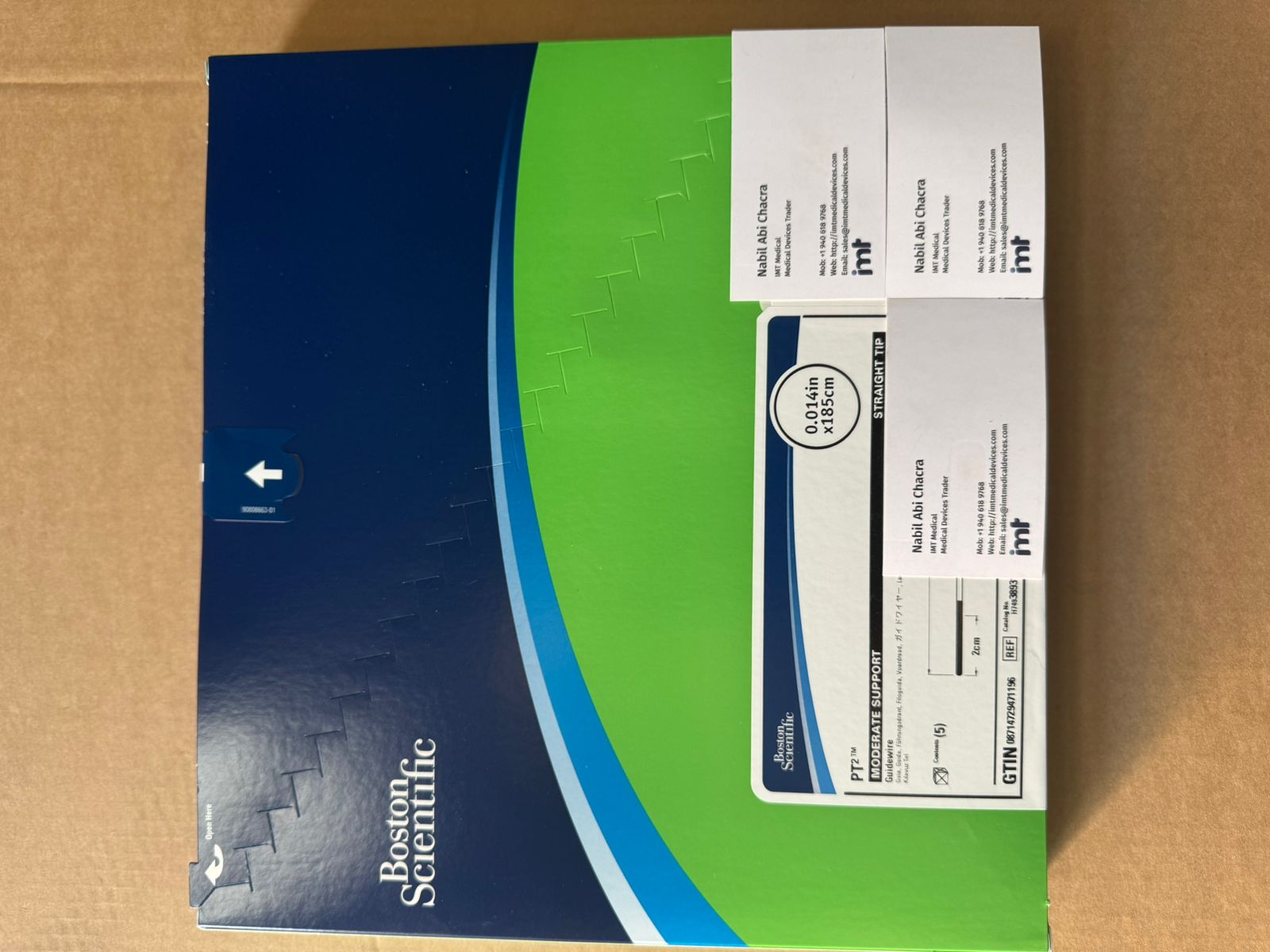
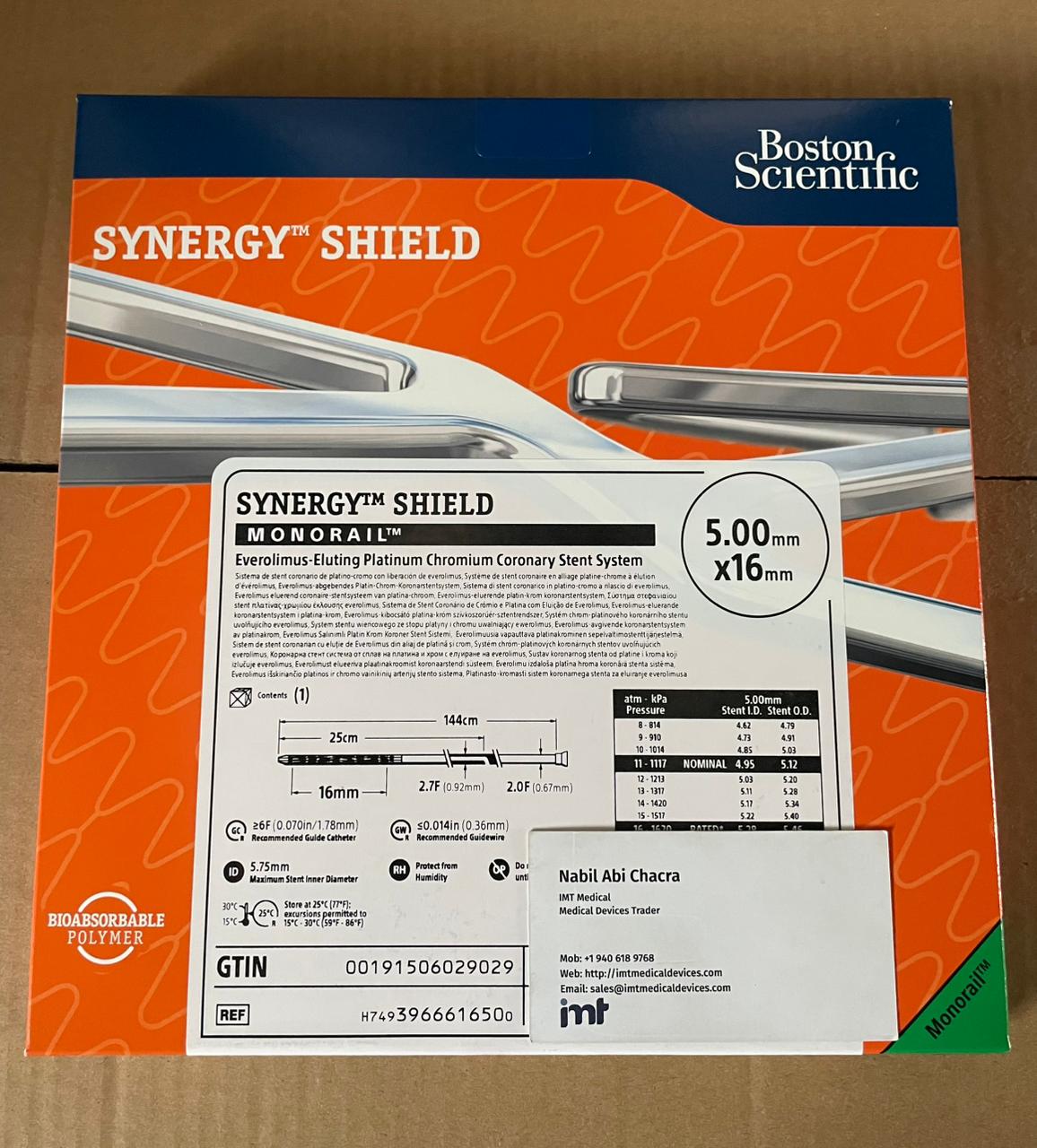
- Leverage international logistics hubs to secure reliable access to premium inventory from Abbott, Boston Scientific, and Asahi Intec.
The Fundamentals of Cath Lab Supply Chain Optimization
Cath lab supply chain optimization demands precision. It's the integration of manufacturer output, global logistics, and sterile storage management. General surgery logistics often focus on volume and variety. Cardiology focuses on high-precision, life-critical hardware. Drug-eluting stents (DES) and implantable cardioverter defibrillators (ICDs) require rigorous tracking from the point of manufacture to the point of care. This process follows the Fundamentals of Supply Chain Management, specifically tailored for the technical and clinical requirements of interventional cardiology.
Inventory management directly affects the financial performance of the facility. High-value consumables like permanent pacemakers and PTCA balloon catheters represent significant capital. Carrying costs are high. Expiration risks are constant. Efficient labs monitor specific metrics to maintain operational health. Key performance indicators for 2026 include:
- Inventory Turnover Ratio: The frequency of stock replacement within a specific fiscal period.
- Stockout Frequency: The availability of emergency PCI components and "never-out" hardware.
- Expiration Rate: The percentage of stock lost to sterile seal expiration or technical obsolescence.
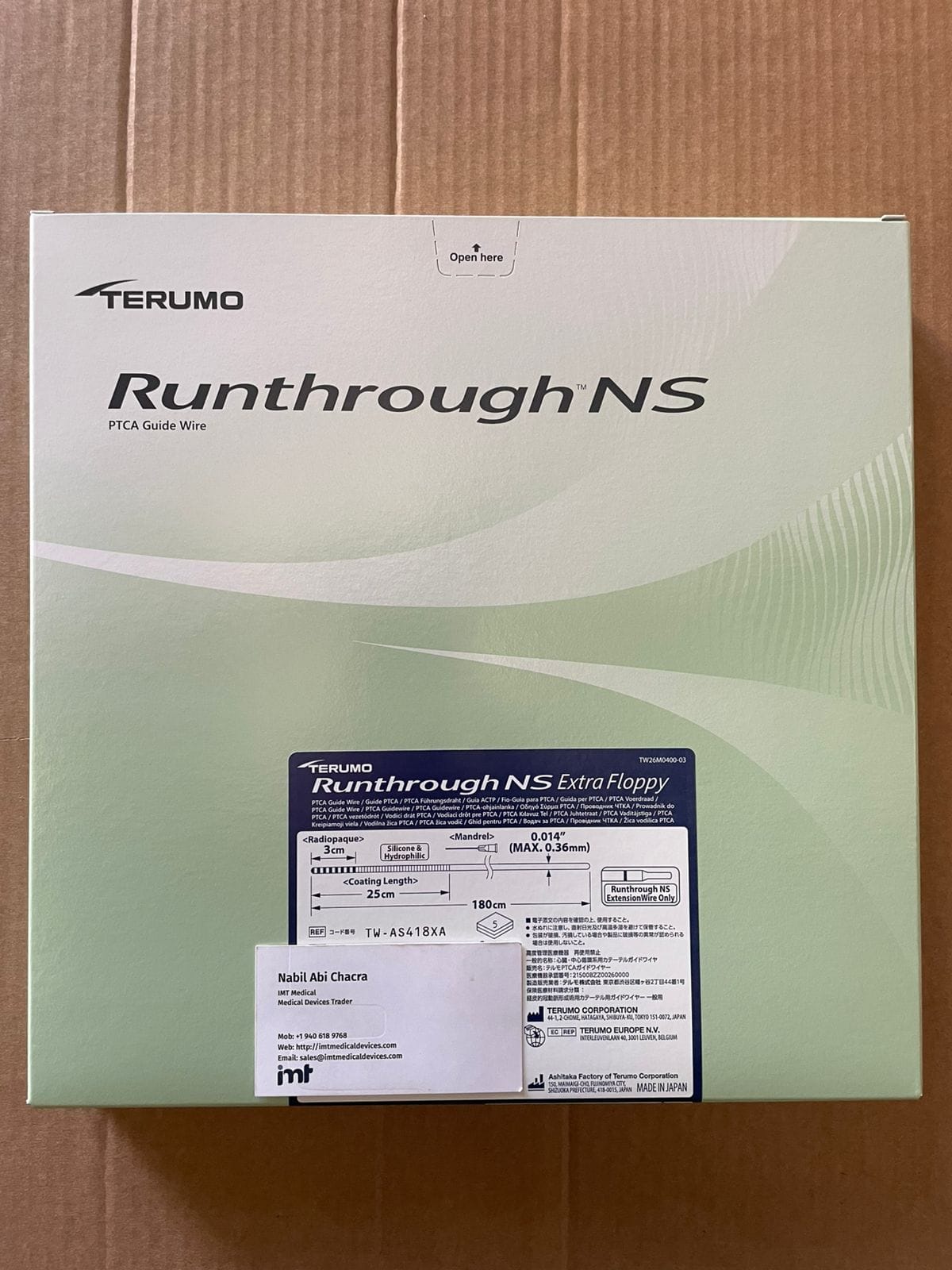
- Unit Cost Variance: Procurement pricing relative to wholesale benchmarks for manufacturers like Medtronic, Terumo, and Abbott.
The transition from manufacturer to sterile storage is a complex path. It involves international commerce, customs clearance, and specialized local distribution. In a 2026 context, this means navigating tariffs and regulatory shifts like the DSCSA. Each product, from a Medtronic pacemaker to a Terumo guiding catheter, carries a unique technical identifier. These codes must be tracked with absolute accuracy to ensure patient safety and regulatory compliance. Digital warehouse systems are now the standard for managing these high-speed inventory feeds.
The Unique Challenges of Cardiac Logistics
Cardiac logistics involve extreme SKU density. Procurement professionals manage thousands of distinct codes. Catheters, guidewires, and stents come in various specifications. Asahi Intec guidewires and Boston Scientific catheters require specific diameters, lengths, and tip configurations. Cold chain storage is mandatory for certain sensitive implants. Emergency PCI requires "never-out" status for essential hardware. Reliability is the priority. Supply disruptions are a clinical risk. High-capacity distribution ensures these needs are met without delay.
Defining Success in Lab Optimization
Optimization success means clinical alignment and fiscal efficiency. Labs must balance physician preference with the benefits of bulk wholesale sourcing. In 2026, data-driven tracking reduces manual errors and waste. Targeted inventory turnover ratios ensure lean operations. Reducing expired stock in sterile environments protects the bottom line. Effective optimization provides access to premium technology from manufacturers like Terumo and Abbott. It eliminates fragmented vendor relationships and lowers unit costs through strategic global partnerships.
Strategic Inventory Management and Clinical Alignment
Effective cath lab supply chain optimization relies on the synchronization of clinical usage and procurement software. Manual entry systems are obsolete. Modern facilities use RFID and barcode technology to capture data at the point of care. This integration ensures that every PTCA balloon catheter and guiding catheter used in a procedure is immediately deducted from inventory levels. It triggers replenishment without human intervention. Real-time tracking reduces the risk of procedural delays caused by missing components.
A Value Analysis Committee (VAC) serves as the bridge between clinical requirements and fiscal goals. This group standardizes high-volume items to maximize volume-based pricing. By selecting a primary platform for drug-eluting stents or diagnostic guide wires, procurement teams can leverage significant wholesale advantages. Standardizing on Asahi Intec or Terumo products simplifies the logistical footprint. It reduces the number of unique SKUs that staff must manage. It also streamlines training for technicians and nursing staff.
Clinical Preference vs. Procurement Efficiency
Clinicians often have strong preferences for Medtronic or Boston Scientific platforms. Balancing these preferences with procurement efficiency is essential. Standardization doesn't mean eliminating choice; it means optimizing the vendor mix. Focusing on high-volume manufacturers allows for better contract terms and lower unit costs. Educating clinical staff on the logistical impact of fragmented vendor relationships is a priority. When teams understand the cost-impact of supply choices, they're more likely to support standardization efforts. This alignment is critical for maintaining a lean inventory model.
Advanced Inventory Tracking Systems
Automated replenishment triggers are critical for high-velocity items. These systems identify when stock levels for permanent pacemakers or peripheral stents fall below safety thresholds. This proactive approach is a key component of eliminating waste in the medical device supply chain. It prevents stockouts of "never-out" components. It also minimizes the time clinicians spend on administrative tasks.
Financial models for inventory vary. Consignment inventory reduces immediate capital outlay but often carries higher unit costs. Owned inventory requires more upfront investment but offers better margins through bulk wholesale sourcing. Reducing the hidden costs of manual inventory counting saves hundreds of hours annually. Facilities looking to streamline these processes can find a reliable partner in global medical logistics and wholesale distribution. Reliable access to authentic technology from Abbott and Terumo ensures that clinical outcomes remain the priority while overhead is minimized.
Leveraging Global Wholesale for Sourcing Efficiency
Global sourcing is now a critical component of cath lab supply chain optimization. Relying solely on domestic contracts creates vulnerability to regional disruptions and price fluctuations. Accessing international wholesale markets provides a necessary buffer. This strategy ensures a steady supply of high-precision hardware from manufacturers like Abbott, Terumo, and Medtronic. By 2026, nearly 70% of U.S. health organizations will have adopted cloud-based supply chain management to facilitate these international transactions. This shift allows for rapid information retrieval and real-time inventory adjustments across global borders.
The Global Wholesale Advantage
International wholesalers offer access to diverse inventory pools. This diversity is essential for managing high-volume orders of drug-eluting stents and PTCA balloon catheters. Working with a global partner allows facilities to hedge against supply chain shocks. When one region faces a shortage, inventory can be diverted from other hubs. Bulk international procurement also provides a clear cost-benefit. High-capacity distributors leverage scale to offer lower unit costs on premium brands like Boston Scientific and Asahi Intec. This transactional efficiency is a primary driver for large-scale procurement operations.
Regional distribution hubs play a vital role in reducing lead times. These hubs serve as strategic transit points, ensuring that critical implants reach their destination without delay. Reliability in these logistics networks is non-negotiable. For cardiology labs, a delay in receiving a permanent pacemaker or an ICD directly impacts procedural schedules. Expedited shipping protocols and optimized customs clearance are standard requirements for 2026 logistics partners.
Ensuring Regulatory Compliance in Global Exports
International medical device transit requires rigorous documentation. Compliance with the Drug Supply Chain Security Act (DSCSA) is mandatory. By November 2026, all pharmaceutical and specific medical products must follow package-level serialization and traceability requirements. Fines for non-compliance can reach $500,000 per violation. Logistics partners must provide electronic, interoperable data for every shipment. This level of transparency is essential for maintaining the integrity of the global supply chain.
Cold chain integrity and specialized handling are required for sensitive hardware. Drug-eluting stents and certain catheters must remain within specific temperature ranges during long-haul transport. Specialized packaging and monitoring systems prevent thermal degradation. Precise handling is also required for technical components. Procurement teams should consult a guidewire and stent technical reference to ensure that specifications meet clinical needs before international transit. This attention to detail minimizes the risk of technical obsolescence or physical damage during shipping.
Implementing Data-Driven Procurement Protocols
Data-driven protocols convert theoretical efficiency into operational reality. Implementing cath lab supply chain optimization requires a structured, five-step approach. This framework ensures that procurement decisions rely on procedural volume rather than anecdotal demand. By 2026, health systems must move beyond manual replenishment to survive rising costs and regulatory pressures. Efficiency is the only viable path forward.
- Step 1: Conduct a comprehensive audit of existing inventory levels to establish a baseline.
- Step 2: Identify high-volume manufacturers such as Medtronic, Terumo, and Abbott to prioritize contract negotiations.
- Step 3: Establish direct wholesale partnerships for bulk procurement. This bypasses intermediary markups.
- Step 4: Implement automated tracking for ptca balloon catheters and other high-velocity consumables.
- Step 5: Review and adjust procurement cycles based on procedural volume. This prevents capital from being locked in stagnant stock.
Auditing and Benchmarking
Auditing reveals "dead stock" and underutilized catheter sizes. Many facilities carry 15% more inventory than necessary due to poor visibility. Identify these redundancies immediately. Benchmarking unit costs against global wholesale market rates provides a clear picture of procurement health. Use these metrics to set baseline goals for 2026. Data from 2025 suggests that AI adoption in quality management can increase productivity by 35%. Applying these analytical tools to inventory audits ensures that every item in sterile storage has a clinical purpose. High-value hardware must move, not sit on shelves.
Vendor Management and Consolidation
Fragmented vendor relationships increase administrative overhead. Consolidating procurement through reliable partners for medical device distribution simplifies the logistical footprint. Multi-brand wholesalers offer a single point of contact for diverse inventory needs. This includes negotiating volume-based tiers for permanent pacemakers and ICDs. Centralized sourcing reduces the time spent managing multiple manufacturer portals. It also improves the accuracy of technical specification matching across different hardware generations. Facilities that consolidate their vendor list often see a reduction in procurement errors and shipping delays. To secure your facility's access to premium global inventory, partner with a high-capacity global distributor today. Reliable access to authentic technology is the cornerstone of a resilient supply chain.
IMT Medical Devices: Your Global Partner in Cath Lab Logistics
IMT Medical Devices functions as a high-capacity bridge between premium manufacturers and international healthcare markets. We maintain an extensive inventory of specialized hardware to support cath lab supply chain optimization for B2B distributors and large-scale providers. Our logistical infrastructure is designed for speed and technical accuracy. We provide direct access to authentic technology from the world's leading producers. Our portfolio includes:
- Medtronic Products: Drug-Eluting Stents, Permanent Pacemakers, and ICDs.
- Boston Scientific Products: PTCA Balloon Catheters and Electrophysiology Catheters.
- Abbott Products: Peripheral Stents and Diagnostic Guide Wires.
- Asahi Intec and Terumo: Specialized Guidewires and Guiding Catheters.
Reliability in global logistics requires more than just shipping. It demands a deep understanding of international commerce and clinical hardware specifications. We serve over 50 countries through a network of strategic hubs. Our operations prioritize product availability and logistical efficiency. This approach eliminates the complexities of fragmented vendor relationships and ensures clinical continuity in high-pressure sterile environments.
Reliable Supply of High-Value Consumables
High-value consumables require specialized handling. Our inventory focus includes Drug-Eluting Stents (DES), PTCA balloons, and ICDs. These items represent significant capital and clinical risk. We use climate-controlled storage to maintain the integrity of sensitive polymers and electronic components. Every shipment follows rigorous thermal monitoring protocols. This ensures that hardware arrives in peak clinical condition. Our rapid response capabilities address urgent procurement needs, preventing procedural delays in emergency PCI cases. We provide volume-based pricing models that allow providers to lower unit costs while maintaining access to top-tier brands like Medtronic and Abbott.
The IMT Logistics Advantage
Logistical competence is our primary trust signal. We operate streamlined shipping processes from strategic hubs in Dubai, Georgia, and Poland. These locations allow for rapid transit to international markets, reducing lead times for critical implants. Our team manages all aspects of international export documentation. This includes commercial invoices, certificates of origin, and DSCSA-compliant electronic traceability data. We ensure full compliance with the November 2026 serialization requirements to protect our partners from regulatory penalties.
Transparency is fundamental to our supply chain model. We provide end-to-end visibility for every transaction. This level of data integration allows procurement managers to track shipments in real-time and adjust inventory levels accordingly. We don't just move boxes; we manage the technical and regulatory lifecycle of medical hardware. Contact us to optimize your cath lab supply chain. Our expansive reach and manufacturer-centric approach make us the vital link in your global procurement strategy.
Securing Operational Resilience for 2026
Achieving sustainable cath lab supply chain optimization requires a transition from manual oversight to high-capacity digital logistics. Data-driven procurement protocols ensure that inventory levels for drug-eluting stents and permanent pacemakers align with procedural volume. Global wholesale sourcing provides the necessary buffer against regional shortages and price volatility. By standardizing high-volume hardware from manufacturers like Medtronic and Terumo, facilities reduce administrative overhead and technical errors.
IMT Medical Devices facilitates this transformation through an expansive international distribution network. We currently export to over 50 countries from strategic logistics hubs in Dubai, Poland, and Georgia. Our inventory features a comprehensive range of premium products from Abbott, Medtronic, and Terumo. We prioritize technical precision and logistical speed to maintain clinical continuity across diverse markets. It's time to replace fragmented vendor relationships with a single, reliable global partner.
Contact IMT Medical Devices for a wholesale quote on premium cath lab supplies. Build a resilient procurement model that supports both clinical excellence and fiscal health.
Frequently Asked Questions
What are the primary drivers of waste in a cath lab supply chain?
Waste in the cath lab stems from expiring sterile stock, technical obsolescence, and manual tracking errors. High SKU counts for catheters and guidewires often lead to dead stock when procedural demand shifts. Inaccurate forecasting causes over-ordering of high-value items like drug-eluting stents. Without real-time data, facilities lose visibility into shelf-life status, resulting in financial loss from expired hardware that cannot be returned to the manufacturer.
How does global wholesale sourcing improve supply chain resilience?
Global wholesale sourcing improves resilience by diversifying inventory pools across international borders. It mitigates the risk of regional supply disruptions and manufacturer stockouts. Accessing hubs in Dubai or Poland allows procurement teams to bypass local shortages. This strategy is a core component of cath lab supply chain optimization, ensuring that never-out items like PTCA balloon catheters remain available regardless of geopolitical instability or local logistical failures.
What is the role of clinical integration in procurement optimization?
Clinical integration aligns procurement software with procedural data to trigger automated replenishment. It ensures that the specific technical requirements of cardiologists are met without excess inventory. By linking clinical usage to the supply chain, facilities reduce manual entry errors and administrative overhead. This synchronization allows for more accurate forecasting based on actual case volumes rather than anecdotal demand, directly improving the inventory turnover ratio for the facility.
How can I reduce the cost of high-value items like Drug-Eluting Stents?
Reducing the cost of high-value consumables like drug-eluting stents requires volume-based standardization and bulk wholesale sourcing. Consolidating vendor lists allows for better negotiation of price tiers with manufacturers like Medtronic and Abbott. Shifting from consignment models to owned inventory through international wholesalers often provides lower unit costs. This strategy leverages global market rates rather than restricted domestic contracts to maximize procurement budgets for expensive cardiac hardware.
What documentation is required for international medical device exports?
International medical device exports require comprehensive documentation to meet DSCSA and customs standards. Essential paperwork includes commercial invoices, certificates of origin, and technical specification sheets. By November 2026, all shipments must include package-level serialization data for electronic traceability. Logistics partners must also provide temperature logs for cold chain items like stents and certain catheters to confirm that sterile integrity was maintained during long-haul transit.
Can I source multiple brands like Medtronic and Abbott from a single wholesaler?
Yes, high-capacity international wholesalers provide a single point of access for multiple premium brands. Procurement teams can source Medtronic, Abbott, Terumo, and Boston Scientific products through one transactional portal. This consolidation reduces administrative complexity and shipping costs. It eliminates the need to manage fragmented relationships across dozens of individual manufacturer platforms, allowing for more efficient bulk orders of guidewires, stents, and permanent pacemakers in a single shipment.
How often should a cath lab audit its inventory levels?
Cath labs should conduct comprehensive inventory audits at least quarterly to maintain data accuracy. High-velocity items like PTCA balloons may require monthly cycle counts to prevent stockouts. Regular audits identify underutilized SKU sizes and expiring stock before they become a total loss. These reviews provide the baseline metrics needed to adjust procurement cycles and refine the overall cath lab supply chain optimization strategy for the upcoming fiscal period.
What are the benefits of using RFID for catheter and stent tracking?
RFID technology provides real-time visibility into inventory locations and expiration dates without manual scanning. It reduces the time clinicians spend on administrative tasks and virtually eliminates human error in stock counts. Automated alerts for low stock levels or nearing expiration dates ensure that sterile storage remains lean and efficient. This technology is essential for managing the high SKU density characteristic of modern interventional cardiology environments and specialized hardware storage.