Choosing a Cava Filter Supplier
When a hospital or distributor is sourcing vena cava filtration products, the difference between a usable quote and a delayed procedure often comes down to the cava filter supplier. In this category, procurement is not only about price. It is about exact brand alignment, product traceability, documentation, and the supplier’s ability to support time-sensitive clinical demand without introducing avoidable risk.
Cava filters are typically purchased within a narrower procedural and regulatory context than many general consumables. Buyers are often balancing physician preference, approved vendor requirements, import documentation, and inventory pressure at the same time. That makes supplier selection a practical procurement decision rather than a simple vendor comparison.
What a professional cava filter supplier should provide
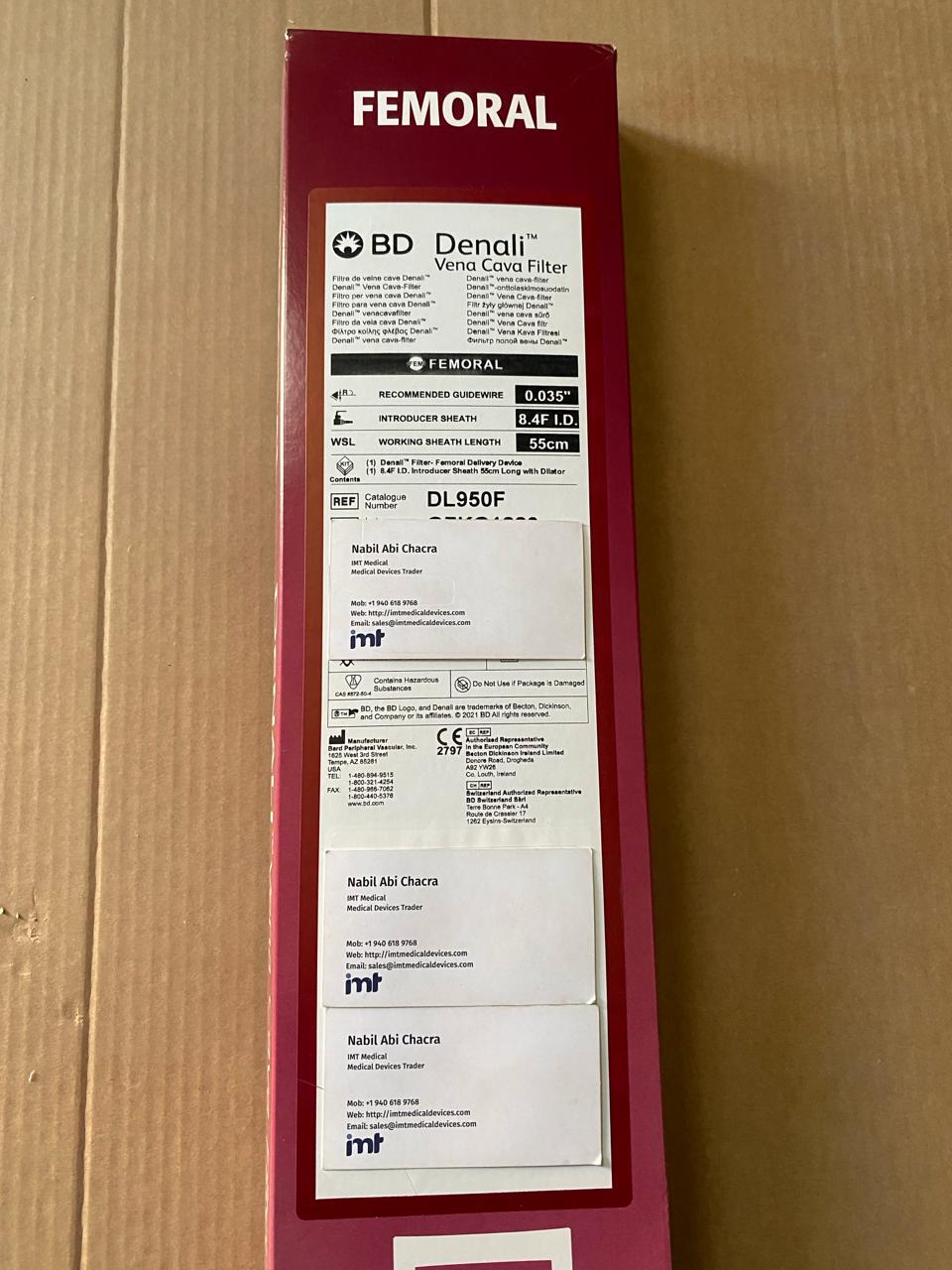
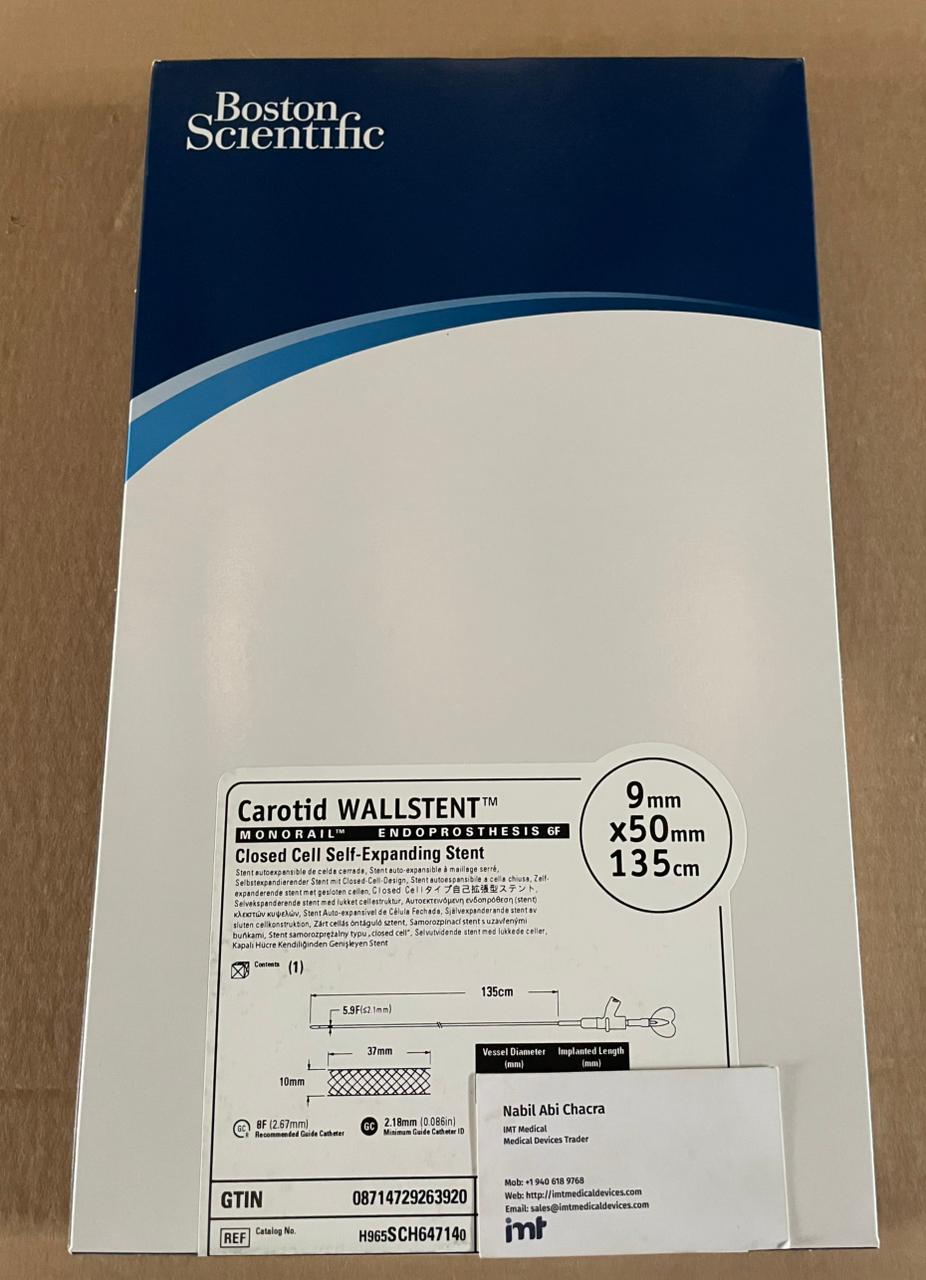
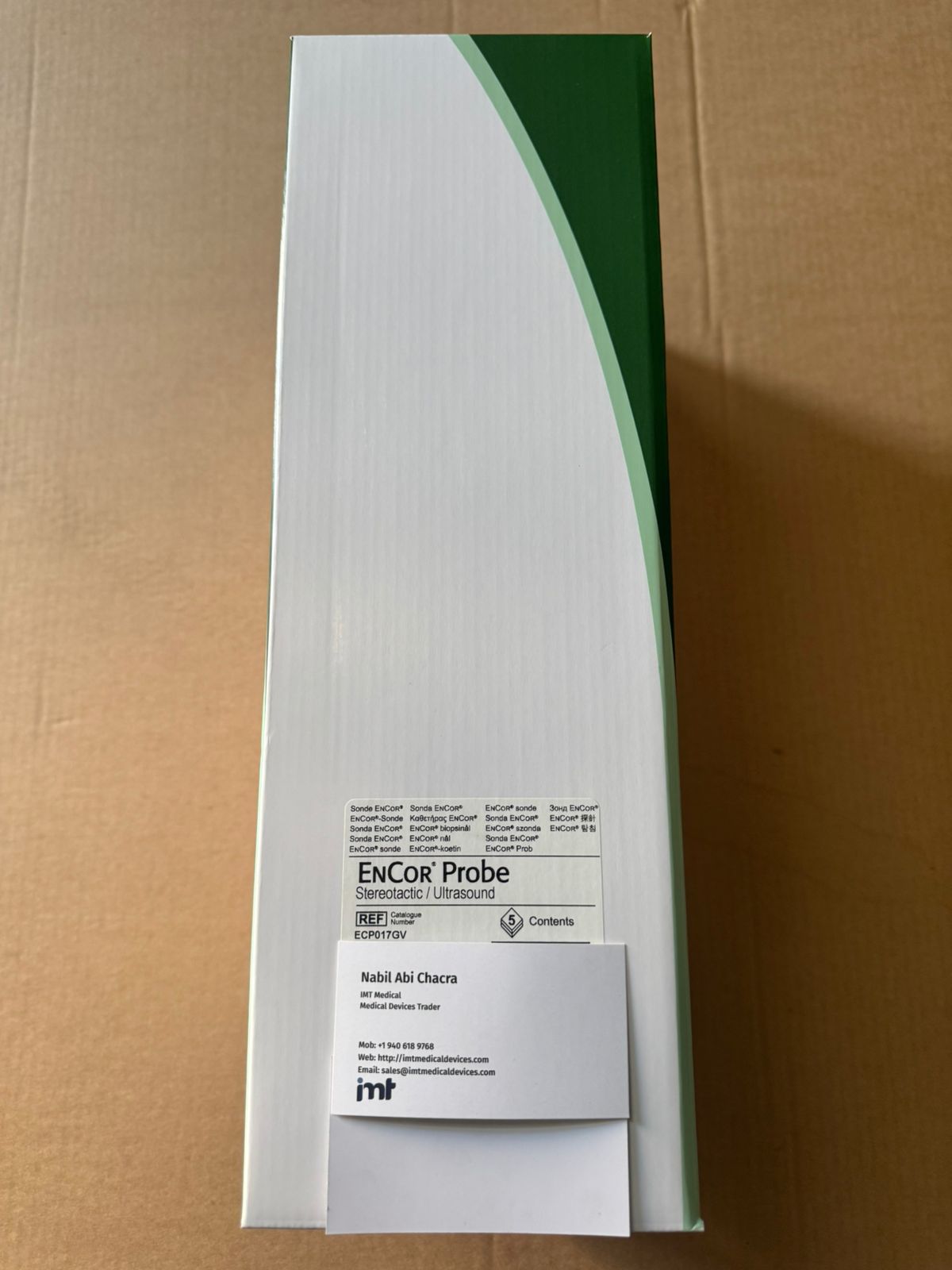
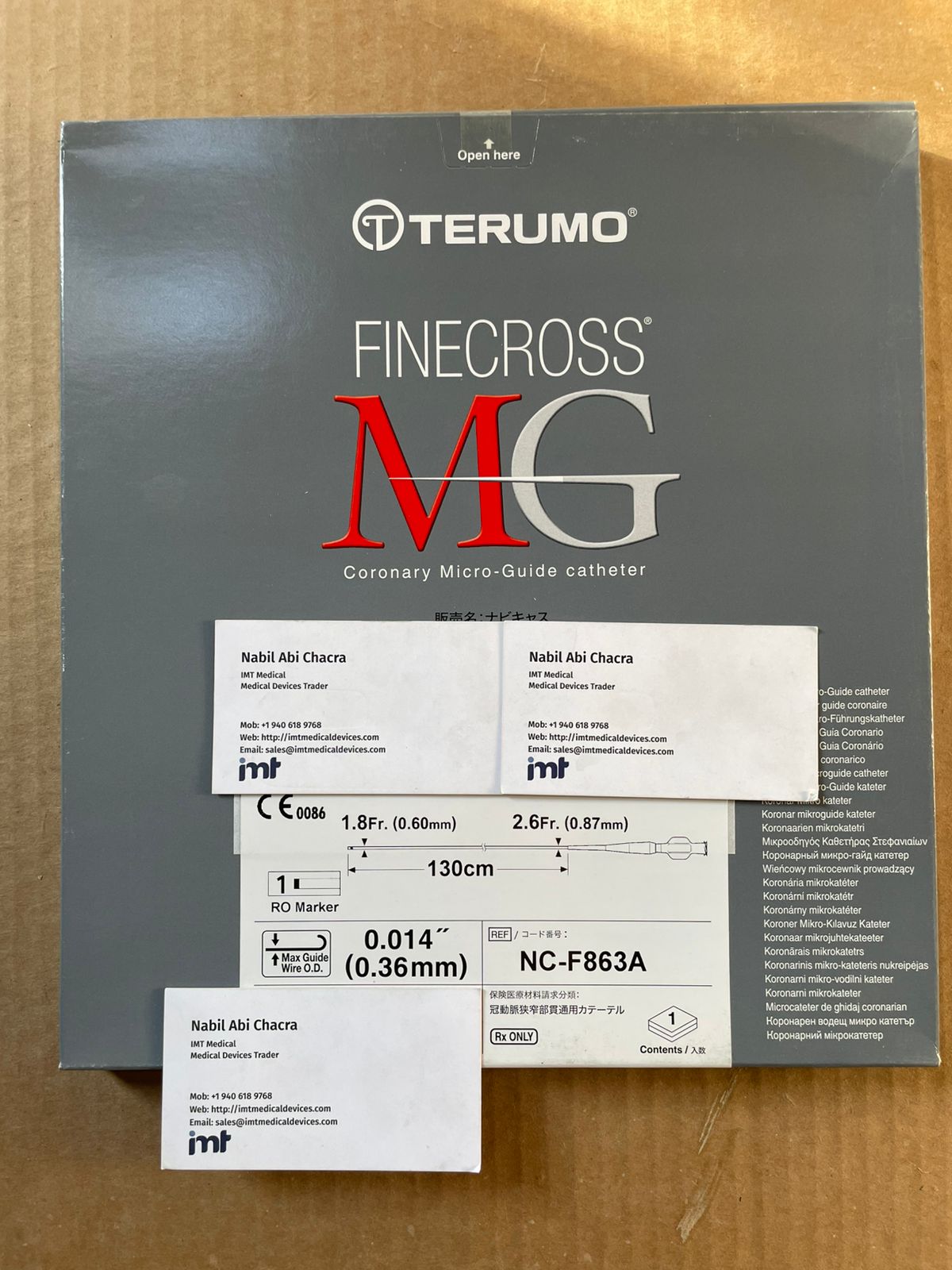
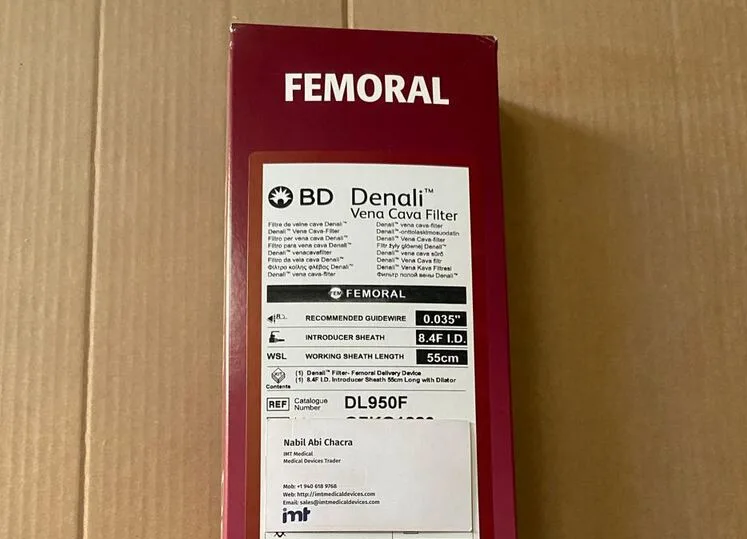
A qualified cava filter supplier should be able to support branded device sourcing with precision. That starts with clear manufacturer identification, exact product naming, and SKU-level accuracy. In interventional categories, vague listings create unnecessary back-and-forth and increase the chance of ordering errors.
For procurement teams, the strongest suppliers are those that understand how these products are actually purchased. Buyers may need permanent or retrievable filter options, specific delivery system configurations, or compatibility details that fit established procedural workflows. A supplier serving professional accounts should be prepared for that level of specificity.
Documentation is equally important. Commercial invoices, packing lists, batch or lot references where applicable, and export-ready paperwork matter because these transactions often cross borders and internal compliance checkpoints. A supplier that can quote quickly but cannot support the documentation process is not solving the full procurement problem.
Why brand authenticity matters in cava filter sourcing
In this product category, recognized manufacturers carry weight for good reason. Clinicians, purchasing departments, and distributors usually work from established brand preferences, approved product lists, or prior-use experience. A cava filter supplier that can source globally recognized brands provides a more reliable path for procurement approval and clinical acceptance.
Authenticity is not a marketing term here. It affects trust, internal sign-off, and patient-facing operations. Buyers need confidence that devices are sourced through legitimate channels and supplied as represented. If a quotation lacks clear manufacturer references or the supplier cannot verify branded inventory status, that is usually a signal to slow down.
There is also a practical efficiency advantage. Authentic branded products reduce the need for prolonged product review, substitution discussions, and additional clinician validation. That matters in high-pressure purchasing environments where time lost to clarification can delay replenishment.
How to evaluate a cava filter supplier beyond price
Price always matters, especially for volume purchasing and distributor margin management. But in specialized interventional procurement, the lowest number on a quote can become the highest operational cost if the order is incomplete, delayed, or inaccurately specified.
A better evaluation starts with product clarity. Can the supplier identify the exact brand and product reference requested? Can they confirm packaging details, availability, and lead time in a way that procurement teams can act on immediately? If the answer is inconsistent, savings on unit cost may be offset by delays and administrative burden.
The next factor is responsiveness. Professional buyers do not need long sales narratives. They need concise answers, accurate quotations, and realistic fulfillment timelines. A supplier that understands this will usually communicate in product terms first - manufacturer, reference, quantity, condition, and shipping readiness.
Then there is continuity. One successful order is useful, but repeat purchasing is what matters. A strong supplier should be positioned to support ongoing demand across interventional categories, not only a single urgent line item. For procurement teams trying to reduce vendor fragmentation, that broader capability can be more valuable than a short-term discount.
Cava filter supplier selection for international procurement
International buyers face additional pressure when selecting a cava filter supplier. Import processes, local registration requirements, shipping constraints, and customs documentation can all affect whether a shipment moves smoothly or stalls.
This is where export capability becomes more than an operational detail. A supplier serving global healthcare buyers should understand the mechanics of international medical device fulfillment. That includes commercial documentation, shipment coordination, and the discipline to keep product details consistent across quotes, invoices, and export papers.
It also helps when a supplier has experience serving different buyer types across markets. A hospital purchasing department, an interventional center, and a regional distributor may all order the same category, but their document flow and approval process often differ. Suppliers that routinely handle international B2B medical transactions tend to manage these differences with less friction.
That said, global supply is not the same as universal availability. Specific branded SKUs may vary by market conditions, manufacturer supply, and shipment timing. Serious suppliers will communicate those constraints directly rather than overpromise availability.
The value of portfolio breadth in specialized device sourcing
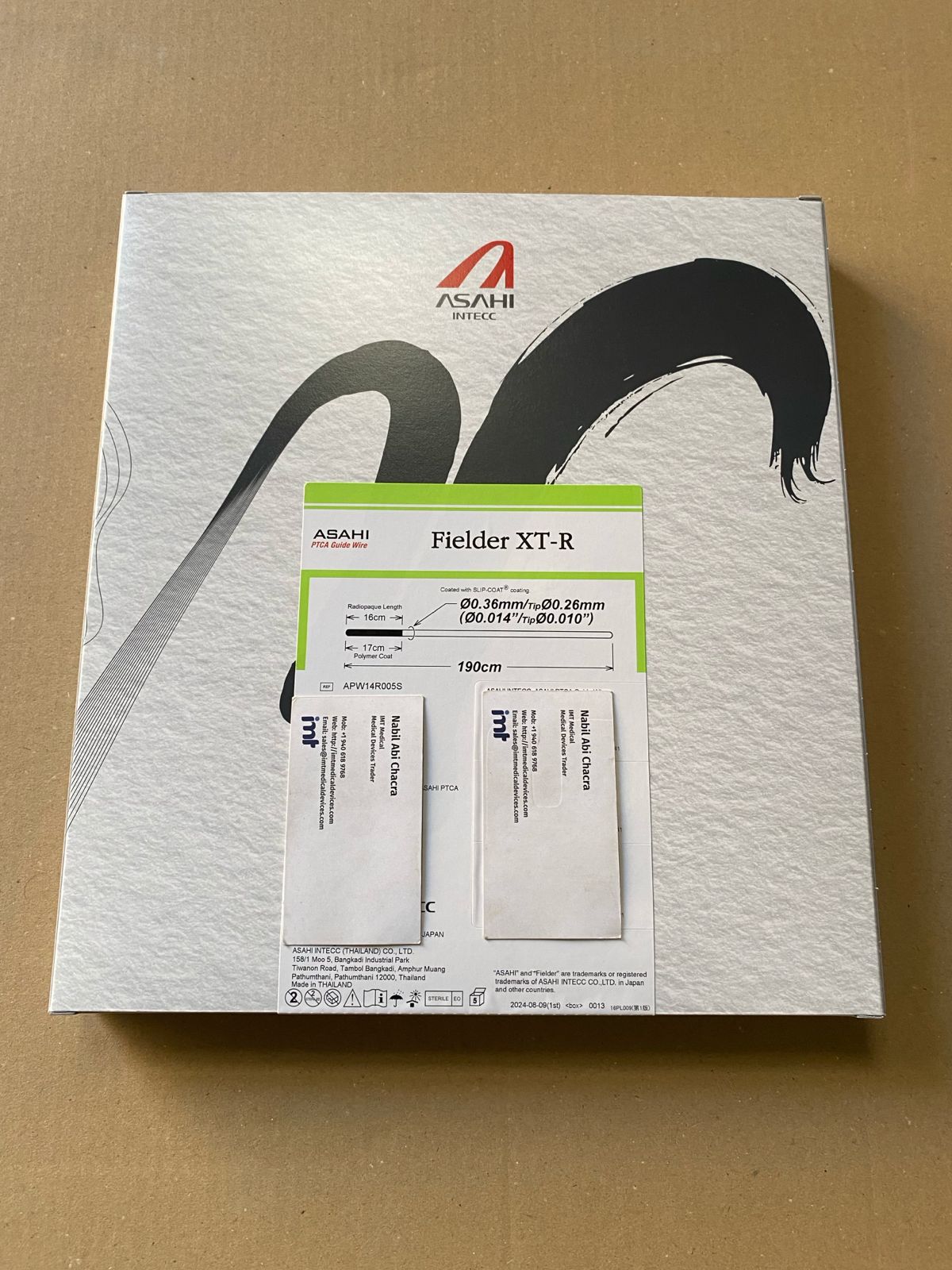
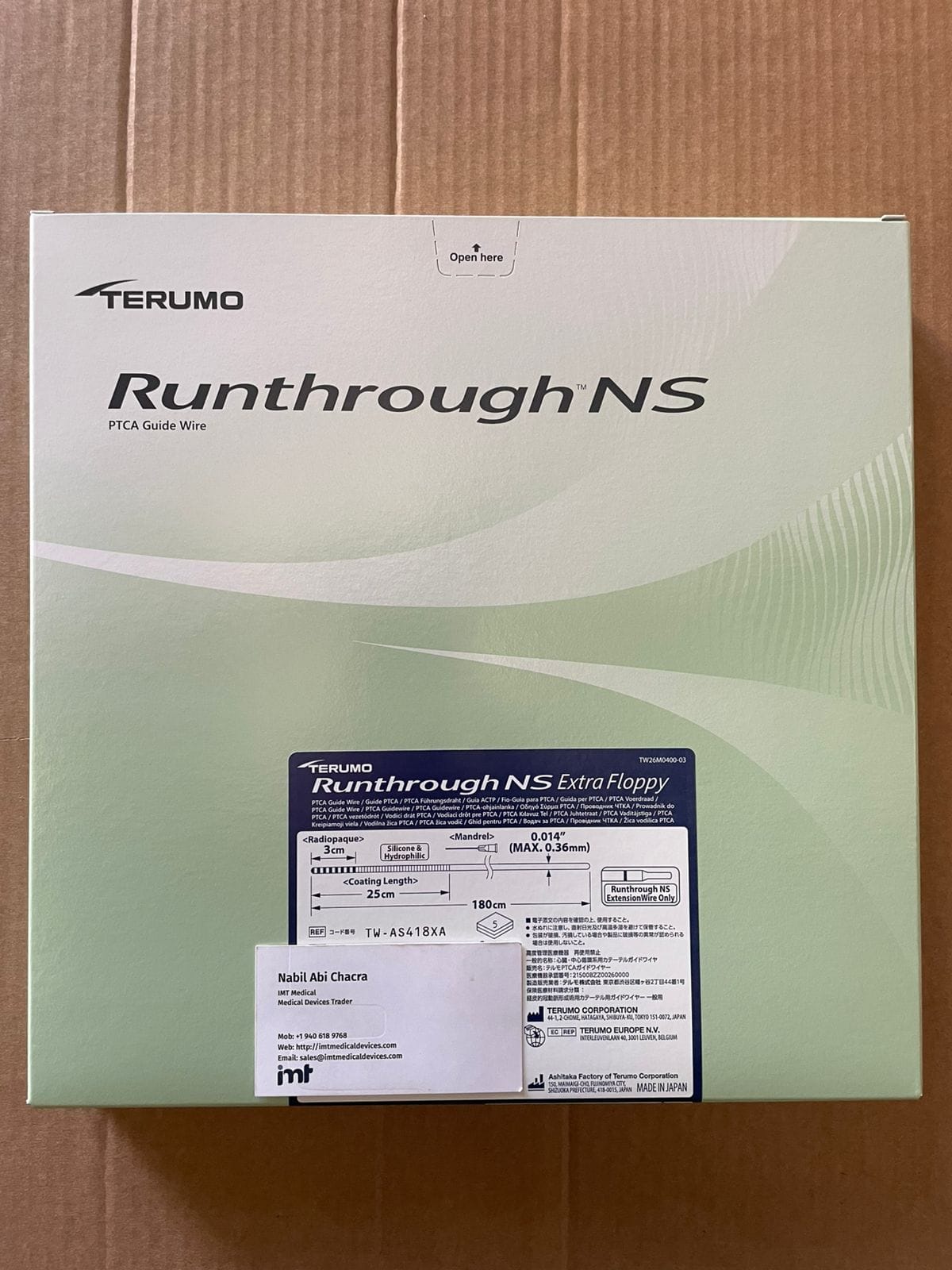
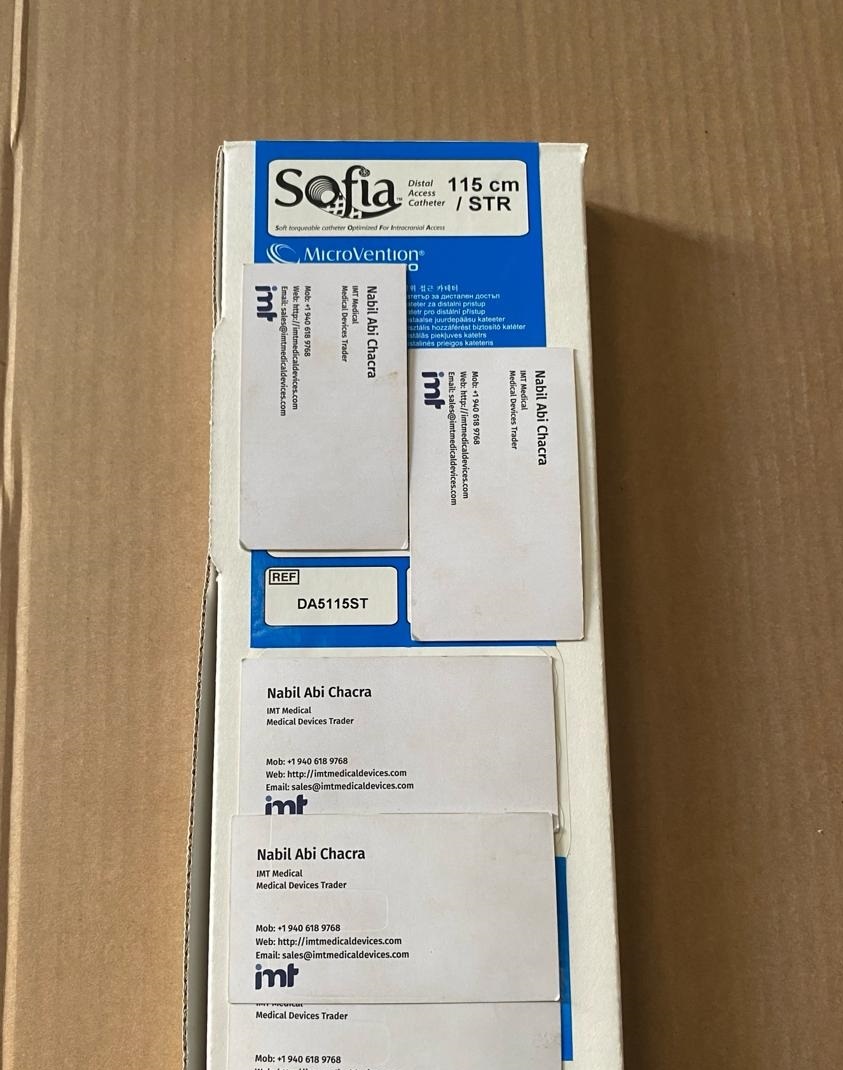
For many buyers, cava filters are not purchased in isolation. They are part of a larger interventional procurement plan that may also include guidewires, catheters, closure devices, aspiration systems, balloons, or additional peripheral intervention products. In that environment, a supplier with broader portfolio depth can reduce purchasing complexity.
This matters because every additional vendor adds workload - qualification steps, communication cycles, freight coordination, and invoice handling. If a cava filter supplier can also support other branded interventional lines, procurement teams can consolidate sourcing without compromising on product specificity.
There is a practical trade-off here. A highly specialized niche vendor may offer deep focus in one category, while a broader wholesale partner may offer better cross-category efficiency. Which is better depends on the buyer’s operating model. If the need is a one-off specialty item, a narrow specialist may be sufficient. If the goal is recurring procurement across multiple branded product families, broader supply capability usually creates more value.
Questions procurement teams should ask early
The best way to qualify a cava filter supplier is to ask direct operational questions early in the discussion. Confirm the exact manufacturer and product reference. Ask whether the supplier can support quote-based volume inquiries. Clarify lead time, export documentation, and whether the requested item is part of regular sourcing activity or a special procurement effort.
It is also worth asking how the supplier handles substitutions. In many cases, buyers do not want alternatives unless explicitly requested. A disciplined supplier will recognize that branded equivalence is not assumed in interventional purchasing.
Another useful question is whether the supplier routinely supports hospitals, clinics, and distributors rather than retail buyers. That distinction usually shows up in how the quote is structured, how documentation is handled, and how well the supplier understands item-level procurement language.
Signs a supplier is built for professional buyers
The strongest indicators are usually simple. Product categories are presented clearly. Brand names are stated directly. Communication is concise. The supplier appears comfortable with exact nomenclature rather than broad marketing claims.
Professional buyers should also look for consistency. If the supplier’s catalog approach, quote language, and follow-up communication all reflect the same level of precision, that is a good sign. In contrast, if product naming shifts across documents or basic specifications are unclear, the risk of downstream issues increases.
A supplier focused on B2B medical procurement will also understand that trust is built through execution. That means quoting the correct item, confirming realistic availability, and supporting the transaction with the documentation needed to move the order forward. IMTMedicalDevices.com fits this model by focusing on branded interventional and surgical product sourcing for professional healthcare buyers across international markets.
When the right cava filter supplier saves more than money
A dependable cava filter supplier helps protect workflow. That benefit is easy to underestimate until a shipment is delayed, a quote is incomplete, or a requested branded item turns out to be unavailable after internal approvals are already in progress.
For procurement teams, the better supplier choice often reduces hidden costs - fewer clarification cycles, less time spent reconciling product references, smoother internal approvals, and lower risk of disruption when demand is urgent. Those gains may not appear as a line-item discount, but they matter in real purchasing environments.
The practical standard is straightforward: choose a supplier that can source recognized brands accurately, communicate clearly at SKU level, support export and documentation requirements, and handle repeat professional purchasing without unnecessary friction. When those elements are in place, sourcing becomes faster, cleaner, and easier to trust.
The most useful supplier is rarely the one making the biggest claims. It is the one that can identify the exact product, quote it correctly, and keep procurement moving when timing matters.