
How to Choose a Medical Device Distributor
A delayed balloon catheter is not a minor purchasing issue when a cath lab schedule is full and a case cannot move without the correct profile, shaft length, or exact compatibility. Buyers do not need broad promises from a supplier. They need the right branded device, the right part number, and a quote that reflects real availability.
That is where the difference between a general supplier and a specialized medical device distributor becomes obvious. In interventional cardiology, peripheral vascular work, and neurovascular procedures, procurement decisions are tied to clinical specificity. A product family name is not enough. The order often depends on exact identifiers, physician preference, case planning, and the practical reality of what is actually in stock.
What a medical device distributor should actually provide
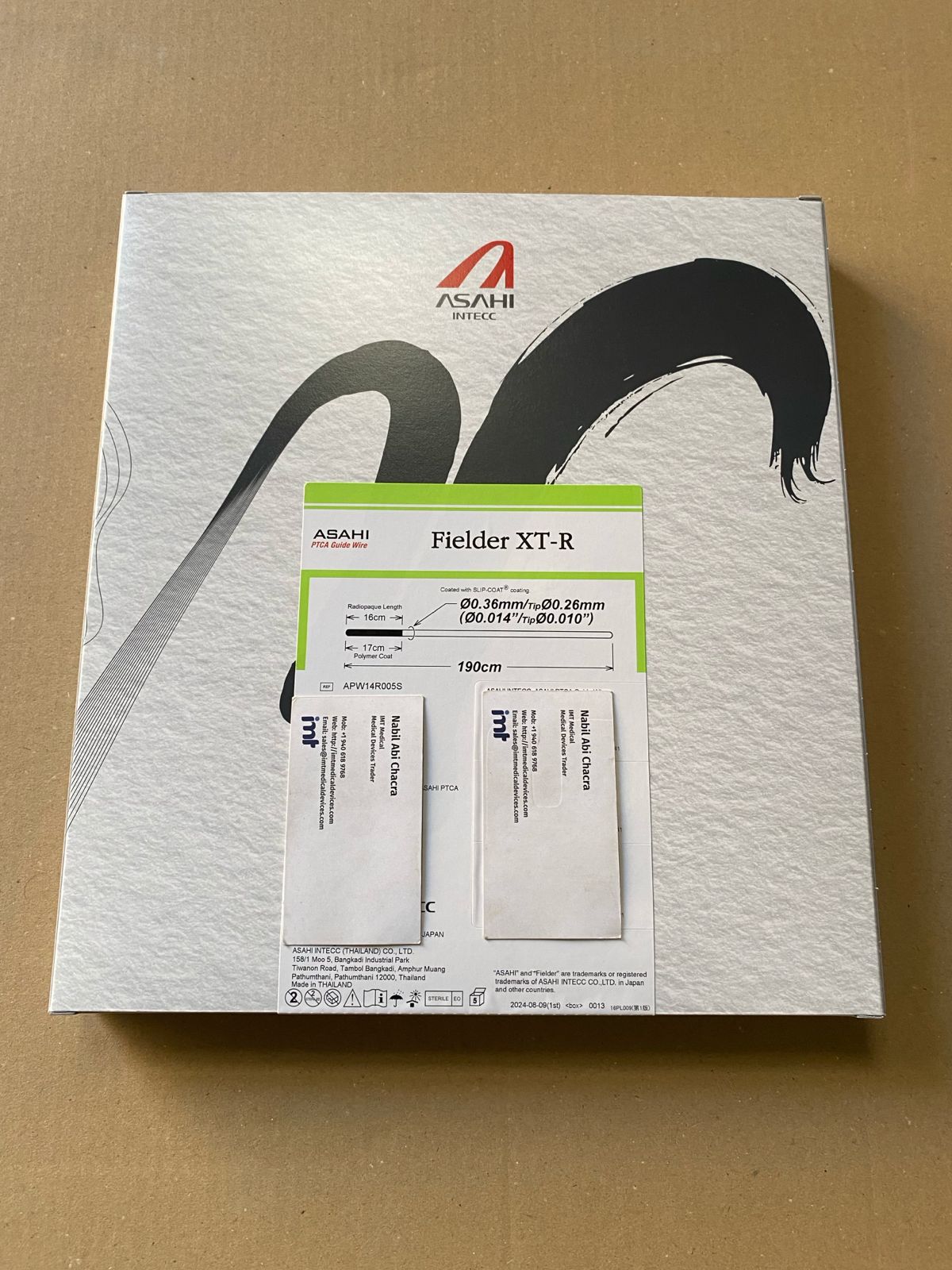
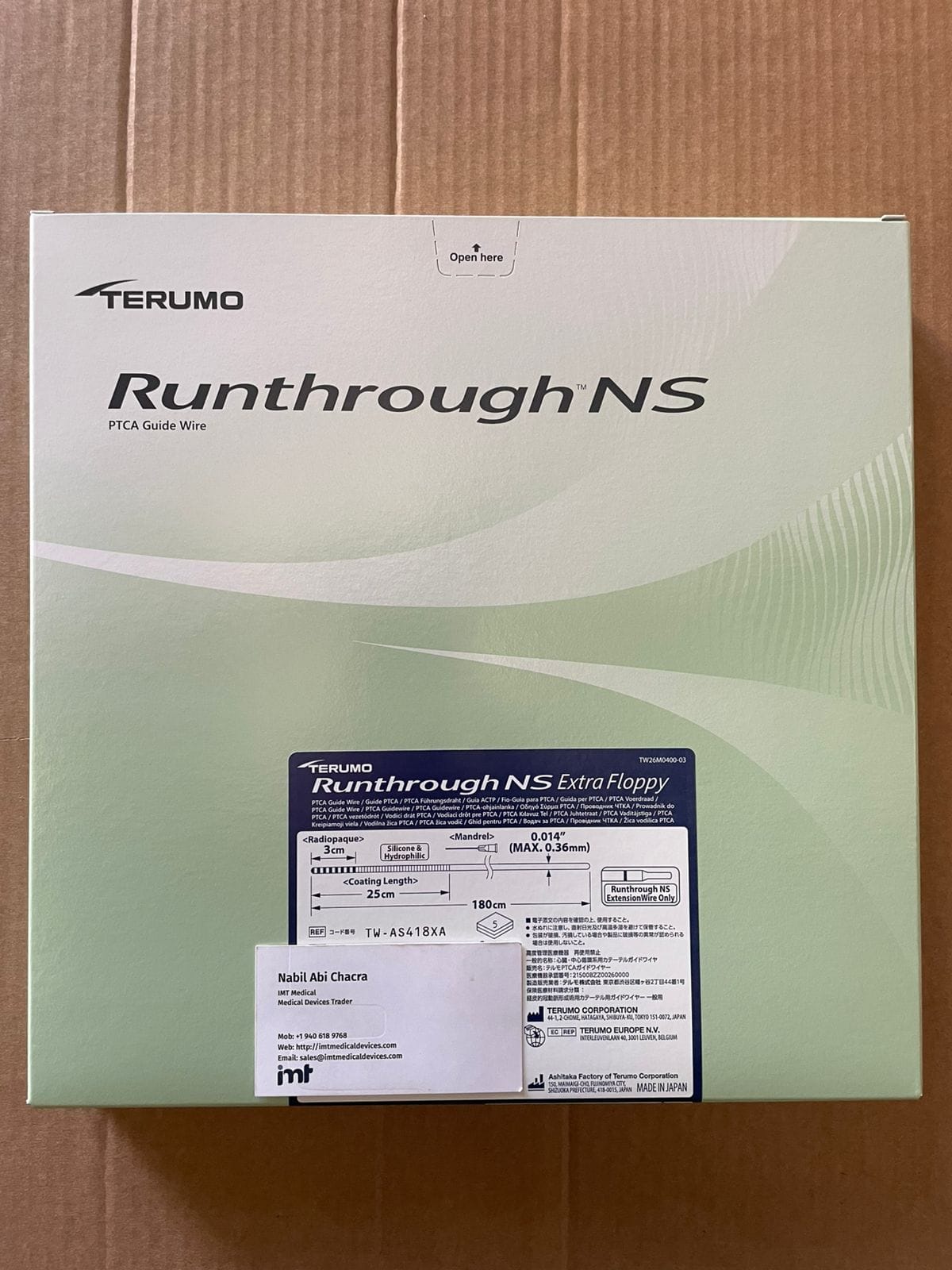
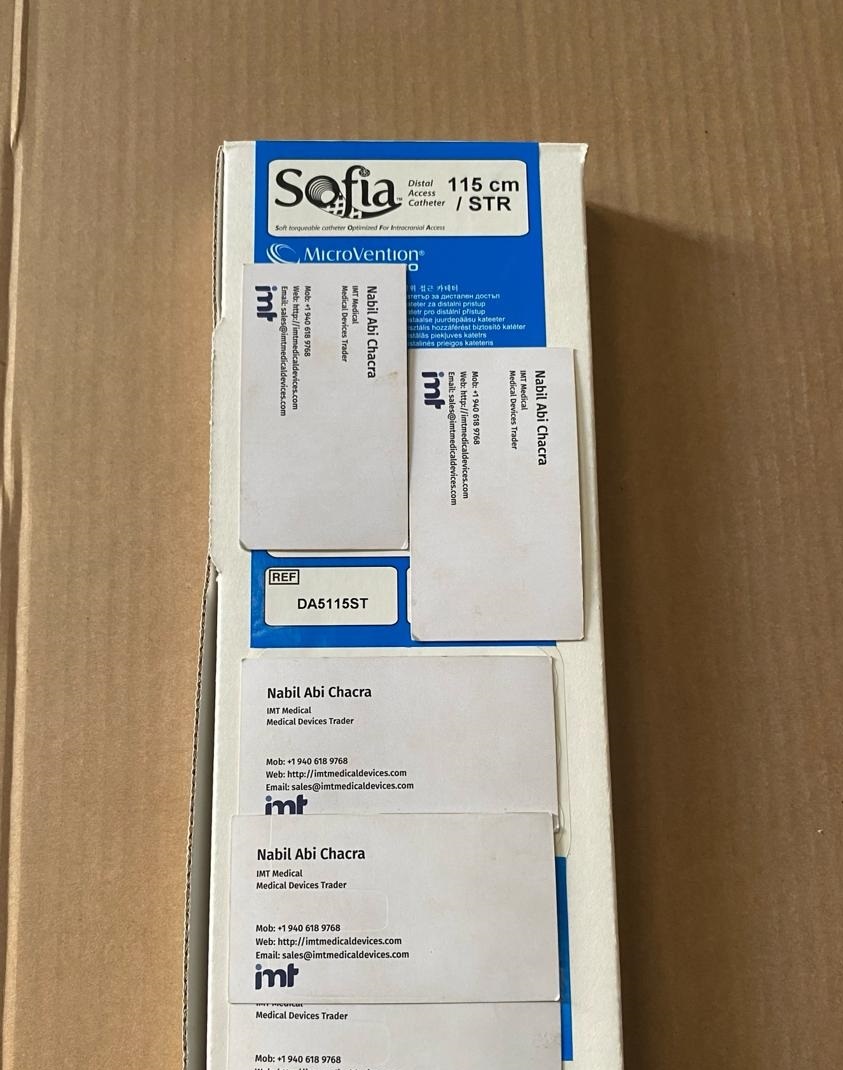
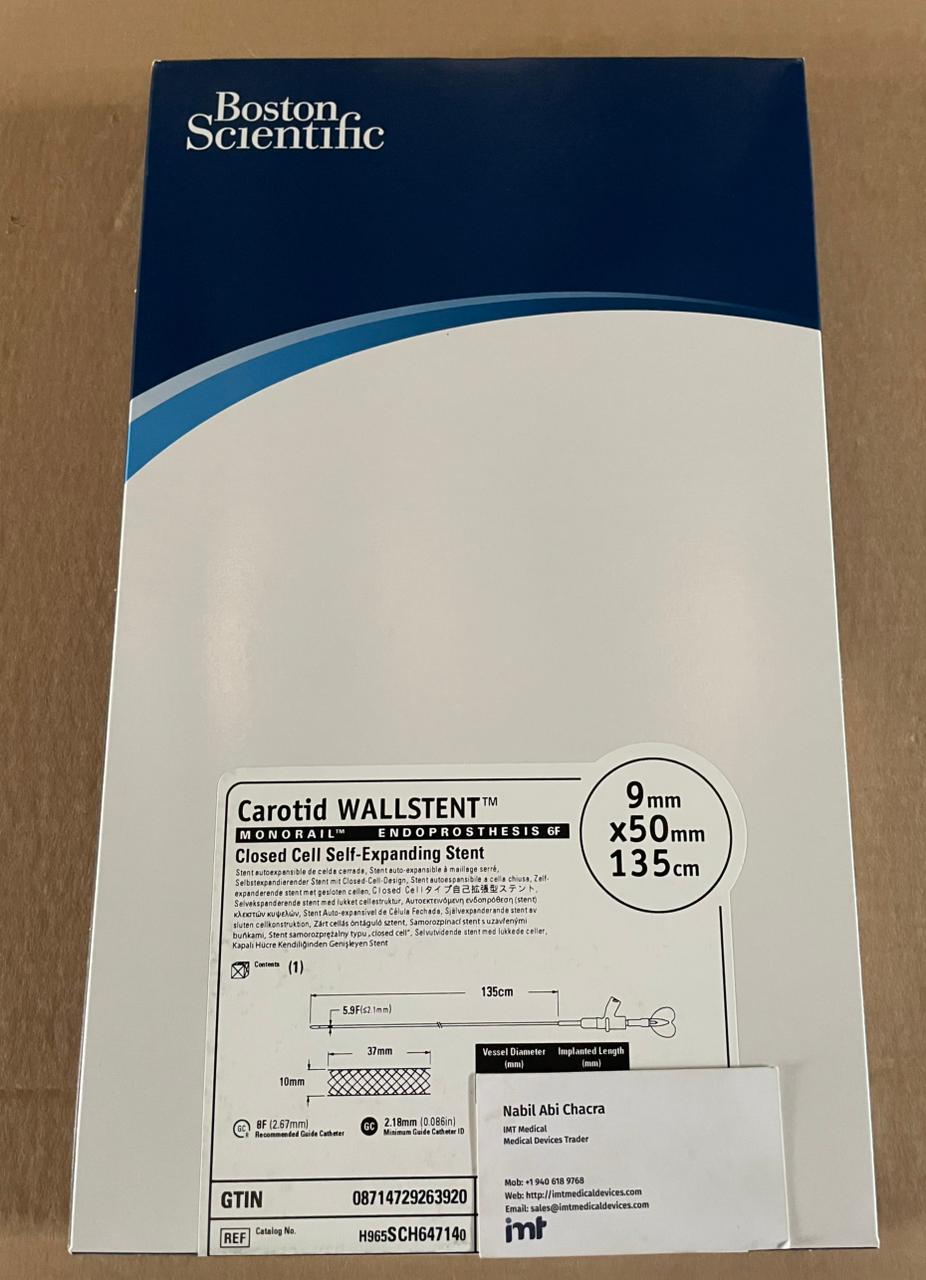
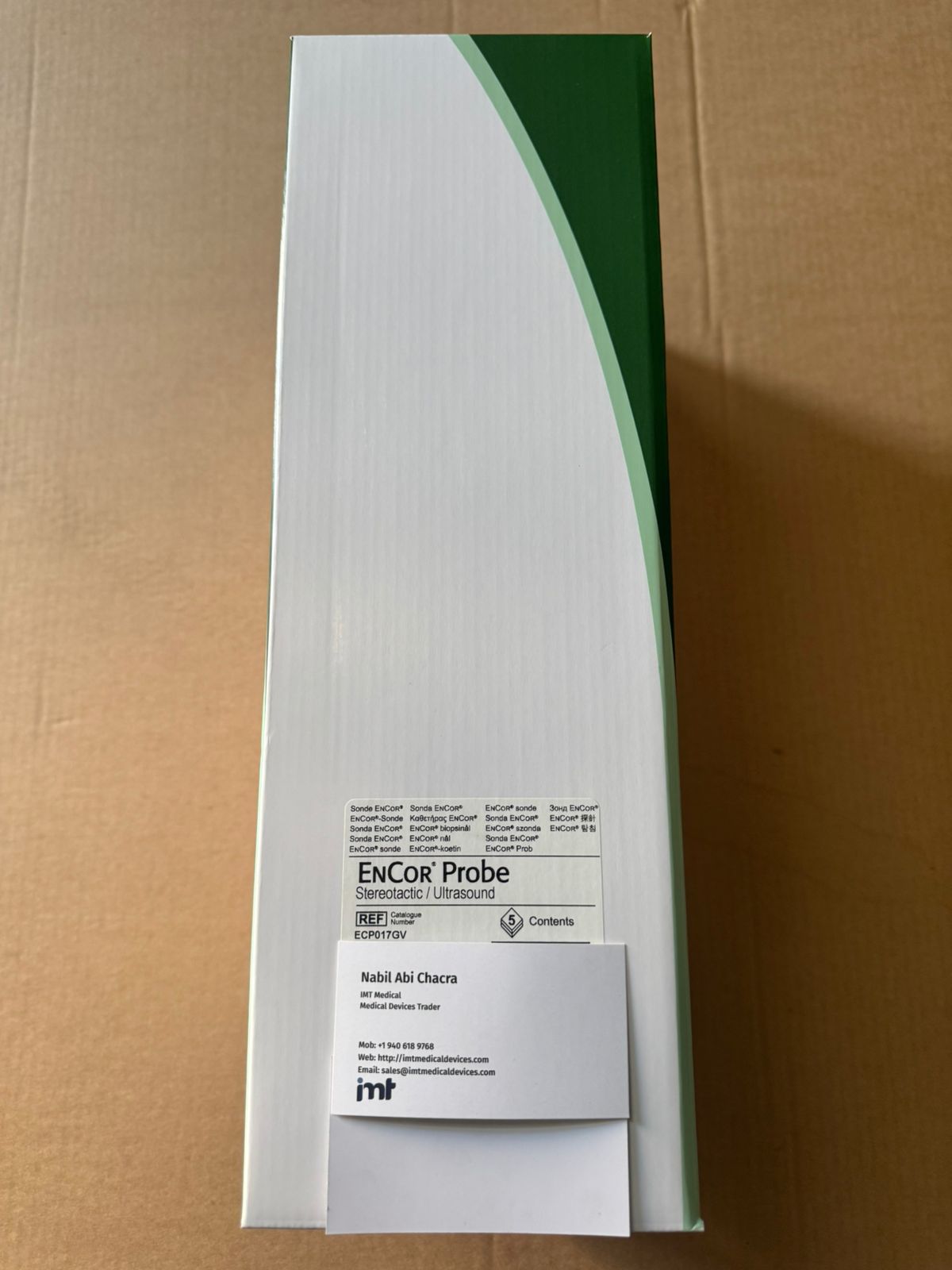
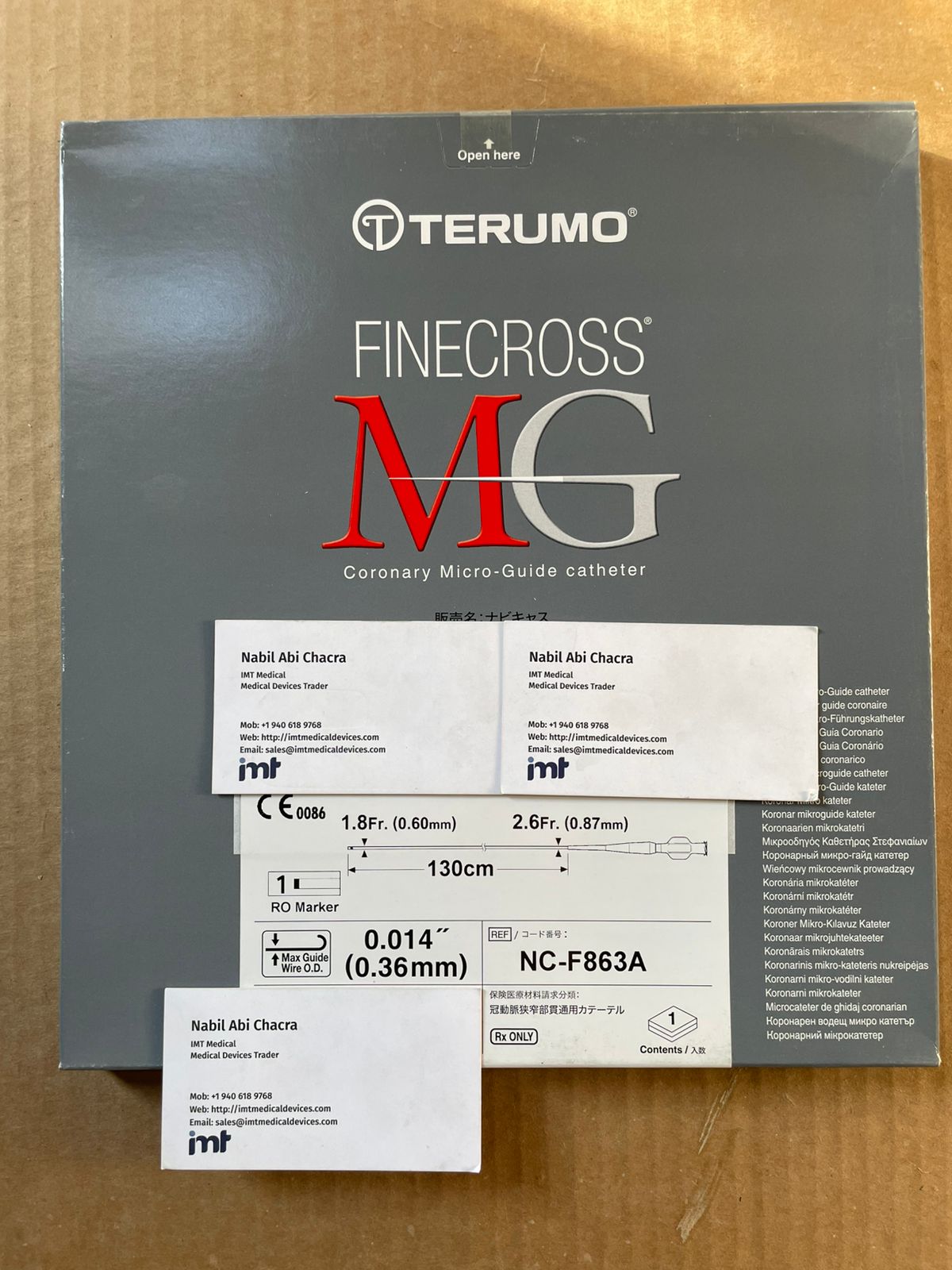
For hospitals, specialty centers, and independent distributors, the basic job of a medical device distributor is straightforward: source branded products accurately and move them quickly. In practice, that job gets more demanding. The buyer may need a Medtronic stent, an Asahi guidewire, a MicroVention coil, a Terumo Neuro microcatheter, or a Cordis product with an exact reference code and no substitutions.
A useful distributor is not measured only by catalog size. It is measured by whether the catalog is organized around real procedure demand. For interventional buyers, that usually means coronary, peripheral, and neurovascular categories that can be filtered by manufacturer, product line, and exact SKU. If the sourcing process is vague, procurement risk rises fast.
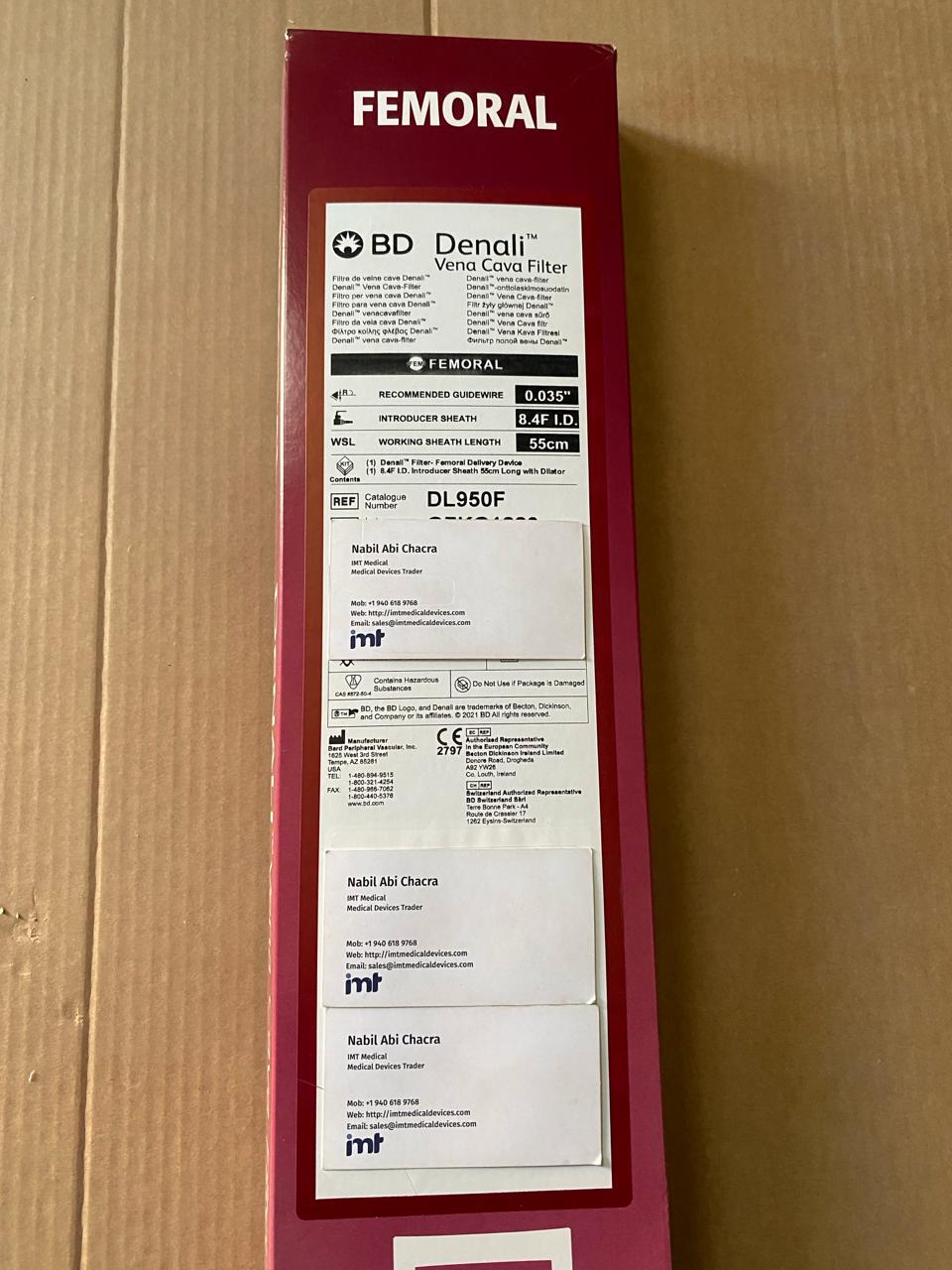
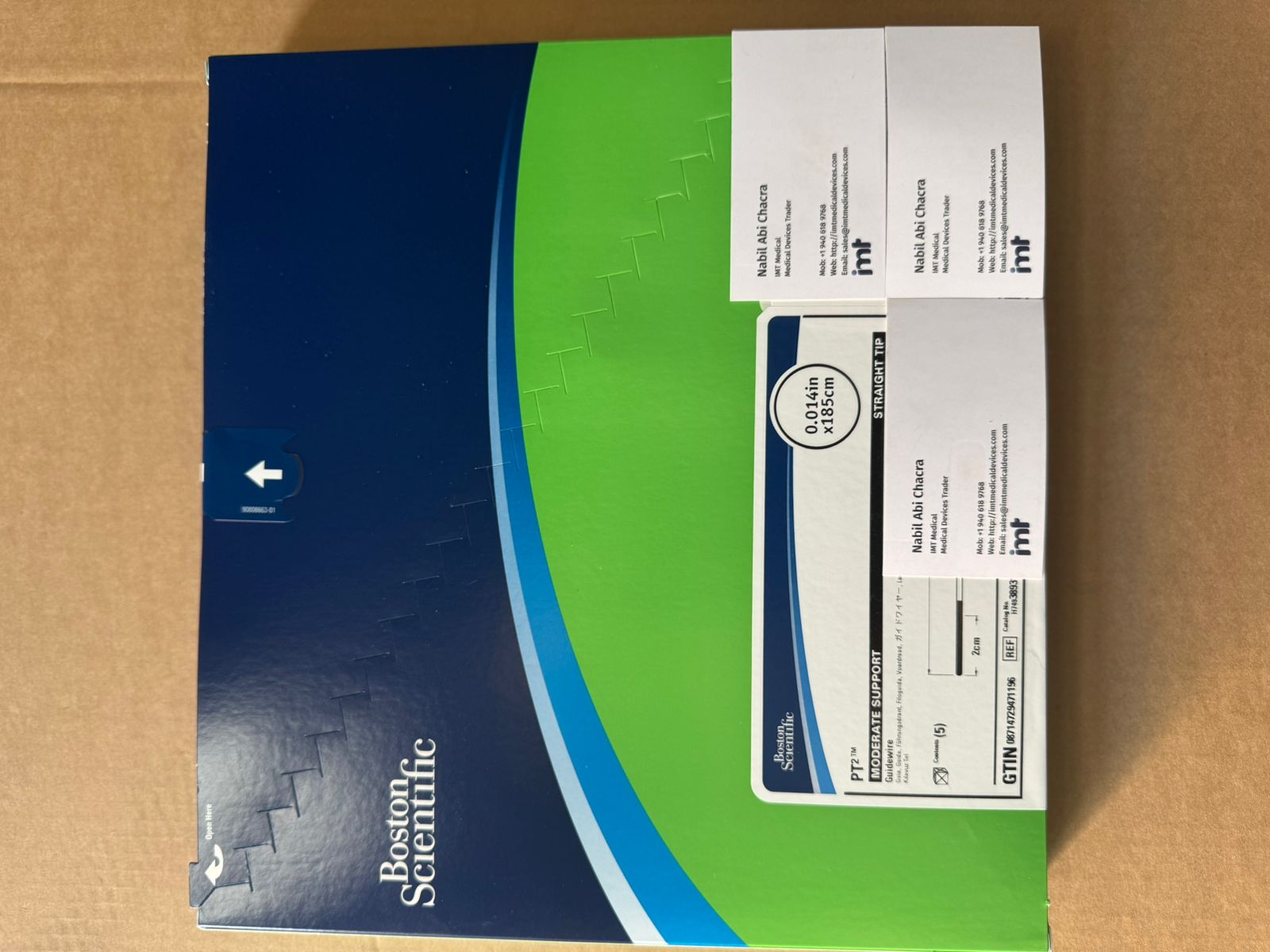
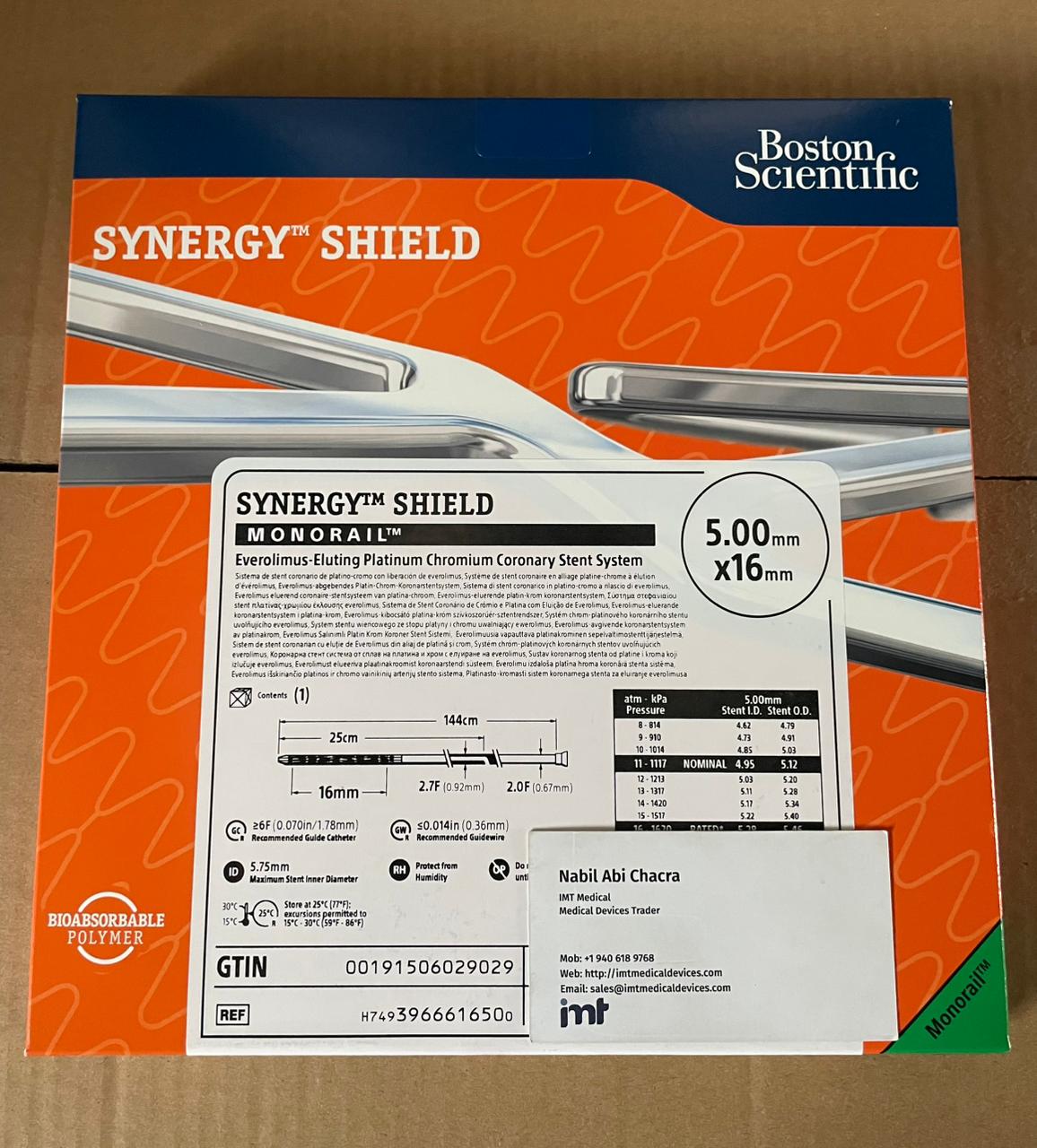
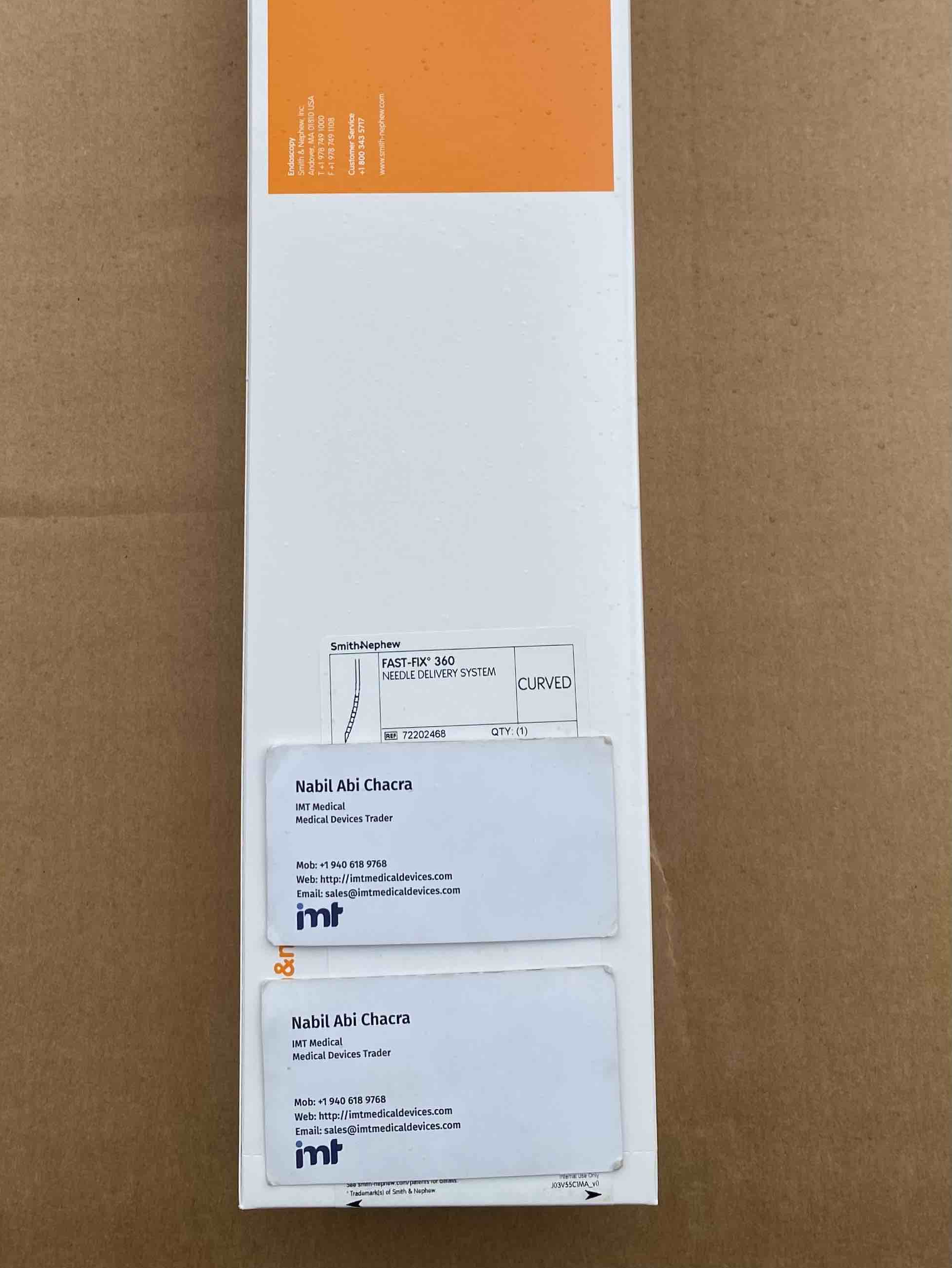
A reliable distributor should be able to support products across brands commonly specified in hospital and physician purchasing workflows, including Medtronic, Boston Scientific, Asahi, MicroVention, Terumo Neuro, Terumo, Cordis, Abbott, BD, B. Braun, Ethicon, Smith and Nephew, Coloplast, Beckman Coulter, Roche Reagents, Bio-Rad, and Siemens. For the buyer, brand coverage matters because fragmented sourcing creates delays, duplicate vendor management work, and inconsistent quote turnaround.
Why hospitals look beyond the local distributor
Local distribution relationships can work well until they do not. Some hospitals run into allocation issues, limited brand access, or slow quote response on urgent requests. Others face restricted product breadth in high-acuity categories, especially when physician preference does not align with what the local channel is pushing most aggressively.
This is why some procurement teams and physicians choose to work with an alternative medical device distributor. The reason is usually practical, not political. They need access to specific inventory that is not readily available through the incumbent source, or they need a second sourcing path when one channel becomes unreliable.
Independent distributors have a similar reason. When competing against entrenched local suppliers, they need access to recognized branded inventory without ambiguity. That means exact part numbers, clear quote structures, and confidence that a requested item is not being offered as a near-match substitute.
The most important checks before you request a quote
The first check is part-number accuracy. In this market, the difference between two closely named products can be clinically significant. A distributor should present exact product names and manufacturer references in a way that reduces back-and-forth and prevents ordering errors.
The second check is category depth. A supplier that lists a few coronary products may still be weak in guide extension, aspiration, closure, or neurovascular inventory. Buyers should look for depth within procedural categories, not just a long list of brands. For cath labs and specialty hospitals, meaningful depth often includes coronary and peripheral stents, balloon catheters, guidewires, guiding catheters, microcatheters, aspiration catheters, coils, and vascular closure devices.
The third check is quote quality. A fast quote is useful only if it is precise. It should reflect the exact requested item, realistic availability, and clear commercial terms. If the buyer has to correct product references or ask whether an item is truly available, the process is already slowing down.
The fourth check is whether the distributor understands procurement behavior in urgent environments. Some requests are planned. Others are same-day or short-window requirements driven by procedure scheduling. A distributor that works regularly with high-acuity interventional products will usually communicate differently - short, exact, and centered on the requested SKU.
Where specialized distribution matters most
In routine commodity purchasing, broad substitutions can be acceptable. In interventional device procurement, that is often not the case. Physicians may request a specific platform because of handling, trackability, lesion characteristics, access strategy, or familiarity in a difficult anatomy.
That makes specialized distribution more valuable in three areas.
Coronary and peripheral intervention
These categories demand precision because physicians often request exact stent systems, balloon types, wire characteristics, and support catheters. A buyer may need a very specific combination for a scheduled case, and the distributor needs to respond at the product-line and reference-code level, not just by category.
Neurovascular intervention
Neuro cases are even less forgiving when product detail is unclear. Microcatheters, coils, aspiration catheters, and related access devices require exact matching to procedural intent. General sourcing language creates risk here. Clear product identification matters more than promotional claims.
Cross-brand procurement efficiency
Many buyers prefer to consolidate where possible. If one supplier can support multiple branded lines used across departments, procurement becomes simpler. That does not mean every order should be centralized with one source. It means there is operational value in using a distributor that can cover multiple manufacturers and reduce quote fragmentation.
What trade-offs buyers should keep in mind
Not every purchasing decision is about lowest unit price. In some cases, the lowest quoted price carries hidden operational cost if the item is not truly available, if the lead time is unclear, or if the quote requires follow-up to verify product details. For urgent procedural demand, speed and accuracy can outweigh a marginal price difference.
That said, it depends on the order type. For planned replenishment, buyers may have more room to compare sources and timing. For immediate procedural needs, quote reliability and inventory confidence usually move to the top of the decision stack.
There is also a trade-off between broad catalogs and actual sourcing discipline. A distributor may advertise many brands but still handle requests slowly or inconsistently. Buyers should pay attention to whether the supplier communicates in exact references and procedure-relevant categories. That is usually a better indicator of fit than marketing language.
A better way to evaluate a medical device distributor
A practical evaluation starts with a live request, not a brochure. Send exact part numbers. Check response time. Check whether the quote comes back with the correct manufacturer name, clear quantity terms, and realistic availability. If the process is clean on the first request, that usually tells you more than a polished supplier presentation.
It also helps to test category breadth with a mixed inquiry. For example, a buyer handling interventional demand might ask for a coronary balloon catheter, an Asahi guidewire, a Terumo guiding catheter, a MicroVention coil, and a vascular closure device in one request. The goal is not to create work. The goal is to see whether the distributor can manage real-world procurement patterns across brands and procedural areas.
For buyers working across Gulf countries, Latin America, Asia, China, or Russia, this matters even more when local channel limitations affect access to preferred brands. In those cases, distribution strength is not just about supply. It is about preserving physician choice and keeping procedure scheduling on track.
A specialized source such as IMTmedicaldevices.com is useful when the requirement is branded interventional inventory, manufacturer-specific references, and a quote process built for professional buyers rather than general browsing.
What good sourcing communication looks like
The best distributor communication is usually the simplest. The buyer sends brand, product name, reference number, and quantity. The supplier replies with confirmation, availability, and quote details. If there is a question, it is specific. If an item is constrained, that is stated early.
That transactional clarity matters because procurement teams, doctors, and independent distributors are not looking for theory when they are sourcing case-dependent products. They are looking for confidence that the request was understood exactly as sent.
When that standard is met consistently, the distributor becomes more than an alternate source. It becomes a practical extension of the buyer's supply chain - especially when access to branded interventional products cannot depend on a single local channel.
The useful test is simple: if you send exact part numbers today, will the response help you place the order faster, or create another round of clarification tomorrow?