
Choosing a Medical Device Supplier
A delayed guidewire, an incorrect balloon size, or incomplete export paperwork can disrupt more than a purchase order. For hospitals, cath labs, neurovascular teams, laboratories, and distributors, the right medical device supplier is part of operational continuity. The decision is not simply about who can quote a product. It is about who can supply exact branded devices, support cross-border procurement, and respond with the speed expected in procedure-driven environments.
For professional buyers, supplier selection usually starts with a practical question: can this source provide the branded SKUs we actually use? That sounds basic, but it quickly separates general medical vendors from specialized wholesale partners. Interventional cardiology, peripheral intervention, neurovascular procedures, laboratory diagnostics, and surgical procurement all depend on product specificity. When a team needs a named manufacturer, a defined catheter type, a closure device, or a laboratory brand already validated in its workflow, substitution is often not acceptable.
What a medical device supplier should actually provide
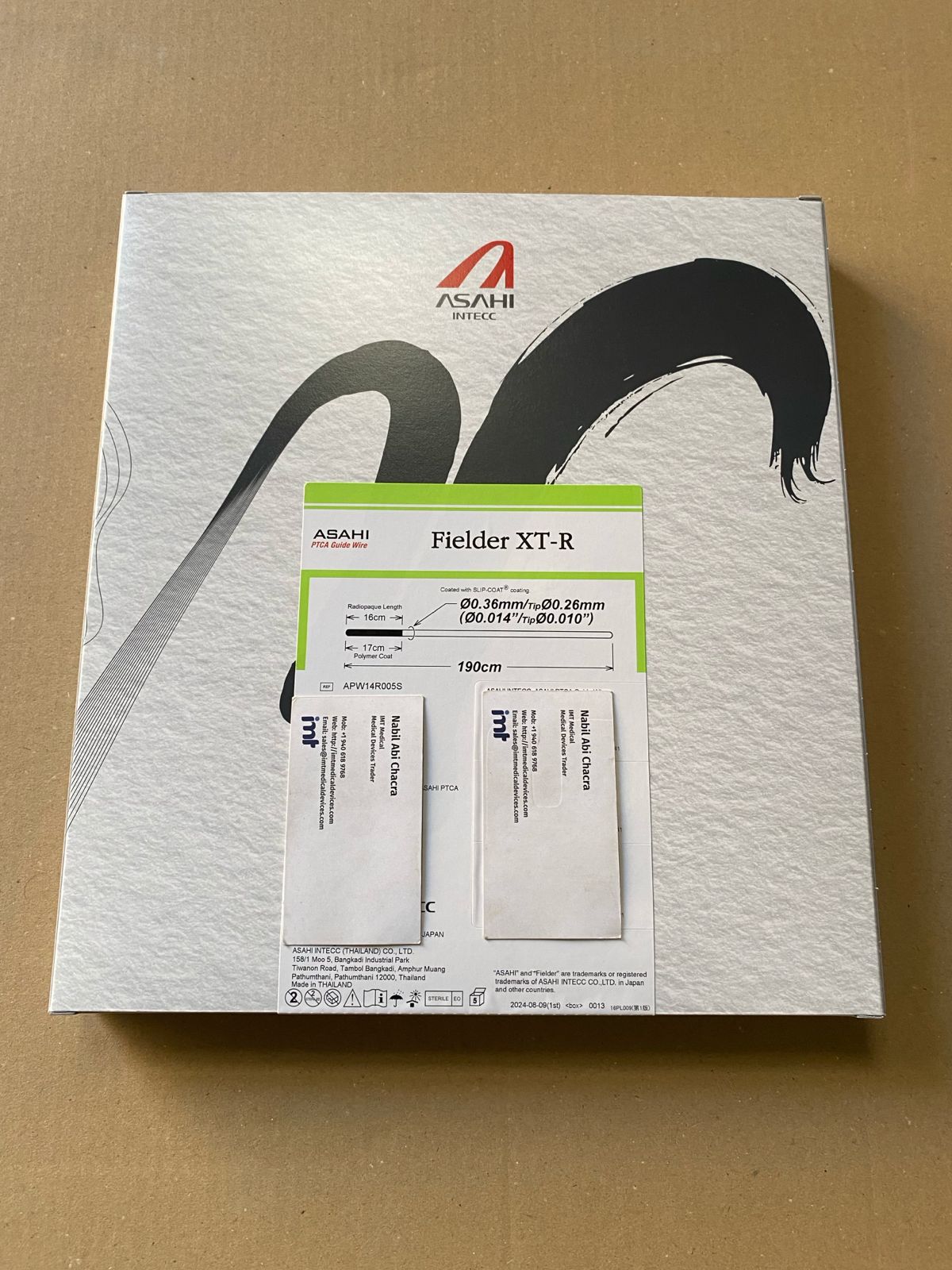
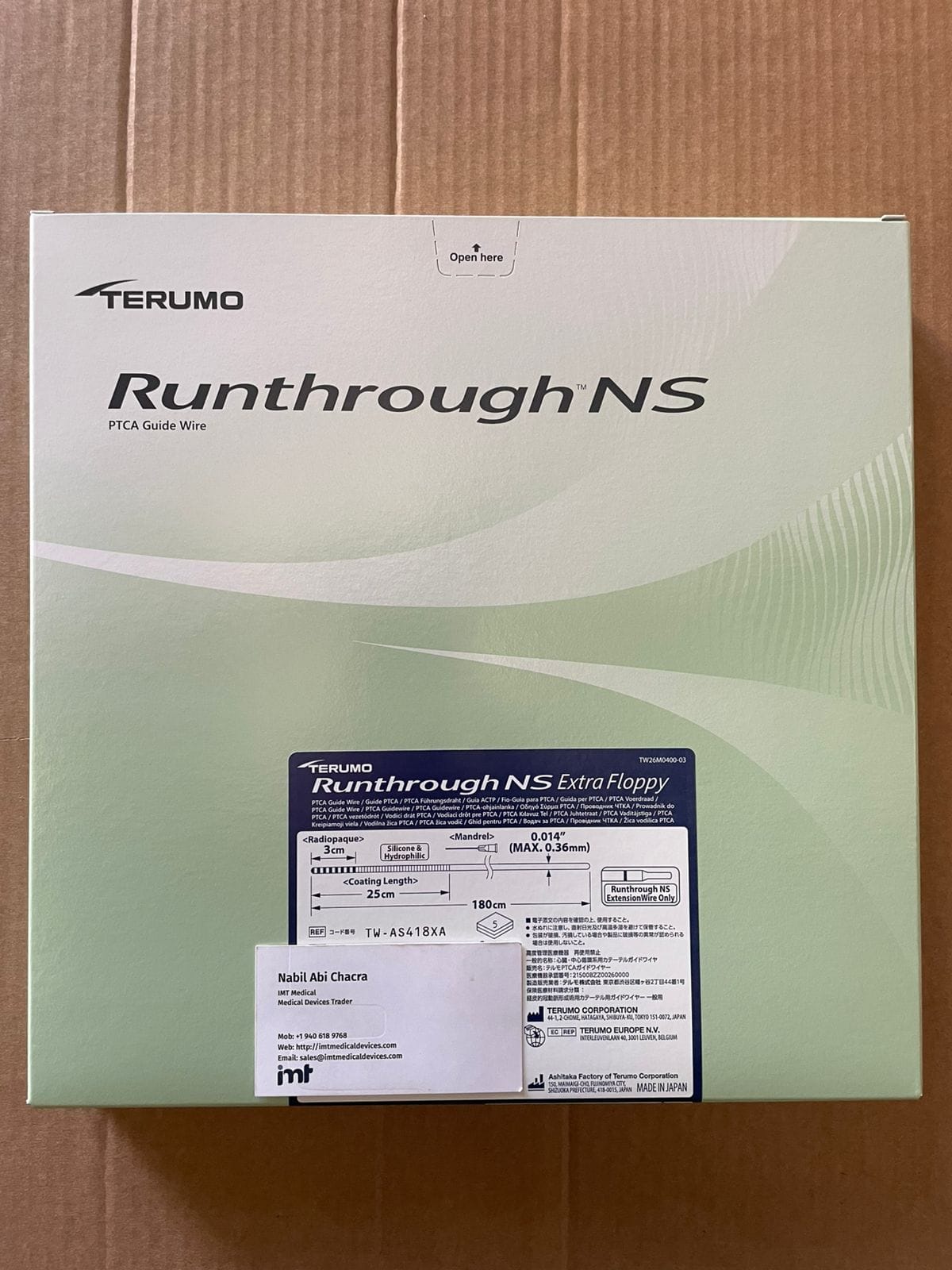
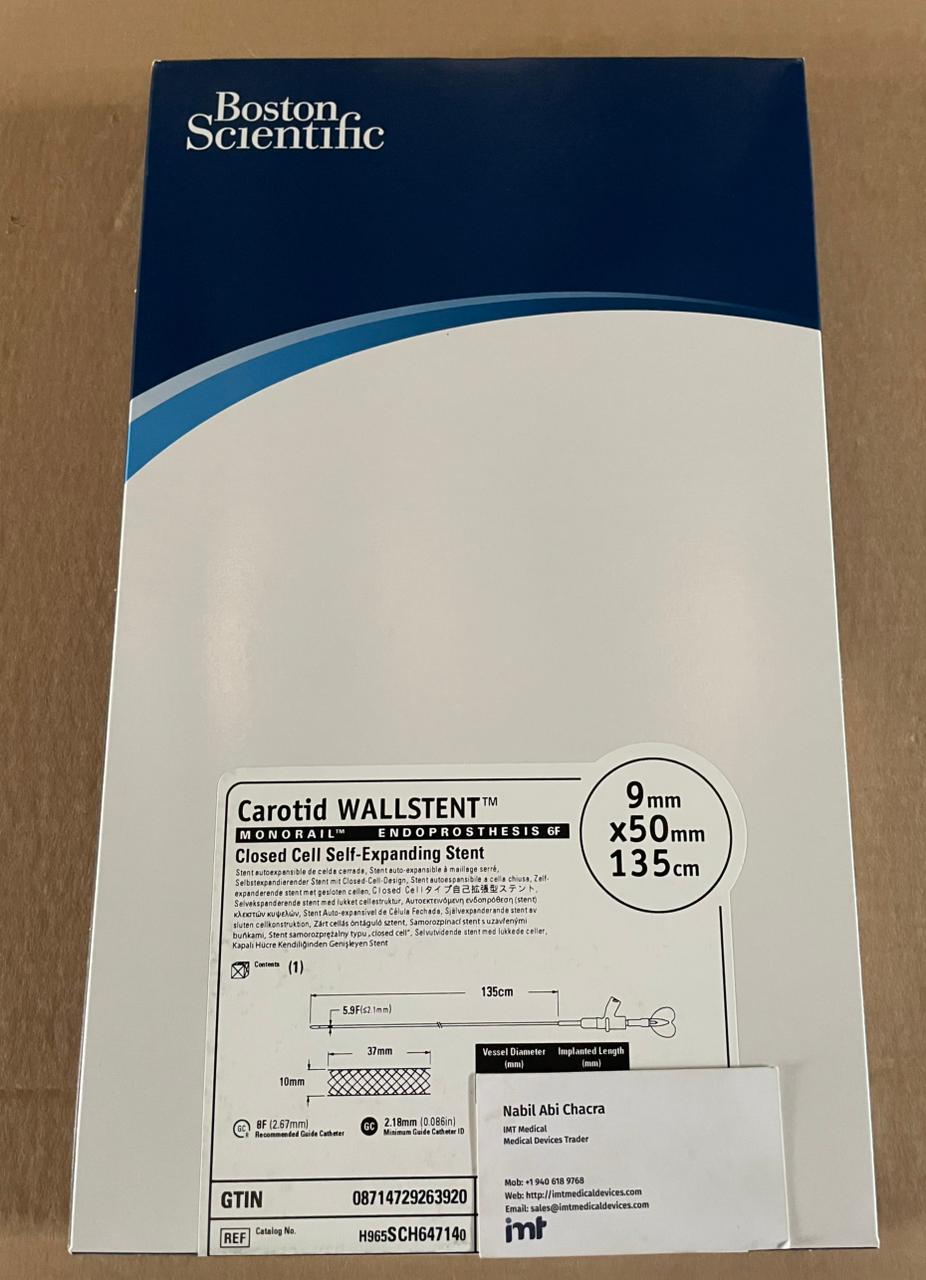
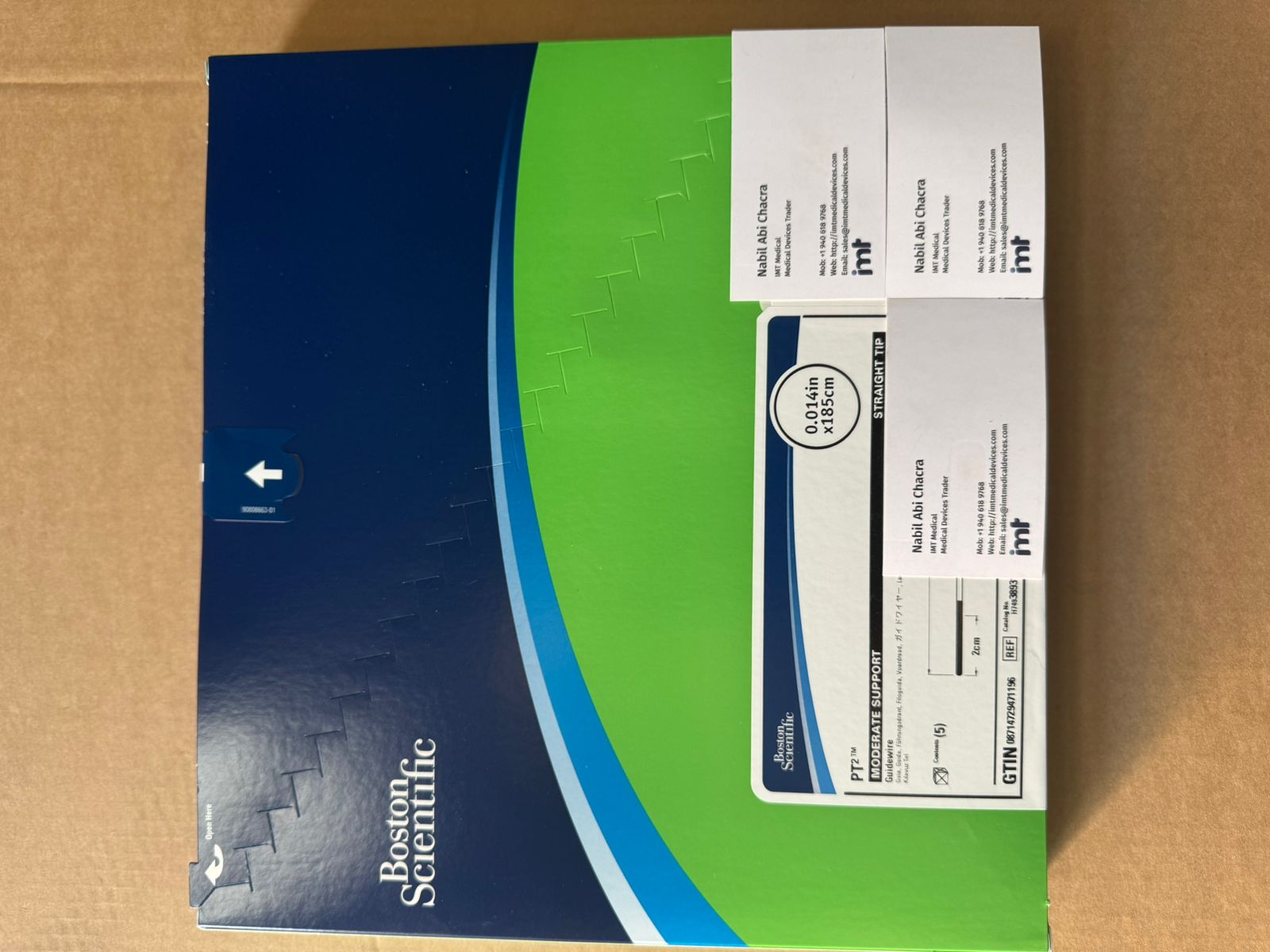
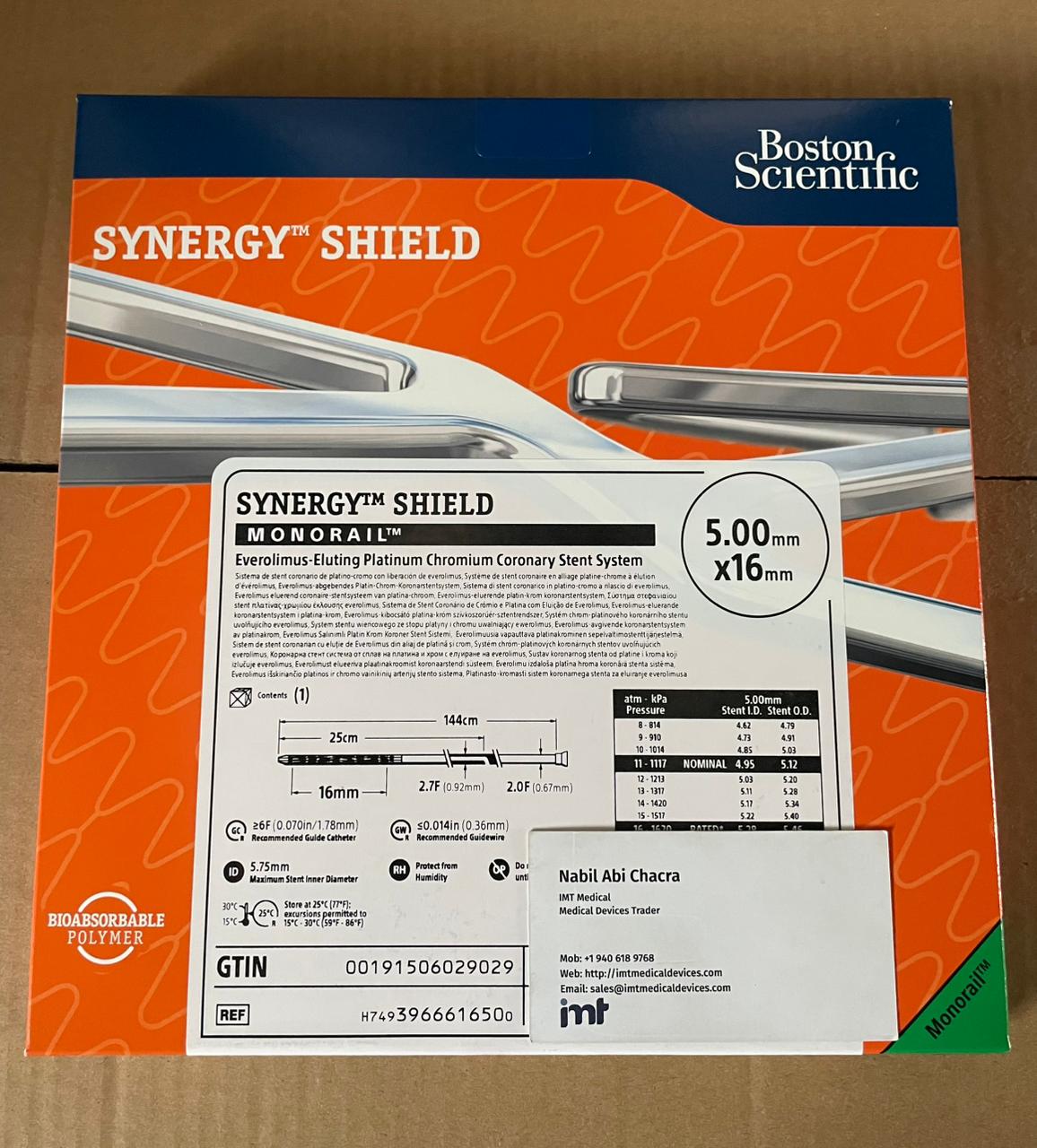
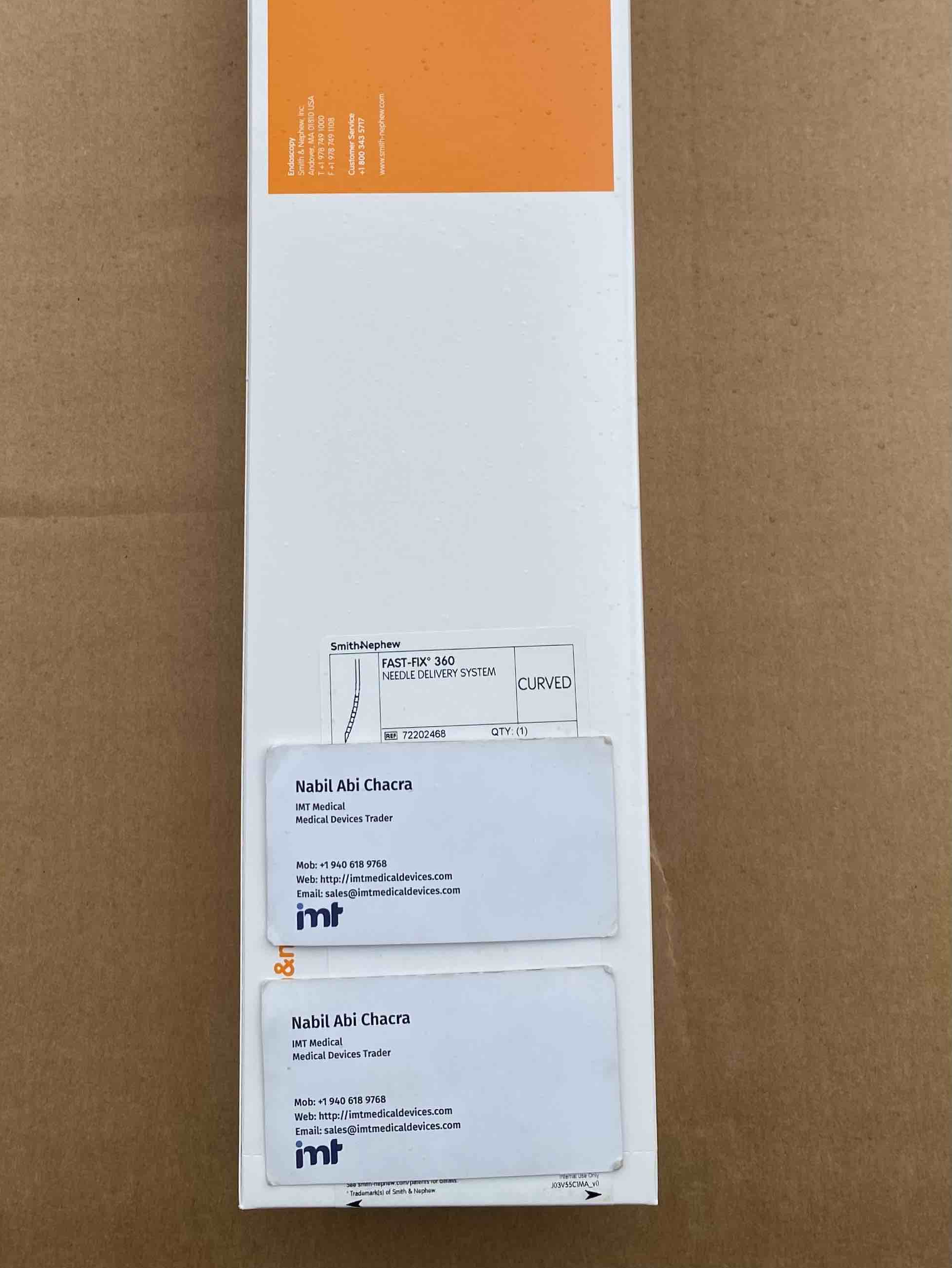
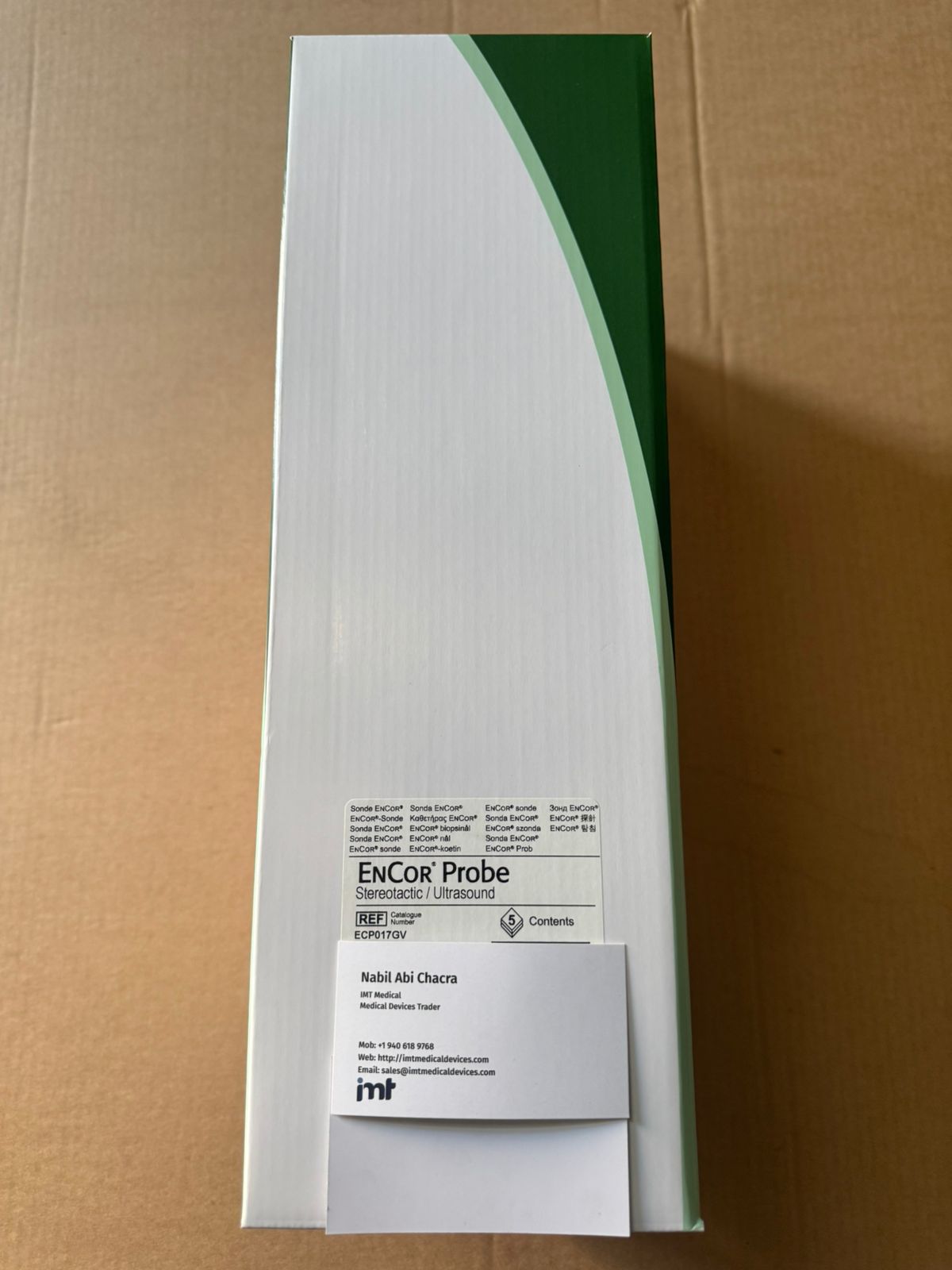
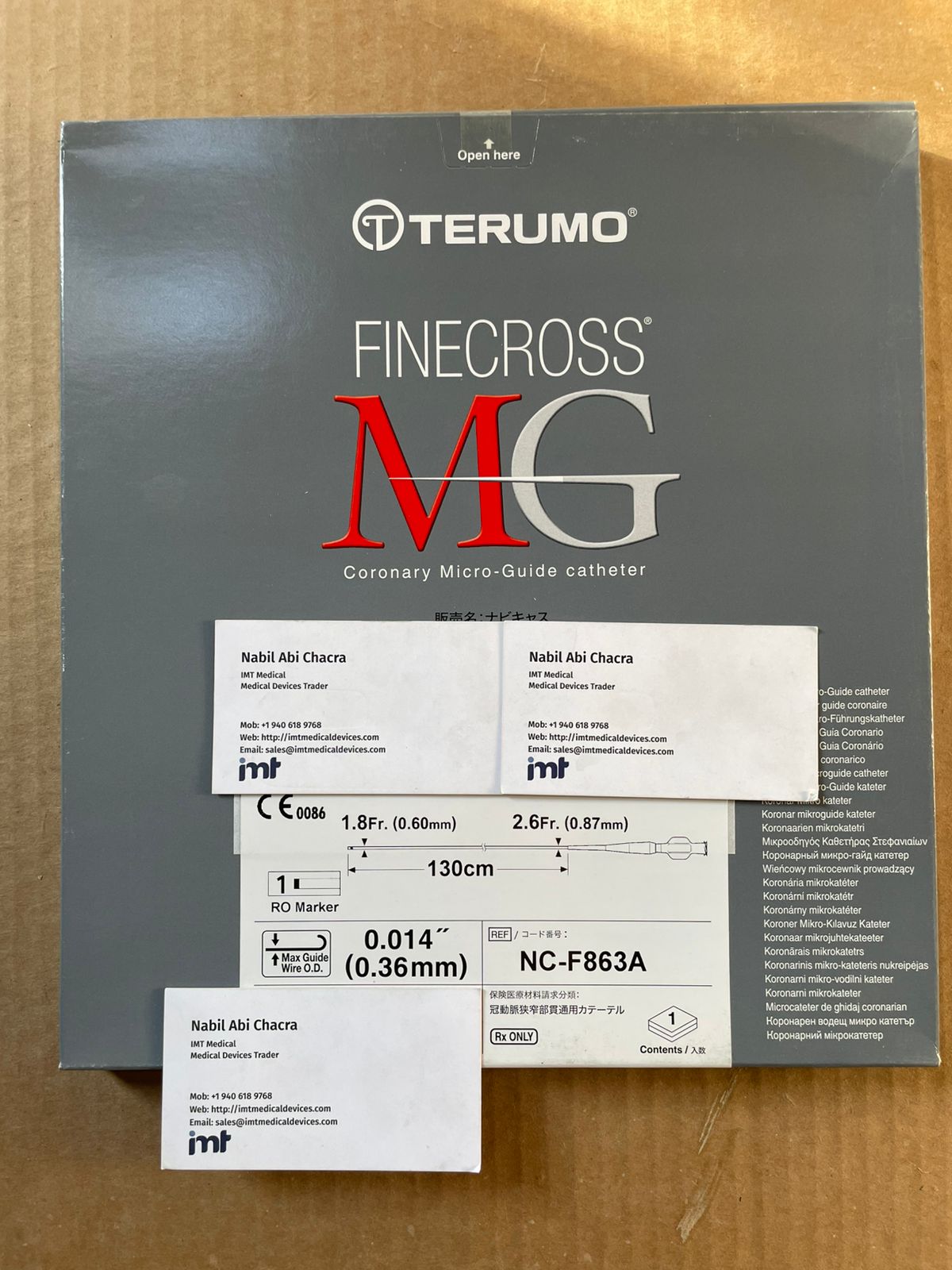
A qualified supplier in this market does more than maintain a broad product list. It should be able to support procurement by exact product category, manufacturer, and commercial volume. That includes access to established brands such as Terumo, Asahi, Boston Scientific, Medtronic, Abbott, Cordis, Siemens, Roche, Beckman Coulter, BD, Ethicon, and Stryker, along with the ability to quote based on real demand rather than generic availability claims.
For many buyers, breadth matters because procurement is rarely isolated to one department. A purchasing team may need coronary stents and PTCA balloons for one facility, aspiration catheters and guidewires for another, and diagnostic laboratory consumables or instruments for a separate business unit. Working with multiple specialized manufacturers is standard. Working with multiple fragmented vendors for each category is where procurement becomes inefficient.
That is why consolidation is often the real value. A supplier with a wide branded portfolio can reduce sourcing friction across interventional cardiology, interventional radiology, peripheral intervention, neurovascular, laboratory, and surgical product lines. The benefit is not theoretical. It affects quoting speed, order tracking, shipping coordination, and administrative workload.
Brand recognition is not a marketing detail
In this segment, manufacturer recognition is a procurement requirement. Buyers are not looking for broad lifestyle claims or loosely described alternatives. They are looking for trusted product lines that clinicians already know, hospitals have already approved, or distributors can confidently place in their own markets.
A medical device supplier that centers branded inventory signals something useful to experienced buyers: familiarity with real purchasing behavior. In practice, hospitals and specialty centers often buy according to physician preference, prior validation, tender requirements, reimbursement realities, or internal standardization. That means the supplier must be fluent in exact nomenclature and category distinctions.
There is also a risk management dimension. Recognized brands help buyers maintain consistency in clinical settings and reduce uncertainty around acceptance. This does not mean every order must come from a single manufacturer. It means procurement teams need a sourcing partner that understands why branded continuity matters and can support it at scale.
SKU accuracy matters more than broad claims
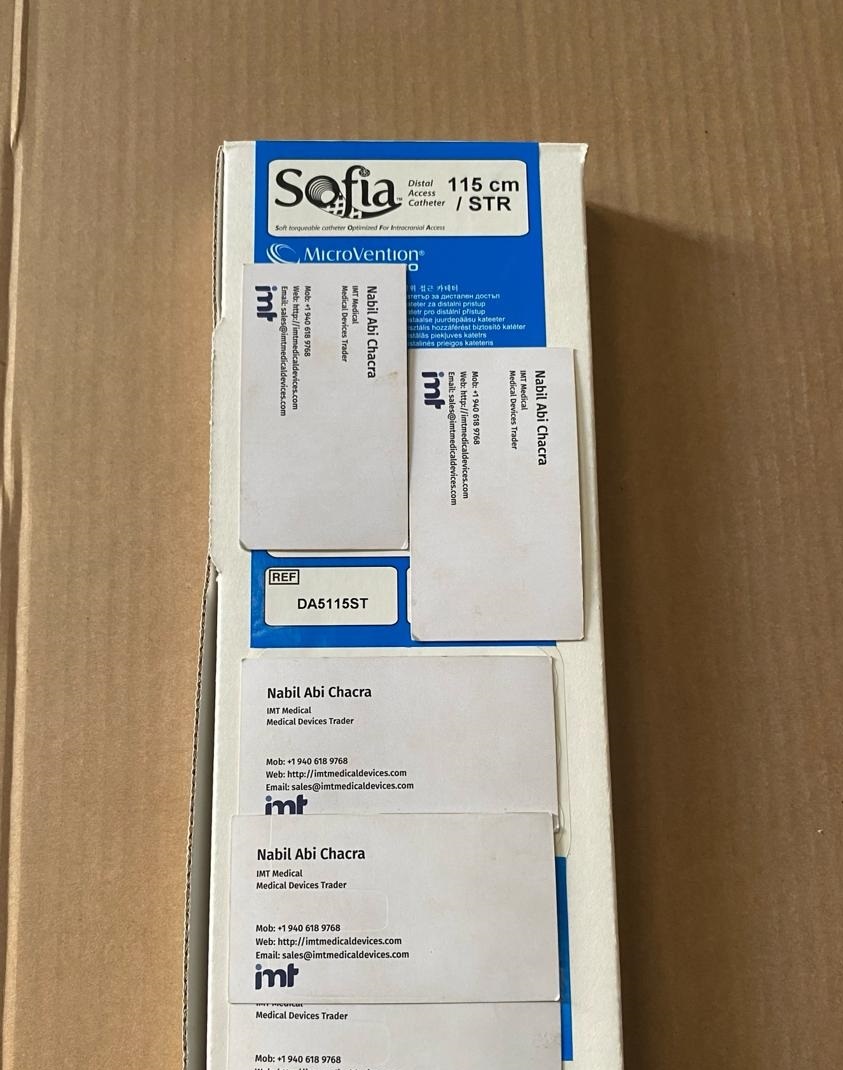
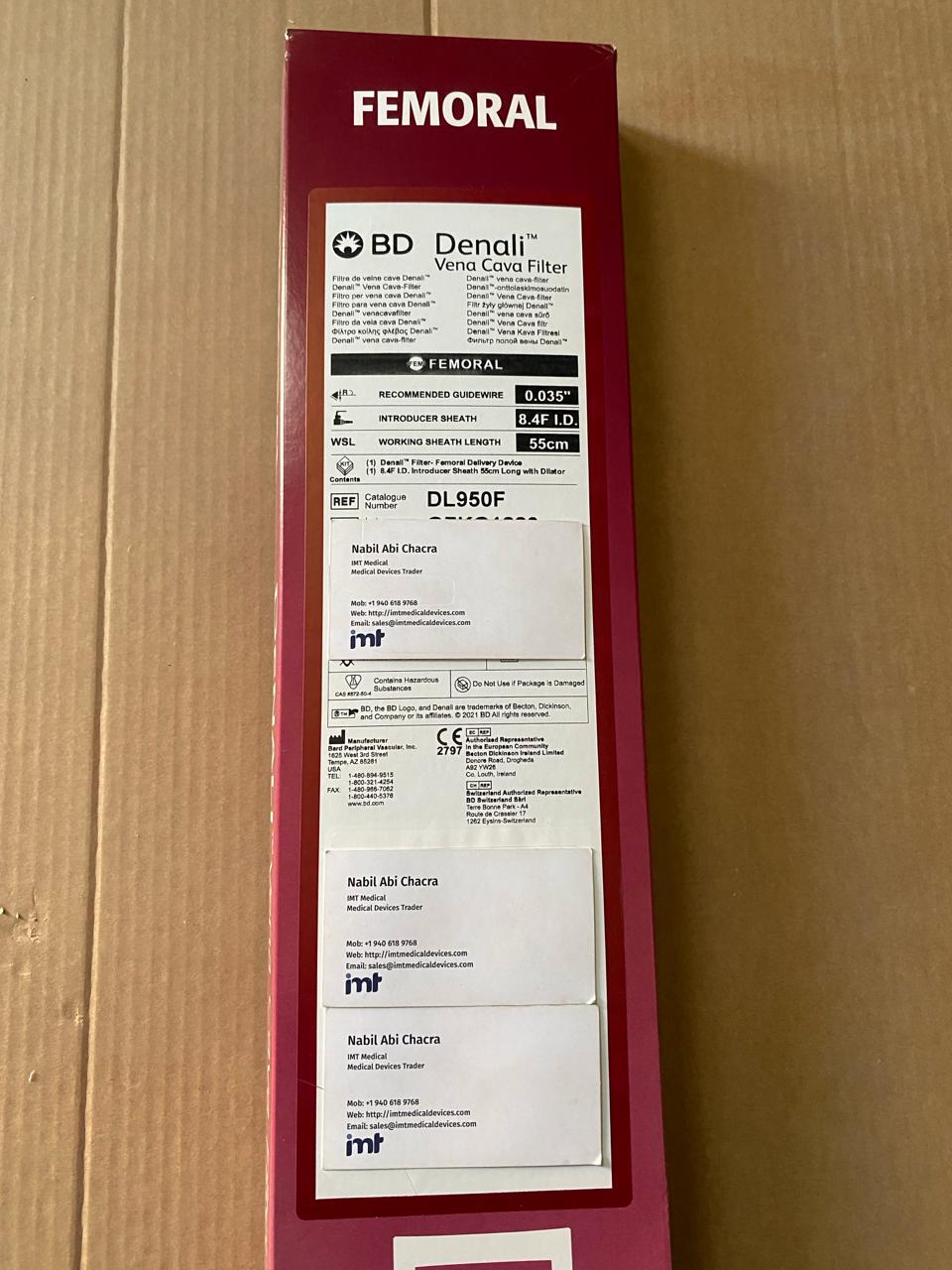
Many supplier problems begin with language that is too general. "Catheters available" is not useful. "Coronary and peripheral guidewires from established manufacturers" is better, but still incomplete if the purchasing process depends on precise references. Professional buyers need product clarity. A capable supplier should be comfortable discussing stents, balloons, guiding catheters, vascular closure devices, micro catheters, embolization coils, cava filters, sutures, aspiration catheters, and diagnostic laboratory brands with specification discipline.
This matters because procurement errors in specialized categories are expensive. The wrong profile, compatibility mismatch, or incomplete item identification can delay internal approvals or create downstream logistics issues. In export transactions, those issues can become even more costly once documentation and customs timing enter the process.
That is why quote-based sourcing remains the most practical model for many wholesale medical transactions. It allows the buyer to present exact requirements and the supplier to confirm availability, quantity, and shipping conditions against a clearly defined request. For B2B buyers, that is usually more useful than a simplified retail-style checkout model.
Export capability is a core requirement, not an add-on
For international buyers, export support is often the difference between a usable supplier and an unusable one. A company may have the right brands and categories, but if it cannot support shipment across borders, documentation flow, and international commercial coordination, its product access has limited value.
This is where many local or retail-oriented sellers fall short. They may be adequate for domestic spot orders but not structured for global procurement. International buyers need a supplier that understands wholesale movement, country-specific delivery constraints, and the discipline required to process inquiries from hospitals, clinics, distributors, and resellers in different regions.
Export capability also helps with supply continuity. If a buyer operates across multiple markets, or if a distributor serves hospitals in several countries, sourcing from one internationally oriented partner can simplify replenishment. It will not eliminate every delay or regulatory variation, because cross-border trade always involves variables, but it can reduce handoffs and improve coordination.
The trade-off between breadth and specialization
Not every supplier with a large catalog is equally strong in every category. Buyers should assess whether the company is merely listing products or is genuinely organized around high-demand interventional and laboratory lines. Breadth is valuable, but only if it is backed by commercial relevance.
For example, a supplier focused on branded cardiovascular, peripheral, neurovascular, surgical, and laboratory products is better aligned with institutional procurement than a general vendor carrying a scattered assortment. The issue is not catalog size alone. It is whether the supplier’s portfolio reflects actual procedural demand and recognized manufacturer ecosystems.
There is an opposite risk too. A highly specialized niche seller may know one category very well but force the buyer to source other critical items elsewhere. That may still be the right choice for some tenders or technically narrow programs. But for many purchasing teams, a broader supplier with strong brand coverage offers a better balance between precision and efficiency.
How procurement teams should evaluate a supplier
The first test is practical responsiveness. Can the supplier handle exact branded inquiries without back-and-forth confusion? Can it identify relevant categories quickly and return a quote path suited to bulk or institutional demand?
The second test is portfolio logic. The product mix should make sense for real clinical and laboratory procurement. If a supplier carries coronary stents, balloons, guidewires, guiding catheters, vascular closure devices, neurovascular coils and micro catheters, aspiration catheters, sutures, cava filters, and laboratory brands from leading manufacturers, that indicates alignment with how healthcare buyers actually purchase.
The third test is international competence. Buyers should look for evidence that export is part of the operating model, not an exception. A supplier serving all countries in a wholesale capacity is structurally different from a business set up mainly for local sales.
The fourth test is commercial fit. Hospitals, clinics, labs, distributors, and resellers need a supplier that understands volume procurement, repeat ordering, and quote-based transactions. The relationship should feel operational, not consumer-facing.
For buyers seeking one source across multiple branded categories, companies such as IMT Medical Devices fit this model because the offering is built around wholesale supply, recognized manufacturers, and export-ready procurement support rather than retail presentation.
Why the right supplier reduces hidden cost
Price always matters, but procurement teams know that unit cost is only part of the picture. Hidden cost appears in delayed procedures, fragmented sourcing, approval slowdowns, inconsistent product quality, duplicate vendor management, and cross-border shipping problems. A lower initial quote can become more expensive if the supplier cannot maintain continuity or confirm the exact branded item needed.
That is why reliability often wins over nominal savings. In clinical and laboratory settings, continuity has operational value. A dependable supplier helps maintain standardization, reduces unnecessary substitutions, and gives buyers a clearer path when demand shifts across product lines.
The most useful medical device supplier is not simply the one with inventory. It is the one that understands how professional buyers purchase, how branded categories move across international markets, and how to support exact procurement requests without unnecessary friction.
When supplier performance is measured in product accuracy, brand trust, and delivery coordination, the best choice is usually the partner that makes buying easier before there is a problem, not after one appears.