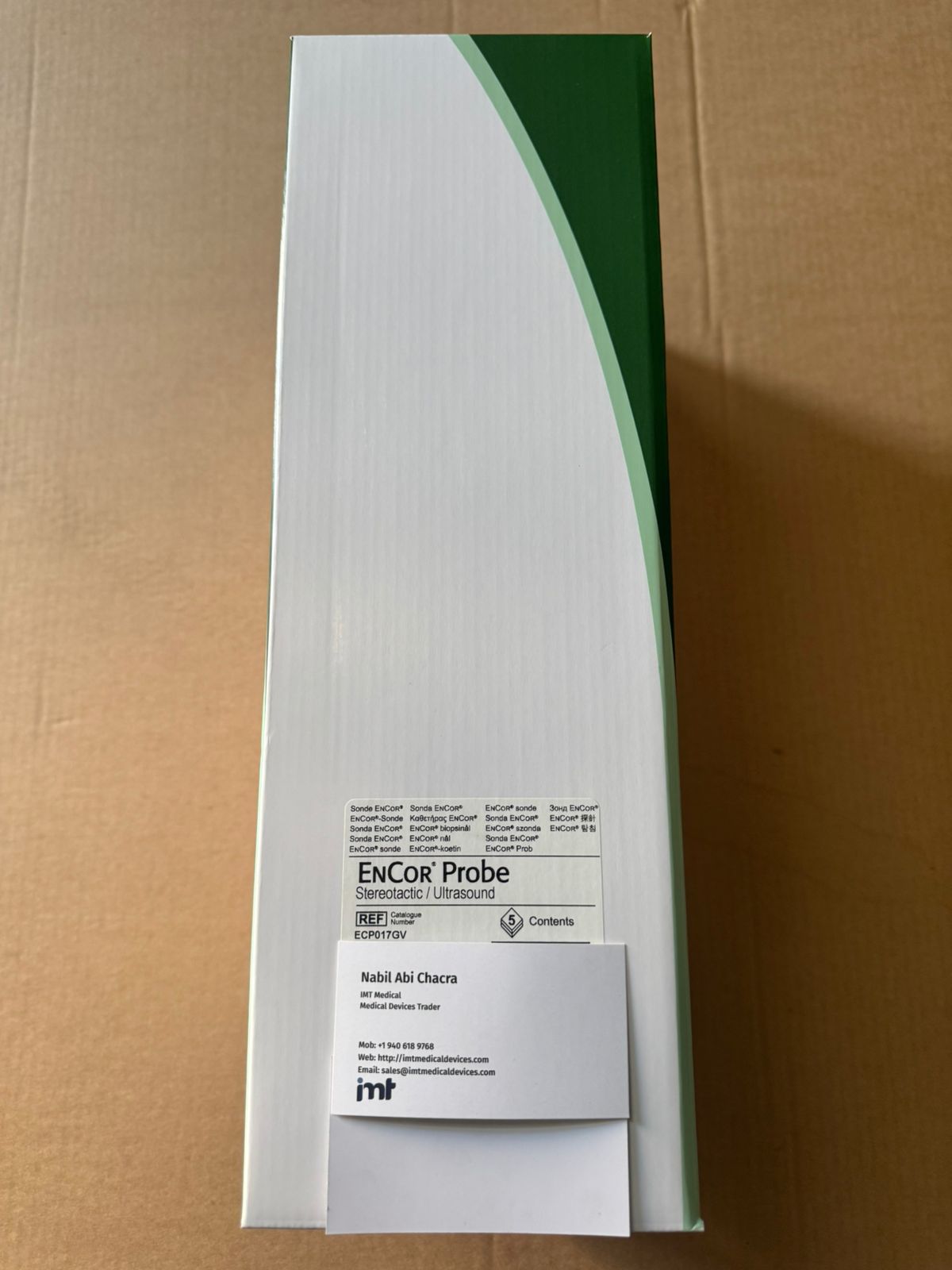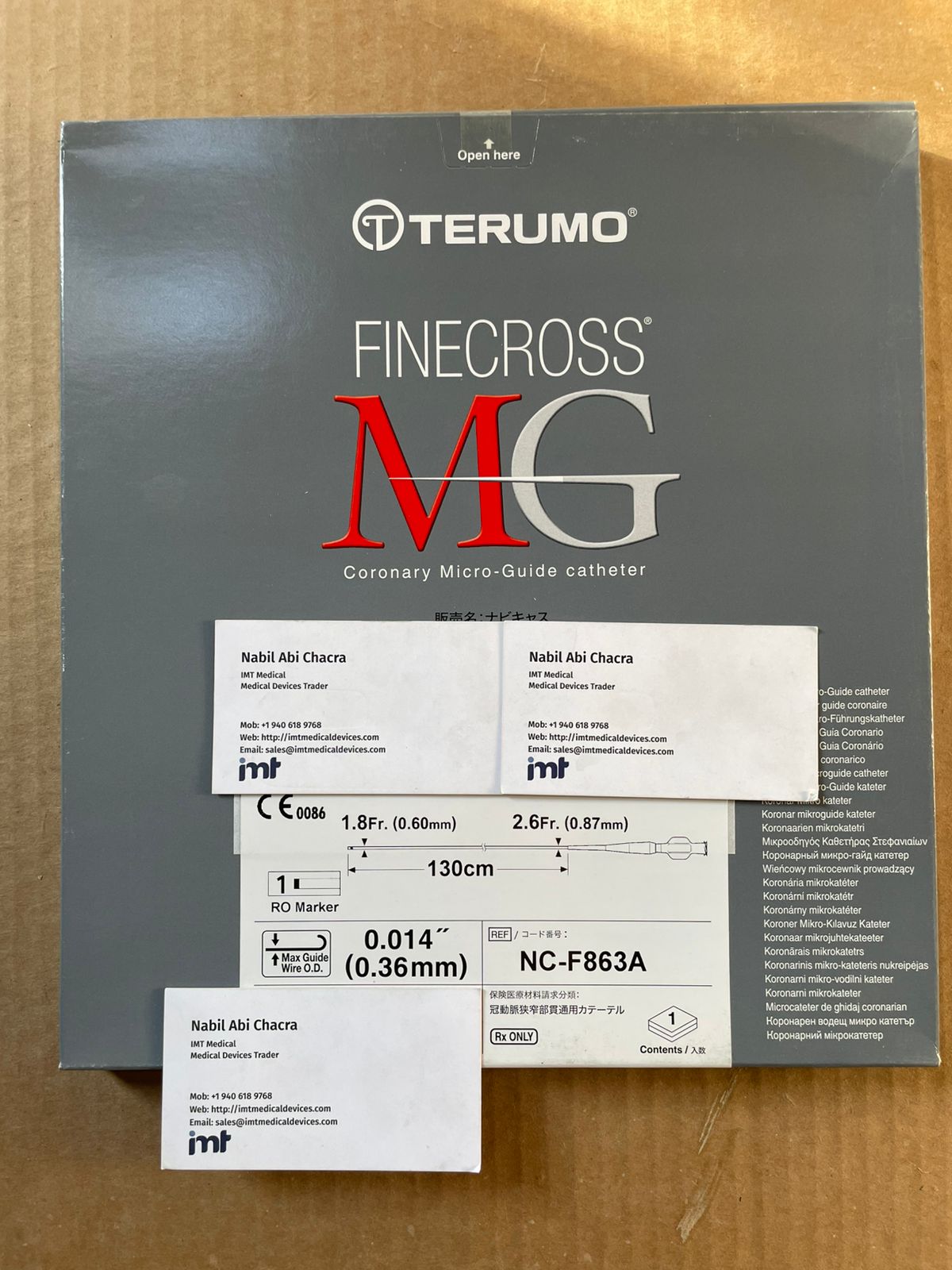

How to Buy Medical Supplies Wholesale
Procurement problems rarely start with price alone. They start when the requested device is not the exact SKU the physician specified, when export paperwork slows release, or when supply continuity breaks across high-use brands. That is why understanding how to buy medical supplies wholesale matters for hospitals, cath labs, laboratories, distributors, and specialty centers that purchase on brand, specification, and delivery reliability.
Wholesale buying in the medical sector is not the same as general bulk purchasing. In professional healthcare procurement, the supplier relationship has to support exact product identification, authentic branded inventory, quote-based ordering, and, in many cases, international shipping requirements. If you are sourcing interventional cardiology, peripheral intervention, neurovascular, laboratory, or surgical products, the process needs to be disciplined from the first inquiry.
How to buy medical supplies wholesale without procurement delays
The fastest wholesale transactions usually happen when the buyer has already defined the requirement at the product level. Brand name alone is often not enough. A request for "guidewires" or "balloons" is too broad if your team actually needs a specific diameter, length, coating, tip load, or packaging format. The more exact the request, the faster the supplier can confirm availability and issue a usable quote.
For that reason, internal alignment should happen before you contact a wholesale source. Confirm the manufacturer, catalog number or SKU, product description, clinical category, required quantity, and any acceptable substitutions. If substitution is not acceptable, state that clearly. This matters especially for branded interventional devices where operator preference and procedural compatibility are critical.
A strong inquiry often includes manufacturer, product family, SKU, quantity, destination country, and target delivery timeline. If the order is recurring, say so. Suppliers treat one-time spot buys differently from ongoing volume requirements because planning and allocation may differ.
Start with product accuracy, not catalog size
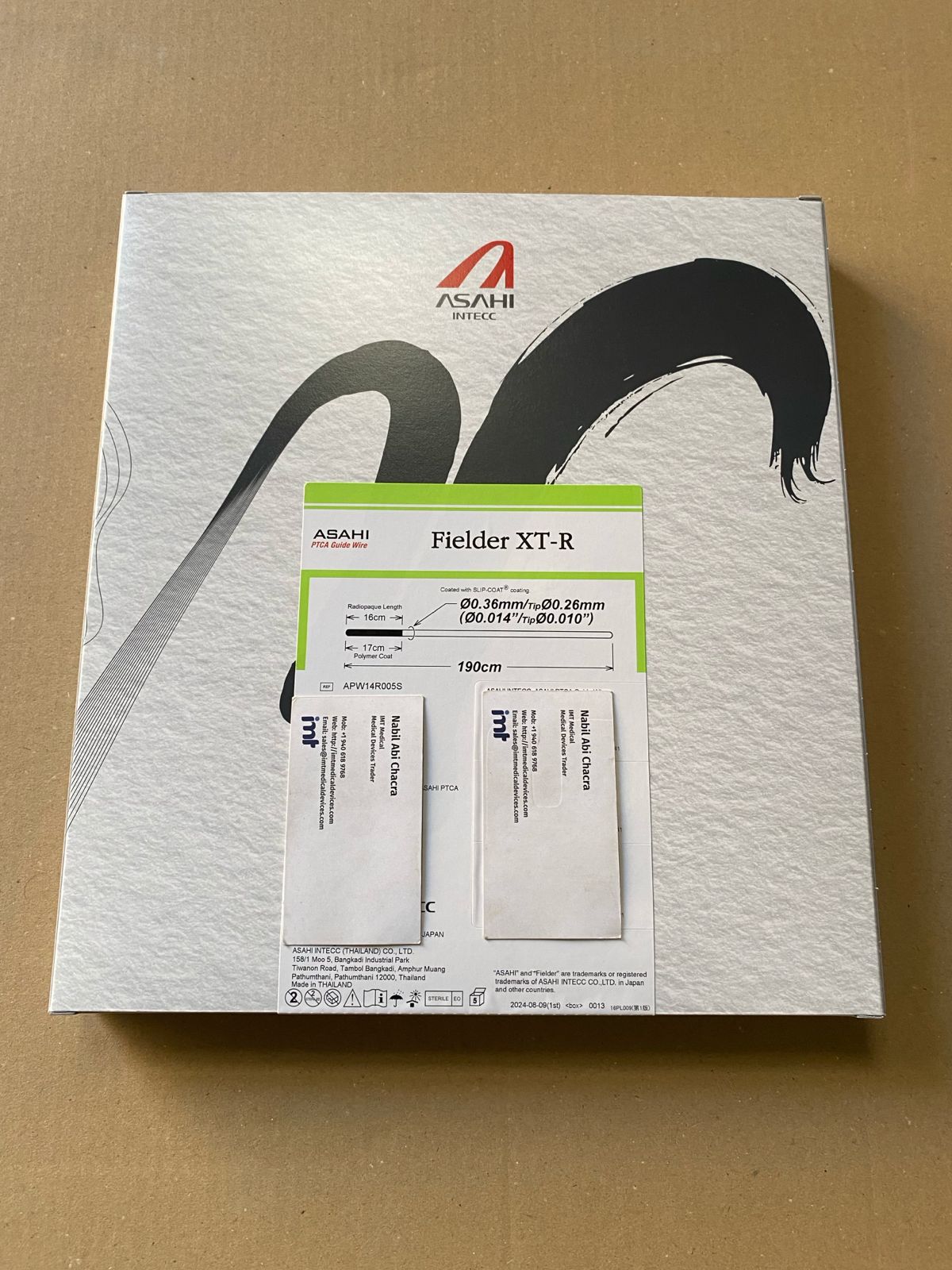
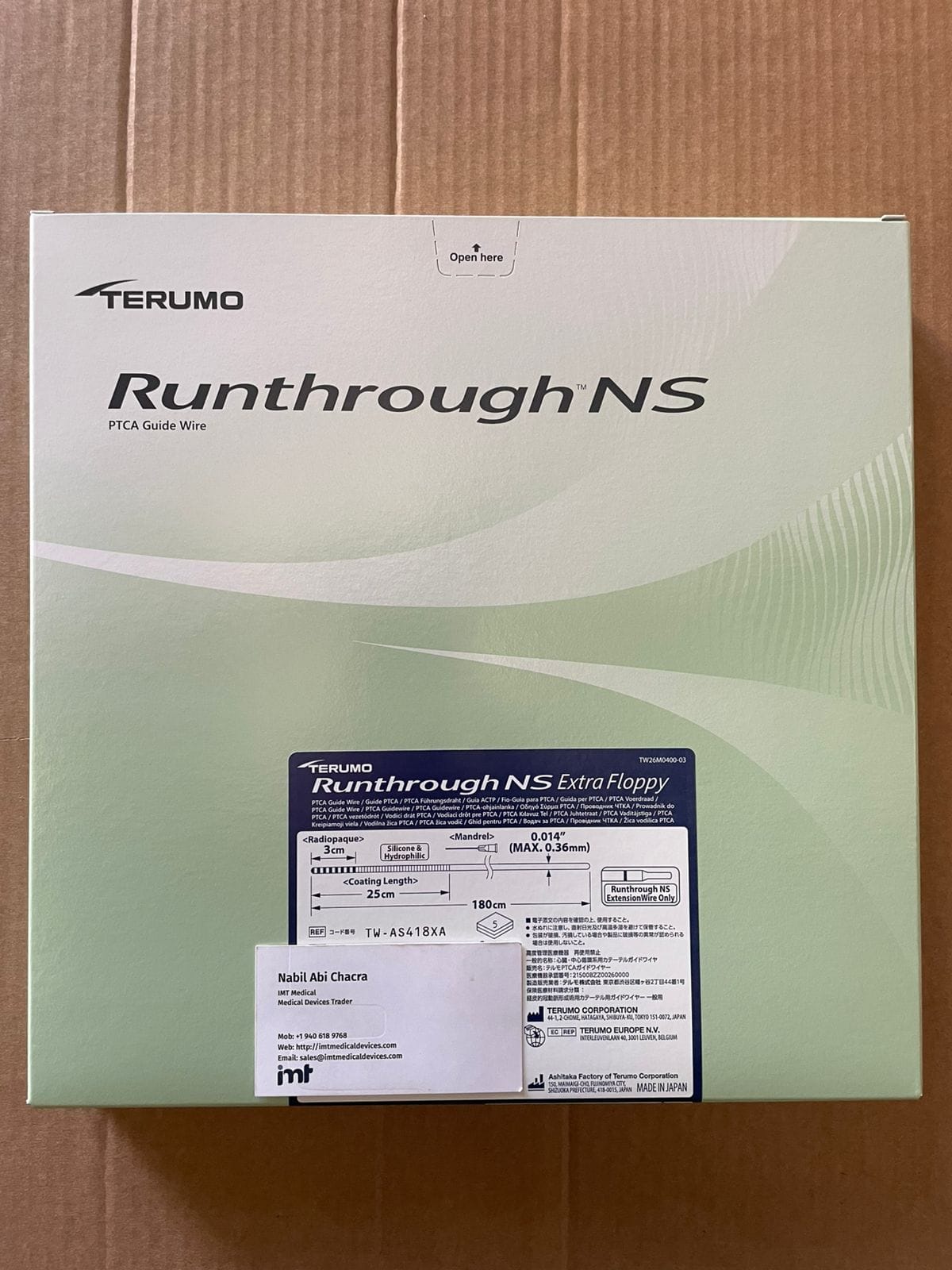
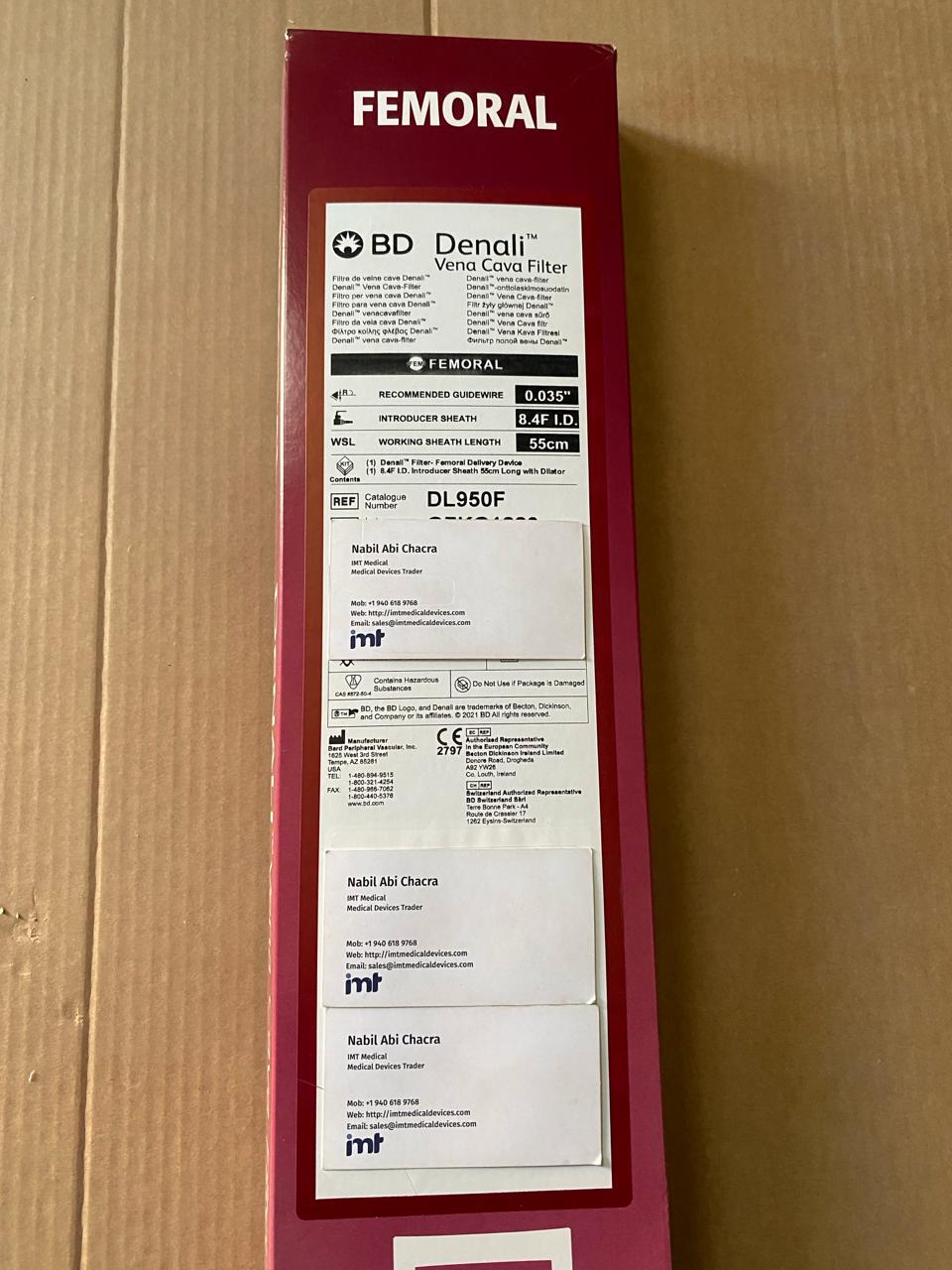
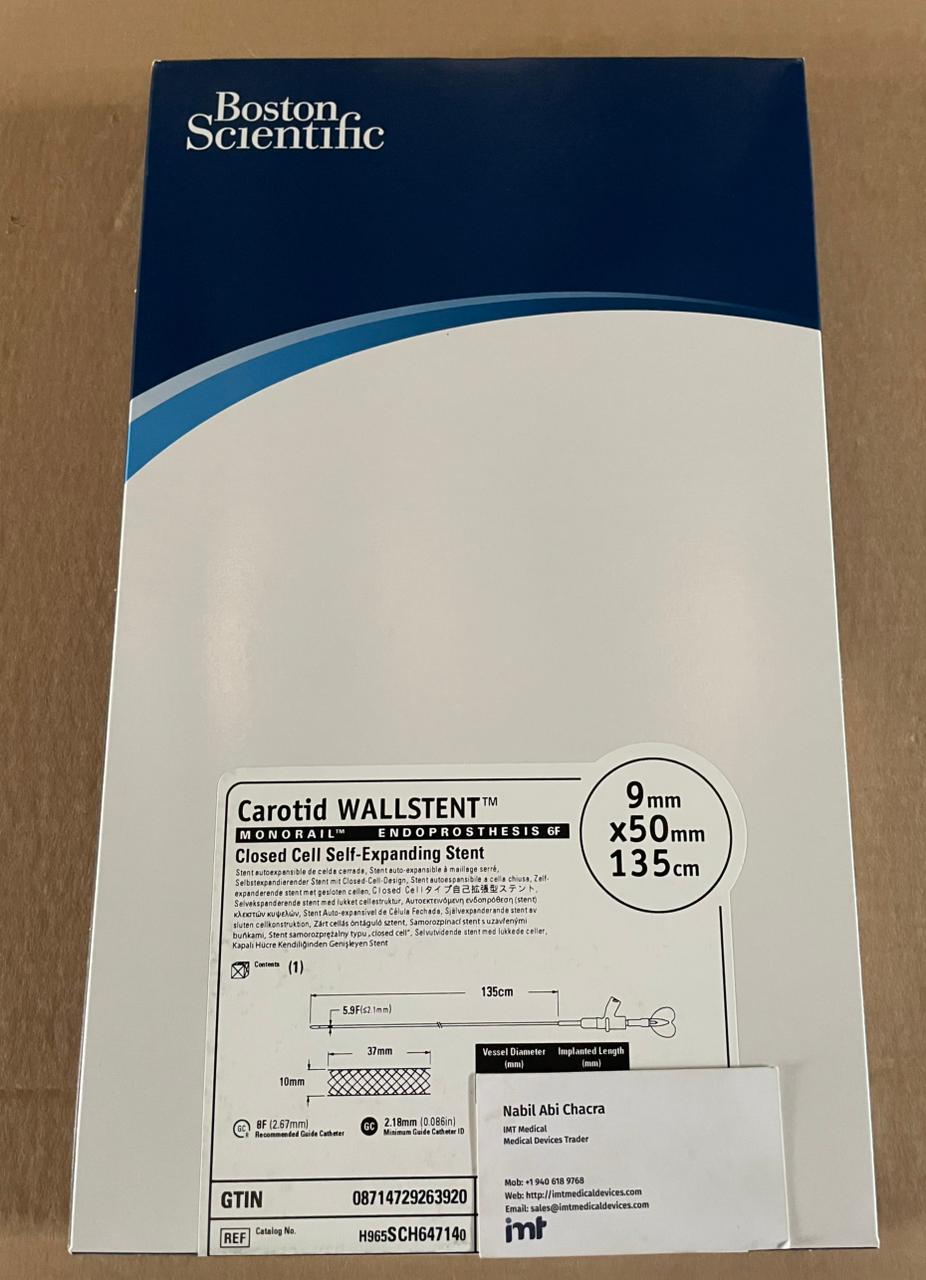
Large catalogs are useful, but only if the supplier can work accurately at the SKU level. In wholesale medical buying, breadth without precision creates friction. A procurement partner should understand the difference between adjacent product lines and be comfortable handling branded items from manufacturers such as Terumo, Asahi, Boston Scientific, Medtronic, Abbott, Cordis, Siemens, Roche, Beckman Coulter, BD, Ethicon, and Stryker.
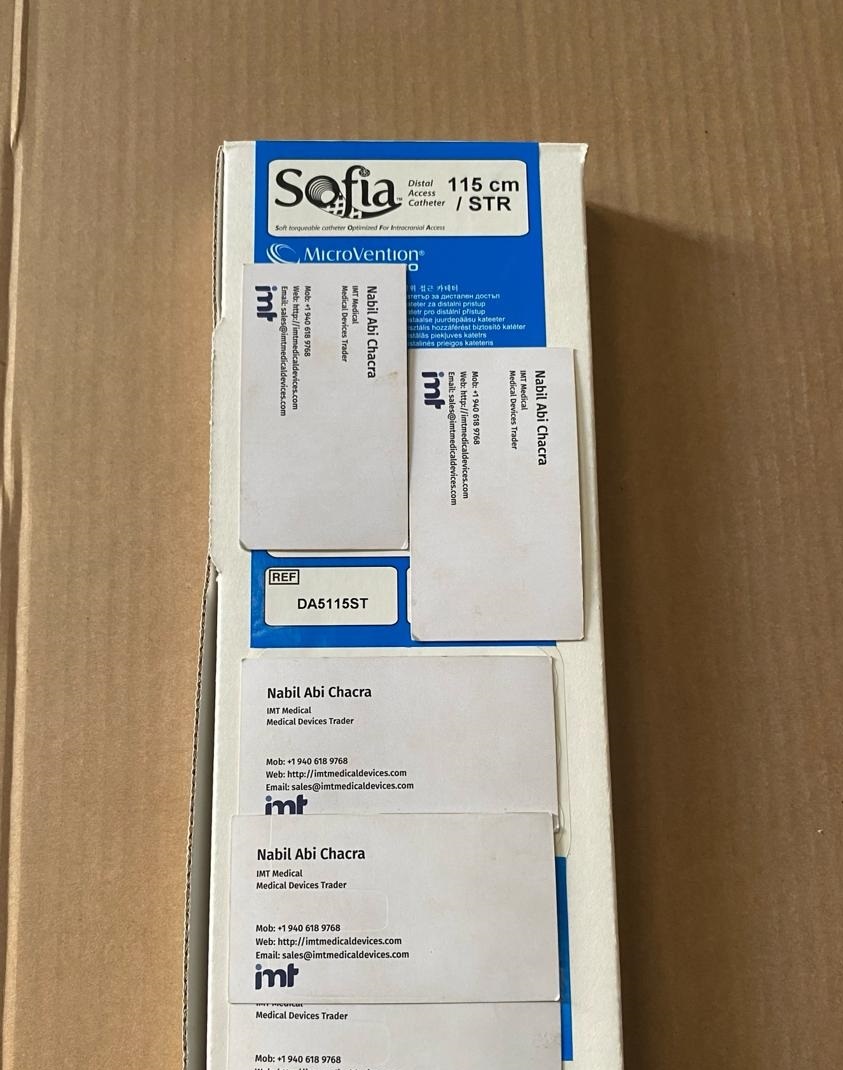
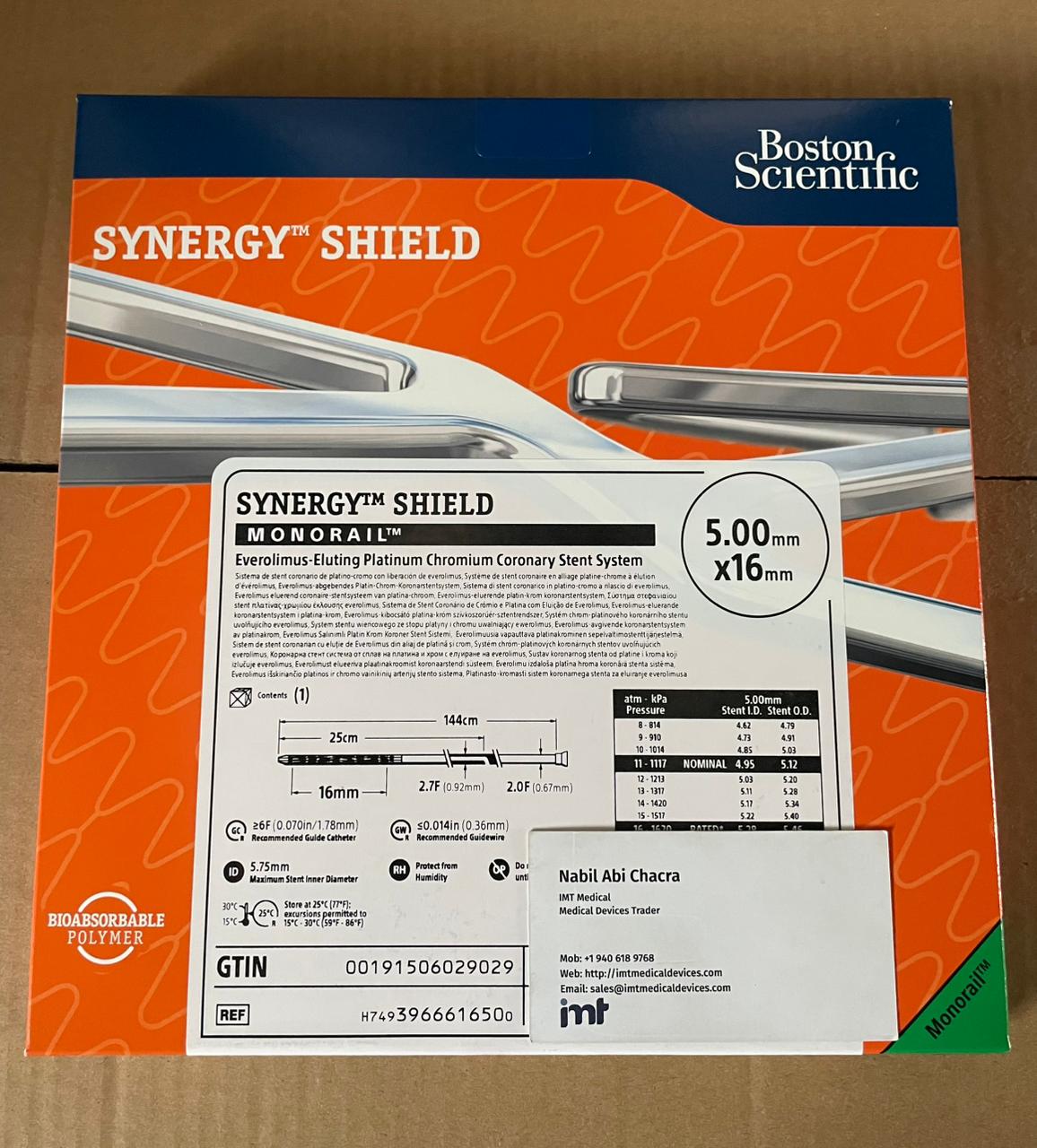
That level of familiarity becomes more important in specialized categories. Coronary stents, micro catheters, vascular closure devices, aspiration catheters, sutures, and laboratory diagnostics are not interchangeable purchasing groups. Each has its own handling, documentation, and buyer expectations.
Evaluate the wholesale supplier like a risk decision
When buyers ask how to buy medical supplies wholesale efficiently, the practical answer is to treat supplier selection as a risk control exercise. Price matters, but authenticity, availability, and execution matter more when products are procedure-critical or tied to scheduled clinical demand.
First, verify that the supplier operates in the product categories you actually buy. A company focused on general consumables may not be the right source for neurovascular coils or peripheral intervention devices. Second, assess whether the supplier works with recognized manufacturers and understands branded procurement. Third, confirm whether they support export documentation and international shipment handling if your orders cross borders.
There is also a difference between a retail-style reseller and a true wholesale sourcing partner. Retail-oriented sellers usually center on small online orders and limited service around product verification, recurring volume, or export logistics. A wholesale supplier should be able to manage quote-based requests, bulk quantities, and category-specific sourcing conversations.
If your organization buys across multiple specialties, consolidation may be worth more than the lowest unit price on a single line item. Managing cardiology, neurovascular, surgical, and laboratory purchases through fewer qualified sources can reduce administrative burden and shorten ordering cycles. It depends on your approval structure, but for many procurement teams, consolidation improves control.
Check availability discipline and not just stated inventory
Availability claims should be tested through responsiveness and quote quality. A reliable supplier typically comes back with precise item confirmation, realistic lead times, and clear commercial terms. Vague replies are usually a warning sign.
Ask direct questions. Is the product available now, or sourced upon order? Are quantities firm or estimated? What is the expected lead time to your country or facility? Are there any brand or SKU restrictions based on destination market? Buyers in regulated environments should also verify any documentation needed for import or internal compliance review.
Pricing, MOQ, and terms in wholesale medical buying
Wholesale pricing is rarely a simple published rate, especially for branded devices and export orders. Pricing may vary based on quantity, market destination, manufacturer constraints, packaging configuration, and shipping conditions. That is normal in this sector.
The better approach is to compare total procurement value rather than unit price alone. A lower item cost can become less attractive if the supplier cannot combine multiple brands, support your shipping lane, or deliver within the required time frame. On the other hand, a slightly higher quote may be more commercially sound if it includes stronger fulfillment capability and fewer procurement touchpoints.
Minimum order quantities also vary by product category. Some products can be purchased in flexible volumes, while others may involve case quantities, allocation limits, or manufacturer-led purchasing conditions. If your demand is mixed, ask whether the supplier can support a consolidated quote across several product groups instead of forcing separate small orders.
Payment terms deserve attention early in the conversation. International buyers should clarify accepted payment methods, currency, shipping terms, and any requirements tied to first-time orders. Delays often come from assumptions made too late, particularly when bank processing, customs paperwork, or destination approvals are involved.
Compliance and export support are part of the purchase
For domestic buyers, documentation review may be straightforward. For international buyers, it is often central to the transaction. A supplier that understands export procedures can save time by preparing the commercial paperwork and shipment details needed to move branded medical goods across borders.
This is where buyers should be practical. The right supplier is not always the one with the broadest claim set, but the one that can support your destination market with the required documents and realistic shipping coordination. If your facility or distribution business serves multiple countries, this capability becomes even more valuable.
Professional buyers should also confirm product condition, packaging status, lot traceability where applicable, and expiration dating standards relevant to their category. Laboratory products, implantable devices, and procedural accessories may all have different internal review requirements. Clarity upfront protects both sides.
A supplier such as IMTMedicalDevices.com is positioned for this type of transaction because the model is built around branded wholesale sourcing and international fulfillment rather than consumer-level medical sales. That distinction matters when procurement teams need recognized manufacturers, concentrated product access, and export-aware quoting.
Build a repeatable buying process for specialized products
If your team purchases repeatedly, the goal should be a repeatable sourcing workflow rather than a fresh search every time demand appears. That usually means maintaining a current list of approved brands, preferred SKUs, annual or quarterly volume estimates, and destination-specific shipping requirements.
The more structured your demand signal, the easier it is for a wholesale supplier to support continuity. This is especially useful in interventional specialties where usage can be steady but brand preferences are strict. Recurring demand also creates better quoting efficiency because the supplier can prepare around known product families instead of fragmented one-off requests.
There is a trade-off here. Broad supplier coverage can improve leverage, but too many sources can fragment volume and create more verification work. Many professional buyers find that a smaller number of capable wholesale partners gives them better operational results, particularly when the supplier can source across cardiology, peripheral, neurovascular, surgical, and laboratory categories.
What a strong first inquiry looks like
A serious wholesale inquiry should read like a procurement brief, not a general shopping request. Include the exact products, requested quantities, ship-to country, and whether the request is urgent, scheduled, or recurring. If there are approved alternatives, list them. If there are none, state exact brand and SKU requirements.
This gives the supplier a real basis for quotation and reduces back-and-forth. It also helps identify issues early, such as lead time gaps, export limitations, or packaging constraints. Buyers who provide complete request data usually get faster and more usable responses.
How to buy medical supplies wholesale effectively comes down to discipline on both sides. Buyers need exact requirements and realistic commercial expectations. Suppliers need product accuracy, recognized brand access, and the ability to execute across documentation, shipping, and continuity. When those pieces are aligned, wholesale procurement becomes less reactive and far more dependable.
The best next step is usually simple: send a precise product list, not a broad category request, and let the quote tell you how capable the supplier really is.