
Choosing a Vascular Closure Device Supplier
A vascular closure device supplier is rarely judged on catalog size alone. In practice, procurement teams and interventional buyers care about something narrower and more operational: whether the supplier can provide the exact branded device required for the access site, support repeat ordering by correct SKU, and maintain supply continuity when procedure volumes shift.
That standard matters because vascular closure is not a generic category purchase. Product selection is tied to physician preference, access strategy, sheath size, indication, and institutional protocol. When a buyer is sourcing for cath labs, interventional radiology, or peripheral intervention programs, the risk is not just delayed delivery. The larger issue is mismatch - wrong product family, incomplete brand coverage, inconsistent documentation, or a supply partner that cannot support international shipment requirements.
What a vascular closure device supplier should actually provide
For experienced buyers, the supplier relationship starts with brand confidence. Hospitals, clinics, and distributors are often not looking for an interchangeable option. They are looking for recognized manufacturers, consistent product identification, and commercial responsiveness that fits procedural demand.
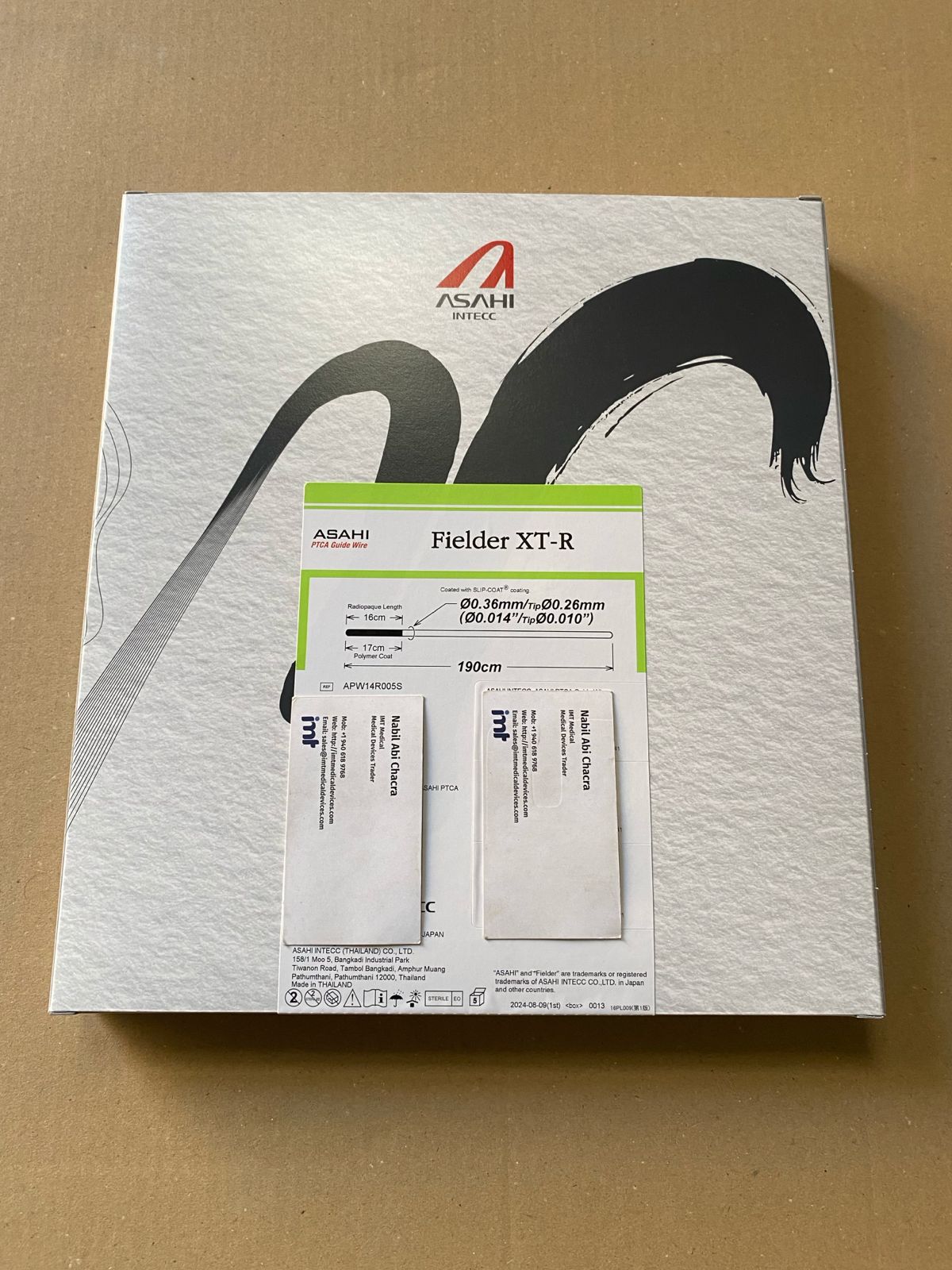
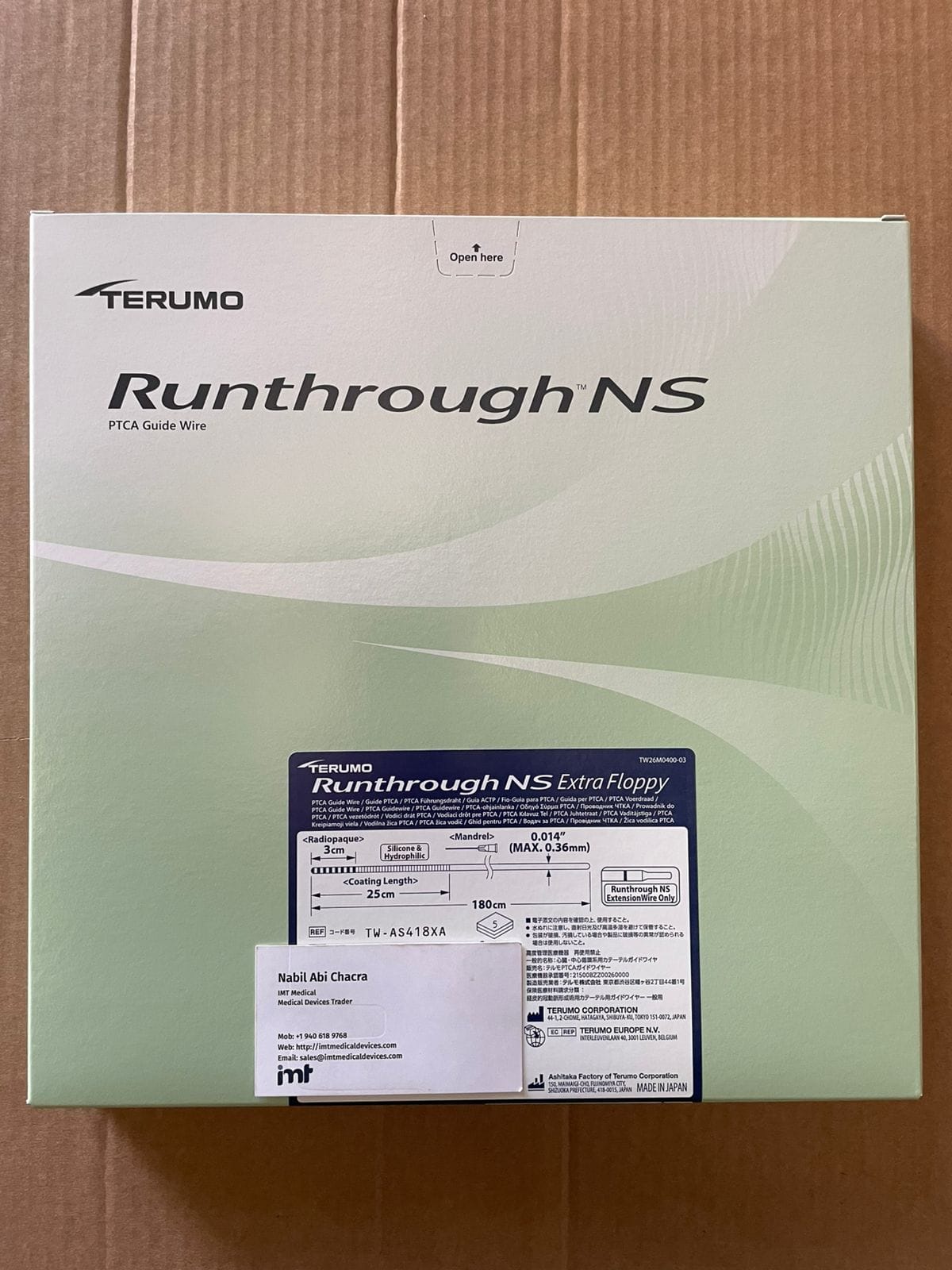
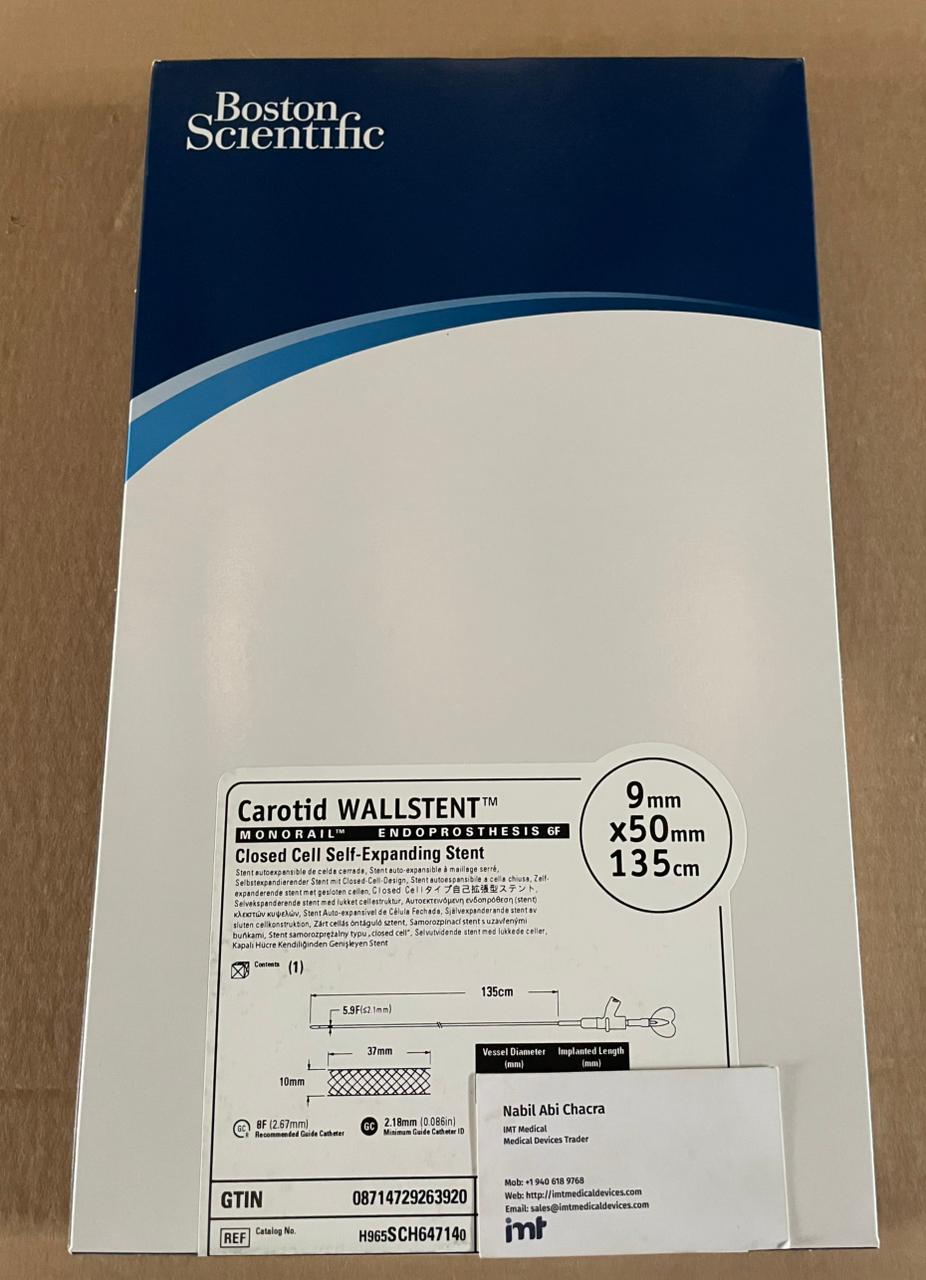
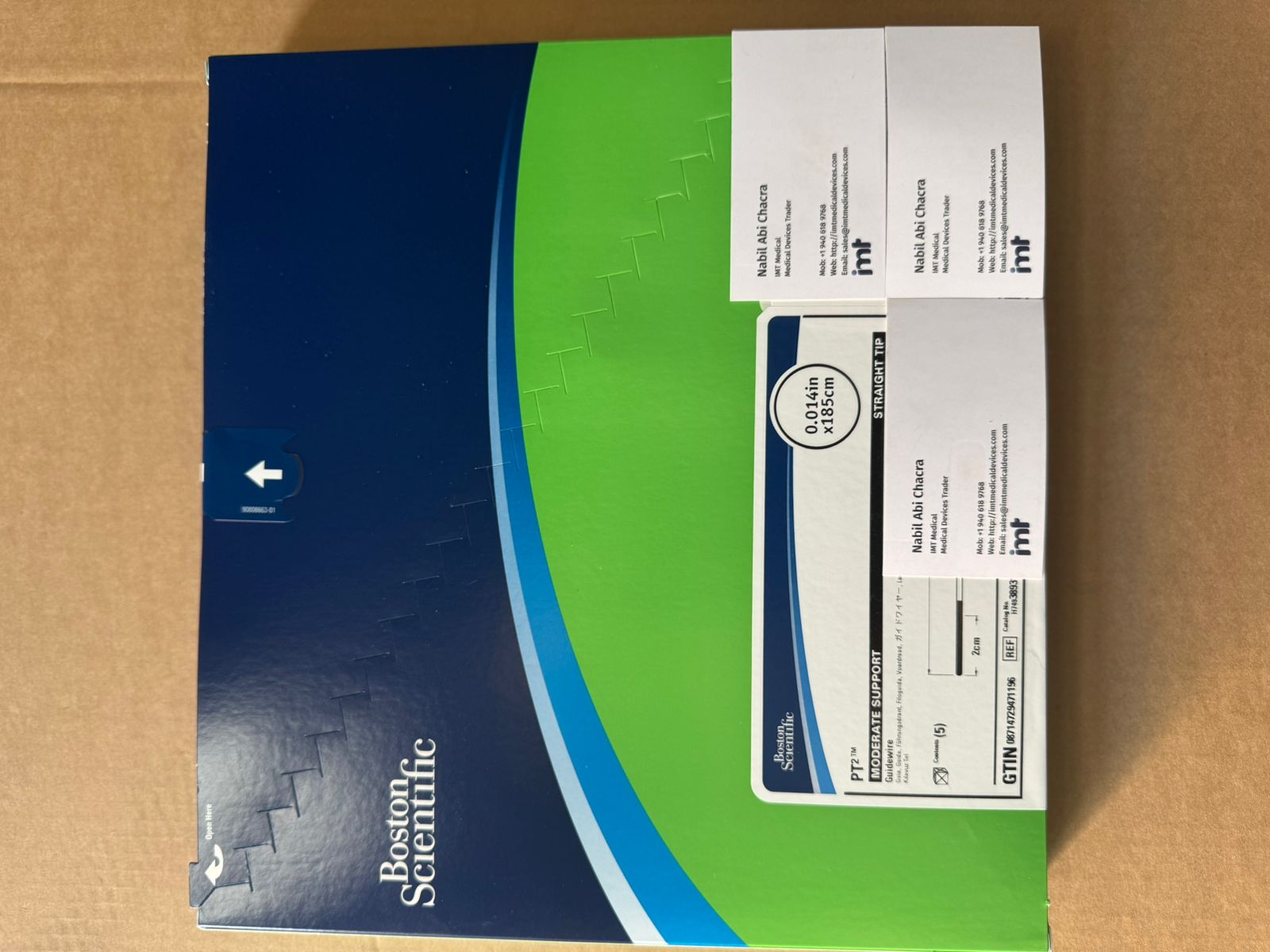
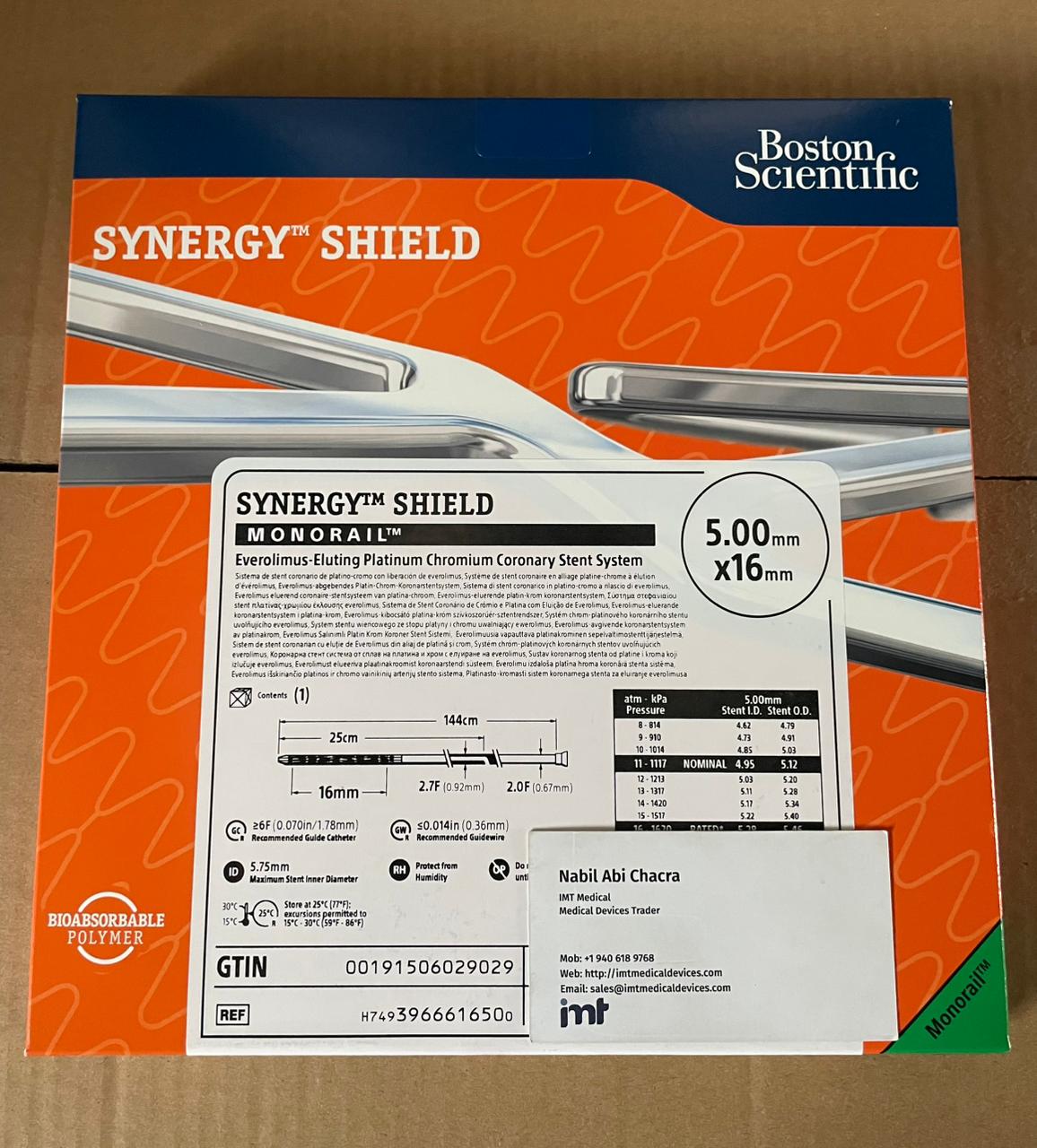
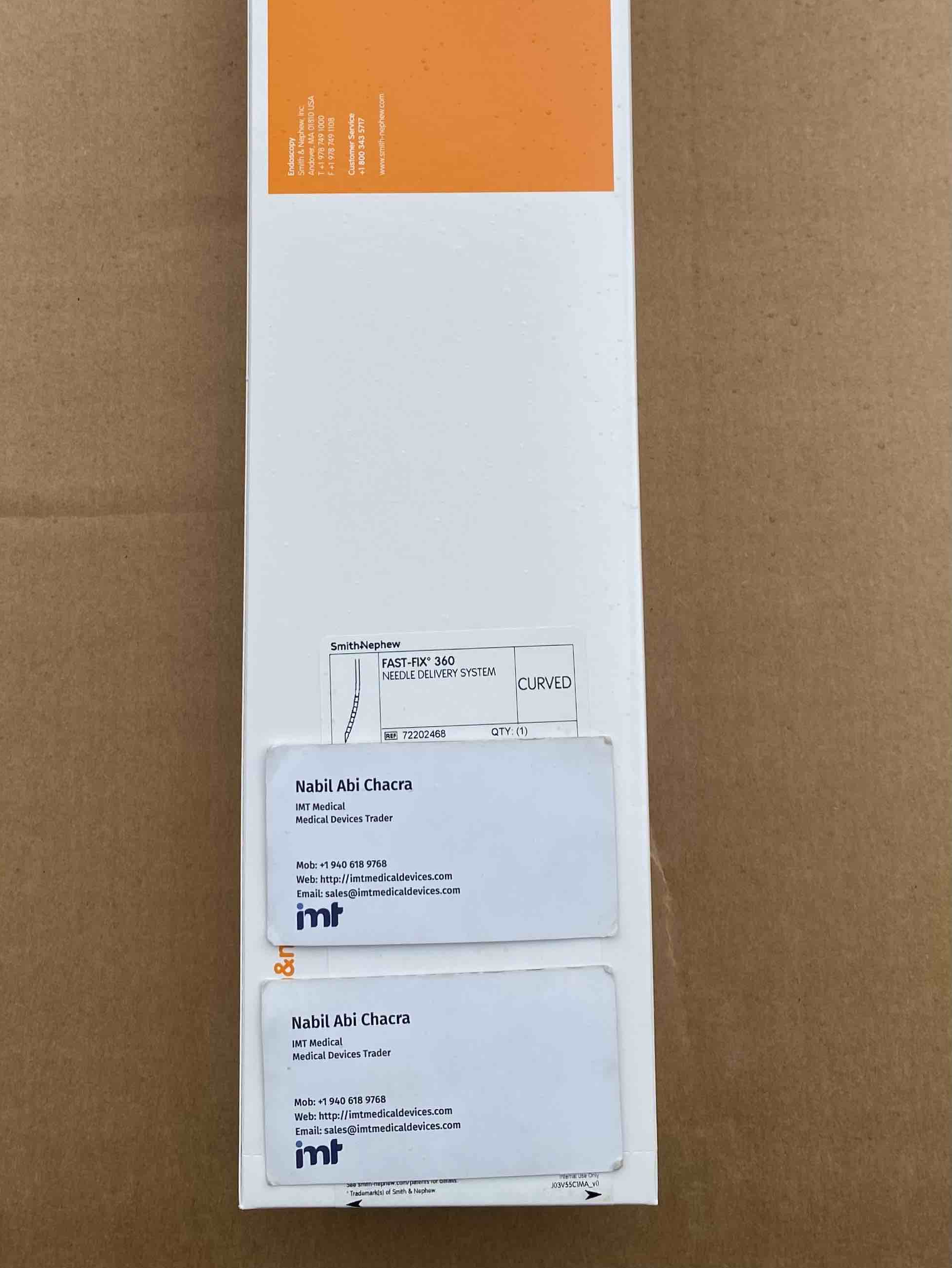
A capable supplier should be able to support requests around branded vascular closure devices with the same discipline used for stents, https://imtmedicaldevices.com/products/category/coronary-guidewires, balloons, or aspiration catheters. That means accurate nomenclature, quote-based volume handling, and familiarity with interventional purchasing workflows. If the conversation begins and ends with a broad statement about availability, that is usually not enough.
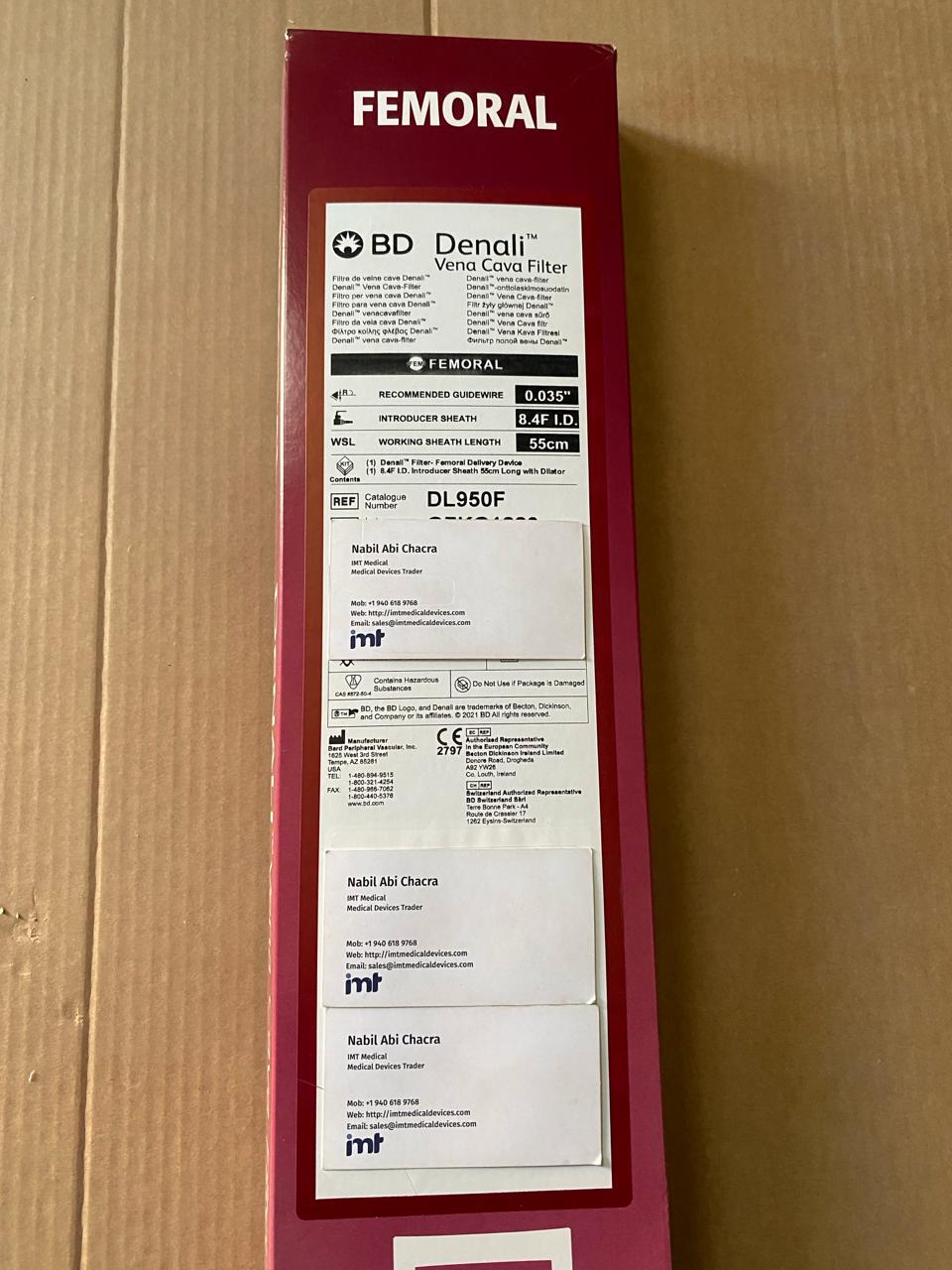
The stronger suppliers tend to operate with a portfolio mindset. They understand that closure devices are often sourced alongside other interventional products. For procurement teams, consolidating multiple branded categories through one wholesale source can reduce administrative friction, especially when the same buyer is managing cardiology, peripheral, neurovascular, and related procedural inventory.
Why branded sourcing matters in vascular closure devices
Vascular closure decisions are shaped by clinical use patterns, not only by price. Physician familiarity, deployment method, and prior institutional experience often determine what gets approved for routine use. For that reason, branded sourcing matters more here than in broad commodity categories.
When a supplier offers access to recognized manufacturers, the benefit is straightforward. Buyers can source according to established preference and clinical standardization without spending time validating lesser-known alternatives. That is particularly relevant for facilities balancing procedural consistency with procurement efficiency.
There is also a downstream inventory benefit. Brand-specific purchasing makes reorder behavior more predictable. The same product families can be aligned with procedure type, team preference, and stocking levels, which simplifies replenishment planning. For distributors and resellers, it also improves clarity when serving accounts that request exact manufacturer references rather than open-category substitutions.
Key criteria when evaluating a vascular closure device supplier
The first criterion is SKU accuracy. In interventional purchasing, small product-reference errors create outsized disruption. A supplier should be able to identify precise branded items, not just category-level descriptions. This is especially relevant when buyers are coordinating across multiple facilities or regional markets with slightly different approved product lists.
The second criterion is portfolio depth. Some suppliers can quote one or two popular items but do not have broader capability across interventional lines. That creates fragmentation. A supplier with access to vascular closure devices as part of a wider catalog of branded cardiology, radiology, peripheral, neurovascular, and surgical products is often more useful than a narrow source, even if the initial request is limited to closure.
The third criterion is export competence. International buyers already know that supply is only part of the transaction. Documentation handling, shipment coordination, and consistency in cross-border fulfillment can affect purchasing timelines as much as product availability. A supplier serving global healthcare buyers should be prepared for these requirements as a normal part of the process, not as an exception.
The fourth criterion is quote responsiveness. In wholesale procurement, speed is not just convenience. It affects case planning, distributor commitments, and budget execution. Buyers usually need confirmation on brand, quantity, and commercial terms quickly. Delays are more tolerable in long-horizon capital equipment decisions than in recurring interventional device purchasing.
Common sourcing problems buyers run into
The most common problem is incomplete alignment between request and quotation. A buyer asks for a branded closure product and receives a reply that substitutes a generic equivalent, omits technical detail, or fails to confirm the exact reference. That slows approval and creates unnecessary back-and-forth.
Another frequent issue is discontinuity across categories. A supplier may be able to support closure devices but not the rest of the intervention-related order. For procurement departments trying to consolidate purchasing, this means more vendors, more quote cycles, and more shipment coordination.
There is also the issue of inconsistent access to high-demand branded SKUs. Many suppliers advertise broad coverage, but the practical test is whether they can support repeat procurement over time. One successful order does not necessarily mean stable sourcing capability. Buyers should evaluate whether the supplier is structured for ongoing wholesale fulfillment rather than opportunistic spot supply.
For international customers, documentation gaps can become a separate problem. If the supplier cannot handle export workflows cleanly, even available stock may not translate into a workable transaction. That matters for hospitals, private clinics, distributors, and medical supply organizations working across multiple regulatory and customs environments.
The value of a multi-category wholesale partner
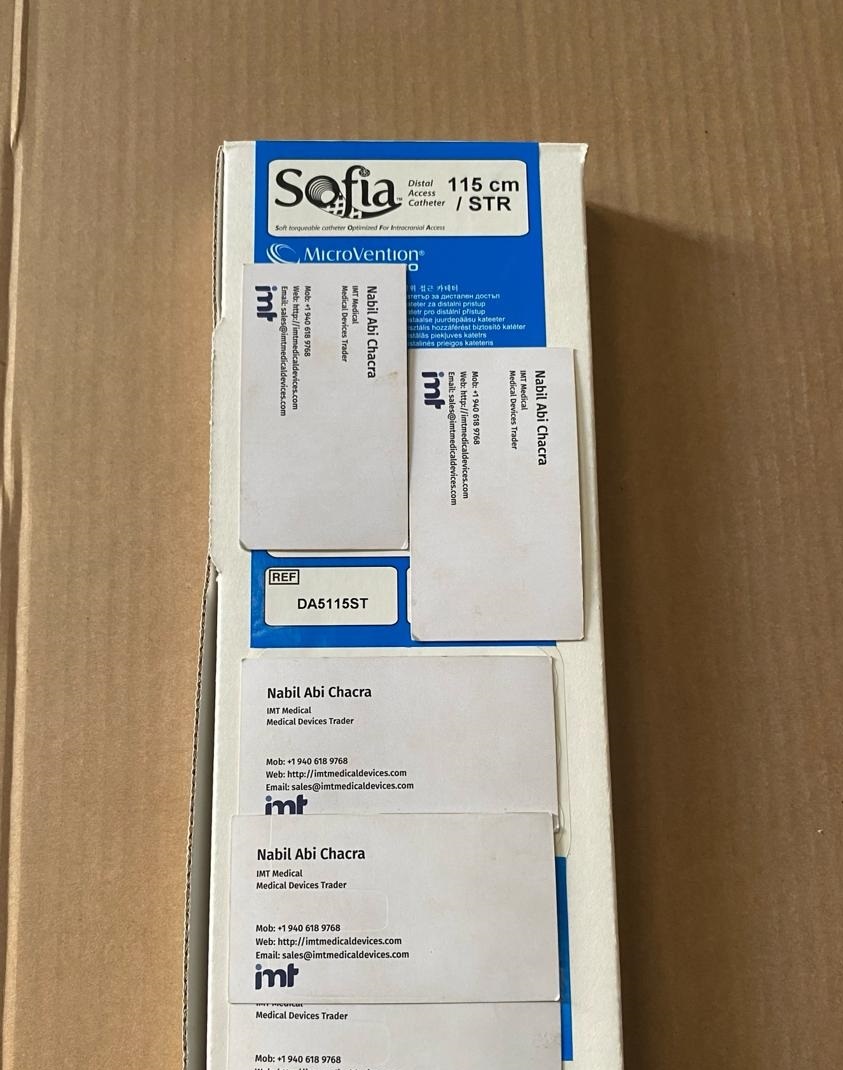
A specialized procurement buyer may begin with one category and then expand sourcing if the supplier proves reliable. That is where a multi-category wholesale partner can add practical value. Vascular closure devices are often ordered within a wider intervention purchasing plan that includes guidewires, catheters, balloons, stents, micro catheters, coils, aspiration devices, or surgical consumables.
Working with one supplier across recognized brands can simplify forecasting, quote management, and order consolidation. It does not solve every procurement issue, and in some cases buyers will still maintain separate direct channels for strategic categories. But for many organizations, especially those purchasing across departments or export markets, consolidation reduces time spent managing supplier fragmentation.
This is also useful for distributors. A distributor serving interventional accounts may need flexibility to source branded products across several procedure types rather than commit to a single narrow category supplier. In that context, breadth is not a marketing feature. It is an operational advantage.
What procurement teams should ask before placing an order
The right questions are practical. Can the supplier confirm exact branded product references? Can they support bulk or repeat-volume inquiries? Do they understand procedure-specific categories well enough to avoid substitution errors? Can they coordinate export requirements if the shipment is going outside the US or to another international destination?
It is also worth asking how the supplier handles mixed-category inquiries. A vascular closure device requirement may be part of a larger purchase request involving coronary, peripheral, or neurovascular products. A supplier prepared for that type of order is generally better suited to institutional buyers than one focused only on isolated transactions.
Commercial clarity matters too. Buyers usually need direct quote handling, not a retail-style checkout experience. That includes quantity-based offers, product confirmation, and communication that reflects wholesale procurement rather than consumer sales logic.
When the lowest price is not the best procurement decision
Price always matters, but closure device sourcing is not a simple lowest-bid exercise. If lower pricing comes with uncertain product provenance, weak SKU control, or poor continuity, the total procurement cost can rise quickly. Delays, internal re-approvals, and substitute-related confusion all consume time that purchasing teams do not have.
For branded interventional devices, reliability often has higher practical value than a marginal unit-price difference. That is especially true for facilities that need predictable supply for scheduled procedures or distributors managing commitments to professional customers.
A supplier such as IMT Medical Devices is strongest when it functions as a serious B2B sourcing partner: branded portfolio access, accurate product identification, export capability, and quote-driven support aligned with professional healthcare buying. That combination is usually more useful than broad claims unsupported by product and process discipline.
The better purchasing decision is usually the one that makes the next order easier, not just the current one cheaper. For vascular closure devices, that means choosing a supplier that can support exact brands, real volumes, and repeat procurement with fewer surprises.