
Choosing an Asahi Wire Distributor
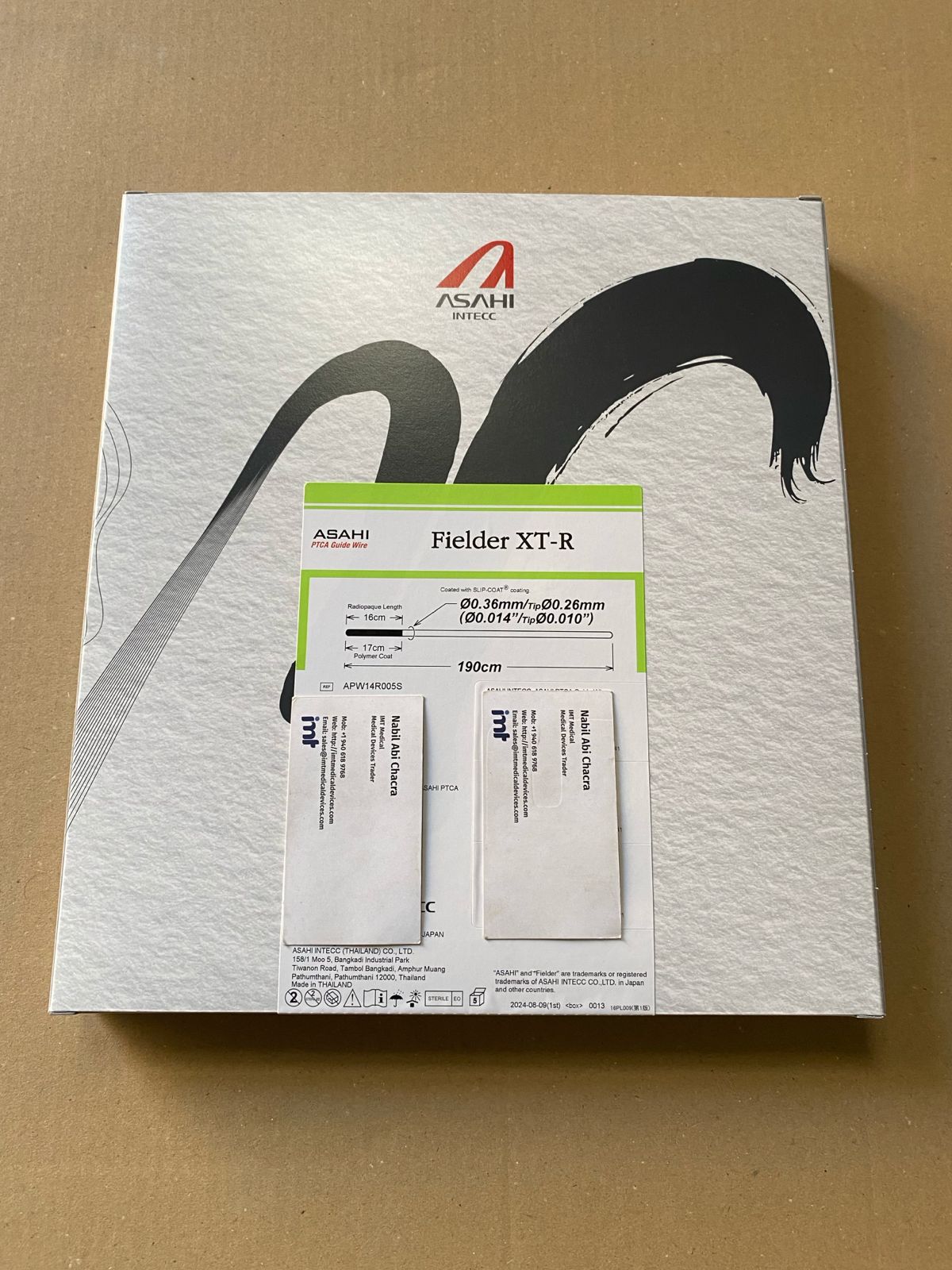
When a case schedule depends on a specific guidewire, procurement errors are not minor administrative issues. A qualified Asahi wire distributor helps reduce delays, protects product authenticity, and gives purchasing teams a practical path to source branded interventional inventory with fewer touchpoints.
For hospitals, cath labs, interventional radiology teams, and wholesale buyers, Asahi guidewires are not interchangeable line items. Selection is tied to lesion characteristics, physician preference, torque response, support profile, and procedural strategy. That is why distributor choice matters as much as product availability. The right supply partner understands nomenclature, handles quote-based volume requests efficiently, and can support cross-border procurement when local availability is limited.
What buyers should expect from an Asahi wire distributor
An Asahi wire distributor should do more than confirm that a brand is available. Professional buyers need exact product identification, commercially useful response times, and confidence that the offered inventory matches the requested specification. In practice, that means understanding product families, packaging conventions, and the difference between a broad brand inquiry and a precise SKU-level request.
In interventional purchasing, guidewire requests often arrive with narrow clinical and operational constraints. A lab may need a specific wire profile for coronary work, a purchasing team may need to align with existing physician preference cards, or a distributor may be replenishing stock for resale into multiple accounts. In each case, the supplier has to work accurately, not generically.
That accuracy becomes more important when buyers are consolidating orders across categories. If the same procurement cycle includes balloons, catheters, microcatheters, closure devices, or other branded intervention products, a distributor with broader portfolio access can simplify the transaction. That does not replace the need for wire-specific knowledge, but it does reduce the friction of multi-brand sourcing.
Why Asahi wire distribution is a specification-driven purchase
Guidewires are central to procedural workflow, and buyers already know that preferences can be highly specific. The commercial issue is that procurement teams are often managing requests generated by clinicians who expect continuity from case to case. A substitute that looks close on paper may not be acceptable in practice.
That is why Asahi wire distribution is less about brand recognition alone and more about specification discipline. Buyers typically need consistent item matching, dependable replenishment, and clear communication around availability. If any of those break down, the result is not just internal rework. It can affect scheduling, back-order planning, and physician confidence in the supply chain.
There is also a difference between a distributor that lists a brand and one that can actively support recurring procurement. Some suppliers can source occasionally, while others are structured to manage repeat quote requests, export documentation, and broader category purchasing. Which model is better depends on the buyer. A single-facility account with stable demand may prioritize responsiveness on a narrow product set. An international distributor or hospital network may place more value on consolidated sourcing and shipping coordination.
How to evaluate distributor fit before placing volume orders
The first point to check is product precision. Buyers should be able to submit either a clear SKU request or a detailed product description and receive a commercially useful response. A capable distributor will not blur categories or answer a wire inquiry with generic brand language. They should confirm the requested item with enough clarity to support internal approval and purchasing documentation.
The second point is supply continuity. Availability on a single quote is useful, but continuity matters more. If a product is needed repeatedly, buyers should understand whether the distributor can support recurring demand or only opportunistic supply. This is especially relevant for procedure-driven inventory where preference consistency matters over time.
The third point is export capability. For international buyers, this is often where supplier quality becomes visible. Cross-border medical device procurement involves shipping coordination, documentation accuracy, and practical experience moving branded products into different markets. A distributor that handles export regularly can save time by reducing preventable back-and-forth.
The fourth point is portfolio breadth. This is not mandatory for every buyer, but it often improves procurement efficiency. If a sourcing partner can supply Asahi wires alongside products from other major manufacturers used in interventional cardiology, peripheral intervention, neurovascular, surgical, and laboratory settings, purchasing teams can consolidate inquiries and reduce vendor fragmentation.
Common risks when sourcing branded guidewires
The most obvious risk is product mismatch. This can happen when the distributor does not work carefully with nomenclature, packaging, or item-level requests. In a clinical category where minor differences matter, a loose commercial process creates unnecessary exposure.
Another risk is fragmented communication. Procurement teams may receive partial answers on availability, pricing, lead times, or export handling from multiple contacts. That slows approvals and makes it harder to compare options internally. Buyers generally benefit from working with suppliers that can keep commercial communication concise and organized.
There is also the issue of authenticity and source confidence. Professional buyers are not just purchasing a wire. They are purchasing trust in the supply chain. That means the distributor should present as a serious branded-device source, not as a general trader with inconsistent access.
A less obvious risk is operational over-specialization. A niche supplier may know one category very well but create delays when the order expands beyond that category. On the other hand, a very broad supplier may not always offer the same level of wire-specific attention. The right choice depends on the purchase profile. If the requirement is a recurring wire-only program, specialization may be useful. If the requirement is a broader branded-device order, portfolio depth can be more valuable.
When a broader sourcing partner makes more sense
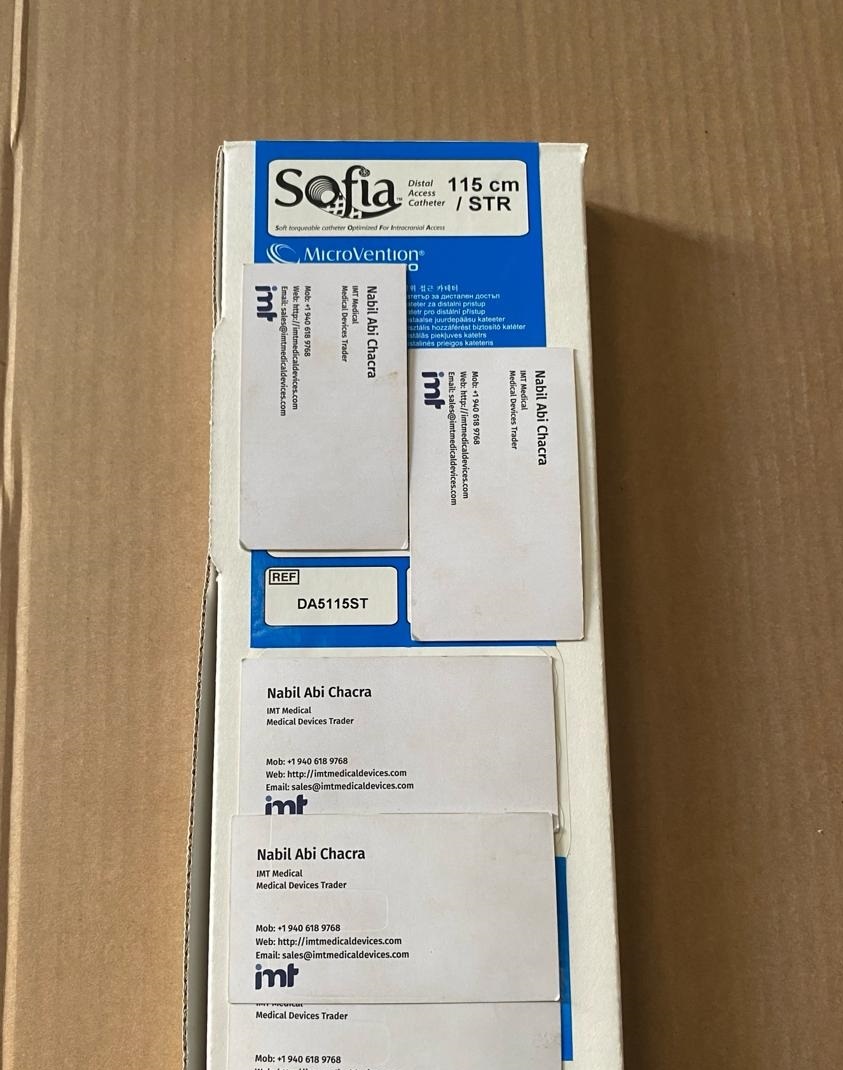
Many procurement teams do not buy guidewires in isolation. They buy for procedure sets, inventory plans, or distributor resale programs. In that environment, using one partner for multiple recognized brands can reduce administrative burden. A single inquiry that covers guidewires, catheters, balloons, microcatheters, coils, closure devices, or laboratory products is often easier to manage than splitting requests across multiple vendors.
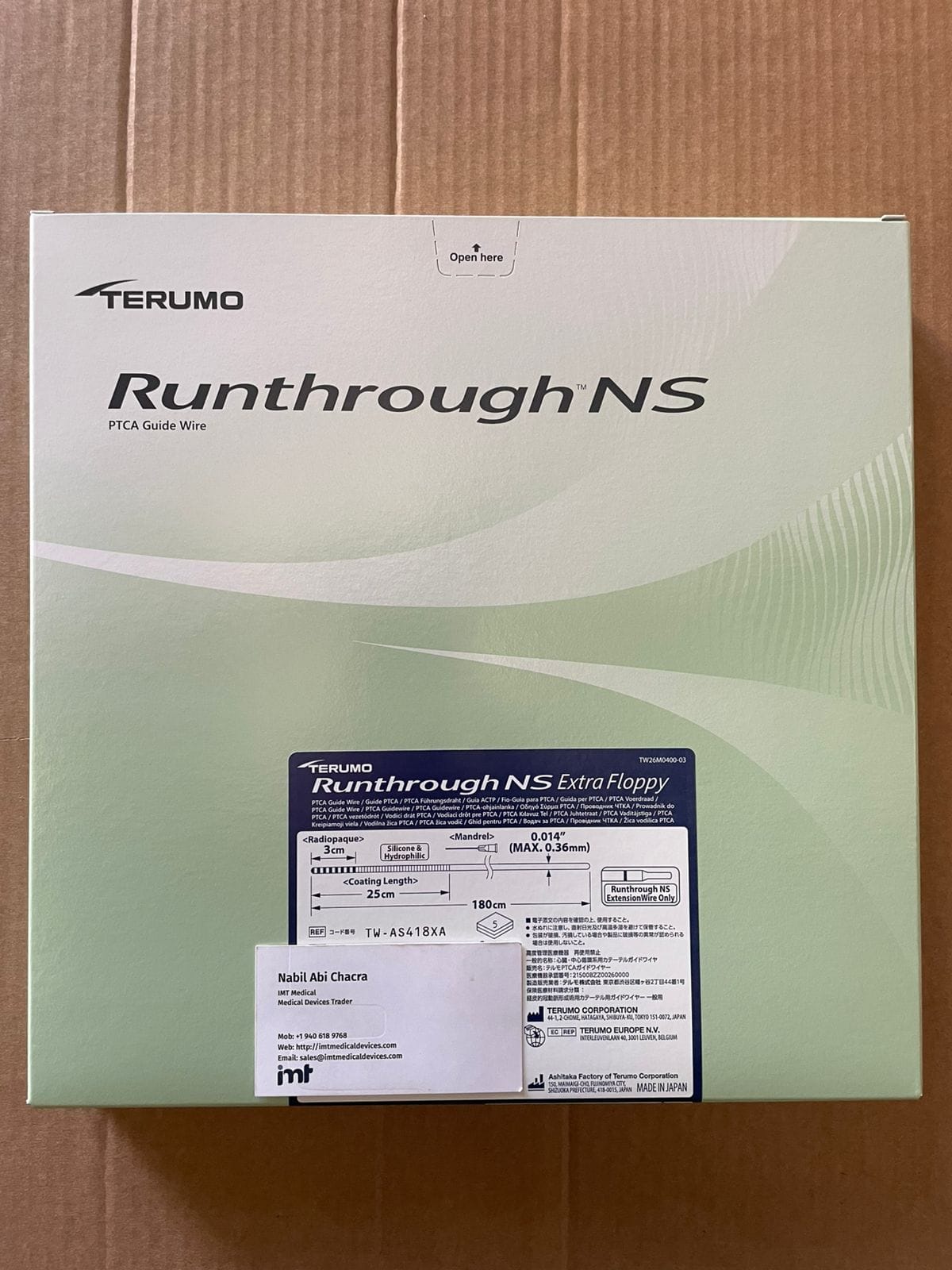
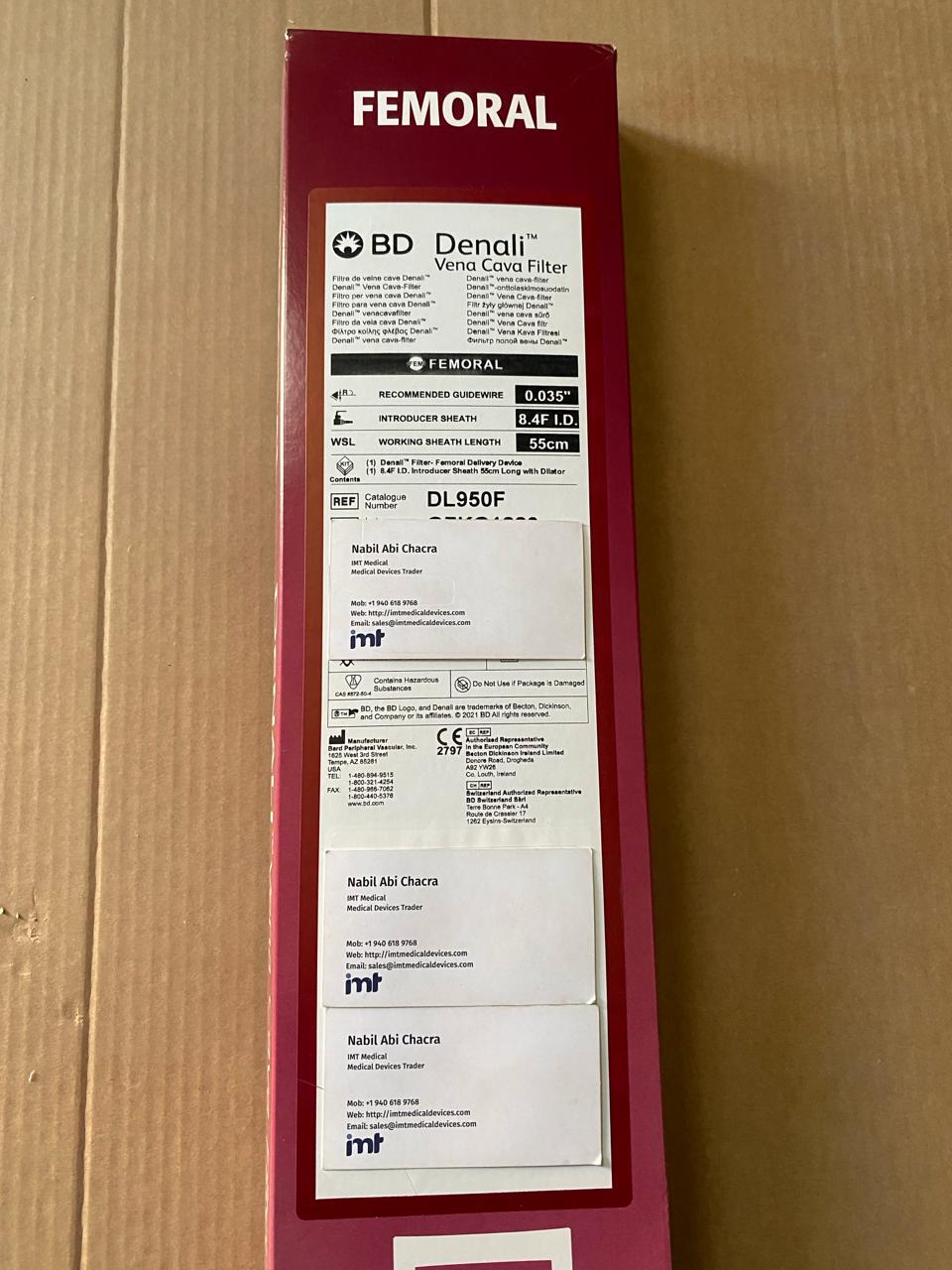
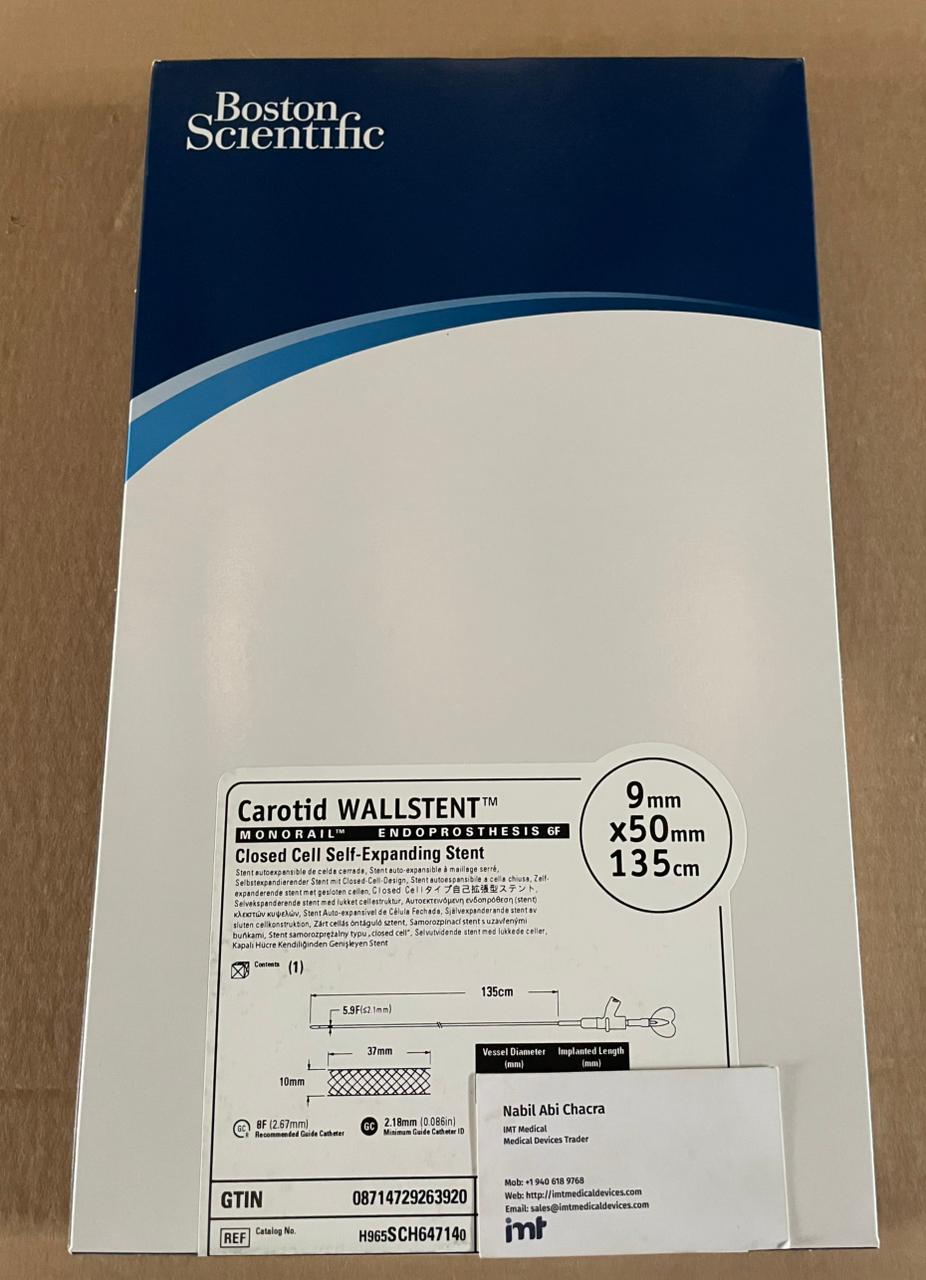
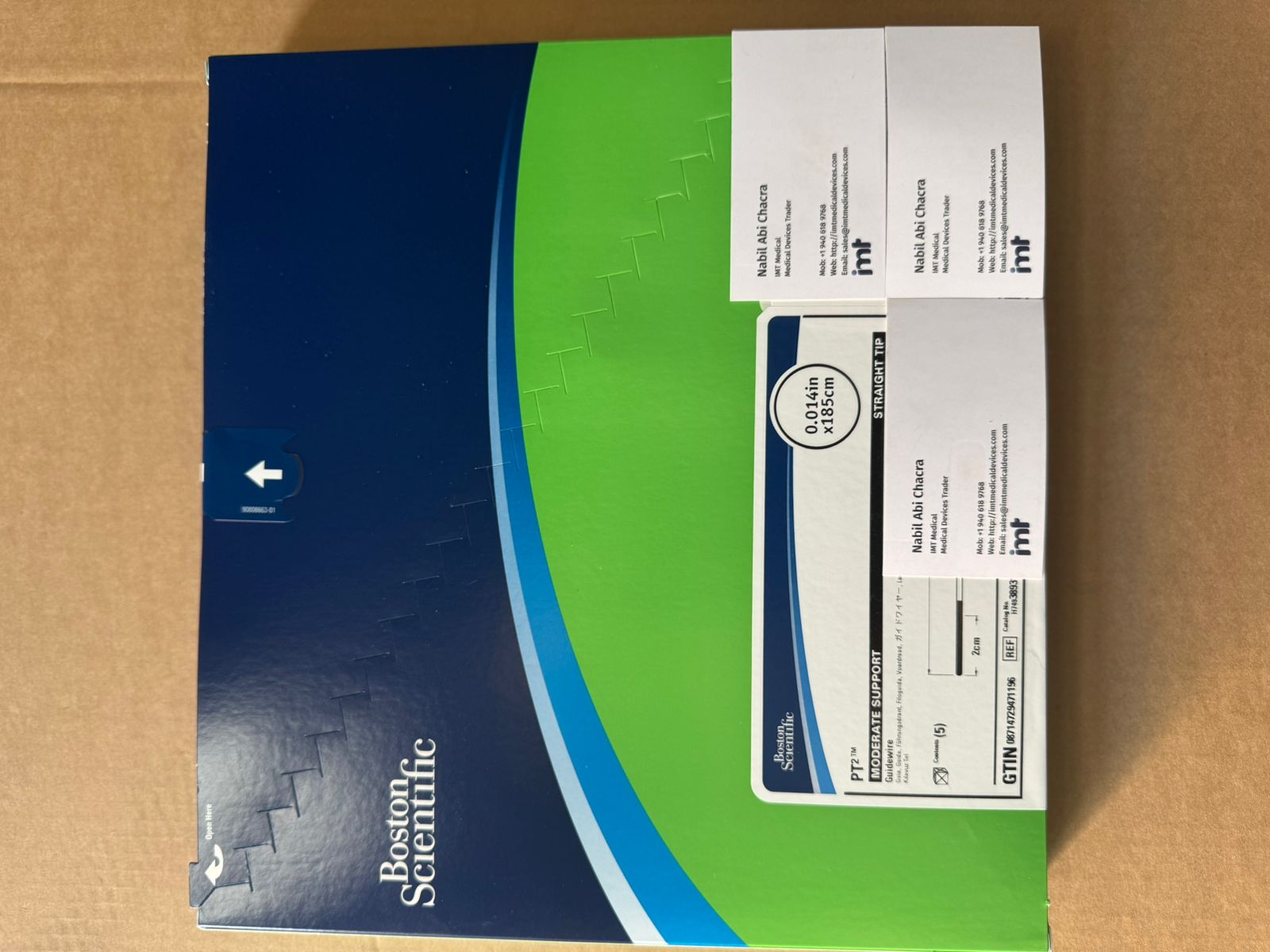
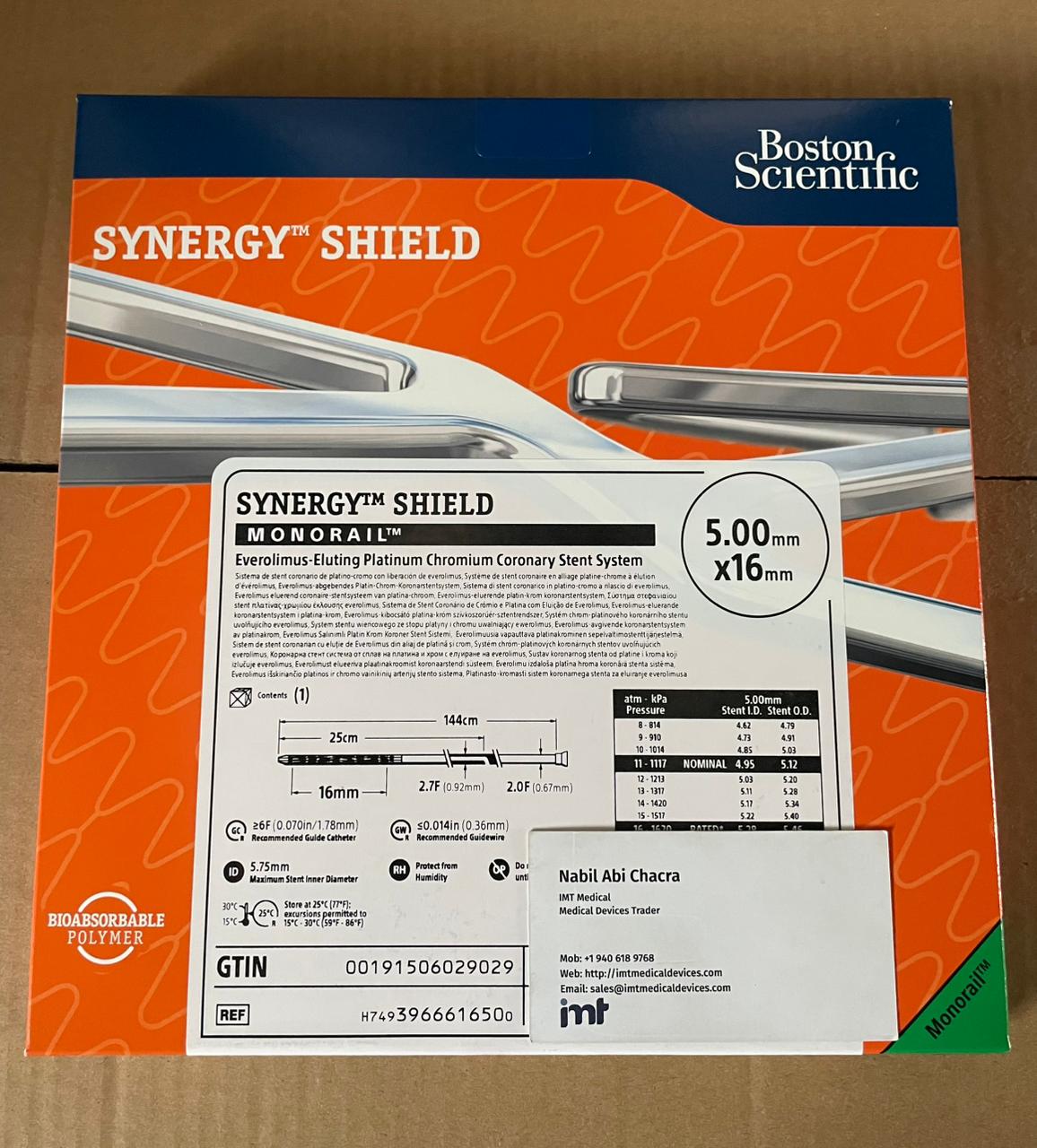
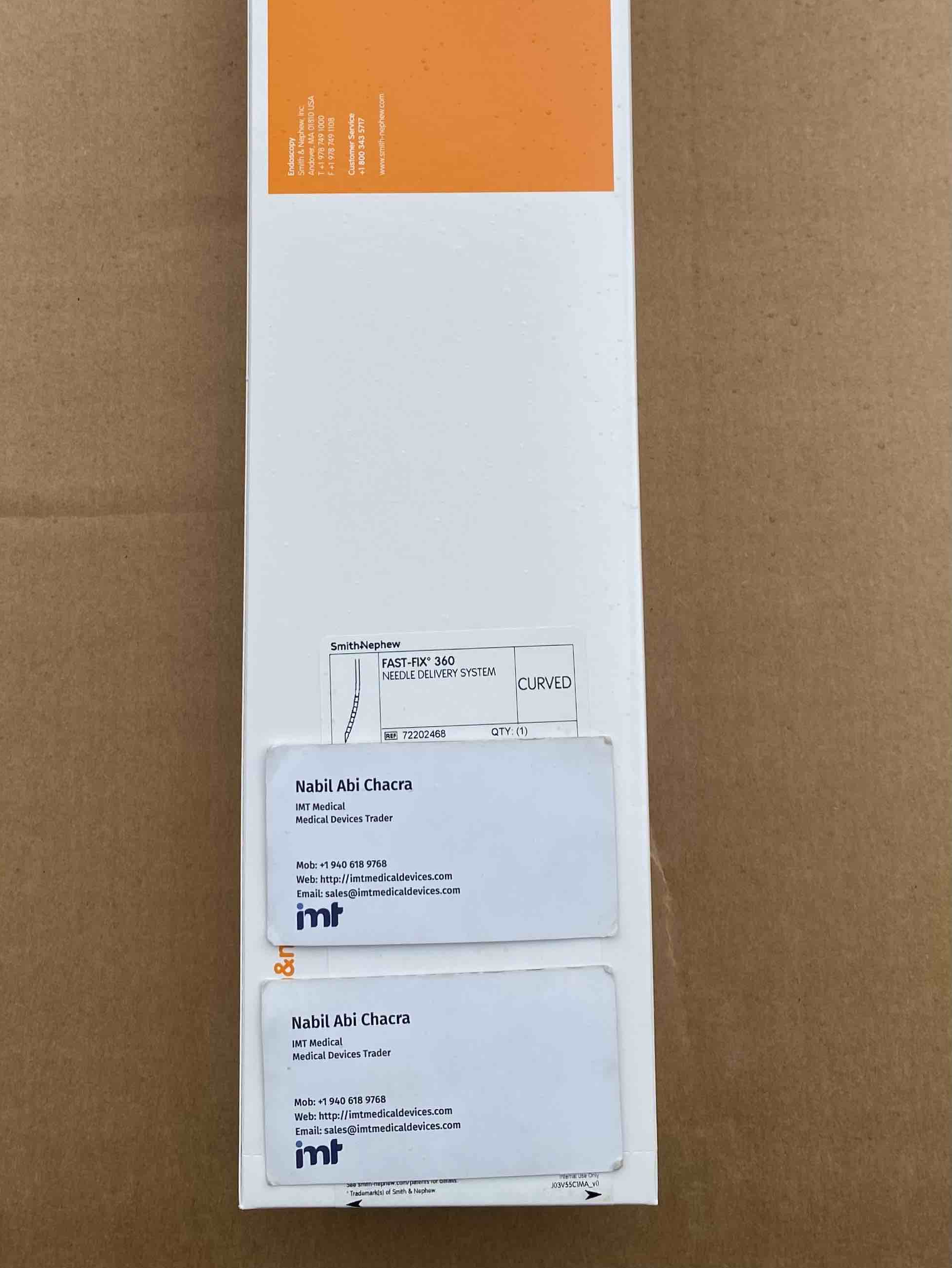
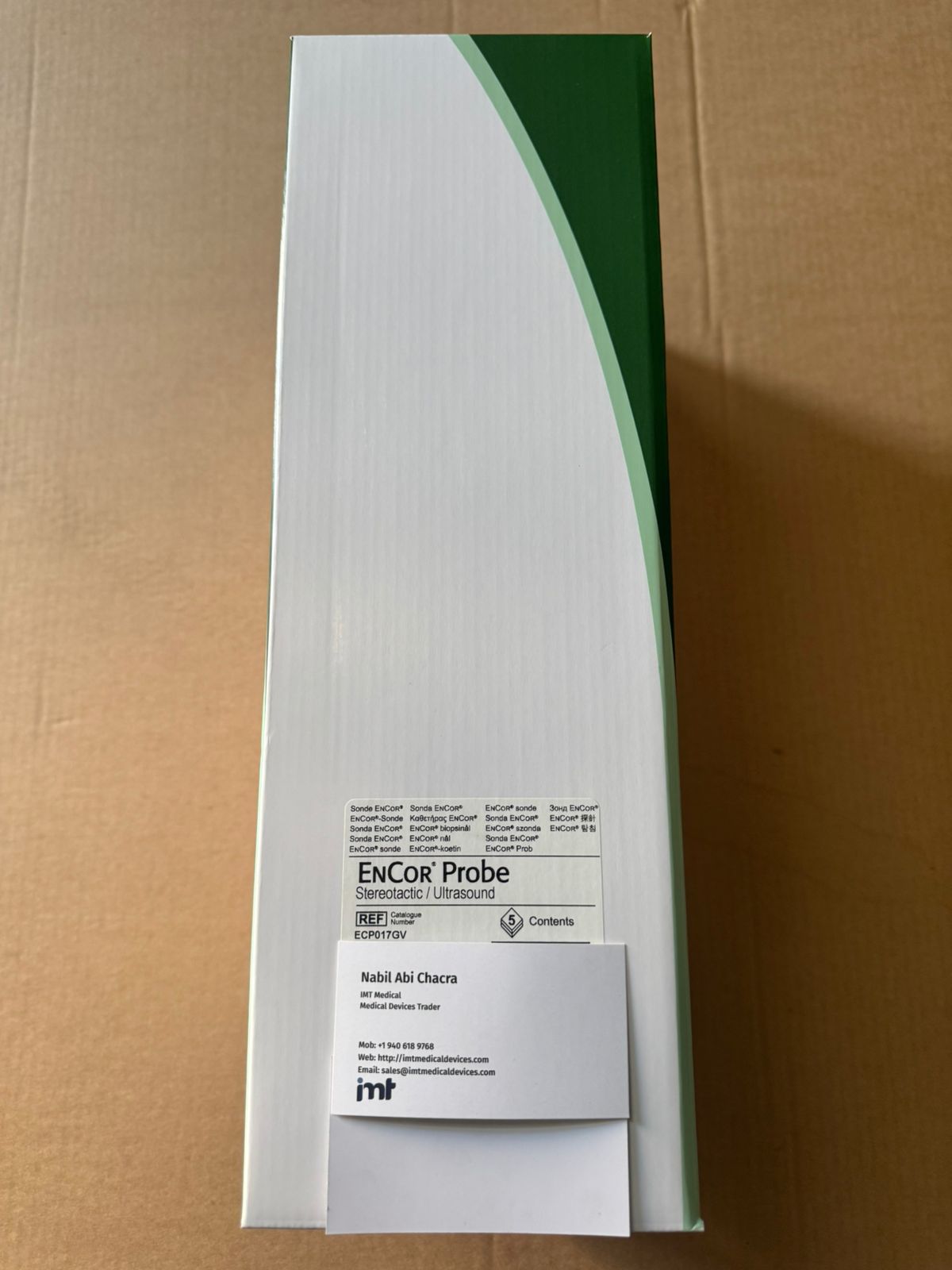
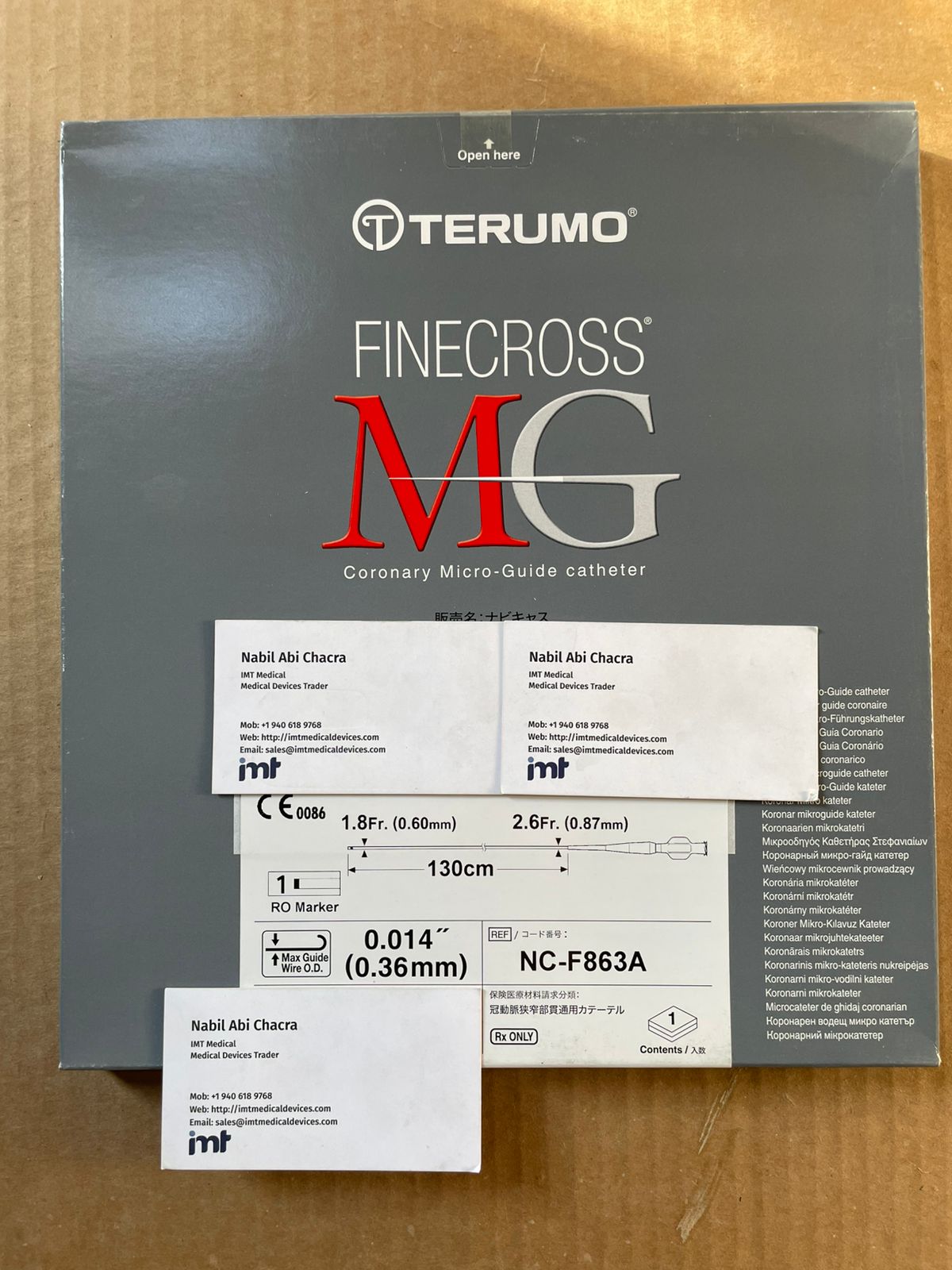
That is where a distributor with access to manufacturers such as Asahi, Terumo, Boston Scientific, Medtronic, Abbott, Cordis, BD, Ethicon, Siemens, Roche, Beckman Coulter, and Stryker can offer a practical advantage. The value is not only breadth for its own sake. It is the ability to align sourcing around actual hospital and distributor demand patterns.
For international buyers, this can be even more useful. A broader sourcing model can support mixed orders for different departments or end users while keeping procurement under one commercial workflow. IMT Medical Devices fits this model by focusing on branded wholesale medical products and export-oriented supply rather than local retail transactions.
Questions that matter before requesting a quote
Before engaging an Asahi wire distributor, buyers usually benefit from defining whether the inquiry is an immediate stock need, a recurring replenishment request, or part of a larger consolidated order. That affects how the supplier should respond and what internal data the buyer will need for approval.
It is also worth clarifying whether exact item numbers are available internally. If they are, the quoting process is generally faster and cleaner. If not, the supplier should still be able to work from precise product descriptions, but the transaction may require additional confirmation.
Finally, buyers should think about the full procurement path, not only unit availability. If the order will require export handling, multiple brand lines, or repeated purchasing over time, those factors should be raised at the beginning. The best commercial outcomes usually come from treating the distributor as a sourcing partner, not just a one-time seller.
A dependable distributor does not need excessive sales language to be useful. Buyers need accurate product handling, recognized brand access, and a supply process that respects the realities of interventional procurement. When those pieces are in place, sourcing Asahi wires becomes simpler, faster, and easier to scale.