
Cordis Distributor for Cath Lab Supply
A Cordis distributor matters most when a case is scheduled, the required SKU is already specified, and the local channel cannot supply it on time. For cath labs, specialty hospitals, and independent distributors, the issue is rarely brand preference alone. It is whether the exact Cordis item can be sourced accurately, quoted quickly, and delivered without avoidable delays.
That is the practical standard buyers use. If you are evaluating a sourcing partner for branded interventional devices, the decision usually comes down to inventory visibility, part-number precision, and response speed. With Cordis products used across cardiovascular and peripheral interventions, mistakes at the quote stage can create procedural risk, internal purchasing friction, and unnecessary back-and-forth.
What buyers expect from a Cordis distributor
A serious Cordis distributor is not judged by broad claims. Buyers want a supplier that can work from exact references, confirm branded product identity, and keep communication tight. In procurement terms, this means the distributor should be able to process manufacturer names, product families, and exact codes without ambiguity.
That standard is especially relevant when the request comes from a cath lab team that already knows the product required. They are not looking for general education. They are trying to match a physician preference, a procedure plan, or a previously approved item. If the distributor cannot align the quote to the exact specification, the transaction slows down immediately.
Cordis demand often sits inside time-sensitive workflows. A hospital may need to replace a local source that is out of stock. A competing distributor may need access to branded inventory not available through its usual route. A physician may ask for a known product configuration because familiarity matters during the case. In all three situations, the distributor is expected to be operationally useful, not promotional.
Why exact product identification matters
With interventional devices, close is not good enough. Buyers typically work from product names, reference numbers, and clinical categories such as coronary, peripheral, or vascular access. If a quote is built around a partial description instead of the exact item requested, the buyer has to spend time checking every line.
That extra verification costs more than a few emails. It can delay internal approvals, create confusion between departments, and increase the chance of ordering the wrong configuration. For hospitals, that affects procedure scheduling and stock planning. For distributors, it affects margin, credibility, and resale timelines.
A dependable process starts with exact identifiers. If the request says Cordis and includes the specific part number, the distributor should respond against that code first. If there is any discrepancy, it should be flagged clearly before the quote is finalized. Procurement teams prefer direct language here: available, not available, alternate under review, or lead time pending confirmation.
Stock visibility is more valuable than broad catalogs
Many suppliers can list brands. Fewer can support urgent sourcing with useful stock information. For a buyer, the difference is obvious. A broad catalog may help with product discovery, but it does not solve an immediate shortage unless it is backed by real availability or a credible replenishment path.
That is why hospitals and specialty buyers often move away from local distributor dependency when service levels weaken. They are not necessarily looking to change standards. They are trying to preserve continuity with the same branded devices and avoid procedural disruption.
For Cordis sourcing, stock visibility should answer practical questions fast. Is the requested SKU available now? If not, is there incoming supply? Is the quoted lead time confirmed or estimated? Can the seller support repeat ordering if the first shipment performs well? Those answers shape buyer confidence far more than generic claims about service.
How procurement teams evaluate a Cordis distributor
Most experienced buyers use a simple filter. First, can the distributor identify the exact product requested without corrections? Second, can they quote in a way that matches procurement workflow, including part number, quantity, and lead time? Third, can they maintain consistency if the account becomes repeat business?
Price matters, but price alone rarely settles the decision for interventional products. If a lower quote introduces uncertainty around product identification, packaging details, or dispatch timing, procurement teams often treat that savings as fragile. The true cost shows up later in delays, claim handling, or replacement orders.
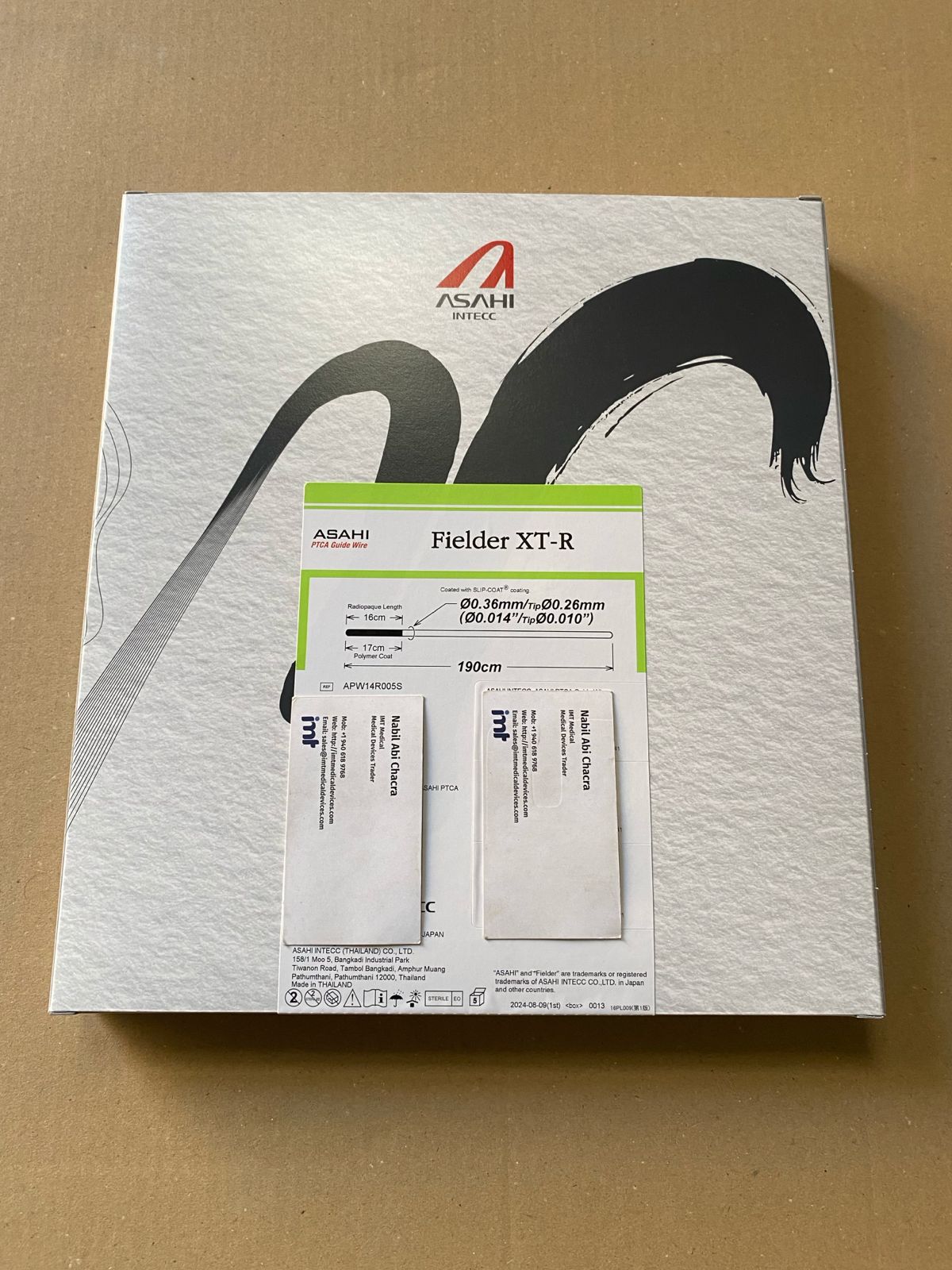
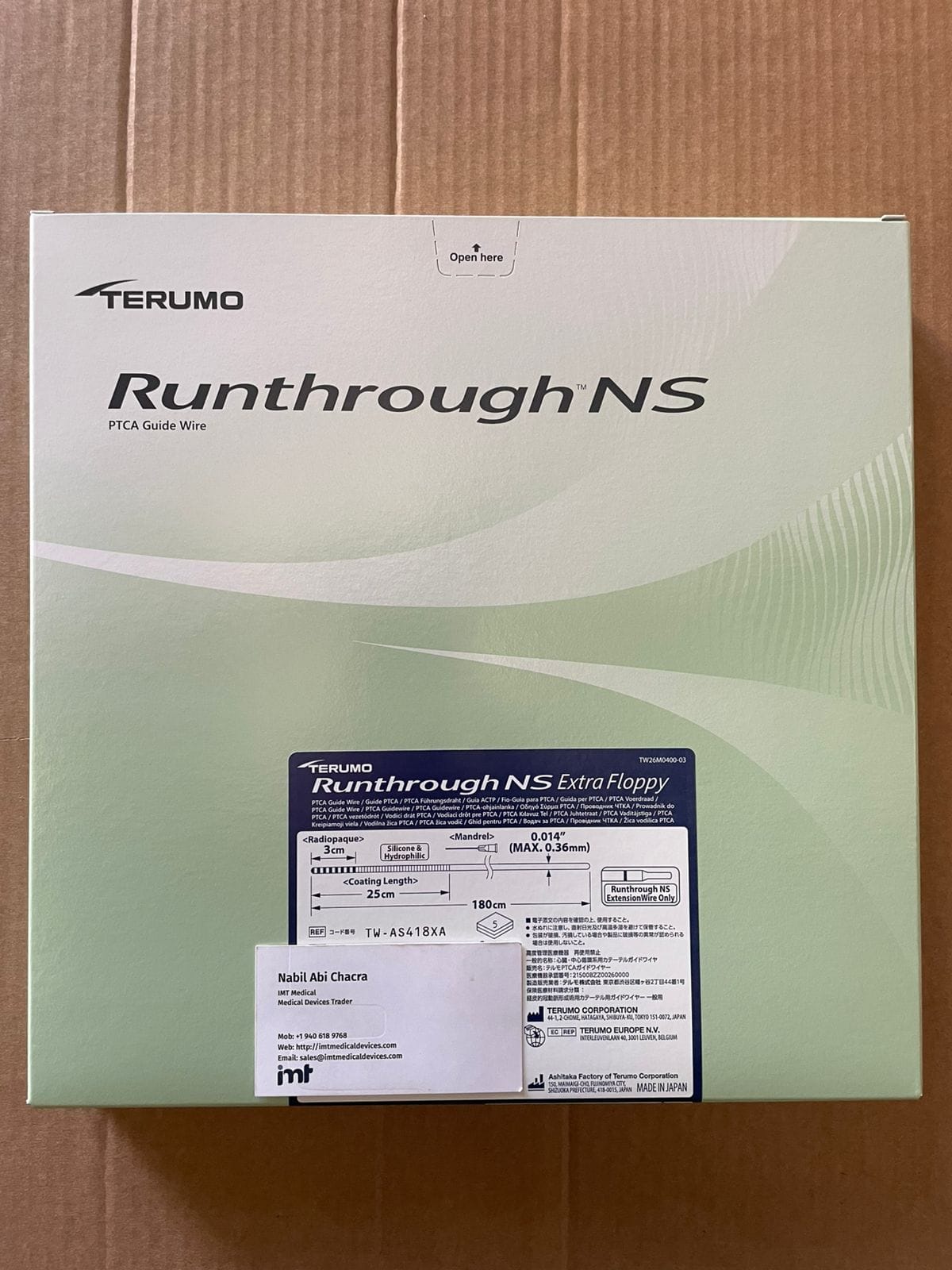
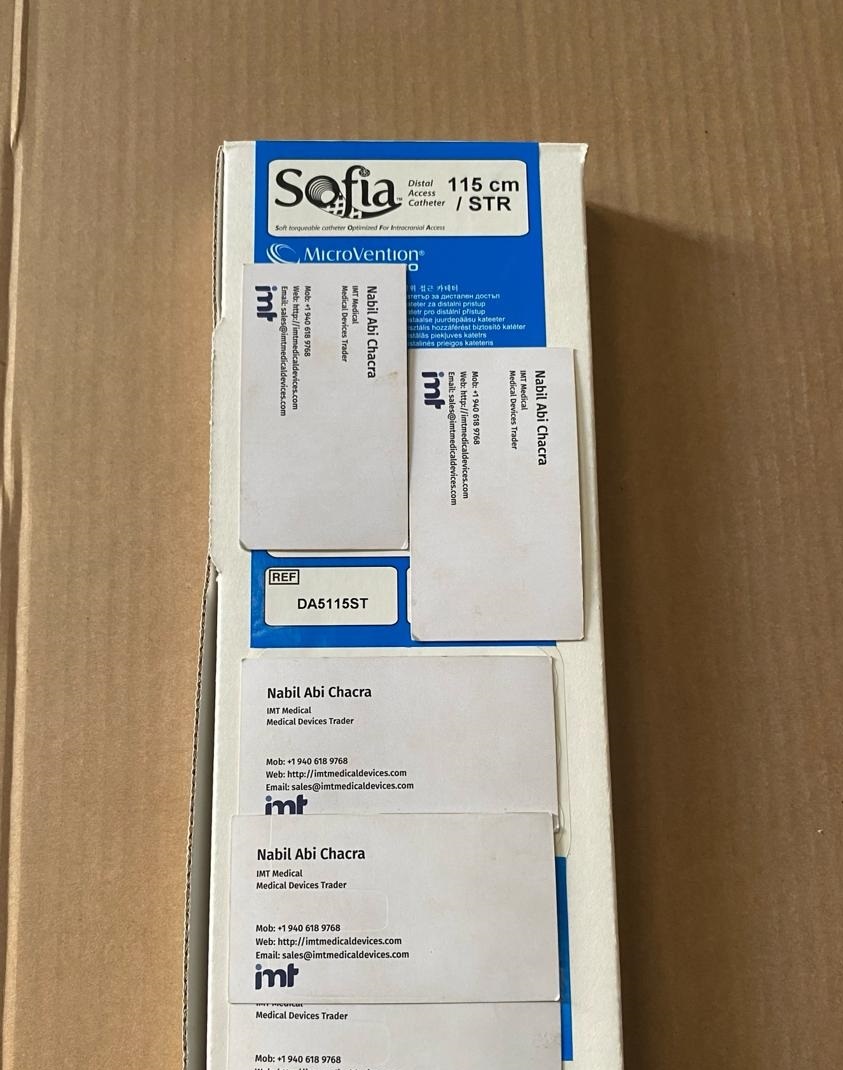
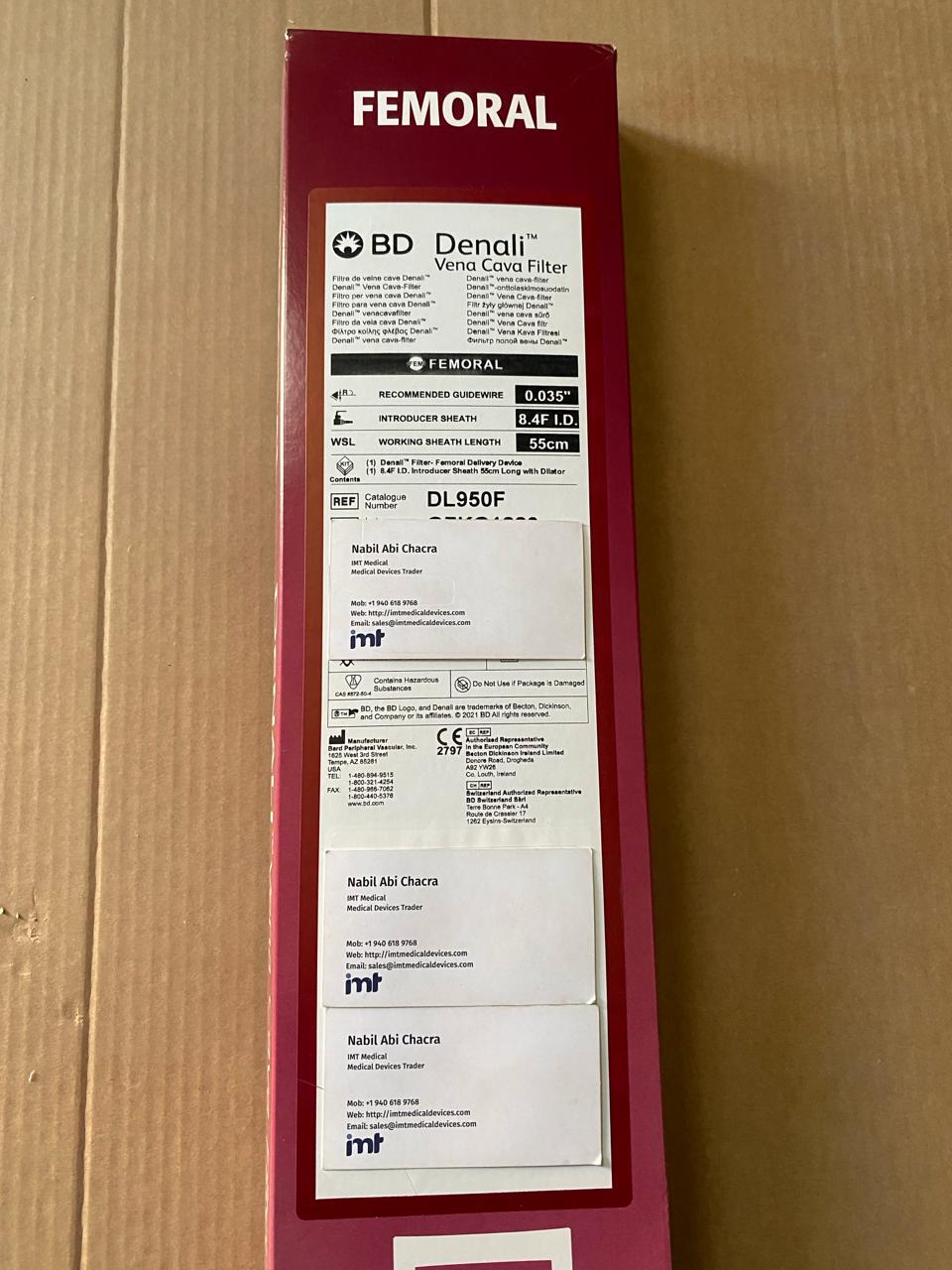
This is also why branded sourcing matters. Buyers in cardiovascular, peripheral vascular, and neurovascular settings generally want manufacturer-recognized products, not vague equivalents. A transactional supplier should be comfortable working at that level of specificity across known brands such as Cordis, Medtronic, Boston Scientific, Asahi, MicroVention, Terumo, and Abbott, depending on the procedure and account need.
When a secondary sourcing channel makes sense
There is a practical reason hospitals, physicians, and competing distributors look beyond incumbent local channels. It usually starts with one of three issues: allocation, slow quote turnaround, or poor account support. In those cases, a secondary sourcing channel is not a workaround. It becomes a continuity tool.
This is common in markets where access to branded interventional inventory can vary by distributor relationship or country-level availability. Buyers across Gulf countries, Latin America, and parts of Asia often need alternatives when local supply is inconsistent or commercially restrictive. The requirement is straightforward: keep access to the requested brand and exact configuration without losing time.
A capable sourcing partner should understand that the buyer may already have internal approvals, physician acceptance, and budget alignment for a specific Cordis item. The distributor's role is to support that purchasing path efficiently, not redirect it unless there is a real supply constraint.
What to include in a Cordis quote request
The fastest quote requests are precise. If you are contacting a Cordis distributor, include the exact product name, reference number, required quantity, and destination country. If you have target timing, state it clearly. If the request is tied to an upcoming case or urgent replenishment, that should be visible at the start.
It also helps to specify whether you will accept only the requested SKU or whether reviewed alternatives can be considered if availability changes. That small detail reduces unnecessary back-and-forth. Procurement teams often know the answer already, but if it is not stated, the distributor has to guess.
The best quote interactions are short and exact. Buyers want a response they can forward internally without rewriting. That means clean line items, exact identifiers, and direct status notes rather than long sales language.
Cordis distributor support across procedure categories
Cordis demand does not sit in one narrow lane. Depending on the account, requests may connect to coronary and peripheral workflows, vascular access, or adjunct devices used in high-acuity interventions. The sourcing challenge is not only finding a brand. It is keeping the product catalog organized in a way that mirrors how hospitals and distributors actually buy.
That is why category logic matters. Buyers tend to search by procedure type first, then narrow by brand and exact item. A distributor handling interventional supply professionally should be able to support that behavior with product-indexed quoting, clear brand recognition, and minimal confusion between similar lines.
At IMTmedicaldevices.com, that approach is built around branded interventional sourcing for cath labs and specialty hospitals, with quote-driven access to products from Cordis and other major manufacturers. For buyers who already know what they need, that model reduces delay and keeps the transaction close to how procurement is actually executed.
The trade-off between flexibility and control
There is one trade-off worth stating plainly. A buyer that relies on secondary or international sourcing can gain flexibility and access, but that only works if the distributor is disciplined about documentation and communication. Without that discipline, more sourcing options can create more verification work.
That is why the best distributor relationships are usually narrow at the beginning. One or two successful orders matter more than a large vendor promise. Once the buyer sees accurate quoting, dependable dispatch handling, and repeatable communication, broader purchasing becomes easier.
For Cordis procurement, that measured approach is practical. Start with the exact item needed. Verify the response quality. Then decide whether the supplier can support wider branded requirements across the cath lab or specialty service line.
If you are sourcing against a live requirement, the useful next step is simple: send the exact Cordis part number, quantity, and ship-to country, then judge the distributor by the clarity of the reply.