Global Medical Devices Export: A Professional Guide
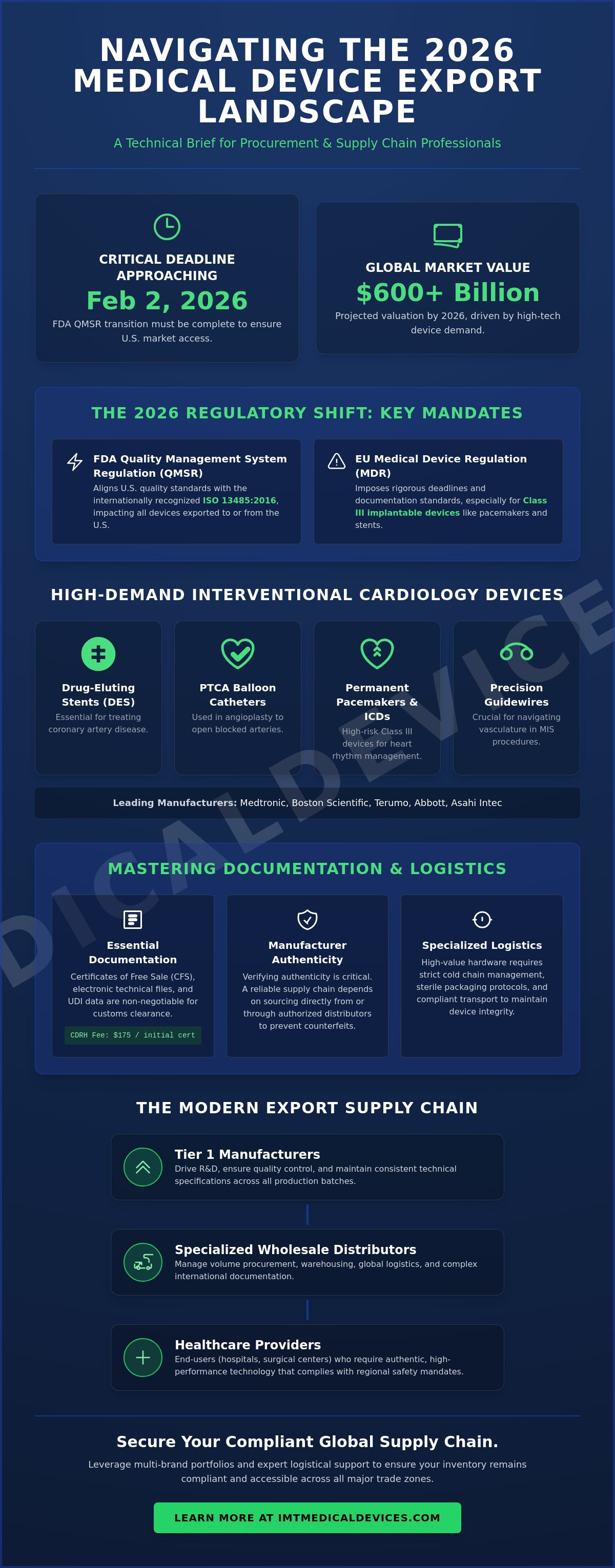
By February 2, 2026, the medical devices export sector must transition to the new FDA Quality Management System Regulation (QMSR) to maintain access to the $600 billion global market. Most procurement officers recognize that navigating these regulatory pivots, alongside the 2026 EU MDR deadlines for Class III devices, requires more than just standard freight forwarding. It demands a specialized understanding of ISO 13485:2016 alignment and rigorous documentation standards for high-risk hardware. Maintaining a reliable supply chain depends on your ability to verify manufacturer authenticity and manage electronic technical files for international customs.
This guide delivers a technical analysis of international trade frameworks, specialized cold chain logistics, and B2B procurement for Tier 1 clinical technology. We examine the logistical requirements for transporting sensitive items like drug-eluting stents, PTCA balloon catheters, and permanent pacemakers while ensuring full compliance with UDI mandates. You'll gain a clear overview of current export fee structures, such as the $175 CDRH certificate fee, and manufacturer-specific distribution protocols for brands like Asahi Intec, Terumo, and Boston Scientific. This professional briefing ensures your inventory remains compliant and accessible across all major trade zones.
Key Takeaways
- Analyze the 2026 regulatory shifts affecting the medical devices export sector, focusing on FDA QMSR and EU MDR compliance for Class III implants.
- Identify high-demand product categories, including Drug-Eluting Stents (DES) and permanent pacemakers from leading manufacturers like Medtronic, Terumo, and Boston Scientific.
- Ensure logistical integrity through specialized cold chain management and sterile packaging protocols for high-value interventional hardware.
- Streamline international customs clearance by mastering essential documentation, such as Certificates of Free Sale (CFS) and electronic technical files.
- Optimize B2B procurement strategies by leveraging multi-brand portfolios for consolidated, reliable global supply chain solutions.
Global Medical Devices Export: Market Overview and Demand Drivers
The medical devices export industry operates as a multi-layered logistical and regulatory framework. It's more than moving boxes. It's about ensuring a PTCA Balloon Catheter manufactured in one region meets the strict Class III implantable standards of another. The global definition of a medical device encompasses a vast range of clinical technology. This includes everything from diagnostic guide wires to permanent pacemakers and complex surgical staplers.
Current market data for 2026 places the global valuation between $604.99 billion and $735.12 billion. This scale is maintained by specific demographic and technical drivers. Aging populations in North America and Europe increase the frequency of cardiovascular interventions. Meanwhile, healthcare infrastructure expansion in the Asia-Pacific region accelerates the demand for peripheral stents and electrophysiology catheters. The industry's pivot toward minimally invasive surgery (MIS) is a primary catalyst. MIS requires specialized, high-precision hardware that only Tier 1 manufacturers can provide at scale.
Key Stakeholders in the Export Supply Chain
Successful international trade requires synergy between three distinct groups. Efficiency depends on clear communication and technical alignment between these entities:
- Manufacturers: Entities like Medtronic, Boston Scientific, and Terumo drive the sector through R&D. They ensure that technical specifications and quality codes remain consistent across production batches.
- Wholesale Distributors: These partners manage the complexities of volume-based procurement. They provide the warehouse capacity and logistical reach necessary to bridge the gap between manufacturer production lines and international markets.
- Healthcare Providers: Hospitals and surgical centers are the end-users. Their priority is the acquisition of authentic, high-performance technology that complies with regional safety mandates.
Market Trends in Interventional Cardiology
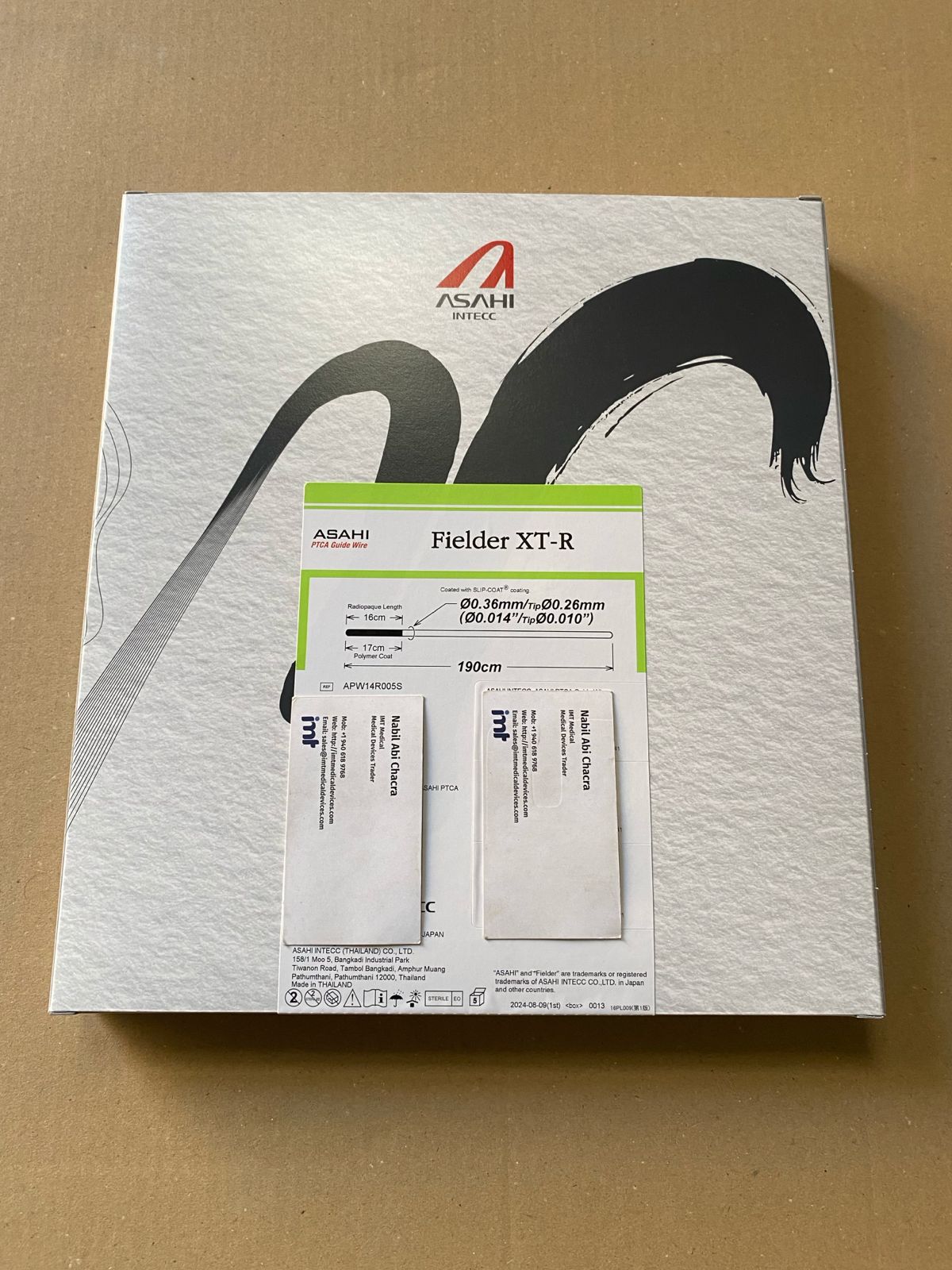
Cardiology remains the dominant segment in the medical devices export landscape. The industry is seeing a massive surge in demand for Drug-Eluting Stents (DES) and PTCA Balloon Catheters. This is largely due to the global adoption of radial access procedures. Precision vascular wires and Asahi Intec guidewires are now standard requirements for modern cath labs. Strategic medical device distribution is the only way to meet this localized demand. Without efficient wholesale partners, specialized items like electrophysiology catheters or implantable cardioverter defibrillators (ICDs) would remain inaccessible in many regions. The focus has shifted from simple availability to technical precision and manufacturer-verified authenticity.
Navigating Regulatory Compliance and International Export Documentation
Regulatory compliance in medical devices export requires strict adherence to international safety standards. By February 2, 2026, all manufacturers must align with the FDA Quality Management System Regulation (QMSR). This shift aligns U.S. standards with ISO 13485:2016. Regulatory verification requires confirming the device classification first. High-risk Class III devices, such as implantable cardioverter defibrillators (ICDs) and permanent pacemakers, face the highest level of scrutiny. Procurement professionals must verify that each item carries a valid Unique Device Identification (UDI) for global traceability.
Essential Export Certificates and Permits
Validating the legal status of hardware for international marketing requires specific documentation. The Center for Devices and Radiological Health (CDRH) issues certificates via the CECATS system. Export documentation for medical devices often includes the Certificate to Foreign Government (CFG). This document confirms the product is legally marketed in the U.S. and the manufacturing facility is in compliance. Certificates are now issued as downloadable PDFs. The fee structure is $175.00 for the initial certificate and $85.00 for subsequent copies in the same request.
For European market entry, the EU MDR (2017/745) transition ends in 2026 for Class III and IIb implantable devices. A valid CE Certificate is mandatory. In many jurisdictions, these documents require an Apostille or notarization for legal recognition. Without these verified seals, customs authorities in transit hubs may reject shipments of sensitive cardiology equipment. Our team provides compliance-verified procurement solutions that simplify these multi-jurisdictional requirements.
Customs and Regulatory Compliance Management
Accurate Harmonized System (HS) codes are vital for clearing customs without delays. Misclassification of a drug-eluting stent or a PTCA balloon catheter leads to impoundment. Exporters must manage specific restrictions for devices containing batteries. ICDs and pacemakers fall under dangerous goods regulations for air freight due to lithium components. Documentation packages for international clearance must include:
- Commercial Invoice with precise manufacturer technical identifiers.
- Packing List detailing sterile batch numbers and UDI codes.
- Certificate of Analysis (CoA) or Certificate of Conformity (CoC).
- Electronic Technical Files for local health authority review.
Adherence to manufacturer-specific export protocols ensures that authorized distribution rules are respected. This maintains the warranty and technical support integrity for brands like Medtronic and Boston Scientific during cross-border transit. Professional exporters provide the necessary bridge between Tier 1 production standards and local regulatory demands.
Core Product Categories in High-Volume Export Trade
High-volume trade in the medical devices export sector is concentrated in interventional cardiology and cardiac rhythm management. These categories represent the highest technical complexity and regulatory oversight. Demand remains consistent for Class III implantable devices. Precision is mandatory. Scale is critical. Procurement professionals prioritize hardware that meets both clinical efficacy and international safety standards.
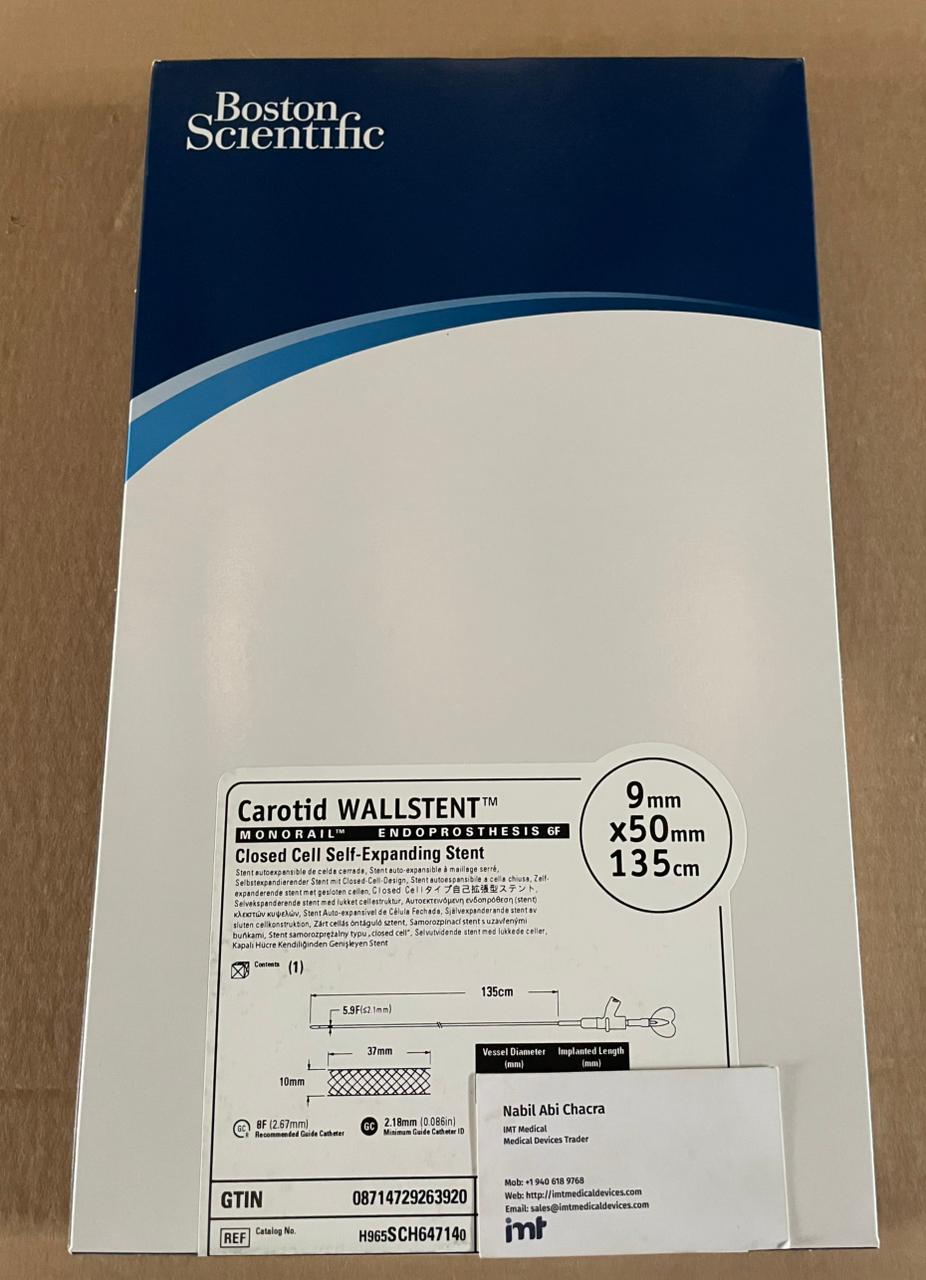
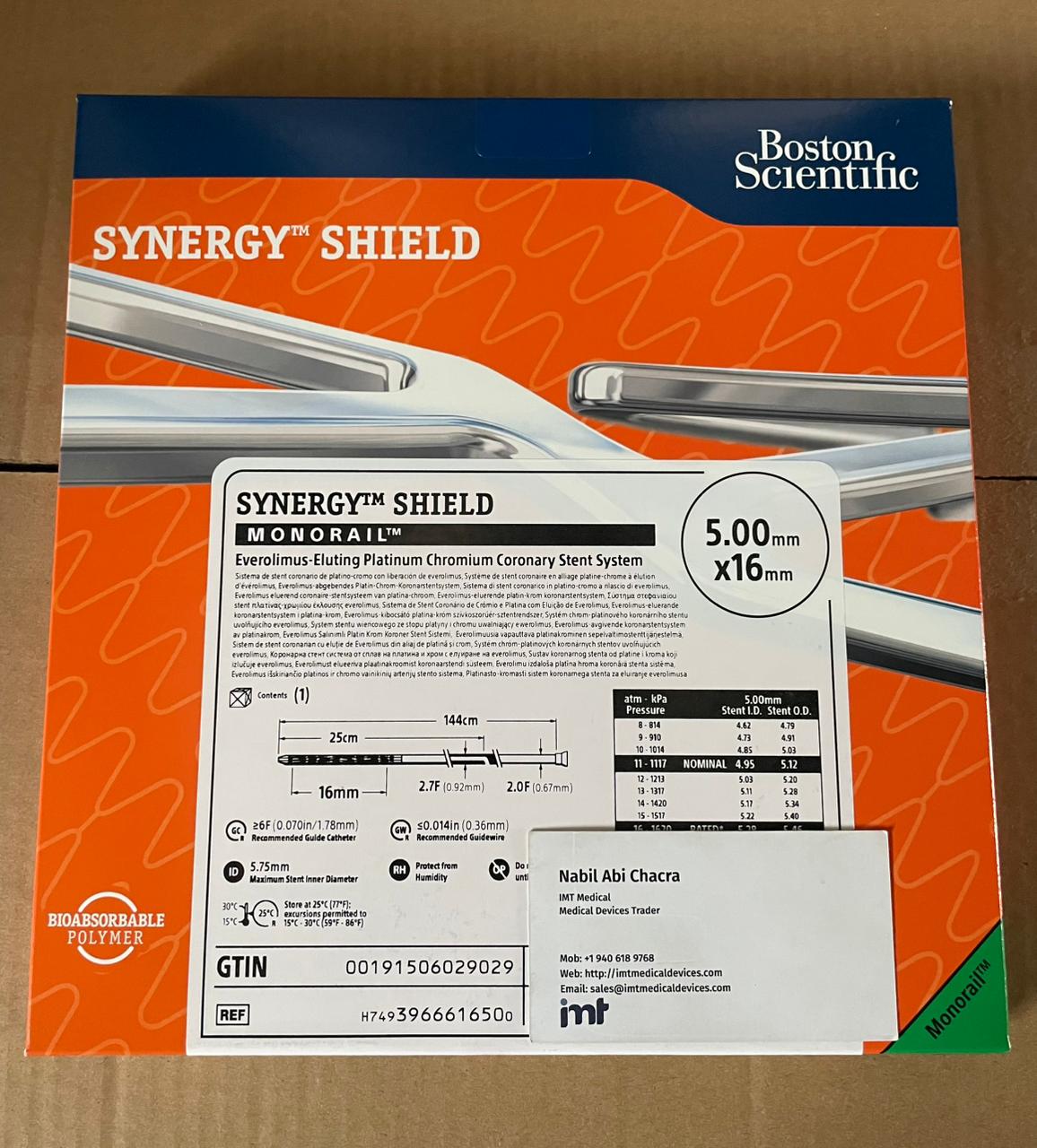
Interventional cardiology relies on the high-volume movement of Drug-Eluting Stents (DES) and PTCA Balloon Catheters. These items are primary trade drivers for international distributors. Procurement centers prioritize the latest generation DES platforms due to improved clinical outcomes. Parallel to these, the cardiac rhythm management segment focuses on the logistics of permanent pacemakers and ICDs. These devices require specialized handling. They contain sensitive electronics and integrated power sources. International manifests must reflect these technical realities to ensure safe transit.
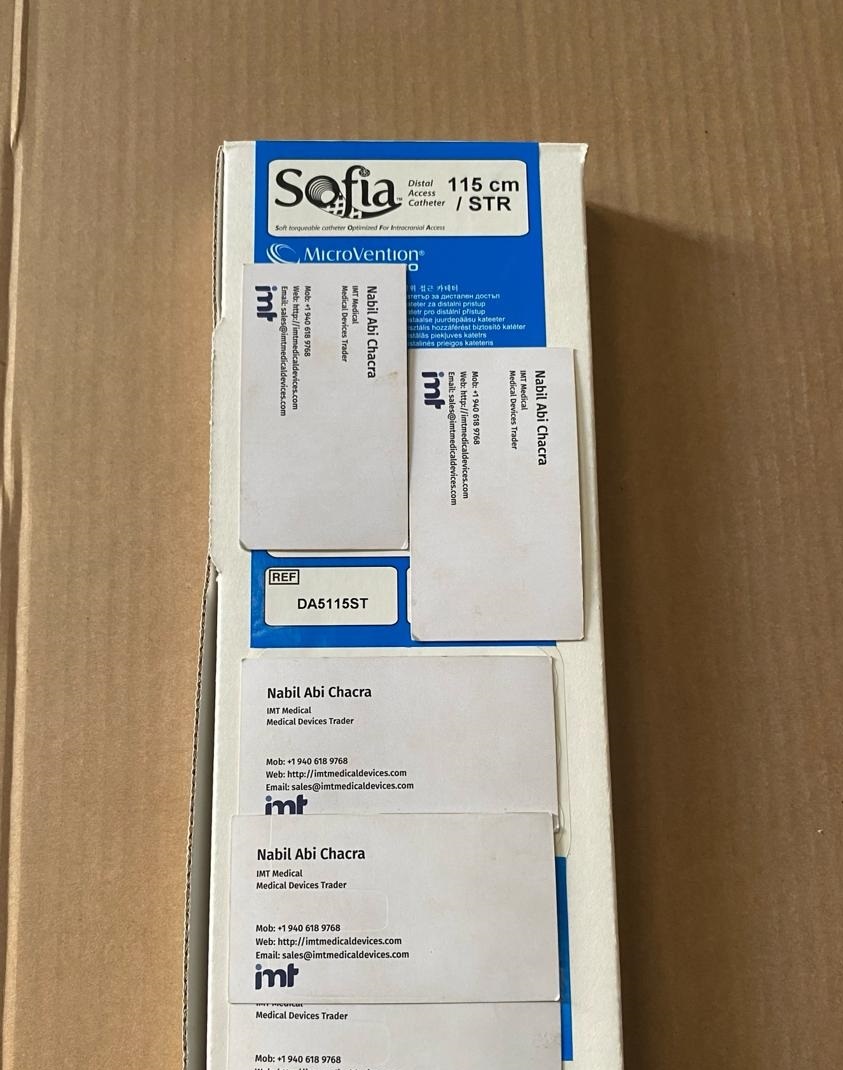
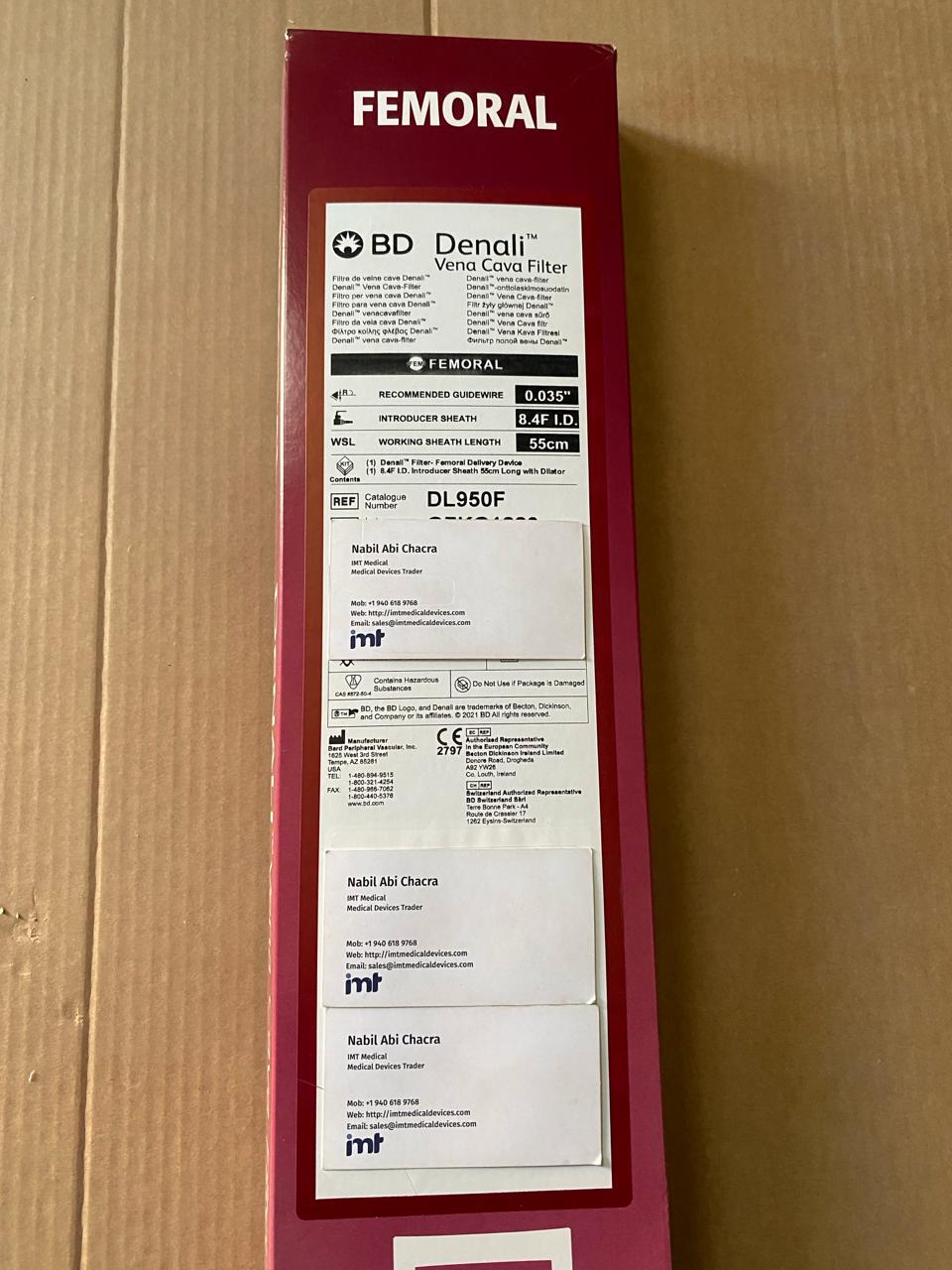
Vascular access components form the essential inventory for global cath labs. Reliability in these procedures depends on the guidewire and guiding catheter technology used. High-turnover consumables such as diagnostic guide wires and peripheral stents also see significant export volumes. Surgical solutions, specifically specialized surgical staplers and electrophysiology catheters, round out the high-demand portfolio for modern surgical centers. These products require precise manufacturer identifiers for rapid customs clearance.
Premium Brands and Manufacturer Alignment
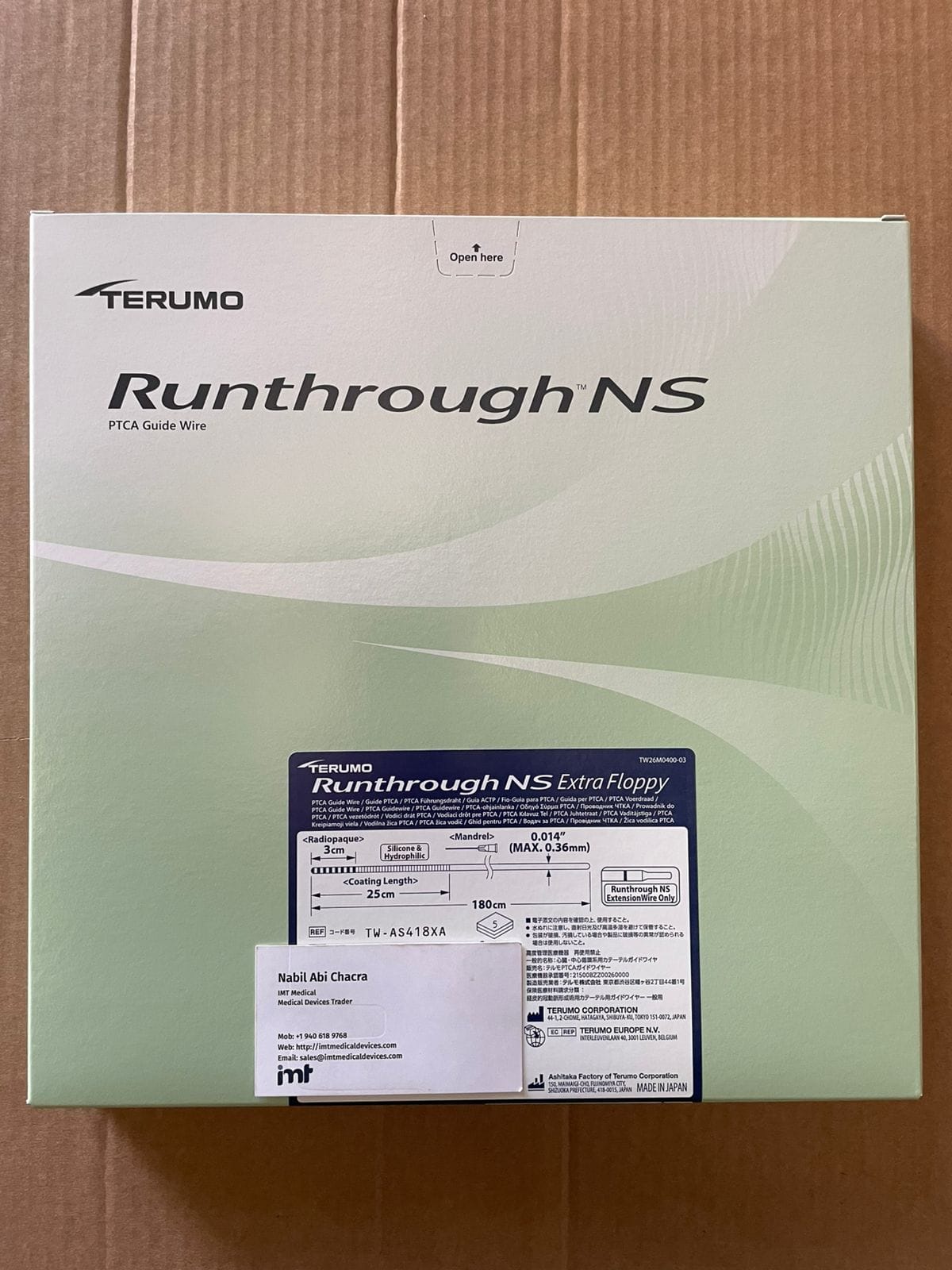
Procurement efficiency depends on direct alignment with premium manufacturer portfolios. Access to authentic technology from Medtronic, Boston Scientific, and Abbott serves as a primary trust signal. Direct manufacturer alignment is essential. These brands define the market. Each manufacturer maintains specific technical standards and identifies products through unique coding systems. Precision in vascular access is dominated by Terumo and Asahi Intec. Their guidewires and catheters are industry benchmarks for trackability and torque control. Authenticity is maintained through manufacturer-centric supply chain nodes. This prevents the entry of sub-standard hardware into the clinical environment.
Technical Specifications for Procurement
Evaluating ptca balloon catheters requires a focus on compliance, pushability, and crossability. Technical identifiers and manufacturer codes allow for rapid data transmission between procurement offices and warehouse management systems. This minimizes ambiguity in order fulfillment. Speed matters. Clinical relevance remains the deciding factor for DES selection. Newer platforms feature thinner struts and bioresorbable polymers. These technical specifications must be clearly documented in the export manifest. Clinical staff must receive the correct hardware for specific patient interventions without delay.
Specialized Logistics for High-Value Medical Technology
Logistics for medical devices export require more than standard freight protocols. High-value clinical hardware like Drug-Eluting Stents and permanent pacemakers demand environmental stability and physical security. Maintaining cold chain integrity is mandatory for specific temperature-sensitive supplies. Sterile packaging for interventional hardware must remain intact to prevent contamination. Any breach in the sterile barrier renders the device unusable for clinical procedures. Double-barrier Tyvek packaging and rigid protective outer casings are standard requirements for interventional products from Terumo and Boston Scientific.
Risk mitigation strategies focus on long-haul international transit. Real-time tracking and supply chain visibility allow procurement professionals to monitor critical healthcare inventory. GPS-enabled sensors and cellular data loggers provide continuous updates on location and environmental conditions. This data-driven approach prevents losses due to mishandling or transit delays. It ensures that the technical integrity of complex hardware, such as electrophysiology catheters and surgical staplers, is preserved throughout the journey.
Handling Sensitive Medical Implants
Pacemakers and ICDs contain sensitive microelectronics and lithium power sources. These require static protection and vibration control during air and sea freight. Environmental monitoring during transit prevents hardware degradation from extreme temperature fluctuations or moisture ingress. Standard Operating Procedures (SOPs) govern every stage of storage and handling. These protocols ensure that items from manufacturers like Medtronic arrive at the destination in factory-calibrated condition. Warehouse facilities must maintain strict humidity and temperature controls to meet manufacturer-specific storage requirements.
Optimizing International Transit Routes
Strategic use of global logistics hubs reduces lead times for urgent clinical requirements. Managing transshipment and multi-modal transport for medical equipment requires deep expertise in customs regulations. Delays are mitigated through regulatory readiness and pre-cleared documentation. This includes electronic filing of technical files and UDI codes before the shipment reaches the border. Rapid transit through major hubs ensures that high-turnover items like PTCA balloon catheters and guidewires remain in stock for healthcare providers. For secure and efficient transit, partner with a specialized medical device exporter.
Strategic Wholesale Partnerships for Global Procurement
Selecting a partner for medical devices export is a critical procurement decision. It requires verifying the distributor’s capacity to handle high-risk Class III implants at scale. National healthcare systems and large-scale hospital groups require consistent availability. They can't risk stockouts of essential hardware like permanent pacemakers or PTCA balloon catheters. A reliable exporter acts as a single point of access for diverse manufacturer portfolios. This consolidation simplifies the procurement cycle. Instead of managing multiple manufacturer contracts, procurement officers leverage a single wholesale partnership to secure interventional cardiology and surgical inventory. This approach reduces administrative overhead and ensures a unified logistical chain.
Scalability is the benchmark of a professional distributor. The ability to meet the volume requirements for national healthcare tenders depends on robust inventory management and manufacturer-direct relationships. Strategic partnerships allow for the rapid deployment of specialized technology, such as electrophysiology catheters and peripheral stents, across diverse geographic regions. This ensures that clinical providers have access to authentic, high-performance hardware regardless of their proximity to the original manufacturing site.
Evaluating Distributor Competence
Reach is the primary metric for distributor competence. A footprint across 50+ countries ensures familiarity with regional customs protocols and local health authority requirements. Procurement professionals must verify manufacturer-specific contract rates. This ensures competitive pricing for high-volume orders of drug-eluting stents and diagnostic guide wires. Regulatory compliance history is non-negotiable. A history of successful clearances for sensitive electronics, including ICDs, serves as a trust signal. Logistics performance must be backed by data. Accurate lead times and sterile barrier maintenance are the benchmarks of a professional operation. Bulk sale capacity is also essential for meeting the volume requirements of national tender processes.
The IMT Medical Devices Advantage
IMT Medical Devices provides a direct bridge to premium technology. Our portfolio includes authentic hardware from Medtronic, Abbott, and Boston Scientific. We manage the entire lifecycle of export logistics and regulatory documentation. This includes electronic filing of technical files and UDI verification for all shipments. Our transactional model is built for B2B efficiency. We prioritize rapid data transmission and precise technical identifiers. This allows procurement officers to secure critical inventory with minimal administrative friction. Whether sourcing Asahi Intec guidewires, Terumo guiding catheters, or specialized surgical staplers, we provide the logistical scale required for global healthcare delivery. Our focus is on clarity, availability, and the rapid movement of high-end clinical hardware to the point of care.
Optimizing Global Medical Supply Chains
Mastery of the medical devices export landscape requires technical alignment between regulatory compliance and specialized logistics. The 2026 transition to FDA QMSR and EU MDR standards demands rigorous documentation and manufacturer-verified hardware. Managing high-risk Class III implants like permanent pacemakers and drug-eluting stents is only possible through structured supply chain nodes. Procurement professionals must prioritize inventory integrity and manufacturer authenticity to ensure clinical safety and operational continuity across international borders.
IMT Medical Devices provides the logistical scale and technical expertise required for high-volume procurement. We export to over 50 countries worldwide. Our strategic distribution hubs in Georgia, Dubai, Turkey, and Poland ensure rapid transit and minimized lead times for critical surgical and cardiology equipment. We maintain an authorized wholesale portfolio of Tier 1 brands including Medtronic and Abbott. This infrastructure ensures your facility receives authentic technology without documentation delays. Partner with IMT Medical Devices for reliable global distribution and secure your clinical supply chain. Efficiency and reliability remain the benchmarks of a successful partnership.
Frequently Asked Questions
What are the primary certifications required for medical devices export?
Primary certifications include ISO 13485:2016 for quality management systems, CE Marking under EU MDR for European access, and FDA-issued Certificates to Foreign Governments (CFG). All items in a medical devices export manifest must also feature Unique Device Identification (UDI) codes for global traceability. These certifications verify that clinical hardware meets international safety and manufacturing standards before border crossing.
How do exporters ensure the authenticity of high-end brands like Medtronic?
Authenticity is verified through manufacturer-specific batch numbers and direct supply chain nodes. Professional distributors provide full traceability from the production line to the final destination. Each item, whether from Medtronic, Abbott, or Boston Scientific, carries a technical identifier that confirms its origin and sterile status. This prevents the entry of sub-standard or non-authentic technology into the clinical environment.
What is the role of a Certificate of Free Sale in international trade?
A Certificate of Free Sale (CFS) serves as evidence that the medical device is legally marketed and sold in the country of origin. This document is mandatory for health authority registrations in most importing jurisdictions. It confirms the product meets the same quality standards as those sold in the exporter’s domestic market, facilitating regulatory approval in new territories.
How is cold chain integrity maintained for cardiac implants during transit?
Cold chain integrity relies on cellular data loggers and GPS-enabled temperature sensors for real-time environmental monitoring. Sensitive cardiac implants require double-barrier Tyvek packaging and rigid outer casings to prevent physical or thermal degradation. Standard Operating Procedures (SOPs) dictate specific humidity and temperature ranges throughout the entire logistical chain to preserve the device's clinical efficacy.
Which medical device categories are currently in highest global demand?
Interventional cardiology and cardiac rhythm management remain the highest demand categories. This includes Drug-Eluting Stents, PTCA Balloon Catheters, and permanent pacemakers. Vascular access tools like guidewires and guiding catheters from Asahi Intec and Terumo also see significant volume due to the global shift toward radial access procedures and minimally invasive surgery.
What documentation is needed for customs clearance of surgical staplers?
Customs clearance for surgical staplers requires a precise Commercial Invoice, a detailed Packing List with sterile batch numbers, and a Certificate of Conformity. Accurate Harmonized System (HS) codes are essential to avoid impoundment or transit delays. Local health authorities may also require electronic technical files to verify the device's clinical safety profile and manufacturer-specific data.
How do wholesale distributors manage volume-based pricing for B2B clients?
Wholesale distributors manage volume-based pricing through tiered contract rates and manufacturer-aligned procurement agreements. Pricing structures are designed for B2B efficiency, rewarding bulk orders with reduced per-unit costs. This allows national healthcare systems to secure high-turnover inventory like diagnostic guide wires and peripheral stents at competitive rates while maintaining a reliable supply chain.
Can medical devices be exported to countries without local FDA-style agencies?
Export is possible to jurisdictions without local regulatory agencies by using FDA or CE certifications as recognized proxies. These markets often follow World Health Organization (WHO) guidelines for the procurement of essential clinical technology. Professional exporters provide the necessary documentation and manufacturer-verified data to satisfy these alternative regulatory frameworks and ensure local clinical availability.