

How to Buy Coronary Stents Internationally
When a cath lab is short on a specific DES platform or a distributor needs to consolidate branded inventory across markets, the question is not whether to buy coronary stents internationally. The real question is how to do it without creating delays, documentation gaps, or SKU mismatches that affect procedure planning and downstream supply continuity.
For professional buyers, international sourcing is usually driven by one of three pressures: local allocation issues, brand-specific physician preference, or the need to centralize purchasing across multiple product lines. Coronary stents sit in a category where brand familiarity, exact sizing, delivery system characteristics, and packaging integrity matter. That makes procurement discipline more important than price alone.
Why buyers purchase coronary stents across borders
International procurement is often a practical response to supply conditions, not a strategic experiment. Hospitals and distributors may face inconsistent local availability for specific branded stent families, especially when demand shifts quickly or when a preferred manufacturer channel has limited stock in a given market.
There is also the issue of standardization. A procurement team may be managing purchasing for several facilities or reselling into multiple accounts that already work with established brands such as Abbott, Medtronic, Boston Scientific, or Terumo. In that case, buying from a single export-capable wholesale source can reduce the friction of dealing with multiple regional vendors.
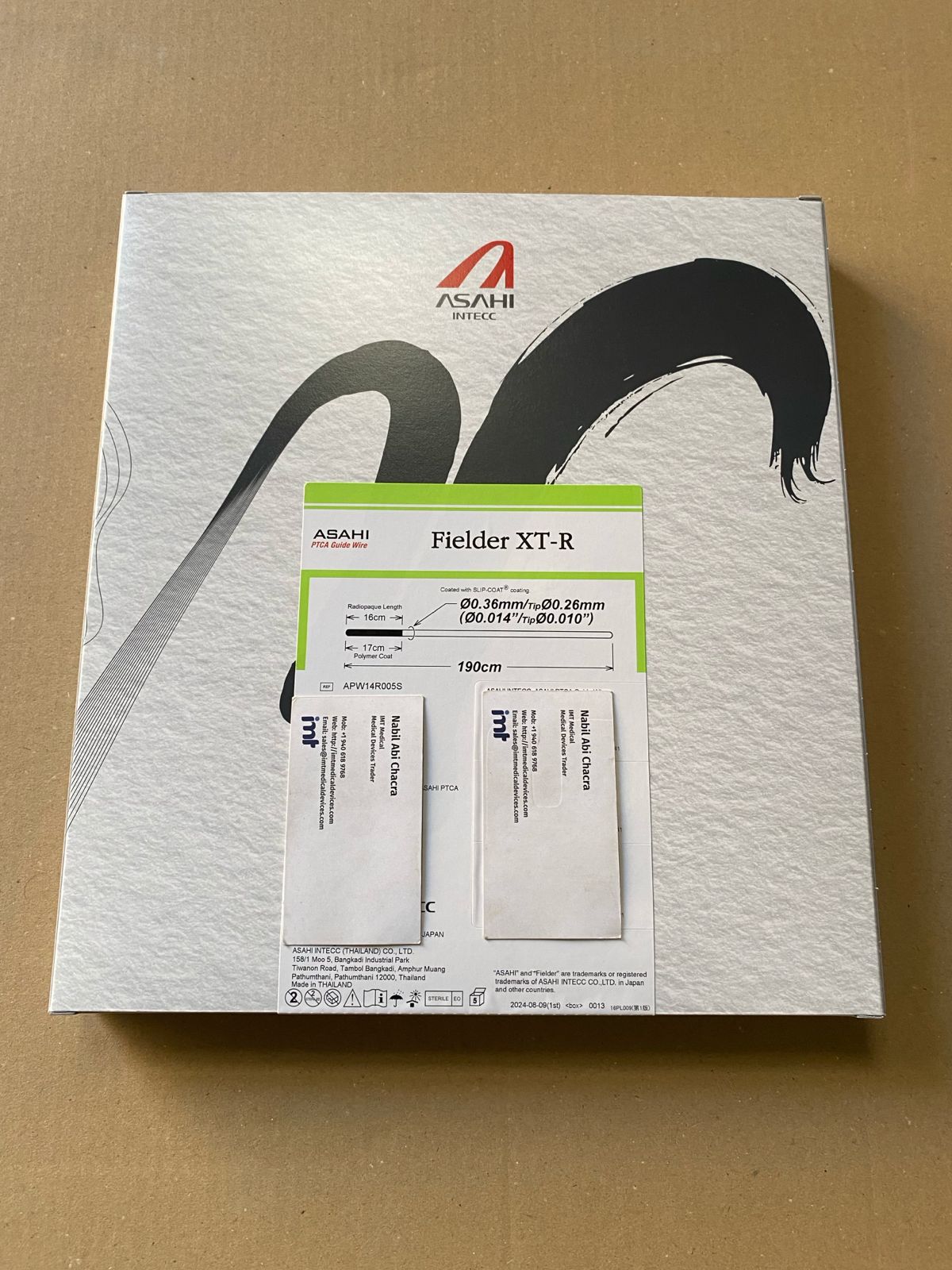
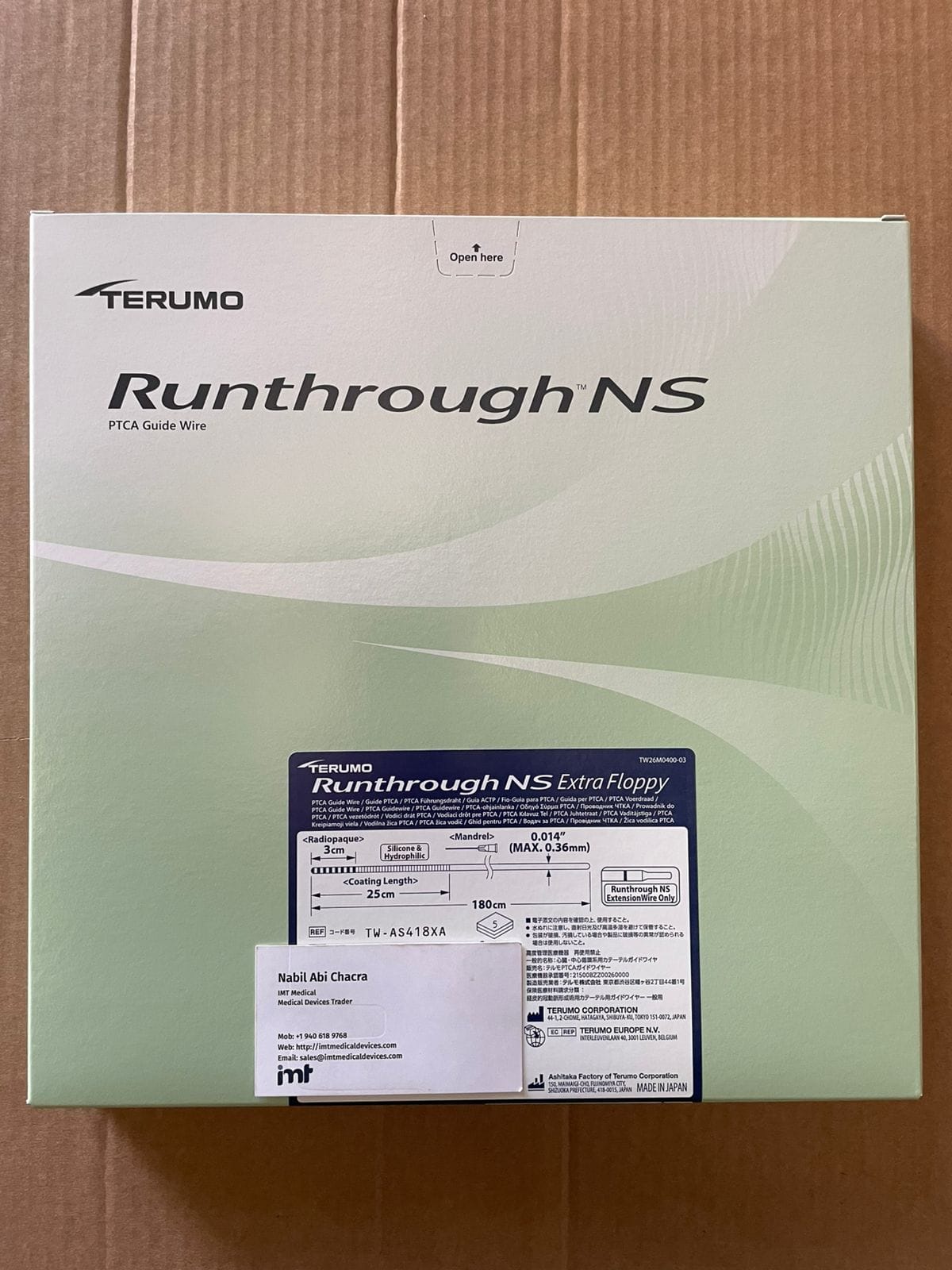
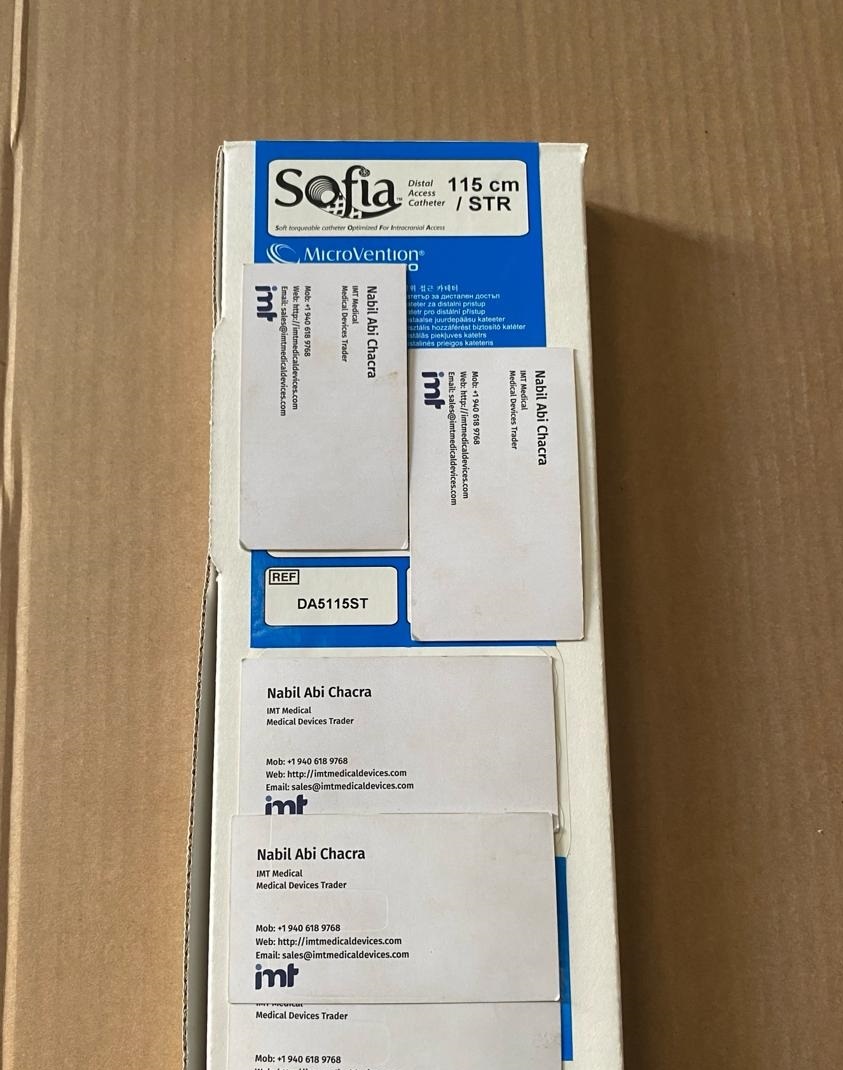
The benefit is not simply access. It is access paired with better purchasing control. A supplier that understands interventional cardiology categories can align coronary stents with related requirements such as guidewires, PTCA balloons, guiding catheters, microcatheters, or closure devices. For many buyers, that kind of consolidation saves more time than negotiating isolated line items one by one.
What matters most when you buy coronary stents internationally
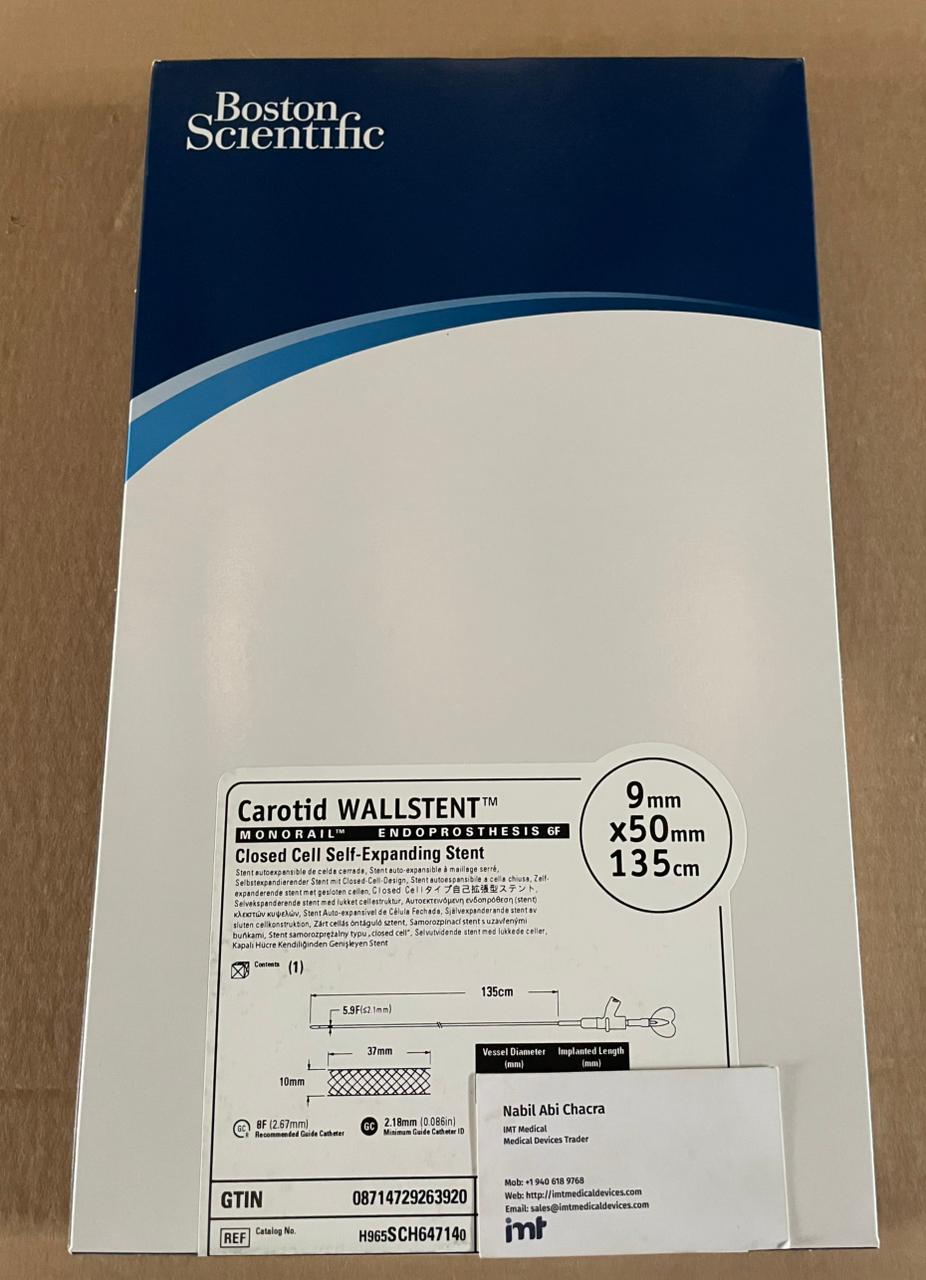
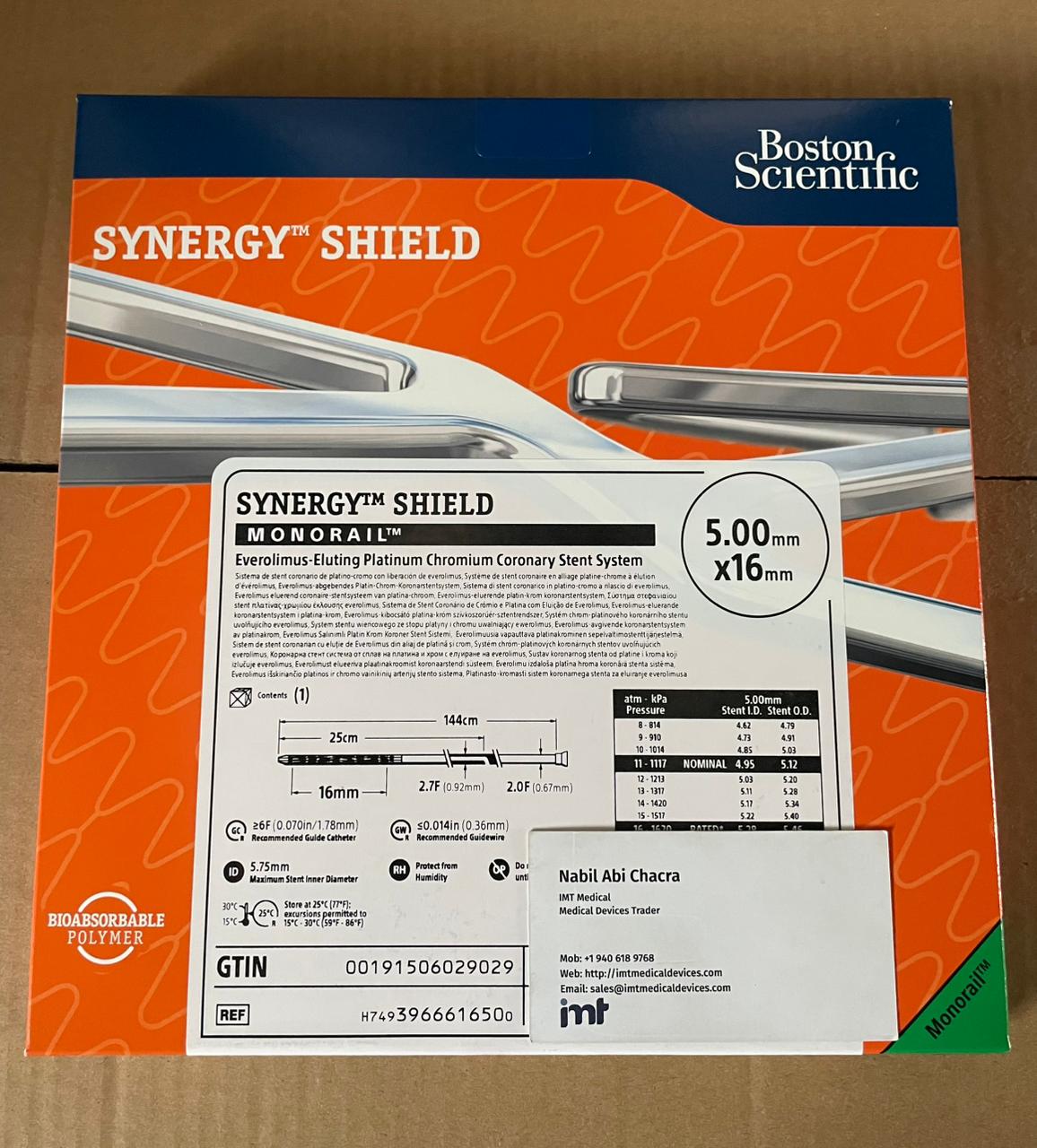
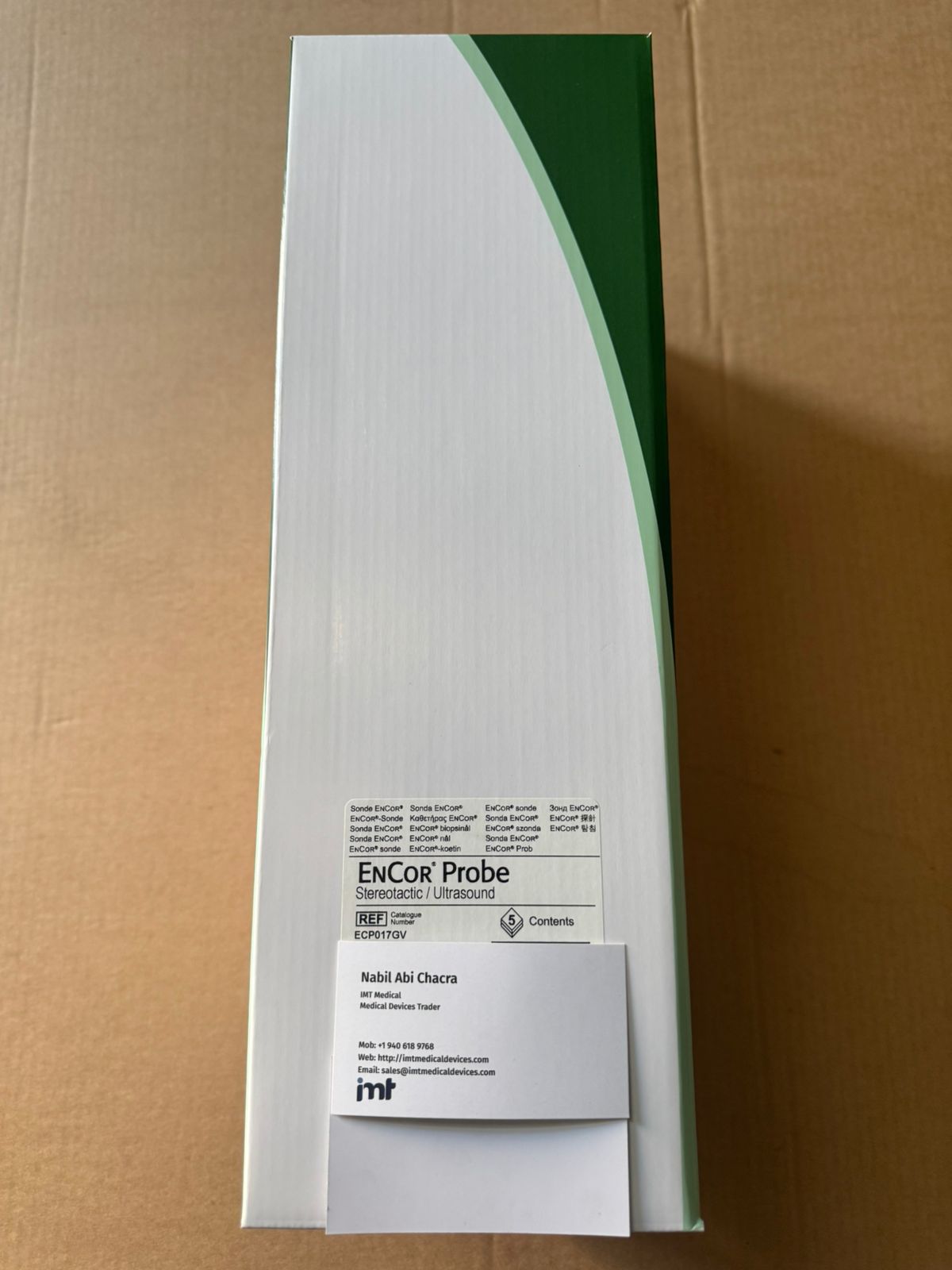
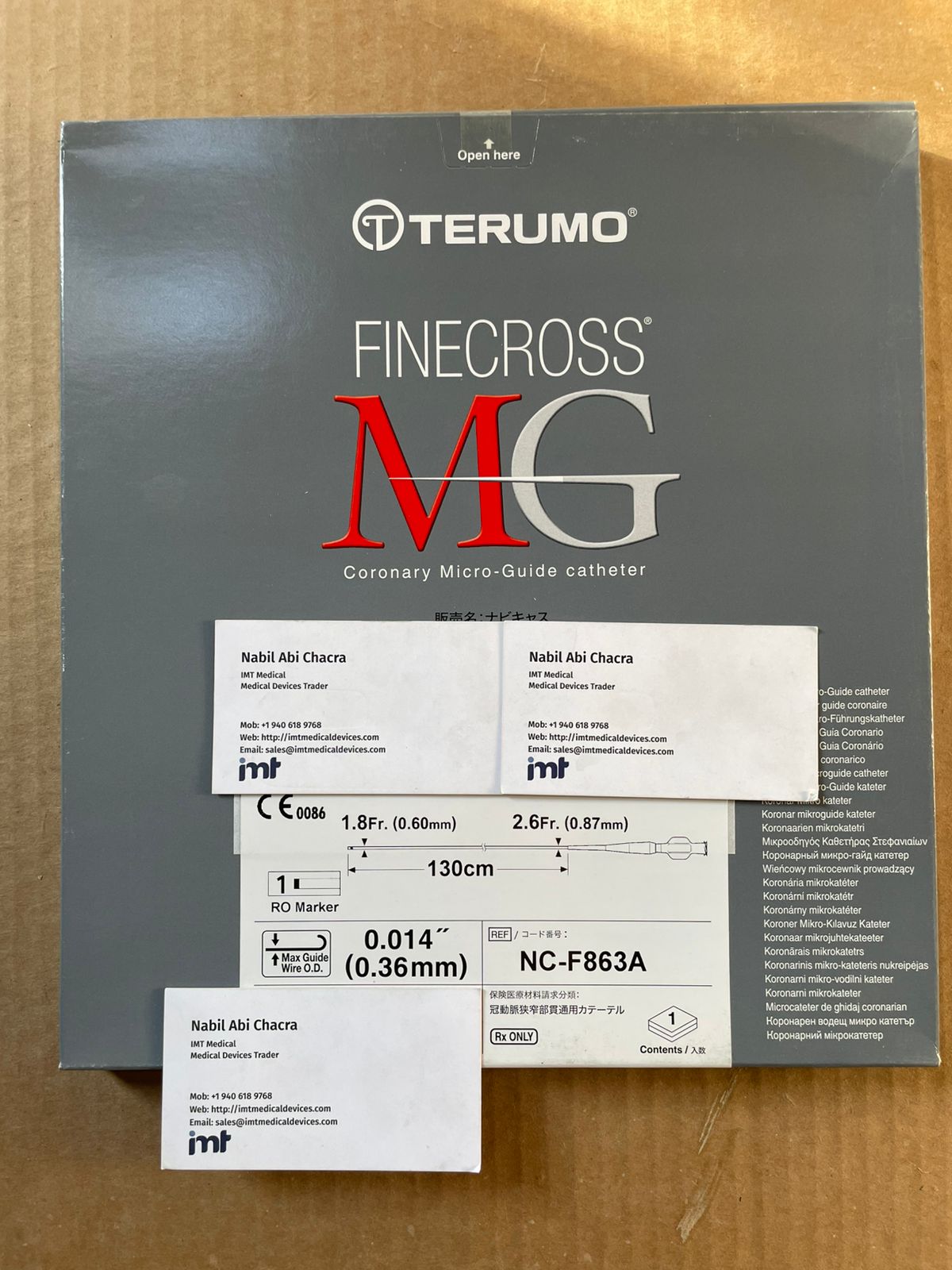
The first priority is exact product identification. In this category, a near match is usually not an acceptable match. Buyers should work from precise manufacturer references, including brand family, diameter, length, and any relevant packaging or market labeling details. If your team sends a general request for "coronary stents," the quoting process becomes slower and the risk of error rises.
The second priority is product authenticity and source credibility. Professional buyers do not need marketing language. They need confidence that the devices are branded, correctly identified, and supplied through a business that understands wholesale documentation and export handling. This is particularly relevant when products are moving into regulated environments where receiving departments, customs brokers, and compliance teams may all review the shipment.
The third priority is export execution. A supplier may have inventory, but that does not automatically mean it can support an international transaction efficiently. The practical questions are straightforward: Can the supplier prepare commercial documents accurately? Can it coordinate international shipment requirements? Can it maintain communication around lead times, partial availability, and substitutions if needed? Those details often determine whether a procurement cycle stays on schedule.
The main risks in international stent procurement
Most procurement problems in this segment are not dramatic. They are operational. A quote may come back with a similar but different SKU. A shipment may be delayed because product descriptions on the documents are inconsistent. A buyer may assume local market labeling is interchangeable across destinations when it is not.
Another common risk is overfocusing on unit cost while underestimating the cost of disruption. If a lower quoted price comes with uncertain documentation, unclear stock position, or weak communication, the total procurement cost can climb quickly. Delayed procedures, emergency replenishment, and internal follow-up all carry a cost even if they do not show up on the invoice.
There is also a brand continuity issue. Some interventional cardiology teams are highly specific about what they use, and for valid clinical and operational reasons. A procurement decision that introduces variation simply because it was easier to source can create friction at the physician and inventory management level. Sometimes an alternative is acceptable. Sometimes it is not. That distinction should be resolved early.
A practical process to buy coronary stents internationally
The cleanest procurement process starts with a disciplined RFQ. Send exact product references, requested quantities, preferred Incoterms if applicable, destination country, and any required shipping timeline. If the order is linked to other interventional products, state that up front. Consolidated quoting often improves response speed and reduces fragmented fulfillment.
Next, verify availability in commercial terms, not broad assurances. Buyers should ask whether stock is available now, available on lead time, or subject to allocation. That difference matters. If your requirement is time-sensitive, a vague statement such as "available on request" is not enough.
Then review documentation expectations before shipment planning begins. This includes commercial invoice accuracy, packing list consistency, product descriptions, and any destination-specific import requirements your team or broker may need. A capable wholesale export partner should be comfortable operating at this level of detail.
Finally, confirm whether partial shipment is acceptable. In some cases, receiving a portion of a larger order quickly is better than waiting for full consolidation. In other cases, fragmented receipt creates internal issues for budgeting, customs clearance, or hospital intake. There is no universal answer. The right choice depends on your inventory pressure and local receiving process.
Why branded sourcing changes the decision
Coronary stents are not a commodity category in the way many general medical consumables are. Procurement teams often need recognized manufacturers because physician familiarity, established protocol, and prior product evaluation all influence demand. That is why brand access remains central to international sourcing decisions.
For B2B buyers, a supplier with a broad branded portfolio offers a practical advantage. It allows purchasing teams to source coronary stents while also covering adjacent categories through one commercial channel. In a market where time spent coordinating multiple suppliers can slow procurement cycles, breadth matters.
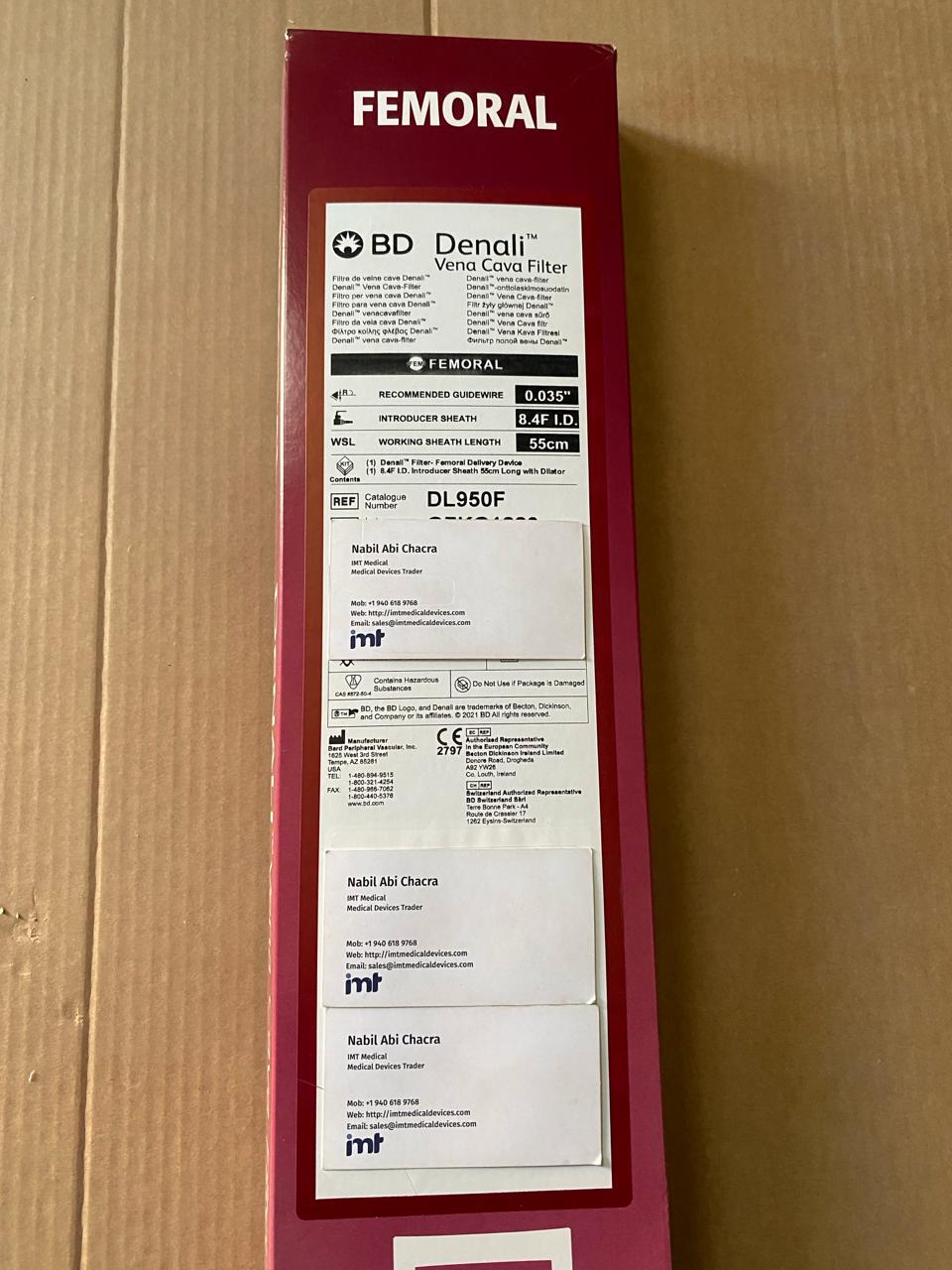
This is where an export-focused wholesale business can be more useful than a narrow local reseller. If the supplier can quote across interventional cardiology, peripheral intervention, neurovascular, and related hospital products, buyers gain flexibility without restarting the vendor search every time demand shifts.
When international buying makes sense - and when it may not
Buying across borders makes sense when local channels cannot reliably provide the required brand, when a buyer needs consolidated supply from multiple manufacturers, or when international pricing and availability justify the transaction effort. It is also valuable when a distributor or hospital group wants one procurement relationship that can support repeat orders across categories.
It may be less attractive when the destination market has highly specific local registration constraints, when required quantities are too small to make freight and handling efficient, or when the requested timeline leaves no room for export processing. In those cases, local sourcing may be faster even if the cost is higher.
The point is not that international procurement is always better. It is that the right buying model depends on urgency, compliance requirements, and the importance of exact branded supply. Buyers who evaluate those three factors early tend to make better decisions.
Choosing the right international supplier
A serious supplier should understand the difference between a casual inquiry and a procurement-ready request. That means responding with specificity, asking for exact references when needed, and communicating clearly about stock position and export feasibility.
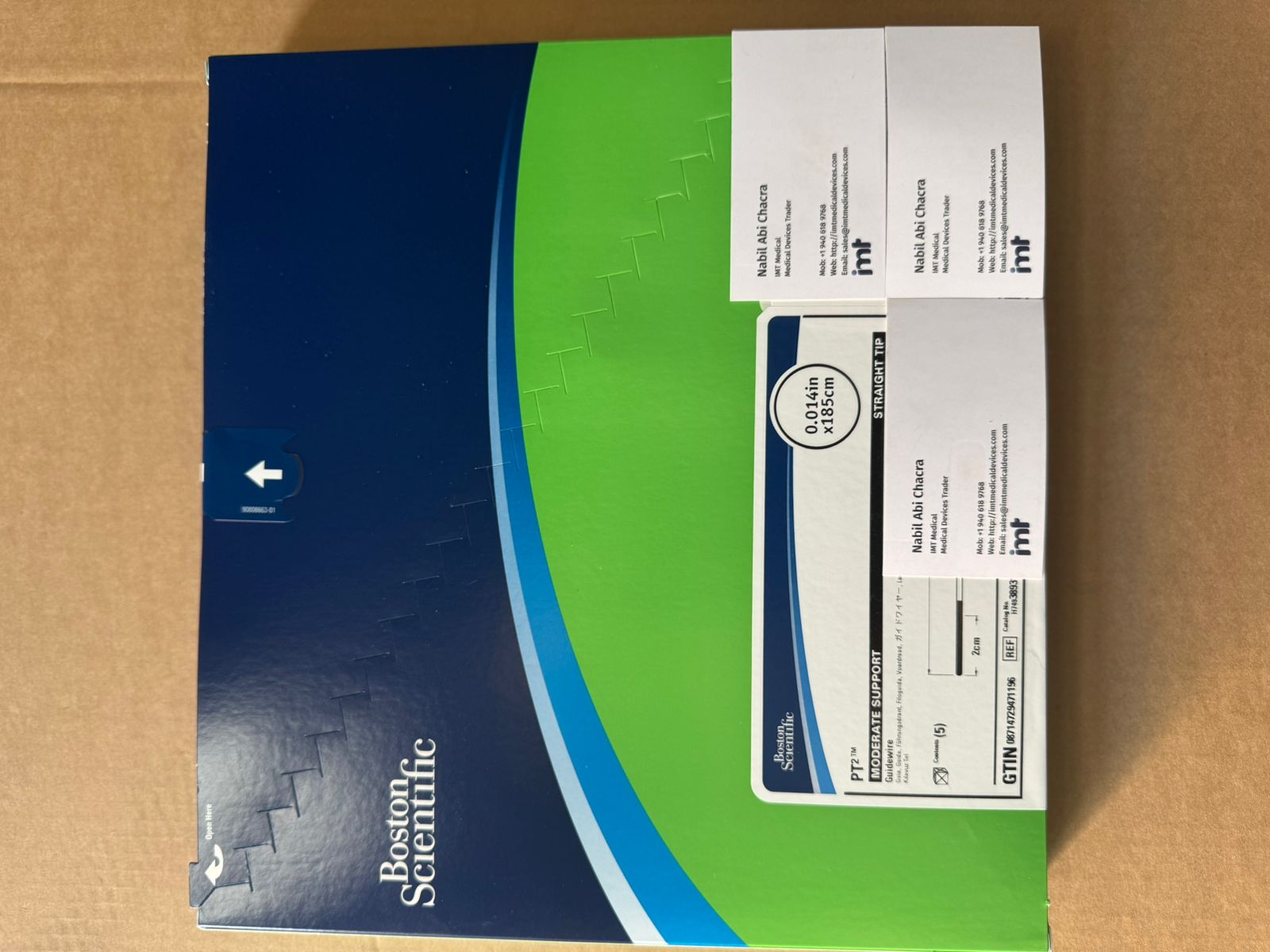
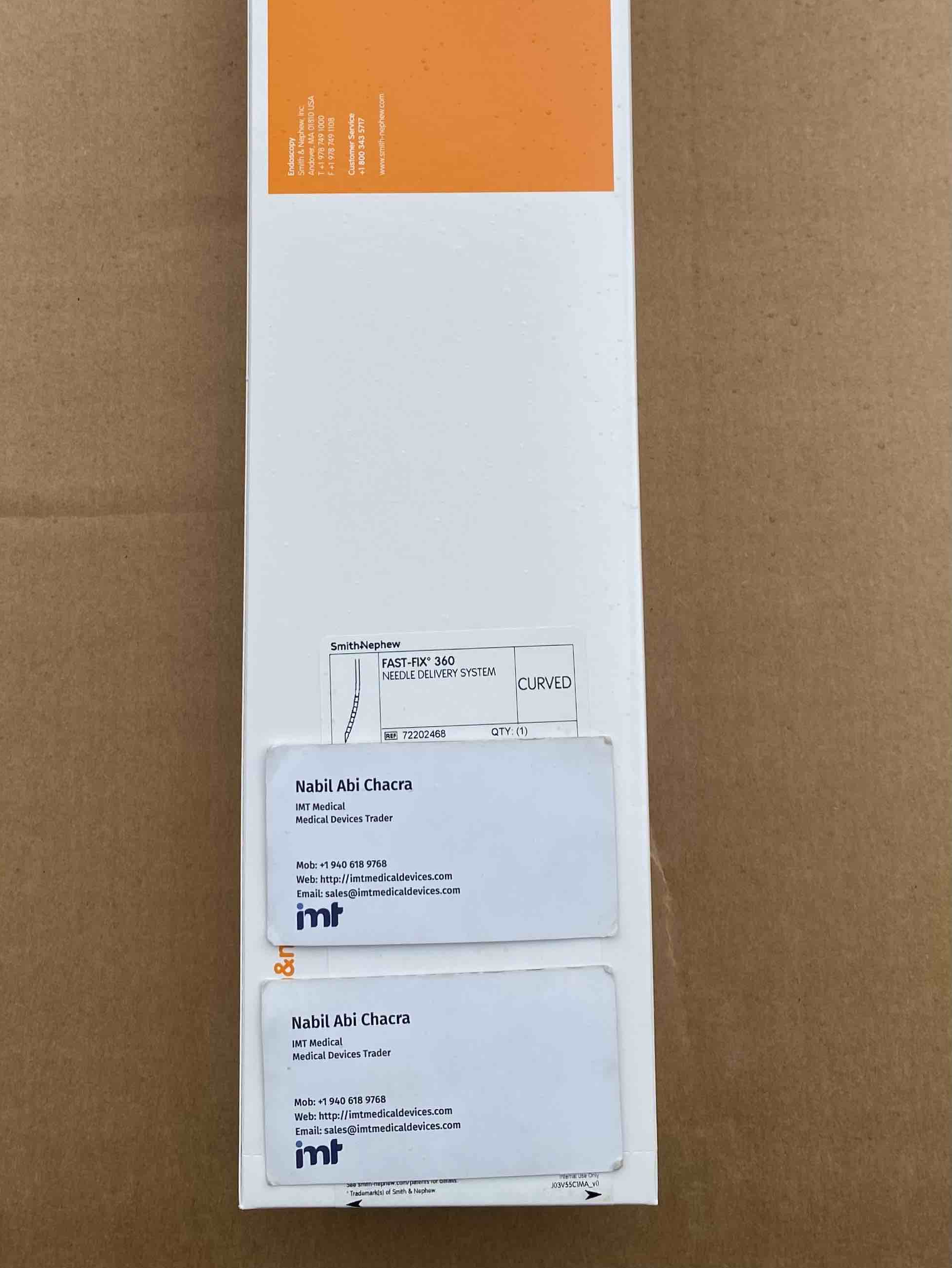
It also helps when the supplier's catalog reflects real familiarity with interventional product lines rather than generic device listings. If the business regularly handles coronary stents, balloons, guidewires, guiding catheters, vascular closure devices, aspiration catheters, and related branded products, the conversation tends to move faster because both sides are working from the same technical vocabulary.
For buyers seeking a wholesale sourcing partner, IMTMedicalDevices.com fits this model by focusing on branded interventional and hospital products for professional procurement teams and international markets. That matters less as a branding point than as an operational one. The supplier's value is in product recognition, quote-driven accuracy, and export capability.
Procurement discipline reduces risk
The strongest international purchases usually come from buyers who treat the transaction as a controlled process rather than a spot order. Exact SKU references, realistic lead-time expectations, complete shipping information, and early documentation alignment all reduce friction.
That discipline also improves supplier performance. When a seller receives a precise inquiry, it can quote faster, flag constraints earlier, and propose workable options if a requested item is limited. Better inputs usually produce better procurement outcomes.
If you need to buy coronary stents internationally, the fastest path is rarely the loosest one. Clear specifications, branded sourcing, and export-ready coordination are what keep an urgent purchase from becoming an avoidable operational problem. A good supplier does more than ship product - it helps keep your inventory plan usable.